AUSTRALIA · LISMORE, COFFS HARBOUR, GOLD COAST
Southern Cross University
public · Founded 1994 · Languages: en

In short
Southern Cross University, established in 1994, offers flexible study options across various disciplines with globally recognized research in fields like marine science. Its campuses are located in scenic coastal and regional areas of New South Wales and Queensland.
Key facts
- Type
- Public
- Founded
- 1994
- Students
- 18,092
- International students
- 2,500
- Acceptance rate
- 75%
- Tuition (intl)
- €18–32k/yr
- Languages
- EN
- Location
- Lismore, Coffs Harbour, Gold Coast, Australia
Southern Cross University (SCU) is an Australian public university founded in 1994, with campuses in Lismore, Coffs Harbour, and the Gold Coast, plus metro study centres in Sydney, Melbourne, Brisbane, and Perth. SCU is ranked in the Times Higher Education Top 500 globally and Top 100 among the world's young universities. The university offers flexible study modes — on-campus, online, and hybrid — across programmes in health, education, business, law, environmental sciences, and engineering. Its accelerated degree model and strong industry partnerships make it a popular choice for domestic and international students alike.
Why study here
- Globally recognised research in marine science, oceanography (Top 150 Shanghai Ranking), environmental sustainability, and health.
- Flexible study options: on-campus, fully online, or hybrid programmes, with accelerated degree completion in as little as two years.
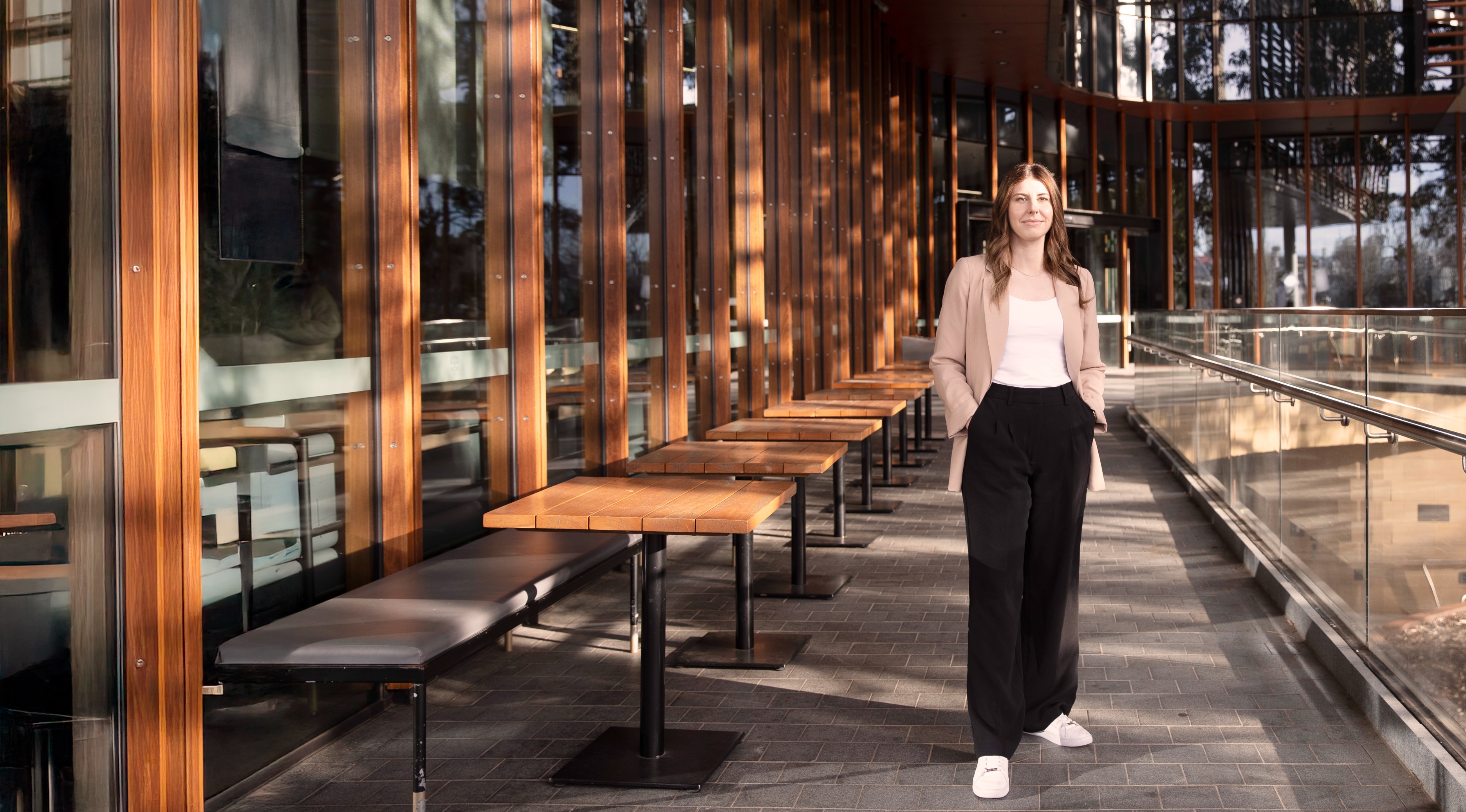
- Beautiful coastal and regional campuses in NSW and Queensland, offering a safe, community-oriented study environment.
- Five-star ratings from the Good Universities Guide for education, law, and engineering graduate employment outcomes.
- A growing range of scholarships, including the Vice Chancellor's Scholarship ($50,000) for high-achieving students.
Student life
Southern Cross University offers a vibrant student life with a range of activities, resources, and support services across its campuses. Students can engage in various campus activities, access library and computer lab facilities, and utilize comprehensive support services. The university provides 24/7 mental health support, dedicated Indigenous student services, and opportunities to connect with mentors and alumni. Campus tours and virtual tours are available for prospective students to explore the facilities and environment.
Fees
InternationalInternational tuition typically ranges from AUD 28,000 to AUD 38,000 per year (approximately EUR 17,000–23,000), varying by faculty and programme.
HomeDomestic students pay Commonwealth Supported Place (CSP) rates or full-fee rates. CSP band fees range from approximately AUD 4,000 to AUD 15,000 per year.
LivingLiving costs in northern NSW and the Gold Coast are lower than in Sydney or Melbourne. Students should budget approximately AUD 18,000–22,000 per year for accommodation, food, transport and personal expenses.
Tuition fees are set annually and may increase slightly. English language programme fees are charged per-week separately. Refer to scu.edu.au/international for current published rates.
Admissions
ATAR (domestic)Minimum ATAR of 60–70 for most undergraduate programmes; some programmes require higher scores.
International qualificationsEquivalent to Australian Year 12 completion; pathway programmes available through SCU College for those who do not meet direct entry requirements.
PostgraduateRelevant bachelor's degree or equivalent. Work experience may be considered for some professional master's programmes.
IELTS Academic6.0 overall (no band below 5.5) for most undergraduate programmes; 6.5 for postgraduate
TOEFL iBT60–79 for undergraduate; 79–93 for postgraduate
PTE Academic54 for undergraduate; 58 for postgraduate
SCU College English ProgrammeAvailable at CEFR A2–C1 levels as a pathway to degree entry
Rankings
Times Higher Education World University Rankings 2025500
Times Higher Education Young University Rankings 2024100
QS World University Rankings 2025638
Shanghai Ranking – Oceanography 2024150
Shanghai Ranking – Nursing 2024300
University scholarships
Vice Chancellor's ScholarshipAUD 50,000 over the degree for students with ATAR 95+
Vice Chancellor's Regional Leadership ScholarshipAUD 50,000 for regional school leavers with ATAR 90+
Equity ScholarshipsAUD 800–4,800 for students facing financial or social disadvantage
Commonwealth Indigenous ScholarshipsUp to AUD 32,000 for Indigenous Australian students
Accreditation
Southern Cross University is a self-accrediting Australian university under the Higher Education Standards Framework, regulated by the Tertiary Education Quality and Standards Agency (TEQSA). Its nursing, education, engineering, and law programmes hold relevant professional accreditations from ANMAC, AITSL, Engineers Australia, and the Legal Profession Admission Board respectively.
For international students
AustraliaStudent visa & funds
International students need the Student visa (subclass 500), which requires a Confirmation of Enrolment from a CRICOS-registered provider, Overseas Student Health Cover, and a health and character check. Since May 2024 applicants must show financial capacity of at least AUD 29,710 for one year of living costs, plus first-year tuition and around AUD 2,500 for travel. Since March 2024 all applicants must also satisfy the Genuine Student (GS) requirement, which replaced the former Genuine Temporary Entrant test.
Working while you study
Student visa holders may work a maximum of 48 hours per fortnight while their course is in session — a cap re-introduced in July 2023 — and unlimited hours during official scheduled course breaks. Students enrolled in a master’s by research or a doctoral degree have no work-hour limit at any time. Work must not begin before the course start date.
After you graduate
Eligible graduates may apply for the Temporary Graduate visa (subclass 485) within six months of completing their studies. In the Post-Higher Education Work stream, bachelor’s and master’s (coursework) holders receive up to two years and master’s (research) or doctoral holders up to three years; regional study and the Australia–India trade agreement can add further time. The general age limit is under 35 at the time of application, rising to under 50 for research-degree holders.
English tests
- IELTSUG 6.0–6.5; PG 6.5–7.0; Group of Eight typically 6.5–7.0 with no band below 6.0
- TOEFL iBT79–100; UG 79–90, PG 90–100
- PTE Academic50–65; UG 58+, PG 65+
Main intakes
FebruaryJuly
Typical living cost
€1,600/month
Approximate all-in student budget; major cities run higher.
SourcesDepartment of Home Affairs — Student visa (subclass 500) · Study Australia — Student visa (subclass 500) work rights · Study Australia — Temporary Graduate visa (subclass 485) · IDP IELTS — Minimum IELTS scores for Australian universities · AECC — Cost of living in Australia for international students
Programs
a selectionSouthern Cross University · Australia
Associate Degree of Law (Paralegal Studies)
This Associate Degree of Law (Paralegal Studies) is designed to prepare you for a career in the legal sector, equipping you with practical skills and foundational knowledge of the Australian legal system. You will develop expertise in legal research, writing, and core legal principles, with the option to specialize in Conveyancing, which serves as an academic prerequisite for becoming a licensed conveyancer in New South Wales. This degree also offers a pathway to further studies, including a Bachelor of Laws, should you wish to become a practicing lawyer. Graduates are highly valued in various legal settings, including law firms, government departments, law enforcement agencies, and corporate sectors. The program emphasizes an interactive learning approach through the Southern Cross Model, featuring shorter, immersive learning blocks and engaging, discussion-based classes, whether you study on campus or online. You may also have the opportunity to gain practical experience through voluntary legal placements.
Diploma
Level
€16k
Tuition
24 mo
Duration
Southern Cross University · Australia
Bachelor of Legal and Justice Studies
This degree provides a thorough grounding in legal knowledge and a strong understanding of Australian and international politics and society. It's designed for students interested in how the law functions, the reasons behind specific laws, and their impact. The program is ideal for those aspiring to work in policy development, paralegal roles, conveyancing, or the broader justice sector. It can also enhance the knowledge and skills of individuals already working professionally in law and justice. The conveyancing major is accredited by New South Wales Fair Trading, allowing graduates to become licensed conveyancers in NSW.
Bachelor's
Level
€16k
Tuition
36 mo
Duration
Southern Cross University · Australia
Bachelor of Veterinary Medicine (Honours)
The Bachelor of Veterinary Medicine (Honours) is a five-year, full-time program designed to equip you with comprehensive skills for a career in veterinary medicine. The curriculum integrates basic and clinical sciences early on, fostering clinical problem-solving abilities. You'll have numerous opportunities to practice and refine core clinical, communication, and teamwork skills. Work-Integrated Learning is a key component, exposing you to diverse practice settings including companion animal care, large-scale production animals, mixed rural practices, critical care, wildlife, regulatory practice, and surgery.
Bachelor's
Level
—
Tuition
60 mo
Duration
Southern Cross University · Australia
Bachelor of Veterinary Technology
The Bachelor of Veterinary Technology program equips you with the essential skills, knowledge, and practical experience to become a qualified Veterinary Technologist in Australia or New Zealand. You will gain a solid understanding of veterinary procedures and animal care, preparing you for immediate employment. The curriculum focuses on a strong theoretical foundation in veterinary healthcare, covering areas such as animal anatomy and physiology, nutrition, reproduction, clinical pathology, microbiology, radiography, and pharmacology. Through compulsory professional placements, you will apply this knowledge to develop practical skills in examination, clinical diagnostics, husbandry, therapeutics, anaesthesia, diagnostic imaging, and surgical assistance. Students must complete compulsory vaccinations (Q-Fever and Tetanus) before starting the course. Additional recommended vaccinations include Lyssa Virus (rabies) and annual Influenza. Students are responsible for their own travel arrangements and potential equipment costs for external placements.
Bachelor's
Level
—
Tuition
36 mo
Duration
Southern Cross University · Australia
Master of Social Work (Professional Qualifying)
This accredited Master of Social Work (Professional Qualifying) is designed for individuals with a background in social sciences, social welfare, psychology, or related fields. It equips you with the essential skills, knowledge, and ethical values needed to become a proficient social work practitioner. The curriculum delves into critical areas such as child protection, social policy and law, mental health, and health issues affecting Indigenous communities, alongside developing leadership skills in social work organisations. A significant component of the program involves supervised practice through work placements. Graduates will be prepared for professional social work roles in Australia and may have opportunities for international employment. Important Note: All students, regardless of study mode (on-campus or online), are required to complete a minimum of 150 hours (approximately 20 days) of on-campus learning over the course of the program. This is a mandatory requirement set by the Australian Social Work Education and Accreditation Standards (ASWEAS) and is fulfilled through compulsory residential schools held at the Gold Coast campus. This course also involves travel for mandatory placements; please review the placement information carefully.
Master's
Level
—
Tuition
24 mo
Duration
Scholarships
for Australia full funding
Australian Government - Department of Foreign Affairs and Trade (Australia Awards)
ASEAN-Australia Awards Scholarships
Open to citizens of eligible ASEAN countries (Brunei, Cambodia, Indonesia, Laos, Malaysia, Myanmar, Philippines, Singapore, Thailand, Vietnam and Timor-Leste) applying for a master's degree by coursework or research at an Australian university. Applicants need a strong academic record, leadership potential, relevant work experience and English proficiency, and must meet Australian visa and health requirements. Exact terms are set each cycle by the Australian Government.
full
Funding
€120k
Max
Apr 30, 2027
Deadline
full fundingForrest Research Foundation (Minderoo Foundation)
Forrest Research Foundation Post-doctoral Fellowships
Open to early-career post-doctoral researchers of any nationality and from all academic disciplines. Applicants must be in the final year of their PhD or no more than two years past PhD completion at the time of taking up the fellowship, be proficient in English, and meet the employment-eligibility conditions of the host Western Australian university. Fellows must reside at Forrest Hall in Perth for the full term and commit to mentoring Forrest Scholars, undertaking ambassadorial duties and providing leadership within Forrest Hall.
full
Funding
€90k
Max
May 31, 2027
Deadline
 full funding
University of Melbourne
Hansen Scholarship at the University of Melbourne
Australian citizens, permanent residents or holders of an Australian temporary or permanent protection visa who are enrolled in an Australian Year 12 or IB programme, aged 16-20 at application, with a predicted ATAR of 90+ (or IB equivalent) and demonstrated financial hardship (e.g. a family receiving Centrelink benefits). Asylum seekers are eligible for full fee remission.
full
Funding
€65k
Max
Mar 31, 2027
Deadline
full fundingAustralian Government (Department of Foreign Affairs and Trade)
Australia Awards Scholarships
Open to citizens of ~30+ eligible developing countries (mostly the Indo-Pacific), who are not married to/engaged to an Australian or NZ citizen, meet academic and English requirements, and commit to returning home for at least 2 years after study. Fields must align with the partner country's development priorities.
full
Funding
€60k
Max
Apr 30, 2027
Deadline
 full funding
University of Sydney
University of Sydney International Research Scholarship (USydIS)
For international students undertaking a postgraduate research degree (a master's by research or a PhD) at the University of Sydney. It covers tuition fees and a living-allowance stipend; applicants need a strong research background and a confirmed place and supervisor for their research project.
full
Funding
€45k
Max
14d left
Deadline
full fundingUniversity of Melbourne (School of Computing and Information Systems)
University of Melbourne CIS PhD Scholarship
Open to domestic and international students of all nationalities. Applicants must hold a Master of Computer Science from the University of Melbourne, apply for the Doctor of Philosophy – Engineering and IT (Computing and Information Systems) programme (DR-PHILEIT), and demonstrate strong academic performance, leadership, and research potential. A research proposal, a personal statement, and a letter of support from the proposed PhD supervisor are required.
full
Funding
€42k
Max
Jul 14, 2027
Deadline
Frequently asked questions
What are the tuition fees for international students at Southern Cross University?
+
International tuition fees at Southern Cross University typically range from AUD 28,000 to AUD 38,000 per year, depending on the faculty and specific program of study. These fees are set annually and may see slight increases. For the most current fee information, it's recommended to check the official SCU website.
How much should international students budget for living expenses?
+
International students should plan for annual living costs of approximately AUD 18,000–22,000. This budget covers essential expenses such as accommodation, food, transportation, and personal needs. Living costs in SCU's locations in northern NSW and the Gold Coast are generally more affordable than in major cities like Sydney or Melbourne.
What are the English language requirements for international students?
+
Most undergraduate programs require an IELTS Academic score of 6.0 overall, with no band below 5.5. Postgraduate programs typically require an IELTS score of 6.5. TOEFL iBT and PTE Academic scores are also accepted, with specific score ranges provided for undergraduate and postgraduate study. SCU College also offers English language programs as a pathway.
What are Southern Cross University's key rankings and recognitions?
+
Southern Cross University is recognized in the Times Higher Education Top 500 globally and is among the Top 100 young universities worldwide. It also ranks within the Top 150 for Oceanography by the Shanghai Ranking and is rated highly for graduate employment outcomes.
What are the main campuses of Southern Cross University?
+
Southern Cross University has three main campuses located in Lismore and Coffs Harbour in New South Wales, and on the Gold Coast in Queensland. These locations offer diverse environments, from coastal to regional settings, providing students with unique Australian study experiences.
Last updated