OMAN · AL-KHOUDH
Sultan Qaboos University
public · Founded 1986 · Languages: en, ar

In short
Sultan Qaboos University is Oman's leading public research institution, ranked globally by QS, offering a range of programs with scholarship opportunities. It provides a modern campus experience in Muscat, aligning with national development goals.
Key facts
- Type
- Public
- Founded
- 1986
- Students
- 17,000
- International students
- 1,200
- Acceptance rate
- 35%
- Tuition (intl)
- €4–10k/yr
- Languages
- EN, AR
- Location
- Al-Khoudh, Oman
Sultan Qaboos University (SQU) is Oman's flagship public research university, established in 1986 in Al-Khoudh, Muscat. Ranked #334 globally by QS, it spans ten colleges — including Medicine, Engineering, Law, and Sciences — and enrols approximately 17,000 students. The university is integral to Oman Vision 2040, driving research in water, energy, marine sciences, and health. With nearly 23,000 Scopus publications and over 990 active researchers, SQU is the region's leading centre for academic excellence and applied research.
Why study here
- Oman's top-ranked university (QS #334) with strong medicine, engineering, and sciences faculties.
- Full and partial scholarships available for meritorious postgraduate students, including monthly allowances.
- 285-hectare self-contained campus in Muscat with housing, health services, and sports facilities.
- Bilingual (Arabic/English) environment preparing graduates for regional and international careers.
- Aligned with Oman Vision 2040 — graduates enter a fast-growing economy with strong government support.
Student life
Life at SQU takes place on a landscaped 285-hectare self-contained campus in Muscat, offering student housing, health clinics, libraries, sports halls, swimming pools, and cultural centres. The university runs active student clubs covering academic, cultural, and sporting interests, and hosts regular research symposia and community events. Muscat itself offers a safe, modern living environment with rich heritage sites, beaches, and a growing international business hub.
Fees
InternationalInternational (non-sponsored) postgraduate students pay approximately OMR 1,500–3,800 per year (approx. EUR 3,600–9,200). Omani nationals and sponsored students study at heavily subsidised rates.
HomeOmani government-sponsored students pay minimal or no tuition. Self-financed Omani students pay reduced fees.
LivingMuscat living costs for students are moderate. Campus accommodation is available. Expect approximately OMR 300–500/month (EUR 700–1,200) covering housing, food, and transport.
Full scholarships covering tuition and monthly allowance are available for outstanding postgraduate applicants. PhD students may additionally access research and conference funding.
Admissions
UndergraduateOman Tawjihiya or equivalent secondary school certificate with strong science/maths grades
Postgraduate (Master's)Bachelor's degree with GPA 2.75/4.00 or above from a recognised university
PhDMaster's degree with strong academic record; research proposal required
IELTS6.0 overall for most postgraduate programmes
TOEFL iBT68 overall for most postgraduate programmes
Rankings
QS World University Rankings334
QS Arab Region RankingsTop 20
National1st in Oman
University scholarships
Full Scholarship (Postgraduate)Full tuition + monthly allowance + annual return flight for international recipients
Tuition Fee Exemption ScholarshipFull tuition waiver; no monthly stipend
Monthly Allowance ScholarshipMonthly stipend + annual return flight
PhD Research Project FundingUp to OMR 4,000 for approved research expenses
PhD Conference SupportUp to OMR 400 registration + up to OMR 600 economy flight for presenting students
Accreditation
SQU maintains institutional accreditation through Oman's Ministry of Higher Education, Research and Innovation. Several programmes hold international professional accreditation in Medicine, Engineering, and Pharmacy. The Quality Assurance Office monitors KPIs and implements the strategic plan.
Programs
a selectionSultan Qaboos University · Oman
Archaeology
Sultan Qaboos University's Department of Archaeology is dedicated to uncovering, preserving, and understanding Oman's rich archaeological heritage. Recognizing that Oman's extensive archaeological sites represent a vast, largely unexplored human legacy, this program aims to train qualified professionals. The department actively engages in research and collaborates with national and international institutions, as well as the Ministry of Heritage and Culture, to contribute to the preservation of this invaluable heritage for future generations. The program emphasizes hands-on experience through fieldwork, surveys, and salvage operations to rescue endangered sites.
Master's
Level
Free
Tuition
24 mo
Duration
Sultan Qaboos University · Oman
Architectural Engineering B.Eng.
The Bachelor of Engineering (B.Eng.) in Architectural Engineering program aims to equip students with the knowledge and skills to design, construct, and maintain built facilities. The curriculum balances strong theoretical foundations with practical applications of architectural and engineering principles, while also emphasizing social and ethical values within the profession. Students will learn to use innovative engineering tools and solutions, considering sustainability, health, and safety. The program encourages collaborative work, effective communication, and ethical practice. Graduates are prepared for lifelong learning and professional development.
Bachelor's
Level
—
Tuition
48 mo
Duration
Sultan Qaboos University · Oman
BA and MA in Geography
The Department of Geography at Sultan Qaboos University offers both Bachelor of Arts (BA) and Master of Arts (MA) degrees. The BA program allows students to specialize in areas such as Geographical Information Systems (GIS), Urban and Regional Planning, Environmental Studies, or Population Studies. The MA program focuses on student-centered learning through lectures, discussions, research, and laboratory work. Department faculty are actively involved in research and present their findings at international conferences.
Master's
Level
—
Tuition
—
Duration
Sultan Qaboos University · Oman
BA in English (Specialization) / BA in Translation
Sultan Qaboos University offers two undergraduate programs within the College of Arts and Social Sciences: the BA in English (Specialization) and the BA in Translation. Both are four-year programs designed to equip students with advanced communication and critical thinking skills relevant to their chosen fields. The BA in English offers specialization in Literature, Linguistics, Intercultural Communication, or Creative Writing, preparing students for diverse roles in analysis, writing, and communication. The BA in Translation focuses on developing high-level bilingual competence in English and Arabic, with an emphasis on practical translation skills across various domains, including legal, media, and scientific texts, preparing graduates for careers in translation and interpretation.
Bachelor's
Level
—
Tuition
48 mo
Duration
Sultan Qaboos University · Oman
BA in Mass Communication
The Bachelor of Arts in Mass Communications program at Sultan Qaboos University offers a comprehensive undergraduate degree within the Social Sciences category. Designed for aspiring professionals in media and communication, the program aims to equip students with the theoretical knowledge and practical skills needed to excel in various communication fields. The degree requires successful completion of a Foundation Program followed by eight semesters of study, totaling 120 credit hours. Students can specialize in one of three concentrations: Journalism and Electronic Publishing, Broadcasting Media, or Public Relations and Advertising.
Bachelor's
Level
—
Tuition
48 mo
Duration
Sultan Qaboos University · Oman
BA in Music and Musicology
The Department of Music and Musicology at Sultan Qaboos University offers a Bachelor's program focused on providing a comprehensive education in music and musicology. The program aims to foster critical thinking, creativity, and artistic skills, alongside a strong sense of social responsibility. It combines practical musical training with historical and theoretical perspectives, drawing on both Eastern Arabic and Western musical traditions. Graduates are prepared for further academic pursuits or vocational careers in the music field.
Bachelor's
Level
—
Tuition
—
Duration
Scholarships
for Oman full funding
Wellcome Trust
Wellcome Trust Fellowships and Grants (for international researchers)
For researchers at different career stages working on health-related science. Wellcome funds a family of fellowships and grants — early-career, career-development, and discovery awards, plus team and translational funding — each with its own eligibility, value, and call deadline. There is no single scholarship application; you apply to the specific scheme that fits your stage and project.
full
Funding
€3000k
Max
Rolling
Deadline
 full funding
Wellcome Trust
Wellcome International Training Fellowships
For early-career researchers based in low- and middle-income countries (outside the high-income world) who want protected time and support for research training in health, often including a PhD or postdoctoral research. Wellcome's scheme names and exact criteria change over time, so applicants should check the current relevant Wellcome funding scheme.
full
Funding
€150k
Max
Rolling
Deadline
 full funding
European Commission - European Research Executive Agency (REA)
Marie Sklodowska-Curie Actions Postdoctoral Fellowships
Open to researchers of any nationality who hold a PhD (or will have defended their doctoral thesis by the call deadline) and have at most 8 years of full-time-equivalent research experience after the PhD. Applicants apply jointly with a host organisation - a university, research institution, business, SME, or other body based in an EU Member State or a country associated to Horizon Europe. European Postdoctoral Fellowships are open to all nationalities for a project inside the EU or an associated country; Global Postdoctoral Fellowships are reserved for EU nationals or long-term residents who carry out a phase in a third country before returning to Europe. Researchers who have been displaced by conflict and those restarting a research career after a break are explicitly encouraged to apply.
full
Funding
€100k
Max
-6d left
Deadline
 full funding
Rotary Foundation
Rotary Peace Fellowships
For professionals committed to peace and development, with relevant work experience and (for the master's) a strong academic background and proficiency in English. Applicants apply through their local Rotary district and are selected globally by The Rotary Foundation for study at a Rotary Peace Center.
full
Funding
€90k
Max
May 15, 2027
Deadline
 full funding
Independent Social Research Foundation (ISRF)
ISRF Europe Early Career Fellowship
Open to early-career researchers in the social sciences and humanities who are within 10 years of their PhD award (career breaks considered) and hold a salaried position at a higher education or research institution, or are independent scholars with a host institution. Research must be hosted at a European institution and address innovative, interdisciplinary social research questions. Open to scholars of all nationalities.
full
Funding
€82k
Max
Feb 14, 2027
Deadline
 full funding
Massachusetts Institute of Technology (MIT)
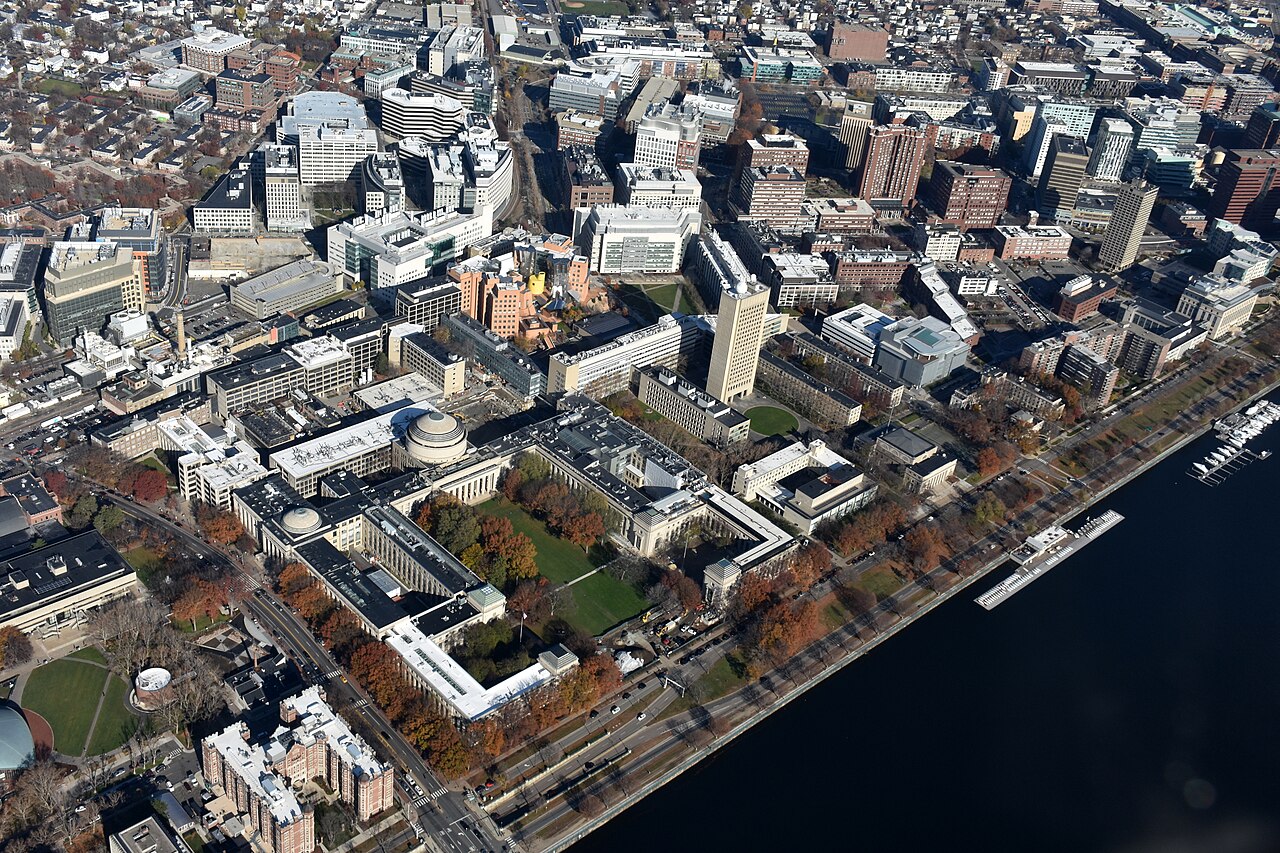
MIT Need-Based Aid for International Undergraduates
For international undergraduate applicants to MIT, which is need-blind in admission and meets the full demonstrated financial need of every admitted student. Aid is a grant (no loans in the standard package); the amount is set by each family's assessed need.
full
Funding
€80k
Max
Nov 10, 2026
Deadline
Frequently asked questions
What are the tuition fees for international students at Sultan Qaboos University?
+
International postgraduate students typically pay between OMR 1,500–3,800 per year. Omani nationals and sponsored students benefit from heavily subsidized rates. Full scholarships are available for outstanding postgraduate applicants.
What is the QS World University Ranking for Sultan Qaboos University?
+
Sultan Qaboos University is ranked #334 globally by QS World University Rankings. It also ranks among the Top 20 in the QS Arab Region Rankings.
What are the English language proficiency requirements for postgraduate studies?
+
For most postgraduate programmes, an IELTS score of 6.0 overall or a TOEFL iBT score of 68 overall is required.
What are the living costs for students in Muscat?
+
Living costs in Muscat are considered moderate for students. On-campus accommodation is available, and monthly expenses for housing, food, and transport are estimated to be around OMR 300–500.
Does Sultan Qaboos University offer scholarships for international students?
+
Yes, SQU offers various scholarships for meritorious postgraduate students, including full tuition coverage, monthly allowances, and sometimes travel grants. PhD students can also access research and conference funding.
Last updated