PHILIPPINES
University of the Philippines
public · Founded 1908 · Languages: English, Filipino

In short
The University of the Philippines is the Philippines' national university, offering a wide array of programs across 17 campuses with a strong emphasis on research and service. It provides an affordable, high-quality education with a legacy of excellence and commitment to sustainability.
Key facts
- Type
- Public
- Founded
- 1908
- Students
- 60,000
- International students
- 800
- Acceptance rate
- 13%
- Tuition (intl)
- €2–4k/yr
- Languages
- ENGLISH, FILIPINO
- Location
- Philippines
The University of the Philippines (UP) is the country's national university, with a rich history spanning over 117 years. It is dedicated to honor, excellence, and service to the nation, playing a crucial role in shaping the Philippines' political and social consciousness and national identity. The university is committed to integrating sustainability into all aspects of its mission—academic excellence, public service, and research and innovation—aligning with the United Nations Sustainable Development Goals (SDGs). UP comprises eight constituent units and 17 campuses across the Philippines, offering a wide array of programs. The university places a strong emphasis on research and innovation, contributing to solutions for national and global challenges, from robotic hands assisting stroke patients and satellites to AI applications for water management and climate action. With a focus on fostering a just, equitable, and sustainable society, UP's strategic themes prioritize preparing graduates for the future, promoting public service for the common good, and ensuring transparent and accountable governance.
Why study here
- Be part of a university with a long-standing legacy of honor, excellence, and service to the nation.
- Engage in impactful research and innovation that addresses real-world problems, from climate change to healthcare.
- Benefit from an education aligned with global sustainability goals and forward-thinking AI principles.
- Join a diverse community across 17 campuses with a focus on preparing graduates for future challenges and public service.
- Access the most affordable quality higher education in the Philippines, backed by strong government funding.
Student life
UP campuses are known for a vibrant and politically engaged student culture. Student organisations spanning academic, cultural, athletic, and advocacy interests are numerous. The flagship UP Diliman campus in Quezon City features the UP Sunken Garden (a major event venue), Ikot jeepneys for internal transport, and the Vargas Museum. Annual events such as the UP Fair attract tens of thousands. Mental health support is provided through 'Sandigan, Sandalan' initiatives.
Fees
InternationalInternational students pay approximately PHP 1,500–2,000 per unit (approx. €25–33/unit) under the socialized tuition system; annual cost varies by programme but typically PHP 80,000–200,000 (approx. €1,300–3,300).
HomeSocialized tuition under STFAP; many Filipino students pay reduced or zero tuition based on socioeconomic bracket.
LivingMonthly living costs in Quezon City/Manila area: approx. PHP 15,000–25,000 (€250–420).
Fees are set by the Board of Regents and reviewed periodically.
Admissions
UPCATRequired for domestic applicants; competitive qualifying examination
Academic RecordsHigh school transcripts required
International StudentsApply through ISP; English proficiency documentation required
TOEFL iBT61
IELTS6.0
Rankings
QS World University Rankings 2024362
QS Asia University Rankings 202460
Times Higher Education Asia Rankings201-250
University scholarships
DOST-SEI ScholarshipFull tuition + stipend
CHED Scholarship ProgrammesVaries
UP Socialized Tuition and Financial Assistance Program (STFAP)Up to full tuition waiver for Filipino students
Accreditation
The University of the Philippines is a state university chartered under Republic Act 9500. Its constituent universities hold accreditations from AACCUP (Accrediting Agency of Chartered Colleges and Universities in the Philippines) and various professional regulatory bodies.
Programs
a selectionUniversity of the Philippines · Philippines
Graduate Programs
The University of the Philippines (UP) offers a wide range of graduate programs across its constituent universities. These programs are designed to provide advanced education and research opportunities for students seeking to specialize in various fields. Each college and unit within the UP system sets its own specific requirements for admission into its graduate programs.
Master's
Level
—
Tuition
—
Duration
University of the Philippines · Philippines
University of the Philippines - Undergraduate Programs
The University of the Philippines (UP) offers a wide array of undergraduate degree programs across its various campuses. These programs are designed to provide students with specialized knowledge and skills in diverse fields, from science and engineering to arts and humanities. Many programs are typically completed in four years, though some, like Architecture and Engineering fields, may require five years, and others, such as Dental and Veterinary Medicine, may take six years. A select number of programs are also available online through the UP Open University. Admission to these programs is highly competitive and is primarily based on the results of the University of the Philippines College Admission Test (UPCAT). Specific programs may have additional requirements, such as talent tests or dexterity exams, as indicated in the course listings. The university aims to provide high-quality education and foster critical thinking and leadership among its students.
Bachelor's
Level
—
Tuition
48 mo
Duration
Scholarships
for Philippines full funding
Wellcome Trust
Wellcome Trust Fellowships and Grants (for international researchers)
For researchers at different career stages working on health-related science. Wellcome funds a family of fellowships and grants — early-career, career-development, and discovery awards, plus team and translational funding — each with its own eligibility, value, and call deadline. There is no single scholarship application; you apply to the specific scheme that fits your stage and project.
full
Funding
€3000k
Max
Rolling
Deadline
 full funding
Wellcome Trust
Wellcome International Training Fellowships
For early-career researchers based in low- and middle-income countries (outside the high-income world) who want protected time and support for research training in health, often including a PhD or postdoctoral research. Wellcome's scheme names and exact criteria change over time, so applicants should check the current relevant Wellcome funding scheme.
full
Funding
€150k
Max
Rolling
Deadline
 full funding
European Commission - European Research Executive Agency (REA)
Marie Sklodowska-Curie Actions Postdoctoral Fellowships
Open to researchers of any nationality who hold a PhD (or will have defended their doctoral thesis by the call deadline) and have at most 8 years of full-time-equivalent research experience after the PhD. Applicants apply jointly with a host organisation - a university, research institution, business, SME, or other body based in an EU Member State or a country associated to Horizon Europe. European Postdoctoral Fellowships are open to all nationalities for a project inside the EU or an associated country; Global Postdoctoral Fellowships are reserved for EU nationals or long-term residents who carry out a phase in a third country before returning to Europe. Researchers who have been displaced by conflict and those restarting a research career after a break are explicitly encouraged to apply.
full
Funding
€100k
Max
-7d left
Deadline
 full funding
Rotary Foundation
Rotary Peace Fellowships
For professionals committed to peace and development, with relevant work experience and (for the master's) a strong academic background and proficiency in English. Applicants apply through their local Rotary district and are selected globally by The Rotary Foundation for study at a Rotary Peace Center.
full
Funding
€90k
Max
May 15, 2027
Deadline
 full funding
Independent Social Research Foundation (ISRF)
ISRF Europe Early Career Fellowship
Open to early-career researchers in the social sciences and humanities who are within 10 years of their PhD award (career breaks considered) and hold a salaried position at a higher education or research institution, or are independent scholars with a host institution. Research must be hosted at a European institution and address innovative, interdisciplinary social research questions. Open to scholars of all nationalities.
full
Funding
€82k
Max
Feb 14, 2027
Deadline
 full funding
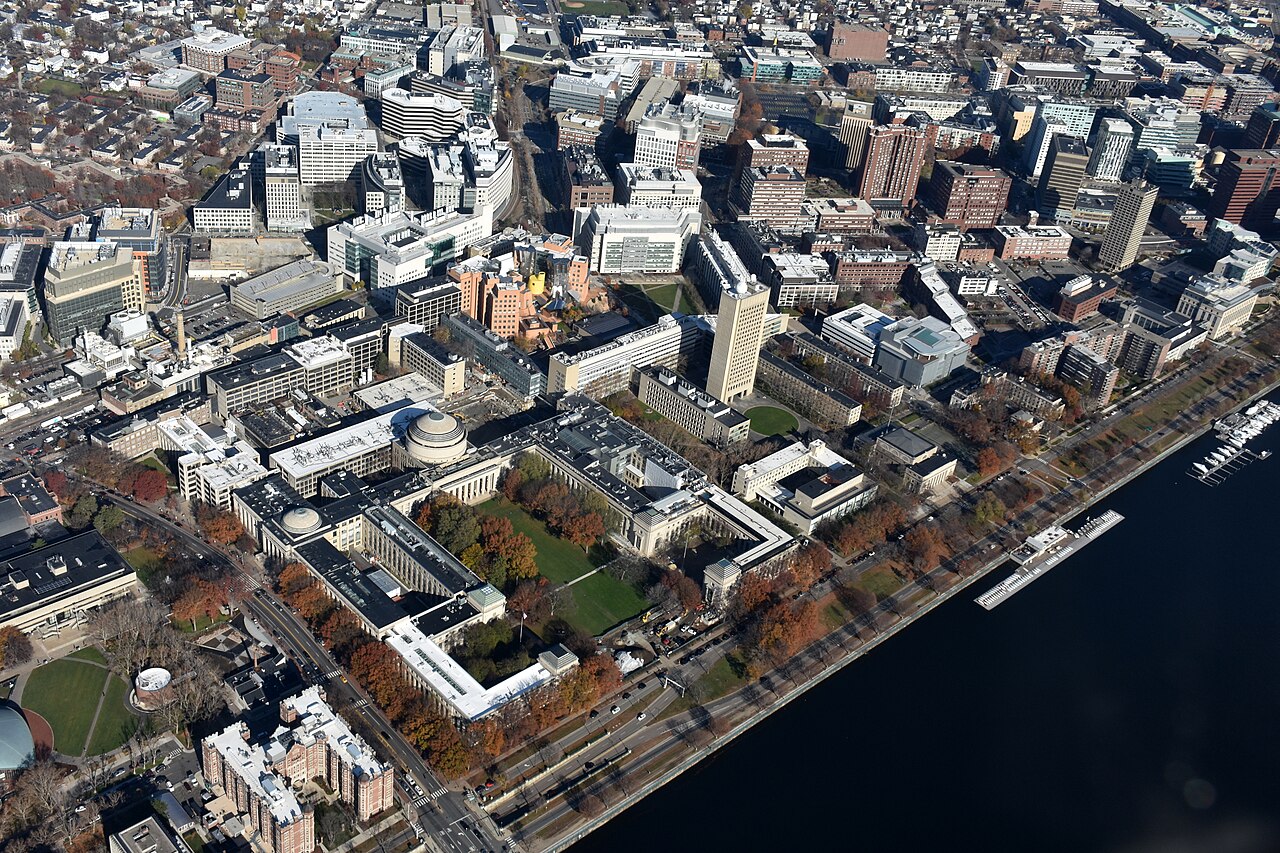
Massachusetts Institute of Technology (MIT)
MIT Need-Based Aid for International Undergraduates
For international undergraduate applicants to MIT, which is need-blind in admission and meets the full demonstrated financial need of every admitted student. Aid is a grant (no loans in the standard package); the amount is set by each family's assessed need.
full
Funding
€80k
Max
Nov 10, 2026
Deadline
Frequently asked questions
What is the University of the Philippines (UP)?
+
The University of the Philippines (UP) is the national university of the Philippines, established over 117 years ago. It is dedicated to honor, excellence, and service to the nation, and plays a significant role in national development and identity.
How many campuses does UP have?
+
UP comprises eight constituent units and 17 campuses spread across the Philippines, offering a diverse range of academic programs and learning environments.
What is the tuition for international students at UP?
+
International students at UP pay approximately PHP 1,500–2,000 per unit under the socialized tuition system. Annual costs vary by program but typically range from PHP 80,000 to PHP 200,000.
What are the admission requirements for international students?
+
International students can apply through the International Students Programme at individual constituent universities. Required documentation includes English proficiency test scores (e.g., TOEFL iBT 61, IELTS 6.0) and academic records.
What is the QS World University Ranking for UP?
+
The University of the Philippines is ranked 362 in the QS World University Rankings for 2024 and 60 in the QS Asia University Rankings for 2024.
Last updated