In short
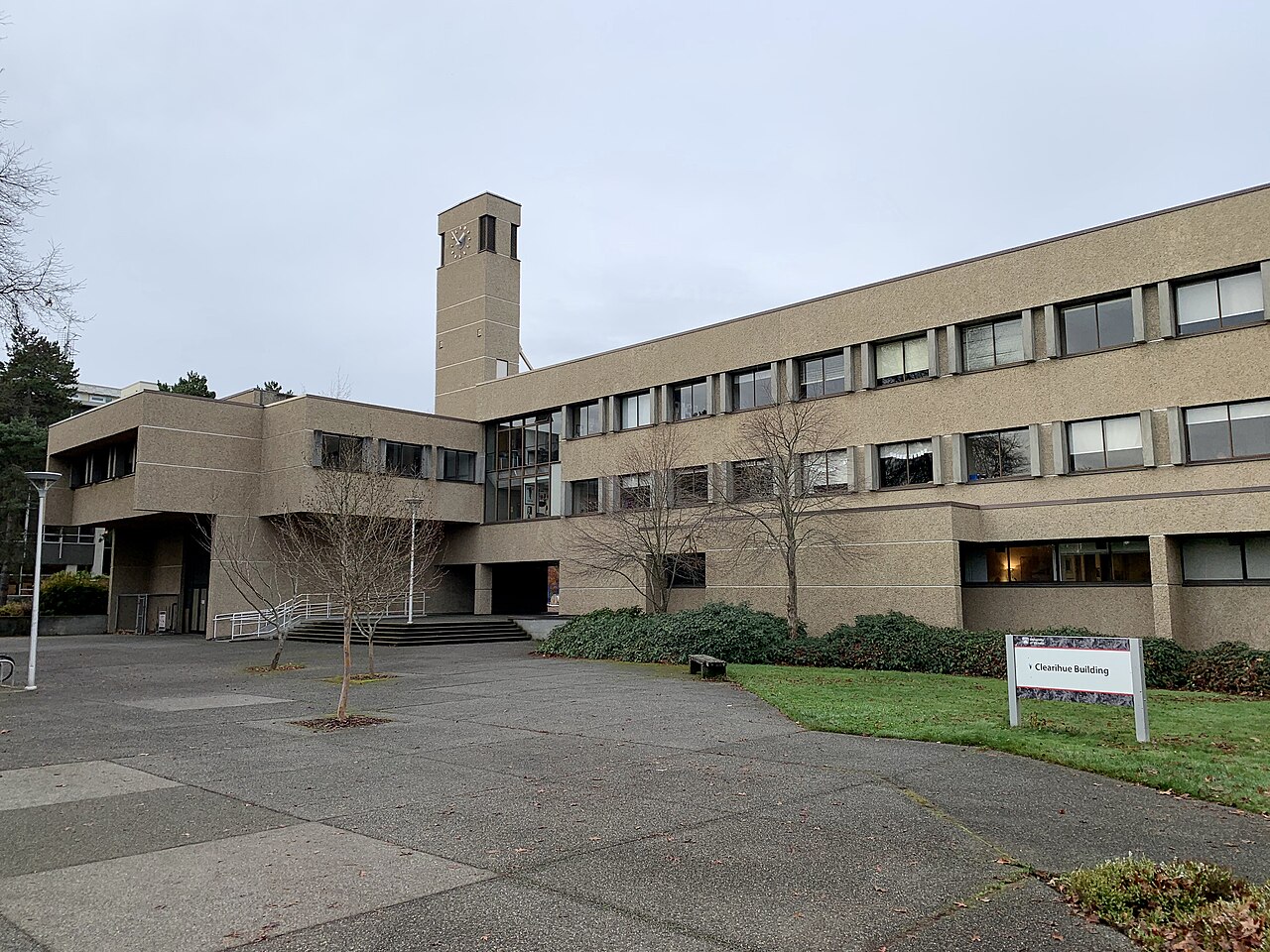
The University of Victoria is a leading Canadian research university on Vancouver Island, recognized for international research collaboration and sustainability. It offers over 280 programs and a strong co-op program in a beautiful coastal setting.
Key facts
- Type
- Public
- Founded
- 1963
- Students
- 22,000
- International students
- 3,740
- Acceptance rate
- 62%
- Tuition (intl)
- €9–16k/yr
- Languages
- EN
- Location
- Victoria, Canada
The University of Victoria (UVic) is a leading Canadian comprehensive university located in Victoria, British Columbia. Established in 1963, it traces its roots back to Victoria College in 1903. UVic is recognized for its strong emphasis on research, hands-on learning, and a deep commitment to sustainability and community engagement, ranking #1 in Canada for international research collaboration (2025 Leiden Ranking).
Why study here
- Access to 280+ undergraduate and graduate programs in a diverse academic environment.
- Canada's #1 ranked university for international research collaboration (2025 Leiden Ranking).
- One of Canada's largest co-op programs with 109,000+ paid student work placements.
- Top 1% globally for contributions to UN Sustainable Development Goals.
- Stunning Pacific coast location in Victoria with mild climate and high quality of life.
Student life
Life at the University of Victoria offers a vibrant campus experience with diverse activities and support systems. Students can engage in over 200 theatre, music, and dance performances annually at venues like the Farquhar Auditorium and Phoenix Theatre, or explore art collections at Legacy Art Galleries. The Centre for Athletics, Recreation and Special Abilities (CARSA) provides state-of-the-art facilities for fitness, climbing, squash, and hosts Vikes varsity sports. UVic promotes sustainable practices across campus and offers comprehensive health services, counselling, and student wellness initiatives.
Fees
InternationalGraduate students pay a total degree program fee divided into installments charged each term they are registered. Most Master's programs require a minimum of 5.0 fee installments, and most PhD programs require a minimum of 7.5. Tuition rates are effective May 1, 2026, with some ancillary fees subject to change for Fall 2026. All international students must have health insurance while in Canada and should apply for the BC Medical Services Plan (MSP) if studying for more than six months.
HomeCanadian domestic students pay lower provincial tuition rates; undergraduate fees are typically CAD 6,000–8,000 per year.
LivingMost students pay ancillary fees in addition to tuition, covering services like a U-Pass bus pass, extended health insurance, and athletics and recreation access. Full-time graduate students are automatically charged for a mandatory extended health plan and dental plan by the Graduate Students' Society.
The graduate tuition income offset plan allows tuition fees to be paid in four equal installments over each four-month term.
Admissions
Undergraduate Application Fee (Canadian transcripts)$87.75 CAD
Undergraduate Application Fee (International transcripts)$177.00 CAD
IELTS Academic6.5 (no component less than 6.0)
TOEFL iBT88 (no section less than 20)
Duolingo English Test120 (no subscore below 110)
PTE Academic65 (no skill less than 60)
CAEL70 (no section less than 60)
Rankings
QS World University Rankings 2025358
2025 Shanghai Global Ranking — Oceanography1st in Canada
2025 Times Higher Education Impact Ranking — Climate Action1st in Canada
2025 Leiden Ranking — International Research Collaboration1st in Canada
University scholarships
International Entrance ScholarshipCAD 3,000–5,000 (one-time, renewable)
President's ScholarshipCAD 3,000 (for high academic achievers)
UVic Graduate AwardsVaries by faculty and program
Accreditation
UVic is a member of the U15 Group of Canadian Research Universities and is fully accredited by provincial authorities. Many professional programs hold discipline-specific accreditation (AACSB for business, Engineers Canada for engineering programs, etc.).
For international students
CanadaStudent visa & funds
International students must obtain a study permit from IRCC before arriving. Most college and undergraduate applicants must also include a Provincial or Territorial Attestation Letter (PAL/TAL) confirming a space under the annual cap; from January 2026, master’s and doctoral students at public institutions are exempt from this requirement. Applicants must show living funds of CAD 22,895 (effective September 2025, for a single student, excluding tuition and travel), and Student Direct Stream applicants hold this amount as a GIC.
Working while you study
Full-time students at designated learning institutions whose permits include work authorization may work up to 24 hours per week off campus during academic terms — a cap in effect since November 2024 that replaced the former 20-hour rule and a temporary 40-hour exception. Students may work unlimited hours during scheduled breaks such as summer and winter holidays. From April 2026, eligible students no longer need a separate co-op work permit for mandatory placements.
After you graduate
Graduates of eligible programs may apply for a Post-Graduation Work Permit (PGWP) within 180 days of confirmed completion. The PGWP matches program length up to a maximum of three years, and master’s graduates receive a three-year permit regardless of program length. Since November 2024 most applicants must show a recent language test at CLB 7 (university graduates) or CLB 5 (college graduates); degree graduates are exempt from the field-of-study alignment rule that applies to other applicants.
English tests
- IELTS Academic6.0–6.5 with no band below 6.0; research-intensive universities 6.5–7.0
- TOEFL iBT80–100; top universities (e.g. University of Toronto) 100+
Main intakes
SeptemberJanuaryMay
Typical living cost
€1,250/month
Approximate all-in student budget; major cities run higher.
SourcesIRCC — Study permit: get the right documents · CIC News — Increased fund requirements for study permits (Sept 2025) · CIC News — Off-campus work rules update (May 2026) · IRCC — Post-graduation work permit: who can apply · ETS — Minimum TOEFL score requirements for the USA, UK and Canada · Mastersportal — Living costs & tuition in Canada
Programs
a selectionUniversity of Victoria · Canada
Applied Portfolio Management Program
This intensive program offers business and economics students a unique opportunity to gain hands-on investment management experience. Participants manage a real-money fund in close collaboration with industry professionals and academic faculty. The program combines applied education, practical skills, and valuable industry exposure, making it a collaboration between CFA Society Victoria, CFA Institute, UVic Continuing Studies, UVic Economics, and the Peter B. Gustavson School of Business.
Master's
Level
—
Tuition
—
Duration
University of Victoria · Canada
Bachelor of Arts (BA) and Bachelor of Science (BSc) in Anthropology
The University of Victoria offers Bachelor of Arts (BA) and Bachelor of Science (BSc) programs in Anthropology. These programs provide a solid foundation in cultural anthropology, archaeology, and biological anthropology, with the flexibility for students to explore their specific interests within the field. The BA program allows students to combine their anthropological studies with a range of electives from other disciplines, while the BSc program is suited for those who wish to integrate anthropological sciences, particularly biological anthropology and archaeology, with a strong background in related scientific fields. Both programs aim to equip students with knowledge and skills that can lead to diverse and satisfying career paths. The curriculum encourages hands-on learning through field schools, research opportunities, and practical skill development in areas such as excavation, data collection, and analysis. Students also have the option to pursue an honours thesis for in-depth research experience. UVic provides various resources to support students, including academic advising, career services, and co-op opportunities for practical work experience. The university also offers funding options, including scholarships and research awards, to assist students with their educational expenses.
Bachelor's
Level
—
Tuition
—
Duration
University of Victoria · Canada
Bachelor of Commerce (BCom)
The University of Victoria's Bachelor of Commerce (BCom) program provides a robust foundation in essential business principles while allowing flexibility to explore diverse interests. The curriculum is designed to develop critical business skills through a combination of foundational courses, collaborative learning experiences, and practical application. Students will gain confidence and competence to launch their careers upon graduation, with opportunities for real-world experience integrated throughout the program.
Bachelor's
Level
—
Tuition
48 mo
Duration
University of Victoria · Canada
Bachelor of Commerce (BCom) Specializations
The Bachelor of Commerce (BCom) program at the University of Victoria offers students the opportunity to specialize in one of four distinct areas during their fourth year. These specializations are designed to align with current industry demands, providing students with a strong foundation in business, leadership, and management, coupled with in-depth knowledge in their chosen field. All specializations include an immersive term where students engage with a cohort in their specific area of study.
Bachelor's
Level
—
Tuition
—
Duration
University of Victoria · Canada
Bachelor of Engineering in Mechanical Engineering
The Bachelor of Engineering in Mechanical Engineering program at the University of Victoria provides a comprehensive education in the principles and applications of mechanical engineering. This four-year program focuses on design, analysis, manufacturing, and control systems, preparing students for a wide range of careers in engineering and technology. Students gain hands-on experience through laboratory work, design projects, and a mandatory co-op work term. The curriculum is structured to build a strong foundation in mathematics, physics, and core engineering sciences, progressively moving towards specialized topics and advanced design challenges. The program emphasizes problem-solving, critical thinking, and effective communication, equipping graduates with the skills necessary to tackle complex engineering problems in a global context.
Bachelor's
Level
—
Tuition
48 mo
Duration
University of Victoria · Canada
Clinical Psychology PhD
The University of Victoria's Clinical Psychology program is accredited by the Canadian Psychological Association (CPA) and follows the scientist-practitioner model. This program equips you with the skills to conduct and communicate research, and to work collaboratively in a professional research environment. You will gain practical experience and specialize in either Clinical Lifespan Psychology or Clinical Neuropsychology. The program is designed to be completed over approximately 7 years. This includes a 6-year curriculum, divided into Master of Science (MSc) and Doctor of Philosophy (PhD) levels, followed by a mandatory year-long, full-time residency at a CPA or APA-accredited site.
PhD
Level
—
Tuition
84 mo
Duration
Scholarships
for Canada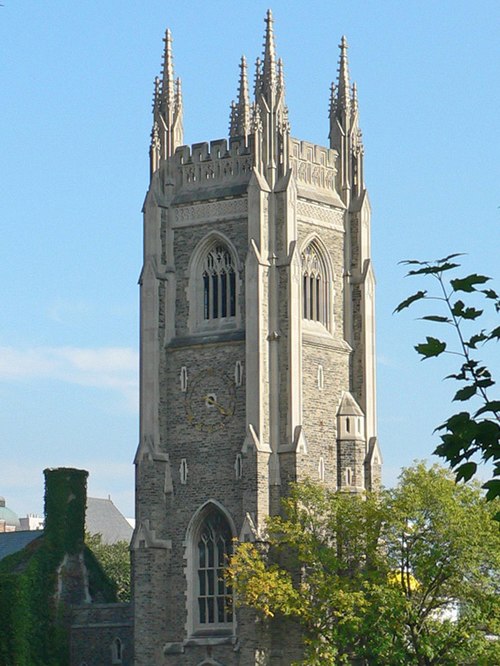 full funding
University of Toronto
Lester B. Pearson International Student Scholarship
For international students beginning undergraduate study at the University of Toronto who are first-time entrants from outside Canada. Students must be nominated by their school, then complete the U of T application and scholarship process. Selection recognises exceptional academic achievement and creativity, with a record of leadership and impact at school.
full
Funding
€200k
Max
Nov 30, 2026
Deadline
 full funding
University of British Columbia
International Leader of Tomorrow (ILOT) Award
For international students entering their first undergraduate degree at the University of British Columbia (UBC) who demonstrate outstanding academic achievement, leadership, and financial need. Students must be nominated by their school and require financial support to study at UBC; the award is need-based, covering costs the student and family cannot meet.
full
Funding
€70k
Max
Nov 15, 2026
Deadline
 full funding
Western University
Western University National Scholarship Program (Canada)
Open to Canadian citizens and permanent residents entering full-time undergraduate study at Western University's main campus, with a minimum academic average of 90% in Grade 12 U/M courses (or equivalent), a school nomination, a reference letter, a transcript and an essay.
full
Funding
€47k
Max
Feb 14, 2027
Deadline
 partial funding
University of Ottawa
University of Ottawa International English Scholarships
Open to international undergraduate students who hold a valid Canadian study permit and are newly admitted to an English-language undergraduate programme in Arts, Engineering, Health Sciences, Science, Social Sciences, or the Telfer School of Management. A minimum admission average of 80 percent is needed for the Admission Scholarship and 90 percent for the Academic Excellence Scholarship. Students in the French immersion or French-language streams are not eligible.
partial
Funding
€46k
Max
Apr 1, 2027
Deadline
 full funding
Canadian Institutes of Health Research (CIHR), Natural Sciences and Engineering Research Council (NSERC), Social Sciences and Humanities Research Council (SSHRC)
Vanier Canada Graduate Scholarships
Open to Canadian and international students pursuing a doctoral (PhD) degree at a Canadian university. Candidates must be nominated by the Canadian institution, not yet have started the doctoral program beyond defined limits, and demonstrate academic excellence, research potential, and leadership.
full
Funding
€34k
Max
Nov 4, 2026
Deadline
full fundingCIHR / NSERC / SSHRC (Tri-Agency), Government of Canada
Canada Graduate Research Scholarship – Doctoral (CGRS-D)
For doctoral students undertaking a PhD at a Canadian institution, with an outstanding academic record. Awards are made by Canada's tri-agency (CIHR, NSERC, SSHRC); applicants apply through their university, and eligibility (including for international students) follows the current Canada Graduate Scholarships rules.
full
Funding
€27k
Max
Nov 1, 2026
Deadline
Frequently asked questions
What are the tuition fees for international students at the University of Victoria?
+
International graduate students pay a total degree program fee divided into installments charged each term. Most Master's programs require a minimum of 5.0 fee installments, and most PhD programs require a minimum of 7.5. Tuition rates are effective May 1, 2026.
What are the English language proficiency requirements for international applicants?
+
International applicants must demonstrate English language proficiency. Accepted tests include IELTS Academic with a score of 6.5 (no component less than 6.0) or TOEFL iBT with a score of 88 (no section less than 20).
What makes the University of Victoria stand out for international students?
+
The University of Victoria ranks #1 in Canada for international research collaboration (2025 Leiden Ranking) and is among the top 1% globally for contributions to UN Sustainable Development Goals.
Does the University of Victoria offer co-op programs for international students?
+
Yes, the University of Victoria has one of Canada's largest co-op programs, offering over 109,000 paid student work placements.
Where is the University of Victoria located?
+
The University of Victoria is situated on Vancouver Island in Victoria, British Columbia, on Canada's west coast, offering a diverse and beautiful environment.
Last updated