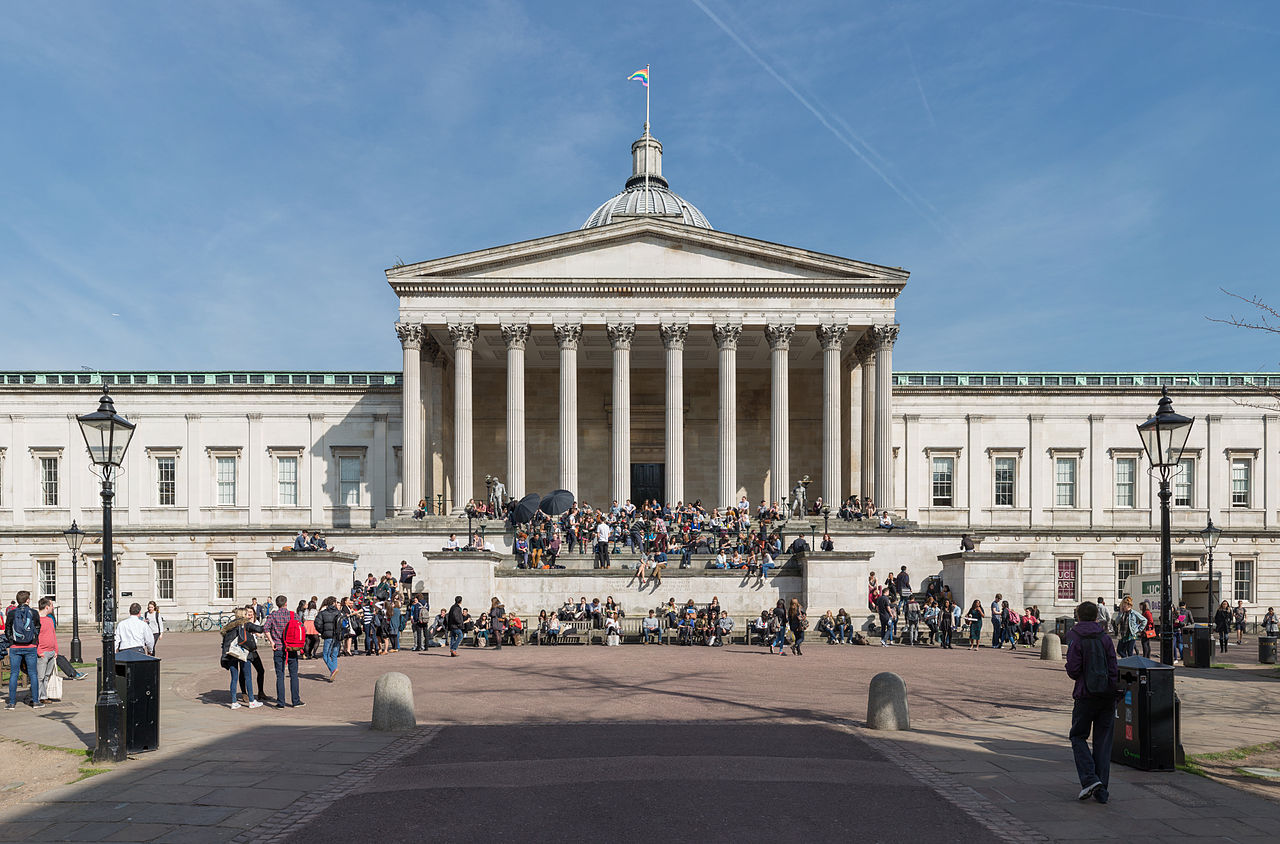
UNIVERSITY COLLEGE LONDON · UNITED KINGDOM
Countering Extremist Crime and Terrorism MSc
Master's · Taught in en
At a glance
12 mo
Duration
—
IELTS
€45k
Tuition / yr
en
Language
Master's
Level
- 9thRanked globally
- FirstIn the world for a department dedicated to crime science
- MultidisciplinaryApproach combining social and physical sciences
- FlexibleStudy options including full-time, part-time, and modular
- Professionally alignedCo-designed with law enforcement and security practitioners
- Extensive partnershipsWith 60 industry and public sector organisations
This one-year Master of Science (MSc) program focuses on understanding, analyzing, preventing, disrupting, and detecting terrorism and extremist crime using scientific approaches. Developed in collaboration with law enforcement and security professionals, the course equips students with a unique crime science methodology that integrates insights from social sciences, engineering, and security studies. You will critically examine the drivers of terrorism and extremism, evaluate countermeasures, and develop advanced research design and statistical analysis skills to address real-world security challenges. The program is ideal for those seeking careers in crime prevention, counterterrorism, or security intelligence, including law enforcement officers, intelligence analysts, and graduates with relevant backgrounds.
Curriculum
The MSc program is typically completed in one calendar year of full-time study and involves four compulsory modules, four optional modules, and a dissertation. For those who prefer a more flexible schedule, the program can be extended up to five years. A Postgraduate Diploma (PG Dip) is also available, which includes the compulsory and optional modules but excludes the dissertation.
- Year 1 (Full-time)
- Compulsory Module 1
- Compulsory Module 2
- Compulsory Module 3
- Compulsory Module 4
- Optional Module 1
- Optional Module 2
- Optional Module 3
- Optional Module 4
- Dissertation
Careers
Graduates of this program are well-prepared for careers in crime prevention, detection, community safety, and policy-making. They find opportunities in police forces, governmental institutions, private security and intelligence firms, research, and policy-focused NGOs and think-tanks. Some graduates also pursue doctoral studies.
- Crime Prevention Officer
- Counterterrorism Analyst
- Intelligence Officer
- Security Consultant
- Policy Advisor
- Researcher
Frequently asked questions
- What are the tuition fees for international students for the 2026/27 academic year?
- For the 2026/27 academic year, full-time international tuition fees are £39,200, and part-time international tuition fees are £19,600. Fees are subject to annual change.
- What are the academic entry requirements for this MSc programme?
- Typically, an upper second-class degree or international equivalent in a relevant field is required. Prior completion of modules in research methods, statistics, or data science is advantageous. Relevant professional experience may also be considered.
- How long does the Countering Extremist Crime and Terrorism MSc programme take to complete?
- The full-time programme is usually completed in one calendar year. It is also possible to extend the study period up to five years for a more flexible schedule.
- What are the application deadlines for the 2026/27 intake?
- Applications open on 20 October 2025. The deadline for visa applicants is 26 June 2026, and for non-visa applicants, it is 28 August 2026.
- What kind of career opportunities can I expect after graduating from this programme?
- Graduates are prepared for roles in crime prevention, counterterrorism, and security intelligence. Opportunities exist in police forces, government institutions, private security firms, research, and NGOs.
- What are the English language requirements for international applicants?
- The programme requires IELTS Level 3. Specific score details are not provided, but UCL offers pre-sessional English courses.
Entry requirements
Bachelor's DegreeTypically an upper second-class degree (or international equivalent) in a relevant field such as psychology, criminology, policing, international relations, security studies, law, geography, sociology, or political science. Prior completion of modules in research methods, quantitative/qualitative methods, statistics, or data science is advantageous.
Professional ExperienceAlternatively, candidates with five or more years of relevant professional experience (e.g., in policing or crime prevention) may be considered.
IELTSLevel 3 (specific score not provided, but UCL offers pre-sessional courses)
Country-specific equivalencies for international qualifications can be found on the International Students website. Please contact Graduate Admissions for specific advice.
Fees
Tuition (international)£39,200 (full-time) / £19,600 (part-time) for 2026/27
Tuition (home)£19,300 (full-time) / £9,650 (part-time) for 2026/27
Living—
Fees are subject to change annually. Modular study fees may differ.
How to apply
1. Check Entry RequirementsEnsure you meet the academic and English language requirements for the program. Review country-specific equivalencies if necessary.
2. Prepare Application DocumentsGather all required documents, including academic transcripts, degree certificates, and proof of English language proficiency. Professional experience documentation may also be required.
3. Submit ApplicationComplete and submit your application online through the UCL portal before the application deadline.
4. Await DecisionApplications are reviewed, and applicants will be notified of the outcome.
5. Arrange Finances and VisaIf accepted, secure funding and begin the visa application process if required.
Frequently asked questions
What are the tuition fees for international students for the 2026/27 academic year?
+
For the 2026/27 academic year, full-time international tuition fees are £39,200, and part-time international tuition fees are £19,600. Fees are subject to annual change.
What are the academic entry requirements for this MSc programme?
+
Typically, an upper second-class degree or international equivalent in a relevant field is required. Prior completion of modules in research methods, statistics, or data science is advantageous. Relevant professional experience may also be considered.
How long does the Countering Extremist Crime and Terrorism MSc programme take to complete?
+
The full-time programme is usually completed in one calendar year. It is also possible to extend the study period up to five years for a more flexible schedule.
What are the application deadlines for the 2026/27 intake?
+
Applications open on 20 October 2025. The deadline for visa applicants is 26 June 2026, and for non-visa applicants, it is 28 August 2026.
What kind of career opportunities can I expect after graduating from this programme?
+
Graduates are prepared for roles in crime prevention, counterterrorism, and security intelligence. Opportunities exist in police forces, government institutions, private security firms, research, and NGOs.
What are the English language requirements for international applicants?
+
The programme requires IELTS Level 3. Specific score details are not provided, but UCL offers pre-sessional English courses.