Medicine in Australia
Australia offers 19 Medicine programmes across 10 universities, from undergraduate medical degrees to graduate-entry and postgraduate clinical programmes. Leading research universities including the University of Sydney, the University of Queensland, the University of Newcastle, and James Cook University of North Queensland are among the providers in this listing. Tuition information is not available for these programmes, so fees should be confirmed with each institution — Australian medical degrees for international students are typically among the highest in the country.
Australian medical degrees are internationally recognised and regulated by the Australian Medical Council (AMC). Charles Darwin University and the University of Wollongong also appear in this listing, offering programmes in regional and rural health contexts. Graduates can apply to the Medical Board of Australia for registration and may pursue specialist training through the relevant Australian colleges.

Bachelor of Clinical Science/Doctor of Medicine
The Bachelor of Clinical Science/Doctor of Medicine program at Charles Darwin University (CDU) is designed to address the specific health needs of the Northern Territory. This program aims to train doctors with the skills and dedication to provide excellent healthcare, particularly in challenging environments like the NT. It places a strong emphasis on First Nations health and wellbeing, rural and remote medicine, and interdisciplinary team-based care. Students will gain valuable experience through clinical placements in rural and remote areas of the NT and have the opportunity to conduct community-based research with guidance from the Menzies School of Health Research.

Bachelor of Dental Surgery
The Bachelor of Dental Surgery at James Cook University equips you with the skills to assess and manage oral health needs for individuals and communities, particularly within tropical and diverse contexts. You will gain hands-on experience in JCU's dental clinics and simulation labs, learning to diagnose, plan treatment, and evaluate care. The program emphasizes oral healthcare in underserved communities, including Indigenous populations and those in rural and remote areas, preparing graduates for diverse practice settings across Australia.
Bachelor of Medical Science
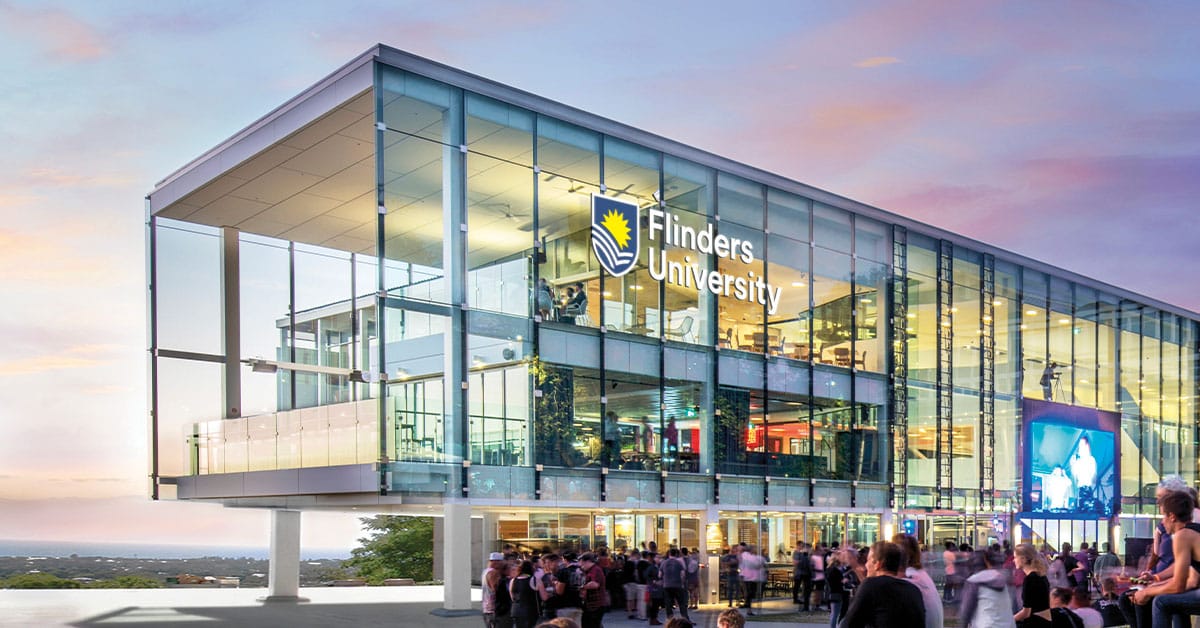
The Bachelor of Medical Science at Flinders University equips you with the knowledge and skills to contribute to advancements in healthcare and medical research. This program focuses on understanding complex medical problems and finding solutions that can benefit communities globally. Graduates gain a strong foundation in biological sciences, research methodologies, and communication, preparing them for diverse roles in health, research, and diagnostics.
Bachelor of Medical Studies, Doctor of Medicine
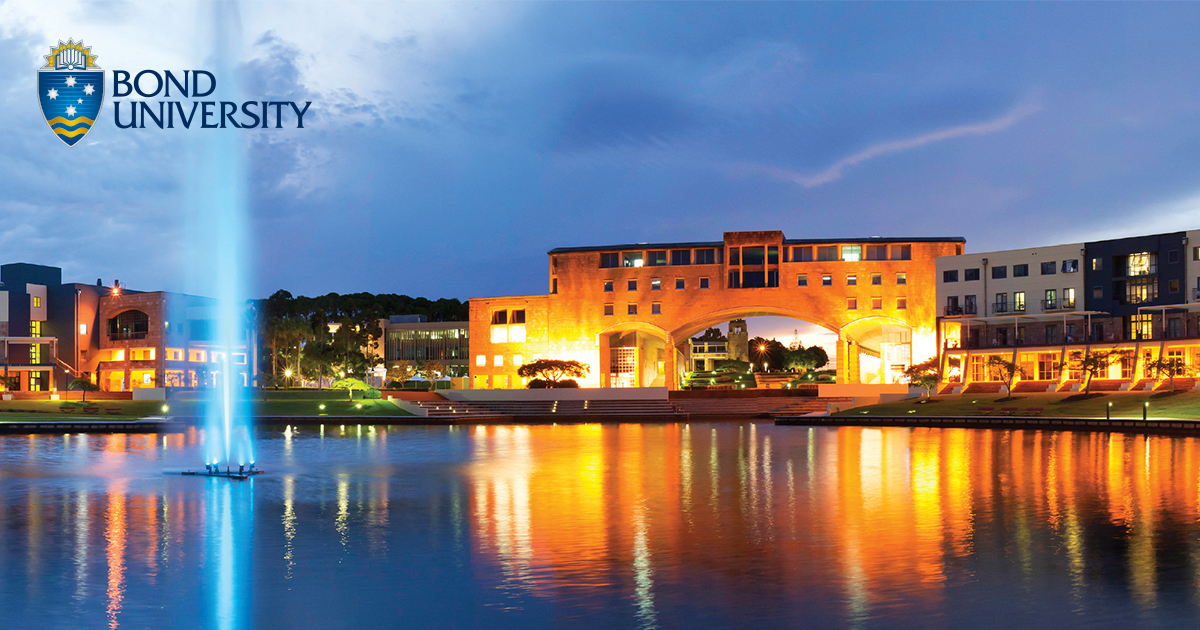
The Bachelor of Medical Studies (BMedSt) is the undergraduate component of Bond University's medical program, designed to equip students with the foundational knowledge and skills for a career in medicine. It focuses on problem-based learning, evidence-based medicine, and integrated clinical practice. Learning occurs through small group sessions, interactive cases, practical classes, clinical skills labs, and simulation-based education. Students engage in community placements and a unique cultural immersion workshop. Upon completion, students can transition to the Doctor of Medicine (MD) program. The MD program is an extended Master's level qualification focusing on clinical rotations in various specialties, research, and preparing graduates for provisional medical registration and internship. It's important to note that direct entry into this program is currently limited to Australian citizens, permanent residents, and certain visa holders. International students seeking to enter the medical field at Bond should consider successful completion of related undergraduate degrees at Bond, such as the Bachelor of Biomedical Science (pre-health professional major), as a pathway to enter Year 2 of the Medical Program. International students should also be aware of potential limitations regarding registration and internship access in Australia.
Bachelor of Medicine, Bachelor of Surgery
James Cook University's Bachelor of Medicine, Bachelor of Surgery program is designed for aspiring medical professionals. This degree focuses on socially accountable medicine, equipping graduates with the skills needed to make a significant impact in healthcare, whether by serving underserved communities or contributing to medical research and discovery. JCU graduates are prepared for a fulfilling career that offers opportunities for adventure, skill development, and societal contribution.

Bachelor of Medicine, Bachelor of Surgery (MBBS)
Curtin University's Bachelor of Medicine, Bachelor of Surgery (MBBS) program is a 5-year undergraduate degree designed to produce well-rounded medical graduates. The program emphasizes community needs, primary care expertise, leadership skills, and effective inter-professional collaboration. It integrates knowledge from biomedical sciences, laboratory medicine, pharmacy, and medical radiation science. Graduates will be equipped with strong medical and scientific knowledge, excellent communication and clinical skills, advocacy abilities, and a solid understanding of ethical and professional responsibilities, preparing them to practice medicine safely, effectively, and compassionately.

Bachelor of Pre-Medicine, Science and Health
The Bachelor of Pre-Medicine, Science and Health is a three-year degree designed to provide a strong foundation for students aspiring to enter medicine or other health and science-related fields. This course will prepare you for competitive entry into medical school and expose you to various pathways for further study and professional practice in the health and life sciences. You will gain foundational knowledge and skills in anatomy, physiology, biochemistry, pharmacology, public health, and medical ethics through lectures, tutorials, and practical sessions. You will also choose a specialisation in either Biomolecular Medicine or Medical Physiology. Beyond academics, you will develop real-world skills and have opportunities for community volunteer and enrichment activities.

Doctor of Medicine
The University of Queensland's Doctor of Medicine (MD) program offers a world-class medical education designed to prepare graduates for clinical excellence in any global setting. The revised program, starting in 2023, features a streamlined, integrated approach to active learning, allowing students to tailor their education through enrichment opportunities. Students join a 'learning community' for ongoing support throughout their studies. The curriculum progresses from fundamental medical sciences and clinical skills in Year 1, to learning in clinical practice settings with a focus on common conditions and clinical reasoning in Year 2, and culminates in immersion in hospital and community settings in Year 3. The final semester is dedicated to a 'Transition to Practice' term, preparing students for internship and their medical careers.
Doctor of Medicine
The Doctor of Medicine (MD) program at the University of Wollongong (UOW) is a four-year, full-time degree designed to produce knowledgeable, caring, and competent medical graduates. The program emphasizes a contemporary approach to medical education, integrating basic sciences, clinical practice, Indigenous health, and research skills. It prepares graduates for internship and subsequent specialist training, with a strong focus on meeting the health needs of regional, rural, and remote Australian communities.

Graduate Diploma in Clinical Dentistry (Conscious Sedation and Pain Control)
This Graduate Diploma in Clinical Dentistry (Conscious Sedation and Pain Control) is designed for qualified dentists who wish to enhance their skills in sedation techniques and pain management. The program focuses on the practice of sedation, differential diagnosis of collapse, and advanced life support, equipping general dental practitioners with expertise in safe sedation practices. It is suitable for those seeking to become endorsed sedationists accredited by the Dental Board of Australia.
Graduate Diploma in Clinical Dentistry (Oral Implants)
This Graduate Diploma in Clinical Dentistry (Oral Implants) focuses on the clinical practice of oral implant restoration. It's designed for qualified dentists seeking to enhance their skills and clinical techniques in providing oral implant treatment within general dental practice. The University of Sydney offers Australia's first dental school and has been a leader in implant dentistry education for nearly 30 years, drawing on a diverse pool of experienced clinicians.

Higher Degree Research in Medicine
Master of Clinical Exercise Physiology
Master of International Ophthalmology
The Master of International Ophthalmology is a specialized postgraduate program designed for medical graduates and ophthalmology practitioners, particularly those from the Asia-Pacific region. It aims to provide advanced training in diagnosing and managing common eye conditions, diseases, and injuries, with a focus on prevalent issues in developing countries. The program equips clinicians with comprehensive theoretical knowledge and practical skills, incorporating research components to address specific pathologies relevant to their home regions.
Master of Lifestyle Medicine
Advance your healthcare career with a Master of Lifestyle Medicine, an innovative degree focused on preventing and reversing chronic health conditions through evidence-based lifestyle interventions. This program examines the interplay of psychological, medical, nutritional, and addiction sciences in various health contexts. You will critically assess lifestyle-related diseases and learn to apply diverse models of care. The degree offers flexibility with online study and the option to specialize through electives in research, public health, business, or health professional education, preparing you for leadership roles in this growing field. This Master's is the only one of its kind in Australia offered under a school of medicine, providing unique networking opportunities with leading clinicians, researchers, and industry experts. The curriculum is designed to equip you with the skills to innovate and lead in health, community, and industry sectors. With increasing global health burdens related to lifestyle, graduates are well-positioned for careers in clinical practice, public health, research, and education, contributing to healthier individuals and communities. Graduates are eligible to apply for Fellowship of the Australasian Society of Lifestyle Medicine. If you don't meet direct entry requirements, you can pathway through the Graduate Certificate or Graduate Diploma of Lifestyle Medicine.
Master of Science (Medical Radiation Physics)
MD Project
The MD Project is a core component of Western Sydney University's 5-year undergraduate entry Doctor of Medicine (MD) program. It offers medical students the chance to conduct an in-depth, hands-on investigation into a health-related topic under the guidance of a supervisor. This project aims to equip students with skills essential for their future careers by providing practical experience. Students will also receive support from the WSU MD Project team and access to online learning resources. Projects can be undertaken individually or collaboratively in small groups on specific aspects of a topic, but each project must address a unique question or aim. Projects are expected to meet the standards of scholarship for a Professional Master's degree and are allocated approximately 9 weeks of dedicated focus time in Year 4, alongside other coursework. Supervisors must arrange ethics approval before research involving humans or animals begins.
PhD (Behavioural Science in Relation to Medicine)
PhD and Research Masters in Biomedical Sciences and Pharmacy
The University of Newcastle's School of Biomedical Sciences and Pharmacy offers Doctor of Philosophy (PhD) and Master of Philosophy research degrees. These programs allow students to engage in in-depth research across a variety of specialized areas within biomedical sciences and pharmacy. The school encourages prospective students to identify and connect with potential supervisors whose research aligns with their interests before submitting an application.
Frequently asked questions
How much does studying Medicine in Australia cost?
+
Tuition varies by programme and institution — check each listing directly. Australian medical degrees for international students typically cost AUD 70,000–100,000 or more per year; confirm with each university.
Which Australian universities offer Medicine programmes?
+
Ten universities are listed, including the University of Sydney, the University of Queensland, the University of Newcastle, James Cook University of North Queensland, the University of Wollongong, and Charles Darwin University.
Can international students study Medicine in Australia?
+
Yes, but places are highly competitive and the cost is substantial. International applicants typically need excellent academic results and strong UCAT (or GAMSAT for graduate-entry) scores, plus English language proficiency.
What entry requirements apply to Medicine programmes in Australia?
+
Undergraduate entry requires top-tier secondary results and a competitive UCAT score. Graduate-entry programmes require a completed bachelor's degree plus a strong GAMSAT score and may include interviews.
How do I apply for a Medicine programme in Australia?
+
Apply directly through each university's admissions office. Many programmes use centralised selection through GEMSAS (graduate entry) or direct ATAR/UCAT pathways. Begin preparing at least 18 months before your intended start.