Agriculture & Forestry in Canada
12 Agriculture & Forestry programmes are offered across 5 universities in Canada, reflecting the country's significant natural resource sector. Institutions featured include McGill University, the University of British Columbia, Dalhousie University, and the University of Toronto, spanning crop sciences, forest management, and environmental stewardship.
Tuition varies by programme — check each listing for the exact fee. Several Canadian provinces offer targeted scholarships for students in environmental and agricultural disciplines. International applicants should review immigration requirements for co-op placements, which are common in this field and require a separate work permit application in Canada.

Agricultural Business (BSc Agr)
Cultivate your career in agricultural business with skills in management and innovation, leading to opportunities in agribusiness and food production. This applied business program provides hands-on, scientific learning opportunities, including practical experience in the lab and in the field. The program is offered on the Truro campus, which features small class sizes and modern facilities, allowing you to gain specialized skills in the agri-food industry, a growing field both locally and internationally, with graduates in high demand.
Agricultural Economics (BSc Agr)
This program offers a pathway to careers shaping the future of food and agricultural sustainability through economic expertise. It equips you with skills to enhance food production efficiency, develop impactful policies, and protect natural resources. With a high demand for graduates in the food sector, this program provides a strong foundation in economics, policy development, and resource management, preparing you for diverse roles.
Agricultural Studies
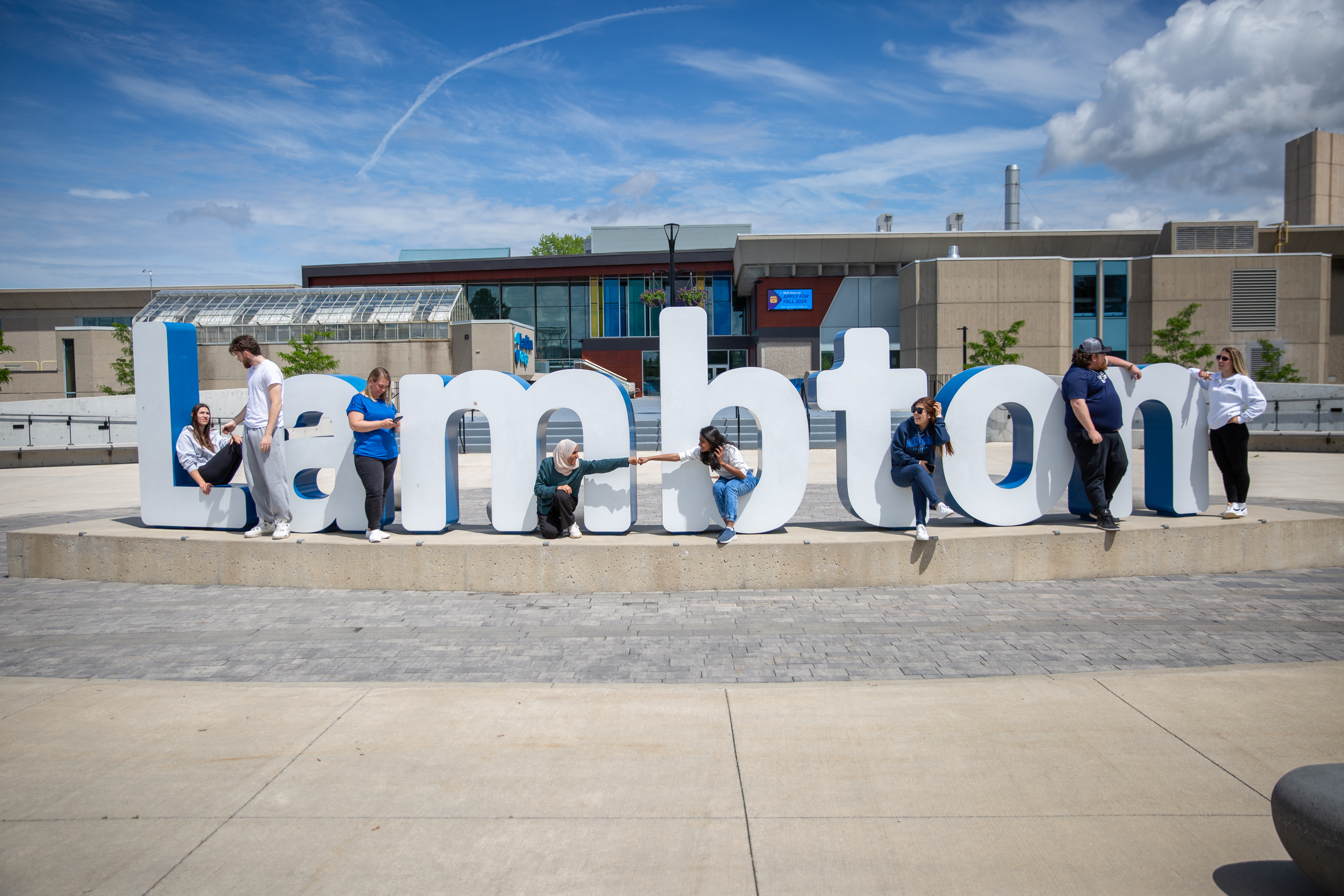
This program provides foundational knowledge and practical skills in agricultural practices. It is designed for students interested in understanding animal husbandry, crop management, and general farm operations. The curriculum aims to equip students with the essential competencies needed for various roles within the agricultural sector.
Agriculture (BSc)
The Bachelor of Science in Agriculture program at Dalhousie University allows you to explore the science and technology behind modern agriculture. Offered at the Truro and Bible Hill campus, this program provides a blend of core agricultural sciences with business management and innovative technology. You can specialize in various majors, gaining practical experience through coursework and an optional internship. Graduates are prepared for diverse careers within the agricultural industry or for further studies at the postgraduate level.
Animal Science (BSc Agr)
Dalhousie University's Animal Science program offers a Bachelor of Science in Agriculture (BSc Agr) that delves into animal biology, welfare, and husbandry. Located at the Truro and Bible Hill campus, this program provides a strong scientific foundation for understanding and working with animals in various capacities. Students gain practical experience, often working with live animals in equipped farm environments, preparing them for diverse career paths or further study in fields like veterinary medicine.
Aquaculture (BSc Agr)
This Bachelor of Science in Agriculture program with a major or honours in Aquaculture focuses on sustainable food production and environmental conservation within the rapidly growing global aquatic agri-food sector. You will gain a comprehensive learning experience combining theoretical knowledge with hands-on practice in classroom, laboratory, project, and field settings. The program is designed to prepare you for a dynamic career in aquaculture, equipping you with skills in aquatic science and practical experience, including the operation of on-campus rearing facilities.
M.Sc. in Agricultural Economics
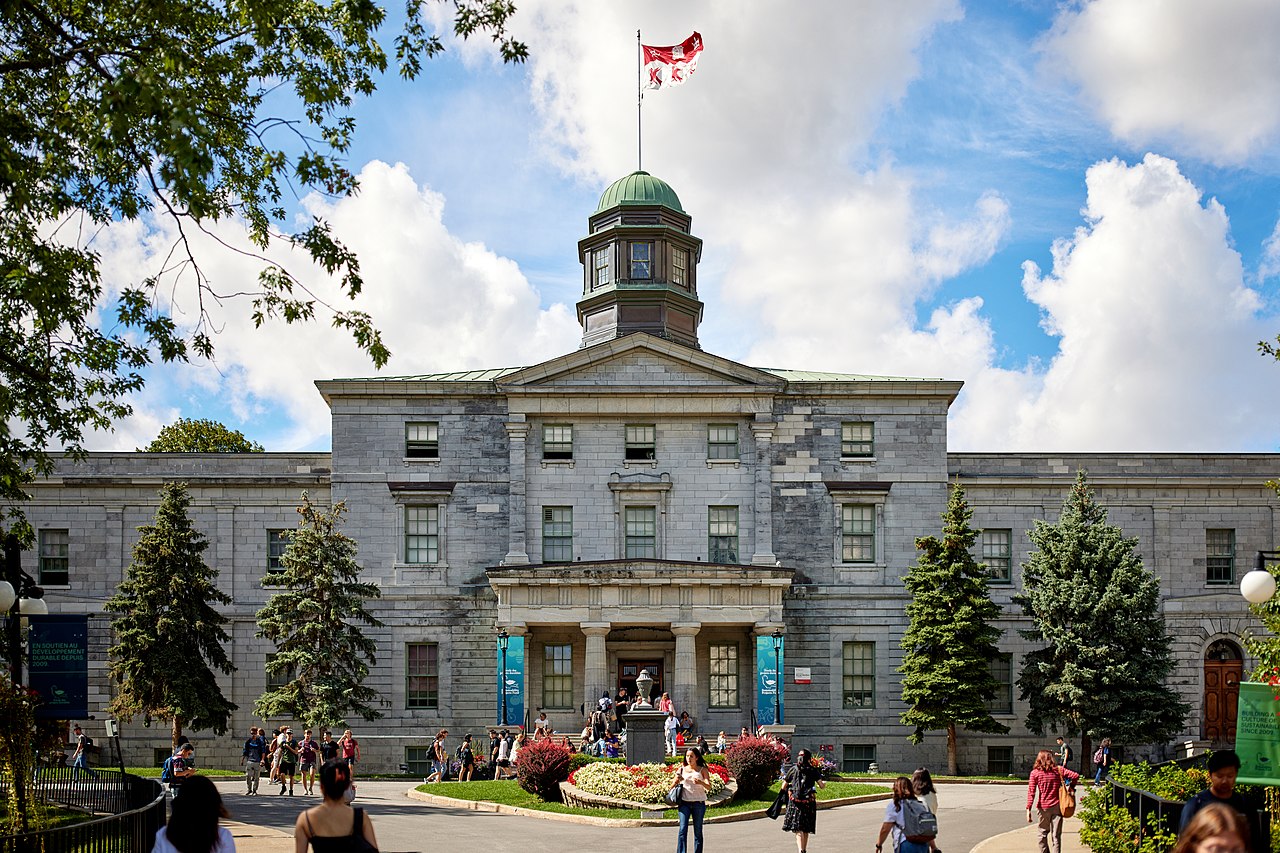
The Master of Science (M.Sc.) in Agricultural Economics at McGill University is a research-intensive program offered by the Faculty of Agricultural & Environmental Sciences. It focuses on providing students with evidenced-based learning opportunities to develop essential skills in problem-solving, data analysis, and literature synthesis. This program prepares graduates for advanced academic study or professional roles in various sectors.
Master of Forest Conservation (MFC)
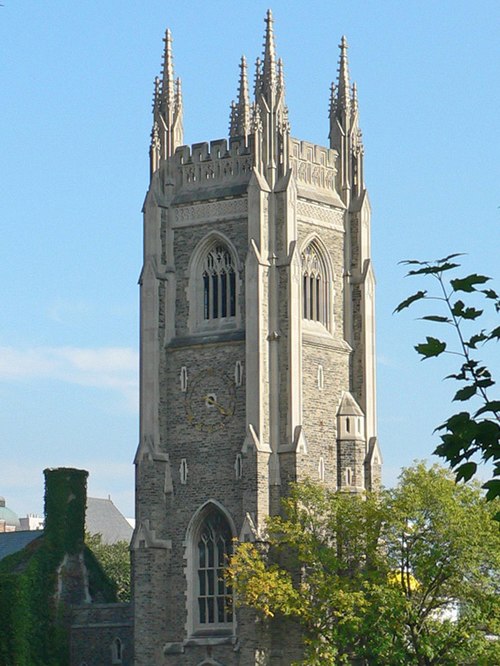
The Master of Forest Conservation (MFC) program at the University of Toronto's Daniels Faculty prepares graduates for a vital profession focused on the sustainability of ecosystems and human systems. This intensive 16-month program offers a balanced perspective on forest conservation through three key pillars: environmental, social, and economic. You will engage in experiential learning and team-based projects, gaining practical field skills and exposure to diverse forest ecosystems and conservation challenges both in Canada and internationally. The program is designed to be accessible to students from a wide range of undergraduate backgrounds, including but not limited to ecology, environmental science, biology, geography, economics, and political science. Prior specific education in forestry is not required, as the program provides foundational knowledge. You can pursue this degree on a full-time, extended full-time, or part-time basis, allowing for a tailored educational experience. The small class sizes ensure close interaction with passionate faculty and foster a collaborative learning environment among peers.

Master of International Forestry
The Master of International Forestry (MIF) is an intensive 12-month program at the University of British Columbia. It combines coursework with experiential learning to prepare graduates for leadership roles in addressing global forest-related challenges. The program focuses on developing skills and knowledge to negotiate and implement solutions for issues like climate change, biodiversity, and sustainable development, recognizing the crucial role forests play in international concerns.
Master of Science (M.Sc.) Renewable Resources (thesis)
Master of Urban Forestry Leadership
The Master of Urban Forestry Leadership (MUFL) is an intensive, 13-month course-based master's program designed to equip you with the skills to shape the future of urban green spaces. This unique program offers an interdisciplinary approach, drawing expertise from fields such as arboriculture, forestry, urban planning, landscape architecture, and urban forestry. You will develop advanced strategic management, decision-making, and problem-solving abilities to address the complex challenges facing urban ecosystems. Delivered full-time and in-person at UBC's Point Grey campus, the MUFL program aims to foster leadership in urban forestry.
Minor in Animal Agriculture
The Minor in Animal Agriculture is designed for students pursuing a Bachelor of Science (Agriculture), Bachelor of Arts, Bachelor of Science, or Bachelor of Science (Medical Sciences) who want to gain a deeper understanding of livestock management and the science behind good animal practices. This program offers insights into the businesses and industries that support healthy farm animal rearing. Students will explore the biology of farm animals alongside crucial socio-economic aspects, including regulatory frameworks, animal welfare, and the environmental impact of animal agriculture.
Frequently asked questions
How many Agriculture & Forestry programmes are available in Canada?
+
There are 12 Agriculture & Forestry programmes listed across 5 universities in Canada.
Which universities in Canada offer Agriculture & Forestry programmes?
+
Universities offering Agriculture & Forestry programmes in Canada include Dalhousie University, McGill University, University of British Columbia, Lambton College, among others.
How much does it cost to study Agriculture & Forestry in Canada?
+
Tuition varies by programme — check each listing for the exact fee.
Can international students apply to Agriculture & Forestry programmes in Canada?
+
Yes, international students are generally eligible to apply. Requirements vary by institution — check each programme page for language proficiency standards, entry qualifications, and any country-specific admissions conditions.
What are the typical entry requirements for Agriculture & Forestry programmes in Canada?
+
Entry requirements vary by programme and level. Most master's programmes expect a relevant bachelor's degree; bachelor's programmes typically require secondary school qualifications in related subjects. Evidence of language proficiency (e.g. IELTS or TOEFL) is usually required for English-taught programmes.