Biology in Canada
Canada offers 37 Biology programmes across 13 universities, spanning undergraduate and postgraduate levels. The University of Toronto, one of North America's leading research institutions, features alongside Dalhousie University and St. Francis Xavier University on the Atlantic coast, and Trinity Western University and Canadian Mennonite University offering faith-based liberal-arts contexts. Laurentian University of Sudbury serves students in northern Ontario.
Tuition fees vary by university and residency status; prospective students should consult individual institutions for current figures. Biology programmes in Canada typically include laboratory and field components, and many universities offer co-operative (co-op) placements that integrate industry experience into the degree. International applicants need English or French proficiency depending on the institution's teaching language.

Animal and Plant Care
This program focuses on the responsible use and care of animals and plants within a research and teaching environment. St. Francis Xavier University's program is certified by the Canadian Council on Animal Care (CCAC) and adheres to Good Animal Practice (GAP). The program involves a dedicated animal care facility and trained staff, including a Senior Animal and Plant Care Technician, an Animal Care Technician, and student assistants. The Animal Care Committee (ACC) oversees animal use protocols, standard operating procedures, and policies, typically meeting three times a year. Key ethical principles such as Replacement, Reduction, and Refinement (the "Three R's") are embedded in the program's conduct, promoting responsible scientific practices.

Bachelor of Science - Honours in Biotechnology
Bachelor of Science in Biology

Bachelor of Science in Biology
The Biology program at Laurentian University offers a comprehensive study of life, from the smallest microorganisms to complex ecosystems. You will explore how living organisms grow, function, and interact with their environments, covering diverse fields such as genetics, ecology, and physiology. The program encourages you to apply your knowledge to address real-world issues like disease management, conservation, and environmental solutions. You have the flexibility to customize your degree by choosing a minor in a subject outside of biology, or by pursuing specialized certificates like the Certificate in Environmental Solutions.

Biochemistry
The Biochemistry program at Brock University offers a comprehensive Bachelor of Science (BSc) degree. You will explore core concepts in chemistry, cell biology, and molecular biology, learning to apply current techniques and technology to solve biochemical problems. The program emphasizes hands-on experience, utilizing the same state-of-the-art equipment as professors for their research. In your third and fourth years, you have the flexibility to focus on either biology or chemistry, with advanced courses covering topics like metabolism, protein structure, macromolecular structures, molecular genetics, and biophysical chemistry. The program culminates in an 8-month honours thesis project, providing valuable original research experience under faculty supervision. For those seeking practical work experience, an optional Co-op program is available, integrating three four-month work terms into your degree. This allows you to apply your academic knowledge in real-world settings and gain professional skills alongside your studies.

Biochemistry (BSc)
Study the chemical foundations of living organisms with a Bachelor of Science (BSc) in Biochemistry and Molecular Biology at Dalhousie University. This program delves into the building blocks of life, exploring the molecular basis of biological functions. You'll learn from faculty actively engaged in cutting-edge research, covering areas like genome biology, disease mechanisms, and cancer. This degree prepares you for a career at the forefront of discovery in medicine and biotechnology.

Bioinformatics
Bioinformatics is a rapidly growing interdisciplinary field that combines biology with computational and statistical analysis. As biological data, such as genetic sequences and genome information, becomes increasingly abundant, specialized tools are needed to analyze and interpret it. This program equips you with the computational and statistical skills required to tackle complex biological problems, identify disease causes, and develop effective treatments. You'll explore how bioinformatics is used to study biological patterns and create models.
Bioinformatics (Minor)
The Bioinformatics Minor provides an introduction to molecular genomics, equipping students with the skills to analyze large datasets related to genes and genomes. This field is increasingly important due to the vast amounts of data generated by modern biological research, such as next-generation sequencing. This minor is designed for students pursuing majors in computer science, biochemistry, molecular biology, biology, marine biology, statistics, and neuroscience. It prepares students for careers and further studies in these areas by developing expertise in handling and interpreting 'Big Data'.
Biological Sciences (PhD)
The PhD in Biological Sciences at Brock University offers a dynamic, research-intensive environment where students work closely with provincially, nationally, and internationally recognized faculty. The program provides access to excellent facilities and state-of-the-art laboratory equipment, supporting advanced research across various fields of biology. Students benefit from a strong emphasis on thesis-based research, allowing them to delve deeply into their chosen specialization and contribute meaningfully to scientific discovery. This program is designed for students seeking to develop advanced research skills and make significant contributions to the biological sciences.

Biology
Biology is the scientific study of living organisms, exploring the diversity of life and fundamental concepts like evolution, natural selection, and specialization. This program involves hands-on learning through laboratory work, where you'll engage with real organisms, conduct dissections, make observations, and collect data. The study of biology is crucial for addressing global challenges such as conservation, environmental issues, and understanding medicine and disease.
Biology
Study life in detail and discover a world of knowledge that has a powerful and exciting impact on our future. The Biology program at Trinity Western University equips students to work and lead in areas such as biotechnology, health sciences, ecology, and environmental stewardship. You will engage your curiosity and use your degree to contribute meaningfully to society, investigating topics like emerging diseases, environmental sustainability, and genomics. The program prepares you for careers in health sciences, research, or education with a strong foundation in science and ethics from a Christian worldview.
Biology (BSc)
Biology (BSc/BA)
The Biology program at Dalhousie University allows you to delve into the study of life and living systems, exploring the physical and biological processes that impact everything from genes and cells to entire ecosystems. You will study both simple and complex organisms, gaining a comprehensive understanding of the natural world. The program offers opportunities for hands-on exploration and research, utilizing facilities like the Aquatron, Thomas McCulloch Museum, and specialized greenhouses. You can tailor your degree through various options, including Majors, Honours, or Minors, and potentially start your first year on the Truro campus.

Biology BSc
The Biology program at Mount Saint Vincent University offers a comprehensive study of life, from microscopic organisms to complex plants and animals. You will delve into fundamental concepts such as genetics, cellular and molecular biology, morphology, physiology, development, and ecology. The program emphasizes analytical and scientific thinking, problem-solving, and data analysis, preparing you for various scientific careers. You'll benefit from small class sizes, fostering strong relationships with faculty and peers, and have access to modern laboratory facilities for research. The program leads to a Bachelor of Science (BSc) or BSc Honours degree over four years. It can also be pursued as a combined major, concentration, or minor. In addition to core biology subjects, you will develop a solid foundation in natural sciences like chemistry and physics, alongside essential transferable skills in data summarization and communication through written reports and presentations.
Biology Programs
Trinity Western University's Biology programs are designed to equip students with the knowledge and skills needed to contribute to modern scientific advancements. The curriculum focuses on areas such as biotechnology, health sciences, ecology, and environmental stewardship. Students engage in both theoretical learning through lectures delivered by experienced faculty and practical application in laboratory courses. The university emphasizes an integrative approach to science, encouraging students to think critically and consider ethical issues from a thoughtful Christian perspective. Small class sizes facilitate close interaction between students and professors, fostering a supportive learning environment.

Biology Programs
The University of Waterloo's Department of Biology offers a range of undergraduate and graduate programs focused on the study of living organisms and their environments. Undergraduate students can pursue Honours degrees in Biology, Biochemistry, Biomedical Sciences, Biological and Medical Physics, and Environmental Sciences, with various specializations and options available. Graduate students can undertake Master of Science (MSc) or Doctor of Philosophy (PhD) studies, including a specialized Collaborative Water Program that fosters interdisciplinary approaches to water-related issues. These programs provide students with a strong foundation in biological sciences, research methodologies, and critical thinking. The curriculum is designed to prepare graduates for diverse career paths in research, healthcare, environmental management, biotechnology, and further academic pursuits. The university emphasizes hands-on learning and research opportunities, allowing students to engage with cutting-edge scientific challenges.
Biology Programs
The Department of Biology offers programs that delve into the science of living organisms and their interactions with the environment. Courses cover topics from the molecular level to ecosystems, exploring the structure and function of life. Specializations include Microbiology, Physiology (Animal and Plant), Cell and Molecular Biology, Ecology (Marine and Freshwater), Evolution, and Environmental Sciences. A Co-op program is also available, allowing students to integrate work experience with their studies.
Biology, Bachelor of Science
Biology is the study of living organisms and their interactions with the environment. At St. Francis Xavier University (StFX), this program offers a comprehensive understanding of life, from cellular functions to global ecological systems. You will gain knowledge through a combination of classroom instruction, laboratory work, and fieldwork, allowing you to explore the influence of humans on the global environment. The curriculum is designed to provide a strong foundation, with introductory courses in Cell Biology and Diversity of Life in the first year covering fundamental topics such as basic genetics, evolution, and the major groups of living organisms. This prepares you for more specialized subjects in upper years. StFX's Biology program is highly diverse, offering six areas of concentration: Health Sciences, Ecology, Cell and Molecular Biology, Animal Biology, Plant Biology, and Aquatic Biology. Students can further tailor their studies through different degree patterns like Major, Advanced Major, or Honours programs, and can also pursue joint programs with departments such as Psychology, Chemistry, Math, and Physics.
Biotechnology (MSc)
The Master of Science (MSc) in Biotechnology at Brock University offers a comprehensive program focused on both chemical and gene biotechnology. Chemical biotechnology explores the application of chemistry techniques to understand and manipulate biological processes. Gene biotechnology delves into DNA technology, bioinformatics, and microbiological methods to investigate biological phenomena. This program is thesis-based and typically takes two years to complete. Graduates are well-prepared for careers in pharmaceuticals, human health, food science, nutritional biochemistry, environmental sectors, energy, and the financial and policy aspects of biotechnology.
Biotechnology Program
Unfortunately, the program details for Biotechnology at Trinity Western University are not accessible via the provided link. Therefore, a comprehensive overview, highlights, curriculum, entry requirements, fees, scholarships, careers, accreditation, teaching support, or reviews cannot be provided at this time. Further information may be available through the university's general popular links or by contacting them directly.
Culinary Arts
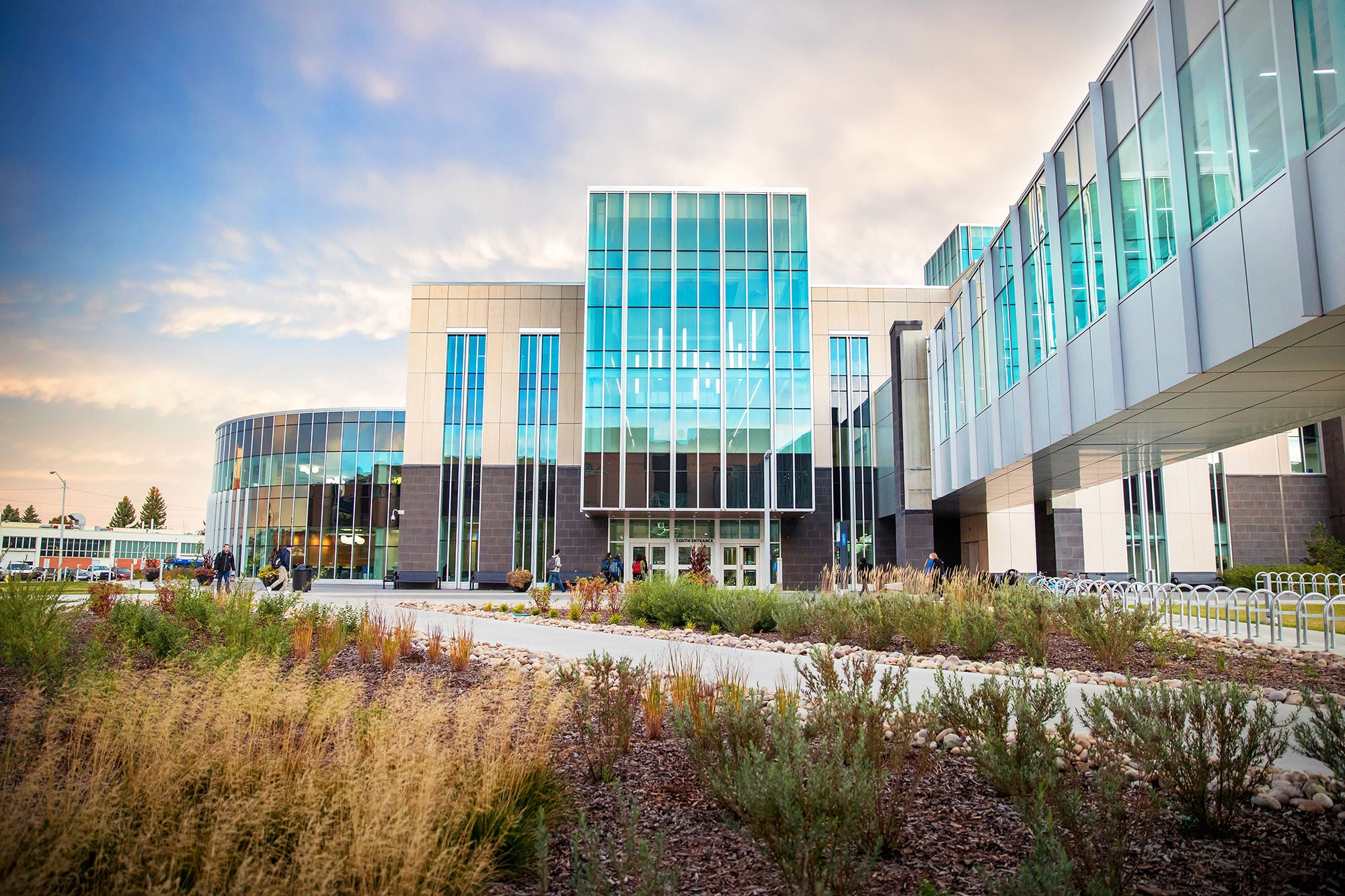
The Culinary Arts program at NAIT provides comprehensive training for a career in the dynamic food industry. You'll gain hands-on experience in professional kitchens, learning fundamental cooking techniques, recipe development, and menu planning. The program emphasizes practical skills alongside theoretical knowledge, preparing you for diverse roles in kitchens, restaurants, hotels, and catering operations. You will also learn about food safety, costing, and management principles essential for success in the culinary world.
Entomology (M.Sc.)
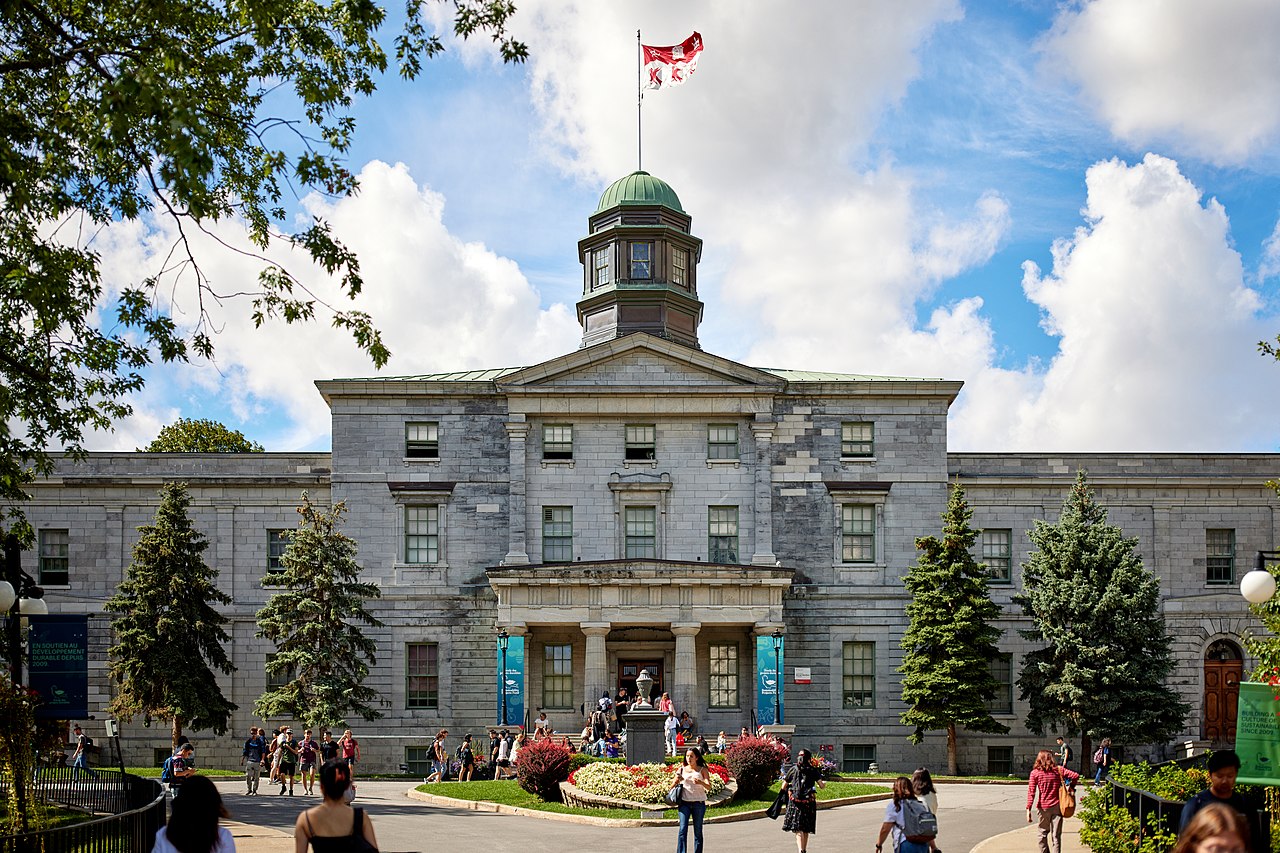
The Master of Science (M.Sc.) in Entomology is a research-intensive program focused on hands-on and research-oriented learning. This program aims to equip students with critical thinking, attention to detail, and strong communication skills, preparing them for advanced studies or professional careers. Students will explore various aspects of entomology, including ecology, population dynamics, pest management, physiology, pathology, and systematics.
Faculty of Science
St. Francis Xavier University (StFX) offers a wide range of undergraduate science programs designed to provide a strong foundation for careers in science, graduate studies, research, and professional programs. The Faculty of Science is recognized for its academic strength and for providing students with significant opportunities for hands-on, high-calibre research. Students work alongside accomplished scientists in collaborative and cutting-edge learning environments. The quality of StFX science students is nationally recognized, with many winning research grants, publishing in academic journals, and presenting at conferences.
Graduate Program in Cell and Molecular Biology
Graduate Programs at Laurentian University
Laurentian University offers a diverse range of graduate programs across various faculties, including Arts, Education and Health, Management, and Science, Engineering and Architecture. Programs are available in English and French, with options for on-campus, online, and hybrid learning formats. This provides flexibility for students to pursue advanced studies and specialize in their chosen fields.
Graduate Studies at St. Francis Xavier University
St. Francis Xavier University offers a range of Master's and PhD programs designed to foster research and discovery within a supportive and personalized academic environment. While known for its undergraduate focus, StFX provides graduate students with dedicated faculty mentorship and opportunities to enhance academic programs through teaching, mentorship, and research. Students join a global network committed to academic excellence in a collegial setting. Graduate programs are available in Arts, Science, and Education, with opportunities for leadership development and peer-to-peer interaction.
M.Sc. in Microbiology
The Master of Science (M.Sc.) in Microbiology program is a research-intensive degree focused on comprehensive and innovative learning. It aims to equip students with essential skills in information literacy, research design, and scientific communication. This program prepares graduates for advanced studies or professional careers in various fields related to microbiology. The curriculum covers fundamental and applied environmental science topics, with a specific emphasis on microbiology, including microbial ecology, genetics, physiology, and plant-microbe interactions. Faculty research areas include the use of microorganisms for biodegradation and bioremediation, as well as astrobiology, exploring Earth-based systems as models for extraterrestrial environments.
Master of Biotechnology (MBiotech) - Biopharmaceutical Field
The Institute for Management & Innovation (IMI) at the University of Toronto Mississauga (UTM) fosters collaborative and interdisciplinary thinking to address global challenges. It brings together world-class faculty from diverse fields like management, economics, and sciences to develop innovation-focused leaders committed to sustainability. IMI offers professional graduate programs that blend business, natural/physical sciences, and social sciences with a strong emphasis on experiential and applied learning. Programs include the Master of Biotechnology (MBiotech), Master of Forensic Accounting (MFAcc), Master of Management of Innovation (MMI), Master of Management & Professional Accounting (MMPA), Master of Science in Sustainability Management (MScSM), and Master of Urban Innovation (MUI).
Master of Science in Biology
The Master of Science (MSc) in Biology at St. Francis Xavier University (StFX) is a limited-enrollment, thesis-based program designed for exceptional students demonstrating scholarly potential. StFX offers a personalized graduate experience within a collegial environment, where MSc students play a significant role in their supervisor's research. This program fosters strong research skills, with graduates having a track record of publishing their work and presenting at conferences, often leading to successful careers in research or various organizations. Graduate students contribute to the StFX academic community not only through their research but also by mentoring undergraduate students as teaching assistants and research assistants. This hands-on experience, coupled with direct engagement in faculty research, provides a robust foundation for advanced study and professional development in the field of biology.

Master of Science in Biology
This Master of Science (M.Sc.) program in Biology is offered by the Faculty of Science and Environmental Studies. It provides advanced research opportunities across various areas of biological sciences, with potential collaborations with departments like Anthropology, the Biorefining Research Institute, and the Northern Ontario School of Medicine. The program is equipped with modern laboratories, animal care facilities, unique field sites, and access to diverse analytical services. Research themes span from globally significant theories to practical applications in environmental biology, wildlife management, and human health. Students are encouraged to connect with potential supervisors before applying to discuss research interests and opportunities. The program requires completion of all requirements within six terms (two years) of continuous registration.
Molecular Genetics Graduate Studies
The Department of Molecular Genetics at the University of Toronto offers graduate programs designed to train future leaders in genetics, molecular biology, and biomedical science. Our programs emphasize rigorous research training, direct mentorship from world-class faculty, and hands-on laboratory experience. Alumni go on to hold significant positions in leading universities, research institutes, and industry globally. The department benefits from a dynamic faculty, with a significant number of new recruits in the past decade, bringing together established experts and emerging scientists to provide exceptional training opportunities.
MSc in Applied Immunology (Non-Thesis)
The MSc in Applied Immunology is a graduate program focused on providing advanced training in the design, implementation, and evaluation of immunological techniques used to measure immune responses. This non-thesis program requires students to complete specific coursework and a major research project, which is assessed through oral and written presentations rather than a traditional thesis. The program is structured over six sessions (Fall/Winter/Summer over two academic years), typically lasting 24 months, though some students may be eligible for advanced standing and complete the degree in 16 months. Throughout the program, students will produce reports and project proposals and will have dedicated time for professional development, including potential internship opportunities with local companies. Upon successful completion, graduates will possess advanced skills in applied immunology.

Natural Sciences BSc
The Natural Sciences BSc program at Canadian Mennonite University (CMU) is designed to foster curiosity, collaboration, and discovery. Students will explore how the natural world functions, from molecules to ecosystems, and develop the skills to investigate scientific questions independently. The program emphasizes hands-on learning through research projects, lab experiments, and fieldwork, encouraging students to actively participate in the scientific process. With small class sizes, professors provide personalized attention, mentorship, and opportunities for students to engage in real research. The curriculum integrates science with other disciplines like psychology, literature, and theology, promoting a holistic understanding of science's role in searching for truth and making a positive impact on the world.
Plant Genomics and Biotechnology
This program focuses on the study of Plant Genomics and Biotechnology, exploring the molecular mechanisms that govern plant life and applying this knowledge to practical applications. Students will engage with core concepts in plant development, molecular biology, and bioinformatics, preparing them for careers in research and development within the plant sciences. The curriculum involves completing a subset of related program courses and participating in a dedicated learning community. This community fosters a supportive academic environment, offering professional development opportunities and enriched academic projects, with a strong emphasis on research. Students will typically engage with the learning community for three years, allowing for mentorship and the development of multi-year projects.
Plant Science Programs
Plant Science is the study of how plants function, including their reproduction, development, anatomy, physiology, and evolution. It also explores how humans utilize plants for food, fiber, bioactive compounds, and ornamental purposes. Recognizing the critical role of plants in maintaining Earth's ecosystems and ensuring human survival, plant scientists are at the forefront of addressing global challenges like climate change and food security. Researchers at McGill are dedicated to solving complex questions, such as how plants adapt to changing climates, how to preserve genetic diversity, and how to sustainably feed a growing global population with limited resources. The program offers students hands-on research experience through its unique facilities, including an on-site farm, field stations, greenhouses, and laboratories, preparing them for impactful careers.
Undergraduate Co-op Program
The Undergraduate Co-op Program at St. Francis Xavier University offers students a unique opportunity to gain substantial, paid, professional work experience alongside their academic studies. This program is designed to bridge the gap between graduation and employment by ensuring students have practical experience, industry connections, and a deeper understanding of their chosen field. Co-op students complete 12 months of full-time work experience across various sectors including business, industry, government, non-profits, and academic research. These work terms, combined with academic credit and professional development, prepare students for successful careers.
Undergraduate Program in Microbiology
Frequently asked questions
How many Biology programmes are available in Canada?
+
There are 37 Biology programmes across 13 universities in Canada.
Which Canadian universities offer Biology programmes?
+
Institutions include the University of Toronto, Dalhousie University, St. Francis Xavier University, Trinity Western University, Canadian Mennonite University, and Laurentian University of Sudbury.
How much does studying Biology in Canada cost?
+
Tuition varies by programme — check each listing directly, as fees depend on the university and whether you are a domestic or international student.
Can international students study Biology in Canada?
+
Yes; international students are accepted at most Canadian universities and will need to meet English (or French) language proficiency requirements and obtain a Canadian study permit.
What are typical entry requirements for Biology programmes in Canada?
+
Most programmes require a secondary-school diploma with strong science and mathematics grades, language proficiency, and for graduate-level entry a relevant undergraduate degree and research background.