Civil Engineering in Canada
Canada lists 11 Civil Engineering programmes spread across 9 universities and colleges, offering a wide range of options from research-intensive universities to applied polytechnics. The University of Toronto, University of Waterloo, and McMaster University are among the featured institutions, alongside Durham College, Lambton College, and Ryerson Polytechnic University.
Tuition fees vary significantly between institutions and should be verified on each listing. Civil Engineering graduates in Canada are eligible to pursue licensure with Engineers Canada after meeting experience and examination requirements. International students require a study permit and should confirm credential recognition requirements with provincial engineering associations.
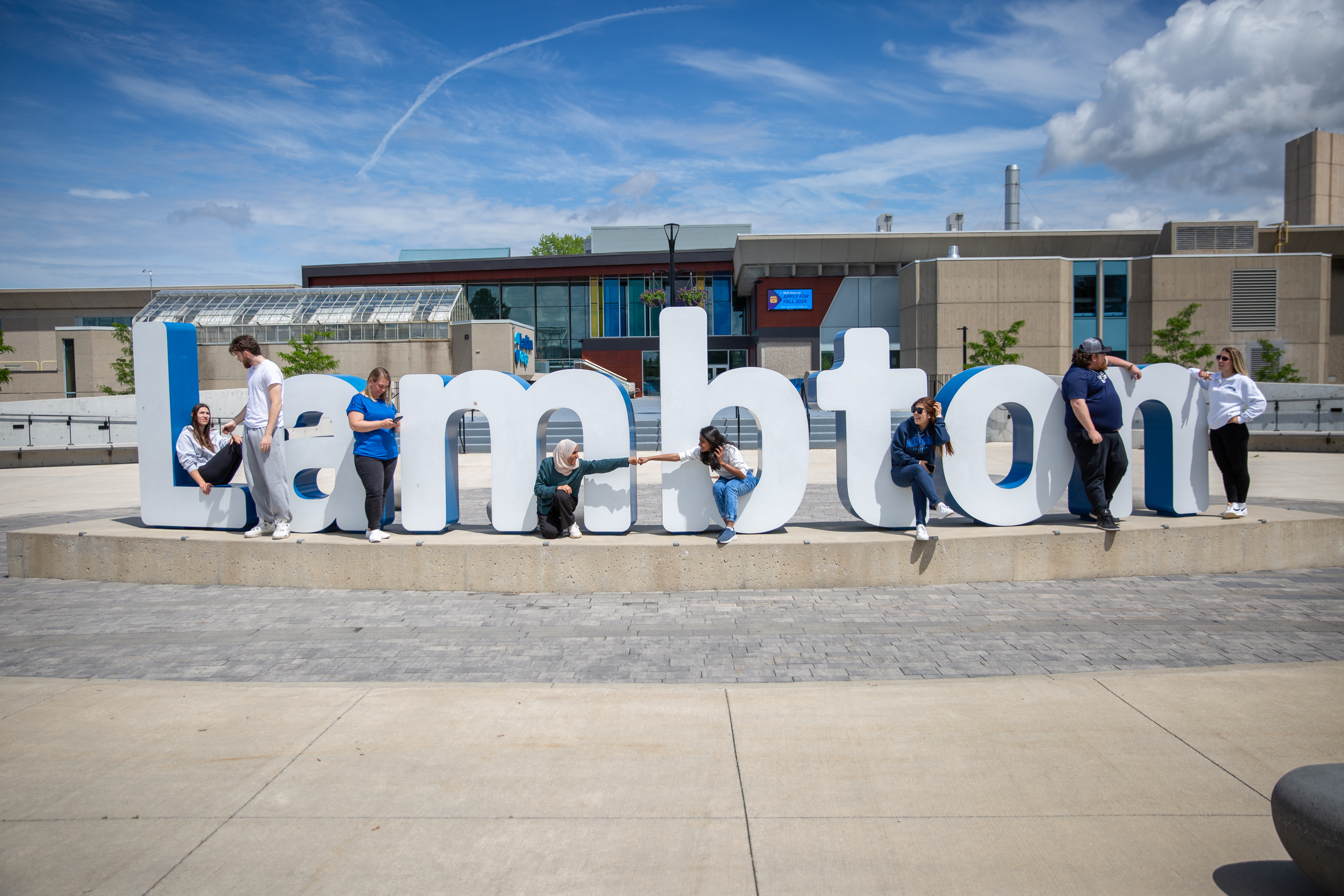
Applied Hydraulics for Water and Wastewater Operations
Applied Math for Wastewater Plant Operators
This program focuses on the practical application of mathematics within the field of wastewater treatment operations. It is designed to equip operators with the essential mathematical skills needed to perform their duties effectively, ensuring compliance with regulatory standards and efficient plant management. The curriculum covers a range of topics critical for understanding and solving real-world problems in wastewater treatment.

Building Construction Technician
The Building Construction Technician program provides students with foundational skills for the evolving construction industry, emphasizing knowledge of the Ontario Building Code. You will gain expertise in building energy-efficient, sustainable, and environmentally responsible homes using up-to-date materials and low-carbon footprint designs, including Net Ready and Net Zero concepts. This diploma program equips you with both practical carpentry abilities and the theoretical understanding needed to succeed in various construction environments. It's an excellent opportunity for students looking to join the booming construction industry, preparing them to meet the Ministry of Labour, Immigration, Training and Skills Development Working at Heights training requirement. The program also offers opportunities for co-operative education or field placements to gain valuable hands-on work and industry experience.

Certificate in Building Mechanics
The Certificate in Building Mechanics program is designed to equip you with the necessary skills to analyze, design, and adapt heating, ventilation, and air conditioning (HVAC) systems for various types of buildings. This program is ideal for engineers, technicians, technologists, technical agents, and other professionals in the field looking to enhance their expertise. It is also beneficial for those in real estate management who need a deeper understanding of HVAC systems to make informed decisions. The curriculum focuses on acquiring the latest technologies and strategies to achieve cost savings while implementing efficient and environmentally friendly systems. The program is offered on a part-time basis with evening classes, making it convenient for working professionals to balance their studies and careers. Completing this certificate along with two other certificates can lead to a Bachelor of Engineering with Honours in Building Technologies.

Civil Engineering
McMaster University's Civil Engineering program attracts forward-thinking students who are passionate about using fundamental engineering principles to solve real-world challenges. The program focuses on preparing students to address complex issues in infrastructure, environmental sustainability, and urban development. Graduates are equipped with the knowledge and skills to make significant contributions to the field.

Civil Engineering
The Civil Engineering program at Western University provides a comprehensive education in the design, construction, and maintenance of infrastructure. After completing a common first year in Engineering, students specialize in Civil Engineering. The program offers several options for further specialization in the third year, including Structural Engineering, Environmental Engineering, and International Development. The International Development option includes a unique community development placement. Students can also pursue dual degrees with Business (Ivey HBA) or Law, or combine Civil Engineering with other major modules from faculties such as Science, Music, Social Science, or Arts & Humanities. The program aims to equip graduates with the knowledge and skills to address complex engineering challenges and contribute to sustainable development.

Civil Engineering (B.A.Sc.)
Civil Engineering at the University of Waterloo addresses critical global challenges such as population growth, climate change, and aging infrastructure. You will learn to design, analyze, construct, and manage essential large-scale infrastructure, from bridges and transportation networks to municipal water systems and buildings. This program emphasizes developing solutions for a sustainable future and creating smarter cities. The curriculum is flexible, allowing you to tailor your education through a wide range of electives and specializations. This is a co-op only program, integrating academic learning with practical, paid work experience. You will alternate between study and work terms, gaining valuable professional skills and exploring diverse career paths. Graduates are prepared for roles in project planning, design, and construction, and are eligible for Professional Engineer designation.

Engineering
Acadia University offers a foundational engineering program designed to provide students with a strong start to their engineering education. The program emphasizes small class sizes, accessible professors, and hands-on learning experiences in design and prototyping, fostering an environment where students can develop confidence and excel. After completing the first two years, students typically transfer to a larger engineering school, such as Dalhousie University, to specialize in one of seven disciplines, including Chemical, Civil, Computer, Environmental, Electrical, Industrial, or Mechanical Engineering. Acadia provides flexible pathways to meet individual career goals. Students can pursue a two-year Certificate of Applied Science (23 courses), a three-year Bachelor of Applied Science (30 courses), or combined programs that integrate engineering studies with a BSc in biology, chemistry, mathematics, or physics. Graduates of the BASc program may also apply to Acadia’s School of Education. The program thoroughly prepares students for their next steps toward becoming a professional engineer (P.Eng.).
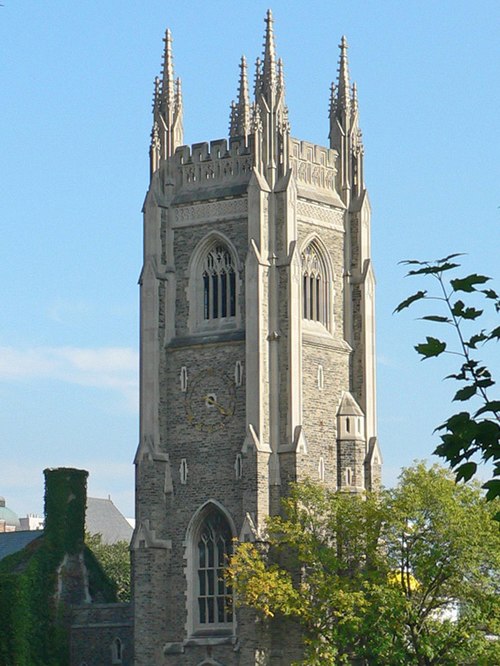
Master of Urban Innovation (MUI)
The Master of Urban Innovation (MUI) is a specialized graduate program focused on understanding and addressing the complex challenges facing contemporary cities. This program equips students with the knowledge and skills to analyze urban issues and develop innovative solutions for urban development and management. It is designed for individuals passionate about cities and eager to contribute to their future.
Microprogram of First Cycle in Building Mechanics
This microprogram offers an introduction to or a chance to deepen your knowledge in building mechanics. It allows students to explore fundamental principles and practical applications within this field. Successful completion of courses within this microprogram may be transferable to the corresponding certificate program.
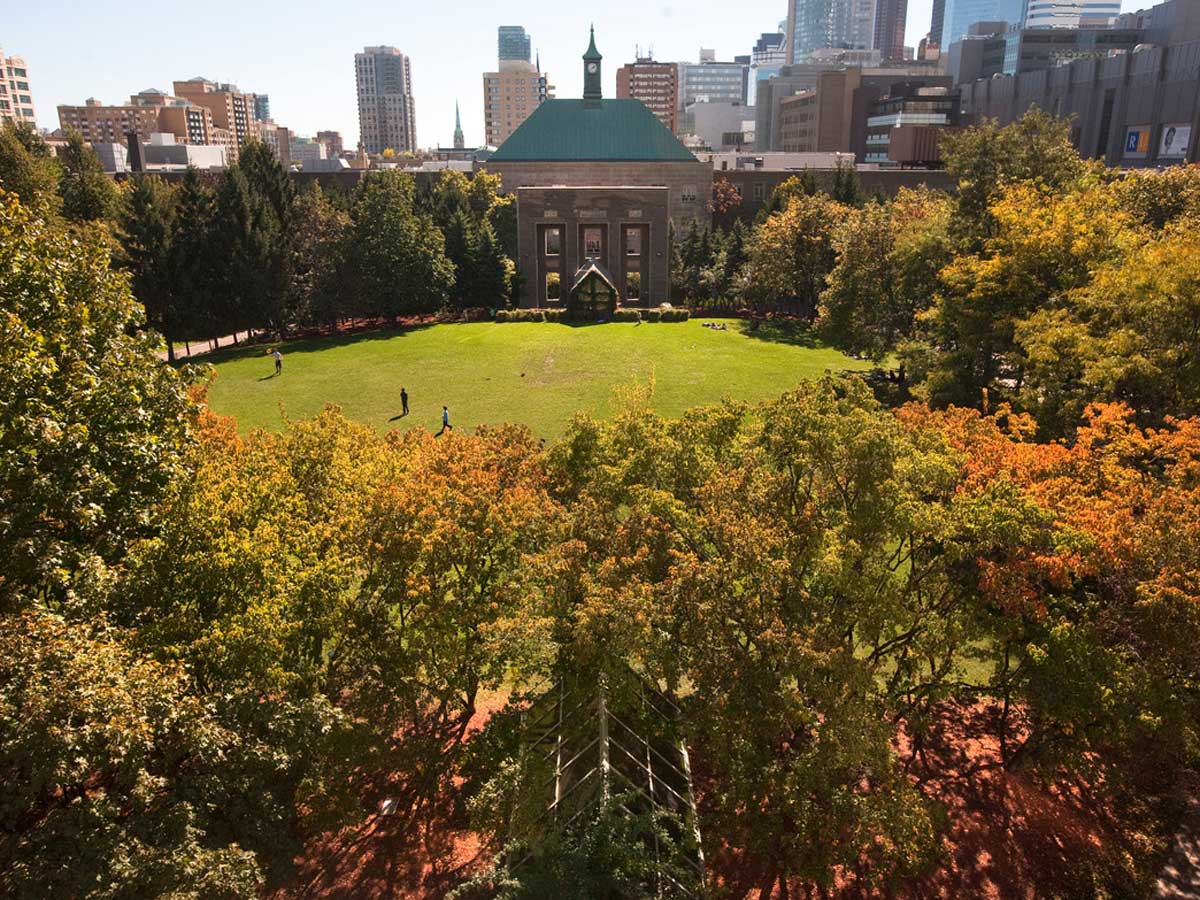
Urban and Regional Planning - Bachelor of Urban and Regional Planning
Urban and regional planners shape the development and enhancement of communities, applying principles from economics, social justice, urban design, and ecology. This program focuses on studio-based learning, equipping you with practical policy, research, and communication skills. Through client-based projects and field research, you'll gain real-world experience. The curriculum is designed to help you understand community needs, structures, and regulations concerning land and resource use, preparing you to advise on critical issues such as social, economic, environmental, cultural, land development, and transportation matters. Graduates are well-prepared to address complex planning challenges and contribute to sustainable and equitable community development.
Frequently asked questions
How many Civil Engineering programmes are available in Canada?
+
There are 11 Civil Engineering programmes listed across 9 universities and colleges in Canada.
Which Canadian institutions offer Civil Engineering programmes?
+
Institutions include the University of Toronto, University of Waterloo, McMaster University, Durham College, Lambton College, and Ryerson Polytechnic University, among others.
How much does Civil Engineering cost in Canada?
+
Tuition varies by institution — check each listing for current fees, as university programmes and college-based programmes have different cost structures.
Can international students study Civil Engineering in Canada?
+
Yes, international students are welcome; you will need a Canadian study permit and should meet each institution's academic entry requirements.
How do I become a licensed engineer in Canada after graduating?
+
Graduates must apply through their provincial engineering association for accreditation, gain 48 months of supervised experience, and pass the Professional Practice Examination (PPE).