Computer Science & IT in Canada
Canada lists 41 Computer Science and IT programmes across 21 universities, making it a major destination for international students seeking high-quality tech education in a multicultural environment. Institutions in this group include the University of Toronto, the University of Ottawa, École Polytechnique de Montréal (Université de Montréal), and Trinity Western University, spanning research-intensive universities and teaching-focused colleges alike.
Tuition information is not available in aggregate for this group, so students should check official fee schedules at each institution. Canada's Post-Graduation Work Permit (PGWP) allows eligible graduates to remain and work in Canada for up to three years, a strong draw for those considering long-term immigration pathways after their studies.

A+ Essentials - Hardware
A+ Essentials-Operating System Software
Advanced CompTIA A+ Certification Prep

Applied Computing
The Applied Computing minor at Brock University is designed to enhance your employability across various professional fields by providing essential computer skills. This program is ideal for students who wish to integrate computing expertise with their primary area of study, regardless of their mathematical background. Students will explore fundamental aspects of computing, including multimedia applications, software usage, information literacy, and basic troubleshooting. The curriculum also covers introductory computer programming and web design and development, offering a comprehensive understanding of practical computing applications. This minor allows you to gain valuable technological proficiencies without requiring advanced university-level mathematics, making it accessible and beneficial for a wide range of academic pursuits.

Baccalaureate in Computer Science
This Bachelor's program provides a strong foundation in the scientific principles of computer science, covering various aspects of systems analysis, programming languages, operating systems, algorithms, and data structures. You will explore industrial, scientific, and management information systems within organizations. The program equips you with the skills to analyze complex problems, develop appropriate IT solutions, and oversee their implementation. You will also gain the expertise to evaluate information systems and provide professional recommendations. Throughout your studies, you will engage in practical projects that allow you to apply your learning and build a portfolio of work, which is highly valued by employers during the recruitment process.

Bachelor of Applied Computer Science
The Bachelor of Applied Computer Science (BACS) program at Dalhousie University equips you with the practical skills organizations need to thrive in the modern digital world. This program focuses on bridging the gap between management and technology, enabling you to develop and implement effective technology solutions. You will gain a deep understanding of technology combined with essential skills in communication and project management. This prepares you to lead teams, manage complex digital projects, and solve real-world problems, ensuring you are ready for the demands of today's digital workplace.

Certificate in Industrial Internet of Things
This certificate program provides you with the knowledge and skills to implement Industrial Internet of Things (IIoT) projects while ensuring the security of the ecosystem. It is designed for IT professionals seeking specialized skills or for individuals new to the IIoT field.
Certificate in Information Technology
This certificate program is designed for individuals who want to gain in-depth technical knowledge in the field of computer science and information technology. It focuses on practical application, equipping students with the tools and specialized languages commonly used in professional environments. Graduates will be prepared to join and be operational within an IT team.
Cisco Certified Network Associate (CCNA) Statement of Completion
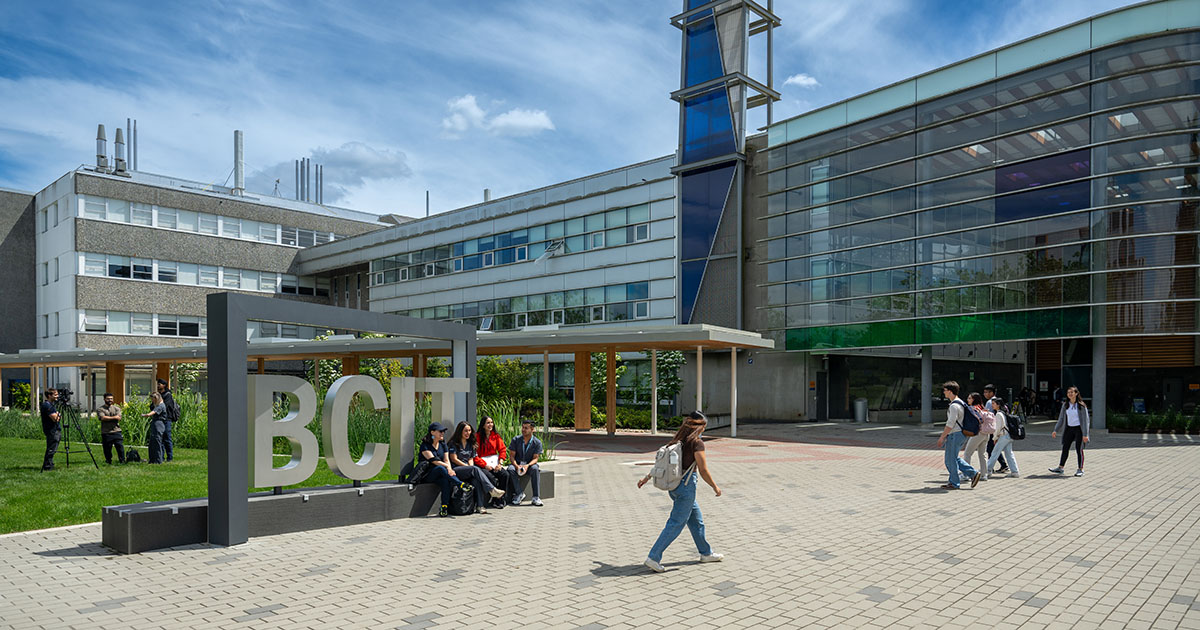
The Cisco Certified Network Associate (CCNA) Statement of Completion program consists of three courses designed to prepare you for the CCNA certification exam. This program combines theory with practical, hands-on activities using Cisco routers and switches. You will learn essential networking theory, TCP/IP, IP routing, Ethernet switching, fundamental network security, and Wide Area Networking (WAN) concepts. Upon successful completion of all three levels, you will be well-prepared for entry-level IT and networking roles.

Communication, Culture, Information & Technology
The Communication, Culture, Information & Technology (CCIT) program is an interdisciplinary undergraduate major. It provides students with a strong foundation in analyzing, evaluating, and interpreting communication and digital media using appropriate methodologies. Students will gain the skills to design various communication media and digital artifacts, preparing them for collaboration, communication, learning, and exploration in digital environments.

Computer Applications
The Computer Applications course (DAT7321) at Algonquin College introduces students to essential computer skills for business environments. You will learn to perform basic operating system commands and create various business documents using popular software. The course covers word processing, spreadsheet management, and presentation software, providing a foundational understanding of key applications. Additionally, you will utilize email, the internet, and a learning management system to support your studies. This course is offered as a part-time option and can be taken either on-campus or online. It is designed to be a component of broader programs like Business, offering flexibility for students looking to enhance their digital literacy for professional use.

Computer Science
Computer Science is a dynamic field with applications across many Arts and Science disciplines. In today's world, professionals often need computer knowledge, whether for using computers as a tool or integrating them into their roles. The field is constantly evolving with new areas emerging annually. Many students pursue computer courses to gain skills and concepts applicable to practical challenges within their own chosen disciplines.

Computer Science
The Computer Science program at Acadia University focuses on empowering students to become innovators and problem-solvers in a rapidly evolving technological landscape. You will learn to design systems and translate innovative ideas into practical, real-world solutions. The curriculum emphasizes project-based learning and cooperative education, allowing you to develop essential technical skills alongside valuable soft skills like teamwork, communication, and problem-solving, which are highly sought after by employers. The Jodrey School of Computer Science offers a supportive learning environment characterized by small class sizes and close mentorship from faculty. This ensures you receive personalized guidance throughout your studies. The program is accredited by the Canadian Information Technology Professionals Society (CIPS), guaranteeing a high standard of education. While prior programming experience is not required for admission, students with existing coding knowledge may be eligible to fast-track certain first-year courses. Acadia offers a range of Computer Science programs, including Bachelor of Computer Science, Bachelor of Computer Science with Honours, Bachelor of Applied Computer Science, and Bachelor of Science with Honours in Computer Science, as well as a Master of Science degree. The Bachelor of Applied Computer Science offers specialized options such as software development, game development, data analytics, mobile and ubiquitous computing, or a combined major with another discipline. Graduates are well-prepared to confidently tackle complex challenges in the tech industry.

Computer Science (MSc, PhD)
The Master of Science (MSc) and Doctor of Philosophy (PhD) in Computer Science are advanced programs designed for students passionate about this rapidly evolving field. Computer science profoundly impacts daily life, and graduates with advanced degrees are highly sought after in both industry and academia. Our central downtown Toronto location provides advantageous access to a vibrant start-up community, major corporations, financial institutions, and research hospitals, fostering strong collaborations with industrial partners. This program offers diverse career pathways, including roles as software developers, data scientists, database analysts, computer vision scientists, roboticists, information technologists, and professors. We are committed to supporting our students, with funding typically provided to domestic thesis-based students to help finance their studies.

Computer Science and Mathematics
This program provides a solid foundation in computer science and mathematics, preparing students for further studies or the job market. It covers essential theoretical concepts and practical applications in both fields. Students will develop problem-solving skills and gain expertise in areas like programming, algorithms, data structures, and mathematical modeling. The curriculum is designed to equip students with the knowledge and skills necessary to tackle complex challenges in the ever-evolving world of technology and science. Graduates will be well-prepared to pursue higher education in related fields or enter careers that require strong analytical and computational abilities.
Computing and Business
The Bachelor of Computing and Business (BCB) program at Brock University offers a unique blend of computing skills and business knowledge, designed for professionals who want to excel in the IT industry with a strong understanding of business practices. You will gain foundational skills in computer programming, data structures, and computer organization, complemented by essential courses in accounting, management, and economics. This interdisciplinary approach prepares you for various roles where technology meets business. In your upper years, the curriculum expands to cover advanced topics such as databases, operating systems, computing ethics, and software engineering. You will also delve into business areas like entrepreneurship, finance, marketing, and organizational behaviour, ensuring a well-rounded education. The program is offered by the Faculty of Mathematics and Science and includes opportunities for co-op placements and experiential learning, allowing you to apply your knowledge in real-world settings and gain valuable professional experience. This program is ideal for international students looking to combine strong technical abilities with strategic business acumen, opening doors to diverse career paths in a globalized economy. With a focus on practical application and industry relevance, graduates are well-prepared for immediate employment or further studies.

Computing and Software
The Computing and Software department at McMaster University focuses on advancing the fields of computer science and software engineering through education and research. The department explores the intersection of scientific theory and practical engineering applications. Students engage with a curriculum designed to provide a strong foundation in computing methodologies, human-centred design, information systems, and the theory of computation. The department offers opportunities for students to specialize in areas such as software engineering, human-centred computing, privacy and security, and networked systems. Research and learning emphasize both theoretical underpinnings and real-world problem-solving, preparing graduates for diverse roles in the technology sector.

Computing Science
Trinity Western University's Computing Science program prepares you to become a technological leader with a global perspective. You will develop into a creative problem solver and an adaptable leader, equipped with fundamental computing knowledge and a variety of elective courses. Options include artificial intelligence, software engineering, computer graphics, databases, programming languages, computer networking, and virtual reality. The program also offers a Data Science stream, providing enhanced opportunities for graduate studies and employment. Students are encouraged to engage in undergraduate research, which can lead to co-authored publications and presentations at international conferences. The curriculum is delivered from a distinctly Christian worldview, fostering character development alongside technical expertise.
Concentration in Computing Science
Concentration in Game Development
Master of Health Informatics (MHI)
The Master of Health Informatics (MHI) program at the University of Toronto's Institute of Health Policy, Management and Evaluation (IHPME) is designed to equip students with the knowledge and skills to lead the digital transformation of healthcare. This program focuses on the intersection of health sciences, information technology, and management, preparing graduates for leadership roles in improving healthcare systems through data and technology. The curriculum emphasizes a blend of theoretical understanding and practical application, enabling students to address complex challenges in the healthcare sector. The MHI program aims to foster innovation and excellence in health informatics. Graduates will be prepared to develop, implement, and manage health information systems, analyze health data to drive improvements, and contribute to policy development in digital health. The program is ideal for individuals with a background in health sciences, social sciences, computer science, or information science who are looking to advance their careers in this rapidly evolving field.

Master of Science (MSc) – User Experience
This Master of Science (MSc) program focuses on User Experience (UX), equipping you with comprehensive knowledge, methods, and tools in this cutting-edge field, including user-centered research. You will gain essential skills in UX practice, user-centered ideation (design thinking), user interface (UI) design, prototyping, user testing, and data analysis. The program emphasizes practical learning through challenges based on the latest research from HEC Montréal's Tech3Lab, the leading UX lab in North America. This program is designed to help you become a UX champion in organizations, bridging the gap between business problems and design solutions.

Master of Science (MSc) in Computer Science
The Master of Science (MSc) program in Computer Science is designed to deepen your understanding of the field and equip you with the skills to conduct independent, original research under faculty guidance. The program requires the completion of 2.0 graduate full-course equivalents (FCEs) in computer science, including courses that satisfy breadth requirements for a well-rounded knowledge base. A significant component of the MSc is a major research project (CSC4000Y). This project should demonstrate your ability to organize existing concepts and develop innovative approaches to research problems, meeting a standard suitable for potential peer-reviewed publication.
Master of Science in Digital Health and Medical Informatics (Med-i CREATE)
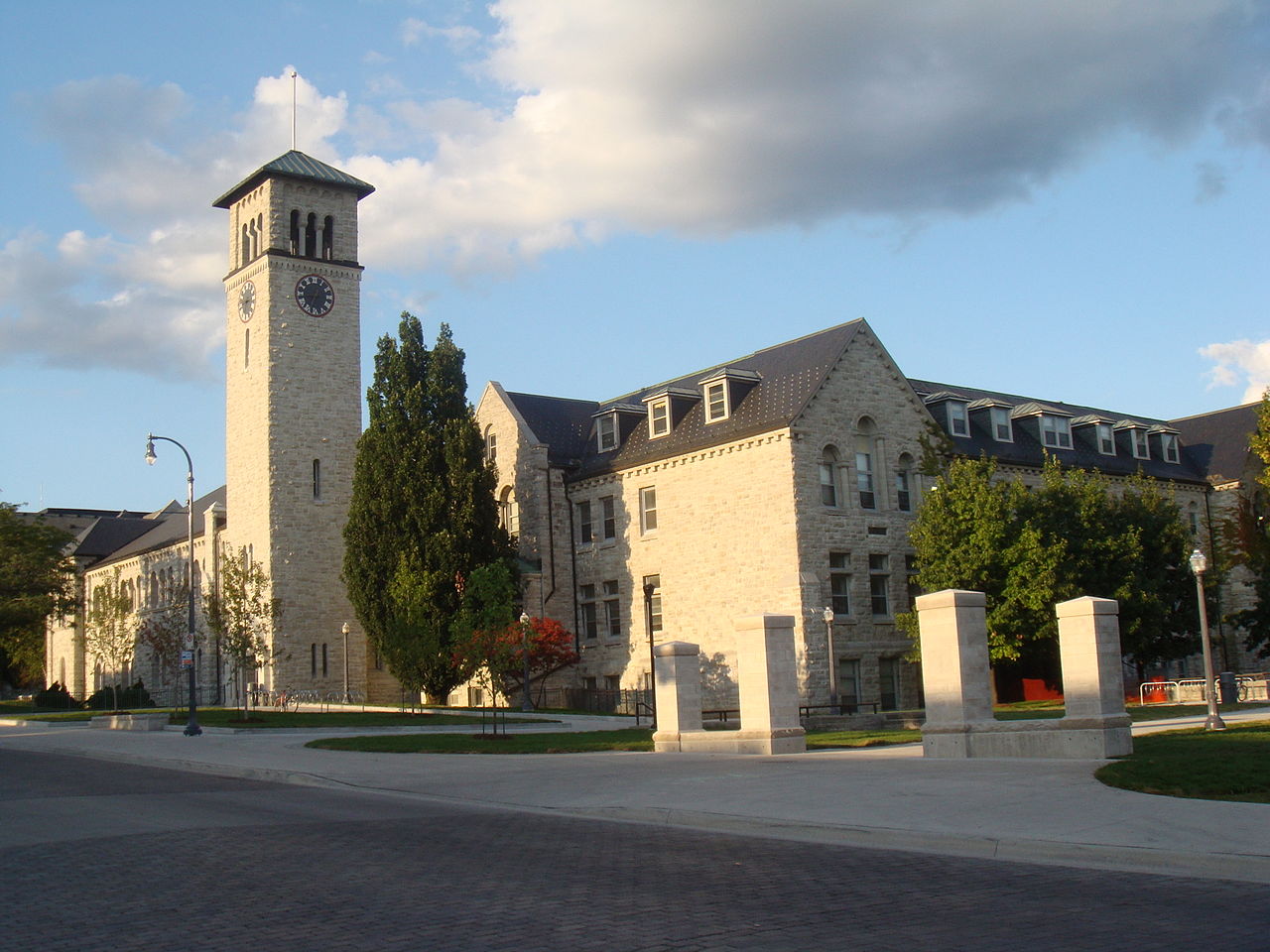
The Master of Science in Digital Health and Medical Informatics (Med-i CREATE) program leverages computing sciences to revolutionize healthcare. This program focuses on identifying impactful problems in medical informatics, developing critical problem-solving skills, and fostering interdisciplinary collaboration. You will gain knowledge in computing, health, mathematics, and medical informatics, while working with professionals to create computer science solutions for health challenges. The program also emphasizes the development of professional and leadership skills, including ethics, communication, and team management, alongside an awareness and promotion of equity, diversity, and inclusion (EDI) principles within the field.
Master's in Biomedical Informatics
The Master's in Biomedical Informatics program at Queen's University offers a unique opportunity to combine AI and Big Data with a career in healthcare. This program aims to transform how healthcare is approached and delivered. You will gain hands-on experience with tools like Python and R, machine learning, and medical imaging. The program can be started with a 4-month Graduate Diploma, with the option to extend to the 12-month Master's degree. It is designed for individuals interested in computational and quantitative methods applied to biomedical challenges.
Microprogram of First Cycle in Industrial Internet of Things
This microprogram offers specialized training focused on developing the theoretical and technical skills needed for Industrial Internet of Things (IIoT) projects. You will explore topics such as industrial controls, telecommunications, artificial intelligence, metadata, and cloud computing. A significant emphasis is placed on the security of the IIoT ecosystem. This program is delivered entirely online, offering flexibility for students. Successful completion of courses within this microprogram may be transferable to a corresponding certificate program.
Microprogramme en technologies de l'information (3e cycle)
This graduate-level microprogram focuses on information technologies (IT), offering a specialized education through structured exchanges with industry leaders. It's designed for those seeking to deepen their expertise in IT without committing to a full doctoral program. The program bridges research and practice, providing advanced, applicable skills for organizational or research settings. It explores current IT research themes, including strategic IT management, AI, digital transformation, and agile project management, with opportunities to develop research methodologies and projects.
Minor in Computing Science
Minor in Game Development
Network Administrator Technician Associate Certificate
The Network Administrator Technician Associate Certificate program provides a foundational understanding of computer networking. This program is designed for individuals looking to enter the IT sector and offers hands-on experience with networking concepts and hardware. It consists of four courses totaling 24 credits, which can be taken in any order as long as prerequisites are met. A minimum pass mark of 50% is required for each course. The program must be completed within three years of enrolment.

Okanagan University College Distance Education Certificates
Okanagan University College offers a range of certificate programs delivered entirely through distance education. These programs are designed for flexibility, allowing students to study online from any location. Many certificates are offered in partnership with UGotClass, expanding the available specializations in areas such as business, technology, and professional development. Note that credentials for UGotClass programs are awarded by LERN (Learning Resource Network) in Wisconsin, USA, not Okanagan College directly.
PhD Computer Science
Physics
Acadia University's Physics program offers a comprehensive undergraduate degree designed to help students understand the fundamental laws governing our universe, from the smallest particles to the largest celestial bodies. With a focus on small class sizes and student-centered learning, the program fosters a strong sense of community among students and faculty. Graduates develop critical thinking, problem-solving, and communication skills, preparing them for a diverse range of careers or further academic pursuits. The curriculum encourages interdisciplinary studies and offers unique opportunities for hands-on research.
Quality Assurance and Testing
The Quality Assurance and Testing course (CST8513) at Algonquin College focuses on the critical skills required to ensure the reliability and functionality of information technology systems. Students will gain practical experience in various testing strategies and learn industry best practices. This course is designed to equip students with the ability to analyze, document, develop, monitor, and maintain robust computing system solutions. The curriculum combines theoretical lectures with hands-on activities, utilizing industry-standard tools and techniques to prepare students for the demands of the IT sector. This course is part of the Computer Programming and Analysis program, offered both part-time and online.

Stackable Micro-credentials in Cloud Computing
User Experience Microprogram (2nd Cycle)
This microprogram focuses on User Experience (UX) fundamentals, equipping you with the knowledge to drive innovation in organizations. It offers a technical and analytical approach, bridging marketing, IT, and statistics. You will gain skills in user-centered ideation (design thinking), interface design (UI), prototyping, user testing, and data analysis (qualitative and quantitative methods). The program provides unique access to faculty, researchers, and experts from North America's largest UX lab, Tech3lab, and offers networking opportunities through events like the annual UXC conference. While primarily on-campus, the program offers flexibility with some courses delivered online asynchronously, allowing for a hybrid learning experience. This microprogram can serve as a pathway to further studies, including a Graduate Diploma (D.E.S.S.) and a Master's degree (M.Sc.) in User Experience Management.
Women's and Gender Studies
The Women's and Gender Studies (WGST) program at Acadia University invites students to critically examine how gender and sexuality shape global societies and individual experiences. You will explore diverse topics such as social justice, culture, education, literature, psychology, history, science, and politics through a feminist lens. The program encourages questioning assumptions and developing innovative approaches to societal challenges, offering a robust interdisciplinary curriculum to foster a deep understanding of gender's impact. Students can choose from various program options including a Major, Double Major, Major with Honours, Double Major with Honours, or a Minor. The curriculum is rich with over 60 interdisciplinary courses, covering unique areas like Black Women and Politics, Environmental Justice and Equity, and Women in Science. The program emphasizes hands-on learning, research opportunities, and offers a co-op option, preparing graduates for impactful careers.
Frequently asked questions
How much does studying Computer Science and IT in Canada cost?
+
Tuition varies by programme — check each listing or contact the institution directly, as standardised figures are not available for this group.
Which universities offer Computer Science and IT programmes in Canada?
+
21 universities are listed, including the University of Toronto, the University of Ottawa, École Polytechnique de Montréal, and Trinity Western University.
Can international students apply for Computer Science programmes in Canada?
+
Yes. International students need a Canadian student permit. Canada's Post-Graduation Work Permit can provide up to three years of open work authorisation after graduating.
What are the entry requirements for Computer Science programmes in Canada?
+
Undergraduate applicants need a secondary school diploma with strong grades in mathematics and science. Graduate programmes typically require a relevant bachelor's degree and may request GRE scores.
How do I apply to a Computer Science programme in Canada?
+
Apply directly to each university's admissions office. Prepare academic transcripts, English or French language test results, and a personal statement. Some programmes require a portfolio or coding sample.