Bachelor's in Engineering & Technology in Canada
There are 13 bachelor's Engineering & Technology programmes for international students across 7 universities in Canada. Browse the full list below, compare entry requirements, and explore scholarships to fund your studies.

Architectural Engineering
The Architectural Engineering program at the University of Waterloo is an in-demand engineering degree that combines design, collaboration, and communication skills with strong analytical capabilities for building design and operation. You will learn to work with architects on aesthetic design while ensuring all building systems are functional, secure, and safe, including lighting, heating, plumbing, and structural systems. The program emphasizes green building technology and sustainability, teaching you how to assess, repair, and refurbish existing buildings to reduce their carbon footprint. You will develop precise communication skills, whether written, graphic, or oral, to effectively interact with both engineers and architects. This unique program offers significant project-based group work from the outset. You will participate in a studio design course each term and, in your third year, study at the world-renowned School of Architecture in Cambridge, Ontario. This immersive experience will deepen your understanding of aesthetics, culture, and design elements. Upon graduation, your comprehensive knowledge and communication abilities will position you for leadership roles within the construction industry.
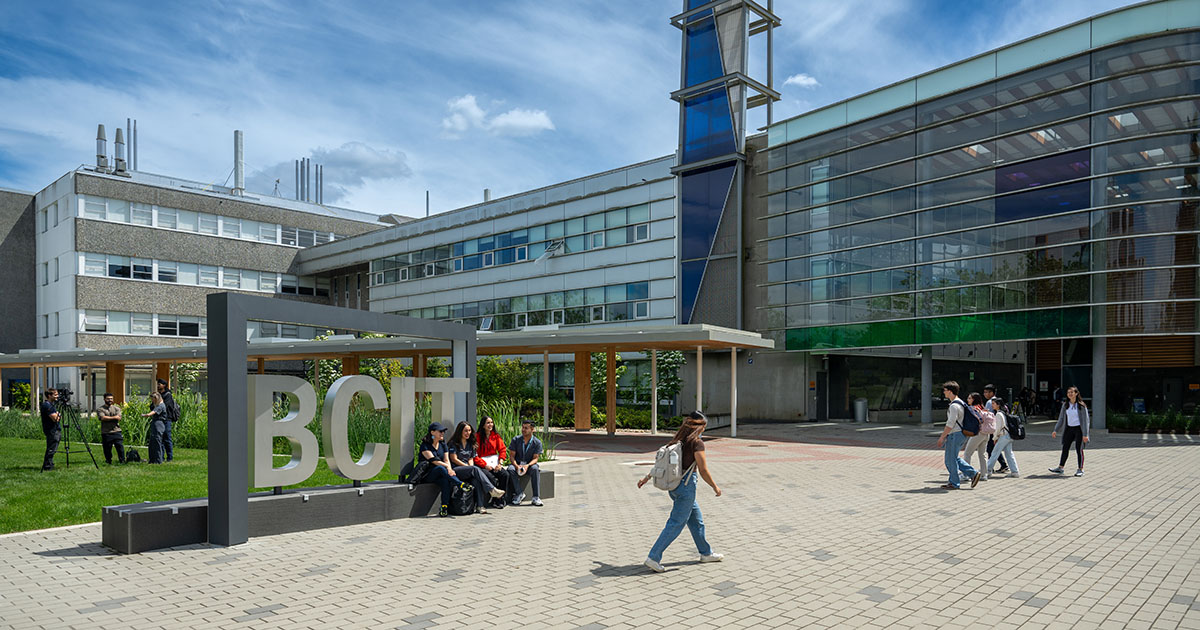
Civil Engineering, Bachelor of Engineering
The Bachelor of Engineering (BEng) in Civil Engineering at BCIT is a four-year full-time program designed to prepare you for a career in professional engineering practice. The first two years provide a broad, practical foundation in civil engineering fundamentals, with opportunities to apply these concepts to real-world design challenges. You will also develop essential communication skills and gain hands-on experience in areas like material testing, surveying, and CAD. Upon completion of the first two years, you will receive a Diploma in Civil Engineering. The final two years of the program are academically rigorous, delving deeper into the theoretical aspects of civil engineering science and design. You will integrate your practical knowledge with theoretical studies through assignments and projects. The program also encourages an interdisciplinary perspective, incorporating project and construction management, and complementary studies in social sciences and humanities. A team-based capstone design project will further enhance your skills for professional practice.

Electrical and Computer Engineering at McMaster University
The Electrical and Computer Engineering program at McMaster University focuses on equipping students with the skills to solve technological challenges through a combination of theoretical knowledge and hands-on application. The department encourages innovation and problem-solving in various aspects of electrical and computer engineering. Students are encouraged to explore their interests within this dynamic field, preparing them for diverse career paths in technology and beyond.

Electrical and Computer Engineering Programs
Western Engineering offers a variety of undergraduate programs within Electrical and Computer Engineering after a common first year. Students can choose to specialize in areas such as Electrical Engineering, Computer Engineering, Software Engineering, Mechatronic Systems Engineering, or Artificial Intelligence Systems Engineering. The programs provide a strong foundation in engineering principles, with opportunities to focus on specific technical areas through electives and specialized options. Dual degree options are also available, allowing students to combine their engineering studies with business (Ivey HBA), law, or other disciplines in science, music, social science, or arts and humanities.

Engineering
Acadia University offers a foundational engineering program designed to provide students with a strong start to their engineering education. The program emphasizes small class sizes, accessible professors, and hands-on learning experiences in design and prototyping, fostering an environment where students can develop confidence and excel. After completing the first two years, students typically transfer to a larger engineering school, such as Dalhousie University, to specialize in one of seven disciplines, including Chemical, Civil, Computer, Environmental, Electrical, Industrial, or Mechanical Engineering. Acadia provides flexible pathways to meet individual career goals. Students can pursue a two-year Certificate of Applied Science (23 courses), a three-year Bachelor of Applied Science (30 courses), or combined programs that integrate engineering studies with a BSc in biology, chemistry, mathematics, or physics. Graduates of the BASc program may also apply to Acadia’s School of Education. The program thoroughly prepares students for their next steps toward becoming a professional engineer (P.Eng.).
Engineering & Management
The Engineering & Management program at McMaster University is a unique five-year undergraduate degree that combines a rigorous engineering education with a strong foundation in business principles. This interdisciplinary approach equips students with a comprehensive skill set, enabling them to lead, innovate, and make strategic decisions within technical fields. Graduates will possess the technical expertise of an engineer alongside the business acumen necessary for effective management and leadership.
Engineering & Society
The Engineering & Society program is a unique undergraduate degree offered in North America that integrates a traditional engineering education with specialized courses focusing on human-centered design, communication, and a multidisciplinary approach. This program aims to equip engineering students with a deeper understanding of societal impacts, fostering strong problem-solving skills and a broader perspective necessary for a rapidly evolving world. Students can personalize their studies through complementary electives, cultivating curiosity and a commitment to sustainable engineering practices.
Engineering Physics
The Engineering Physics program at McMaster University bridges fundamental engineering principles with cutting-edge applications in diverse fields such as energy, sensing, and communications. This program is designed to provide students with a strong theoretical foundation and practical skills necessary to tackle complex engineering challenges. Students will explore the science behind technological advancements and learn to apply them to real-world problems.

Honours Bachelor of Aviation Technology
This four-year Honours Bachelor of Aviation Technology program is the only aviation technology degree program of its kind in Canada. Seneca has over 50 years of leadership in aviation education. The curriculum is designed to develop your theoretical and practical knowledge in aviation technology, preparing you to safely operate complex aircraft. Beyond flight, you will gain knowledge in business management, airport operations and planning, and air carrier administration, providing a broad understanding of the aviation industry and its diverse career paths.
Materials Science and Engineering
The Materials Science and Engineering program at McMaster University focuses on using innovation, design, and problem-solving to develop novel materials and perform material characterization. This discipline is crucial for advancements across various industries. The program aims to equip students with the knowledge and skills to create and understand materials that drive technological progress.
Nanotechnology Engineering
Nanotechnology Engineering is a cutting-edge program focused on designing and developing innovative systems at the molecular level. This interdisciplinary field integrates principles from Chemical Engineering, Electrical and Computer Engineering, and Chemistry to address global challenges in areas like healthcare, climate change, AI, and quantum computing. You'll explore how nanotechnology fuels advancements in life-saving pharmaceuticals, biomedical tools, advanced electronics, sustainable energy solutions, and more. The program provides hands-on experience through dedicated lab courses and access to state-of-the-art facilities, including a program clean room equipped with advanced nano-fabrication tools. Graduates are well-prepared for a rapidly growing global nanotechnology sector, with opportunities in research, industry, and entrepreneurship. As a co-op only program, Nanotechnology Engineering integrates classroom learning with significant paid work experience, allowing students to explore career paths and build a strong professional network before graduation. This unique combination of academic rigor and practical application ensures graduates are ready to contribute to the next generation of technological innovation.

Peace and Conflict Transformation Studies BA
The Peace and Conflict Transformation Studies (PACTS) program at Canadian Mennonite University (CMU) offers an interdisciplinary approach to understanding human conflict and violence. You will explore the multi-layered nature of conflict through courses in subjects like Psychology, International Development, and Communications and Media. This major is designed to equip you with the knowledge and skills to analyze and constructively engage with personal, local, and global conflict situations, fostering a vision for a more peaceful and just world. The curriculum encourages deep reflection on topics such as violence, justice, power, and dispute resolution from diverse perspectives. By examining your own beliefs and worldviews, you will develop the capacity to work towards positive change and transformation in challenging circumstances. CMU's small class sizes foster close collaboration with peers and faculty who are dedicated to the field of peace and conflict transformation.
Systems Design Engineering
Systems Design Engineering is a unique program that focuses on using a systems-thinking approach to solve complex engineering problems. You will learn to examine all aspects of a system, including people, materials, tools, and software, to develop innovative solutions. The program integrates fundamental knowledge from electrical, mechanical, and software engineering with a strong emphasis on design methods and systems modelling. This approach equips you to understand how changes in one part of a system affect others, enabling you to create comprehensive and effective designs. With a project-based learning style and extensive co-op opportunities, you'll gain practical experience applying your skills to real-world challenges across various industries, preparing you for a wide range of engineering careers.
Frequently asked questions
How many Engineering & Technology programmes are there in Canada?
+
13 across 7 universities, listed on this page.
Can international students apply?
+
Yes — these programmes admit international students; check each programme's entry requirements and language of instruction.