Engineering & Technology in Netherlands
The Netherlands offers 27 Engineering & Technology programmes across 11 universities, and all listed programmes are currently tuition-free. The Netherlands hosts a mix of research universities and practice-oriented universities of applied sciences, giving students a range of academic and vocational pathways in engineering. Eindhoven University of Technology and the University of Twente — two of Europe's most research-intensive technical universities — are among the providers in this catalogue.
Fontys University of Applied Sciences, Hogeschool van Amsterdam, Wittenborg University, and the International Institute for Geo-Information Science and Earth Observation broaden the catalogue to include applied and interdisciplinary programmes. The Netherlands has a strong industrial base in high-tech manufacturing, semiconductors, agri-tech, and water management, and engineering graduates benefit from close university-industry ties. Programmes are largely taught in English, and the country's central European location facilitates internships and project work with multinationals headquartered in the region.
Advanced Technology BSc
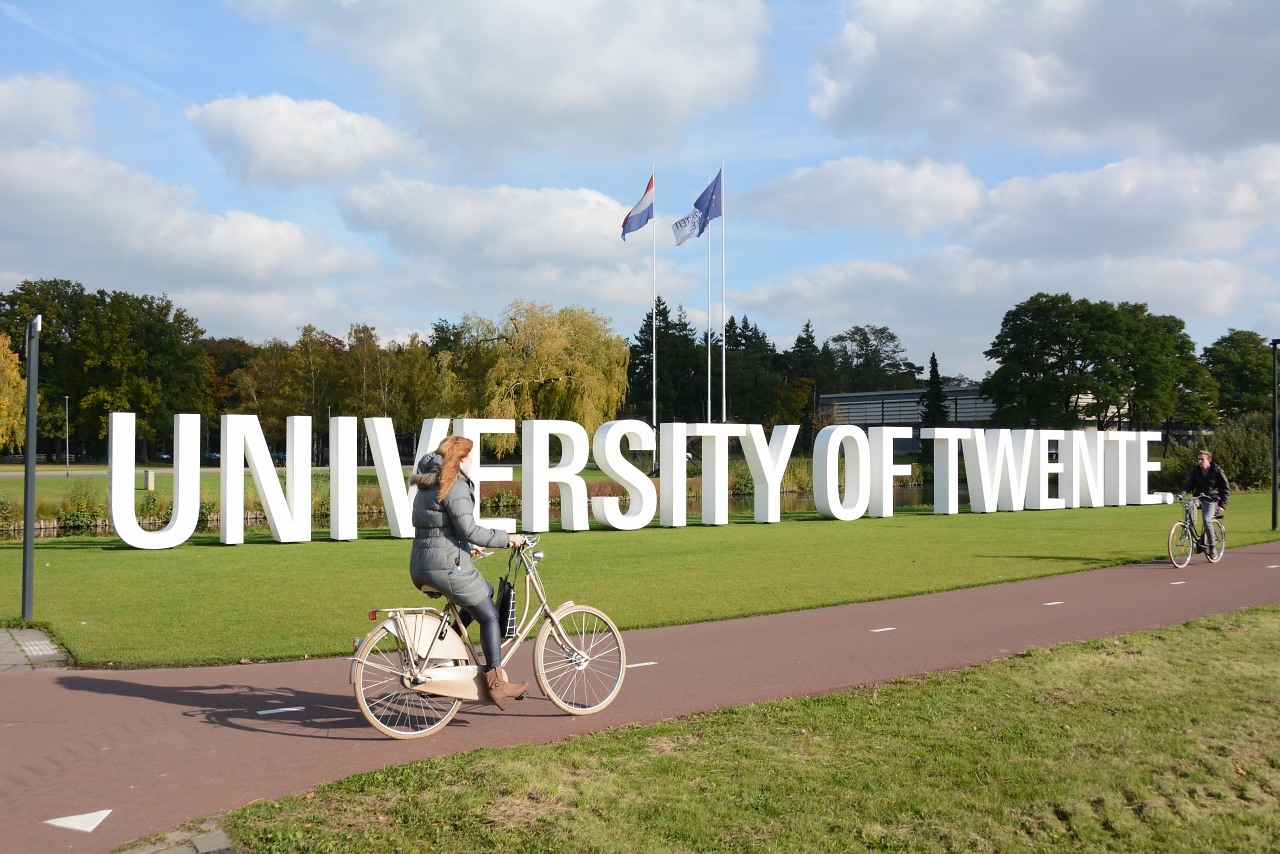
The Bachelor's in Advanced Technology at the University of Twente is a unique program for students interested in a broad range of science and engineering disciplines. Instead of focusing on a single field, this program allows you to explore various technical areas, building a personalized profile of expertise. You'll gain a comprehensive understanding of different technological fields, enabling you to connect and contribute across disciplines. This interdisciplinary approach is designed to equip you with versatile skills and a broad perspective, preparing you for diverse career paths.

Agrotechniek & Engineering
The Agrotechniek & Engineering program at Aeres Hogeschool Almere focuses on technological innovation within the agricultural sector. This unique bachelor's degree combines mechanical engineering, mechatronics, robotics, and automation to develop smart technical solutions for agricultural businesses and address global food production challenges. You will learn to design and build agricultural machinery, automate processes like sustainable crop protection, and integrate soil and cultivation knowledge into technical systems. The program emphasizes designing, developing, and automating at the intersection of agriculture and technology. Graduates are highly sought after in the industry for their dual expertise in both agricultural and technical fields, giving them a significant advantage in the job market. This four-year full-time program is based in Dronten and prepares you for a future where you will contribute to innovative solutions in agriculture. You will gain hands-on experience and work on real-world projects, preparing you to tackle complex issues related to sustainability, climate, and food production.

Bachelor Automotive Technology
The Bachelor's program in Automotive Technology focuses on understanding the modern car as a complex, interconnected system. It delves into the essential components and their integration, preparing students to contribute to innovations that make vehicles smarter, cleaner, and safer. This program acknowledges the increasing importance of electronics and software alongside traditional mechanical engineering, driven by advancements like hybrid/electric vehicles, autonomous driving, and smart traffic systems. While not solely focused on car design, the program equips you with comprehensive knowledge of automotive systems. Upon completion, you will earn a Bachelor of Science in Electrical Engineering with a specialization in Automotive Technology. This unique program in the Netherlands, offered exclusively at TU/e, is situated within the Brainport Region Eindhoven, a hub for automotive innovation and a strong source of demand for skilled engineers. The curriculum emphasizes collaboration with industry leaders, both nationally and internationally, ensuring graduates are well-prepared for the evolving automotive landscape.
Bachelor of Science in Creative Technology
The Bachelor's in Creative Technology (CreaTe) equips you to develop innovative, socially relevant tech solutions. You'll explore how technology, design, and human behaviour intersect to address societal challenges like energy, climate, and health. Through hands-on projects, you will gain technical expertise in areas like computer science and electrical engineering, while also learning to understand and shape the impact of technologies, including AI, on human interaction and decision-making. The program emphasizes a holistic approach, covering the entire creation process from identifying a problem to building and testing prototypes with users. You will also develop the ability to work across cultural and disciplinary boundaries, preparing you for a global career. The program offers flexibility in location, with options to study at the University of Twente (UT) in Enschede or in collaboration with Vrije Universiteit Amsterdam (VU). Whether in Enschede or Amsterdam, you will engage in project-based learning, utilize research labs, and receive personal attention from instructors. The informal learning environment encourages personal and professional growth, with opportunities to pursue extracurricular interests and even earn study credits for them.
Bachelor of Science in Industrial Engineering
The Bachelor of Science in Industrial Engineering program at Eindhoven University of Technology (TU/e) focuses on designing, analyzing, and improving business processes. You will learn to integrate technology, people, and data to create efficient, innovative, and resilient organizations. The program emphasizes a practical, hands-on approach, using real-life case studies and industry partnerships to tackle complex business challenges. You will explore how to optimize operations, leverage data and AI for decision-making, and understand the human element in system success.
Bachelor Sustainable Innovation
The Bachelor of Science in Sustainable Innovation is a unique, interdisciplinary program recognized as the best in its category by Keuzegids Universiteiten 2026. It focuses on addressing global sustainability challenges by integrating technology, economics, and social sciences. Students learn to analyze the complex interplay between technological advancements, economic factors, and societal needs to drive meaningful change. The program equips graduates with the skills to implement sustainable innovations across various sectors, contributing to both commercial success and a better world. It emphasizes a long-term perspective on sustainability transitions and their international relevance.
Biomedical Technology
The Bachelor's programme in Biomedical Technology at the University of Twente focuses on developing technological innovations for the healthcare sector. You will learn to apply your knowledge of physics, mathematics, chemistry, biology, and medicine to create new technologies for medical care, such as advanced medical devices like rehabilitation robots, artificial kidneys, scans, and prosthetics. This program equips you to design and develop technologies that improve healthcare.
Design, Art and Technology Minor
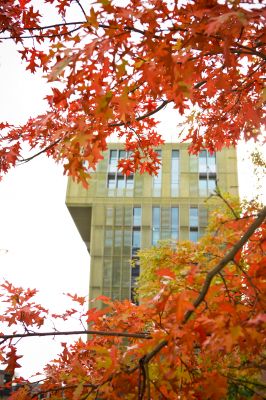
The Design, Art and Technology (DAT) minor, offered by Minerva Art Academy, brings together students from diverse disciplines to create projects that explore the intersection of art, design, and technology. This interdisciplinary program focuses on artistic technology research, encouraging students to critically engage with the societal changes driven by technological advancements. You'll develop both artistic and technical skills, fostering critical thinking about our rapidly evolving technological landscape and the use of digital techniques. The minor is ideal for students eager to "do stuff," connect different fields, and create new realities. This minor emphasizes hands-on learning and experimentation. The program is structured into five classes, starting with foundational technical skills, moving to experimentation and skill refinement, then a development phase for your own projects, followed by a building period. The final four weeks are dedicated to finalizing projects, which may be presented individually or in groups, depending on the progress made during the minor. The goal is to equip you with the necessary abilities to reflect on and utilize new technologies in creative and critical ways.
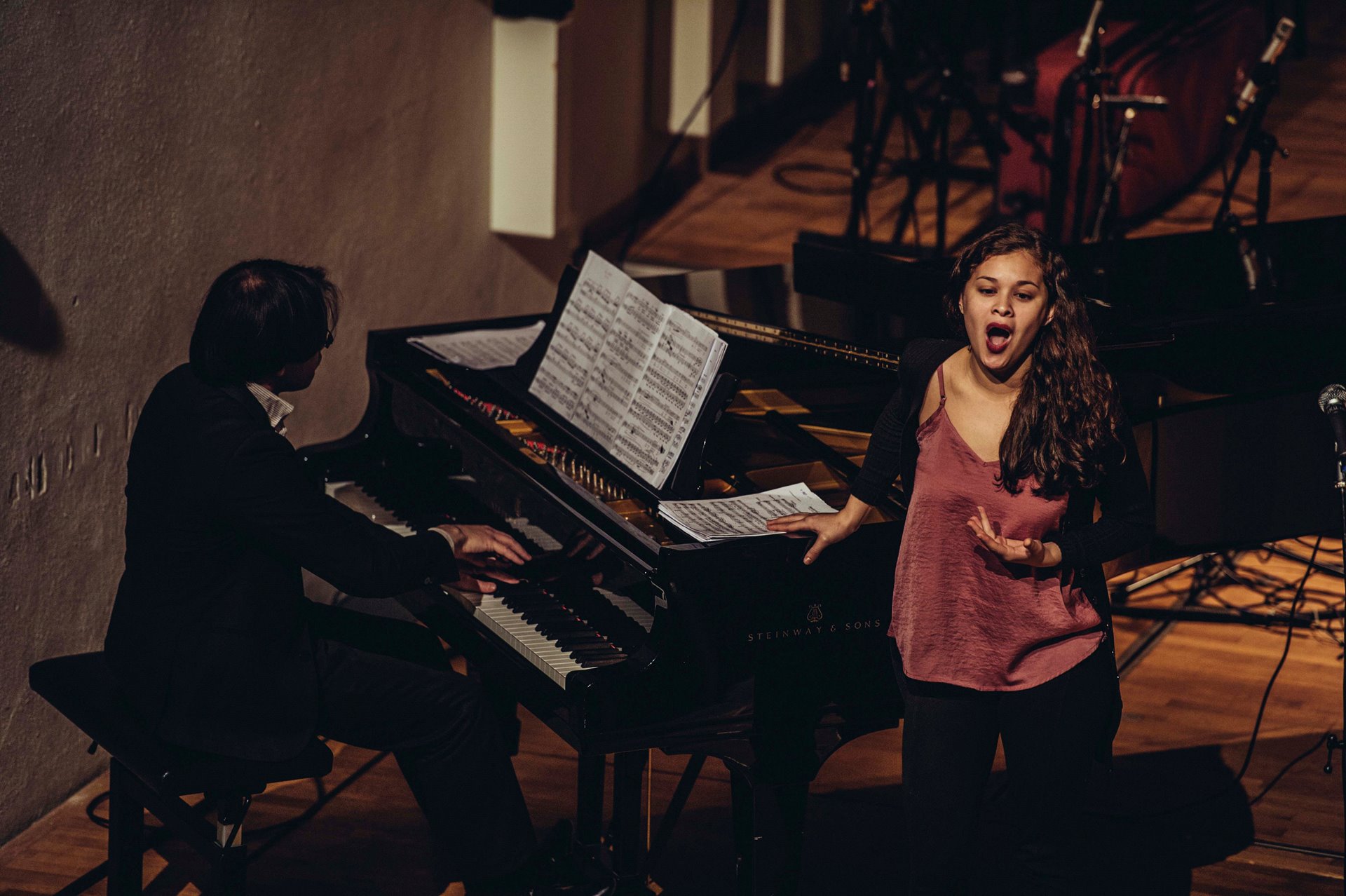
Image and Media Technology
The Bachelor of Image and Media Technology (IMT) program focuses on training future media makers who can tell stories through visual means. You will learn to work with various media, including video, animation, and design, applying your skills to platforms ranging from traditional television and museums to innovative areas like video mapping and augmented reality. The program emphasizes hands-on learning, encouraging experimentation and innovation with current art, media, and film techniques. Students will collaborate with external partners such as cultural organizations, festivals, and companies, gaining practical experience and connecting with future colleagues.
Industrial Design Engineering
This Bachelor's program trains you to become a skilled Industrial Design Engineer, capable of creating innovative, attractive, and responsible products that address future needs. You will learn to balance form, function, production, and market value, with a strong emphasis on sustainability and social impact. The program combines creativity with engineering principles, preparing you to solve complex technical problems and develop products that are not only commercially viable but also socially relevant.
Logistics Engineering
The Bachelor's in Logistics Engineering at Fontys University of Applied Sciences equips you with comprehensive knowledge of logistics environments, from warehousing and distribution to production and supply chain management. You will learn to leverage IT, simulation, and automation to enhance process efficiency and sustainability. The program is taught in English and is based in Venlo, a significant European logistics hub, offering opportunities to collaborate with leading companies on real-world projects.

Master Applied Quantum Technology
The Master in Applied Quantum Technology is a joint degree program offered by four Dutch universities of applied sciences, preparing you for the rapidly evolving field of quantum technology. This field is key to developing powerful new computers, secure communication systems, and sensitive sensors that can help solve complex global challenges. The program provides a practical, hands-on approach, combining knowledge of quantum software, photonics, and electronics, with a focus on skills applicable in real-world scenarios. Students will gain broad and practical knowledge through a curriculum that spans multiple institutions.
Master Automotive Technology
The Master's program in Automotive Technology at Eindhoven University of Technology (TU/e) prepares students for the rapidly evolving automotive industry. With a focus on sustainable and smart mobility, the program adopts a systems-level and multidisciplinary approach. You will learn to understand modern vehicles as integrated systems, combining expertise in mechanics, electronics, software, and human-machine interaction to tackle complex challenges. The curriculum allows for specialization in either Smart Mobility (focusing on autonomous driving, software, and human factors) or Sustainable Mobility (exploring electric vehicles, combustion engines, and transmissions).
Master Construction Management and Engineering
The Master Construction Management and Engineering (CME) program at Eindhoven University of Technology is a two-year, full-time master's degree taught in English. It focuses on addressing the evolving demands of the building and construction industry, particularly in the context of societal challenges like sustainability, climate change, and digitalization. The program bridges the gap between construction engineering and scientific management, emphasizing the integration of innovative Building Information Management (BIM) and City Information Management (CIM) with product and process management techniques. It equips students with the skills to develop solutions for smart cities and smart buildings by combining urban/building sciences with management and innovation sciences.
Master Digital Design: Digital Fashion Technology
This one-year, full-time Master's program focuses on the intersection of fashion, technology, and design. You will explore how digital tools like AI, 3D design, and automation are transforming the fashion industry, from concept to production and consumer experience. The program is designed for students with backgrounds in either fashion or technology who wish to innovate at the forefront of digital fashion. Through hands-on projects, industry collaborations, and applied research, you will develop skills in designing and prototyping new digital fashion solutions. Depending on your interests, you might specialize in creative technology, digital product development, programming, virtual environments, or innovation strategy. The curriculum aims to equip you with the research and design capabilities needed for careers in digital fashion, creative technology, and future-focused design practice.
Master Next Level Engineering
This multidisciplinary Master's program focuses on technological and societal developments, empowering you to lead them. You will select projects aligned with your interests, such as semiconductors, photonics, or smart sustainable production. The curriculum emphasizes designing and developing innovative solutions for complex societal challenges. The program fosters flexible thinking and collaboration across disciplines, preparing you for the dynamic job market by integrating various methods and key technologies for more sustainable, efficient, and effective solutions.
Master Urban Technology: Sustainable Urban Innovation and Technology
Master Urban Technology: Sustainable Urban Innovations & Technology
The Master Urban Technology: Sustainable Urban Innovations & Technology is a one-year, full-time program focused on developing technical solutions for urban challenges. It addresses issues like space scarcity, resource management, and environmental concerns, aiming to create sustainable, livable, and accessible future cities. The program offers an interdisciplinary approach to engineering, equipping students with the skills to tackle complex urban problems.
Master's in Spatial Engineering
MBA with specialisation in Clean Technology
The MBA with a specialisation in Clean Technology (Energy & Clean Tech) is designed to equip managers and entrepreneurs with knowledge in both business administration and sustainable technological solutions. This program was developed based on an EU-funded research project focused on renewable energy and smart grids. It combines core MBA subjects with specialized modules in areas like renewable energy, smart grids, and energy-efficient buildings. The curriculum emphasizes interactive learning, case studies, and real-world projects, with contributions from industry professionals.
MBA with specialisation in Engineering
This Master of Business Administration (MBA) programme with a specialisation in Engineering is designed for professionals aiming for leadership roles in the engineering sector. It uniquely combines technical engineering knowledge with strategic business management principles. The programme equips students to lead complex engineering projects, manage diverse teams, and drive innovation. Taught entirely in English, it attracts a global cohort of ambitious professionals. The curriculum includes subjects like project management, operations management, and technology innovation, alongside leadership and strategic thinking within an engineering context. Graduates are prepared for roles such as chief engineering officers, project managers, or consultants, contributing to advancements in manufacturing, construction, technology, and other fields.
Minor Music and Technology in Practice
This minor introduces you to the intersection of music and technology. You will explore various tools, design methods, and musical repertoire within this field. The program emphasizes practical application, allowing you to immediately implement your learning in a project. You will have the flexibility to choose a specific pathway for your development. This minor is ideal for students curious about how technology can enhance artistic experiences, such as translating visual phenomena into music or using AI and biodata to impact performance. If you enjoy creative problem-solving and have a passion for creating, producing, or performing music, this minor could be a great fit. It is also noted as a potential premaster for the Master of Music - Music Design at HKU. The program runs part-time over one year and requires participation in a project presentation, documentation, and reflection on your personal development. Please note that this program is taught entirely in Dutch.
MSc Chemical Engineering
The University of Twente's Chemical Engineering Master's program focuses on reinventing chemical processes to meet ambitious climate goals. You will gain expertise in developing sustainable solutions for the chemical industry, addressing challenges such as CO2 reduction, alternative feedstocks, and new energy sources. The program integrates knowledge from fundamental molecular reactions to industrial-scale processes, utilizing unique research infrastructure and collaborating closely with industry leaders. You will be prepared to tackle complex challenges and contribute to a more sustainable future.
Spatial Engineering
Technology and Liberal Arts & Sciences (ATLAS)
University College Twente offers a unique Honours Bachelor's programme in the Netherlands that integrates Technology with Liberal Arts education. The programme aims to cultivate a new generation of engineers and global citizens equipped to tackle complex global challenges and develop solutions applicable across diverse social, cultural, and political landscapes. It is designed for ambitious students with a pioneering spirit, a strong interest in technology, and a commitment to social engagement, fostering well-rounded individuals with expertise in both engineering and social sciences, alongside enhanced creativity, leadership, and communication skills.
Technology and Liberal Arts and Sciences (ATLAS)
Frequently asked questions
How much does it cost to study Engineering & Technology in Netherlands?
+
All listed programmes are currently tuition-free. Confirm any institutional or enrolment fees with the university directly.
Which universities offer Engineering & Technology in Netherlands?
+
This catalogue includes 11 universities: International Institute for Geo - Information Science and Earth Observation, Fontys University of Applied Sciences, Hogeschool van Amsterdam, Wittenborg University and 2 more. Browse individual listings to compare programmes and entry requirements.
Can international students apply to Engineering & Technology programmes in Netherlands?
+
Yes — all 11 universities listed accept international applications. Requirements and deadlines differ by institution; contact each university directly for the most current information.
What are typical entry requirements for Engineering & Technology in Netherlands?
+
Entry requirements vary by programme and level. Undergraduate applicants generally need secondary school qualifications equivalent to local standards and proof of English proficiency (for English-taught programmes). Postgraduate applicants typically need a relevant bachelor's degree, strong academic results, and may need standardised test scores or work experience.
How do I apply to Engineering & Technology programmes in Netherlands?
+
Applications are submitted directly to each university. Browse the listings on this page, shortlist programmes that match your background, and follow the application instructions on each university's official website. Some institutions use centralised national application systems, so check whether your chosen university requires that route.