Study in South Africa
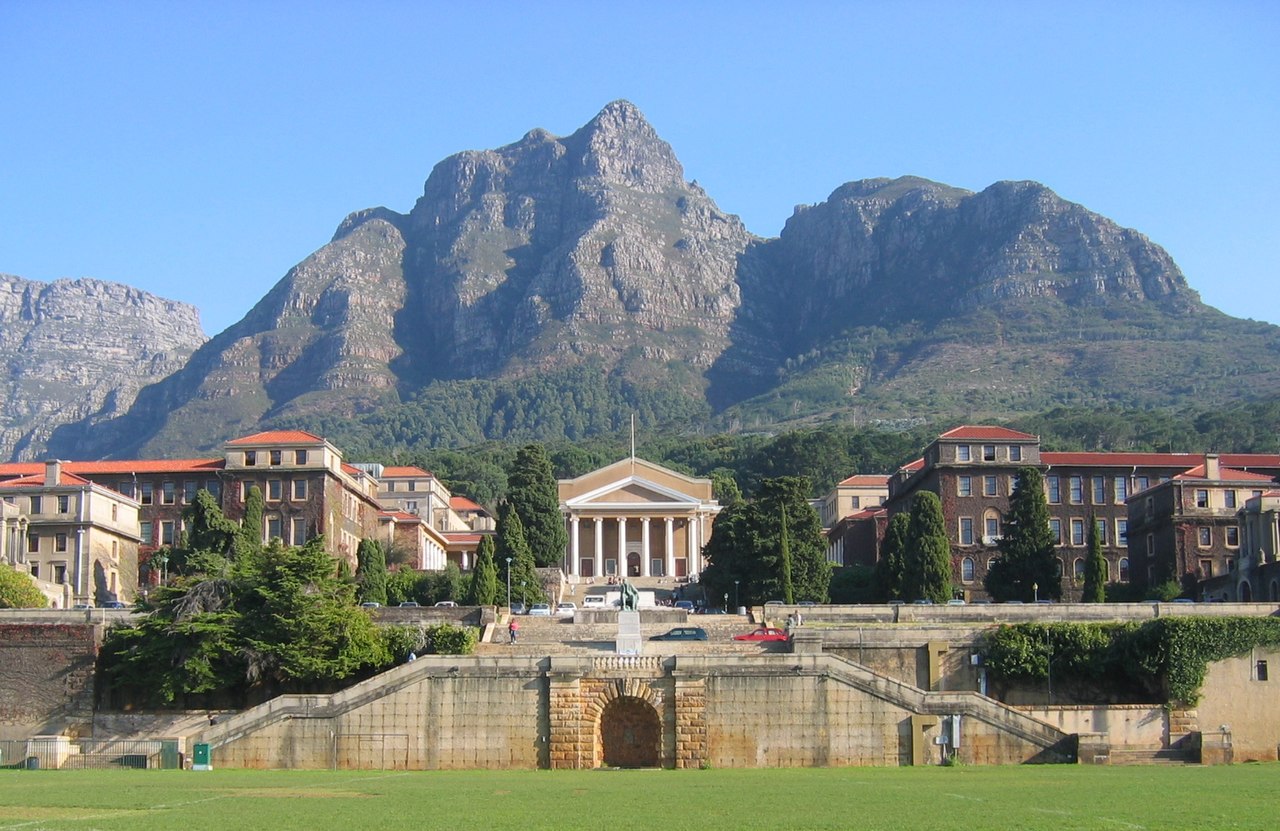
South Africa offers 134 programmes across 5 universities, all clustered around a consistent annual tuition of approximately €4k — one of the most affordable study destinations for internationally recognised qualifications in the world. The University of Cape Town, the University of the Witwatersrand, and Stellenbosch University are globally ranked institutions with strong research outputs, while the University of Johannesburg and the University of Pretoria add significant scale and breadth of disciplines.
The uniform tuition level across this hub reflects government-set fee structures at South Africa's leading public universities, making financial planning straightforward. English is a primary language of instruction at all five institutions, and the country's vibrant academic culture, biodiversity, and cultural diversity make it a distinctive destination for international students.

Archaeology
Archaeology is the study of the human past through the analysis of material remains. This program explores the entire spectrum of human history, from the Early Stone Age to more recent historical periods, incorporating excavation techniques and rock art analysis. It offers a unique perspective on human evolution, environmental changes, and cultural systems. The vast timescale covered by archaeology, spanning millions of years in Africa, makes it an ideal complementary subject for students of environmental change and human history. It also provides valuable context for modern historical research and offers insights into past cultural systems, making it an excellent companion to anthropology. Archaeology can be pursued as a major subject within either a Bachelor of Science (BSc) or a Bachelor of Arts (BA) degree. Most archaeology courses are delivered at the Origins North building.

Bachelor of Architecture Honours
The Bachelor of Architecture Honours programme is a postgraduate qualification designed to prepare students for registration as a 'Candidate Senior Architectural Technologist' with the South African Council for the Architectural Profession (SACAP). It also serves as a pathway for further study, either towards a professional Master of Architecture or a research-focused Master's degree. The programme aims to deepen understanding and skills in architectural practice.
Bachelor of Audiology
The Bachelor of Audiology program is a four-year degree designed to equip students with expertise in Audiology and Psychology. The curriculum also incorporates essential related subjects such as South African Sign Language, Linguistics, Anatomy, and Neurology. Practical training is a key component, conducted at the University’s own Speech and Hearing Clinic, as well as various external clinics in hospitals, schools, and care facilities located in both urban and rural settings. This comprehensive approach ensures graduates are well-prepared for diverse professional environments.
Bachelor of Business Science specialising in Economics
Bachelor of Commerce (BCom)
The Wits Bachelor of Commerce (BCom) program is designed to equip you with foundational knowledge in core business disciplines, preparing you for a successful career in the commercial and related sectors. You'll gain expertise in areas like Economics, Accounting, Commercial Law, Information Systems, and Mathematics/Statistics. The program structure allows for foundational courses to be taken either as full-year subjects or as semester courses, with some prerequisites for progression. The BCom is a double major degree, offering flexibility to explore up to three potential majors from your second year onwards, allowing you to delve deeper into specific interests while maintaining the option to finalize your choices later. You can choose majors from within the Commerce, Law, and Management faculty, or even select approved courses from other faculties like Science or Humanities. For those undecided about their specific major, the BCom General degree provides a flexible pathway, allowing you to switch between specializations more easily. This program is associated with high graduate employment rates, making Wits graduates highly sought after both locally and internationally.
Bachelor of Commerce in Economics and Finance
Bachelor of Commerce specialising in Economics and Statistics
Bachelor of Education (B.Ed)
The Bachelor of Education (B.Ed) is a four-year, full-time degree designed to qualify you as a teacher in South Africa. Upon graduation, you can register as a professional educator with the South African Council for Educators (SACE). This program allows you to specialize in one of three phases: Foundation Phase (Grades R-3), Intermediate Phase (Grades 4-7), or Senior and FET Phases (Grades 8-12). While all B.Ed students share some core courses, others are tailored to your chosen specialization. You will also gain practical experience through a mandatory 6-week teaching experience placement each year.
Bachelor of Education (BEd) in Foundation Phase Teaching
This Bachelor of Education (BEd) degree prepares you to teach in any school in South Africa and to register with the South African Council of Educators (SACE). You can also pursue a career in educational research. The program focuses on Foundation Phase Teaching, specifically for children in Grades R-3. This involves helping young learners develop essential literacy and numeracy skills, fostering a love for learning, and encouraging exploration through subjects like Life Skills. You will gain practical teaching experience throughout your studies.

Bachelor of Engineering (Mechanical Engineering) - ENGAGE Programme
The Bachelor of Engineering (Mechanical Engineering) ENGAGE Programme is an extended degree designed for students who demonstrate potential for engineering but may not meet the direct entry requirements for the standard four-year program. This five-year curriculum provides additional support and foundational knowledge, allowing students to build the necessary skills for success in engineering. The initial three years focus on covering the content of the first two years of the standard degree, supplemented by compulsory 'augmented' modules. These modules are specifically designed to strengthen core subjects like Mathematics, Physics, and Chemistry, ensuring students have a solid grasp of essential concepts. Years four and five of the ENGAGE programme mirror the curriculum of the third and fourth years of the standard four-year degree. This structure ensures graduates receive the same comprehensive engineering education and achieve the same learning outcomes as their peers in the standard programme. Attendance in the first three years is mandatory, with strict policies on non-attendance. Students must successfully pass all modules, including the augmented ones, to progress.
Bachelor of Social Science Degree Majoring in Economics

BCom Mathematical Sciences: Financial Risk Management
This Bachelor of Commerce (BCom) program in Mathematical Sciences offers a specialization in Financial Risk Management. It equips students with the skills needed for careers in quantitative analysis, financial risk management, investment analysis, portfolio management, and financial instrument structuring within traditional finance and FinTech sectors. The program provides a strong foundation in mathematical statistics, financial mathematics, and risk management principles, preparing graduates for financially rewarding careers.
BEng Hons Structural Engineering
The BEng Hons Structural Engineering is a one-year postgraduate program offered by the Department of Civil Engineering at the University of Pretoria. This program is designed for students who hold a relevant four-year bachelor's degree in engineering, which is recognized by the Engineering Council of South Africa (ECSA) for registration as a candidate or professional engineer. The curriculum focuses on advanced topics in structural engineering and requires students to pass modules worth at least 128 credits. The degree is awarded based on examinations only. An entrance examination may be required for admission.
BSc major in Physics
BSc Physiotherapy
This program focuses on improving patients' quality of life through skilled evaluation and therapy designed to reduce pain and restore movement and physical function. Graduates can help patients regain their ability to perform daily activities, and maintain mobility, muscle strength, and exercise endurance. Physiotherapists often work as part of multidisciplinary teams in various settings including hospitals, clinics, community health centers, private practices, special schools, disability centers, and sports facilities.
BSc(Honours) degree in Physics
Data Science (BDatSci & BCom Mathematical Sciences)
Stellenbosch University offers two undergraduate programs focused on Data Science: the Bachelor of Data Science (BDatSci) with a specialization in Statistical Learning, and the Bachelor of Commerce (BCom) in Mathematical Sciences with a Data Science focal area. Both programs address the growing global demand for professionals who can extract meaningful insights from vast amounts of data. Data science involves collecting, storing, transforming, visualizing, and analyzing data to make predictions and inferences, skills crucial across various industries. The BDatSci program offers a deep dive into statistical modeling for pattern identification and prediction, preparing graduates for real-world problem-solving. The BCom in Mathematical Sciences provides a broader foundation with the flexibility to specialize in Data Science, equipping students with analytical acumen and skills in areas like artificial intelligence and machine learning.
Doctor of Philosophy (PhD) in Public Health
The Doctor of Philosophy (PhD) programme in Public Health at the University of Cape Town offers a rigorous research experience, typically completed within 3 to 5 years. This programme is designed for individuals committed to undertaking a substantial, original piece of work that will contribute significantly to their chosen field within public health. The focus of your PhD research is a critical choice, as it is likely to shape your future research career. Prospective candidates will engage in an in-depth exploration of a specific public health challenge, working closely with expert supervisors. The programme emphasizes developing independent research skills, critical thinking, and the ability to disseminate research findings effectively. Upon completion, graduates are equipped to lead research initiatives and contribute to policy and practice in public health.
Doctor of Philosophy specialising in Business Administration
The Doctor of Philosophy (PhD) in Business Administration at the University of Cape Town's Graduate School of Business (GSB) is a rigorous research degree designed for students who wish to make an original and significant contribution to the field of business research. This program requires independent study under the guidance of a supervisor, focusing on advanced research methodologies and practices. It is a highly competitive program, accepting only a limited number of candidates each year who demonstrate exceptional academic achievement and a clear alignment of their research interests with their master's level work. Prospective students will engage in in-depth research, culminating in a doctoral dissertation that pushes the boundaries of current knowledge in business administration. The program is structured to develop advanced analytical and critical thinking skills, preparing graduates for careers in academia, research, or high-level management and consultancy roles. Successful completion of the PhD signifies a profound understanding of a specialized area within business and the ability to conduct independent, high-quality scholarly work. The minimum duration for this research-focused degree is two years, though the actual time to completion can vary based on the nature of the research and the student's progress. The GSB emphasizes the importance of a well-defined research proposal and a strong academic background, particularly in research methodology, to succeed in this demanding program.
Economic Analysis of Financial Markets (EAFM)
Economics with Law
General Household Survey 2024
The General Household Survey (GHS) 2024 is an annual survey conducted by Statistics South Africa that provides valuable insights into the living conditions of South African households. This dataset captures information across key areas such as education, health, social development, housing, access to essential services and facilities, food security, and agricultural activities. It serves as a crucial resource for researchers, policymakers, and students interested in understanding socio-economic trends and household dynamics in South Africa. This publicly accessible dataset is distributed by DataFirst at the University of Cape Town. It covers all de jure household members and residents in workers' hostels across the nine provinces of South Africa, offering a national perspective. The GHS 2024 uses a robust sampling methodology based on a Master Sample frame to ensure representativeness at provincial and metropolitan levels.
Honours Degree
Honours in Economics
MA Clinical Psychology
The MA Clinical Psychology programme at the University of Johannesburg (UJ) is a full-time, two-year postgraduate degree designed to prepare you for registration as a Clinical Psychologist with the Health Professions Council of South Africa (HPCSA). The curriculum covers a broad spectrum of clinical psychology, with the first year focusing on structured coursework and practicals, often involving workshops and contact sessions on the Kingsway Campus. The second year is dedicated to an accredited internship at a clinical mental healthcare facility in South Africa. This programme is demanding and does not permit any other form of full-time or part-time employment during your studies. Successful completion of this MA degree, followed by a one-year Community Service placement (external to the MA) and passing the HPCSA Board Exam, is necessary for ultimate registration as an Independent Practitioner.
MA Counselling Psychology – 2026 for 2027
The Master of Arts in Counselling Psychology is a two-year, full-time program designed to train students to become registered counselling psychologists. This program aims to develop scientist-practitioners who are ethically aware, critical thinkers, and possess multidisciplinary awareness. The curriculum emphasizes an intersectional approach, integrating theoretical knowledge with practical application and community values. The first year focuses on coursework, developing a research proposal, and gaining practical experience through placements. The second year requires students to complete an accredited internship and submit a minor research dissertation. Students are responsible for securing their own internship positions.
Master of Public Administration (MPA) (Coursework)
The Master of Public Administration (MPA) by Coursework is designed for individuals seeking to advance their careers in public service. This program aims to develop employable, innovative, and diverse graduates equipped with the knowledge and skills necessary for effective public administration in national, African, and global contexts. The Faculty of Economic and Management Sciences is committed to being at the forefront of economic, financial, and management education and research.
Master of Science (Nursing) by coursework and minor dissertation
The University of Cape Town offers a Master of Science (Nursing) program designed for registered nurses and midwives seeking to advance their knowledge and skills through a combination of coursework and a minor dissertation. This postgraduate qualification aims to equip students with the theoretical understanding and research capabilities necessary to contribute to the field of nursing and midwifery, particularly within the Sub-Saharan African context. The curriculum is structured to foster critical thinking, evidence-based practice, and leadership potential, preparing graduates for diverse roles in clinical practice, education, research, and management.
Master of Science in Epidemiology and Biostatistics
The Master of Science in Epidemiology and Biostatistics at the University of Cape Town is an intensive postgraduate program designed to equip students with advanced skills in quantitative health sciences research. This program is structured around a series of compulsory semester-length courses, culminating in a minor dissertation. It is ideal for students seeking to deepen their understanding of disease patterns, health determinants, and statistical methods in health research. Students can complete the program in a minimum of 18 to 24 months, with options for both part-time and full-time study to accommodate diverse schedules. Upon admission, a program convenor will assist students in identifying a suitable supervisor for their dissertation research. The curriculum is tailored to develop expertise essential for careers in public health, clinical research, and academic settings.
Master's by coursework and dissertation/thesis
Master's by full thesis
Masters by Dissertation only
Masters Programme in Economics by Coursework and Dissertation specialising in Applied Economics
Masters Programme in Economics by Coursework and Dissertation specialising in Economic Development
Masters Programme in Economics by Coursework and Dissertation specialising in Economic Science
Masters Programme in Economics by Coursework and Dissertation specialising in Economics
MBBCh (Bachelor of Medicine and Bachelor of Surgery)
The MBBCh degree at the University of the Witwatersrand (Wits) prepares students for a fulfilling career in medicine. This program addresses the significant need for skilled healthcare professionals in South Africa, particularly in underserved regions, to deliver essential preventative, diagnostic, and therapeutic services. Wits offers modern medical facilities within both academic and private practice settings, providing ample opportunities for research across various levels of study.
MPhil in Sustainable Mineral Resource Development
The Master of Philosophy (MPhil) in Sustainable Mineral Resource Development is a two-year trans-disciplinary program offered by the University of Cape Town's Faculty of Engineering and the Built Environment, through the Department of Chemical Engineering. This program is designed to equip graduates with an advanced understanding of sustainable development within the context of the African mining industry. It addresses the complex interplay of safety, health, environmental protection, economic development, and stakeholder management in mineral resource extraction. The curriculum combines advanced coursework (60 credits) with a substantial research dissertation (120 credits), promoting an interdisciplinary approach. It aims to develop professionals who can contribute to responsible and sustainable practices in the mining and minerals processing sector across Africa. Graduates will gain an appreciation for integrated technical skills, ethical considerations, and global citizenship, fostering progressive approaches to managing communities, environmental challenges, and regulatory frameworks.
MPhil specialising in Financial Technology
MSc in Physics
National Income Dynamics Study 2017, Wave 5
The National Income Dynamics Study (NIDS) Wave 5, conducted in 2017, is a significant longitudinal household survey from South Africa. It tracks the well-being of South Africans over time, focusing on key areas such as wealth creation, income and expenditure dynamics, demographic shifts, and social heritage including education and employment. The study also examines the impact of various life events and access to social services. This dataset provides valuable insights into the socio-economic landscape of South Africa, making it a crucial resource for researchers, policymakers, and students interested in development studies, economics, and social policy. The data is available for public use, with a secure version accessible through DataFirst's Secure Research Data Centre at the University of Cape Town. NIDS began in 2008 with an initial sample of approximately 28,000 individuals and has continued in waves every two years, with Wave 5 collecting data from 39,434 individuals. It covers a wide range of topics from household living standards and composition to individual health, education, and labour market participation.
PhD
PhD by Coursework and Dissertation (Including the AERC Collaborative Programme)
PhD by Dissertation
PhD in Economic Sciences
PhD in Engineering Management
The PhD in Engineering Management is designed for individuals with an approved master's degree who aim to develop advanced capabilities in applying fundamental engineering management principles. The program focuses on independent research, enabling students to conduct original work in systems engineering and management. Graduates will be equipped with the skills to tackle complex societal problems through engineering management, foster a lifelong learning approach, and potentially train future students in the field.
PhD in Finance
The PhD in Finance at the University of the Witwatersrand is the highest research degree offered by the School of Economics and Finance. This program is designed for individuals passionate about conducting in-depth, original research in specialized areas of finance, such as corporate finance and investments. The degree is pursued through supervised research on an approved topic, with the possibility of completing the degree by publication. The research must be original and empirical, culminating in a thesis not exceeding 100,000 words. The PhD in Finance can be undertaken on a full-time or part-time basis and is research-intensive. While primarily research-based, candidates may be required to complete additional courses to support their research endeavors. It is important to distinguish this program from the PhD in Management offered by the Wits Business School, as their entry requirements differ. Prospective students are encouraged to consult with the relevant schools for specific information.
PhD in Physics
Philosophy, Politics and Economics (PPE)
Postgraduate Certificate in Education (PGCE)
Postgraduate Diploma
Postgraduate Diploma in Accounting Science
This qualification is designed for students aiming to become Chartered Accountants (CAs) by providing advanced knowledge and skills in Accounting, Auditing, Financial Management, and Taxation. It aligns with the competency framework and curriculum requirements set by the South African Institute of Chartered Accountants (SAICA), preparing graduates to register for SAICA's Initial Test of Competence Exam. The program equips students with the professional skills and technical expertise needed for roles in accounting, auditing, financial management, and taxation.
Postgraduate Diploma in Property Development and Management (Facilities Management)
This Postgraduate Diploma is designed for individuals holding a three-year bachelor's degree, typically in a field outside of real estate. It aims to provide a comprehensive understanding of the fundamental knowledge and practical skills required for managing buildings, their environments, facilities, and support services. Upon completion, graduates will be equipped to take on leadership roles in managing an organization's built environment, addressing the current shortage of qualified professionals in this field.
Professional Master's Degree
South African Census 1996, 10% Sample
The South African Census 1996 10% Sample provides detailed demographic, social, and economic data for South Africa, based on the census conducted between October 9-10, 1996. This dataset is a valuable resource for researchers and students interested in the characteristics of the South African population during the post-apartheid era. The census aimed to enumerate every person, household, and institution within South Africa, excluding foreign diplomats. The 10% sample allows for in-depth analysis of various topics, including household characteristics (dwelling type, home ownership, assets, access to services), individual characteristics (age, population group, language, religion, citizenship, migration, fertility, mortality, disability), and economic activities (employment, unemployment). Produced by Statistics South Africa and distributed by DataFirst at the University of Cape Town, this anonymised dataset is ideal for academic research, policy analysis, and understanding the socio-economic landscape of South Africa in the mid-1990s.
South African Police Service Annual Crime Records 2008-2023
This dataset, produced by the South African Police Service (SAPS) and distributed by DataFirst at the University of Cape Town, provides comprehensive annual crime records for South Africa from 2008 to 2023. It serves as a vital resource for researchers, policymakers, and students interested in crime trends and statistics within the country. The data is categorized into five broad crime types: contact crimes, contact-related crimes, property-related crimes, other serious crimes, and crimes detected by police action. This detailed breakdown allows for in-depth analysis of various criminal activities reported to or detected by the SAPS. The dataset is built from administrative records, specifically crime dockets, and reflects the number of charges or counts rather than individual case dockets. It includes crime figures at the police station level, which can be aggregated to provincial and national levels, offering a granular view of crime distribution. The most recent version (1.1) enhances utility by incorporating district and local municipality variables from the StatsSA Police District shapefile (Census 2022), alongside GIS coordinate variables, enabling robust spatial and time-series analysis.
South African Standard Classification of Occupations (SASCO)
The South African Standard Classification of Occupations (SASCO) provides a systematic framework for classifying occupations in South Africa. This program page illustrates the assignment of major occupational groups to specific skill levels, ranging from Skill Level 1 to Skill Level 4. It also provides a detailed list of various roles, particularly within legislative, senior official, and managerial categories, alongside their corresponding SASCO codes. This resource is valuable for understanding the structure of the South African labor market and for purposes such as employment statistics, career guidance, and policy development.
Using the Vernier Calipers & Micrometer Screw Gauge
This course, offered by the Department of Physics at the University of Cape Town, provides practical training in precision length measurement using Vernier calipers and micrometer screw gauges. These instruments are fundamental in laboratory settings for accurately determining the dimensions of objects. The program focuses on understanding the principles behind these tools, including their main and vernier scales, and developing the skills to interpret readings correctly. Students will learn techniques for measuring external and internal dimensions, as well as depths, and gain proficiency in handling these instruments for reliable data collection. The curriculum covers both theoretical aspects, such as least count and scale divisions, and practical application. Through examples and exercises, students will practice taking accurate measurements and understanding common pitfalls. The course also emphasizes the importance of zero readings and calculating measurement uncertainties, ensuring that students can report results with appropriate precision and confidence levels, a crucial skill in experimental physics.
Frequently asked questions
How much does it cost to study in South Africa?
+
Tuition at the listed universities is approximately €4k per year — a consistent and affordable rate across all five institutions.
Which South African universities are listed on this platform?
+
The five universities are the University of Johannesburg, the University of the Witwatersrand, the University of Pretoria, the University of Cape Town, and Stellenbosch University.
Can international students apply to South African universities?
+
Yes; all five listed universities admit international students and provide dedicated support for visa applications and international enrolment.
What entry requirements are typical for studying in South Africa?
+
Undergraduate applicants need a recognised secondary-school certificate; postgraduate applicants need a relevant bachelor's degree, with specific grade requirements varying by programme and university.
How do I apply to a South African university?
+
Applications are submitted directly to each university's admissions office; international students will also need to obtain a South African study visa from the nearest embassy or consulate.