Economics in United Kingdom
The United Kingdom hosts 37 Economics programmes at 27 universities, one of the densest concentrations of economics education in the world. Programmes range from undergraduate to postgraduate level at institutions including the University of Liverpool, Goldsmiths College (University of London), the University of Lancaster, the University of Aberdeen, the University of Dundee, and The American University in London. The presence of 27 universities ensures broad geographic and institutional variety.
Tuition ranges from free to approximately €40,800 per year, reflecting both the statutory fee for EU-qualifying students at certain institutions and the full international fee at others. Applicants need strong quantitative skills; undergraduate entry typically requires A-level Mathematics, and postgraduate programmes often require a quantitative undergraduate degree. English proficiency evidence is required for non-native speakers.
BA (Hons) International History
The BA (Hons) International History program at Richmond American University London offers a comprehensive study of history, from ancient times to the present day, focusing on the forces that have shaped our world. Based in London, you'll have unique access to historical sites, museums, and archives. This program follows an American liberal arts approach, encouraging multidisciplinary study to develop critical thinking, communication, and problem-solving skills. You will explore diverse historical perspectives and their impact on global societies, economies, and cultures, enhancing your understanding of international historical narratives. Students can complete the UK/US four-year degree in three years by leveraging prior qualifications, such as A Levels. The curriculum integrates historical study with insights from other disciplines, offering a well-rounded education. You'll have opportunities for practical experience through research projects and internships with leading cultural organizations, boosting your employability. Field trips within the UK and internationally provide immersive learning experiences. Graduates earn both a UK and US degree, enhancing global career prospects.

Banking, Economics and Finance MSc
This Master of Science (MSc) program is designed for individuals seeking to develop specialized knowledge in banking, economics, and finance. It equips students with the necessary expertise for roles within the financial industry, public sector, and consultancy services. The course leverages the expertise of the Cranfield School of Management's Economics and Banking Group, which has a strong reputation for its teaching in economics.
BSc (Hons) Economics
This BSc (Hons) Economics program focuses on the practical application of economic theories, statistical methods, and applied economics. You will learn how individuals, businesses, and governments make decisions regarding resource allocation and how these choices impact society. The degree is designed to prepare you for careers in various sectors, including finance, journalism, policy, education, and international development, by equipping you with essential critical and analytical skills. The curriculum allows for flexibility, enabling you to tailor your studies through optional modules as your interests develop. You have the option to complete the degree in three years, or extend your studies with an optional placement year or a year abroad, potentially even spending a term at the University of Pisa. Please note that for 2027 entry, the university is undertaking enhancements to courses, which may involve changes to module structures but not the core subjects or academic standards.

BSc Business Economics
This Business Economics BSc degree, delivered at the world-renowned Leeds University Business School, focuses on the economic principles within businesses. It offers a less mathematically intensive approach compared to other economics degrees at Leeds. The course provides a strong foundation in core economic concepts, business practices, and analytical techniques, equipping you with transferable skills for diverse careers in both private and public sectors. You will develop a deep understanding of economic analysis, firm strategy, and the factors influencing economic environments and policy. The program allows you to tailor your studies through optional modules and pathways in areas like Business Management, International Business, Enterprise and Innovation, and Ethics and Sustainability, enabling you to align your learning with your career aspirations.
BSc Economics

BSc Economics
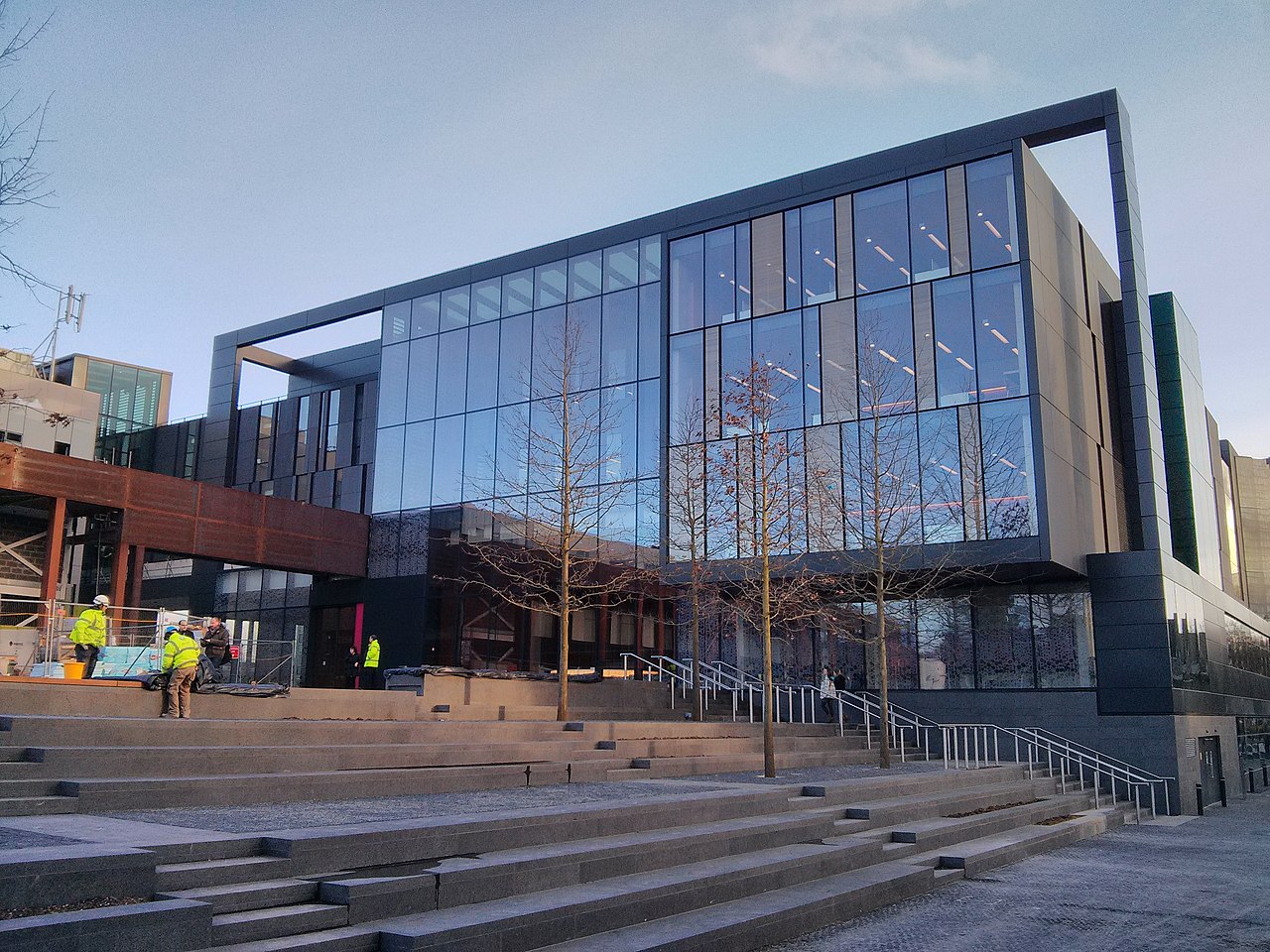
This BSc Economics degree at Goldsmiths offers rigorous and relevant training in economic theory, economic history, modelling, coding, statistics, and econometrics, all applied to real-world scenarios. You will gain a deep understanding of economic contexts, enabling you to select and use the most appropriate data and techniques for various economic problems. The program encourages the investigation of broad empirical questions, exploring the diverse applications of data within economics and social sciences. London, as a global financial hub, provides unique access to leading business figures, economists, and policy practitioners, enhancing your learning experience and future career prospects. The curriculum is designed to adapt to current economic trends, with industry links and expert tutors ensuring your education remains relevant.
Economics
This BSc (Hons) Economics course at Oxford Brookes University helps you develop the practical skills and core knowledge needed to excel in real-world economic scenarios. You will explore current global challenges such as financial markets, sustainability, and innovative entrepreneurship, learning to critically evaluate current events and theoretical economic models. The program emphasizes connecting with diverse local and global organizations, offering an optional placement year to apply your knowledge in various contexts. You will graduate with enhanced resilience and a strong understanding of how to succeed in a rapidly changing employment market.

Economics
The BSc (Hons) Economics course at Aston University equips you with the economic theories and analytical tools needed to understand and address complex global challenges like climate change, inequality, and digital platform regulation. You will engage in interactive economics games and experiments to gain practical insights into real-world decision-making. The program emphasizes data analysis using industry-standard software like Excel and R, preparing you for a career where applying economic principles is key. The course is taught by an acclaimed team, including national teaching award winners and co-authors of leading economics textbooks. Many faculty members are also established researchers, bringing their expertise directly into the curriculum. Some have even served as graduate recruitment assessors for the UK Government Economic Service, offering unique insights into the skills sought by major employers of economists.

Economics (BSc)
Study Economics at Cardiff University to develop a strong understanding of how economic principles apply to real-world challenges. You will learn to use advanced mathematical and statistical tools to analyze the behavior of individuals, firms, markets, and countries, enabling you to explain and predict responses to policies or market changes. Beyond quantitative skills, you will hone your ability to make evidence-based decisions, simplify complex realities for meaningful analysis, and effectively communicate your findings to diverse audiences. The program emphasizes an ethical approach and the application of economics to address significant societal issues, preparing you for a wide range of careers or further study.

Economics (BSc)
The BSc Economics degree at Aberystwyth University offers a comprehensive understanding of critical issues impacting daily life, such as employment, inflation, international trade, business competition, and government policy. You will develop essential analytical, numerical, and problem-solving skills to analyze how individuals, businesses, institutions, and governments make decisions and their societal implications. The curriculum is informed by current research in areas like international trade, development economics, labor economics, and environmental economics, ensuring you learn the latest concepts from active researchers.
Economics and History MA (Hons)
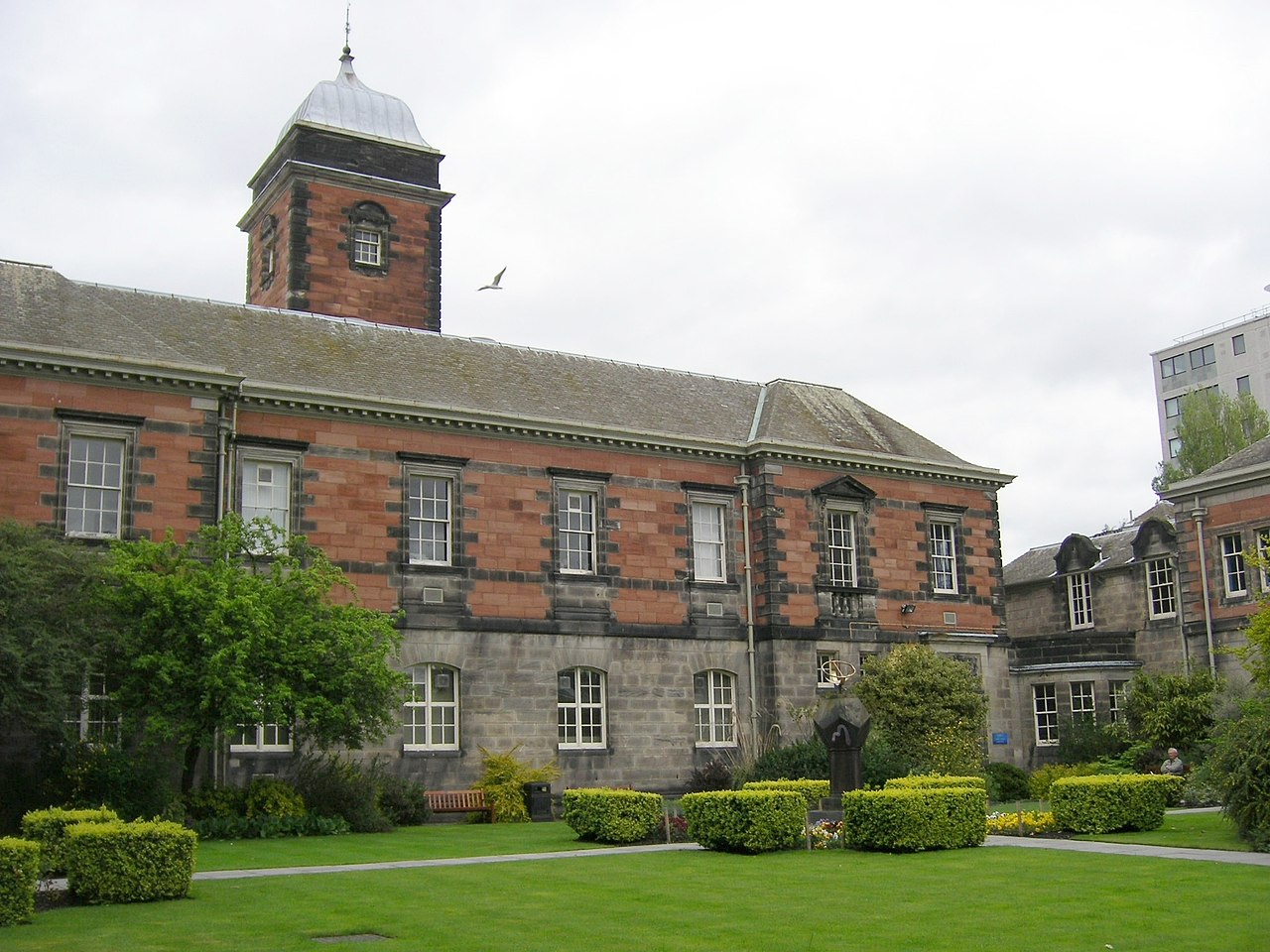
This program offers a unique perspective by combining the study of economics with history. You will learn how societies manage scarce resources to improve outcomes and understand the economic decisions that have shaped our world. The economics component focuses on macroeconomic challenges at national and global levels, as well as the microeconomic behaviour of individuals and businesses. The history component delves into social, cultural, and political history from the early modern to the contemporary period, covering the British Isles, Europe, the Americas, Africa, and India. You will engage with primary sources from the outset and analyze diverse historical evidence, including written and oral materials, maps, visual art, and music, critically assessing how these sources inform our understanding of the past and present debates.
Economics BSc
This Economics BSc program at the University of Leeds, delivered at the world-renowned Leeds University Business School, offers a comprehensive study of economic principles and their application to real-world challenges. You will gain a strong foundation in economic analysis, quantitative methods, and research skills, preparing you for diverse career paths in both the private and public sectors. The course emphasizes analytical and transferable skills, equipping you to understand factors influencing income generation, economic growth, and the behaviour of individuals and firms. You can tailor your learning through optional modules and specialised pathways in Finance, Enterprise and Innovation, and Ethics and Sustainability, allowing you to align your studies with your career aspirations and stand out in the job market.

Economics BSc
Economics is the study of how individuals, firms, and governments make decisions in the face of scarcity. This BSc program at Warwick delves into microeconomics, macroeconomics, and econometrics, equipping you with theoretical models and empirical analysis skills to understand global and local economic trends. The curriculum is research-led, exposing you to current research from day one and encouraging you to develop your own research questions. The program offers flexibility, allowing you to choose optional modules from various departments like Warwick Business School, Politics, Philosophy, Computer Science, and Languages, broadening your academic horizons. This comprehensive degree will enhance your analytical and problem-solving abilities. You will learn to simplify complex economic issues, both theoretically and empirically, gaining a deep understanding of economic institutions and policies. The research-led teaching ensures you are taught by leading academics, providing insights into cutting-edge economic thought. The flexible structure allows you to tailor your degree to your specific interests, making it a dynamic and engaging learning experience.

Economics MA (Honours)
The MA (Hons) in Economics is a four-year full-time program designed to provide a rigorous and comprehensive understanding of economic principles, analysis, and techniques. You will develop strong analytical and decision-making skills through training in quantitative methods. The curriculum covers foundational microeconomics and macroeconomics, quantitative techniques, and economic relationships. In the later years, students can specialise in various advanced topics, including behavioural economics, econometrics, economic growth, international trade, and public economics. The program also incorporates flexibility, allowing students to study other subjects in their first two years and potentially pursue a dissertation in their final year.
Economics PhD with Integrated Study
This PhD programme at the University of Edinburgh provides an opportunity to conduct in-depth research in economics, equipping you with advanced research methodologies. The programme offers thorough training in modern economic principles and practices. A key aspect of the programme is the integrated study component, designed to enhance your research skills and knowledge base.
Economics Programmes at the University of Edinburgh
The University of Edinburgh's School of Economics offers a range of world-class undergraduate, MSc, and PhD programs. There is a strong focus on both excellent teaching and research, addressing significant economic questions. The school has an outstanding reputation in economics education. The School's research delves into 'big picture' issues, examining how frictions in labour and financial markets impact the broader economy. Key research areas include labour and credit markets, development economics, human capital formation, international trade, health economics, inequality, institutional economics, and the behavioural theories of individuals and groups.
Energy Economics and Finance (MScEcon)
This intellectually stimulating MSc program equips you with the analytical skills and industry knowledge essential for a successful career in the energy sector. Building on the University of Aberdeen's long-standing expertise in energy and economics, the curriculum incorporates insights from multinational corporations, government agencies, and industry professionals. You will learn from renowned experts in energy economics, engage with real-world case studies, and benefit from guest lectures and dissertation opportunities with leading energy firms and government bodies. The program is ideal for energy professionals seeking career advancement or for individuals wanting to deepen their understanding of energy industry decision-making and policy. The University's Business School hosts prominent research centers like the Scottish Experimental Economics Laboratory (SEEL), the Centre for Labour Market Research (CeLMR), and the Aberdeen Centre for Research in Energy Economics and Finance (ACREEF), providing a rich academic environment. Graduates are well-prepared for roles in government, consultancy, and major energy companies, focusing on areas such as energy policy, financial analysis, and market research. Alumni have found employment with organizations like the Scottish Government, BP, and Total.
Fair Digital Economies
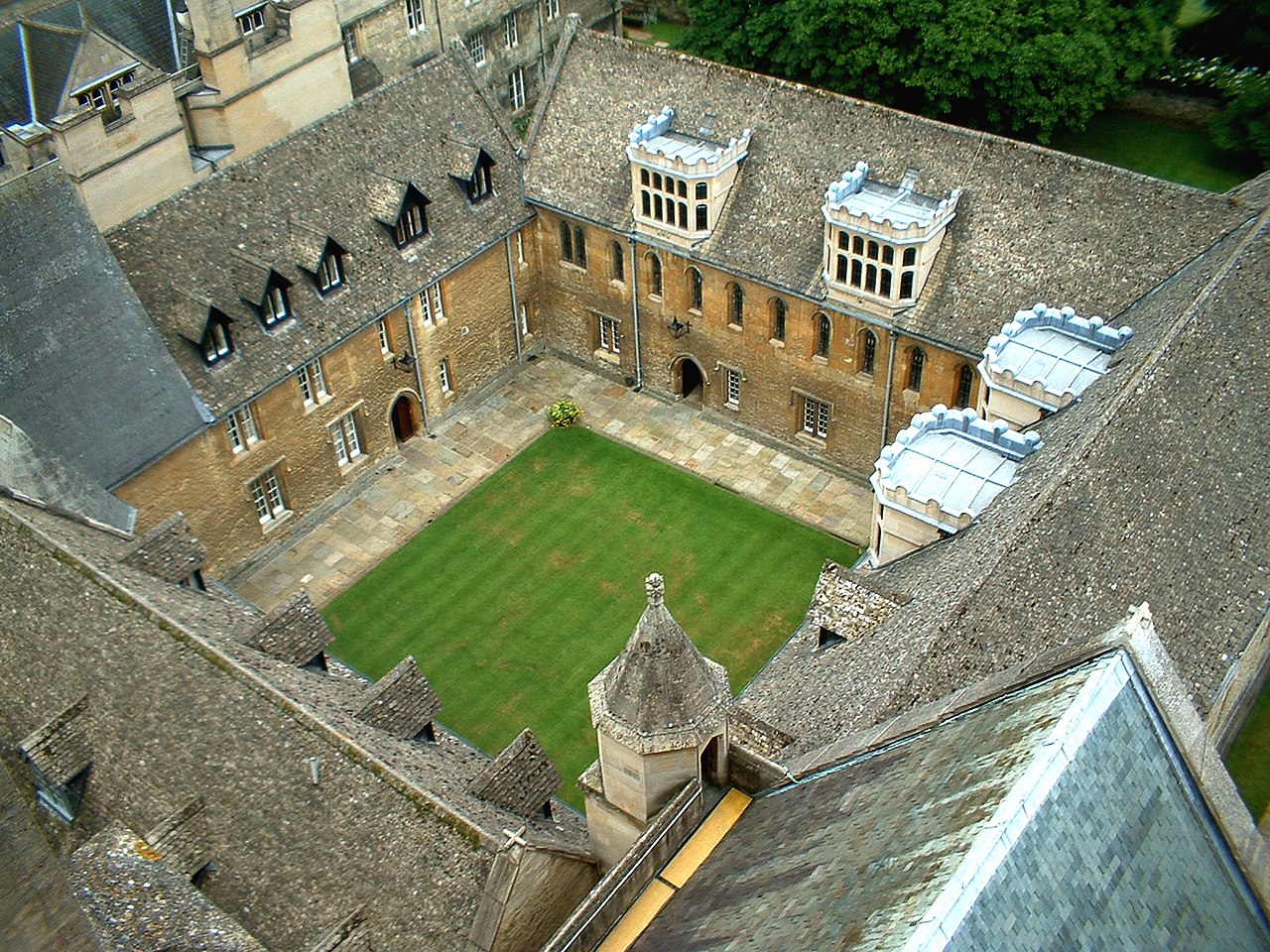
This course explores how the internet shapes economic development, relationships, and inequalities. It draws on various academic fields to provide a comprehensive understanding of inequalities within digital capitalism. Students will examine the impact of digital platforms, global production networks, and algorithmic management on labor conditions, pay, and market access in a connected society. The curriculum critically addresses contemporary issues such as data colonialism, unpaid digital labor, and the roles of maintenance work and planetary labor markets. It challenges conventional views by using frameworks like dependency theory, modernism, and platform capitalism to analyze how digital transformation can either worsen or reduce socio-economic disparities. Through participatory research, students will gain the analytical and practical skills needed to create inclusive, evidence-based interventions that empower workers and citizens beyond traditional corporate settings. The course aims to provoke critical thinking about the relationship between digital technologies, power, and the future of capitalism.
Global Prosperity MSc
The Global Prosperity MSc addresses urgent global challenges such as increasing inequality, the climate crisis, and social division by exploring new definitions of prosperity focused on justice, sustainability, and quality of life. This program offers a solution-focused, transdisciplinary approach, drawing on economics, anthropology, political science, urban studies, and sustainable development. It equips students with critical, creative, and practical skills to challenge dominant economic models and lead transformative change in policy, international development, social enterprise, research, and beyond. The course is designed for individuals committed to creating a more just, sustainable, and inclusive world, including recent graduates and professionals from various sectors.

International Economics MSc
This Master of Science (MSc) in International Economics offers a comprehensive study of core economic principles combined with a specialized focus on the economics of international trade and finance. You will develop strong analytical and quantitative skills to understand the complexities of global economic interactions. The program is taught by experts whose research informs policy advice to international bodies like the World Bank and World Trade Organization. You will engage with core modules covering microeconomic theory, macroeconomic theory, econometrics, and data analysis. The second semester delves deeper into international trade and macroeconomics, offering a selection of optional modules to tailor your studies. A significant part of the program is the independent research project (dissertation), where you will receive one-to-one supervision to explore a specific area of international economics. Graduating with this advanced degree will equip you with the knowledge and skills sought by employers in economics and finance. Alumni have secured positions in leading global organizations, and there's an opportunity to earn a dual degree by spending a year in Germany or gain practical experience through a faculty placements program.

Law and Economics LLM
This specialist Master of Laws (LLM) programme delves into the interdisciplinary field of Law and Economics. It is designed for individuals with a background in either law or economics, offering a unique opportunity to master a new discipline. Lawyers can explore the legal implications of financial and economic issues, while economists can investigate the economic impact of laws and regulations. The programme aims to equip you with the theoretical knowledge and practical skills necessary for careers in legal, banking, financial, governmental, or research sectors.

Law and Economics of Network Industries
Master of Arts (MA) in Home Economics
MPhil in Economics
The MPhil in Economics at the University of Oxford is a comprehensive two-year program designed for students seeking rigorous training in economic theory, applied economics, and econometric methods. This program is comparable in intensity to the initial two years of a PhD in Economics in the US, providing a robust foundation for those aspiring to doctoral research or a career as a professional economist in either government or the private sector. It is particularly recommended for students who have not previously undertaken graduate-level work in economics. The course structure is flexible, allowing students to tailor their studies to their specific academic or career goals, including advanced research or skill development for professional roles.
MSc Economics

MSc Economics
The MSc Economics programme at the University of Liverpool offers a comprehensive understanding of economic principles and their application in the real world. This postgraduate degree is designed for students who want to deepen their knowledge of economic theory, econometrics, and quantitative methods. Graduates will be equipped with advanced analytical skills, making them highly competitive in a range of career paths in economics and related fields.

MSc Economics
Our flagship MSc Economics course offers a flexible postgraduate experience, allowing you to tailor your studies to your specific interests. You'll develop an advanced understanding of key economic theories and analytical techniques, with the option to specialize in areas like public economics, time series econometrics, or corporate finance. The course is designed to equip you with essential analytical and technical skills, culminating in a research project. This program prepares you for careers in finance, consultancy, the public sector, and beyond.
MSc Energy Economics and Finance
This online Master of Science (MSc) in Energy Economics and Finance equips you with the economic principles and financial techniques essential for understanding and navigating global energy markets. You will learn how businesses and governments make decisions regarding energy demand, supply, investment, and policy. The program is ideal for professionals seeking career advancement in the energy sector or for individuals aiming to start a career in this field. It offers a flexible, part-time study option that allows you to manage your pace and costs, fitting your education around full-time work. Through live online webinars, diverse learning materials, and interaction with leading academics and industry partners, you will gain analytical skills to assess market trends, evaluate investments, and critically analyze energy policies.

MSc Health Economics and Policy
PgCert Energy Economics and Finance
PhD Health Economics and Policy
Frequently asked questions
How many Economics programmes are available in the United Kingdom?
+
There are 37 Economics programmes at 27 universities across the United Kingdom.
Which UK universities offer Economics programmes?
+
Institutions include the University of Liverpool, University of Lancaster, Goldsmiths College (University of London), University of Aberdeen, University of Dundee, and The American University in London, among 27 universities.
How much does studying Economics cost in the United Kingdom?
+
Tuition ranges from free to approximately €40,800 per year; the range reflects different fee categories across institutions — verify the exact fee with each university.
Can international students study Economics in the United Kingdom?
+
Yes; most UK universities welcome international applicants who meet academic and English language requirements and hold a valid Student visa.
What are typical entry requirements for Economics in the United Kingdom?
+
Undergraduate programmes usually require A-level Mathematics (or equivalent); postgraduate programmes typically require a quantitative bachelor's degree, and all levels require English proficiency documentation.