Master's in Medicine in United Kingdom
The United Kingdom offers 25 Master's programmes in Medicine across 13 universities, catering to medical graduates and health professionals seeking advanced specialisation or research training. Institutions in this listing include Queen Mary University of London, University of Sheffield, Aston University, Brunel University Uxbridge, Middlesex University London, and the University of Exeter. Annual tuition ranges from free up to approximately €51k, a wide spread that reflects both the diversity of institutions and the varying nature of programme offerings.
Master's degrees in Medicine in the UK typically cover areas such as clinical research, medical education, global health, biomedical sciences, or surgical sciences, and are designed for those who already hold a medical or health-related undergraduate degree. The UK's internationally recognised medical schools and NHS-affiliated institutions provide a strong professional context for these programmes. International students require a Student visa and must meet English language requirements; most programmes use IELTS scores as the benchmark.

Advanced Clinical Practice (Musculoskeletal Rehabilitation) PgCert, PgDip and MSc
This programme is designed for qualified physiotherapists working in musculoskeletal practice who wish to advance their careers as specialist clinical practitioners. It offers an in-depth understanding of evidence-based rehabilitation approaches for musculoskeletal conditions across various UK and international healthcare settings. You will develop advanced clinical reasoning skills in assessment and management, gaining expertise in the latest theory and science behind MSK practice. The course aims to enhance your cognitive abilities, including communication and research skills, preparing you for leadership roles. Brunel University offers flexibility, allowing the full MSc to be studied part-time over three years, or you can opt for staged study to achieve a Postgraduate Certificate (PgCert) after one year or a Postgraduate Diploma (PgDip) after two years.
Advanced Clinical Practice (Neurological Rehabilitation) PgCert, PgDip and MSc
This part-time program is designed for experienced allied health professionals looking to deepen their expertise in neuroscience and neurorehabilitation. It aims to enhance your clinical knowledge and research skills, enabling you to critically reflect on your practice, optimize patient care, and improve service delivery. By exploring the connections between research, theory, policy, and practice, you will develop into an effective leader and advanced practitioner in neurorehabilitation. Brunel University understands the demands of balancing study with work and family life. This course is structured for flexibility. The full MSc can be completed over three years part-time, starting in September. Alternatively, you can pursue staged study, earning a Postgraduate Certificate (PgCert) after one year, a Postgraduate Diploma (PgDip) after two years, and the full MSc after three years. You can also enroll in individual Continuing Professional Development (CPD) modules to further your learning and potentially return later to complete a full qualification. It's important to apply for the specific stage of study you intend to undertake each year. For example, to progress to the PgDip, you must have completed the PgCert, and you apply for the MSc stage only after completing the PgDip.
Advanced Clinical Practice (Occupational Therapy) PgCert, PgDip and MSc
This course is designed for experienced occupational therapists seeking to advance their careers into leadership or academic research roles. It provides advanced practical skills and knowledge to excel in holistic, multidisciplinary teams. You will develop expertise to lead teams and improve patient lives through rehabilitation in various healthcare settings and communities. The MSc can be completed in one year full-time or three years part-time. Alternatively, you can pursue a Postgraduate Certificate (PgCert), Postgraduate Diploma (PgDip), and then the MSc through staged, part-time study over one year per stage, allowing flexibility to fit studies around existing commitments.

Advanced Clinical Practice (Paediatrics and Child Health) MSc
This Master of Science (MSc) programme, delivered in partnership between Middlesex University and the Great Ormond Street Hospital (GOSH) Learning Academy (GLA), is designed to enhance the skills and knowledge of healthcare practitioners working with children and young people. It supports advanced level independent practice through a combination of tailored learning pathways and work-based learning. The programme is suitable for a diverse range of paediatric and child health professionals seeking to advance their careers. Successful completion will enable you to practice as an Advanced Practitioner, managing discrete aspects of patient care at an advanced level and contributing to high-quality, person-centred improvements in patient outcomes.
Advanced Clinical Practice (Pelvic Health) PgCert, PgDip and MSc
This part-time program is designed for healthcare professionals such as physiotherapists, midwives, specialist nurses, and doctors already working in pelvic health. It aims to enhance your skills in assessment, diagnosis, and patient management to advance your career as a clinician focused on the conservative management of pelvic floor dysfunction. The curriculum links research, theory, policy, and practice to optimize service delivery and leadership in pelvic health. The course is structured flexibly to accommodate work and family commitments, allowing you to complete a Postgraduate Certificate (PgCert) in one year, a Postgraduate Diploma (PgDip) in two years, or the full Master of Science (MSc) in three years. You can also take individual modules for professional development. Each stage of study is designed to be completed over one year on a part-time basis, starting in September. It is important to apply for the specific stage you intend to study. For example, to pursue the PgDip, you must have already completed the PgCert. Similarly, admission to the MSc requires completion of the PgDip. You can also opt to study individual Continuing Professional Development (CPD) modules and return to complete a full qualification at a later date.
Advanced Practice MSc
The MSc Advanced Practice programme is designed for experienced healthcare practitioners aiming to meet national advanced clinical practice criteria. It focuses on developing expertise across the four pillars of advanced practice: clinical practice, leadership and management, education, and research. The course acknowledges and builds upon your existing knowledge and skills, incorporating workplace learning with virtual and on-demand online modules. A key feature is the collaborative relationship between the trainee, their manager, clinical supervisor, and university tutor, ensuring a supportive learning environment tailored to your professional development.
Advanced Professional Practice (Cardiovascular Health) PgCert, PgDip and MSc
This program is designed for healthcare professionals interested in deepening their knowledge, practical skills, leadership abilities, and research capabilities in cardiovascular health. It is ideal for those currently working in clinical settings focusing on cardiovascular disease prevention or rehabilitation, or those aspiring to do so in the future. The interdisciplinary course is delivered by experienced academics in collaboration with national and international leaders in cardiology, nursing, nutrition, exercise, and behavioral medicine. You will gain a comprehensive understanding of cardiovascular prevention and rehabilitation through clinical observations and learn to apply research evidence to implement best practices in your healthcare setting.
Advanced Professional Practice (Critical Care) PgCert, PgDip and MSc
This advanced practice programme in critical care is designed for nurses and allied health professionals who care for critically ill patients. It aims to provide a strong academic foundation to advance your career as an advanced clinician. You will develop advanced assessment and clinical reasoning skills for the acute management and rehabilitation of critically ill patients, from intensive care units through to their discharge. The course covers comprehensive knowledge of critical care, enabling you to work at an advanced level of practice by integrating the latest practices, policies, and research to improve patient care and outcomes.

Bioinformatics and Genomic Medicine
The Bioinformatics and Genomic Medicine MRes at Aston University offers a specialized program for students interested in the intersection of biology, data science, and healthcare. This course is designed to equip you with advanced knowledge and practical skills to analyze complex biological datasets and apply genomic discoveries to improve healthcare outcomes, including personalized medicine and targeted therapies. You will develop expertise in computational biology, statistical modeling, and emerging genomic technologies. This program is suitable for graduates and professionals with backgrounds in biology, medicine, or data science. It focuses on developing skills in data analysis, understanding disease mechanisms, and translational genomics, preparing you to innovate within this rapidly advancing medical field. For those seeking a less research-intensive option, an MSc in Bioinformatics and Genomic Medicine is also available.

Business Entrepreneurship MSc
This Master of Science (MSc) in Business Entrepreneurship is designed to equip you with the essential knowledge and practical skills to thrive in the dynamic world of business creation and innovation. You will explore core entrepreneurial concepts, develop business plans, and understand the strategies needed to launch and grow new ventures. This program aims to foster your innovative thinking and prepare you for a career as an entrepreneur, intrapreneur, or business developer.
Clinical and Health Research MRes
The MRes Clinical and Health Research at Aston University is a postgraduate research degree designed for professionals looking to advance their research skills in clinical and health fields. Available as a one-year full-time or two-year part-time work-based master's, the program combines taught modules with a significant independent research project. It aims to equip you with the knowledge and practical skills needed for PhD-level study or impactful careers in healthcare research, clinical practice, or public health.

Clinical Endocrinology MSc
The MSc in Clinical Endocrinology at Queen Mary University of London is designed for individuals seeking to enter or advance their careers in endocrinology. This program offers a comprehensive curriculum covering both theoretical knowledge and practical clinical applications of the field. Students will benefit from the expertise of the Centre for Endocrinology, renowned for its cutting-edge research and clinical practice. The course emphasizes interactive learning through group projects and discussions, and includes opportunities for clinical observation to solidify practical understanding. Learning methods combine online materials with face-to-face tutorials, utilizing a 'flipped classroom' approach.
Dental Science for Clinical Practice MSc
This Master of Science (MSc) program in Dental Science for Clinical Practice is designed for dental graduates, both from the UK and internationally, who aim to enhance their clinical skills and knowledge. It provides comprehensive training in six key areas: clinical skills laboratory work with modern dental materials and digital dentistry, fundamental and advanced sciences relevant to clinical practice, core principles of clinical dentistry, communication, professionalism, and management and leadership for professional advancement. The program is ideal for UK-qualified clinicians seeking to upgrade their practical abilities or international professionals looking to practice in the UK or return to their home countries with advanced skills.
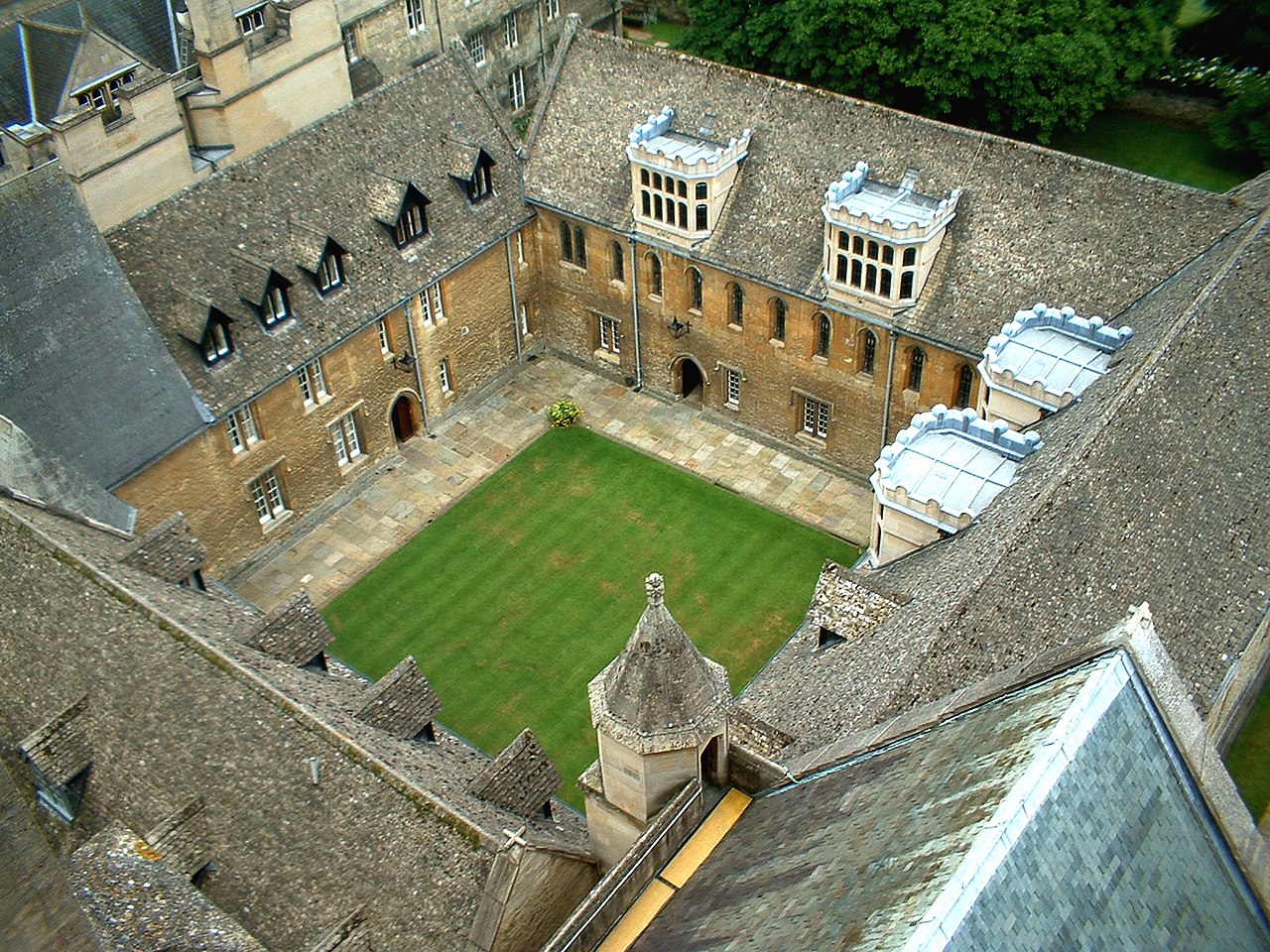
Graduate Entry Medicine (A101)
The Oxford Graduate-entry Medicine (A101) course is a four-year accelerated program designed for graduates from various academic backgrounds who wish to pursue a career in medicine. Established in 2001, the course provides a supportive and academically rigorous environment, integrating basic medical science with early clinical experience. The curriculum is structured to accelerate your learning, particularly in the first year, with intensive in-person teaching over two and a half terms. You will gain essential clinical experience from the first week, with placements in both GP practices and hospitals. The program emphasizes an academic approach, allowing dedicated time for a special interest project in the initial years, which can be continued into the later clinical stages. Students on this program fully integrate into the clinical course alongside those on the six-year program during their final two years, taking the same final examinations. This ensures a comprehensive medical education delivered within a world-renowned university setting.

Graduate Entry Medicine MBChB
This four-year MBChB programme is designed as an alternative route into medicine for graduates with a background in life sciences who come from groups currently under-represented in higher education. The course allows you to join the standard MBChB programme at phase two, condensing the typical five-year medical degree into four years. The curriculum focuses on providing you with the essential clinical knowledge and skills needed for modern medical practice. You will engage in a blend of theoretical learning, practical skills development, and extensive clinical placements in various healthcare settings across Yorkshire and surrounding areas. The program aims to equip you with the competence to diagnose, treat, and manage patients effectively, while also preparing you for the transition to foundation doctor training.
MSc Advanced Clinical Practice
This flexible, blended-learning MSc in Advanced Clinical Practice is designed for qualified healthcare practitioners looking to advance their careers. Whether you work in a hospital or community setting, this degree will help you manage the care of complex patients. You will build expertise across the Four Pillars of Advanced Clinical Practice: clinical practice, leadership, facilitating learning, and evidence, research, and development. The program offers a customizable pace and structure, allowing you to tailor your learning to your specific career goals, with options to focus on research or clinical content. It is delivered in partnership with the NHS, involving senior clinicians and academics in your education.
-(1).jpg)
MSc Advanced Clinical Practice
The MSc Advanced Clinical Practice program offers a comprehensive curriculum designed to equip healthcare professionals with advanced theoretical and clinical skills. The program aims to develop practitioners capable of managing individual patient care through history taking, examination, requesting and interpreting investigations, and prescribing medicines and therapies where appropriate. It also emphasizes the importance of driving service improvement, undertaking audit and research, and educating others to enhance patient care. The course structure follows the four pillars of advanced practice and utilizes a constructivist learning approach in partnership with employers to foster autonomous practitioners. Students are expected to attend the Kedleston Road campus once a week.
MSc by Research in Molecular and Cellular Medicine
The MSc by Research (MSc(Res)) in Molecular and Cellular Medicine at the University of Oxford is designed to train the next generation of leaders in biomedical sciences. This research-focused program provides an in-depth exploration of methods to develop groundbreaking new therapies for chronic inflammatory and musculoskeletal conditions. Students will conduct their research within one of the Botnar Research Centre’s dynamic groups under the guidance of a principal investigator and supervisory team. Throughout the program, you will develop essential research skills, including compulsory attendance at departmental lectures on the fundamentals of biomedical research. Your training will be personalized to your project and needs, drawing from a wide range of specialist scientific methods and transferable skills courses offered at Oxford. The course emphasizes practical research experience, participation in seminars, and presentation at symposia.

MSc Computational Cancer
This MSc program integrates data science, artificial intelligence, and mathematical modelling to address key challenges in cancer research. You will gain a deep understanding of both computational techniques and cancer biology, with opportunities to specialize in areas like AI in oncology, radiation therapy, or computational pathology. The program is delivered within a highly research-intensive environment at UCL, fostering collaboration across disciplines and with partner hospitals, and providing access to state-of-the-art facilities. This program is ideal for students looking to contribute to the computational revolution in cancer research, from understanding tumor growth to developing AI-driven diagnostic and treatment tools.

MSc Medical Mycology (online)

Postgraduate Taught Dentistry Programmes
Cardiff University's School of Dentistry offers a range of taught master's courses designed for those seeking clinical specialisation or research training in biomedical and life sciences. With over 40 years of experience in postgraduate education, the school is known for its excellence in teaching, research, and clinical care. Programmes are delivered by leading academics and clinicians actively involved in world-leading research, ensuring students learn from experts making significant impacts on healthcare. These non-clinical courses also provide foundational research training, which can be a pathway to a PhD. Students benefit from learning in the University Dental Hospital, the only facility of its kind in Wales, offering comprehensive clinical services and valuable postgraduate education opportunities.
Regenerative Medicine MSc
Explore the cutting-edge field of Regenerative Medicine, a dynamic interdisciplinary area focused on repairing damaged tissues using biological and cell-based technologies. This Master of Science (MSc) program offers advanced training from internationally recognized scientists, covering key areas such as stem cell biology, tissue engineering, genome engineering, and nanotechnology. You will gain hands-on experience through a lab-based research project in state-of-the-art facilities or a bioinformatics project, and interact with clinicians involved in translational research at prestigious hospitals. The program fosters multi-disciplinary learning through collaboration with the School of Engineering and Materials Science, preparing you for industry contacts and providing networking opportunities and support.

Scottish Graduate Entry Medicine (ScotGEM) MBChB
The Scottish Graduate Entry Medicine (ScotGEM) MBChB is a four-year programme designed for graduates who wish to pursue a career in medicine, with a specific focus on generalist practice within NHS Scotland. This innovative course is delivered through a partnership between the Universities of St Andrews and Dundee, in collaboration with NHS Fife, NHS Tayside, NHS Highland, NHS Dumfries and Galloway, and the University of the Highlands and Islands. The programme aims to prepare adaptable and compassionate clinical leaders ready to serve in rural and community settings. Years 1 and 2 are primarily based at the University of St Andrews, while Years 3 and 4 are led by the University of Dundee. Students should be prepared for periods of living and studying in rural areas across Scotland.
Stem Cells and Regenerative Medicine
The MSc in Stem Cells and Regenerative Medicine at Aston University offers advanced training in a rapidly evolving field crucial for modern healthcare. This program provides comprehensive knowledge and practical skills in stem cell biology and its applications in regenerative medicine. You will learn advanced laboratory techniques, work with world-leading researchers, and apply your knowledge to address real-world health challenges. Designed for ambitious graduates in biosciences, clinicians, and health professionals, this master's degree aims to equip you with the expertise to drive innovation. You will develop both technical and transferable skills, preparing you for impactful careers in research, biotechnology, pharmaceuticals, and healthcare. The course includes a significant research dissertation, allowing you to specialise and deepen your expertise.
Frequently asked questions
How much does a Master's in Medicine cost in the United Kingdom?
+
Some programmes are tuition-free, while others cost up to approximately €51k per year; fees vary considerably across institutions and programme types.
Which universities offer a Master's in Medicine in the UK?
+
The 13 universities include Queen Mary University of London, University of Sheffield, Aston University, Brunel University Uxbridge, Middlesex University London, and University of Exeter.
Can international students apply for a Master's in Medicine in the UK?
+
Yes, UK universities welcome international medical graduates; a Student visa, English language proficiency (usually IELTS 6.5–7.0), and an undergraduate degree in medicine or a related field are standard requirements.
What are typical entry requirements for a medicine master's in the UK?
+
Most programmes require a first degree in medicine, nursing, or a closely related health science, along with English language test scores and references; some programmes require evidence of clinical practice.
How do I apply for a Master's in Medicine in the UK?
+
Apply directly through each university's postgraduate admissions portal; deadlines vary but many programmes accept applications on a rolling basis throughout the academic year.