Bachelor's in Biology in United States
The United States offers 52 Bachelor's programmes in Biology across 24 universities, giving students access to world-class laboratory facilities and research ecosystems. The University of California, Davis and Indiana University Bloomington are leading research universities with strong biology departments spanning cellular biology, ecology, genetics, and biochemistry, while Dartmouth College and the Marine Biological Laboratory offer distinctive, smaller-scale environments with intensive research traditions.
Tuition for these programmes is approximately €32,000 per year across the dataset. Stevenson University and West Virginia Wesleyan College provide more regionally oriented biology degrees, often with close faculty mentorship and pre-professional tracks for students targeting medical, dental, or veterinary school. Many US undergraduate biology programmes integrate independent research from the first year, giving students a strong foundation for graduate or professional study.

Animal Biology, Bachelor of Science
The Animal Biology major at UC Davis bridges general biological sciences with applied animal husbandry. You will study the biological principles relevant to animals, learning how they function in various roles within human economies, societies, and natural systems. This program offers opportunities to apply theoretical knowledge through hands-on work with both wild and domesticated animals.

Bachelor of Science in Biological Sciences
The Bachelor of Science in Biological Sciences program offers a thorough exploration of biology, covering molecular, cellular, organismal, and ecological levels. Through demanding coursework and practical laboratory sessions, students will hone their abilities in critical thinking, scientific investigation, and problem-solving. This program is designed for students who have completed an Associate of Arts degree and the necessary prerequisite courses, allowing for completion within five semesters (two academic years).

Bachelor of Science in Biology

Bachelor of Science in Liberal Arts and Sciences in Molecular & Cellular Biology
The Bachelor of Science in Liberal Arts and Sciences (BSLAS) in Molecular & Cellular Biology program offers a comprehensive foundation in key biological sciences. You will gain in-depth knowledge of molecular biology, genetics, microbiology, cellular biology, biochemistry, physiology, and structural biology, complemented by a strong background in chemistry, mathematics, and physical sciences. The curriculum allows for specialization within various areas, including biochemistry, cells and tissues, developmental biology, infection and immunity, microbiology, genetics, neurobiology, and physiology. An advising program is available to help students tailor their advanced coursework to their specific interests and career goals.

Bachelor of Science in Zoology
The Bachelor of Science in Zoology program at Washington State University provides a strong foundation in biological sciences with a focus on the study of animals. The program offers several options to tailor your studies, including a general option, an accelerated pre-veterinary option, and specific pre-professional tracks for veterinary, animal care, medicine, and dentistry. Students will engage with core concepts in organismal biology, genetics, ecology, and evolutionary biology, preparing them for advanced study or careers in various life science fields. The curriculum emphasizes research skills, data analysis, and scientific communication.

Biochemistry
The Biochemistry program at Texas A&M University provides a comprehensive understanding of life at the molecular level, exploring the chemical and physicochemical processes within living organisms. Students will gain a strong foundation in chemistry, physical sciences, and biological sciences, preparing them to pursue scientific breakthroughs in various life science fields. This versatile degree opens doors to diverse career paths and further academic pursuits. Graduates are well-prepared for advanced studies, including graduate school in various scientific disciplines or professional schools such as medicine, veterinary medicine, or dentistry. The strong background in basic sciences is a significant advantage in biomedical professional programs. For those entering the workforce directly, a wide array of opportunities exists in clinical, governmental, and university laboratories, as well as in the chemical, pharmaceutical, agricultural, food, and scientific equipment industries. This program emphasizes the development of critical thinking and research skills, enabling students to contribute to improving health, fighting disease, and advancing scientific knowledge. Students will learn how to analyze complex biological systems and apply chemical principles to understand life processes, from the smallest molecules to the most complex organisms.

Biological Sciences
At Dartmouth's Department of Biological Sciences, you will engage with diverse disciplines, learn from prestigious faculty with extensive experience in biological processes, and utilize next-generation resources and equipment. This is a collaborative environment where undergraduates, graduate students, and faculty work together on laboratory research, fieldwork, and publications that have real-world applications. The department is dedicated to providing students with a comprehensive understanding of biology. You will gain broad exposure to biological processes and systems, alongside a deep understanding of biology at environmental, organismal, cellular, and molecular levels.
Biological Sciences

Biology

Biology
The Biology program at Stevenson University offers both Bachelor of Science (BS) and Bachelor of Arts (BA) degrees, allowing students to delve into various biological fields from the molecular level to ecosystem interactions. The program emphasizes hands-on learning through extensive lab work and research opportunities. Students can tailor their studies with electives in areas like Pre-Health, Molecular Biology, Animal Science, or Ecology. Stevenson's School of Sciences is designed for collaborative, interdisciplinary work, with small class sizes and focused faculty-student interaction in well-equipped labs.
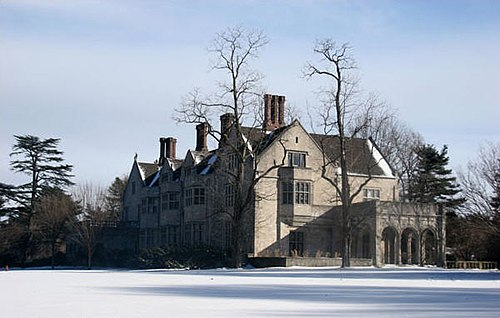
Biology
Stony Brook University offers Bachelor of Science (B.S.) and Bachelor of Arts (B.A.) degrees in Biology, as well as a Biology Minor. The department focuses on providing students with a comprehensive understanding of biological sciences, preparing them for diverse career paths or further study. Advising services are available to help students navigate course planning, registration, and graduation requirements.
Biology

Biology & Environmental Science
At West Virginia Wesleyan College, the Biology and Environmental Science programs focus on hands-on learning through laboratory classes and research projects. Students engage in scientific inquiry through observation and experimentation, both in the field and in the lab. The program prepares graduates for a high rate of acceptance into medical, dental, veterinary, and graduate science programs, as well as careers in education, research, environmental studies, and sales. Students can pursue a Bachelor of Science (B.S.) in Biology or a Bachelor of Arts (B.A.) in Environmental Studies. The Biology major offers specialized concentrations in Molecular Biology/Biotechnology or Environmental Science and Ecology. An opportunity for a Special Honors designation in biology is available for academically talented students interested in research. A mandatory experiential learning requirement ensures all biology majors gain practical experience through internships or research projects.

Biology Joint Degree and Dual-Degree Programs

Biology Major
The Biology Major at the University of Mary Washington leads to a Bachelor of Science degree, preparing students for diverse careers in life sciences research, teaching, and biotechnology. Many graduates continue their education in specialized fields such as cellular and molecular biology, bioinformatics, physiology, immunology, entomology, microbiology, ecology, and environmental engineering. The program emphasizes the scientific method through inquiry-based learning, offering a solid foundation in cell and molecular biology, organismal biology, and ecology. Elective courses allow students to explore specific interests, while laboratory and field experiences enhance practical skills in scientific methodology, experimental techniques, and quantitative analysis.
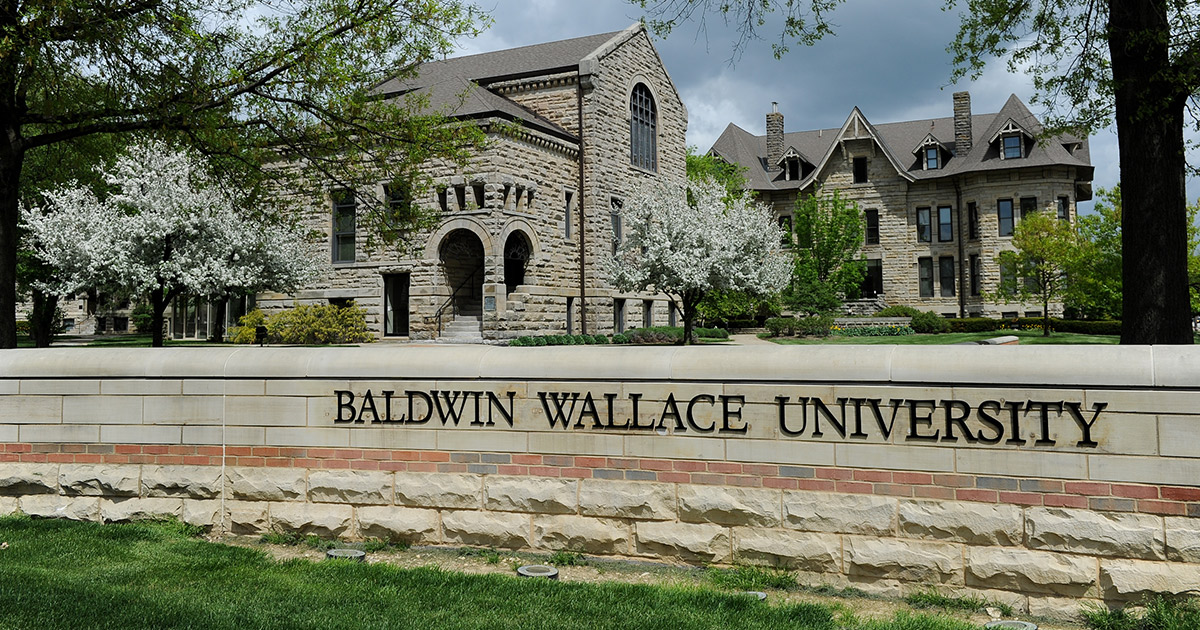
Biology Major
The Biology major at Baldwin Wallace University is a versatile program designed to immerse students in the study of living systems and organisms, including human, plant, animal, and aquatic life. It provides excellent preparation for a variety of careers and further academic pursuits, such as medical and pre-professional programs, teacher education, and graduate school. Students benefit from small class sizes, individualized attention, and strong faculty mentorship. From freshman year, you'll gain hands-on research experience in dedicated laboratories, including specialty labs for anatomy, botany, ecology, genetics, microbiology, and more. The program emphasizes learning by doing, offering opportunities for independent research, field experiences, and internships that connect theoretical knowledge with practical application. Students frequently collaborate with faculty on grant-funded research projects, often leading to presentations at national conferences and publications. Our modern facilities are equipped with specialized instruments, an insect room, greenhouse, zebrafish aquaria, and various advanced microscopy and genetic analysis tools.
Biology Major
The Biology program at Columbia College prepares you for a variety of STEM-related careers in fields like healthcare, medicine, environmental science, and the life sciences. As one of the largest programs on campus, you will be challenged through rigorous coursework and laboratory experiences. You'll learn from full-time faculty who hold terminal degrees and are actively involved in research. This major offers specialized training for students interested in medical, dental, pharmacy, or veterinary school. You will work closely with advisors to build a strong profile for graduate or professional programs. The program also provides unique opportunities like the pilot Course-based Undergraduate Research Experiences (CUREs) program, where you can design your own experiments, and engage in research with potential for grant funding, state recognition, and independent study.
Biology Major - Pre-Medicine & Molecular Biology Concentration
The Biology Major with a Pre-Medicine and Molecular Biology concentration at West Virginia Wesleyan College provides a comprehensive foundation for students aspiring to careers in medicine, research, or other health-related fields. This program delves into the core principles of biology, with a specific focus on molecular mechanisms, genetics, and organismal functions, preparing students for advanced study or direct entry into the healthcare sector. Students will engage with a rigorous curriculum that includes introductory and advanced biology courses, along with essential chemistry, physics, and biostatistics. The program emphasizes critical thinking, research methodologies, and practical application through laboratory work and potential internships or research projects. Graduates will be well-equipped with the scientific knowledge and analytical skills necessary to pursue medical school or other graduate programs. This concentration is designed for students who are passionate about understanding life at a molecular level and are driven towards medical professions. It balances theoretical knowledge with practical experience, ensuring a well-rounded education that meets the demands of modern biological sciences and medical training.

Biology Programs at California State University Channel Islands
California State University Channel Islands (CSUCI) offers a comprehensive Biology program designed to ignite your fascination with life at all levels, from molecular to organismal, and your curiosity about the environment. Our interdisciplinary approach combines a strong theoretical foundation with extensive hands-on experiences, ensuring a creative, innovative, and personalized education focused on your individual goals. With small class sizes, you'll receive dedicated attention from professors, and our state-of-the-art laboratories provide access to cutting-edge technology. You can tailor your studies through elective courses that align with your interests, preparing you for diverse career paths or further academic pursuits.
Biology, B.A.
The Bachelor of Arts in Biology program at New Jersey City University provides a robust foundation in general biological principles. This program is designed to prepare students for diverse pathways, including direct entry into the workforce, advanced studies in graduate school, or admission to professional programs. Graduates are equipped for careers in academic and industrial research, teaching (with alternative certification), and various roles within the pharmaceutical, biomedical, and biotechnology industries.
Biology, B.S.
Biology, B.S.
The Bachelor of Science (B.S.) in Biology at New Jersey City University provides a comprehensive foundation in modern life sciences. Students can tailor their studies through elective courses to focus on specific areas such as molecular and cellular biology, biomedical sciences, organismal biology, or environmental studies. This program ensures a strong grounding in supporting sciences like Chemistry, Physics, and Mathematics. The B.S. in Biology prepares graduates for advanced studies in graduate, medical, or dental schools, and for careers in research, teaching, and various industries including pharmaceuticals, biotechnology, and publishing.
Biology, Bachelor of Science
The Bachelor of Science in Biology program at Young Harris College offers a comprehensive understanding of biological sciences, preparing students for diverse careers in fields such as healthcare, environmental studies, and research. The program integrates a strong liberal arts foundation with a focus on critical thinking, hands-on techniques, and ethical research practices to equip students to tackle complex biological challenges. Students will have the opportunity to engage in exciting research projects alongside faculty mentors, culminating in capstone presentations and potential participation in scientific conferences.
BS Biology
Chemistry - Undergraduate
Dartmouth College offers an undergraduate program in Chemistry designed to provide students with a strong foundation in the principles and practices of the field. The curriculum covers fundamental areas such as general chemistry, organic chemistry, physical chemistry, and inorganic chemistry, along with opportunities for specialization. Students engage in laboratory work to develop practical skills and understanding of experimental techniques. The program aims to prepare students for a variety of career paths, including graduate studies in chemistry or related fields, as well as careers in industry, research, and education.
Chemistry and Biochemistry
The Chemistry & Biochemistry department at West Virginia Wesleyan College offers a rigorous and adaptable curriculum designed to prepare students for immediate employment or further study in graduate or professional schools. The program is aligned with the standards set by the American Chemical Society and the American Society for Biochemistry & Molecular Biology, emphasizing hands-on laboratory experience and the development of essential professional skills. Graduates are well-equipped for diverse careers in science.
Chemistry Major
Dartmouth College's Chemistry Department offers multiple pathways for students interested in pursuing a chemistry major. You can choose from four distinct major programs: Plan A (for a comprehensive chemistry education, ideal for graduate studies), Plan B (for a broader scientific foundation with a focus on chemistry-related careers), Biophysical Chemistry (integrating physical chemistry with biological systems), and Biological Chemistry (focusing on the chemistry of biological processes). The department also allows for a Modified Major, which can be tailored to individual career goals in consultation with faculty advisors. All programs emphasize hands-on laboratory experience using modern equipment.

Forensic Science - Molecular Biology, B.S.
The Bachelor of Science in Forensic Science - Molecular Biology program at the University of Central Oklahoma is designed for students with an inquisitive nature, analytical mindset, and an interest in applying biological principles to solve crimes. This program equips students with the foundational knowledge and practical skills needed to analyze biological evidence found at crime scenes, utilizing molecular techniques to identify individuals and understand the context of criminal investigations.

Genetics
Genetics and Cell Biology, Bachelor of Science
This Bachelor of Science program focuses on the science of heredity and the structure and function of living cells. It prepares students for a variety of careers in the life sciences, including technical roles in the pharmaceutical, food, and biotechnology industries, as well as positions in private or governmental laboratories and nonprofit institutions like clinical and hospital labs. Graduates are also well-positioned to pursue further studies in human medicine, dentistry, veterinary science, and other professional fields. An advanced degree can lead to careers in college-level teaching or research in government, academia, or private industry.
Human Biology Major
The Human Biology major is an interdisciplinary bachelor of arts degree designed to meet the growing global demand for professionals in health, social sciences, environmental sciences, and public policy. This four-year program, offered at WSU Pullman and Vancouver campuses, integrates approaches from both social and biological sciences. It provides students with a comprehensive understanding of how culture, natural systems, social dynamics, and biological factors shape the human experience. Graduates will be well-prepared for diverse career paths in areas such as medical and health sciences, social work, public policy analysis and development, and other related fields. The curriculum offers rigorous study that bridges the gap between scientific understanding and societal application.
Microbiology
Washington State University offers a Bachelor's degree in Microbiology, allowing you to explore the fascinating world of microorganisms and viruses. This program prepares you to develop new microbial solutions for diverse applications, including alternative energy production and pharmaceutical science. You can pursue this degree at WSU's Pullman, Tri-Cities, or Vancouver campuses, or online through the Global Campus.
Molecular and Cell Biology
The Molecular and Cell Biology program at Texas A&M University focuses on understanding the intricate molecular structures and cellular processes that govern life. Students will explore the functions, reproduction, and development of living organisms, with a particular emphasis on eukaryotic plants and animals. This major offers a robust scientific foundation, preparing students for diverse careers in biotechnology, genetic engineering, medical research, and advanced professional programs.
Neuroscience
Neuroscience at Dartmouth is an interdisciplinary field that explores fundamental questions about the brain and its functions, such as how memories are stored, the biological basis of consciousness, and the neural underpinnings of decision-making and mental illness. The program integrates knowledge from psychology and biology with insights from computer science, chemistry, engineering, and medicine. Students in the neuroscience program gain a strong foundation through coursework and have significant opportunities to participate in research. This hands-on experience with neuroscience research methods, including laboratory work, allows students to engage in independent research projects under the mentorship of faculty members, contributing to the rapid advancements in this dynamic field.
Neuroscience, Bachelor of Science in Liberal Arts and Sciences
The Neuroscience program at the University of Illinois Urbana-Champaign offers a Bachelor of Science degree focusing on the intricate workings of the brain. This curriculum blends the study of molecular and cellular biology with specialized neuroscience topics like neurophysiology, neurochemistry, and neuro-pathology. You will explore brain function across multiple levels, from individual cells and their molecular mechanisms to complex systems, behavior, and integrative physiology. The program utilizes model organisms and advanced laboratory techniques to investigate the causes of neurological disorders and explore potential biomedical treatments. Students will develop essential laboratory skills and engage in research opportunities with faculty.

Online Bachelor of Science in Biological Sciences – Neurobiology, Physiology and Behavior
Arizona State University's online Bachelor of Science in Biological Sciences with a concentration in Neurobiology, Physiology and Behavior is designed for students interested in understanding how animals, including humans, function, think, and behave. The program explores the ecological, evolutionary, and biomedical aspects that influence animal function, preparing you for diverse careers and advanced studies in the biological sciences. This online degree offers a comprehensive curriculum that combines foundational science with specialized knowledge. You'll gain practical skills in data analysis, lab functions, and technical reporting. The program also includes a unique seven-day, in-person organic chemistry lab component during the summer, providing essential hands-on experience and team-based lab skills. Graduates are well-prepared for roles in research, healthcare, veterinary science, conservation, and various industries.
School of Biological Sciences
The School of Biological Sciences at Washington State University (WSU) offers diverse programs focused on understanding life at all levels, from molecular mechanisms to ecosystem dynamics. Our faculty and students engage in cutting-edge research to address significant scientific challenges in areas like medicine, conservation, and agriculture. We provide hands-on training and foster interdisciplinary collaboration to prepare students for impactful careers.
Virology
Washington & Jefferson College Programs
Washington & Jefferson College (W&J) offers a comprehensive undergraduate education designed to foster intellectual growth, focused study, and professional preparation. Students are encouraged to select two areas of study, combining majors, minors, or emphases to broaden their skill set, engage with diverse curricula, and build a strong resume for their future careers. W&J graduates are recognized by employers and graduate schools for their readiness and character.
Frequently asked questions
How much does a Bachelor's in Biology cost in the United States?
+
Tuition is approximately €32,000 per year. This is a consistent figure across the programmes in this dataset, though individual institutions may have different fee structures and financial aid options.
Which universities offer a Bachelor's in Biology in the United States?
+
24 universities offer these programmes, including the University of California, Davis, Indiana University Bloomington, Dartmouth College, Marine Biological Laboratory, Stevenson University, and West Virginia Wesleyan College.
Can international students apply for a Biology bachelor's degree in the United States?
+
Yes, US universities welcome international students into their biology programmes; applicants typically need strong secondary school results in sciences, English proficiency, and standardised test scores at some institutions.
What are the entry requirements for a Biology bachelor's degree in the United States?
+
Requirements typically include a completed secondary education with strong results in biology, chemistry, and mathematics, English language proficiency for non-native speakers, and a personal statement or letters of recommendation.
How do I apply for a Bachelor's in Biology in the United States?
+
Apply through each university's undergraduate admissions office or the Common App where available. Prepare transcripts, standardised test scores if required, a personal statement, and recommendation letters well ahead of the application deadline.