Master's in Biology in United States
The United States hosts 49 Master's programmes in Biology across 25 universities, providing graduate students with strong options in life sciences research and applied biology. Leading research institutions including Cornell University, University of California Los Angeles, University of Southern California, and University of Virginia are among those offering these programmes. Tuition ranges from roughly €26,000 to €56,000 per year, with funding and teaching assistantships available at many research-intensive schools.
US Master's in Biology programmes typically run one to two years and may be structured as thesis-based research degrees or professional coursework tracks. Areas of study include molecular biology, ecology, genetics, microbiology, and evolutionary biology. Admission is competitive, and many funded positions are tied to faculty research projects, so prospective students are encouraged to contact potential supervisors early in the application process.
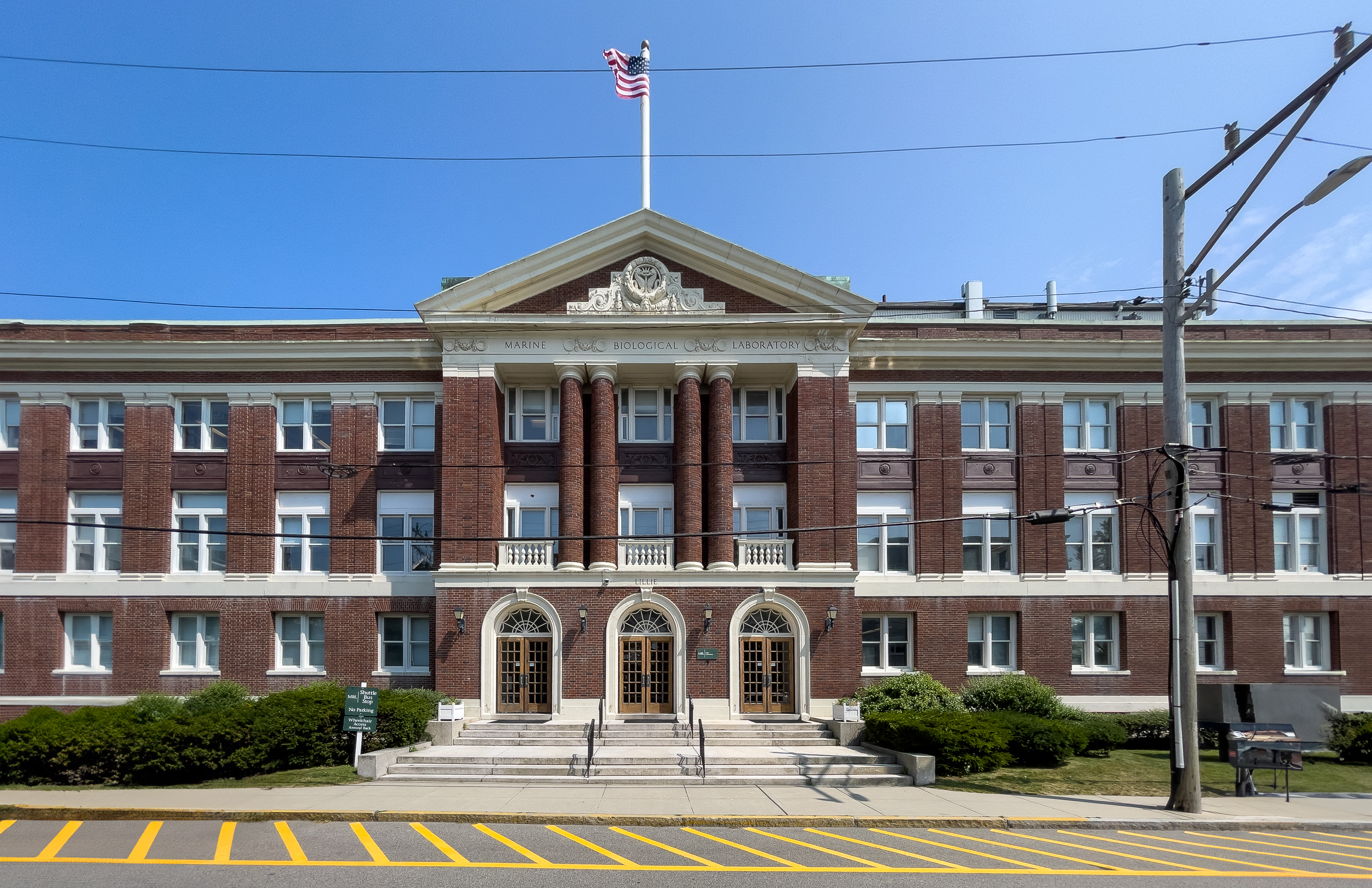
Advanced Research Training Courses (ARTC)
The Marine Biological Laboratory (MBL) offers Advanced Research Training Courses (ARTC) designed to transform students into accomplished scientists. These transformative courses provide access to state-of-the-art equipment and focus on fundamental scientific principles. Participants work directly with world-class faculty on novel experiments, fostering a global network of collaboration and pushing the boundaries of current knowledge. The ARTC program attracts over 500 graduate students and postdoctoral researchers annually from more than 300 institutions worldwide, covering a wide range of biological sciences including development, cell physiology, microbiology, neuroscience, and microscopy.

Automated Science: Biological Experimentation (MSAS)
The Master of Science in Automated Science: Biological Experimentation (MSAS) at Carnegie Mellon University is a specialized program designed for students interested in the intersection of artificial intelligence and laboratory automation. This program prepares you to become a leader in the rapidly evolving field of automated scientific discovery, particularly within biological experimentation. The curriculum uniquely blends cutting-edge AI techniques with practical laboratory automation, equipping you with the skills to design, conduct, and analyze experiments using automated systems. You will delve into concepts like spectroscopic series, crystal field splitting, electron configurations in complexes, and orbital energy diagrams, all within the context of automated biological and chemical processes. Upon graduation, you will be prepared for roles in industry or for advanced doctoral studies, contributing to the development of new scientific methodologies through automation.

Bioinformatics and Computational Biology (BCB)
The Bioinformatics and Computational Biology (BCB) program at the University of North Carolina at Chapel Hill offers graduate-level study focusing on the intersection of biology, computer science, and statistics. This interdisciplinary field utilizes computational approaches to analyze and interpret complex biological data, including genomics, proteomics, and molecular dynamics. The program aims to equip students with the skills necessary to tackle diverse challenges in biological and biomedical research through advanced algorithms, modeling, and data analysis techniques.

Bioinformatics, M.S. (Online)
NYU Tandon's online Master of Science in Bioinformatics program equips you with advanced skills in molecular biology and big data analysis. You will learn to interpret complex biological data, develop solutions for challenges in medicine and life sciences, and utilize genomic information and next-generation sequencing tools. The program focuses on creating and advancing algorithms, applying computational and statistical techniques, and solving practical problems in managing biological data, preparing you to contribute to areas like cancer care, vaccine design, and agriculture.
Biology - Pre-Health
Biotechnology and Entrepreneurship, M.S.
The Master of Science in Biotechnology and Entrepreneurship program equips students with the knowledge and skills to develop innovative products in the rapidly advancing field of biotechnology and to launch high-tech businesses. This program is designed for individuals who want to capitalize on new discoveries in the life sciences and translate them into commercial ventures. Students will gain a broad understanding of modern biotechnology, combined with essential business and finance principles.

Botany, MS
The Botany MS program at the University of Wisconsin–Madison offers advanced study in the broad field of plant biology. Students engage with faculty research and contribute to the understanding of plant life, ecosystems, and their importance. The program is designed for students seeking to deepen their knowledge and research skills in plant sciences.

Department of Biology - University of Central Oklahoma
The Department of Biology at the University of Central Oklahoma (UCO) offers a comprehensive education in the biological sciences, preparing students for diverse career paths and further academic pursuits. With a mission to provide a strong foundation in both theoretical and laboratory aspects of biology, the department guides students toward careers in education, research, medicine, allied health, and other scientific fields relevant to a global environment. UCO's biology program emphasizes intellectual development and career advancement, fostering a dynamic learning environment for all students.

Endodontics Certificate and MS in Oral Biology
The Department of Endodontics at Texas A&M College of Dentistry offers a specialized 27-month certificate program in Endodontics, combined with a Master of Science (MS) in Oral Biology. This program is designed for graduate students who wish to become proficient diagnosticians and clinicians in endodontics, focusing on the diagnosis, treatment, and prevention of diseases affecting the dental pulp and surrounding tissues. Students in this program will engage in a full scope of clinical and didactic courses, treating complex cases referred from within the college and regional dentists. The curriculum emphasizes an evidence-based approach, critical thinking, research literacy, and ethical professionalism, preparing graduates to lead in the field of endodontics.

Graduate Group in Microbiology (GMIC)
The Graduate Group in Microbiology (GMIC) at UC Davis offers advanced training for students interested in various aspects of microbiology. This interdisciplinary program draws faculty from multiple schools and colleges, providing a broad range of research opportunities. Students will develop the quantitative and qualitative skills necessary for professional research and teaching in microbiology. The program primarily focuses on the PhD, with Master of Science (MS) degrees typically awarded only under special circumstances, such as students with government-sponsored fellowships, their own funding, or a commitment of financial support from a faculty mentor. International applicants are strongly advised to secure fellowship support from their home countries for their applications to be considered competitive.

Kean Jersey City
Kean Jersey City offers students a dynamic and accessible higher education experience in a metropolitan setting, just minutes from New York City. This campus is designed to expand access to world-class education, whether you are beginning your college journey, transferring credits, or seeking to advance your career. It provides a supportive and inclusive environment for growth, connection, and success. The campus is situated in one of the nation's most diverse cities, fostering a vibrant community that reflects its student body. With a strong emphasis on social mobility and affordability, Kean Jersey City aims to make higher education attainable for a wide range of students.
M.S. in Automated Science: Biological Experimentation
The Master of Science in Automated Science: Biological Experimentation program at Carnegie Mellon University integrates cutting-edge artificial intelligence with laboratory automation. This program is designed to prepare students to become leaders in the emerging field of automated science, focusing on the automation of biological experiments. Graduates will be well-prepared for careers in industry or further graduate study in competitive Ph.D. programs.
M.S. in Automated Science: Biological Experimentation (MSAS)
The Master of Science in Automated Science: Biological Experimentation (MSAS) program at Carnegie Mellon University is designed for students interested in the intersection of artificial intelligence and laboratory automation, specifically within biological research. This program aims to equip the next generation of scientists with the skills to lead in the emerging field of automated science. Students will gain comprehensive training in cutting-edge AI techniques combined with practical laboratory automation, preparing them to innovate and solve complex problems in biological experimentation. The curriculum focuses on advanced biological and data science concepts, including genomics, biological modeling and simulation, and machine learning. Upon graduation, students will be well-prepared for diverse career paths in industry, where they can apply their expertise in automated biological research, or for continued advanced study in competitive PhD programs. The program emphasizes both theoretical knowledge and practical application, ensuring graduates are ready to make significant contributions to the field.
M.S. in Computational Biology
The Master of Science in Computational Biology (MSCB) at Carnegie Mellon University is a joint program offered by the Departments of Computational Biology and Biological Sciences. It is designed to provide rigorous graduate-level training at the intersection of biology, computer science, statistics, and machine learning. The program equips students with the analytical skills and biological insights necessary to address complex challenges in areas such as bioinformatics, personalized medicine, genomics, neuroscience, drug design, and environmental health. Graduates are prepared for diverse career paths in biotechnology, pharmaceuticals, government, and academia, or to pursue further doctoral studies.
Marine Biological Laboratory (MBL) Education Programs
The Marine Biological Laboratory (MBL) is a renowned center for biological research and education, bringing together scientists and students globally to tackle significant questions in biology. Since 1888, MBL has fostered a unique, collaborative environment where diverse perspectives contribute to scientific advancement. The lab offers transformational courses and hosts thousands of researchers and students annually, creating a vibrant community dedicated to scientific inquiry and discovery.
Master of Science (M.S.) in Biochemistry and Biophysics
The Department of Biochemistry and Biophysics at the University of North Carolina at Chapel Hill (UNC-Chapel Hill) offers a Master of Science (M.S.) program designed for students seeking advanced knowledge in the fields of biochemistry and biophysics. While the department also offers a Ph.D., this program focuses on graduate-level study for those interested in biochemical research and health-related careers. Students in this program will engage with foundational and advanced concepts in the biological and physical sciences, preparing them for diverse career paths. The program aims to provide a strong theoretical and practical foundation, enabling graduates to contribute to scientific advancements or pursue further specialized studies.
Master of Science in Automated Science: Biological Experimentation
The Master of Science in Automated Science: Biological Experimentation (MSAS) program is the first of its kind, designed to train students for roles in developing highly automated scientific systems. It covers the principles and practical use of robotic laboratory equipment, computational methods for building predictive biological and medical models, and active machine learning and AI for iterative experiment selection. This program is ideal for students with undergraduate degrees in biology who want to gain advanced computational skills for careers in laboratory automation, or for those aiming to transition into Ph.D. programs.
Master of Science in Automated Science: Biological Experimentation (MSAS)
The Master of Science in Automated Science: Biological Experimentation (MSAS) program at Carnegie Mellon University focuses on the integration of artificial intelligence and laboratory automation to advance biological research. This program aims to train students to become leaders in the emerging field of automated science, equipping them with skills in cutting-edge AI and robotics for scientific discovery. Students will learn to design, implement, and manage automated systems for biological experiments, bridging the gap between computational intelligence and wet-lab research. The MSAS curriculum combines theoretical knowledge with practical application, preparing graduates for impactful roles in industry or further doctoral studies. The program encourages a multidisciplinary approach, drawing from computer science, biology, and engineering to foster innovation in biological experimentation.
Master of Science in Biomedical Sciences
The Master of Science in Biomedical Sciences program at Philadelphia College of Osteopathic Medicine (PCOM) focuses on medical, biotechnological, research, and clinical applications with an emphasis on whole-person health. The program aims to equip students with the necessary skills to succeed in medical school or pursue other scientific and academic careers. PCOM is dedicated to fostering lifelong learners who are prepared to tackle new challenges and contribute to advancements in the field.
Master of Science in Biotechnology
The Master of Science (MS) in Biotechnology program at NYU Tandon School of Engineering is designed to immerse students in a rapidly evolving industry. The curriculum covers a broad spectrum of topics, from the industrial applications of enzymes and bio-polymer synthesis to modern drug design and the critical role of biotechnology in healthcare. Students have the flexibility to specialize through a wide range of elective courses, allowing for a tailored educational experience. Key components of the program include Advanced Cell and Molecular Biology and Genetic Engineering, both featuring laboratory components. Students can further develop their research and analytical skills by undertaking a project course. Completing two project courses can fulfill the requirements for a master's thesis. The program also allows, with academic approval, for students to take relevant business or management courses from other NYU programs, and even courses from different NYU schools, enriching their interdisciplinary knowledge. This program offers significant opportunities for research and internships within NYU and the broader New York City area. Students can engage in research projects at renowned institutions such as NYU Langone Medical Center and Memorial Sloan Kettering Cancer Center, or pursue internships with pharmaceutical companies and biotech startups, providing invaluable practical experience.
Master of Science in Forensic Science - Molecular Biology
The Master of Science in Forensic Science with a specialization in Molecular Biology is a research-focused graduate program requiring a thesis. This program equips students with advanced knowledge and practical skills in the application of molecular biology techniques to forensic investigations. Graduates are prepared for advanced roles in forensic laboratories, research, and academia.
Master of Science in Human Genetics
The Master of Science (MS) program in Human Genetics at the University of Michigan Medical School offers focused graduate training through coursework and research. This program is designed for individuals who want to gain in-depth knowledge of current genetics and genomics, develop research skills, and improve their critical thinking and scientific communication abilities. Graduates will have a strong understanding of molecular, developmental, statistical, and population genetics, preparing them for diverse career paths. Historically, all graduates have secured employment or advanced academic placements, including admission to PhD, MD, and MD/PhD programs, research roles in academia and industry (e.g., biotechnology, genetic diagnostics), and clinical coordinator positions.

Master of Science in Integrative Biology
The Master of Science in Integrative Biology (MS in IB) is a course-based, non-thesis program designed for students seeking advanced skills for professional schools or careers in industry, government, or academia. This on-campus degree allows students to deepen their knowledge in upper-level IB courses without a required research component, enabling graduation in one year and enhancing competitiveness for future opportunities. The program focuses on developing critical thinking, communication, laboratory practices, and scientific knowledge, making graduates better prepared for the workforce and potentially increasing their earning potential. It offers advanced coursework across various biological and computational fields.
Masters of Science in Automated Science: Biological Experimentation (MSAS)
The Masters of Science in Automated Science: Biological Experimentation (MSAS) program at Carnegie Mellon University provides comprehensive training in designing, implementing, and applying automation in scientific research. This program focuses on the emerging field of Automated Science, which integrates robotic scientific instruments with Machine Learning and Artificial Intelligence. Students will learn to build predictive models from experimental data and select new experiments for improvement, working with faculty from the top-ranked School of Computer Science. Graduates of the MSAS program are prepared to become leaders in industry, leveraging advanced AI and laboratory automation. The curriculum is distinct from related programs, specifically combining cutting-edge AI and automation to prepare students for impactful careers or further doctoral studies at leading universities. Students also have opportunities to engage in research with Carnegie Mellon faculty.

Molecular Biology
The Molecular Biology Interdepartmental Program at UCLA offers both Master of Science (M.S.) and Doctor of Philosophy (Ph.D.) degrees. The M.S. degree is primarily designed for students admitted to the Ph.D. track who may later decide to pursue a master's degree. Students can specialize in one of four areas: Biochemistry, Biophysics & Structural Biology (BBSB); Cell and Developmental Biology (CDB); Gene Regulation, Epigenomics, and Transcriptomics (GREAT); or Immunity, Microbes & Molecular Pathogenesis (IMMP). The program emphasizes rigorous coursework and, for master's students, a choice between a Capstone Plan or a Thesis Plan, both culminating in a departmental examination. For Ph.D. students, the program involves comprehensive coursework, laboratory rotations, qualifying examinations, and dissertation research under faculty guidance.
Molecular, Cell, and Developmental Biology
The Department of Molecular, Cell, and Developmental Biology at UCLA offers Master of Arts (M.S.) and Doctor of Philosophy (Ph.D.) degrees. The M.S. program focuses on original research, requiring students to identify a faculty mentor, form a thesis committee, and complete coursework and a research-based thesis. The Ph.D. program delves deeper into specialized fields with a curriculum designed for in-depth research and scholarly understanding. Both programs emphasize hands-on research experience and student advising to guide academic progress.
MS in Biochemistry
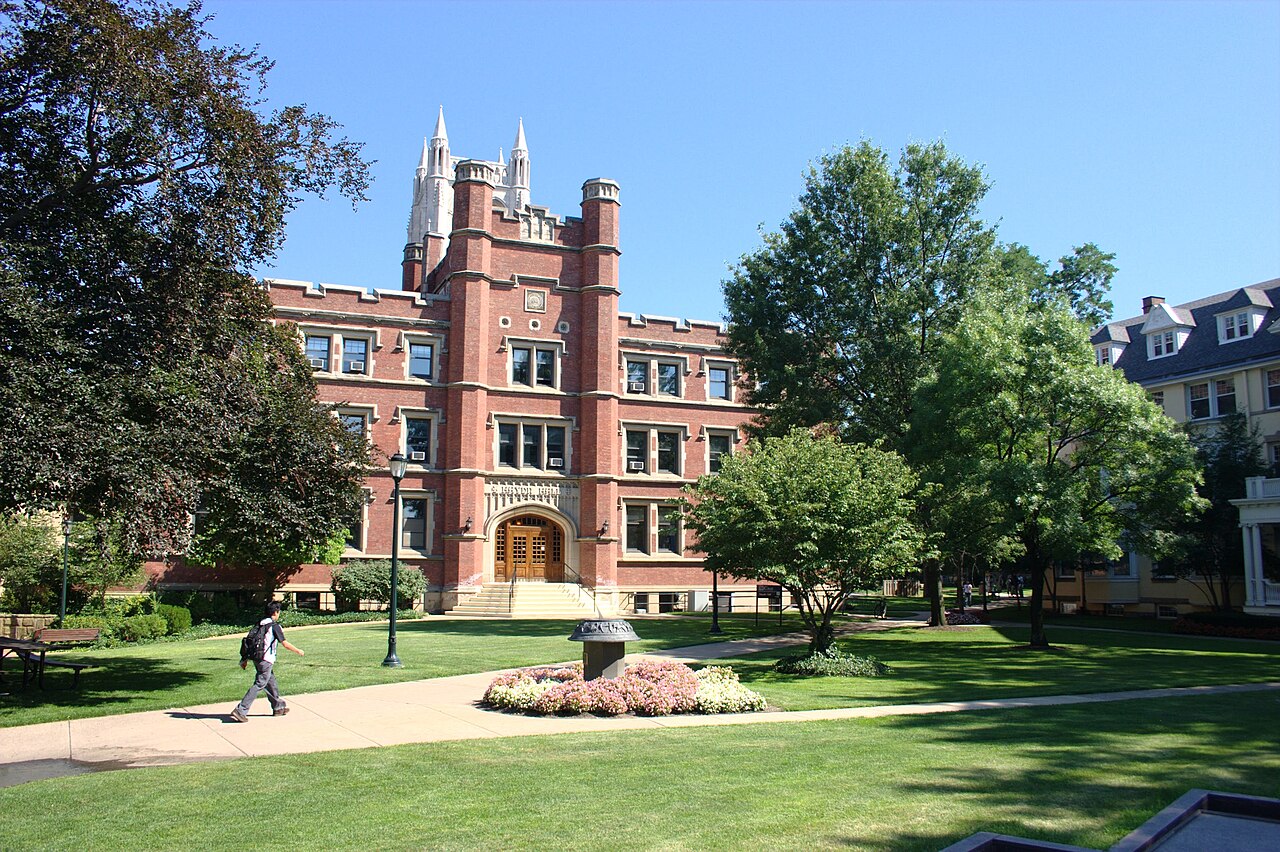
The Master of Science (MS) in Biochemistry at Case Western Reserve University (CWRU) is a 15 to 21-month program offered through the School of Medicine. It combines rigorous classroom instruction with optional research experience, preparing students for diverse career paths in science or for further academic pursuits. The curriculum is flexible, allowing students to select electives aligned with their interests, including new experimental and professional biotechnology courses. You can complete the degree full-time or part-time, making it suitable for professionals working in biomedical science laboratories. This program is ideal for graduates seeking to advance to PhD or health science professional programs, or for those aiming for employment in academic, government, hospital, or industrial laboratories. Graduates also find opportunities in teaching and administrative roles within the pharmaceutical and biotechnology sectors. The program is offered in the highly-ranked CWRU School of Medicine, recognized for its excellence in the U.S.
MS in Biotechnology
The Master of Science in Biotechnology (MS-Biotech) program at Case Western Reserve University prepares students for dynamic careers in the rapidly expanding biotechnology and pharmaceutical industries. This interdisciplinary program is collaboratively offered by the Departments of Biochemistry, Neurosciences, and Pharmacology, providing a comprehensive education in experimental design and practical laboratory techniques. A key component of the program is a real-world internship, offering valuable industry experience and opportunities to build a professional network. CWRU School of Medicine’s EnRICH program assists students in securing suitable internships. Graduates are well-prepared to develop innovative products derived from living organisms and biomolecules, with specialized knowledge gained through their chosen track.
MS in Biotechnology and Entrepreneurship
The Tandon School of Engineering at NYU offers a Master of Science (MS) in Biotechnology and Entrepreneurship. This program is designed for individuals interested in leveraging advancements in biotechnology to create new businesses. You will gain the skills needed to develop innovative products and potentially launch high-tech ventures. The curriculum also includes opportunities for internships at pharmaceutical companies or biotech startups, providing practical industry experience.

MS in Molecular Microbiology and Immunology
The Master of Science in Molecular Microbiology and Immunology program at the University of Southern California provides advanced study in the fields of microbiology and immunology, focusing on the molecular mechanisms underlying these disciplines. This program is designed for students seeking a deeper understanding of infectious diseases, host-pathogen interactions, and the immune system's complexities at a molecular level. It aims to equip graduates with the knowledge and skills necessary for careers in research, public health, biotechnology, and further academic pursuits.
Pathways Master's Program in Molecular, Cellular, and Developmental Biology
The Pathways Master's Program is a fully funded, two-year, research-intensive program designed to provide students with a strong academic foundation and essential research experience. It serves as a preparatory step for students aiming to pursue a Ph.D. in Molecular, Cellular, and Developmental Biology (MCDB) at a top-tier institution. The program focuses on developing critical skills in research, coursework, and teaching within a supportive and collaborative academic environment at the University of Michigan. This program is ideal for individuals who have demonstrated academic excellence in biology or a related field and wish to enhance their qualifications before applying to doctoral programs. Participants will engage in focused research projects under the guidance of experienced faculty mentors, attend advanced coursework, and develop valuable teaching skills, preparing them for the rigors of Ph.D. studies and future scientific careers.

Population Growth and Regulation
This program delves into the fundamental principles of population growth and regulation. You will explore mathematical models and ecological theories that describe how populations change in size over time, including concepts like the intrinsic rate of natural increase (r) and the carrying capacity (K). The course examines the interplay between birth rates, death rates, immigration, and emigration in both closed and open populations. Key topics include exponential growth, the logistic equation, and the factors that influence population dynamics. You will learn how to estimate population growth rates using various methods, including those involving survivorship and fecundity schedules. The program also addresses the impact of demographic and environmental stochasticity on population fluctuations, particularly in small populations. Ultimately, this program provides a rigorous understanding of the biological and mathematical underpinnings of population dynamics, preparing students to analyze and predict population trends in diverse ecological contexts.

SIPS MS/PhD Graduate Fields & MPS in Plant Science
Cornell University offers graduate study in Integrative Plant Science through its School of Integrative Plant Science (SIPS). You can pursue either an MS/PhD through one of five specialized Graduate Fields, or a one-year, course-based Master of Professional Studies (MPS) degree. The MS/PhD programs involve coursework and original research, culminating in a thesis. The MPS degree is designed for in-depth study of current issues and advancements in plant and soil sciences. Graduate Fields allow interdisciplinary study, drawing faculty from various departments and colleges around shared intellectual interests. You will be admitted to a specific field and then select research interests within it. The five MS/PhD fields are Horticulture, Plant Biology, Plant Breeding, Plant Pathology & Plant-Microbe Biology, and Soil & Crop Sciences. The MPS program offers concentrations such as Controlled Environment Agriculture, Geospatial Applications, Soil Science, Agronomy, Hemp Science, and Public Garden Leadership.
Frequently asked questions
How many Master's in Biology programmes are available in the United States?
+
There are 49 Master's in Biology programmes offered across 25 universities in the United States.
How much does a Master's in Biology cost in the United States?
+
Tuition ranges from roughly €26,000 to €56,000 per year. Many research-track students receive funding through teaching or research assistantships that offset these costs, so check each programme for funding opportunities.
Which universities in the US offer a Master's in Biology?
+
Programmes are available at Cornell University, University of California Los Angeles, University of Southern California, University of Virginia, Indiana University Bloomington, and University of Arizona, among 25 universities.
Can international students apply to Master's in Biology programmes in the US?
+
Yes. International applicants typically need an undergraduate degree in biology or a related science, GRE scores (where required), English language test results, and letters of recommendation from academic referees.
What are the typical entry requirements for a Master's in Biology in the US?
+
A bachelor's degree in biology or a closely related field is normally required, along with strong academic transcripts, English language proficiency, and research experience. Many programmes ask for a statement of purpose explaining your research interests.