Bachelor's in Engineering & Technology in United States
The United States hosts 55 Bachelor's programmes in Engineering & Technology across 28 universities, offering students access to some of the most prestigious and well-equipped engineering faculties in the world. The Massachusetts Institute of Technology and Dartmouth College represent the elite end of the spectrum, while Tufts University and the University of Illinois Chicago provide strong research environments in a wider range of engineering specialisations, from civil and mechanical to electrical and computer engineering.
Tuition information varies across the 28 universities, so prospective students should check individual listings for current fee schedules. West Virginia Wesleyan College and Troy University offer more accessible options for students seeking regional institutions with personalised learning environments. Many US engineering bachelor's programmes include cooperative education or internship pathways, giving students practical industry experience alongside their academic training.
A.S. Logistics & Transportation Management
The Associate of Science in Logistics & Transportation Management program is designed to prepare students for roles as skilled logistics and transportation managers. You will develop a strong understanding of key areas within supply chain management, including manufacturing, transportation processes, order fulfillment, warehousing, and inventory control. The curriculum combines practical knowledge with industry best practices, taught by experienced instructors with real-world insights, preparing you for this in-demand career field.

Accounting Technology
This Associate in Science degree program focuses on the principles, procedures, and theories of organizing and maintaining business and financial records, and preparing financial reports. It is designed to equip you with the essential skills for entry-level accounting roles, making it a foundational element for any business. The program is developed with input from local industry professionals, ensuring its relevance to current business needs. Upon completion, you will be prepared for immediate employment or to pursue further education in a bachelor's degree program.
Associate of Science in Engineering Technology
The Associate of Science in Engineering Technology program is designed to prepare students for employment in advanced manufacturing roles. Graduates can work as process and production technicians, industrial machinery mechanics, quality assurance technicians, programmable logic control technicians and operators, or industrial engineering technicians. The curriculum emphasizes broad, transferable skills including an understanding of production materials and processes, quality control, electronics, mechanics, robotics, hydraulics, pneumatics, instrumentation, and safety protocols. Laboratory work is integral, helping students develop practical skills in managing, operating, calibrating, and troubleshooting equipment used for making observations.
Automotive Technology
The Automotive Technology program at Olney Central College (OCC) provides comprehensive training for a career in the automotive industry. This two-year associate degree program equips students with in-depth knowledge and practical skills in diagnostics and repair, reflecting current industry advancements. The curriculum is designed in alignment with standards set by the National Institute for Automotive Service Excellence (ASE). Students benefit from hands-on training in a well-equipped automotive lab featuring modern diagnostic equipment, specialized tools, and various vehicles and engines for real-world practice. OCC's Automotive Technology program is Master-certified by ASE, demonstrating a commitment to high industry standards across all eight ASE areas, including Engine Repair and Electrical Systems. This certification assures students that the program prepares them effectively for the demands of the automotive field. Graduates have the opportunity to earn multiple industry certifications, such as entry-level ASE exams and Snap-on Multimeter certifications from NC3, which enhance their employability.

Bachelor of Science in Computer Engineering
The Bachelor of Science in Computer Engineering program at Florida Polytechnic University integrates the hardware expertise of electrical engineering with the software and firmware development skills of computer science. This interdisciplinary approach equips students to design and build a wide range of computing components, from embedded microcontrollers and VLSI chips to operating systems, and to understand how these elements function within larger systems. The curriculum emphasizes a practical, problem-solving methodology, focusing on both the physical (hardware) and logical (software) aspects of computing. Students engage in project-based learning and applied research, with opportunities to specialize in areas like Energy, Robotics, Automotive (focusing on autonomous and hybrid vehicles), and Machine Intelligence. The program aims to provide a strong foundation in science and engineering principles, preparing graduates for careers in the rapidly evolving technology sector.
Bachelor of Science in Computer Engineering
Bachelor of Science in Computer Engineering - Automotive
Bachelor of Science in Computer Engineering - Energy
Bachelor of Science in Computer Engineering - Machine Intelligence

Bachelor of Science in Construction Management Engineering Technology
The Bachelor of Science in Construction Management Engineering Technology program at Purdue University Northwest equips students with a comprehensive skill set for the construction industry. You will gain expertise in project management, scheduling, estimating, planning, purchasing, and financing, preparing you to manage the construction of various structures like skyscrapers, educational facilities, roads, bridges, and industrial buildings. The program emphasizes developing strong working relationships with engineers, architects, owners, and subcontractors, and hones your abilities in proposal preparation, problem-solving, project management, and research. Faculty in this program bring extensive real-world experience and act as dedicated mentors, sharing both theoretical knowledge and practical engineering skills. An advisory board comprised of local business and industry leaders ensures the curriculum stays current and relevant, providing graduates with in-demand skills sought after by employers.
Bachelor of Science in Electrical Engineering Technology
Purdue University Northwest's Bachelor of Science in Electrical Engineering Technology program provides a blend of engineering knowledge, scientific principles, and technical skills essential for modern industries. The curriculum prepares graduates to design, develop, test, and maintain electronic, electrical power, and electric drive systems. The program emphasizes hands-on experience through laboratory work and projects, focusing on areas like electric transportation, robotics, and IoT systems.

Bachelor of Science in Electronics Engineering Technology
The Bachelor of Science in Electronics Engineering Technology (EET) program focuses on the practical aspects of electronics, covering essential knowledge and skills for designing, testing, and building electronic devices. You will gain hands-on experience in key areas such as circuit analysis, digital electronics, and microprocessors, taught by instructors with industry expertise. The curriculum includes courses in electrical theory, electric circuits, digital systems, and electronic systems. This accelerated program allows you to complete your bachelor's degree in 2.5 years, preparing you for a career in various technology-driven fields.
Bachelor of Science in Electronics Engineering Technology
Bachelor of Science in Engineering Physics
The Bachelor of Science in Engineering Physics program at Florida Polytechnic University equips students with a deep understanding of physical principles and their application in designing and implementing scientific tools. This program focuses on developing analytical and technical skills, enabling students to solve complex problems using a combination of physics, mathematics, and engineering. Graduates are prepared for diverse technical careers or further academic pursuits.
Bachelor of Science in Industrial Engineering
Bachelor of Science in Industrial Engineering
The Bachelor of Science in Industrial Engineering program at Florida Polytechnic University is designed to equip students with the knowledge, skills, and attitudes needed for professional practice. The curriculum integrates foundational STEM courses, including advanced mathematics and basic sciences like chemistry and physics, with general education. Core industrial engineering subjects cover areas such as operations research, mathematical modeling, manufacturing processes, production planning, design of experiments, engineering economics, and project management. This program emphasizes project-based learning throughout the curriculum. Students engage in a first-year hackathon, followed by discipline-specific lab and project experiences in their second and third years. The program culminates in a multidisciplinary, industry-sponsored capstone design experience in the final year. Students also have the opportunity to select advanced elective courses in complementary engineering disciplines, including mechanical, electrical, computer, and environmental engineering. Internships are a mandatory component of the program, and pursuing specialized certifications is encouraged.
Bachelor of Science in Mechanical Engineering Technology
Purdue University Northwest's Bachelor of Science in Mechanical Engineering Technology program prepares students for technical roles in manufacturing and production industries. Graduates are well-equipped for positions in product development, manufacturing, production, supervision, and plant operations. The curriculum balances general education with core technology courses and specialized mechanical engineering technology subjects, emphasizing practical application alongside theoretical knowledge. Students gain hands-on experience in real-life laboratory settings and benefit from faculty with extensive real-world experience.
Bachelor of Science in Mechatronics Engineering Technology
Purdue University Northwest's Bachelor of Science in Mechatronics Engineering Technology program integrates mechanical design, manufacturing, robotics, and electrical control systems, with a specific focus on packaging machinery. This interdisciplinary approach equips students with essential skills for advanced manufacturing, as well as the healthcare and automotive industries. The program emphasizes hands-on learning and prepares students for diverse career opportunities nationwide.

Chemical & Molecular Engineering, BS - Stony Brook University
The Chemical & Molecular Engineering program at Stony Brook University is an ABET-accredited major designed to provide a rigorous foundation in the basic sciences and core chemical engineering principles. Students will gain an understanding of the molecular basis of chemical phenomena, control, and operations. The curriculum emphasizes teamwork, creativity, and ethical considerations, preparing graduates for diverse career paths in science and engineering.

Chemical and Biological Reaction Engineering
This course delves into the analysis of chemical and biological reaction systems. It applies core concepts like reaction rate, stoichiometry, and equilibrium. The curriculum focuses on deriving rate expressions from mechanisms and steady-state assumptions. You will also learn to design chemical and biochemical reactors by integrating chemical kinetics, transport phenomena, and mass/energy balances.

Chemical and Biomolecular Engineering
The Department of Chemical and Biomolecular Engineering at Rice University offers undergraduate and graduate programs designed to provide a strong foundation in scientific and technical principles. The undergraduate curriculum covers core chemical engineering concepts such as process fundamentals, fluid mechanics, heat and mass transfer, thermodynamics, kinetics, reactor design, and process control. Students can tailor their studies by choosing electives in areas like biomolecular engineering, computational engineering, materials/nanotechnology, and energy/sustainability. The department also offers pathways to a Master of Chemical Engineering (MChE) degree. Graduate programs leading to MS and PhD degrees involve advanced coursework and original research culminating in a thesis, with research opportunities spanning diverse fields from catalysis and nanotechnology to biosystems engineering and sustainability.
College of Engineering and Applied Sciences
The College of Engineering and Applied Sciences (CEAS) at Stony Brook University offers a wide range of undergraduate and graduate programs designed to prepare students for impactful careers in engineering, technology, and applied sciences. As part of a leading research institution, CEAS fosters an environment of innovation, interdisciplinary collaboration, and hands-on learning. Students benefit from state-of-the-art facilities and research opportunities, working alongside distinguished faculty who are leaders in their fields. The college is committed to providing a rigorous academic experience that equips graduates with the knowledge and skills to address complex global challenges.
College of Technology Programs
Purdue University Northwest's College of Technology is dedicated to preparing students for successful careers by integrating real-world problem-solving into rigorous academic programs. Through partnerships with business, industry, and government, students gain practical experience, leading to valuable internships and job opportunities. The college boasts a strong undergraduate placement rate, with 98% of graduates reporting employment in the 2024-25 Next Step Survey. With a focus on state-of-the-art laboratories and industry-supported learning environments, students develop specialized skills in areas like robotics, automation, and advanced technologies.

Computer Engineering
The Computer Engineering program at the University of Illinois Urbana-Champaign is housed within the Department of Electrical and Computer Engineering (ECE). This major focuses on the design and application of computing systems across all levels, appealing to students who enjoy understanding, building, and working with computers. You will gain comprehensive knowledge of computer systems, from their fundamental components to their overall architecture, preparing you to develop the computing systems and devices used daily. This program provides a strong foundation in core computer engineering knowledge, including circuits, systems, electromagnetics, computer systems, electronics for information processing, and computer science. The curriculum integrates lecture, discussion, laboratory work, and project-based learning. Students benefit from extensive laboratory courses and access to advanced computing facilities, ensuring practical experience. Engineering design, communication, and teamwork are emphasized throughout the program.
Computer Engineering
The Computer Engineering program at Stony Brook University offers a hands-on approach to designing and developing computer hardware and software systems. You will gain practical experience working on projects related to products like GPS navigation systems, cell phones, and microprocessors. The curriculum emphasizes laboratory components to provide students with valuable experiential learning opportunities in areas that bridge computer science and electrical engineering.

Computer Engineering, Bachelor of Science
The field of computer engineering explores the intricate design, development, and maintenance of both computer hardware and software. This program offers a comprehensive education for students interested in this dynamic area.
Computer System Engineering
This undergraduate course covers the engineering of computer software and hardware systems. Key topics include methods for managing complexity, strong modularity through client-server design, operating systems, performance optimization, networking concepts, naming conventions, security and privacy considerations, fault-tolerant systems, and the coordination of concurrent activities. The course also examines the societal impact of computer systems.
Criminal Justice and Public Safety
Prepare for a rewarding career in law enforcement, corrections, or legal support with St. Johns River State College's Criminal Justice and Public Safety programs. Our academy offers rigorous training designed to equip you with the skills and dedication needed to serve your community effectively. Explore specialized tracks including Crime Scene Technology, Forensic Science, Criminal Justice Technology, and Paralegal Studies. We also provide essential training for those aspiring to become Florida Corrections Officers or Law Enforcement Officers. For professionals seeking to advance their skills, we offer Advanced and Specialized Training Courses and Equivalency of Training (EOT) options. Our programs are designed to challenge you and prepare you for respected roles within the criminal justice system.

Dartmouth College - Thayer School of Engineering
Dartmouth's Thayer School of Engineering offers a range of undergraduate and graduate programs designed to provide a rigorous education in various engineering disciplines. Students can pursue a Bachelor of Arts (BA) or a Bachelor of Engineering (BE) degree, as well as dual-degree options. Graduate studies include Master of Engineering (MEng), Master of Engineering Management (MEM), Master of Science (MS), and Doctor of Philosophy (PhD) programs. The school emphasizes interdisciplinary learning, research, and entrepreneurship, with opportunities for students to engage in cutting-edge projects and develop innovative solutions.

Data Engineering
The Data Engineering program at Texas A&M University focuses on equipping students with essential skills for handling, manipulating, mining, visualizing, and storing data. This program is designed to extract optimal information and knowledge from complex systems to aid in decision-making. Data Engineering is a rapidly growing field that emphasizes transforming raw data into meaningful contextual information using a blend of quantitative and computational tools. Students gain practical experience through a two-semester capstone senior design project, offering hands-on problem-solving in real-world scenarios.

Digital Technology and Culture (DTC)
The Digital Technology and Culture (DTC) department at Washington State University (WSU) offers a dynamic program focused on the intersection of creative production and critical analysis of digital technologies. Students gain hands-on skills in areas like animation, AR/VR, digital cinema, game design, graphic design, social media, storytelling, and web development. The curriculum encourages interdisciplinary approaches, preparing students to understand and engage with the cultural impact of technology. DTC is committed to fostering innovation and civic engagement, bridging creative arts with technological advancements across four WSU campuses: Pullman, Tri-Cities, Vancouver, and Global.

Electrical and Computer Engineering
The Electrical and Computer Engineering (ECE) department at UC San Diego offers undergraduate and graduate programs focused on the core principles and cutting-edge advancements in the field. The curriculum is designed to provide students with a strong foundation in both hardware and software aspects of engineering, preparing them for a wide range of careers in technology and research. Students will engage with fundamental concepts through lectures and hands-on laboratory assignments, developing essential skills in areas such as circuit theory, computation, digital and analog design, and electromagnetism. The department encourages exploration of current research topics, fostering innovation and critical thinking.

Electrical and Computer Engineering (B.S.E.)
The Electrical and Computer Engineering (ECE) program at Princeton University focuses on the intersection of the information world and the physical world. It prepares students to design the technologies that shape communication, society, and the future, from text messages and smart cities to quantum computers. ECE professionals also drive the electrification of the energy economy through innovations in solar cells and energy-efficient computing. This program offers a multidisciplinary approach, integrating computer science, materials science, energy, physics, biology, neuroscience, economics, and public policy. Graduates are equipped to become leaders in various sectors, pursue further education at top graduate schools, or contribute to companies ranging from tech giants to innovative startups.

Electrical and Electronics Engineering
The Bachelor of Science in Electrical and Electronics Engineering at Troy University provides a strong foundation for a career in high-growth industries. This program is designed for students interested in problem-solving and understanding how electronic devices work. You will develop practical skills through hands-on coursework, preparing you for fields such as automation, telecommunications, semiconductors, and renewable energy. The curriculum emphasizes systems-based thinking and integrates the latest advancements in applied electronics, distinguishing it as a specialized path for future-ready careers. The program focuses on 'learning by doing,' with students engaging in real projects like building circuits, creating prototypes, and troubleshooting electronic systems. You'll gain experience with professional tools and complete two capstone projects. Opportunities for internships and connections with industry partners provide insights into engineering roles, making the transition to a professional environment smoother.
Electronic Engineering Technology Program

Engineering – Dual Degree System Science and Engineering
Engineering Chemistry
The Engineering Chemistry major at Stony Brook University is designed for students passionate about research and the intersection of chemistry and materials science. This program provides a strong foundation in physical chemistry, with a specific focus on solid-state sciences and materials technology. Students will gain hands-on experience in instructional laboratories, learning the principles that underpin modern materials engineering.

Engineering Design Technology (Associate of Science)
The Associate of Science in Engineering Design Technology program at Utah Valley University provides a strong foundation in drafting and design across various disciplines. This program prepares students with the technical skills and industry knowledge needed for the workforce or to continue their education towards a bachelor's degree. Students will learn fundamental drafting principles, industry-standard 2D and 3D software, and gain experience in architectural, civil, electrical, and mechanical design. The curriculum emphasizes a multi-disciplinary approach, integrating real-world experience and hands-on projects. Students have the opportunity to specialize in areas like architectural drafting, civil drafting, mechanical drafting, or general drafting. The program also offers certificates of proficiency in specialized areas, which can be applied towards the Associate of Science degree.
Engineering Dynamics
This course, Engineering Dynamics, was taught in Fall 2011 and focuses on applying energy methods to derive equations of motion for mechanical systems. It introduces the use of Lagrange Equations, a method developed by the French mathematician Lagrange in the early 19th century. The course covers expressing kinetic and potential energies of rigid bodies, and understanding the work done by non-conservative external forces, also known as generalized forces. This approach is fundamental to analyzing the dynamics of mechanical systems.
Engineering Physics
Engineering Physics
The Engineering Physics major at Dartmouth's Thayer School of Engineering offers a unique interdisciplinary approach, blending a strong foundation in physics with engineering principles. This program is designed for students interested in the fundamental science behind engineering and its applications to complex technological challenges. You will develop a deep understanding of physical phenomena and learn to apply this knowledge to design, analyze, and innovate in various engineering fields. This major provides a rigorous academic experience, preparing graduates for advanced study or careers in fields that require a deep understanding of both scientific principles and practical engineering solutions. Students engage with cutting-edge research and have opportunities to participate in faculty-led projects, fostering critical thinking and problem-solving skills.

Engineering Physics 3-2
Engineering Sciences - Bachelor of Engineering
Dartmouth's Thayer School of Engineering offers a Bachelor of Engineering (B.E.) degree, a rigorous program designed for students who wish to pursue a professional engineering career. This degree focuses on the application of scientific principles to solve real-world problems and develop innovative solutions. Students gain a strong foundation in engineering fundamentals, advanced technical knowledge, and practical experience through design projects and research opportunities. The B.E. program allows students to specialize in various engineering disciplines, including Biological/Chemical, Biomedical, Electrical/Computer, Energy, Materials Science, and Mechanical/Operations/Systems Engineering. The curriculum is structured to provide a comprehensive engineering education, preparing graduates for immediate entry into the engineering workforce or for advanced study.
Interdisciplinary Engineering
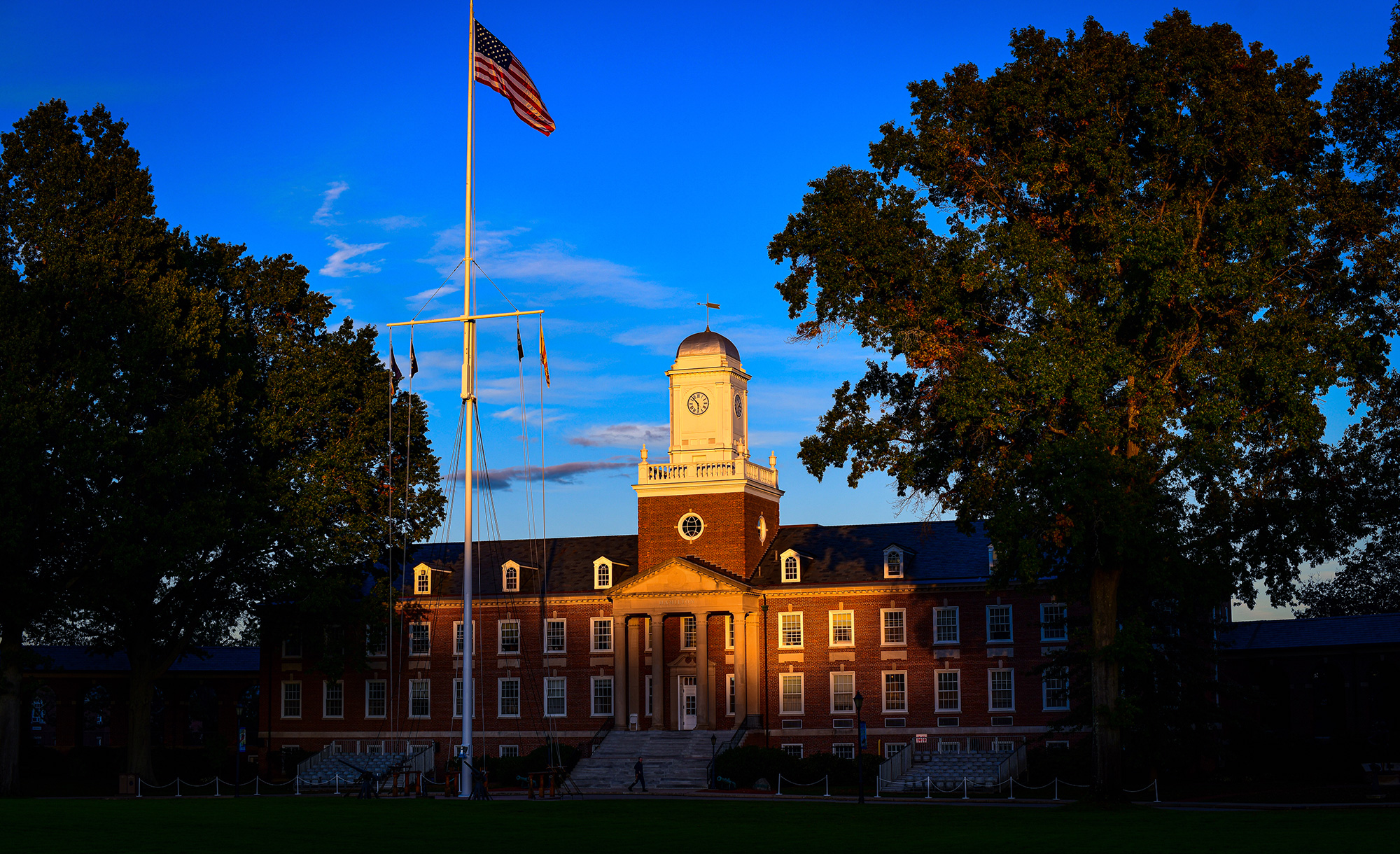
The Interdisciplinary Engineering major is designed to prepare future officers for diverse roles within the Coast Guard. This program offers a broad engineering background by integrating multiple disciplines, enabling graduates to work in various engineering fields. It also provides a solid foundation for a wide range of Coast Guard and civilian career paths. Students have the flexibility to tailor their course of study to their specific interests, working closely with an academic advisor. The program culminates in a senior-level capstone course sequence where students design an engineering system to meet specific Coast Guard needs. Graduates are well-prepared to pursue licensure as Professional Engineers and to undertake graduate studies in engineering or other disciplines.
Manufacturing & Mechanical Engineering Technology
The Manufacturing and Mechanical Engineering Technology (MMET) program at Texas A&M University prepares students for dynamic careers across various industries. Graduates gain a comprehensive understanding of the interdependencies between material properties, product design, costs, manufacturing systems, and process technologies. The curriculum fosters an enterprise and system-level perspective of manufacturing, emphasizing the importance of customer and supplier interactions. This program provides a strong foundation in mathematics, science, and specialized technical courses, complemented by training in oral and written communication. Students can concentrate their studies in three main areas: product design, manufacturing systems integration and automation, and manufacturing competitiveness, all supported by a solid base in materials and manufacturing processes.

Manufacturing and Design Engineering Degree
The Segal Design Institute at Northwestern University, part of the McCormick School of Engineering and Applied Science, focuses on integrating design thinking into the undergraduate curriculum. It aims to foster innovation among students from both engineering and non-engineering backgrounds. Through a team-based approach, students engage in projects that aim to solve real-world problems in areas such as product, interaction, service, and business design, leading to tangible outcomes that can improve people's lives. The program emphasizes a user-centered design process, encouraging students to identify needs, conduct research, generate solutions, and present their final concepts. This interdisciplinary approach prepares students to tackle complex challenges through design and innovation.

Radiologic Technology, BS – Traditional Track
The Bachelor of Science (BS) in Radiologic Technology is a 106 credit-hour program offered in an on-campus format, potentially including some online courses for degree completion. This program is a joint effort with Mercy Hospital St. Louis – School of Radiologic Technology. The initial two years are conducted at Lindenwood University, covering prerequisites and general education. The subsequent two years involve professional training at Mercy's accredited program. Students must apply separately to Mercy's competitive program during their second year, with no guarantee of acceptance due to limited seats. This curriculum includes essential subjects like human anatomy and physiology, and medical terminology. Students gain hands-on experience with advanced medical technology such as ultrasound, nuclear radiation, magnetic fields, and X-rays, preparing them to be skilled radiographers. Upon successful completion of all program requirements, graduates are eligible to sit for the American Registry of Radiologic Technologists (ARRT) certification exam.
St. Johns River State College - Explore Your Opportunities
St. Johns River State College (SJR State) offers a variety of educational pathways designed to help students achieve their academic and career goals. Whether you are looking to transfer to a university, gain specific career skills, or complete your education, SJR State provides diverse programs to suit your needs. The college is committed to student success, offering opportunities ranging from Associate's degrees to Bachelor's degrees and career certificates.
Surgical Technology Program
The Surgical Technology program at Sullivan University prepares you to become a vital member of the surgical team. You will develop the meticulous attention to detail required to assist in surgeries, directly contributing to patient care and safety. This accredited program integrates classroom learning, laboratory practice, and supervised clinical experience to equip you with the necessary knowledge and skills. Upon completion, you will be well-prepared to sit for the Certified Surgical Technologist (CST) exam, ensuring you can facilitate smooth and successful surgical procedures.

Sustainable Building Science Technology - Bachelor of Applied Science
The Sustainable Building Science Technology Bachelor of Applied Science (BAS) program at Seattle Colleges equips students to lead the design, management, and diagnosis of high-performing, energy-efficient buildings. Through a flexible hybrid learning model and strong industry connections, students gain practical, real-world experience. The curriculum is designed to prepare graduates to make an immediate impact in the field of sustainable building operations, with opportunities for guest speakers and networking provided by the Hermanson Center. This program offers a pathway to advance your career and increase your earning potential by managing green technologies.
Transport Processes
This undergraduate course, Transport Processes (10.302), was taught in Fall 2004 within the Department of Chemical Engineering. It focuses on the fundamental principles of transport phenomena, essential for understanding and analyzing chemical engineering systems. The course covers concepts related to the movement of momentum, heat, and mass within physical systems. Through lectures and recitations, students engage with theoretical concepts and practical problem-solving. The curriculum includes laboratory experiments to provide hands-on experience with conduction and heat exchanger processes. Assessment is based on a combination of exams, homework, quizzes, and laboratory work, encouraging a comprehensive understanding of the subject matter.

Welding Technology AAS
The Welding Technology program at Columbia Basin College (CBC) offers a comprehensive two-year Associate of Applied Science (AAS) degree designed to equip students with both theoretical knowledge and practical skills in welding. This program focuses on essential welding techniques, preparing graduates for in-demand careers in construction and fabrication industries. The curriculum emphasizes hands-on training in various welding processes, ensuring students develop the manipulative abilities and technical understanding required for success.
Frequently asked questions
How much does a Bachelor's in Engineering & Technology cost in the United States?
+
Tuition varies by programme and institution — check each listing for current fees, as no uniform range is available across all 55 programmes.
Which universities offer a Bachelor's in Engineering & Technology in the United States?
+
28 universities offer these programmes, including the Massachusetts Institute of Technology, Dartmouth College, Tufts University, the University of Illinois Chicago, West Virginia Wesleyan College, and Troy University.
Can international students apply for Engineering bachelor's programmes in the United States?
+
Yes, US engineering schools actively recruit international undergraduates; applicants typically need strong secondary school results in mathematics and science, English proficiency, and standardised test scores where required.
What are the entry requirements for an Engineering bachelor's degree in the United States?
+
Requirements generally include a completed secondary education with strong mathematics and science grades, English language proficiency for non-native speakers, and sometimes SAT/ACT scores or a portfolio depending on the programme.
How do I apply for a Bachelor's in Engineering in the United States?
+
Apply directly through each university's undergraduate admissions office or via the Common App where available. Prepare transcripts, test scores, personal essays, and recommendation letters, and note that many schools have early-action deadlines in autumn.