Master's in Engineering & Technology in United States
The United States offers 86 Master's programmes in Engineering & Technology across 43 universities, covering disciplines from civil and mechanical engineering to electrical engineering, materials science, and computer engineering. Providers include Carnegie Mellon University, the University of California San Diego, UCLA, Purdue University, the University of Florida, and the University of Central Oklahoma. Tuition ranges from roughly €12,000 to €98,000 per year, with the upper end reflecting premium professional master's programmes at elite private universities.
US Engineering master's degrees attract a significant share of international graduate students, and many programmes have substantial international cohorts — particularly from Asia. Graduates in STEM fields are eligible for a 24-month STEM OPT extension on top of the standard 12-month Optional Practical Training, giving up to three years of post-graduation work authorisation in the US. ABET accreditation is the standard quality indicator for US engineering degrees.

Additive Manufacturing M.S. / M. Eng.
The Master of Science (M.S.) and Master of Engineering (M.Eng.) in Additive Manufacturing and Design programs at Penn State aim to develop students and working professionals into leading experts in additive manufacturing technologies. These programs focus on applying foundational knowledge, critical thinking, problem-solving skills, and creativity to the design and manufacturing process. Graduates will be equipped to lead in the manufacturing industry, uphold ethical standards, and contribute to the advancement of additive manufacturing and design through innovative solutions.

Adult Education - Curriculum Design and Instructional Technology - Non-Thesis
Adult Education - Instructional Technology (Certificate Only)

Business and Technology
Purdue University offers a Business and Technology program designed to integrate business principles with technological advancements. This program aims to equip students with the knowledge and skills necessary to navigate and lead in today's rapidly evolving business landscape. It focuses on developing analytical, problem-solving, and strategic thinking abilities.

Chemical and Nano Engineering Graduate Programs
The Chemical and Nano Engineering graduate programs at UC San Diego offer advanced studies in cutting-edge fields. Admission is competitive and requires a strong academic background. Applicants are evaluated based on their qualifications, goals, and suitability for the specific program. A Bachelor of Science degree in engineering, sciences, or mathematics is generally required, along with a minimum GPA of 3.0. International applicants must demonstrate English language proficiency. For Master of Science (M.S.) programs, the application opens on September 3, 2025, with a primary deadline of July 15, 2026, and an early decision deadline of January 14, 2026, for Fall 2026 admission. For Doctor of Philosophy (Ph.D.) programs, the application also opens on September 3, 2025, with a deadline of December 10, 2025, for Fall 2026 admission. Interested applicants are encouraged to attend information sessions to learn more about the Master's programs. Official transcripts and other application materials are typically not required until an offer of admission has been extended. For any questions, you can reach out to NE-GradInfo@ucsd.edu.

Data Engineering, MS
The Master of Science (MS) in Data Engineering program at the University of Wisconsin–Madison equips students with the principles and practices for managing large-scale data. The curriculum focuses on the efficient collection, storage, management, and processing of datasets, which are crucial for supporting data science, data analytics, and data-driven systems. As data generation continues to grow exponentially across industries, there is a significant and increasing demand for skilled data engineers to build and maintain robust data handling infrastructure.

Design Engineering (A.M.)
The Master of Arts in Design Engineering (MADE) is an 11-month, on-campus joint degree program between Brown University and the Rhode Island School of Design (RISD). This program focuses on the intersection of design creativity and engineering innovation, offering a flexible, interdisciplinary approach to help students achieve their career goals. Students will develop solutions through iterative making and testing, bringing ideas to life in well-equipped studios and workshops. The curriculum integrates team-based projects to enhance collaboration skills. By leveraging the combined resources of Brown and RISD, students can explore a wide range of interests, from user experience (UX) design and robotics to health technology and data visualization. This program prepares graduates for careers as art directors, creative technologists, design engineers, researchers, and professionals in UX and product design. Alumni have been affiliated with prominent organizations like Disney, Hasbro, and Hyundai, as well as pursuing PhD programs and joining design consultancies.

Design Technology (M.S.)
The Master of Science in Design Technology program at Cornell offers a multidisciplinary approach to design and computation. With approximately 48 students, the program fosters innovation and transdisciplinary study, encouraging research that bridges science and design. Students work on projects ranging from digital tools and responsive materials to the built environment. The program is STEM-designated, making international graduates eligible for an extended F-1 visa for work in the U.S. The program provides two distinct tracks. The Thesis Research track, based in Ithaca, requires students to develop a comprehensive research plan and form a special committee by the end of their first year. The Studio Professional track, located at Cornell Tech in New York City for the second year, focuses on collaborative studio projects, including Product Studio and options like Startup, BigCo, or PiTech Studio in the spring.

Energy Science, Technology, & Policy (ESTP) Master's Degrees
The Energy Science, Technology, & Policy (ESTP) program at Carnegie Mellon University offers intensive, interdisciplinary master's degrees for students interested in the energy sector. These programs combine a core understanding of energy topics with in-depth engineering knowledge and customizable electives. Students will engage in foundational study that prepares them for diverse roles in the rapidly evolving energy landscape. The program aims to equip graduates with the skills to address complex energy challenges through a blend of technical and policy-oriented coursework. There are two distinct degree options: the standard ESTP degree, completed in two semesters, and the ESTP Advanced Study degree, which extends to three semesters for a more customizable and in-depth experience. Both pathways emphasize hands-on applied study and offer opportunities to specialize in areas like AI Engineering within the energy context. The curriculum is designed to be flexible, allowing students to tailor their studies to their specific interests and career goals.

Engineering
Engineering Mechanics, MS
The University of Wisconsin-Madison offers a Master of Science (MS) in Engineering Mechanics through the Department of Mechanical Engineering. This program is designed for students interested in contemporary theoretical and applied mechanics, allowing for personalized study plans under the guidance of a major professor. Students can choose between two distinct options: a traditional research-focused MS with a thesis, suitable for those with an undergraduate background in mechanics, or an accelerated, coursework-only Aerospace Engineering option focusing on advanced mechanics topics relevant to the aerospace field.
Engineering Programs at UC San Diego Jacobs School
The University of California, San Diego's Jacobs School of Engineering comprises six distinct academic departments, offering a wide array of undergraduate and graduate programs across various engineering disciplines. These departments are responsible for educational programs, research laboratories, and faculty administration. The school is committed to innovation and attracting students who are curious and willing to challenge conventional thinking. Located in Southern California, UC San Diego is home to many distinguished researchers and offers opportunities for students to make a significant impact.

Global Technology and Development (Applied International Development), MS
The Master of Science in Global Technology and Development with a concentration in Applied International Development is an interdisciplinary program designed to address critical global challenges such as inequality and the role of technology in societal needs. This program is highly customizable, allowing students from diverse backgrounds to enhance their skills in planning, management, analysis, and evaluation within development practice. You will explore historical, social science, and policy perspectives from around the world to understand complex development issues. Students select a specialization area such as education, sustainability, health, management, public policy, or community development, enabling them to apply their knowledge directly to a relevant sector. The curriculum emphasizes critical thinking, analytical skills, and the application of knowledge to real-world development challenges, culminating in an applied project that explores a critical aspect of global development and proposes an impactful solution. The program is offered online, providing flexibility for professionals at any stage of their career. It prepares graduates for influential roles in government agencies, NGOs, nonprofits, educational institutions, and private sectors, equipping them with the research, writing, and analytical skills needed to navigate diverse cultural, social, and political contexts.
Global Technology and Development (MS)
The Master of Science in Global Technology and Development (GTD) at Arizona State University is designed for students interested in the intersection of technology, society, and international development. This program offers a comprehensive understanding of how technological systems impact global development, innovation, and societal change. It bridges theoretical perspectives from international development and science, technology, and society studies to provide a robust framework for analysis. In the 21st century, understanding the complex interplay between technological and human development is crucial, especially concerning social justice, equity, and environmental impact. This program prepares graduates to be 'technology interpreters' for policymakers and practitioners, capable of analyzing and influencing appropriate policies and programs in diverse cultural, political, and socioeconomic contexts. You will gain research skills to critically assess existing work and pursue your own research agendas. Upon completion, you will possess a deep understanding of varied societal and cultural contexts, knowledge of sociotechnical systems, and the ability to analyze how these systems transform our world. The GTD program equips students for careers in technology-related public policy, government service, international development and management, and the private sector, by integrating human development with the study of technology.

Graduate Programs in Engineering
UC Davis offers a range of graduate programs within its College of Engineering. These programs are designed for students seeking advanced study and research opportunities. The application process is managed by Graduate Studies, and specific program requirements and deadlines should be carefully reviewed. International applicants are encouraged to explore fellowship and scholarship options to support their studies. While many programs have a primary Fall admission term, some may consider Winter or Spring admissions, though funding opportunities are typically more abundant for Fall applicants.
Human Systems Engineering (Aviation Human Factors), MS
The Master of Science in Human Systems Engineering with a concentration in Aviation Human Factors at Arizona State University is designed for students passionate about improving safety and performance in aviation. This program provides a deep understanding of human performance science within aerospace and aviation contexts, equipping you to analyze the complex interactions between people and technology in high-stakes environments. Graduates are prepared for careers focused on enhancing safety and efficiency, ultimately saving lives in the aviation industry. This STEM-designated program is eligible for the Optional Practical Training (OPT) extension for F-1 visa international students, allowing up to 24 months of additional work authorization in the U.S. This provides a valuable opportunity to gain practical experience and further develop skills relevant to the field.

Industrial and Systems Engineering Graduate Programs
The University of Southern California's Viterbi School of Engineering offers a range of graduate programs in Industrial and Systems Engineering (ISE), including Master's degrees and a Ph.D. program. These programs are designed to provide students with advanced education in the field, catering to those with undergraduate degrees in ISE or related disciplines. Master's degrees can typically be completed in three semesters (one academic year plus one summer) for full-time students or five semesters for part-time students. The department offers eight Master of Science degrees, providing specialized knowledge and skills for students aspiring to excel in various engineering and data-focused roles.

Instructional Technology, MA (Online)
Reimagine learning for the digital age with Lindenwood University’s Online Master of Arts (MA) in Instructional Technology. This flexible program is designed for educators and professionals, blending theory, research, and hands-on practice. It prepares you to design, implement, and evaluate technology-driven learning experiences that foster innovation and improve outcomes. You will explore the evolving role of emerging technologies in education, developing skills to create adaptive, data-informed, and engaging learning environments. The program emphasizes ethical and effective integration of tools to enhance instructional design, accessibility, and learner success across various settings. Graduates will be equipped to lead instructional innovation and transform teaching and learning in schools, districts, corporations, and beyond, meeting the demands of today’s learners.
Logistics Systems Engineering
Purdue University offers a Master of Science (MS) and a Master of Science in Engineering (MSE) in Logistics Systems Engineering. This program is designed for students interested in the complex challenges of managing and optimizing supply chains and logistical operations. It provides a strong foundation in analytical methods and engineering principles applied to real-world logistics problems. The curriculum focuses on developing skills in areas such as transportation, inventory management, information systems, and strategic planning within the logistics domain. Graduates are prepared for advanced roles in various industries that rely heavily on efficient and effective supply chain management.
MAEd in Leadership in Technology
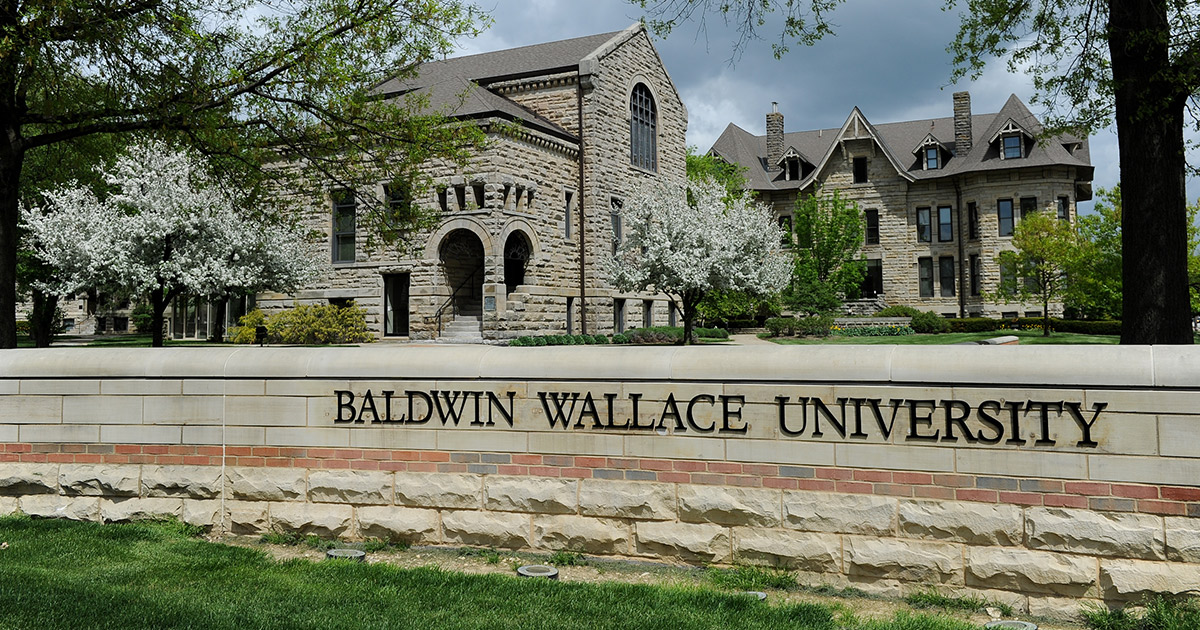
The Master of Arts in Education (MAEd) in Leadership in Technology is an online program designed for both educators and non-educators who incorporate teaching or training in their professional roles. It combines educational theory, practical application, and field experience to equip students with skills for solving real-world problems. The program focuses on enhancing knowledge of how various educational technologies can be used to improve learning outcomes. Graduates can also pursue stackable credentials like the Online Instructor and Blended Learning Certification or the K-12 Computer/Technology Endorsement during their studies. Please note: As of May 13, 2026, this specific MAEd program is no longer admitting new students. Current students will receive full support until they complete their degrees. While the major is closing, the university continues to offer coursework in this subject area within other programs.

Master of Arts in Learning Technology and Experience Design
The Master of Arts in Learning Technology and Experience Design program focuses on the creation and evaluation of effective learning technologies and experiences. It draws upon learner-centered design principles and current learning theories. The curriculum is project-based and can be tailored with specializations. An optional internship program provides practical experience in various professional settings.
Master of Arts in Learning, Design, and Technology
This Master of Arts program focuses on designing, developing, and evaluating digital tools, media, and learning experiences for various environments, including schools, universities, workplaces, museums, and international development projects. You will learn to create impactful learning resources and experiences using both traditional and emerging technologies like VR/AR/XR, simulations, apps, games, AI, and learning analytics. The program emphasizes research-based design principles to enhance learning across formal and informal settings, and from face-to-face to online contexts. Students can specialize in areas such as User Experience Design for Learning, Learning Analytics and Educational Data Science, Transformative Learning Design, or Games for Learning. You also have the option to design your own area of focus, with a formal concentration in Games for Learning available if you complete specific coursework. Graduates will be equipped with skills in media and technology, the ability to apply learning sciences and cognitive science theories to design and evaluate learning technologies, and an understanding of the social, cognitive, emotional, and cultural factors influencing educational experiences. The program prepares you to design effective, innovative, and equitable learning solutions for diverse settings.
Master of Business and Technology (MBT)
Purdue University offers a Master of Business and Technology (MBT) degree with options for both residential and online study. This program is designed to equip students with advanced knowledge and skills at the intersection of business and technology, preparing them for leadership roles in a rapidly evolving professional landscape.

Master of Computational Science and Engineering (MCSE)
The Master of Computational Science and Engineering (MCSE) is a non-thesis master's degree program offered jointly by the departments of Computational Applied Mathematics and Operations Research (CMOR) and Statistics (STAT). This program is designed to equip students with advanced training and expertise in computational science and engineering, with a focus on data engineering and analytics. Graduates are prepared for technical and managerial roles such as computational scientist, computational engineer, data engineer, and data analyst.
Master of Electrical and Computer Engineering (MECE)
The Master of Electrical and Computer Engineering (MECE) at Rice University is a professional master's program designed for students seeking to advance rapidly in the technical marketplace. This non-thesis program can be completed in three to four semesters (18-24 months). It emphasizes practical engineering skills, combined with coursework in management and communication, to prepare graduates for career advancement. A key feature is a year-long capstone project, allowing students to gain expertise in one of seven focus areas and engage in the design, assembly, and testing of state-of-the-art products.

Master of Engineering
The Master of Engineering (MEng) program at the University of Chicago offers specialized tracks designed to prepare students for leadership roles in technology-driven fields. You can choose from five distinct areas: Bio- and Immunoengineering, AI/Computation for Materials, Energy and Sustainability, Quantum Engineering, and Soft Matter Engineering. Each track provides foundational knowledge and allows for exploration of specific applications through core and elective courses, guided by an academic advisor. The program utilizes a quarter system, with each quarter consisting of nine weeks of classes plus a finals week. This academic structure allows for flexibility and intensive study. The curriculum emphasizes an applied approach, aiming to equip graduates for traditional engineering roles, research, or diverse paths in law, business, consulting, entrepreneurship, and policy.

Master of Engineering (M.Engr.)
The Master of Engineering (M.Engr.) program at UCLA's Henry Samueli School of Engineering and Applied Science offers advanced training in specialized engineering fields. This program is designed to provide students with in-depth knowledge and practical skills, preparing them for leadership roles in industry. Students will complete a rigorous curriculum that includes technical coursework, professional development, and a capstone project. The program emphasizes practical application and industry relevance, with students choosing a specialization from a range of cutting-edge areas. Each specialization includes core technical courses and electives, allowing for tailored learning experiences. The curriculum is structured to be completed within one academic year and one summer session, with a maximum duration of two academic years.

Master of Engineering and Technology Management
Washington State University's Master of Engineering and Technology Management (METM) is a distance education program designed for working engineers and industry professionals. The program aims to equip students with the skills needed to effectively manage people, projects, operations, and technology within their organizations. Established in 1982, the METM degree focuses on applying optimization, statistics, and strategy to drive beneficial and lasting changes that improve business outcomes. The curriculum is interdisciplinary, combining engineering management with technology-related business courses, and offers a non-thesis capstone experience.

Master of Engineering in AI + Materials
Duke University offers a Master of Engineering (MEng) program focused on the intersection of Artificial Intelligence (AI) and Materials Science. This program is designed for students who want to gain expertise in using data and algorithms to drive breakthroughs in material design, testing, and improvement. Graduates will be equipped to work on advanced materials for various industries including energy, healthcare, and electronics. The curriculum emphasizes building dual fluency in both AI methodologies and materials science principles, making graduates versatile in both technical and business aspects of the field.
Master of Engineering in Earth and Atmospheric Sciences
This Master of Engineering (M.Eng.) program focuses on understanding complex Earth systems and developing solutions for a sustainable future. You will study topics such as climate science, atmospheric research, geophysics, hydrology, and resource sustainability. The program allows you to deepen your expertise in a specific area or explore interdisciplinary research through a tailored plan of study. A key feature of the M.Eng. is its emphasis on a hands-on design project, which provides practical, real-world experience instead of a traditional research thesis. This project is central to the degree, enabling you to apply your knowledge to environmental challenges, build confidence, and prepare for leadership roles in your field.

Master of Engineering in Instrumentation, Applied Physics
The Master of Engineering (M.Eng.) in Instrumentation, Applied Physics is a non-thesis, professional master's degree program designed for students seeking to advance their careers with specialized knowledge and skills in applied physics and instrumentation. This program focuses on practical application and is not intended as a pathway to a Ph.D. It aims to equip graduates with the expertise to thrive in industry roles related to the design, development, and implementation of physical systems and instrumentation. The curriculum emphasizes core areas of physics and provides hands-on experience relevant to industrial challenges. Students will engage with advanced topics in classical mechanics, electrodynamics, and quantum mechanics, alongside essential programming skills. The program is structured to be completed within two years, providing an intensive and focused educational experience. Graduates are prepared for careers that require a strong foundation in applied physics and the ability to work with sophisticated measurement and control systems.

Master of Engineering in Materials Science
The Master of Engineering (ME) in Materials Science at Dartmouth's Thayer School of Engineering provides an intensive, interdisciplinary curriculum for students seeking to deepen their understanding and application of materials science principles. This program focuses on the design, discovery, and implementation of new materials across various fields. Students will engage with cutting-edge research and develop practical skills in material characterization, processing, and performance analysis. The curriculum is designed to prepare graduates for leadership roles in industries that rely heavily on advanced materials, fostering innovation and problem-solving capabilities.
Master of Engineering in Materials Science and Engineering
The Master of Engineering (M.Eng.) is a one-year, flexible degree designed to be completed in 12 months. It is open to applicants with a background in any science or engineering-related field. The program offers two tracks: a Capstone Course track focused on design projects, and an Internship track that includes practical work experience. The majority of graduates find employment in industry upon completion.

Master of Engineering Technical Management
The Master of Engineering Technical Management (MET) program at Texas A&M University is designed for working professionals aiming for leadership roles in technical fields. This highly integrated curriculum is developed in collaboration with industry partners to ensure its relevance and prepare graduates with both technical expertise and business acumen. The MET is a non-thesis degree, focusing on practical application and professional development. While primarily an on-campus program, it is also approved for asynchronous distance learning, offering flexibility for students.
Master of Financial Engineering (MFE)
The Master of Financial Engineering (MFE) program at UCLA Anderson School of Management offers a rigorous curriculum designed to equip students with advanced quantitative skills for careers in the financial industry. The program focuses on developing expertise in areas such as financial risk management, statistical arbitrage, data analytics, machine learning, and fixed income markets. Graduates are prepared to tackle complex financial challenges using cutting-edge analytical tools and methodologies. The MFE program emphasizes practical application and provides students with the skills to develop their own analytical strategies.
Master of Laws in AI and Technology Law
The Master of Laws (LLM) in AI and Technology Law at USC Gould School of Law is designed for students seeking specialized knowledge at the intersection of artificial intelligence, technology, and the legal field. This program provides a deep dive into the complex legal issues arising from rapidly evolving technologies. It is ideal for both US and international law graduates who wish to advance their careers in this dynamic area of law. The curriculum focuses on providing students with the analytical and practical skills necessary to navigate the legal challenges of AI and emerging technologies.
Master of Quantum Science and Technology
The Master of Quantum Science and Technology (M.Q.S.T.) program at UCLA offers advanced studies in the rapidly evolving field of quantum science and technology. This program is designed for students seeking in-depth knowledge and practical skills in areas that underpin next-generation technologies. Graduates will be equipped to contribute to research and development in quantum computing, quantum communication, and quantum sensing.
Master of Science (M.S.) in Computer Engineering
The Master of Science (M.S.) in Computer Engineering program is offered through the Electrical and Computer Engineering (ECE) department. This program is designed for students seeking advanced knowledge and research opportunities in the field of computer engineering. It requires the completion of 48 units of coursework, which can be fulfilled through either a thesis (Plan I) or a comprehensive exam (Plan II). Students must maintain a minimum GPA of 3.0 to remain in good standing, with a minimum GPA of 2.0 required each quarter.

Master of Science in Computer Engineering with High-Performance Computing Specialization
The Master of Science in Computer Engineering with a specialization in High-Performance Computing (HPC) at Northwestern University is designed to meet the growing industry demand for professionals skilled in managing and analyzing massive datasets. As fields like artificial intelligence and the Internet of Things expand, the need for efficient, parallel computing systems becomes critical. This program equips students with the expertise to leverage HPC clusters for faster, more accurate, and cost-effective data analysis, enabling them to solve complex problems in various sectors. Students will gain practical skills in parallel programming, computer architecture, and distributed computing. The curriculum focuses on the practical application of HPC in industries such as finance, healthcare, and media, where it is used for everything from vaccine development and disease screening to automated trading and creating immersive entertainment. The increasing accessibility of HPC through cloud computing and advancements in hardware makes this specialization highly relevant for students seeking to drive innovation. This specialization prepares graduates for roles in a rapidly evolving technological landscape. By understanding the principles and applications of HPC, students will be well-positioned to contribute to cutting-edge research and development, pushing the boundaries of what's possible with computational power.
Master of Science in Electrical and Computer Engineering
The Master of Science (MS) in Electrical and Computer Engineering (ECE) program at the University of Illinois Urbana-Champaign offers advanced study for students with a bachelor's degree in electrical or computer engineering, or related fields like physical sciences, mathematics, and computer science. This program provides a strong foundation for research and specialized careers in ECE. Students can pursue a thesis-based MS or, for those interested in direct doctoral studies, apply to the PhD program. An optional graduate concentration in Computational Science & Engineering is also available, allowing for interdisciplinary specialization. The department is home to numerous research centers and interdisciplinary programs, offering rich opportunities for hands-on research experience.
Master of Science in Electrical and Computer Engineering
The Master of Science (M.S.) in Electrical and Computer Engineering (ECE) at UC San Diego offers advanced study and research opportunities for students aiming to deepen their expertise. The program can be completed through two plans: Plan I involves a thesis and oral defense, while Plan II requires passing a course-hosted comprehensive exam. Both plans aim to equip students with specialized knowledge and research skills within the ECE field. Students must maintain good academic standing with a minimum GPA of 3.0. The program requires a specific number of units, with a significant portion needing to be advanced ECE courses. All coursework intended for the degree must be taken for a letter grade, with specific grade requirements for prerequisite courses. The university also has a residency requirement that students must fulfill over their course of study.

Master of Science in Engineering Management
The Master of Science in Engineering Management program at ITU is designed to equip engineers and business specialists with the skills to lead technical projects and businesses in fast-paced, technology-driven industries. In today's global economy, leaders must stay ahead of technological trends, adapt to rapid changes, and effectively motivate and retain staff. This program provides a broad exposure to essential engineering management topics including leadership, organizational theory, project management, financial management, operations and supply chain management, quality management, systems thinking, risk management, and intellectual property. Students will also gain a solid understanding of technology management, innovation, product management, and marketing. The curriculum is project-focused and practical, preparing students for leadership roles in labs, research centers, or technology companies.

Master of Science in Engineering Management
The Master of Science in Engineering Management program at Florida Polytechnic University focuses on equipping students with the skills needed to manage emerging technologies, product development, and complex projects. Through a curriculum designed for small class sizes, the program emphasizes developing leadership, networking, and human development capabilities. A key feature is the integration of data analytics, providing graduates with the ability to make informed, data-driven decisions within their organizations.

Master of Science in Engineering Management
The Master of Science in Engineering Management program at Western New England University is designed to equip you with the skills needed for leadership roles in engineering. This interdisciplinary program combines engineering principles with business strategies to enhance your ability to manage resources like people, equipment, capital, and materials effectively. You will learn to implement strategies for increased productivity, improved flexibility, and a focus on customer satisfaction, while also applying engineering expertise to design and operate complex systems. The university has a strong reputation in the engineering community, and graduates are known for career advancement and success.
Master of Science in Engineering Sciences and Applied Mathematics
The Master of Science in Engineering Sciences and Applied Mathematics (ESAM) program at Northwestern University offers advanced coursework in applied mathematics, preparing students for careers as professional mathematicians, particularly in industrial settings where specialized PhD training may not be required. The program is highly interdisciplinary, fostering collaboration with engineers and scientists across various departments and institutions. Students will develop new mathematical methods to address challenging real-world problems in engineering, physical, biological, and social sciences. The curriculum focuses on both analytical and computational methods, with a computational sequence designed to equip students with advanced knowledge in areas like computational methods for partial differential equations, stochastic differential equations, and parallel computing.
Master of Science in Engineering Technology
Purdue University offers a Master of Science (MS) in Engineering Technology, available in both residential and online formats. This program is designed for individuals seeking advanced knowledge and skills in the field of engineering technology. The curriculum focuses on preparing graduates for leadership and technical roles in various industries, emphasizing practical application and problem-solving. The residential MS program provides an immersive on-campus experience, allowing students to engage directly with faculty and state-of-the-art facilities. The online MS program offers flexibility for students who need to balance their studies with professional or personal commitments, delivering the same rigorous academic content remotely. A Smart Manufacturing Graduate Certificate is also available online, focusing on specialized skills in modern manufacturing processes. Both program formats are overseen by Purdue University's central Graduate School Administration, ensuring a consistent standard of academic excellence. The program encourages early application due to limited capacity, aiming to provide a high-quality educational experience for all admitted students.

Master of Science in Human Centered Design & Engineering
The Master of Science (MS) program in Human Centered Design & Engineering (HCDE) at the University of Washington offers a comprehensive graduate education focused on understanding and designing human-technology interactions. This professional master's degree equips students with the skills to apply cutting-edge research and technology in various industries. The program emphasizes practical application and does not require a research thesis. It is designed for students who want to gain expertise in creating user-centered solutions and leading innovation in the field of design and engineering.
Master of Science in Industrial Engineering
The Master of Science in Industrial Engineering program offers an advanced degree suitable for graduates from various engineering backgrounds. It is designed to build upon existing foundations or introduce new skills in areas like optimization, systems, quality, and cost analysis. The program can be completed in as little as one year for full-time students or 21 months for part-time students, with flexible study options available online or in-person. This degree aims to prepare graduates for diverse career paths in the growing field of industrial engineering.
Master of Science in Information Science
This online Master of Science in Information Science program is designed to equip you with the skills to navigate and address the dynamic challenges within the IT field. You will gain expertise in crucial areas such as system integration, data security, and advanced data analysis. The curriculum also focuses on preparing you to develop cutting-edge IT applications and effectively manage IT projects and personnel to ensure seamless business operations.
Master of Science in Materials Science and Engineering
The Master of Science (M.S.) degree in Materials Science and Engineering at UC Davis is designed to enhance your knowledge and provide valuable research experience, preparing you for careers in research and development or for further academic study. The program integrates coursework with a focused research project and thesis, offering a shorter time to degree compared to doctoral programs. While the M.S. degree involves both study and research, the scope of the thesis is more limited than that of a Ph.D. thesis. Many graduates pursue successful careers in industry upon completion of the program.
Master of Science in Materials Science and Engineering
The Master of Science in Materials Science and Engineering is a full-time, coursework-based program designed for professionals seeking to deepen their expertise in the field. This degree provides a robust understanding of material structure, properties, processing, and their diverse applications across various engineering disciplines. The program is structured to be completed within two full-time academic semesters.
Master of Science in Materials Science and NanoEngineering
The Master of Science (MS) in Materials Science and NanoEngineering at Rice University is a thesis-based graduate program designed for students seeking advanced knowledge and research experience in this dynamic field. The program requires a minimum of 30 credit hours of graduate-level study, with at least 18 of those hours in traditional coursework. Students are expected to complete the degree requirements within two calendar years. The program emphasizes original research, culminating in a thesis that must be defended in a public oral examination. Graduates will demonstrate advanced command of materials science and nanoengineering, be capable of conducting independent research, and effectively communicate scientific ideas.
Master of Science in Sustainable Engineering
The Master of Science in Sustainable Engineering is an interdisciplinary program focused on green systems, environmental considerations, energy technology, efficiency, and societal sustainability. It explores alternative sourcing, conservation, efficiency, and repurposing by examining product life cycles from origin to disposal. Graduates will be equipped to design products, processes, and infrastructure systems that promote environmental and global community sustainability. The program offers flexibility for students to tailor their studies to diverse engineering perspectives and career goals, benefiting from numerous sustainability-focused projects in the Los Angeles region.
Master of Science in Systems & Entrepreneurial Engineering
The Master of Science in Systems & Entrepreneurial Engineering program at the University of Illinois Urbana-Champaign offers students the opportunity to specialize in the interdisciplinary field of systems engineering and cultivate entrepreneurial skills. This program is designed for individuals with a background in engineering who aim to develop advanced capabilities in managing complex systems and driving innovation. Students can choose between a thesis or non-thesis option, with the thesis option requiring a research advisor and encouraging proactive engagement with faculty in areas of interest for potential research and funding opportunities. An optional graduate concentration in Computational Science & Engineering is also available.
Master of Science, Integrated Design, Business and Technology
The Master of Science in Integrated Design, Business and Technology (MS in IDBT) is a program designed to foster innovation by integrating design thinking with business strategy and technological application. This interdisciplinary program aims to equip students with the skills to lead in a rapidly evolving global landscape, preparing them to tackle complex challenges through creative problem-solving. The curriculum is structured to provide a comprehensive understanding of how design, business, and technology intersect, enabling graduates to drive impactful change across various industries.
Master's in Privacy Engineering and AI Governance
The Master's in Privacy Engineering and AI Governance at Carnegie Mellon University is the world's first master's degree program fully dedicated to these critical areas. This program equips students with the essential skills to identify and solve privacy and AI governance challenges within modern software systems. With a strong focus on practical application, you will learn to navigate the complexities of data breaches, obscure privacy policies, and the evolving landscape of AI's impact on data privacy. You have the option of two pathways: a full-time, on-campus program in Pittsburgh, lasting either 12 months (without an internship) or 16 months (with an internship), culminating in a capstone project for an external sponsor. Alternatively, the Master's in Privacy Technology and AI Governance offers full-time (9 months accelerated) or part-time fully remote study options, providing flexibility for working professionals while offering access to the same high-quality live or recorded lectures.

Materials in Nuclear Engineering
This graduate-level course provides a foundation in understanding material behavior within nuclear systems. It focuses on the fundamentals of nuclear materials, including radiation damage and its effects on fuels and structural materials. The course utilizes a combination of readings, video lectures, problem sets, and class discussions. Key topics include an overview of nuclear materials, crystallography, phase diagrams derived from thermodynamics, material deformation, and the interaction of radiation with solid matter. The curriculum is designed to equip nuclear engineers with essential knowledge of material properties and changes relevant to nuclear systems, and to prepare students for advanced study in radiation damage.
Materials Science and Engineering
The Intercollege Graduate Program in Materials Science and Engineering at Penn State offers comprehensive graduate education focusing on the fundamental relationships between material synthesis, structure, properties, and performance. Our faculty have diverse research interests spanning biomaterials, ceramics, composites, computational materials science, electronic and photonic materials, metals, nanostructured materials, polymers, and soft materials. Students can tailor their studies to focus on key areas such as materials for energy applications, nanotechnology, materials in medicine, and materials for communication and sensor applications, by combining core MATSE courses with a wide range of materials-related courses from other science and engineering departments.
Materials Science and Engineering
Northwestern University's Department of Materials Science and Engineering, the first of its kind globally, offers graduate programs leading to Master of Science (MS) and Doctor of Philosophy (PhD) degrees. The program focuses on diverse areas within materials science, including nanomaterials, biomaterials, electronic materials, metals, ceramics, and polymers. Research and applications span across energy, sustainability, medicine, and additive manufacturing. The department emphasizes strong interdisciplinary and collaborative research, working with other engineering and science departments, the Feinberg School of Medicine, and national laboratories like Argonne National Laboratory.
McCormick School of Engineering and Applied Science Graduate Programs
Northwestern University's McCormick School of Engineering and Applied Science offers a variety of Master's programs designed to advance your expertise in specialized engineering and technology fields. These programs aim to educate scholar-technologists capable of performing cutting-edge research and development, pushing the boundaries of interdisciplinary scholarship. Students from diverse backgrounds seeking opportunities to explore research beyond traditional departmental limits are encouraged to apply. The programs are ideal for those with a strong technological foundation who wish to integrate their knowledge with social sciences and humanities training.
Frequently asked questions
How many Master's in Engineering & Technology programmes are available in the United States?
+
There are 86 Master's programmes in Engineering & Technology across 43 US universities, spanning disciplines including electrical, mechanical, civil, computer, and materials engineering.
How much does a Master's in Engineering & Technology cost in the United States?
+
Tuition ranges from roughly €12,000 to €98,000 per year; costs vary significantly between public and private institutions and between thesis-track and professional master's formats.
Which universities offer Master's in Engineering & Technology in the United States?
+
Notable providers include Carnegie Mellon University, UC San Diego, UCLA, Purdue University, the University of Florida, and the University of Central Oklahoma, among 43 institutions.
Can international students apply for Engineering & Technology master's programmes in the United States?
+
Yes. International students are a major cohort in US engineering graduate programmes; STEM graduates are eligible for up to 3 years of post-graduation work authorisation (OPT + STEM extension) on an F-1 visa.
What are the typical entry requirements for a US Engineering master's?
+
Most programmes require a bachelor's degree in engineering or a closely related field, GRE scores (some programmes are now waiving this), English-language test scores, and academic references.