Environmental Sciences in United States
The United States lists 123 Environmental Sciences programmes across 51 universities, combining world-leading research capacity with access to some of the most diverse ecosystems on the planet. Prestigious universities such as Johns Hopkins University and Georgetown University are joined by major state schools including Indiana University Bloomington, Ohio State University, Texas A&M University, and Stony Brook University, providing a rich mix of research environments and regional settings.
Annual tuition is concentrated in the mid-to-high range, from roughly €26k to approximately €52k, which reflects the predominantly graduate and professional nature of these programmes. The US federal research infrastructure — including EPA partnerships, national labs, and extensive field research opportunities — makes it a premier destination for students targeting environmental policy, ecology, or sustainability careers.

Accelerated MPH Program in Occupational and Environmental Medicine
The Yale School of Public Health offers an Accelerated Master of Public Health (MPH) program designed for individuals seeking to deepen their understanding and impact in occupational and environmental medicine. This program provides a focused curriculum for those who may already have a clinical or research background and wish to gain advanced public health expertise in a condensed timeframe.
Agriculture, Water, and Environmental Technologies
The Agriculture, Water, and Environmental Technologies program focuses on the diverse impacts of modern agriculture, extending beyond traditional farming and ranching to include health, safety, biosecurity, and environmental sustainability. California's leadership in agriculture means a constant demand for innovative and efficient practices in food production for both national and global markets. This program prepares students for various career pathways, including agricultural support (conservation, veterinary services), agricultural production, water and environmental services (irrigation, hazardous materials management), and agricultural wholesale trade (business administration, operations, sales).
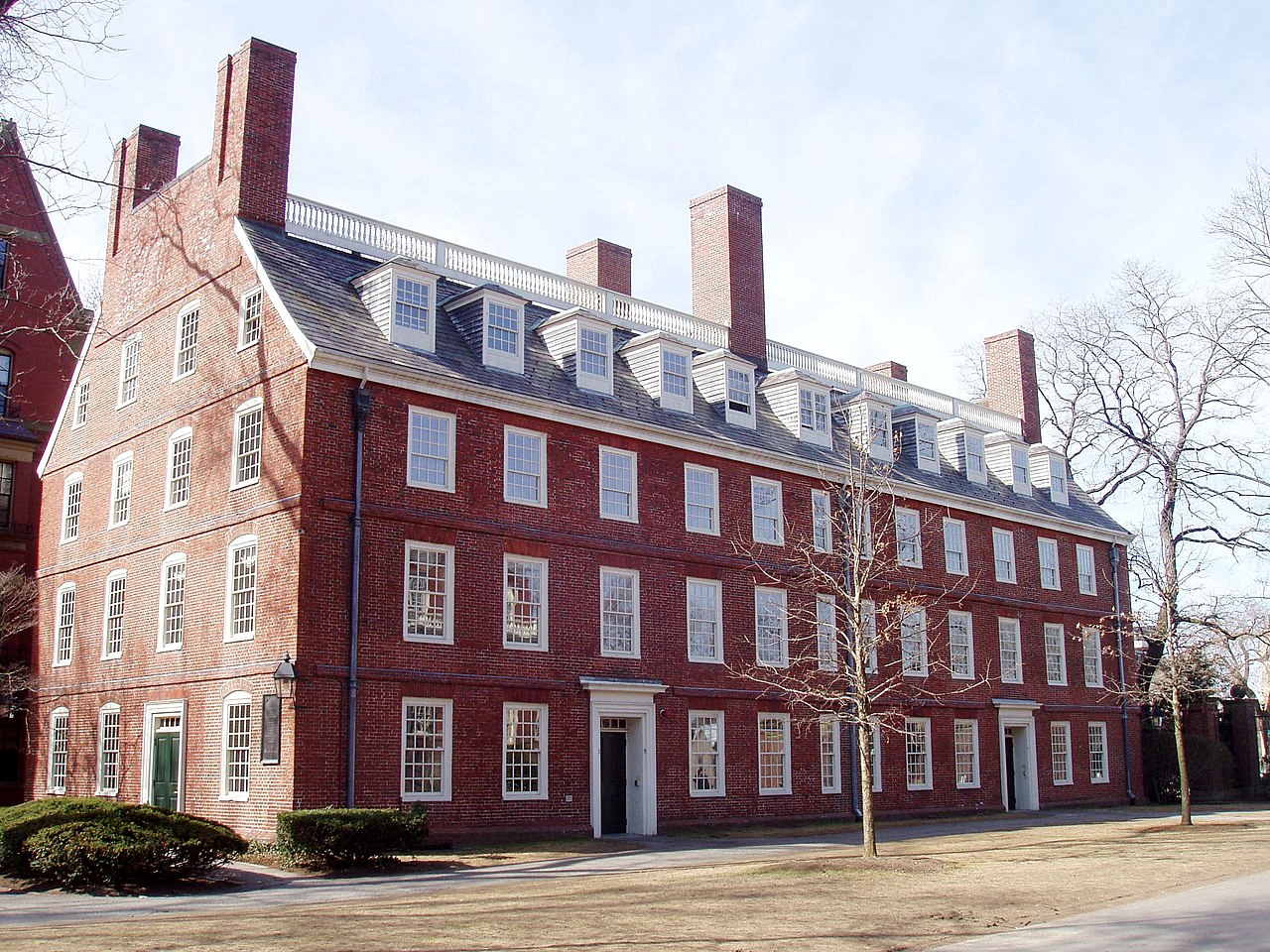
Arctic Futures: Designing Circular Systems
This studio course focuses on designing circular systems for the Arctic, specifically exploring the potential of Greenlandic rock flour (gletsjermel) as a sustainable resource. You will investigate how this byproduct of glacial erosion, rich in essential minerals, can address global soil degradation and CO2 binding while also considering its impact on urban development in Greenland, particularly in Nuuk and Nuuk Fjord. The studio bridges geological science, urban design, and environmental ethics to reimagine regenerative relationships between cities and resource landscapes.

BA in Archaeological & Environmental Sciences
The BA in Archaeological & Environmental Sciences at Boston University offers a unique interdisciplinary approach to understanding the complex relationship between humans and their environments throughout history. By combining insights and methodologies from both natural and social sciences, this program equips students with a deep understanding of how human activities have shaped the Earth's environments over long timescales and provides a crucial perspective on sustainability. Students will develop scientific expertise in chosen areas, building on a foundation in chemistry, biology, and data analysis. The curriculum includes a capstone seminar and opportunities for research with faculty, preparing graduates for advanced study or careers in fields like environmental archaeology, sustainability studies, or environmental consulting.
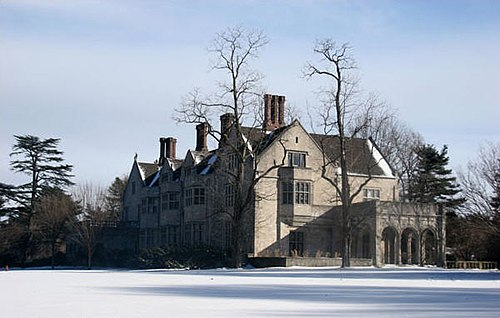
Bachelor of Arts in Environmental Design, Policy, and Planning
The Bachelor of Arts in Environmental Design, Policy, and Planning (EDP) program at Stony Brook University prepares students to create more livable, resilient, and sustainable communities. This interdisciplinary program builds upon a core curriculum in Sustainability Studies, with upper-level courses focusing on the challenges and opportunities within urban and suburban environments. Students will develop skills to proactively shape the future of these places for the benefit of all. The program equips students for careers that involve complex, interconnected issues spanning scientific, legal, ethical, political, environmental, and socio-economic domains. You will gain experience in primary data collection and analysis, engaging with diverse stakeholders, and collaborative teamwork. Coursework covers topics such as the relationship between land use and transportation policies, and the social and economic impacts of public space design. Graduates are well-prepared for advanced studies in fields like urban planning, urban design, landscape architecture, real estate development, and public policy at leading graduate institutions. Alternatively, many alumni enter the workforce directly, contributing to local and state governments, transit agencies, environmental organizations, and private consulting firms.
Bachelor of Arts in Environmental Studies
The Bachelor of Arts in Environmental Studies program at Stony Brook University equips students with the analytical and communication skills needed to understand and address complex environmental issues. This interdisciplinary program integrates knowledge from social sciences, engineering, natural sciences, and humanities to tackle scientific, legal, political, socioeconomic, and ethical challenges. Students can specialize in areas like Conservation Biology/Biological Anthropology, Marine Science/Ecology, or Environmental Law/Waste Management/Public Policy. Practical experience is gained through research courses, internships, and field studies, preparing graduates for further education or entry-level positions in fields such as science advocacy, conservation, law, journalism, and public health.
Bachelor of Science in Climate Sciences
The Bachelor of Science in Climate Sciences program at Stony Brook University addresses the critical global challenge of climate change. This program equips students with a strong scientific understanding of Earth's climate system, how human activities are influencing it, and the potential consequences for both human populations and ecological systems. You will learn to analyze vast amounts of climate data from observations and models to identify trends and predict future scenarios. The curriculum is designed to prepare you for careers in climate science, enabling you to contribute to developing and implementing strategies for mitigating climate change and adapting to its impacts. By focusing on both scientific principles and practical applications, the program ensures your studies are relevant to society's urgent needs and lead to rewarding career opportunities.

Bachelor of Science in Environmental Engineering

Biology – Ecology

Chemistry - Environmental Chemistry
Explore the dynamic world of Environmental Chemistry at UCO, a field that bridges science and sustainability. This program offers a multidisciplinary approach, integrating principles from chemistry with environmental science to address critical issues facing our planet. You'll gain a strong foundation in chemical principles while focusing on their application to environmental challenges.
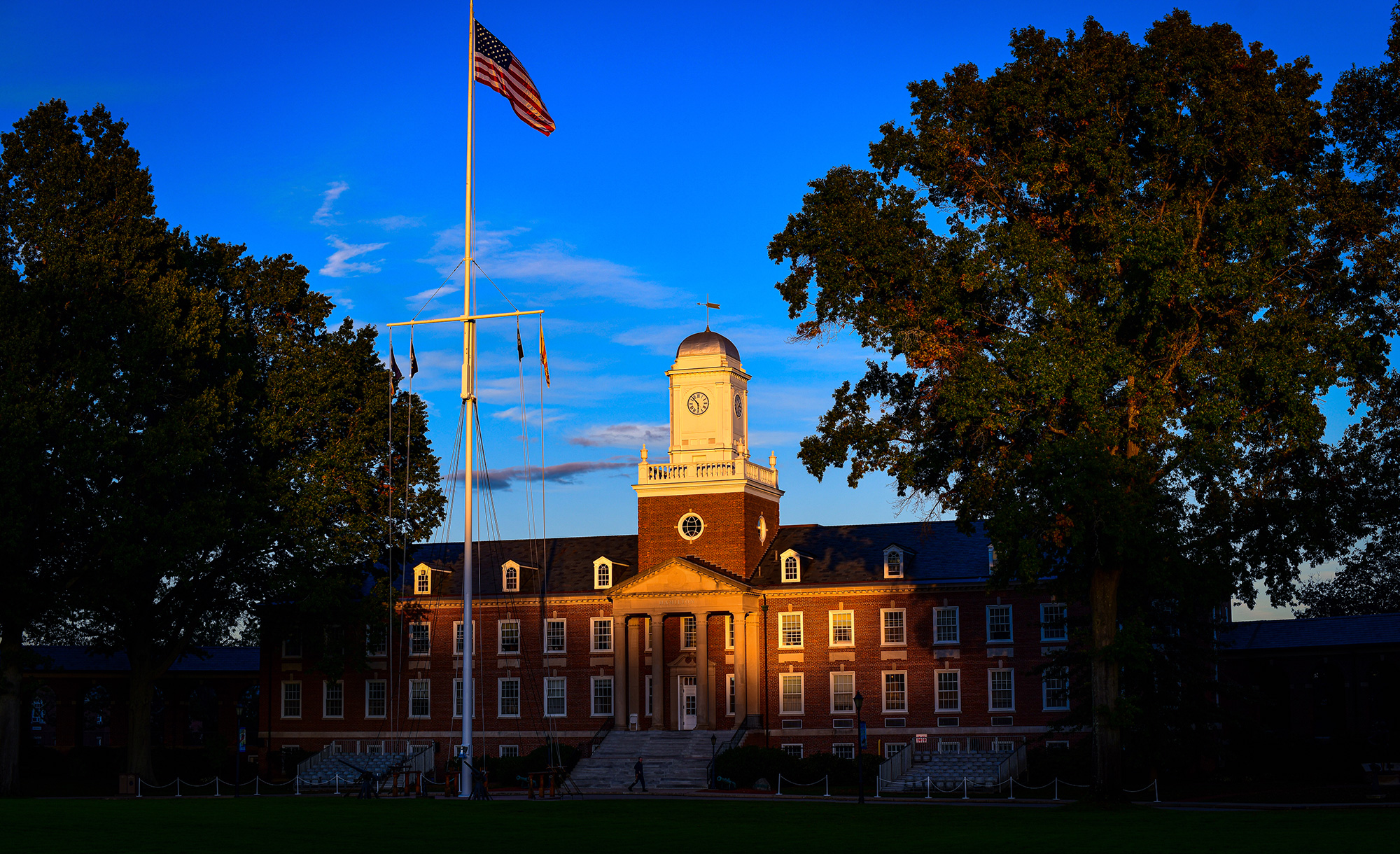
Civil Engineering
The Civil Engineering program at the United States Coast Guard Academy (USCGA) offers a comprehensive education in the diverse fields of structural, construction, environmental, and geotechnical engineering. This program is designed for individuals with a broad range of interests who are seeking a challenging and rewarding career. Students gain a strong foundation in mathematics and engineering sciences, with opportunities for in-depth study in specialized areas. The curriculum emphasizes hands-on learning and practical application, preparing graduates for leadership roles in civil engineering within the Coast Guard and beyond.

Civil, Urban, and Environmental Engineering - PhD
New York University's Center for Data Science (CDS) offers a PhD program in Data Science, recognized globally for its rigorous, cross-disciplinary approach. This program aims to train students to become ethical, responsible data scientists capable of developing new methodologies, utilizing statistical tools for complex questions, and translating research into practical applications. The program emphasizes strong foundations in mathematics, computer science, and applied statistics, preparing graduates for leadership roles in the rapidly evolving field of data science. Students have the opportunity to conduct research in New York or at NYU Shanghai.

Climate and Cryospheric Sciences
The Climate and Cryospheric Sciences research theme at Dartmouth College focuses on understanding past and present climate change from both regional and global perspectives. A key area of study is the impact of climate change on glaciers, including their extent and mass balance. This research ultimately examines how these changes influence society through mechanisms like sea-level rise and alterations in water supplies.
Coastal Environmental Studies
This program prepares you for a career in coastal zone management, a critical field for the future. It combines physical and natural sciences with environmental ethics, policy, and law to address the impacts of sea level rise on water and land resources, and coastal development. You will gain proficiency in Geographic Information System (GIS) technology, a valuable skill for various sectors.
Doctor of Philosophy (PhD) in Environmental Health
The PhD program in Environmental Health at Boston University School of Public Health offers specialized training and research experience. It focuses on areas like environmental epidemiology, exposure science, spatial epidemiology/GIS, extreme weather and health, risk assessment, and toxicology, with an emphasis on community-engaged work. The program aims to prepare graduates for careers in advanced research, teaching, policy, and leadership by providing essential training, research experience, resources, and support. Faculty are actively involved in policy-making and community engagement, collaborating with organizations and vulnerable populations both internationally and domestically. The department is committed to fostering an inclusive and supportive educational environment for students from diverse backgrounds.

Ecology
Ecology and Conservation Biology
The Ecology and Conservation Biology program at the University of Central Oklahoma provides students with a comprehensive understanding of how natural ecosystems function. It emphasizes the scientific principles underlying ecological processes and how this knowledge can be applied to the protection and management of biodiversity and natural resources. This program prepares students for careers focused on preserving the environment and its inhabitants.

Ecology and Evolutionary Biology PhD
The Department of Ecology and Evolutionary Biology (EEB) at the University of Michigan offers a top-ranked PhD program designed to provide students with a rigorous and integrative academic experience. Our program fosters a strong mentoring environment within a diverse and supportive community. Students benefit from access to outstanding facilities for field, museum, and laboratory research, as well as opportunities for interdisciplinary collaboration. EEB at U-M is dedicated to advancing knowledge in the dynamic fields of ecology and evolutionary biology. Our faculty engage in research across a wide range of exciting and emerging areas, preparing students for impactful careers in academia, research, and beyond. We encourage prospective students to explore our faculty's research interests and identify potential advisors.

Ecology Graduate Program
The Environment, Ecology and Energy Program at the University of North Carolina at Chapel Hill offers graduate degrees in Ecology at the Master of Arts (M.A.), Master of Science (M.S.), and Doctor of Philosophy (Ph.D.) levels. The M.S. requires a thesis based on independent research, while the M.A. requires a written literature review. Students can also be admitted directly to the Ph.D. program. For those pursuing a master's degree, there is an option to petition to continue directly to the Ph.D. program after completing master's requirements.

Environmental and Ecosystem Sciences
Study the interactions of physical, chemical, and biological conditions within natural and human-modified environments to address pressing environmental challenges. This interdisciplinary program allows you to tailor your studies to your specific interests within the field. You can pursue this degree on-campus at the Pullman, Tri-Cities, or Vancouver campuses, or online through the Global Campus.

Environmental and Occupational Epidemiology
This course introduces the fundamental health impacts associated with environmental and occupational exposures. It focuses on the epidemiological methods used to identify and quantify these effects. You will explore the interaction between methodological challenges, such as accurately assessing environmental exposures and understanding specific disease processes, in determining the health consequences of environmental factors on populations. The course covers a range of environmental and occupational hazards, including water and air pollution, food contamination, ionizing radiation, persistent pollutants, and emerging environmental risks. Key methodological considerations for population studies, such as study design, exposure assessment, biomonitoring, analysis of disease clusters, dose-response relationships, assessing susceptibility, geographic analysis, and synthesizing evidence, will also be emphasized.

Environmental Chemistry and Technology, MS
The Master of Science (MS) in Environmental Chemistry and Technology program provides advanced instruction and research training focused on applying chemical principles to environmental systems. Graduates are prepared for careers in research, teaching, resource management, environmental consulting, and industrial roles. The program covers areas such as developing advanced technologies for air and water purification, energy storage, alternative energy, pollution control, and remediation of soil and sediments. This interdisciplinary program allows students to tailor their studies to their interests through specialized coursework and electives, with areas of specialization including aquatic chemistry, air pollution chemistry, terrestrial chemistry, and chemical/biotechnology development. The faculty comprises experts from various departments, offering a broad range of expertise. The program boasts extensive facilities, including over 10,000 square feet of dedicated laboratory and office space in the Water Science and Engineering Laboratory (WSEL). These facilities are equipped for research in areas like trace element analysis, air pollution chemistry, and environmental technology. Students also gain access to laboratories across multiple departments and research centers on the UW–Madison campus.

Environmental Engineering
The Bachelor of Science in Environmental Engineering at Texas A&M University is designed to equip students with the knowledge and skills to address critical environmental challenges. This program offers a comprehensive curriculum that integrates natural sciences with core engineering principles. Students will learn to develop solutions for issues such as water treatment, waste management, and climate change, focusing on protecting public and environmental health. This multidisciplinary approach prepares graduates to minimize the adverse effects of human activity on the environment while safeguarding human well-being.
Environmental Engineering Graduate Study
Yale's Environmental Engineering graduate program offers advanced research opportunities to address global environmental challenges. The program emphasizes a multidisciplinary approach, integrating fields such as chemistry, microbiology, materials science, and public health to develop innovative solutions. Students engage in cutting-edge research on topics like water purification, air quality, sustainable materials, and pollutant mitigation, collaborating with leading faculty across various Yale schools and institutes. Our students benefit from extensive collaborative networks, including partnerships with the School of the Environment, School of Public Health, School of Medicine, and specialized institutes. They have opportunities to contribute to significant national research initiatives, participate in faculty-led research centers, and engage in international collaborations. The program provides state-of-the-art facilities, a strong graduate student community, and a rich academic environment conducive to growth as researchers and future leaders in environmental engineering.
Environmental Health
Environmental Health and Justice Functional Certificate
The Environmental Health and Justice Functional Certificate is designed for Master of Public Health (MPH) students at Boston University who want to gain professional skills to address contemporary environmental challenges with a focus on equity and action. This STEM-approved certificate is open to all MPH students, regardless of their undergraduate major or prior science background. It equips students with critical career-oriented skills in data analysis, environmental health assessment, policy development, and community engagement. The program emphasizes flexibility in course selection, small class sizes, faculty interaction, and practical, hands-on experiences in both field and community settings.

Environmental Science & Resource Management
The Environmental Science & Resource Management (ESRM) program at California State University Channel Islands (CSUCI) is designed for students passionate about the environment and solving critical global issues. This program offers a robust understanding of environmental principles from both scientific and human perspectives. Through dedicated faculty guidance, students engage in intensive academic learning, hands-on field research, and valuable volunteer experiences. Students in the ESRM program will develop a strong foundation in ecology, physics, and chemistry, exploring the complex interactions between humans and the natural world. The curriculum equips students with essential 21st-century skills, including Geographic Information Systems (GIS), quantitative data analysis and presentation, technical writing, and diverse field and laboratory methodologies. These skills can be applied to meaningful research and community engagement projects locally, nationally, and internationally, often in partnership with prominent organizations like the National Park Service and The Nature Conservancy.

Environmental Science, Bachelor of Science
The Bachelor of Science in Environmental Science program at Young Harris College equips students to address complex environmental challenges. You will gain a strong foundation in the natural sciences while also exploring the social, economic, and ethical dimensions of environmental issues. The curriculum emphasizes practical skills, including training in instrumentation and field techniques, and fosters collaborative problem-solving. Through engaging with faculty and participating in projects with local, regional, and national organizations, students develop a comprehensive understanding of environmental science and its applications. This program prepares graduates for diverse careers or further study in advanced degree programs.
Environmental Studies
The Environmental Studies program at Dartmouth College aims to prepare students to address the complex challenges and opportunities presented by human-environment interactions. Recognizing the escalating global environmental degradation, the program's core mission is to equip students with the knowledge and skills to understand and tackle these issues, viewing environmental studies as a vital component of a modern liberal arts education.
Environmental Studies
The Department of Environmental Studies at NYU offers a Master of Science (MS) in Data Science program, designed for students with a strong foundation in mathematics, computer science, and applied statistics. This rigorous program aims to train students to become cross-disciplinary and ethically responsible data scientists capable of developing methodologies, using statistical tools for complex questions, and translating research insights into practical applications. Located in New York City, the program leverages world-class faculty, cutting-edge research opportunities, and strong industry connections to prepare students for careers in the rapidly evolving field of data science. Students will engage with an interdisciplinary approach to data science education, focusing on areas such as Big Data, Mathematics and Data, and Natural Language Processing, with a Biomedical Informatics track also available.
Environmental Studies
Environmental Studies, Bachelor of Arts
The Environmental Studies Bachelor of Arts degree program at Young Harris College equips students with critical thinking skills to explore biological sciences through the lens of wilderness and park management. This degree prepares you for careers in conservation or outdoor recreation by providing a strong foundation in scientific concepts and integrating them with an understanding of human interaction with natural environments.
Exploring Climate Solutions Through Science and Fiction (ENV 621b)
This course explores the intersection of climate science, potential solutions, and societal changes, including human and place-based experiences. It bridges scientific research from social, natural, and humanities fields with themes found in climate fiction. By examining both scientific literature and fictional narratives, students will investigate the plausibility of various future scenarios related to climate change impacts and solutions. The course aims to foster a deeper understanding of the empirical science behind climate solutions, their political and social feasibility, and their potential effects on individuals and communities.

Foraging Tactics and Trophic Ecology
This program delves into the fascinating world of animal foraging behaviors, examining the theoretical and empirical approaches that have shaped our understanding of how animals find and consume food. It explores the development of Optimal Foraging Theory (OFT), which uses cost-benefit analyses to predict foraging strategies. Additionally, it investigates distinct foraging modes, such as 'sit-and-wait' versus 'widely-foraging,' and their ecological and evolutionary implications. The curriculum also touches upon the evolutionary history of feeding mechanisms in squamate reptiles, linking skull morphology and sensory systems to foraging strategies and diversification.
Geography and the Environment, Ph.D.
The graduate program in Geography and the Environment at The University of Texas at Austin is designed to prepare highly qualified doctoral students for research and teaching careers in academia and other professional fields. The program focuses on understanding and managing Earth's diverse cultural and physical environments at local and global scales. Faculty research areas include Space, Place, and Social Worlds; Environmental Changes and Surface Processes; and Digital Landscapes. The department has a strong international focus and encourages interdisciplinary collaboration, leveraging the extensive resources of the university. Students are admitted to both the Department of Geography Graduate Program and the Graduate School of The University of Texas at Austin. The program's Graduate Studies Committee (GSC) sets academic policies and curriculum requirements, while the Graduate Admissions and Awards Committee (GAAC) handles admissions and recommends students for internal and external funding opportunities.
Global Climate Change: Simple, Serious, and Solvable
This course delves into the complexities of global climate change, breaking it down into three core aspects: its simplicity, its seriousness, and its solvability. It explains the fundamental physics governing Earth's radiation balance and the role of greenhouse gases in driving climate shifts, referencing paleoclimate data to highlight the scale of modern changes. The program emphasizes the critical threat climate change poses to global ecosystems and economies, noting the long-term, potentially permanent nature of these impacts. Finally, it explores the feasibility and affordability of rapid global decarbonization, examining the economic, policy, and engineering solutions required, and concludes by analyzing cultural perspectives on these solutions.
Global Sustainability & Health Seminar
This online seminar delves into the complex and evolving issues surrounding climate change, sustainability, human health, and the global environment. Designed for students interested in a discussion-based learning experience, the course encourages engagement with peers and exploration of critical global challenges. You will examine how factors like land use, energy consumption, food systems, water usage, and population growth contribute to environmental degradation and impact human health at individual, community, and global levels.

Graduate Program in Earth, Society & Environment
The University of Illinois Urbana-Champaign offers Master of Science and Doctor of Philosophy degrees in Earth, Society & Environment. Situated at a top-ranked public research university, the program provides extensive resources for cutting-edge research. The department collaborates with other academic units to offer a wide array of opportunities across various geological and environmental fields. Students will engage in coursework to advance their expertise in specialized areas, with options for interdisciplinary study and field courses.
Graduate Programs in Geosciences and Energy & Earth Resources
The Jackson School of Geosciences at The University of Texas at Austin offers graduate studies in Geosciences and Energy & Earth Resources, providing access to world-class research units and extensive faculty expertise. These programs are designed for students seeking in-depth education and research opportunities across a broad spectrum of Earth sciences, energy, and environmental fields. With a strong emphasis on interdisciplinary learning and research, students benefit from robust funding, industry connections, and the chance to work with leading researchers at the forefront of scientific discovery. Graduate students at the Jackson School engage with faculty and researchers from the Department of Earth and Planetary Sciences, the Bureau of Economic Geology, and the Institute for Geophysics. This collaborative environment fosters unparalleled breadth and depth in education and research, allowing students to explore diverse areas within geosciences and resource management. The school is committed to providing comprehensive support, including generous financial packages and outstanding health benefits, ensuring students can focus on their academic and research pursuits. Prospective students are encouraged to explore the research areas and faculty profiles within the Jackson School to identify potential supervisors and research alignments. The school provides a stimulating academic atmosphere, preparing graduates for impactful careers in academia, industry, and public service in fields crucial to understanding and managing our planet's resources.
Human Ecology, PhD
The PhD in Human Ecology is a doctoral program focused on understanding the intricate relationships between people and their environments. This program is offered through the School of Human Ecology, a leading institution known for its faculty's national reputations and commitment to nurturing future scholars. The curriculum integrates research, outreach, and service, reflecting the university's 'Wisconsin Idea' – the principle that the university's influence extends beyond campus to benefit society. Students will engage in advanced study and research across disciplinary lines, preparing them for impactful careers in academia, policy, and practice.
Human Ecology: Human Ecology, MS
The Master of Science in Human Ecology program offers a multidisciplinary approach to understanding and addressing contemporary issues related to human and community development. It focuses on current theories and strategies for creating, managing, and evaluating settings that promote well-being. Students will engage with research and practice that integrates the promotion of human and family development with perspectives on building effective organizations and sustainable communities. This program is designed as an applied, terminal degree, ideal for those new to the field or with existing experience, who wish to develop specialized expertise through elective courses and a real-world capstone project. The curriculum allows students to tailor their learning to specific interests, enabling them to name their expertise for future employers. Graduates are prepared for diverse roles in community-based organizations, intermediary organizations, government agencies, and university outreach programs.
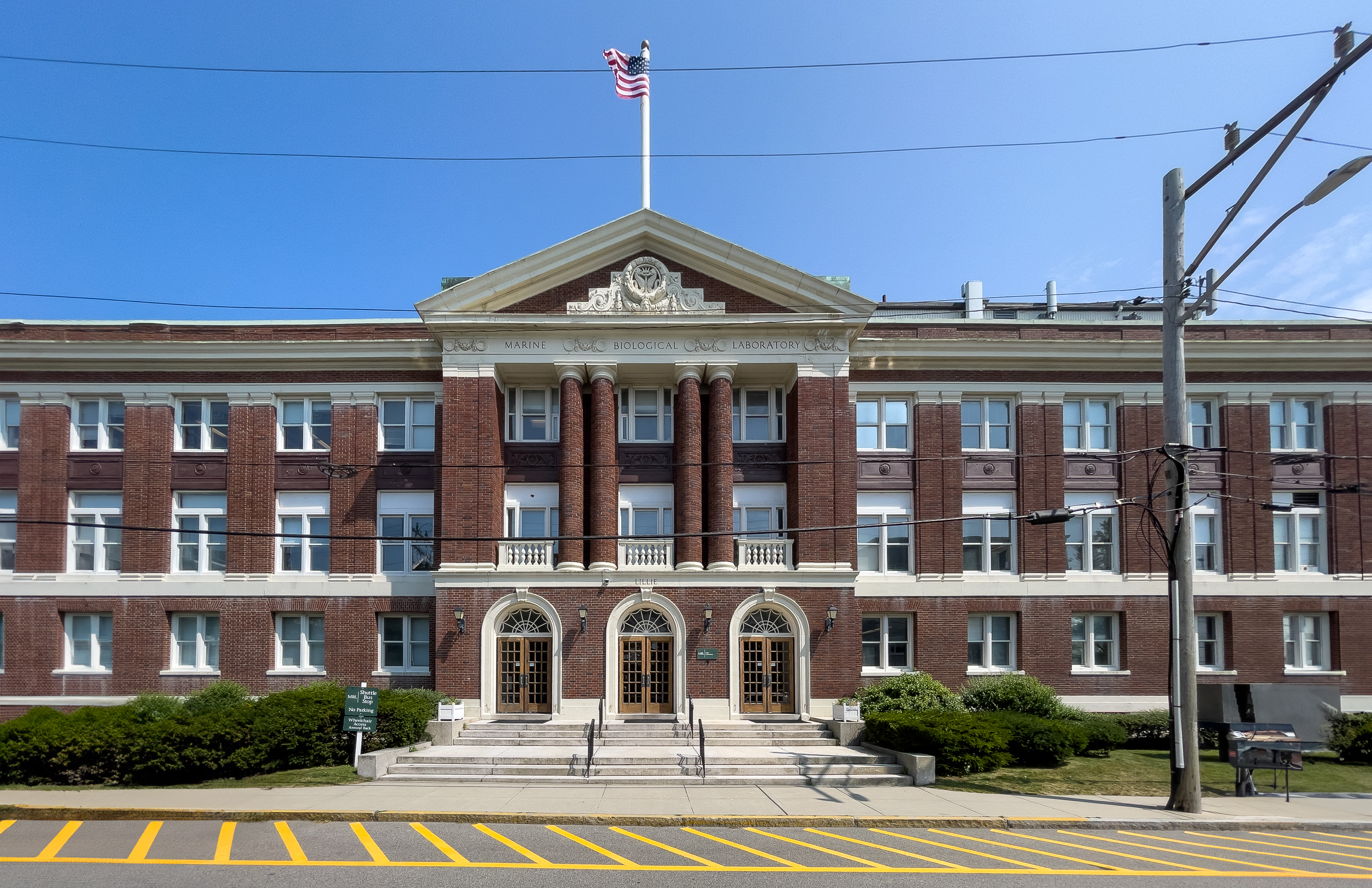
Logan Science Journalism Program - Environmental Hands-On Research Course

M.S. AI Engineering in Civil and Environmental Engineering
The Master of Science (M.S.) in AI Engineering in Civil and Environmental Engineering (CEE) at Carnegie Mellon University is a pioneering program designed to equip students with the skills to integrate artificial intelligence into engineering design and domain knowledge. This program is the first of its kind in the nation, providing a unique educational pathway for those looking to apply advanced AI techniques to tackle complex challenges in infrastructure and environmental systems. Students will delve into core areas of AI, including machine learning, deep learning, AI systems, and ethical considerations, while also having the flexibility to explore various CEE focus areas. The curriculum emphasizes practical application, culminating in a capstone project that allows students to apply their learned skills to real-world engineering problems. Graduates will be prepared for high-demand careers at the forefront of AI integration within the CEE sector.
Marine and Environmental Sciences
The Marine and Environmental Sciences (MES) major explores the intricate connections between people and the natural world, encompassing land, oceans, and atmosphere. This interdisciplinary program combines oceanography, chemistry, biology, physics, and mathematics to provide a robust technical education. The curriculum is designed to align closely with critical Coast Guard missions, including fisheries law enforcement, environmental response management, search and rescue, oil spill cleanup, and iceberg tracking. Students in the MES program engage in extensive hands-on laboratory work utilizing advanced technology and participate in fieldwork. Many of these practical experiences occur aboard the Marine Science research vessel, the _Michael J. Greeley_. The program also leverages the Academy's strategic location near the Thames River estuary for valuable field studies. Students have the flexibility to choose electives that delve into specialized areas such as toxicology, astronomy, polar studies, or to undertake independent research projects.

Master of Arts in Climate and Society
The Master of Arts in Climate and Society (MACS) program at Columbia University is designed for students seeking to understand the complex interplay between climate science and societal impacts. This interdisciplinary program equips graduates with the knowledge and skills to address pressing climate challenges from both scientific and social perspectives. It offers a comprehensive curriculum that bridges the gap between understanding climate phenomena and developing effective societal responses.

Master of Civil and Environmental Engineering
The Master of Civil and Environmental Engineering program at Rice University is designed for students with a Bachelor's degree in engineering or a related field who wish to advance their knowledge and skills. The program requires a minimum of 30 graduate credit hours, with at least 24 of those taken at Rice University. A minimum residency of one fall or spring semester is also required. Students will complete a final project and participate in graduate seminars, gaining practical experience and specialized knowledge within their chosen track. The curriculum includes specific coursework tailored to either Civil Engineering or Environmental Engineering. For Environmental Engineering, prerequisites include calculus, differential equations, chemistry, physics, biology, and fluid mechanics. For Civil Engineering, a BS in Civil Engineering, Mechanical Engineering, or a related field with adequate structural mechanics preparation is expected. Some prerequisites may be waived based on a student's academic background.

Master of Engineering in Civil and Environmental Engineering
The Master of Engineering (M.Eng.) in Civil and Environmental Engineering is a two-semester program designed to equip you with advanced knowledge and practical skills for a career in the field. You can specialize in Structural Engineering, Environmental Engineering, or Transportation Systems Engineering. The curriculum is taught by industry leaders and incorporates hands-on experience through real-world projects, often in collaboration with industry partners.

Master of Engineering in Environmental Engineering
The Master of Engineering (MEng) in Environmental Engineering at Duke University is designed for individuals driven to solve critical global challenges. This program offers a rigorous academic experience within a renowned research community, fostering innovative thinkers and leaders. You'll have the opportunity to collaborate with faculty from the Pratt School of Engineering and the Nicholas School of the Environment, gaining access to diverse expertise. The program allows for specialization in areas like Environmental Data Science, Environmental Engineering & Public Policy, Environmental Health Engineering, and Hydrology & Environmental Fluid Dynamics, or the flexibility to design a personalized course of study.
Master of Public Health in Environmental Health
The Master of Public Health (MPH) in Environmental Health program focuses on understanding and mitigating the impact of human activities on the environment and public health. You will gain in-depth knowledge of environmental regulations and how they are applied to protect human health and ecological systems. The curriculum covers reducing exposures to hazardous materials and contaminants in various settings, including air, water, and food. Students also learn about hazardous materials management, industrial compliance, and emergency response for spills. This program prepares graduates for roles in environmental regulatory compliance, hazardous waste management, and emergency response. A key benefit of the program is that students graduate with OSHA Hazardous Waste Operations and Emergency Response Standard (HAZWOPER) Certification. The degree offers flexibility, allowing you to tailor your studies with three graduate electives, with popular choices including GIS and cancer epidemiology.
Master of Science (MS) in Ecology and Evolutionary Biology
The Master of Science (MS) in Ecology and Evolutionary Biology program at Rice University is a thesis-based degree designed for students seeking advanced knowledge and research experience in ecological and evolutionary principles. The curriculum emphasizes critical evaluation of concepts, development of independent research questions, proficiency in research methods, and effective scientific communication. While most formal coursework is completed in the first year, students begin thesis research by the end of their second semester. Graduates are expected to demonstrate a strong understanding of the field, possess problem-solving skills, and be adept at communicating scientific findings.
Master of Science in Civil and Environmental Engineering
Carnegie Mellon University's Department of Civil and Environmental Engineering (CEE) offers a Master of Science (MS) degree designed to provide specialized knowledge in key areas of civil and environmental engineering. This coursework-based program requires 96 units and offers concentrations in mechanics, intelligent engineered systems, climate resilience, and sustainable energy. It provides opportunities for internships and professional development, preparing graduates for impactful careers in leading companies. Several related MS programs are also available, including those focusing on research, AI integration, and interdisciplinary studies with computer engineering, as well as an integrated BS/MS program for undergraduates.

Master of Science in Civil and Environmental Engineering
The Department of Civil and Environmental Engineering at Northwestern University offers a Master of Science (MS) program designed to educate students in advanced research and development within the field. The program admits students only in the fall quarter, as courses are sequenced to begin at this time. All financial support packages also commence in the fall. The department encourages students interested in pursuing a PhD to apply directly to the PhD program, even if they have not yet completed a Master's degree. If you are undecided about your ultimate degree objective, you may apply to the PhD program and indicate your willingness to be considered for the MS program if not admitted to the PhD.
Master of Science in Civil and Environmental Engineering (MSCEE) and Related Programs
Carnegie Mellon University offers a variety of Master of Science (MS) programs within the Civil and Environmental Engineering (CEE) and related fields. These programs are designed to equip graduates with advanced technical, managerial, and interdisciplinary skills for leadership roles in engineering, technology, and construction. Options include specialized MS degrees in Civil and Environmental Engineering, joint programs with other top-tier departments like Business Administration and Architecture, and interdisciplinary degrees focusing on areas such as AI Engineering, Energy Science, Technology and Policy, and Innovation Management. The curriculum emphasizes integrating technical expertise with strategic thinking, project management, and addressing contemporary challenges like sustainability and technological advancement.
Master of Science in Earth, Environmental and Planetary Sciences
The Master of Science in Earth, Environmental, and Planetary Sciences program at Rice University offers a customizable graduate thesis degree tailored to your individual interests, strengths, and academic background. Our faculty engage in multi-disciplinary research, collaborating across various science and engineering departments, including Chemistry, Ecology and Evolutionary Biology, Computational and Applied Mathematics, Civil and Environmental Engineering, and Chemical and Biomolecular Engineering. The department also hosts and collaborates with several interdisciplinary research centers focused on areas like computational geophysics, energy systems, biosciences, lunar science, and sustainability. This program is designed for students with a strong interest in geosciences, and we welcome applicants from diverse undergraduate backgrounds, including physics, chemistry, and mathematics. The department emphasizes a holistic review of applications, valuing your academic record, research interests, and objectives.
Master of Science in Environment and Sustainability
The Master of Science (MS) program at the School for Environment and Sustainability (SEAS) prepares students for leadership positions in environmental sustainability. It offers a common core curriculum in ecological science, environmental governance, and integrated assessment, followed by a customizable path allowing specialization in one of seven distinct fields. The program emphasizes field-based learning, applied professional training, and the use of scientific knowledge for management decisions. Graduates are equipped with practical approaches to environmental problem-solving and changing behavior.

Master of Science in Environmental Public Health (MSEPH)
The Master of Science in Environmental Public Health (MSEPH) is a comprehensive, interdisciplinary program designed to equip students with the knowledge and practical skills essential for careers in industry, academia, and government sectors. The program draws upon various allied branches of science and benefits from faculty with extensive practical experience in environmental health and sciences. Students will engage in rigorous coursework and, in the latter half of the program, undertake internship and/or thesis work guided by an on-campus or off-site mentor. This hands-on experience is crucial for career advancement in chosen areas of environmental health. The curriculum requires 43 credit hours and typically takes 24-30 months to complete. Students are expected to have a background in basic natural sciences; those without this foundation will be advised to complete preparatory natural science courses.
Master's in Environmental Health Online
The Master of Public Health (MPH) in Environmental Health online program at Texas A&M University is designed for professionals seeking to advance public health by identifying and mitigating environmental hazards through research, policy, and education. It also serves recent graduates or those with limited backgrounds in the field who wish to gain a credential for career entry. Graduates will be prepared for roles in regulatory compliance, consumer safety, and managing environmental exposures affecting health.
Master's Program in Environmental Health
Minor in Environmental Engineering
Environmental Engineering applies science and engineering principles to improve air, water, and land resources, ensuring healthy environments for people and other organisms. It also focuses on developing new technologies and materials that support sustainability and green manufacturing. This minor explores the chemical mechanisms behind environmental processes, pollutant transport, bioavailability, toxicity, and the design of pollution prevention and remediation strategies. The coursework emphasizes understanding ecological and geochemical factors and developing materials and technologies for sustainable development. Key areas of study include sustainability, green manufacturing, ecology, and pollution prevention.

Minor in Environmental Studies
The Minor in Environmental Studies offers a flexible curriculum designed to explore the intricate relationship between humans and the natural environment. You'll gain insights into sustainable philosophies and practices, examining how innovation and creativity can foster environmental stewardship. This interdisciplinary program allows you to connect environmental issues with your primary field of study or explore personal interests.
Frequently asked questions
How much do Environmental Sciences programmes cost in the United States?
+
Tuition ranges from approximately €26k to €52k per year; funded PhD positions may offset these costs significantly through assistantships or fellowships.
Which US universities offer Environmental Sciences programmes?
+
This hub covers 51 universities including Johns Hopkins University, Georgetown University, Indiana University Bloomington, Ohio State University, Texas A&M University, and Stony Brook University.
Can international students apply for Environmental Sciences programmes in the US?
+
Yes; US environmental sciences departments actively admit international students, particularly at the graduate level where funded research positions are common.
What entry requirements are typical for US Environmental Sciences programmes?
+
Most graduate programmes require a bachelor's degree in a natural science or engineering field, GRE scores, letters of recommendation, and a research statement; some programmes also value relevant field or research experience.
How do I apply to an Environmental Sciences programme in the US?
+
Applications are submitted directly to each university's graduate school; requirements vary by institution, so checking individual programme pages for deadlines and specific requirements is essential.