PhD in Medicine & Health Sciences in United States
The United States offers 19 PhD programmes in Medicine & Health Sciences across 17 universities — one of the broadest doctoral research landscapes in the world for biomedical and health sciences. Institutions such as Boston University, Pennsylvania State University, Georgetown University, and George Washington University are among the listed providers, covering research areas from epidemiology and pharmacology to public health and biomedical engineering. Tuition information is not available for these programmes; costs and funding arrangements should be confirmed with each institution.
US PhD programmes in Medicine & Health Sciences typically take four to six years and often include full funding packages (tuition waiver plus stipend) for students admitted to research-focused doctoral programmes. Colorado State University, the University of California, Riverside, and other listed universities contribute to a diverse network of biomedical doctoral education across multiple US states.

Biomedical Sciences PhD
This program focuses on doctoral research within Biomedical Sciences, with a specific dissertation example exploring the molecular mechanisms of Amyotrophic Lateral Sclerosis (ALS), particularly the role of misfolded SOD1 protein. Research involves investigating protein interactions, cellular toxicity, and utilizing transcriptomic data to understand disease pathways. The work aims to identify binding partners and pathways associated with SOD1 trimers, comparing them to wild-type SOD1 dimers. Computational and biochemical methods are employed for detailed characterization of identified proteins. The research also considers the application of induced pluripotent stem cells (iPSCs) as disease models and the broader implications of oligomers in ALS research, suggesting potential pathways in the disease's etiology affecting both nerves and muscles.

Doctor of Philosophy (PhD) in Community Health Sciences
The Doctor of Philosophy (PhD) in Community Health Sciences program at Boston University is designed to prepare you to become an independent, innovative, and productive research scientist. The curriculum emphasizes social and behavioral science theories and methods, community-engaged research, and social justice, with the goal of training the next generation of community health scholars. This doctoral program integrates advanced methodological training with a social justice perspective and a focus on collaborations with community members and organizations to ensure research is rigorous, impactful, and equitable. The program aligns with Boston University’s strategic priorities by offering a high-quality residential education, fostering research that addresses complex public health challenges, and promoting social justice through scholarship. Graduates will be equipped to analyze the social and behavioral determinants of health, develop theoretically informed research questions, apply diverse research methods, and communicate findings effectively to various audiences.

Doctor of Physical Therapy (DPT)
The Doctor of Physical Therapy (DPT) program at Northwestern University Feinberg School of Medicine is an innovative 32-month curriculum designed to prepare students for careers as physical therapists and movement scientists. It integrates basic science and clinical coursework within a movement sciences framework, emphasizing clinical decision-making grounded in scientific principles, patient values, and evidence-based practice. The program utilizes a variety of teaching methods, including lectures, small-group discussions, anatomy and clinical skills labs, team-based learning, research projects, service learning, and interprofessional education. Faculty are dedicated to the scientific foundations of contemporary practice and the scholarship of teaching and learning. The curriculum is structured around the Motor Control Framework (MCF), developed by Northwestern faculty, to help students diagnose and treat movement dysfunction. Students learn to observe movement, integrate information about the person, task, and environment, and formulate hypotheses for examination and care plans, with evidence-based practice integrated throughout. The program includes extensive clinical experiences, comprising four full-time clinical rotations and part-time integrated experiences throughout the didactic training. These experiences allow students to apply their knowledge and skills under supervision in various practice settings across the lifespan. The department also fosters global health awareness and opportunities through partnerships, including international clinical rotations in Belize and Chile, and local community engagement initiatives.

Doctor of Physical Therapy (DPT)
The Doctor of Physical Therapy (DPT) program at PCOM Georgia is designed for individuals passionate about helping others and committed to patient-centered care and community service. Located in Suwanee, GA, the program emphasizes a holistic approach to patient management, integrating classroom learning with extensive clinical experiences in diverse healthcare settings. The curriculum focuses on practical knowledge and skills, preparing graduates for licensure and practice as physical therapists. PCOM Georgia is dedicated to cultivating an inclusive learning environment, fostering caring practitioners, and promoting lifelong learning within the profession.

Doctoral Programs in Population and Public Health Sciences
The Department of Population and Public Health Sciences at the University of Southern California offers three distinct doctoral programs designed to equip students with advanced knowledge and research skills for careers in academia or industry. These programs focus on critical areas of public health research, preparing graduates to address complex health challenges. The PhD in Biostatistics equips students to apply statistical theory and methods to biological and health sciences, fostering skills in research, teaching, and consulting. The PhD in Epidemiology focuses on developing an epidemiologist with in-depth methodological knowledge and analytical capabilities, emphasizing advanced design and analytic techniques for studying the causes of disease and promoting public health. Lastly, the PhD in Health Behavior Research offers academic and research training for students interested in health promotion and disease prevention. This program integrates theory and methods from various disciplines like psychology, public health, and epidemiology to prepare students for research positions in preventive medicine, population health, and health policy.
Health Sciences Integrated Program (PhD)
The Health Sciences Integrated Program (HSIP) offers doctoral training across several health science disciplines. Students can specialize in Biostatistics, Health and Biomedical Informatics, Health Services and Outcomes Research, or Social Sciences and Health. This PhD program builds on existing master's degrees and integrates new areas of study in measurement and health behavior, providing rigorous interdisciplinary training essential for 21st-century population health research. Students develop an individualized course of study by leveraging resources from The Graduate School and the Feinberg School of Medicine. The program aims to equip students with a strong academic foundation to excel in research related to clinical and population sciences. Graduates are prepared to become leaders in population health science, capable of integrating diverse disciplinary approaches and methodologies.

Ph.D. in Behavioral and Social Health Sciences
The Ph.D. in Behavioral and Social Health Sciences at Brown University focuses on understanding and addressing the social, psychological, and behavioral factors that influence health and illness. Students engage in interdisciplinary research, collaborating across various departments and with community partners. The program aims to equip students with the theoretical knowledge and methodological skills to identify risk factors for diseases, understand determinants of healthcare, and develop evidence-based interventions. The curriculum emphasizes original research, culminating in a dissertation. Brown University's School of Public Health provides a rich research environment with numerous centers and institutes focused on areas such as alcohol and addiction, health promotion, behavioral medicine, and international health. These resources offer doctoral students opportunities to explore diverse research topics.

Ph.D. in Nutritional Sciences
The Ph.D. in Nutritional Sciences program at the University of Texas at Austin is designed to prepare students for advanced research, teaching, and administrative roles in academia, government, and industry. The curriculum emphasizes competence in core nutritional science areas while integrating knowledge from related fields such as biochemistry, molecular biology, and health promotion. The program typically spans four to five years of full-time study, requiring students to complete coursework, present a dissertation proposal, and successfully defend an original research dissertation.

Ph.D. in Public Health Sciences
The UC Davis Ph.D. Program in Public Health Sciences aims to train students to become leading researchers and professionals in public health. This program prepares graduates for careers in academic institutions, government public health agencies, and community-based organizations. The curriculum involves two years of intensive research coursework and practical rotations, culminating in a dissertation. Through this dissertation, students will master and apply translational public health sciences research techniques relevant to public health practice and research settings.
PhD in Nutrition
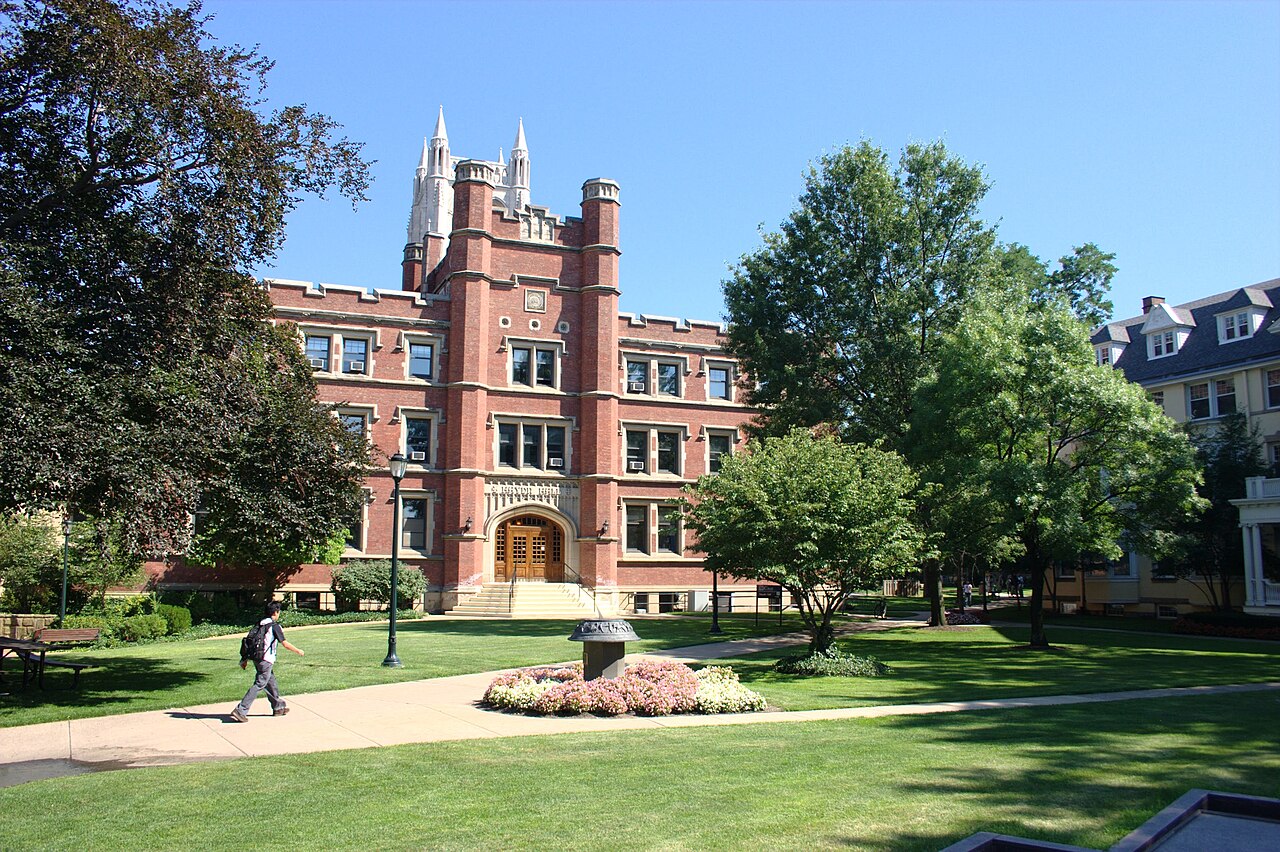
The PhD in Nutrition program at Case Western Reserve University trains future scientists, academicians, and researchers to address critical questions and solve problems related to metabolic, gastrointestinal, and other diet-related diseases. The program aims to equip individuals with the skills necessary to tackle the increasing health challenges and disparities faced by society. Students will work closely with federally-funded research advisors and mentors, engaging in research tailored to their specific interests. While coursework is customized, all students gain a comprehensive foundation in nutritional science, covering topics from biochemistry and metabolism to health promotion and disease prevention. The program offers flexibility with concentration areas, allowing students to specialize in either applied nutrition or nutritional biochemistry/metabolism. This approach ensures a broad yet focused educational experience for all doctoral candidates.

PhD in Nutrition Science
The PhD program in Nutrition Science at Purdue University is designed to provide advanced training and research opportunities for students aiming for careers in academia, research, or leadership roles in the field. The curriculum emphasizes a strong foundation in nutritional biochemistry, physiology, statistics, and research methodologies, allowing students to develop expertise in their chosen area of specialization. The program requires a minimum of 90 credit hours, including coursework and extensive research, culminating in a dissertation defense.
PhD in Pathology
The PhD program in Pathology at the University of Michigan focuses on understanding the mechanisms of disease. Students engage in cutting-edge research in areas such as innate and acquired immunity, allergic diseases, and respiratory viral infections. The program offers opportunities to work with leading faculty on translational research projects, including studies on food allergies, eosinophilic esophagitis, and the impact of the gut microbiome on immune responses. Graduates are prepared for careers in academia, research, and industry.
Frequently asked questions
How much does a Medicine & Health Sciences PhD cost in the US?
+
Tuition varies by programme — check each listing directly. Many US research PhD programmes offer full tuition waivers and stipends in exchange for research or teaching assistance, so net costs can be zero for funded students.
Which US universities offer a PhD in Medicine & Health Sciences?
+
Seventeen universities are listed, including Boston University, Pennsylvania State University, Georgetown University, George Washington University, Colorado State University, and the University of California, Riverside.
Can international students apply for these PhD programmes?
+
Yes. US universities actively recruit international doctoral students in biomedical and health sciences. You will need a strong master's or bachelor's degree, GRE scores (in some cases), English language proficiency, and a compelling research statement.
What entry requirements are typical for a Health Sciences PhD in the US?
+
A bachelor's or master's degree in a relevant science or health field is typically required, along with letters of recommendation, a research statement, and transcripts. Some programmes also require GRE General Test scores.
How do I apply to a Medicine & Health Sciences PhD in the US?
+
Apply directly through each university's graduate school application portal, usually by December–January for autumn entry. Identify faculty mentors whose research aligns with your interests before applying.