Bachelor's in Medicine in United States
The United States offers 17 Bachelor's programmes in Medicine across 10 universities, providing pre-professional and allied health pathways for students aiming to enter healthcare or go on to medical school. Institutions with listings include Washington State University, Maryville University, New Jersey City University, Indiana University Bloomington, and Stevenson University. Tuition fees vary by programme — check individual listings for current figures.
Bachelor's medicine-related programmes in the US typically cover pre-medical sciences, health management, or allied health fields; entry to medical doctor (MD) programmes remains at the graduate (MD) level. International applicants need strong science preparation and English language proficiency, and US campuses offer a wide range of support services and extracurricular opportunities for global students.

Bachelor of Science in Nursing - IMG-to-BS Specialization Option
Monroe College offers an accelerated Bachelor of Science in Nursing (BSN) program designed for International Medical Graduates (IMGs) who hold a degree equivalent to a bachelor's from an accredited non-U.S. medical school. This program allows you to transition into a career as a Registered Nurse in the United States. It focuses on core nursing coursework and prepares you to take the NCLEX-RN licensing exam upon completion. The program spans six semesters over two academic years.

Biology - Medical Laboratory Science
The Biology - Medical Laboratory Science program at the University of Central Oklahoma (UCO) prepares students for a crucial role in healthcare. Medical Laboratory Scientists perform a wide range of tests on patient samples, providing essential data for diagnosis, treatment, and prevention of disease. This program equips graduates with the scientific knowledge and practical skills needed to work effectively in clinical laboratories.

Biology, B.S. / Doctor of Podiatric Medicine Dual Degree
This dual-degree program allows students to pursue a Bachelor of Science (B.S.) in Biology at New Jersey City University (NJCU) and then seamlessly transition to the Doctor of Podiatric Medicine (D.P.M.) program at New York College of Podiatric Medicine (NYCPM). Students spend three years at NJCU completing their undergraduate biology requirements. During their third year, they are expected to take the Medical College Admissions Test (MCAT) and apply to NYCPM. Upon successful completion of their first year at NYCPM, NJCU will award the B.S. in Biology. After finishing the fourth year at NYCPM, students earn their D.P.M. degree. This program is designed for high school graduates ready for college-level coursework. Transfer students may not be eligible due to specific prerequisite requirements.
Clinical Laboratory Sciences, Bachelor of Science
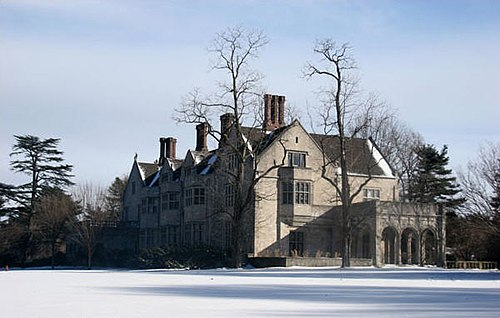
The Bachelor of Science in Clinical Laboratory Sciences (CLS) program at Stony Brook University trains students to become competent healthcare professionals. Graduates are prepared to take the National MLS ASCP Board Certification Exam and are eligible for New York State Licensure. This upper-division program focuses on developing skilled Clinical Laboratory Scientists who perform and supervise essential laboratory tests for diagnosis, condition assessment, and treatment monitoring. The curriculum emphasizes problem-solving, quality assurance, and professional conduct, preparing students for diverse roles in the healthcare field.

Emergency Medical Services - Associate in Science
The Associate in Science in Emergency Medical Services (EMS) program prepares you for a career as a rapid responder in emergency medical situations. This program combines the Emergency Medical Technician (EMT) and Paramedic certificates with general education courses. It is designed to equip you with the necessary technical knowledge and skills for entry-level positions or career advancement in emergency services and related healthcare fields. This degree is suitable for individuals interested in supervision and career growth within the emergency services industry.
Health Information Management
The Health Information Management program equips you with the skills to excel in the vital field of healthcare data. You will learn to manage and secure medical records, collaborate effectively with healthcare professionals, and contribute to the efficient operation of various health-related organizations. This program prepares you for a career focused on delivering quality patient care through effective information management. Graduates are prepared to play key roles in organizing and securing critical patient information in healthcare facilities, insurance companies, and medical practices.

MD Program
The Icahn School of Medicine at Mount Sinai offers a comprehensive MD program designed to prepare students for diverse careers in medicine, including clinical practice, advocacy, research, and education. The program emphasizes academic excellence, a strong commitment to patient communities, and a deep understanding of health disparities. The admissions process is holistic, considering each applicant's unique journey and experiences.

Medical Anthropology Major, B.A.
The Medical Anthropology major at UNC-Chapel Hill offers a Bachelor of Arts degree focusing on the biological, cultural, and political-economic aspects of health, illness, and healing. This interdisciplinary program uses both quantitative and qualitative methods to explore how the body is shaped by evolutionary processes and cultural symbols, and how healing practices function at various levels of society. The curriculum is designed to provide students with a strong foundation for careers or further study in diverse health-related fields, including global health, public health, allied health professions, medicine, dentistry, and emerging health disciplines. It aims to equip students with an understanding of how cultural variations influence health outcomes, the meaning individuals ascribe to illness and healing, and the societal structures that shape medical knowledge and practice.

Medical Assisting Associate of Applied Science
The Associate of Applied Science (AAS) in Health Sciences-Medical Assisting degree program at ECPI University is designed to equip students with the essential skills for entry-level clinical and administrative roles in various healthcare settings, including physician offices, hospitals, and clinics. The curriculum integrates classroom instruction, hands-on laboratory practice, and a mandatory externship at a local medical facility to provide a comprehensive learning experience. Graduates will gain proficiency in patient care, medical office procedures, and fundamental laboratory techniques, with CPR training included. Upon completion, students may be eligible to pursue certifications such as Certified Medical Assistant (CMA), Registered Medical Assistant (RMA), Certified Phlebotomy Technician (CPT), or EKG Technician, depending on specific certification requirements. ECPI's accelerated, year-round schedule allows students to complete this Associate degree in as little as 15 months.

Medical Laboratory Science
Stevenson University offers a Bachelor of Science in Medical Laboratory Science, a program that merges biology, chemistry, and medicine. This degree prepares graduates for careers as medical laboratory scientists, crucial professionals who perform and interpret tests that aid in disease detection, diagnosis, treatment, monitoring, and prevention. The program emphasizes hands-on learning in small class sizes, taught by faculty who are also working professionals. A significant component of the program is a semester-long clinical practicum in the senior year, providing practical experience in hospital laboratory settings. Graduates are well-prepared for immediate employment or further education, with many securing positions in prominent local hospitals.
Medical Laboratory Science
The Medical Laboratory Science program at Kean University prepares students for instrumental careers in medicine. This field utilizes scientific techniques and sophisticated instruments to identify medical conditions, analyze bodily fluids and tissues, and collaborate with medical teams. Graduates are equipped to work in various healthcare settings, including hospitals, clinics, and research laboratories. The curriculum focuses on core sciences, mathematics, and statistics, integrating practical laboratory skills with real-world training. Students learn to handle infectious specimens and hazardous materials, develop analytical and diagnostic knowledge, and prepare for national certification exams. The program emphasizes hands-on procedures, lab management, and the theoretical and practical aspects of major laboratory disciplines.

Medical Laboratory Science, B.S.
The Medical Laboratory Science (MLS) program at Maryville University prepares students for careers in a vital area of healthcare. You will gain the knowledge and laboratory skills necessary for diagnosing and treating diseases. Clinical Laboratory Scientists play a crucial role by performing a wide range of tests, ensuring the accuracy of results, explaining the significance of these tests to others, and evaluating new diagnostic methods. Graduates are trained to perform and interpret laboratory tests, and effectively communicate their findings.
Ophthalmology Medical Student Programs
The University of Michigan's Department of Ophthalmology & Visual Sciences offers specialized programs for medical students interested in ophthalmology. These programs aim to provide early clinical exposure, hands-on skills training, and mentorship from faculty and residents. Students gain a deeper understanding of ophthalmology, explore subspecialties, and prepare for residency. The curriculum includes clinical experiences in various ophthalmology subspecialties, operating room observations, and bedside teaching. Didactic sessions with lectures and case-based learning complement the practical training. Students may also participate in hospital consults, managing both inpatient and emergency room cases. These programs are designed to build a strong foundation for future careers in ophthalmology, offering opportunities for both clinical and research experience. The department is committed to advancing vision research and providing comprehensive eye care.
Philadelphia College of Osteopathic Medicine (PCOM) Programs
Philadelphia College of Osteopathic Medicine (PCOM) offers a comprehensive education focused on 'whole person' healthcare. Since 1899, PCOM has trained healthcare professionals to provide high-quality, holistic care, emphasizing preventative health and developing attitudes and lifestyles that help prevent disease. The college aims to position students for career success through advanced, specialized training. PCOM operates across three dynamic campus locations: Philadelphia, PA; Suwanee, GA (PCOM Georgia); and Moultrie, GA (PCOM South Georgia), providing unique interdisciplinary learning opportunities.
Pre-Chiropractic Medicine
The Pre-Chiropractic Medicine program at UMBC is designed to provide students with the foundational knowledge and skills necessary to pursue advanced studies in chiropractic medicine. This undergraduate pathway focuses on building a strong understanding of chiropractic practices, spinal health, and patient care, preparing students for the rigorous demands of chiropractic doctoral programs. With guidance from experienced advisors, students will navigate the essential coursework and clinical experiences required for success in this specialized field.

Pre-Dentistry
Washington State University offers a comprehensive preparation program for students aspiring to a career in dentistry. This program is designed to guide students from various academic backgrounds through the necessary steps to become competitive applicants for dental school. Advisors are available to help map out individual paths and provide support throughout the academic journey and beyond graduation.
Pre-Dentistry Program
Maryville University's Pre-Dentistry program is designed to provide a strong foundation in biological and scientific principles essential for admission to dental school. The program emphasizes advising and support from a dedicated Pre-Health Professions advisor and committee to guide students through college and career planning, including admissions requirements and opportunities for research, job shadowing, and volunteer work. A unique partnership with the Lake Erie College of Osteopathic Medicine (LECOM) offers a potential pathway for early acceptance into dental school, leveraging the resources of the largest medical school in the country.
Pre-Medicine Program
The Pre-Medicine program at Maryville University provides a strong academic foundation in biology and other sciences, preparing students for admission to medical school and a career in medicine. The program emphasizes comprehensive scientific knowledge and offers guidance from a dedicated Pre-Health Professions advisor and committee. Through a unique partnership with the Lake Erie College of Osteopathic Medicine (LECOM), students have an opportunity for early acceptance into one of the largest medical schools in the country.
Pre-Osteopathic Medicine Program
Maryville University offers a Pre-Osteopathic Medicine program designed to prepare students for medical school with a focus on patient-centered care and a holistic approach to health. This program emphasizes health promotion and disease prevention, along with hands-on diagnosis and treatment. Students receive guidance from a dedicated Pre-Health Professions advisor and committee, who provide information on medical colleges, career paths, and admission requirements. The program also facilitates opportunities for undergraduate research, job shadowing, and volunteer work. A unique aspect of Maryville's program is its partnership with the Lake Erie College of Osteopathic Medicine (LECOM), the largest medical school in the country. This partnership allows pre-osteopathic medicine majors to pursue early acceptance to LECOM, bypassing many application hurdles. Students can major in various science fields, such as biology or biochemistry, and benefit from annual advising and workshops with LECOM staff to ensure readiness for medical training.
Frequently asked questions
How many Bachelor's in Medicine programmes are available in the United States?
+
There are 17 Bachelor's programmes in Medicine across 10 US universities listed on this platform.
Which US universities offer a Bachelor's related to Medicine?
+
Options include Washington State University, Maryville University, New Jersey City University, Indiana University Bloomington, Stevenson University, and the University of Central Oklahoma, among others.
How much does a Bachelor's in Medicine cost in the United States?
+
Tuition varies by programme and institution — check each listing for current fee information, as US university costs differ widely between public and private schools.
Can international students apply for these programmes?
+
Yes; international applicants typically need to demonstrate English proficiency (TOEFL or IELTS), submit SAT/ACT scores if required, and meet prerequisite science course requirements.
How do I apply for a Bachelor's in Medicine in the US?
+
Most applications go through the Common App or each university's own portal; you will need transcripts, English proficiency evidence, letters of recommendation, and a personal statement — deadlines vary by institution.