Nursing in United States
The United States offers 115 Nursing programmes across 39 universities, giving prospective students an exceptionally wide range of options — from community-college associate degrees to advanced practice doctoral programmes. Providers include California Baptist University, Monroe College, Hallmark University, Pasco-Hernando State College, and National Park College, illustrating how both faith-based institutions and public colleges participate in the market. Because tuition data varies substantially by institution and residency status, applicants should review individual programme pages for current costs.
Nursing is one of the most in-demand fields in the United States, with the Bureau of Labor Statistics projecting continued strong job growth. International students are generally eligible to apply and, upon graduation and passing the NCLEX licensing exam, may be eligible to work in the US. Programmes range from entry-level Bachelor of Science in Nursing (BSN) to Master of Science in Nursing (MSN) and Doctor of Nursing Practice (DNP) tracks.

Accelerated Bachelor of Science in Nursing
The University of Mount Saint Vincent's Accelerated Bachelor of Science in Nursing (ABSN) program in New York City is designed for individuals who already hold a non-nursing bachelor's degree and wish to pursue a career in nursing. This program offers a faster route to earning a BS in Nursing, typically completed in as few as 16 months. The curriculum combines accelerated nursing coursework with hands-on learning through skills and simulation labs. Students also gain practical experience through clinical rotations at healthcare facilities across the greater NYC area, beginning in their first semester. The program aims to equip graduates with the knowledge and skills necessary to sit for the NCLEX-RN licensure examination.
Accelerated Bachelor of Science in Nursing

Accelerated Bachelor of Science in Nursing
UMass Boston's Accelerated Bachelor of Science in Nursing (ABSN) program is designed for individuals who already hold a bachelor's degree in another field and wish to pursue a career in nursing. This intensive online program allows you to become a registered nurse with a baccalaureate degree in just 12 months. You will learn from instructors experienced in online education and engage with state-of-the-art simulation and clinical experiences. The program prepares graduates to demonstrate competence and clinical judgment in providing person-centered, culturally sensitive care, focusing on health equity. Graduates will be skilled in integrating evidence into practice, coordinating care across diverse populations and complex health systems, and promoting wellness and managing illness to enhance population health.
Accelerated Bachelor of Science in Nursing (ABSN)
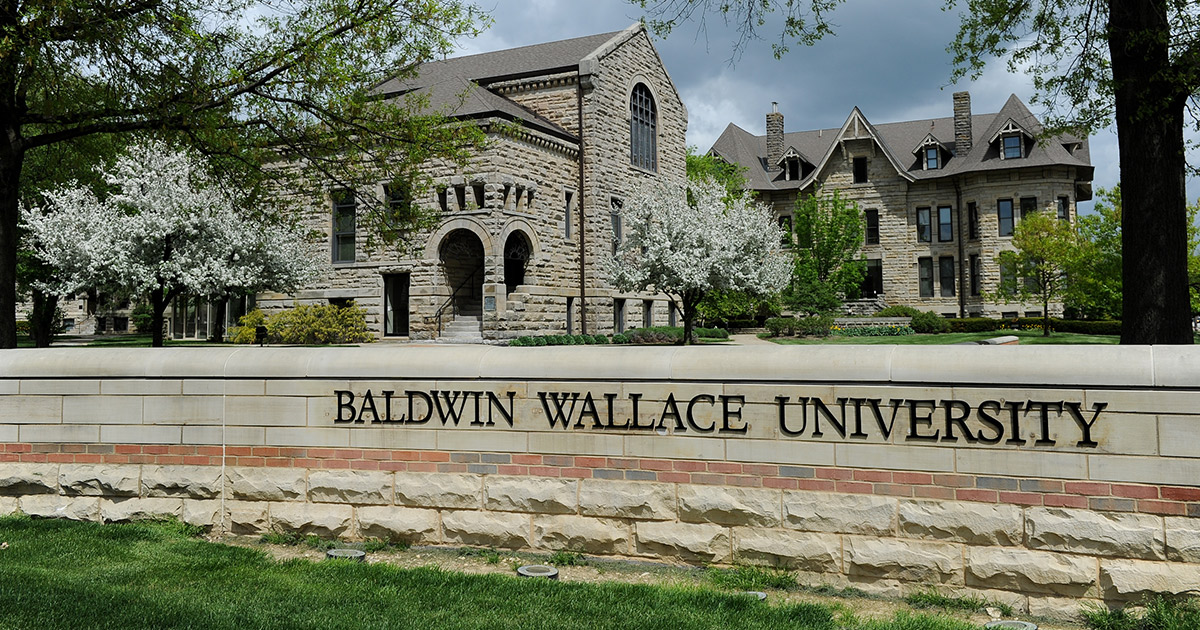
The Accelerated Bachelor of Science in Nursing (ABSN) program at Baldwin Wallace University is designed for students who already hold a bachelor's degree in another field and wish to transition into nursing. This intensive 15-month program combines rigorous classroom instruction with extensive clinical rotations, preparing you for a fulfilling career in various healthcare settings. Graduates gain essential leadership, communication, and critical thinking skills vital for today's complex healthcare system. The program emphasizes hands-on learning through state-of-the-art facilities, including a sophisticated nursing lab with a birthing simulator and HoloLens virtual reality technology. You'll complete clinical rotations with prestigious affiliates such as Cleveland Clinic, Southwest General Health Center, and University Hospitals. The curriculum is concept-based, ensuring you develop in-demand skills and are well-prepared for the National Council Licensure Examination (NCLEX-RN) and immediate employment.

Accelerated Bachelor of Science in Nursing (ABSN)
Accelerated BSN (ABSN)
The Accelerated Bachelor of Science in Nursing (ABSN) program at Baldwin Wallace University is designed for students who already hold a bachelor's degree in another field and wish to transition into a nursing career quickly. This intensive 15-month program combines rigorous classroom instruction with comprehensive clinical rotations, preparing you with essential leadership, communication, critical thinking, and clinical skills for the modern healthcare environment. Upon completion, you will be well-prepared to sit for the National Council Licensure Examination for Registered Nurses (NCLEX-RN). Students from diverse academic and professional backgrounds are welcomed, provided they meet specific prerequisite coursework requirements. The program focuses on a compassionate, holistic, and team-based approach to patient care, taught by experienced nursing professors. This program is a full-time commitment and working during your enrollment is not recommended due to its demanding schedule.

Accelerated Online RN-to-BS in Nursing
Advance your nursing career with Stevenson University Online's accelerated RN-to-BS program. Designed for registered nurses, this fully online program allows you to earn your Bachelor of Science in Nursing in as little as 15 months, building on Stevenson's extensive experience in nursing education. The program is accredited by the Commission on Collegiate Nursing Education (CCNE), ensuring a respected and high-quality education. The flexible online format allows you to balance your studies with your professional and personal life. A unique feature of the program is the ability to complete your clinical hours on the job, minimizing disruption to your schedule. Stevenson University Online offers personalized support through expert faculty, dedicated advising, and small class sizes, ensuring you have the resources needed for success. A free transcript evaluation is provided before you apply, so you can clearly understand the path to completing your degree.

Accelerated Second-Degree Bachelor of Science in Nursing (BSN)
The Mount Sinai Phillips School of Nursing (PSON) offers an Accelerated Second-Degree BSN program for individuals who already hold a bachelor's degree in a field other than nursing. This program is designed to provide a rigorous and comprehensive nursing education, preparing students for practice within the Mount Sinai Health System and beyond. PSON emphasizes a holistic admissions process, valuing life experiences and potential contributions alongside academic achievements. The program aims to foster supportive relationships through small cohort sizes and offers an affordable education within a state-of-the-art facility.

Adult Gerontological Acute Care Nurse Practitioner Certificate
The Adult Gerontological Acute Care Nurse Practitioner (AG-ACNP) Certificate program at the University of Minnesota School of Nursing is designed for advanced practice registered nurses (APRNs) seeking to specialize in the acute care of adult and older adult populations. This program builds upon existing nursing expertise to prepare graduates for leadership roles in complex acute care settings, focusing on the management of acute and critical illnesses and exacerbations of chronic conditions in adults, including the frail elderly. This certificate offers a focused curriculum on the pathophysiology, pharmacology, and management of acute and critical conditions relevant to adult and gerontological populations. Graduates will be prepared to provide high-level, evidence-based care in diverse acute care environments, such as intensive care units, emergency departments, and hospitalist services. The program emphasizes a comprehensive approach to patient care, incorporating advanced assessment, diagnosis, and treatment strategies.

Advanced Nursing Concepts
This course introduces students to advanced concepts in nursing practice, building upon foundational knowledge of oxygenation, perfusion, metabolism, and infection. It delves into advanced topics such as cellular regulation, intracranial regulation, and alterations in tissue integrity. By integrating nursing concepts with Tanner's clinical judgment model, students will develop advanced clinical decision-making skills applicable to high-acuity environments. Practical experience is gained through clinical rotations in step-down units, critical care units, and emergency departments.

Advanced Practice Nursing Specialties
Associate Degree in Nursing
The Associate Degree in Nursing (ADN) program at Illinois Eastern Community Colleges (IECC) prepares students for a dynamic and highly sought-after career in nursing. Recognizing the significant shortage of qualified nurses, the program focuses on equipping students with the essential knowledge, skills, and attitudes required for professional registered nursing practice. Graduates are well-prepared and in demand by employers in the field. The ADN program is available across four IECC campuses: Frontier Community College, Lincoln Trail College, Olney Central College, and Wabash Valley College, offering students the flexibility to choose a location that suits their needs while receiving a quality education close to home. The program emphasizes a hometown, family-oriented approach to learning. The IECC ADN program holds accreditation from the Accreditation Commission on Education in Nursing (ACEN) and is approved by the Illinois Department of Financial and Professional Regulation. This ensures that students receive a high standard of education. For those interested in exploring career paths or seeking more information, contacting a program advisor is recommended.
Associate Degree in Nursing (A.S. Nursing)
Sullivan University's Associate Degree in Nursing (A.S. Nursing) is designed to equip you with the knowledge and skills needed for a career in nursing. The program emphasizes comprehensive care through immersive instruction and practical, real-world application. You will learn current best practices from experienced faculty and gain hands-on training through skills labs and clinical experiences, including simulations. The curriculum focuses on core nursing components such as professional behaviors, communication, assessment, clinical decision-making, evidence-based practice, and patient care management. Graduates are eligible to sit for the National Council Licensure Examination (NCLEX-RN) to become a registered nurse. The program is offered in an accelerated format, allowing you to begin your nursing career sooner.

Associate Degree in Nursing (ADN)
The Associate Degree in Nursing (ADN) program at ECPI University is designed to prepare you to become a Registered Nurse (RN) in an accelerated timeframe of 18 months. This program focuses on equipping students with essential skills and knowledge for safe and effective patient care across various healthcare settings, with a strong emphasis on clinical reasoning. Graduates of the ADN program are prepared to sit for the National Council Licensure Examination for Registered Nurses (NCLEX-RN). The curriculum covers core nursing concepts, including nursing fundamentals, clinical skills like vital sign measurement and medication administration, health assessment techniques, and direct patient care. The program also emphasizes legal and ethical aspects of nursing practice, ensuring graduates are responsible and competent healthcare professionals. Upon completion, you will be ready to enter the nursing field and make a positive impact on patients' lives.

Associate of Science in Nursing
Associate to Bachelor’s in Nursing Option
The Associate to Bachelor’s (ATB) in Nursing Option is a dual-enrollment program designed for students currently enrolled in a partner community college nursing program. It allows you to simultaneously pursue credits towards your Bachelor of Science in Nursing (BSN) at Stevenson University. Upon completing your Associate of Science (A.S.) in Nursing at your community college, passing the NCLEX-RN licensure exam, and meeting Stevenson's requirements, you can transition to complete your BSN. A minimum of 30 credits must be completed at Stevenson University to graduate with the Bachelor of Science in Nursing degree.

B.S. in Nursing
Lander University's William Preston Turner School of Nursing offers a Bachelor of Science in Nursing (BSN) program designed to prepare students for a respected and in-demand career in healthcare. With a focus on providing direct patient care, support, and compassion, the program equips graduates with a strong foundation in nursing education. The curriculum emphasizes clinical reasoning and critical thinking skills to address the complex healthcare needs of the 21st century, aiming to develop well-rounded professional nurses committed to lifelong learning and holistic care. The program boasts a close academic and clinical education relationship with Self Regional Healthcare, utilizing advanced resources in nursing education at the Self Regional Healthcare Nursing Skills Simulation Center. Lander is committed to nursing education, with plans for a new facility dedicated to nursing training to open in 2026. Graduates consistently achieve high scores on the National Council Licensure Exam (NCLEX), leading to strong employment prospects.

Bachelor of Science in Nursing
The Bachelor of Science in Nursing (BSN) program at Hallmark University is designed to prepare students for a career as a registered nurse, equipping them with the knowledge and skills needed to sit for the NCLEX-RN exam. The curriculum emphasizes practical application, critical thinking, and problem-based learning through simulation labs and hybrid learning modalities. The program aims to develop graduates who can practice within legal, ethical, and professional standards, providing direct or coordinated care for patients in various healthcare settings. Hallmark University is accredited by the Accrediting Commission of Career Schools and Colleges (ACCSC), and this nursing program is a candidate for accreditation by the Accreditation Commission for Education in Nursing (ACEN) effective March 12, 2025.

Bachelor of Science in Nursing
The Bachelor of Science in Nursing (BSN) program at California State University Channel Islands (CSUCI) offers an innovative and interdisciplinary education for students passionate about health and caring for individuals, families, and communities. The program emphasizes applying theory to real-world practice, fostering teamwork, and developing critical decision-making skills. Through hands-on learning in a state-of-the-art Simulation Lab, students gain confidence and preparedness for the challenges of a nursing career. The lab features advanced mannequins and simulators that mimic human patients, allowing for practice in various medical procedures and scenarios. Graduates are equipped for a wide range of professional nursing roles in diverse healthcare settings.
Bachelor of Science in Nursing
Stevenson University offers a Bachelor of Science in Nursing (BSN) program designed to prepare students for the evolving role of nurses in healthcare. This program emphasizes ethical care, critical thinking, and a spirit of inquiry in education, practice, service, and research. A unique feature of Stevenson's BSN program is its direct admission policy; students are accepted into the nursing program upon admission to the university, allowing for early guidance and a continuous learning experience from the first semester. Small class sizes and clinical groups facilitate strong mentorship relationships with experienced faculty. Starting in the third year, students engage in clinical nursing courses at leading regional healthcare systems and local hospitals, gaining essential hands-on experience.

Bachelor of Science in Nursing
The Bachelor of Science in Nursing program at UTRGV equips students with the essential skills and knowledge needed to enhance and advance patient health across national, state, and local health communities. This program effectively blends theoretical concepts and research with practical clinical training, setting graduates on a path toward a fulfilling career in nursing. UTRGV offers various pathways within the Bachelor of Science in Nursing degree. Students can enter as first-time degree seekers through the BSN Generic program. Those who already hold a bachelor's degree can pursue a Second Degree BSN. Additionally, registered nurses with an associate's degree in nursing can advance their education through the RN to BSN program, which is delivered entirely online, providing flexibility for working professionals. Admission to the Bachelor of Science in Nursing program is competitive. The program is accredited by the Commission on Collegiate Nursing Education (CCNE).
Bachelor of Science in Nursing
Xavier University's Bachelor of Science in Nursing (BSN) program provides a comprehensive four-year education focused on developing exceptional nurses. The program integrates a strong science-based foundation with essential clinical competencies, emphasizing experiential learning and hands-on practicums. Rooted in Jesuit values, the curriculum encourages a holistic approach to patient care, integrity, compassion, and community service.

Bachelor of Science in Nursing (BSN)
The Bachelor of Science in Nursing (BSN) program at Troy University is designed for students seeking a rewarding career in healthcare. This degree provides advanced knowledge and skills essential for excelling in nursing, potentially leading to higher salary potential and broader career options. The program emphasizes real-world practice through in-class demonstrations, simulations, and practicum courses, preparing graduates to sit for the NCLEX-RN exam and obtain licensure.
Bachelor of Science in Nursing (BSN)

Bachelor of Science in Nursing (BSN)
The Washington State University (WSU) College of Nursing offers accredited Bachelor of Science in Nursing (BSN) programs designed to educate and train future healthcare professionals. With a commitment to integrity, caring, and social justice, WSU aims to transform healthcare through its educational programs, research, and community engagement. The college has campuses in Spokane, Tri-Cities, and Vancouver, allowing it to serve diverse community needs. WSU seeks applicants who are motivated to make a positive impact in the nursing field and are looking to contribute to an innovative nursing community.

Bachelor of Science in Nursing (BSN)
The fully online Bachelor of Science in Nursing (BSN) program at Pasco-Hernando State College is designed for Registered Nurses (RNs) who hold an Associate in Science in Nursing (ASN) degree or a nursing diploma. This program builds upon your existing clinical experience, enhancing skills in management, leadership, theory, and research. It emphasizes evidence-based practice and critical thinking to prepare you for advanced roles and diverse healthcare environments. Some general education requirements might necessitate in-person or hybrid attendance.
Bachelor of Science in Nursing (BSN)
The Bachelor of Science in Nursing (BSN) program at ECPI University is designed for individuals passionate about a career in nursing who also desire the advancement opportunities a bachelor's degree provides. This innovative program allows you to achieve your goals in an accelerated timeframe of just 2.5 years. It's ideal for those eager to enter the nursing field quickly while building a strong educational foundation for future career growth. Upon graduation, you will be prepared to take the NCLEX-RN licensure exam and earn your BSN degree, opening doors to leadership and specialty roles. Earning a BSN offers significant advantages, including a wider range of career opportunities, a stronger basis for pursuing advanced nursing degrees, and a deeper understanding of nursing theory and research. The program emphasizes developing critical skills such as advanced health assessment, evidence-based practice integration, and leadership in healthcare settings. Graduates will gain knowledge and practical experience to provide patient-centered, evidence-based care with teamwork and cultural competence.
Bachelor of Science in Nursing (BSN)
The Bachelor of Science in Nursing (BSN) program at The University of Texas Rio Grande Valley (UTRGV) is designed to equip graduates with a high level of competency for entry-level nursing positions in diverse healthcare environments. The program emphasizes professional excellence, encouraging intellectual achievement and the development of advanced nursing skills. It prepares students to meet the evolving needs of a multicultural and multilingual society, particularly within the Rio Grande Valley region. UTRGV offers three pathways to a BSN: a generic BSN for those new to nursing, a Second Degree BSN for individuals holding a non-nursing bachelor's degree, and an RN to BSN program for Associate Degree in Nursing (ADN) holders. The generic BSN program focuses on integrating theoretical knowledge, research, and leadership into professional nursing practice for individuals, families, and communities, serving as a strong foundation for further graduate studies. Graduates are eligible to apply for licensure as a Registered Nurse in Texas after passing the NCLEX-RN exam.

Bachelor of Science in Nursing (BSN)
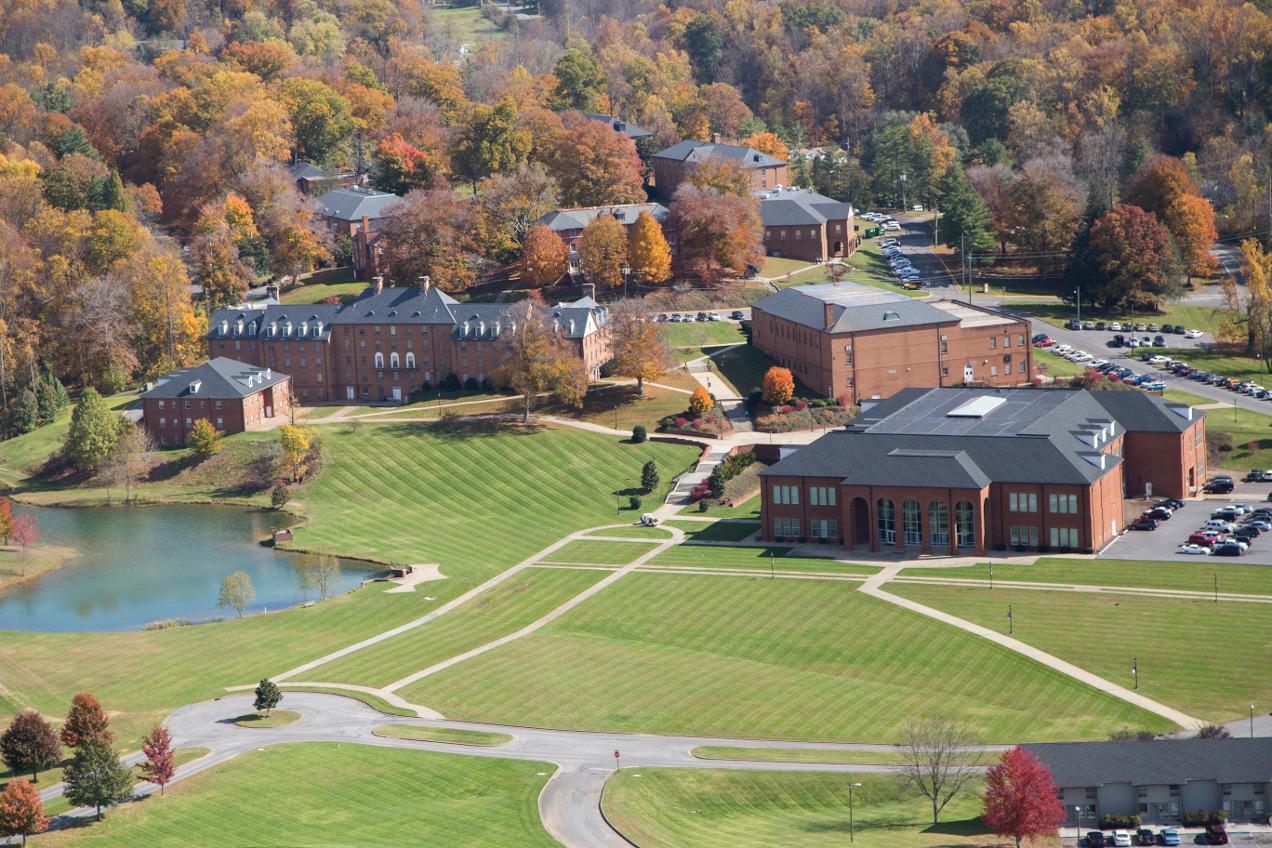
The University of North Carolina at Chapel Hill (UNC) School of Nursing offers a Bachelor of Science in Nursing (BSN) program designed for students seeking to enter the nursing profession. The program emphasizes a holistic evaluation of applicants, considering academic performance, essays, community service, and potential contributions to the field. Successful candidates demonstrate a strong academic record and a commitment to service. The curriculum is rigorous, with a focus on science and the core principles of nursing practice.
Bachelor of Science in Nursing (BSN)
King University's Bachelor of Science in Nursing (BSN) program is designed for prelicensure students seeking a baccalaureate degree in nursing. The program emphasizes a holistic approach to patient care, fostering critical thinking, diversity, and social justice. You will develop essential skills through a combination of classroom learning and hands-on clinical experiences in various healthcare settings. The curriculum focuses on promoting health, spiritual well-being, and professional development, enabling you to build strong relationships with faculty and a diverse cohort of peers. Graduates are prepared for entry-level nursing roles and are eligible to sit for the NCLEX-RN licensure exam.
Bachelor of Science in Nursing (BSN) - RN to BSN Track
The Bachelor of Science in Nursing (BSN) Track II program at California State University Channel Islands is designed for individuals who have an Associate Degree in Nursing (ADN) from a local community college or hold a Registered Nurse (RN) license and wish to earn their Bachelor of Science in Nursing degree. This program offers up-to-date theory and practical, real-world applications taught by experienced nurse educators. It is designed for convenience with an online, asynchronous format for most coursework, making it ideal for busy schedules. The program emphasizes a skills-based education, preparing students for rewarding careers in nursing with cutting-edge science and practical knowledge.

Bachelor of Science in Nursing (RN to BSN)
The Bachelor of Science in Nursing (BSN) RN to BSN online program is designed for registered nurses who hold an Associate in Science degree in nursing and a current, valid Florida RN license. This program allows practicing nurses to advance their studies and earn a baccalaureate degree while continuing their professional careers. It provides a flexible, 100% online learning environment, allowing students to enroll full-time or part-time to fit their schedules.

Bachelor's Degree in Nursing - Accelerated Second Degree Concentration
Purdue University Northwest's College of Nursing offers an Accelerated Bachelor's Second Degree in Nursing. This program is designed for individuals who already hold a bachelor's degree in another field and wish to pursue a Bachelor of Science in Nursing (BSN) in a condensed timeframe. It is an intensive, full-time program focused on academically talented students motivated to enter the nursing profession quickly. The curriculum begins with clinical practicum experiences in the first semester and is structured over four consecutive semesters, starting in the fall and concluding the following fall.
Basic Nurse Assistant Training Program
Prepare for a career in patient care by completing the Basic Nurse Assistant Training Program at one of the four IECC campuses. This program combines classroom instruction with clinical hours at local hospitals, meeting the certification requirements set by the Illinois Department of Public Health. Upon successful completion, you will be eligible to take a written competency test administered by SIU-C on IECC campuses. Passing this test allows you to work as a Certified Nurse Assistant (CNA) in the healthcare field. CNAs provide essential patient care, including bathing, grooming, feeding, assisting with medical equipment, and monitoring vital signs, while offering crucial social and emotional support and reporting patient conditions to nurses.
BSN to DNP-Nursing Leadership
Certified Nursing Assistant (CNA)
This program prepares students for a career as a Certified Nursing Assistant (CNA) in long-term care facilities. In as little as 4 weeks, you can gain the skills needed to begin a rewarding healthcare profession. The curriculum includes 120 hours of in-person instruction with hands-on clinical experience and real-world patient care. Upon successful completion, graduates are eligible to take the CNA exam without a skills exam.

College of Nursing
The California Baptist University (CBU) College of Nursing is dedicated to preparing competent, responsible, caring, and professional nurses grounded in a biblical worldview. The program emphasizes serving others and upholding human dignity. CBU offers a range of undergraduate and graduate nursing programs, including Bachelor of Science in Nursing (BSN), RN to BSN, and various Master of Science in Nursing (MSN) specializations, as well as a Doctor of Nursing Practice (DNP). CBU is the first university in Riverside County to offer degrees in nursing at the bachelor's level and above, and its graduates are highly sought after by healthcare providers.
Complex Individual and Family Nursing Concepts
This course introduces students to the complex concepts of nursing practice as they relate to individuals and families. It examines dynamic concepts across the entire lifespan, with a significant focus on family dynamics, reproduction, and alterations in growth and development. The course also explores mental health nursing concepts and their impact on both the individual and the family unit. By integrating nursing theories with Tanner's clinical judgment model, students will learn to assist individuals and families in adapting to health alterations throughout their lives. Practical experience will be gained through clinical rotations in pediatric, obstetric, geriatric, and behavioral health settings.

Doctor of Nursing Practice – Nurse Anesthesia
The Doctor of Nursing Practice – Nurse Anesthesia (DNP-NA) program at the Betty Irene Moore School of Nursing at UC Davis is designed to prepare advanced practice registered nurses to become certified registered nurse anesthetists (CRNAs). This program focuses on developing expertise in the specialized field of anesthesia care. Graduates are equipped with the knowledge and skills necessary to provide comprehensive anesthesia services. The DNP-NA program emphasizes clinical excellence, evidence-based practice, and leadership in anesthesia. It aims to meet the growing demand for highly skilled nurse anesthetists, ensuring high-quality patient care. The curriculum integrates theoretical knowledge with extensive clinical experience to foster critical thinking and problem-solving abilities essential for advanced practice.
Doctor of Nursing Practice (DNP)
Purdue University Northwest's post-master's Doctor of Nursing Practice (DNP) program focuses on translation science, preparing nurses to lead healthcare transformation. Graduates will become experts in finding, evaluating, synthesizing, and applying evidence to improve patient outcomes and organizational systems. The program emphasizes translating best evidence into practice with guidance from experienced faculty and facilitators, ultimately advancing patient care and nursing practice.
Doctor of Nursing Practice in Leadership and Population Health (DNP)
Xavier University offers an online Doctor of Nursing Practice (DNP) program focused on Leadership and Population Health. This post-master's doctoral program is designed for nurses who aim to practice at the highest level of clinical scholarship. Rooted in the Jesuit tradition, the program encourages a comprehensive understanding of healthcare, incorporating ethics, history, and social justice to prepare graduates for leadership roles in a dynamic global healthcare landscape.
Dual Degree – MSN in Forensics and MS in Criminal Justice
Advance your career with Xavier University's unique online dual degree program, offering both an MSN in Forensics and an MS in Criminal Justice. This program is designed for professionals aiming to integrate healthcare and criminal justice expertise, focusing on areas like forensic nursing, victim advocacy, and mental health within the legal system. It provides a specialized interdisciplinary education, preparing you for advanced roles at the intersection of these two critical fields. The program does not require GRE scores.
Entry-Level Nursing, MSN
The Entry-Level Master of Science in Nursing (EL MSN) program at California Baptist University is designed for individuals who hold a bachelor's degree in a field other than nursing and wish to transition into a career in nursing. If you have completed all prerequisite courses, you can apply directly to this program. If you have not yet completed the prerequisites, you may first enroll in the Graduate Pre-Nursing program at CBU. This program prepares you to take the National Council Licensure Examination (NCLEX-RN) to become a registered nurse, after which you will complete post-licensure coursework to earn your Master of Science in Nursing.
Family Nurse Practitioner
Family Nurse Practitioner (MSN)
The Master of Science in Nursing (MSN) with a Family Nurse Practitioner (FNP) concentration is designed for registered nurses who want to advance their careers and take on a more comprehensive patient care role. This program equips students with the skills to diagnose illnesses, prescribe medications, order diagnostic tests, and perform physical examinations for patients across all age groups. Graduates will be prepared to provide primary care and specialty nursing services in various healthcare settings.

Georgia Gwinnett College Programs
Georgia Gwinnett College (GGC) offers a dynamic and affordable educational experience with a focus on student success and a rich global community. Located in Lawrenceville, Georgia, just an hour from Atlanta, GGC provides over 20 majors and 60 programs of study in high-demand fields. The college prides itself on offering a private school education at a public school cost, making it an attractive option for students seeking quality higher education. GGC fosters an inclusive environment where diverse perspectives contribute to personal and professional growth, preparing students for success in their chosen careers.
Graduate Nursing Programs
West Virginia Wesleyan College's School of Nursing offers advanced graduate programs designed to prepare nurses for leadership roles and specialized practice. These programs emphasize developing future nurse leaders to drive healthcare reform and advocate for patient needs. Offered through a combination of online coursework and limited on-campus residencies, the programs aim to be flexible for working professionals. Practicum experiences are arranged in students' local communities. Admission is competitive and requires maintaining a 3.0 GPA and an unencumbered RN license.
Master of Science in Nursing
The Master of Science in Nursing (MSN) program at the College of Mount Saint Vincent is designed for registered nurses seeking to advance their careers. The curriculum integrates theoretical knowledge, practical experience, and research methodologies to prepare graduates for leadership roles in healthcare. Students have the option to specialize as a Family Nurse Practitioner, equipping them with the skills needed for advanced practice. This program emphasizes critical thinking and scholarly inquiry, providing a strong foundation for further doctoral studies in nursing if desired. Graduates will be prepared to implement the latest advancements in nursing practice and contribute significantly to improving healthcare, health policy, and the nursing profession as a whole.
Master of Science in Nursing - Family Nurse Practitioner
The Master of Science in Nursing (MSN) program with a Family Nurse Practitioner (FNP) concentration at West Virginia Wesleyan College prepares advanced practice nurses to provide comprehensive primary healthcare. FNPs are equipped to diagnose and manage both acute and chronic health conditions, focusing on health promotion and disease prevention. This program emphasizes autonomous practice and collaboration within healthcare teams. The curriculum is delivered through a combination of online and hybrid learning methods, with required short on-campus residencies. Practicum experiences are arranged in the student's home community. Upon completion, graduates are eligible to sit for the national certification examination as Family Nurse Practitioners.
Master of Science in Nursing – Adult-Gerontology Primary Care Nurse Practitioner
This Master of Science in Nursing (MSN) program, with a specialization in Adult-Gerontology Primary Care, focuses on preparing advanced practice nurses. You will develop expertise in the advanced assessment, differential diagnosis, and evidence-based management of both acute and chronic health conditions. The curriculum is designed to equip you to provide patient-centered care in outpatient and community settings, and to prepare you for national certification as a Nurse Practitioner. The program is delivered entirely online, offering flexibility for working professionals while maintaining the same rigorous academic standards and personalized faculty mentorship as on-campus programs.
Master of Science in Nursing – Family Nurse Practitioner (MSN-FNP) Track
The online Master of Science in Nursing – Family Nurse Practitioner (MSN-FNP) track at Xavier University equips you to become a skilled leader in healthcare. This program prepares you to provide comprehensive, evidence-based care to patients of all ages, from infancy through old age. You will gain the knowledge and practical skills necessary for advanced primary care, focusing on health promotion and holistic disease management. The curriculum is delivered entirely online, offering flexibility for working professionals.
Master of Science in Nursing – Psychiatric Mental Health Nurse Practitioner (MSN-PHMNP) Track
This online Master of Science in Nursing (MSN) program, with a specialization in Psychiatric Mental Health Nurse Practitioner (PMHNP), is designed for BSN-prepared nurses seeking to become board-certified PMHNPs. The program aims to equip you with the skills to provide comprehensive psychiatric care across all age groups, aligning with Xavier University's commitment to service and Jesuit values. You will gain advanced expertise to diagnose, treat, and manage psychiatric disorders, emphasizing holistic and patient-centered care.
Master of Science in Nursing (MSN)
California Baptist University offers a Master of Science in Nursing (MSN) program designed for registered nurses seeking to advance their education and careers. The program offers different pathways depending on your prior academic qualifications and nursing license. Students can choose between the Entry-Level MSN, ADN to MSN, or BSN to MSN tracks.

Master of Science in Nursing (MSN)
The Master of Science in Nursing (MSN) program at California Southern University is designed to advance your ability to provide sophisticated, evidence-based nursing care ethically within diverse socioeconomic and cultural contexts. The program emphasizes effective oral and written communication, enabling you to analyze, synthesize, and apply knowledge across various healthcare settings. Through a culminating capstone project, you will integrate your learning into a practical experience. You can choose to specialize as a nurse executive leader or a nurse educator in healthcare administration. While this program is not designed to meet specific professional licensure requirements in all states, it does fulfill the requirements for Public Health Nurse (PHN) certification in California.
Master of Science in Nursing (MSN)
The Master of Science in Nursing (MSN) program at California State University Channel Islands prepares advanced practice nurses to deliver primary and acute care services to diverse populations. The program is built on the Essentials of Master’s Education in Nursing Standards and equips students for doctoral-level study. The Family Nurse Practitioner (FNP) track aligns with national competencies to prepare graduates for certification exams. The Nurse Educator track is currently paused for admissions.
Master of Science in Nursing (MSN) - Entry-Level
The Graduate Pre-Nursing program at California Baptist University (CBU) is designed for individuals who hold a bachelor's degree in a field other than nursing. This program provides the essential prerequisite coursework needed to become eligible for admission into CBU's Master of Science in Nursing (MSN) program. It serves as a pathway for students to transition into a nursing career by completing the required foundational studies at CBU.
Master of Science in Nursing Education (MSN)
ECPI University offers a Master of Science in Nursing (MSN) with a concentration in Nursing Education, designed for individuals passionate about teaching and shaping the future of nursing. This accelerated 15-month program equips you with advanced knowledge and pedagogical skills to excel as a nursing educator in various academic and clinical settings. You will learn to develop and implement effective nursing curricula based on current evidence-based practices, and develop mentorship skills to guide and inspire future nurses in clinical practice, critical thinking, and professional growth.
Master's Degree in Nursing - Family Nurse Practitioner Concentration
Purdue University Northwest's Master of Science in Nursing (MSN) program with a Family Nurse Practitioner (FNP) concentration prepares graduates to provide comprehensive primary care to patients across their lifespan. FNPs are increasingly vital in healthcare, managing common health issues and chronic illnesses. This program equips you with the skills to promote health, prevent disease, and educate patients, enabling you to work in diverse primary care settings. The curriculum emphasizes evidence-based practice and integrates clinical experience with preceptors to ensure you meet FNP practice competencies.
MSN to DNP-Advanced Practice
MSN to DNP-Nursing Leadership
Frequently asked questions
How many Nursing programmes are available in the United States?
+
There are 115 Nursing programmes listed across 39 US universities, covering a range of levels from associate and bachelor's degrees to master's and doctoral programmes.
How much does Nursing study cost in the United States?
+
Tuition varies by programme — check each listing for current fees, as costs differ significantly between public and private institutions and by residency status.
Which universities offer Nursing programmes in the United States?
+
Among the 39 universities are California Baptist University, Monroe College, Hallmark University, Pasco-Hernando State College, and National Park College.
Can international students study Nursing in the United States?
+
Yes. International students can apply; however, entry to the US nursing workforce requires passing the NCLEX exam and obtaining state licensure, which has its own eligibility requirements for foreign-trained nurses.
What are the typical entry requirements for Nursing programmes?
+
Entry requirements depend on the level: BSN programmes typically require a high-school diploma and science prerequisites; advanced programmes (MSN, DNP) require a prior nursing degree and often current RN licensure.