Master's in Psychology & Behavioral Sciences in United States
The United States offers 48 Master's programmes in Psychology & Behavioral Sciences across 24 universities, providing graduate-level training in clinical, counselling, experimental, organisational, and applied psychology. Institutions including Massachusetts Institute of Technology, Rice University, Lindenwood University, and California Baptist University are among those offering these programmes. Tuition is approximately €27,000 per year across the range of listed programmes.
US Master's in Psychology programmes typically run one to two years and may be structured as terminal professional degrees or as stepping stones toward doctoral studies. Specialisations range from clinical mental health counselling and school psychology to industrial-organisational psychology and neuroscience. Students in applied programmes often complete supervised practicum or internship hours alongside coursework to meet state licensure requirements.
Applied Behavior Analysis (MS, Certificate)
Philadelphia College of Osteopathic Medicine (PCOM) offers programs in Applied Behavior Analysis (ABA) designed to train highly skilled professionals. These programs focus on assessing and supporting individuals with neurodevelopmental and behavioral disorders, particularly in pediatric settings. The curriculum emphasizes behavioral pediatrics, a subspecialty of ABA, preparing students to work in diverse environments such as clinical, medical, residential, community, and educational settings. Courses are led by board-certified behavior analysts and psychologists within a medical school framework, fostering interdisciplinary learning and collaboration. PCOM offers both a Master of Science (MS) in Applied Behavior Analysis and an online ABA Certificate program.

Counseling (Ed.S.)
The Education Specialist (Ed.S.) in Counseling program at Troy University is designed for professionals looking to advance their skills and expertise in various counseling settings. This program offers rigorous preparation for leadership and supervision roles in mental health agencies, schools, and clinical environments. You will gain a deep understanding of advanced counseling theories and techniques, crisis management, and specialized topics relevant to your career goals, preparing you for impactful work with diverse populations.

Dual Master of Arts in Counseling Ministry and Master of Science in Counseling Psychology
This unique dual degree program allows students to earn both a Master of Science in Counseling Psychology and a Master of Arts in Counseling Ministry. It is designed to prepare graduates for licensure as Marriage and Family Therapists (MFT) and to work effectively in both clinical and congregational settings. The program integrates a strong biblical understanding of human beings with psychological theories and practical counseling skills.
Dual Master of Science in Counseling Psychology and Master of Science in Sport and Performance Psychology
This unique dual degree program allows students to earn both a Master of Science in Counseling Psychology and a Master of Science in Sport and Performance Psychology. The program is designed for individuals with a background in psychology who aspire to become counselors specializing in sport and performance. The Counseling Psychology curriculum aligns with requirements for licensure as a Marriage and Family Therapist (MFT) in California and, with additional coursework, as a Professional Clinical Counselor (PCC). The Sport and Performance Psychology curriculum meets the Association for Applied Sport Psychology's criteria for certified mental performance consultants and includes internship opportunities for practical experience and certification.

Early Interventions in Autism & Sensory Impairments, MA
Lindenwood University offers an online Master of Arts in Early Intervention in Autism and Sensory Impairments designed to equip educators and professionals to support families with young children affected by autism and sensory challenges. This program delves into family-centered practices, communication strategies, social-emotional development, and evidence-based interventions. Graduates will be prepared to work with infants and young children, focusing on their specific needs related to autism spectrum disorder, deaf/hard of hearing impairments, and vision impairments.

Educational Psychology
The Educational Psychology program at the University of Illinois Urbana-Champaign prepares graduate and undergraduate students for careers in academia, research, and specialized roles within education and psychology. The department focuses on developing professionals who can contribute to fields such as university professorships, research, counseling psychology, and expertise in testing, measurement, and evaluation. Students benefit from a program ranked #7 in Educational Psychology in the US by U.S. News and World Report, fostering an environment of rigorous academic inquiry and practical application.

Graduate Theology Programs
Claremont School of Theology offers a range of Master's and Doctoral programs designed for individuals seeking advanced study in theological fields. Whether you are preparing for ordination, chaplaincy, religious leadership, academic research, or personal enrichment, our programs provide a foundation for theological exploration and vocational application. We cater to diverse interests within religion and ministry, offering specialized tracks and concentrations to tailor your educational journey.

Leadership, MS - Christian Counseling Emphasis

LMHC Track, Mental Health Counselor License
This track is designed for graduates with a master's degree in School Counseling who wish to meet the requirements for the Licensed Mental Health Counselor (LMHC) license in Indiana. It is a 12-credit hour program focused on developing competencies in advocacy, counseling, and consulting for a broad range of mental health needs.
M.S.Ed. in School Counseling
Purdue University Northwest's Master of Science in Education (M.S.Ed.) in School Counseling program prepares you to become an ethical, culturally competent school counselor in K-12 settings. You will gain skills in individual and small group counseling, classroom guidance, college and career planning, and consultation with teachers, parents, families, and other professionals. The program emphasizes evidence-based practices and integrates counseling theory, skills, and multicultural counseling knowledge. Graduates are eligible for K-12 school counselor licensure in Indiana.

MA in Counseling
West Virginia Wesleyan College offers a Master of Arts in Counseling designed to train empathetic and skilled professionals. The program emphasizes a relationship-centered curriculum to equip students with the ability to foster healing and strengthen communities. It is offered in a flexible hybrid online format, accommodating working professionals by integrating online learning with two required weekend residencies per academic year (one in-person, one virtual). Students have the option to specialize in Clinical Mental Health Counseling or Addiction Counseling, or pursue both with additional coursework. The program consists of 60 credit hours, with 51 core credits covering foundational counseling knowledge and skills. The remaining 9 credits can be used for specialization electives. Courses are delivered in 8-week sessions, with students typically taking two courses per session as full-time students, allowing for completion within two academic years. A minimum GPA of 3.0 is required to progress.

Master of Arts (MA) in Psychology with an Emphasis in Marriage and Family Therapy
The Master of Arts (MA) in Psychology with an Emphasis in Marriage and Family Therapy is designed for individuals aspiring to become Marriage and Family Therapists (MFT) or Licensed Professional Clinical Counselors (LPCC). This online program is suitable for those passionate about assisting individuals, couples, and families with emotional, behavioral, mental health, and relationship challenges. The curriculum focuses on developing essential skills in communication, intervention, and ethical practice within the field of psychology and therapy.
Master of Arts in Counseling
The Master of Arts in Counseling program at Lindenwood University is designed to equip students with the empathy and skills needed to support individuals facing life's challenges. The program offers specializations in Clinical Mental Health Counseling or School Counseling, preparing graduates for diverse roles in mental health agencies, schools, and other counseling settings. Lindenwood's program emphasizes small class sizes, opportunities for one-on-one faculty mentorship, and hands-on internship experiences to foster professional growth and readiness for licensure.
Master of Arts in Counseling
Master of Arts in Counseling Ministry
The Master of Arts in Counseling Ministry is a one-year program designed to equip students with a biblically based and academically integrated approach to people-helping within various ministry contexts. It offers a solid theological understanding of human problems and solutions, emphasizing a biblical perspective on human nature and well-being. Students will learn to integrate theological insights with behavioral science principles to foster healing relationships.
Master of Arts in Educational Psychology
The Master of Arts (M.A.) in Educational Psychology at the University of Illinois Urbana-Champaign offers students the opportunity to specialize in various areas within the field. The department focuses on developing students' understanding of psychological principles applied to education, research methodologies, and practical applications. Students can pursue concentrations in Bilingual-Bicultural Education, Digital Learning, or African American Studies, or focus on specialized areas like Quantitative and Qualitative Methodology, Measurement, and Evaluation (QUERIES) or Mental Health Counseling. The program is designed to prepare students for advanced study or careers in educational settings, research, and related fields. Students applying for doctoral programs without a master's degree will first complete requirements for an M.S. degree as part of their doctoral studies.
Master of Arts in Forensic Psychology
California Baptist University's Master of Arts in Forensic Psychology program offers a specialized graduate education focused on the intersection of psychological principles and the criminal justice system. This interdisciplinary program is designed to equip students with advanced knowledge in areas such as human development, criminal behavior, psychopathology, and the psychology of law. Graduates will be prepared to apply psychological expertise within various legal and correctional settings.
Master of Arts in Psychology

Master of Industrial-Organizational Psychology (MIOP)
The Master of Industrial-Organizational Psychology (MIOP) is a full-time, two-year professional Master's program designed to provide graduate-level training in an applied area of psychology with high demand. The program equips students with scientific and practical knowledge concerning the psychology of work, the future of work, and strong methodological and statistical skills. Graduates are prepared for diverse roles in corporate, nonprofit, and government sectors, addressing critical issues such as medical safety and fostering inclusive workplace cultures. The field of I-O Psychology is experiencing significant demand, with the U.S. Bureau of Labor Statistics highlighting its growth.

Master of Professional Studies in Addictions Counseling
The Master of Professional Studies (MPS) in Addictions Counseling program at the University of Minnesota's College of Continuing and Professional Studies (CCAPS) is designed to prepare students for careers in the field of addiction counseling. This program focuses on developing the knowledge and skills necessary to effectively work with individuals and families affected by substance use disorders and co-occurring mental health issues. The curriculum integrates theoretical foundations with practical application, emphasizing evidence-based practices in assessment, treatment planning, intervention, and recovery support. The program aims to equip graduates with the competencies required for professional licensure and certification in many states. Students will gain a comprehensive understanding of addiction as a complex biopsychosocial phenomenon and learn to apply counseling theories and techniques within ethical and cultural frameworks. The curriculum also addresses prevention strategies, program evaluation, and advocacy within the addiction services system.
Master of Science (MS) in Psychology
The Master of Science (MS) in Psychology program at California Southern University offers a robust theoretical and research-based foundation in psychology, applicable to various non-clinical fields. This program emphasizes scientific research and the practical application of psychological principles. It serves as an alternative to the MA in Psychology and is designed for individuals interested in areas such as advanced addiction studies, pastoral counseling, sport psychology, and business consultation. The MS in Psychology also provides a strong basis for doctoral studies.

Master of Science in Child Development
The Graduate Group in Child Development at UC Davis offers a multidisciplinary Master of Science (M.S.) degree program. This program allows students to undertake a focused course of graduate study in child development, drawing on expertise from various departments. Students will complete a practicum experience, working with children and families in community settings or within the University's Center for Child & Family Studies. This degree prepares graduates for professions that directly or indirectly involve children and families, including roles in early childhood education, social policy, teaching, or research. It also serves as a strong foundation for pursuing doctoral studies in fields such as child development, human development, or clinical psychology.

Master of Science in Clinical Mental Health Counseling
Keiser University's Master of Science in Clinical Mental Health Counseling offers comprehensive preparation for a career in mental health and wellness. This program is designed to equip students with the theoretical knowledge, practical skills, and clinical experiences necessary to become licensed professional counselors. Graduates will be prepared to work in various settings, including private practice, rehabilitation facilities, and community agencies, focusing on individual and group counseling, crisis intervention, and advocacy. The curriculum integrates core counseling theories, principles of diagnosis, evidence-based treatment strategies, and ethical practices. The program emphasizes a "Students First" philosophy, offering a flexible learning environment with both online coursework and required in-person residency and clinical experiences. This approach aims to foster critical thinking, cultural competence, and a strong professional identity in aspiring counselors.
Master of Science in Counseling Psychology
The Master of Science in Counseling Psychology program at California Baptist University (CBU) is a well-established, faith-based degree focused on equipping students to support individuals, couples, and families. With a history spanning over 40 years, the program integrates psychological theory with a biblically rooted perspective, enabling graduates to address mental, emotional, and spiritual needs within the community. It is recognized by various agencies and respected throughout the Inland Empire.
Master of Science in Education in Mental Health Counseling
Purdue University Northwest's Master of Science in Education (M.S.Ed.) program in Mental Health Counseling is designed to equip you with the professional identity, counseling skills, and multicultural competence necessary to support diverse populations. The curriculum integrates theory, practice, and evidence-based treatment methods. You will gain experience through a supervised practicum and internship, including work within the university's student-driven counseling center that serves the local community. This program prepares you for a career in mental health, with strong job prospects in a growing field. Graduates are eligible to become licensed mental health counselors and have achieved exceptional pass rates on licensing exams. The curriculum is accredited by the Council for Accreditation of Counseling and Related Educational Programs (CACREP), ensuring you meet high standards for ethical and competent practice.
Master of Science in Industrial and Organizational Psychology
The Master of Science in Industrial and Organizational Psychology (MS in I-O Psychology) program at California Baptist University (CBU) equips students with a robust theoretical understanding and practical skills to address workplace challenges. Through hands-on experiences, students learn to design and implement interventions, conduct research, and foster human potential within organizations. Graduates are prepared to contribute meaningfully to businesses, non-profits, and faith-based communities by applying psychological principles to improve organizational performance and employee well-being. This program emphasizes the integration of science and practice, preparing students to become behavioral scientists who can empirically drive positive change. CBU's I-O Psychology program is recognized for its quality, ranking among the top campus-based master's programs in the field. The curriculum is designed to meet the guidelines set by the Society for Industrial and Organizational Psychology (SIOP), ensuring graduates are well-prepared for impactful careers.
Master of Science in Psychological Science
The Master of Science in Psychological Science (MSPS) program at the University of Illinois Urbana-Champaign is a two-year on-campus program designed for students seeking advanced training in psychology. It serves two primary goals: to provide foundational preparation for students aspiring to doctoral studies who may lack sufficient prior research experience, and to equip graduates with the skills needed for professional careers in industries that value a master's degree in psychology. The program emphasizes hands-on research experience within faculty-led labs, rigorous coursework comparable to that taken by doctoral students, and comprehensive professional development.

Master of Science in Psychology
The Master of Science in Psychology at Arizona State University is designed to prepare students for successful careers in psychological research or for further doctoral studies. This program emphasizes hands-on experience, allowing students to design and conduct research, analyze data, and develop presentations and manuscripts. You will be encouraged to present your research at professional conferences and to publish as co-authors with faculty members. This cohort-based program is completed over four semesters within 24 months at ASU's West Valley campus. Classes are available during both the day and evening, offering flexibility for students. The curriculum is comprehensive, covering professional issues in psychology, research methods, and advanced quantitative analysis.
Master of Science in School Counseling
California Baptist University's Master of Science in School Counseling program equips students with the practical skills and knowledge necessary to support students, families, and school personnel. This program prepares graduates for careers as school counselors and helps them obtain the Pupil Personnel Services (PPS) Credential. The curriculum emphasizes culturally competent practices, theoretical approaches to counseling, and program development within K-12 settings. The program utilizes a cohort model, fostering a collaborative learning environment where students progress through the curriculum together. This approach facilitates relationship building for professional networking and provides a supportive educational experience. Graduates are prepared to take the standardized School Counselor Examination (ETS/PRAXIS II), a key step for advancing in the profession.
Master of Science in School Psychology
The Master of Science (MS) in School Psychology program at California Baptist University is designed to prepare students for careers as school psychologists, culminating in both an MS degree and a Pupil Personnel Services (PPS) Credential. The program is structured over 3 to 3.5 academic years (8-9 semesters) and includes rigorous coursework, fieldwork, and an internship. Classes are typically held in the evenings, accommodating working professionals. Students gain practical experience through a required 450-hour practicum in the second year, followed by a comprehensive 1,200-hour internship in the third year. This internship includes a significant focus on early childhood settings and covers core areas such as cognitive assessment, counseling, and intervention within school systems. The university actively supports students in finding suitable fieldwork placements and mentors.
Master of Science in Sport and Performance Psychology
The Master of Science in Sport and Performance Psychology program at California Baptist University (CBU) prepares students to become consultants who help clients enhance performance and improve their quality of life through applied psychological strategies. The curriculum combines biblically rooted coursework in psychology and kinesiology with practical, hands-on experience through practicum placements and mentorship, equipping graduates for professional certification (CMPC). CBU's program is recognized as the top-ranked sport psychology program in California. Classes are conveniently scheduled in the evenings to accommodate working professionals.
Master’s in Clinical Mental Health Counseling
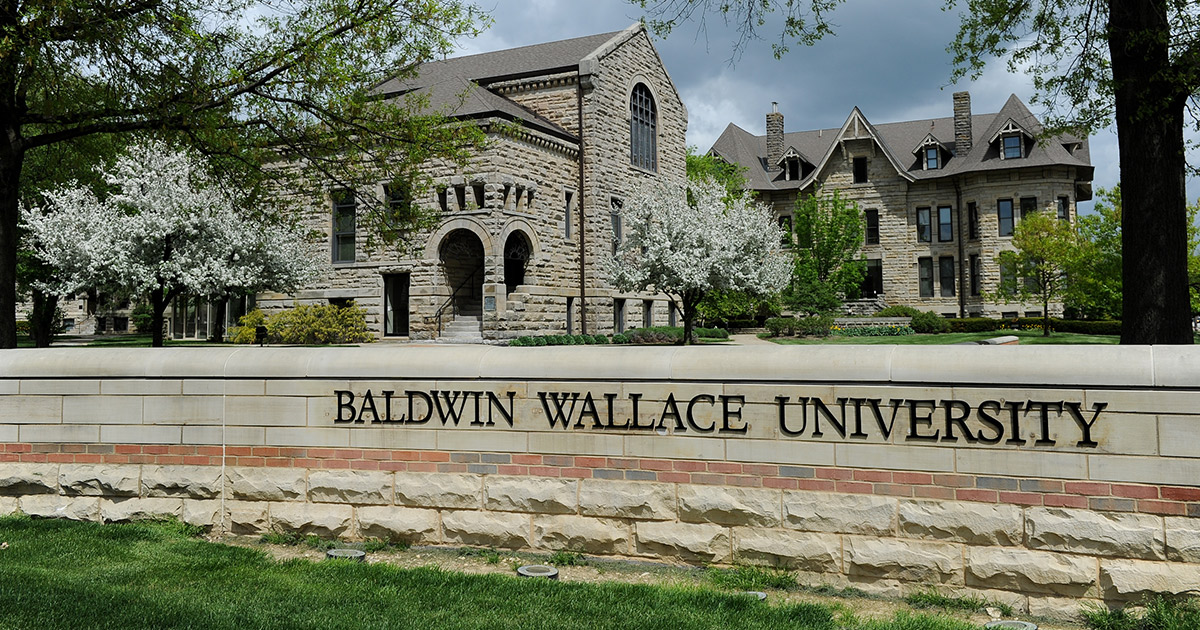
Baldwin Wallace University's Master of Arts in Clinical Mental Health Counseling (CMHC) is an intensive, full-time program designed to be completed in just 24 months. This program prepares students to become licensed professional counselors (LPC), equipping them with the skills and knowledge to support clients in improving their mental health and overall well-being. The curriculum emphasizes practical, application-oriented learning experiences, drawing on the extensive real-world experience of the faculty. The CMHC program focuses on developing ethical, competent, and successful professional counselors. Classes are taught primarily in-person on the BW campus, offering a consistent schedule of 1.5 days per week. This structure allows for close interaction with experienced faculty and provides valuable hands-on learning through small group discussions, role-playing, and clinical case studies. The program has received approval from both the Ohio Department of Higher Education (ODHE) and the Higher Learning Commission (HLC).

Master’s in Clinical Psychology, Counseling Practice, MA
Roosevelt University offers a Master of Arts (MA) in Clinical Psychology, Counseling Practice designed to prepare students for impactful careers as therapists and counselors. This comprehensive program focuses on developing essential skills in psychological assessment and intervention, grounded in current theory and research. Upon completion, graduates are eligible to apply for licensure as a professional counselor (LPC) in Illinois, with a pathway to becoming a Licensed Clinical Professional Counselor (LCPC) after gaining further experience.
MS in Applied Behavior Analysis
The Master of Science (MS) in Applied Behavior Analysis (ABA) program, with a specialization in behavioral pediatrics, provides a strong foundation in applied behavior analysis. It aims to integrate the best practices from psychology and behavior analysis to understand and improve child development, helping children with diverse needs in various pediatric settings. The program is delivered in a hybrid format, with over 50% of coursework available online, offering flexibility for students. It also emphasizes interprofessional education and collaboration within a medical school environment, preparing students for holistic healthcare practices and social justice advocacy.

MS in Genetic Counseling
The Master of Science in Genetic Counseling program at the Icahn School of Medicine at Mount Sinai offers a unique path for individuals aspiring to a career in genetic counseling. Situated within one of the world's largest genetics and genomics departments, this program aims to attract enthusiastic students eager to contribute to this rapidly evolving field. The curriculum provides a comprehensive education designed to prepare graduates for clinical practice, research, and education roles within genetic counseling.
MS in Mental Health Counseling
The Master of Science in Mental Health Counseling program at PCOM's Philadelphia campus prepares graduates for careers as Licensed Professional Counselors (LPC). The curriculum is designed to meet the educational requirements for licensure in nearly all U.S. states, including Pennsylvania and New Jersey. The program emphasizes a holistic approach, integrating mind and body to promote health and wellness, and provides specialized training in cognitive behavioral therapy and empirically supported treatment techniques.
Psychology (MS)
The Master of Science in Psychology at Arizona State University is an intensive, two-year campus-based program designed to provide extensive hands-on research experience. You will work closely with a faculty advisor to refine and strengthen your research skills, preparing you for either doctoral studies or a professional career. The curriculum combines specialized coursework in your area of interest with rigorous training in quantitative methods and statistics. The program fosters a supportive yet challenging environment, aiming to help you achieve your academic and professional goals.
Psychology and Economics
This course explores how psychological and economic factors interact to shape human behavior. It integrates insights from laboratory and real-world observations into economic theories and empirical research. The course aims to enhance the standard economic model by providing a deeper understanding of individuals' goals, preferences, and cognitive limitations such as attention span, memory, reasoning errors, social perception, self-control issues, and inaccurate predictions of future happiness.

Psychology and Economics
This course explores the intersection of psychology and economics, examining how psychological factors influence economic decision-making. It delves into concepts like time preferences, risk aversion, social preferences, and limited attention, using a combination of theoretical frameworks and empirical evidence from field and laboratory studies. The course material, including lectures, problem sets, and readings, is designed to provide a comprehensive understanding of behavioral economics.
School Psychology
School Psychology Programs (EdS/PsyD)
Philadelphia College of Osteopathic Medicine (PCOM) offers specialized programs in School Psychology, focusing on a collaborative approach to serving students. The programs train individuals to provide essential psychological services, including assessment, treatment, consultation, and program development. Emphasizing interprofessional collaboration, advocacy, cultural diversity, and service to underserved populations, PCOM's school psychology programs integrate competency-based curricula tailored to each degree. Students can choose between the Educational Specialist (EdS) program, designed for those with an undergraduate degree seeking school psychology certification, or the Doctor of Psychology (PsyD) program, which offers advanced training in assessment and cognitive-behavioral techniques for promoting student learning and well-being. Classes are offered in flexible formats, and the programs utilize standardized client actors to provide realistic clinical experiences. PCOM's approach is built on a foundation of faculty expertise, practical application, and strong student support.
School Psychology, EdS
The three-year Educational Specialist (EdS) in School Psychology program with a specialization in early childhood studies prepares you to work with young children (pre-K to age 8). You will gain essential clinical skills in assessment, evidence-based interventions, collaboration, and cultural sensitivity. The program awards both an MS in Educational Psychology and a Pupil Personnel Services (PPS) credential with authorization in school psychology, enabling you to become a leader in early childhood settings. The first two years of coursework mirror the MS in School Psychology program, with the third year offering specialized training focused on early childhood populations, including assessments, family collaboration, and intervention strategies.
Frequently asked questions
How many Master's in Psychology & Behavioral Sciences programmes are available in the United States?
+
There are 48 Master's programmes in Psychology & Behavioral Sciences across 24 universities in the United States.
How much does a Master's in Psychology & Behavioral Sciences cost in the United States?
+
Tuition is approximately €27,000 per year. Actual costs vary by institution and programme format, so consult each university's fee schedule for current figures.
Which universities in the US offer a Master's in Psychology & Behavioral Sciences?
+
Programmes are offered at Massachusetts Institute of Technology, Rice University, Lindenwood University, California Baptist University, Keiser University, and California Southern University, among 24 universities.
Can international students apply to Master's in Psychology programmes in the US?
+
Yes. International applicants typically need a bachelor's degree in psychology or a related field, English language test results, GRE scores where required, and letters of recommendation.
What are typical entry requirements for a Master's in Psychology & Behavioral Sciences in the US?
+
An undergraduate degree in psychology or a behavioural science is normally required, along with a competitive GPA, a personal statement, and academic references. Some programmes also require relevant work or volunteer experience in a mental health or research setting.