Social Sciences in United States
Students seeking Social Sciences programmes in the United States can choose from 58 programmes across 35 universities, spanning disciplines such as sociology, anthropology, political theory, and interdisciplinary social research. Prestigious institutions including Northwestern University, Brown University, and the California Institute of Technology are among those offering social sciences tracks at both undergraduate and graduate level.
Annual tuition ranges from roughly €11,000 to €62,000, reflecting a spectrum from in-state public university fees to elite private institution rates. The University of Massachusetts Boston and St. Johns River State College represent more accessible price points, while institutions like Brown University offer robust financial aid packages that can substantially reduce the net cost for admitted students.

Africana Studies PhD
The PhD program in Africana Studies at Brown University aims to equip students with the skills to generate innovative knowledge and cutting-edge scholarship within the discipline. The department serves as an intellectual hub for studying the artistic, cultural, historical, literary, and theoretical expressions of people of African descent globally. Graduates are prepared for careers in research, teaching, and public service, contributing to academic and non-academic communities with critical thinking and global perspectives. The program emphasizes interdisciplinary work with a focus on race, class, gender, and sexuality. Students engage with theories and methods from other academic disciplines, preparing them for significant contributions to both academic and non-academic spheres. The department fosters a vibrant intellectual community through resources like the C.L.R. James Journal and the Rites and Reason Theatre, and offers opportunities for cross-institutional study.

Aging Studies Minor
Aging Studies Minor
The global population is aging rapidly, creating a significant demand for professionals knowledgeable in the issues and needs surrounding aging. This minor provides students with a foundational understanding of gerontology, exploring various aspects of aging and its implications across different fields. It is designed for students interested in healthcare, education, research, public policy, and beyond, offering opportunities to understand and address the challenges and opportunities presented by an aging society.

Anthropology

Anthropology
Anthropology at Washington State University (WSU) explores the vast spectrum of human diversity, investigating fundamental questions about culture, human origins, and biological variability. Our faculty and students examine the complex interplay between our biological heritage and learned cultural traditions. The program prepares students for diverse roles in fields such as landscape management, human impact studies, cultural resource management, forensic investigations, and international development. We are dedicated to uncovering the unwritten aspects of human history, which constitute over 99% of our existence. Through world-class research and teaching, the WSU Anthropology Department aims to deepen understanding for the public, students, and the profession regarding human diversity. Many graduates pursue careers within anthropology's sub-disciplines, while others find the program enriches their perspectives for careers in different fields, fostering a holistic appreciation of the human condition.
Anthropology BA
The Anthropology BA program at UMass Boston offers students an in-depth exploration of human societies and cultures worldwide. This program emphasizes the development of critical thinking, research, and communication skills, equipping graduates to understand and address the complexities of a rapidly evolving global landscape. Students will gain cross-cultural understanding and become effective advocates for social change, prepared for diverse career paths.
Anthropology Minor
UMass Boston's Anthropology Minor is designed for undergraduate students seeking to enrich their major studies with an anthropological perspective. This program offers a deep dive into the history of humanity, exploring the intricate cultural, social, and biological complexities of human societies worldwide. You will engage with critical issues such as the diversity found in local communities, the global challenges faced by Indigenous and African Diasporic populations, the development of ancient civilizations, and the profound impacts of modernization and environmental shifts. The curriculum emphasizes the development of critical thinking, research, and communication skills, equipping you to effectively navigate a rapidly evolving world and contribute to positive social change.

Applying a Gender Lens to Advance Implementation Research
This intermediate course focuses on applying a gender lens to implementation research (IR) to improve global health equity. It explores how gender and intersectionality can be integrated into IR design, analysis, and strategy development. Students will learn to critique existing IR frameworks, modify them for explicit gender integration, and develop gender-sensitive strategies to address inequities and advance health equity worldwide. The course is designed for individuals with prior training or professional experience in implementation research.

Associate of Science in Human Services
The Associate of Science in Human Services program at Monroe University is designed to equip you with the essential skills for entry-level positions in the human services field. This program focuses on building a strong foundation in psychology, sociology, and counseling, while also exploring the diverse social and ethical issues relevant to serving various communities. You will develop enhanced cultural sensitivity and gain practical professional experience through required internships, preparing you to make a meaningful impact. This degree is ideal if you are passionate about helping others and want to serve diverse populations, including individuals with disabilities, mental health or substance abuse disorders, victims of domestic violence, immigrants, veterans, and senior citizens. The curriculum emphasizes not only theoretical knowledge but also the development of crucial communication, presentation, writing, and research skills necessary for effective advocacy. With a focus on real-world application, the program includes a mandatory supervised internship, providing at least 160 hours of field experience. This hands-on training, combined with expert mentorship from faculty with extensive experience in the field, ensures you graduate with the confidence and practical skills needed to succeed in a human services career.

Bachelor of Arts in Anthropology
The Anthropology program at California State University Channel Islands (CSUCI) offers an innovative and interdisciplinary education focused on understanding people: our origins, history, cultures, and the similarities and differences that shape our past, present, and future. Through this program, you will gain a deep understanding of ourselves and others, developing critical thinking and data interpretation skills. The curriculum exposes you to diverse fields, from biology to the fine arts, and provides opportunities for hands-on field studies in locations like the Channel Islands and Asia. This comprehensive approach prepares you for a wide range of career paths and graduate studies.
Bachelor of Science in Human Services (Online)
The Bachelor of Science in Human Services program equips you with the knowledge and skills to support diverse and underserved populations. You will gain a strong foundation in policy, ethics, social issues, psychology, sociology, and communication, preparing you for leadership roles in various social service settings. This program emphasizes both academic learning and practical experience through supervised fieldwork, ensuring you are ready to make a meaningful impact in communities. The demand for skilled human services professionals is growing, making this a timely and impactful career path.

Bachelor of Science in Social and Human Services
The Bachelor of Science in Social and Human Services program is designed to equip students with the skills needed to support a variety of client needs within fields like human services, social work, counseling, and nonprofit management. The curriculum emphasizes developing critical thinking and problem-solving abilities through practical experiences, fieldwork, and research. Graduates will be prepared to manage programs that benefit the public, assist individuals and families facing challenges such as mental health or substance abuse, and effectively utilize community and national resources.

Bachelor of Social Science Education (Grades 5-9)
The Bachelor's in Social Science Education (Grades 5-9) at Maryville University prepares you to teach middle school students, focusing on social studies subjects. This program emphasizes understanding the unique developmental stage of young adolescents and equipping them with foundational knowledge in social sciences to prepare them for high school. You will gain practical experience through a project-based learning approach and extensive practicum opportunities in diverse school settings.

Biopolitics of Human-Nonhuman Relations
This advanced graduate seminar, ENV 796b, delves into the biopolitics of human-nonhuman relations, exploring the theoretical and ethnographic implications of the 'post-humanist' turn. The course examines multi-species ethnography and its philosophical underpinnings, including ontological theories that challenge traditional human-centric perspectives. The seminar is structured into sections that progressively build understanding, starting with foundational introductions to the course and perspectivism. It moves on to explore entanglements, examining the translation of indigenous knowledge, the history of natural history, and the political dimensions of environmentalism. Metaphorical uses of non-human imagery in political discourse and geological imagery are also analyzed. The course culminates in student-selected readings and presentations of their seminar papers, allowing for deep dives into specific areas of interest. The final section concludes with reflections on plants as teachers and a lecture by the course teaching fellow. Enrollment is capped, indicating a focused and interactive learning environment.
Black Studies, B.A.
The Black Studies Department at CSU Channel Islands offers an interdisciplinary program focused on the knowledge, experiences, and perspectives of Black people from a global, Diasporic, and transnational viewpoint. The curriculum encourages holistic development through intersectional approaches, community-engaged learning, and equips students with the critical thinking and analytical skills needed to understand and address systemic inequalities. Graduates will be prepared to be change agents in complex societal dynamics, with a strong understanding of their own identity and the historical, economic, political, and social forces shaping contemporary Blackness. The program emphasizes critical examination of the Black experience, utilizing foundational methods for analysis and fostering strong communication, research, and writing abilities applicable to various career fields. Students can pursue a major or minor in Black Studies, with opportunities for internships and development as scholars and community members. The curriculum provides essential tools for challenging white supremacy and persistent injustices, fostering empowerment, self-knowledge, and confidence, particularly for Black students navigating challenging socio-political landscapes.
Chicana/o Studies, Bachelor of Arts
The Bachelor of Arts in Chicana/o Studies at CSUCI offers an international, multicultural, and interdisciplinary education focused on the experiences of Chicana/o and Latina/o populations. This program investigates the rich culture and complex history of these communities within the United States, examining their origins in Latin America and the Caribbean, and their significant influence on American society and culture. You will gain a critical understanding of historical, sociocultural, and political-economic forces shaping these communities and their transborder connections. The program emphasizes community service-learning, allowing you to apply your knowledge to real-world issues and benefit local communities. This approach prepares you for success as a global citizen in the 21st century, equipping you with a solid foundation for diverse career paths.

Community Resources and Development (Nonprofits and NGOs), MS
The Master of Science (MS) in Community Resources and Development with a specialization in Nonprofits and Nongovernmental Organizations (NGOs) at Arizona State University is a two-year program designed for individuals passionate about strengthening community organizations and addressing societal challenges. This program, ranked among the nation's best for graduate nonprofit management, will equip you with the skills to become an effective, professional agent of change in a globally expanding sector. You will develop critical and creative thinking abilities to tackle community issues and the challenges faced by organizations serving them, exploring topics across tourism, parks and recreation management, and sustainable community practices. This program is offered by the Watts College of Public Service & Community Solutions and is located at the Downtown Phoenix campus. Please note that this program is not eligible for the STEM-OPT extension.

Criminology, BA
The Bachelor of Arts in Criminology at the University of Pennsylvania offers students a comprehensive understanding of crime and social control. This program integrates theoretical frameworks and methodological approaches from various disciplines, including statistics, neuroscience, sociology, and psychology, to provide a liberal arts perspective on crime. Students will develop the skills to critically analyze and generate knowledge within the field of criminology.
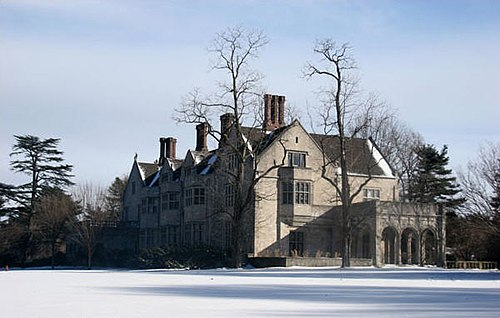
Department of Anthropology - Stony Brook University
The Department of Anthropology at Stony Brook University offers comprehensive programs for students interested in the study of humankind. We cover diverse areas of anthropological inquiry, from the biological and evolutionary aspects of human life to the cultural and social dimensions across the globe. Our department fosters a rigorous academic environment, encouraging critical thinking and in-depth research. We provide opportunities for both undergraduate and graduate studies. Our undergraduate programs include a BA in Anthropology and a BS in Human Evolutionary Biology, alongside a minor in Anthropology. At the graduate level, we offer a Master of Arts (MA) in Anthropology and a Doctor of Philosophy (PhD) in Anthropology, with various specializations available. Our faculty are actively engaged in cutting-edge research, providing students with exposure to current theories and methodologies in the field. The department is committed to providing students with a well-rounded education, preparing them for a variety of career paths in academia, research, public service, and the private sector. We encourage students to engage with our faculty, participate in research opportunities, and become part of our vibrant academic community.

Dual-Title MA/MS Degree in Women’s, Gender, and Sexuality Studies
Gender and Women's Studies Minor
Explore social transformation on local and global scales through the interdisciplinary field of Gender and Women's Studies. This program examines how gender intersects with other aspects of identity, such as sexuality, ethnicity, and class, drawing on perspectives from literature, sociology, history, art, and more. It offers a chance to broaden your understanding and prepare for a variety of career paths.
General Zoology
Human Development
Washington State University's Human Development department offers programs focused on understanding how individuals and families develop and navigate challenges throughout their lives. The curriculum explores growth from childhood through adolescence to adulthood, examining these changes within the context of families, schools, and communities. The department is committed to fostering well-being and growth through teaching, research, and outreach initiatives.

Human Development and Social Policy PhD
The Human Development and Social Policy (HDSP) PhD program at Northwestern University investigates the intricate connections between public policy, human development, and societal well-being. It explores how policies impact individuals across their lifespan and how research on human development can effectively inform policy creation and evaluation. The program provides a strong interdisciplinary foundation in human development, advanced research methodologies (both qualitative and quantitative), and the principles of policy development and implementation. Students have the opportunity to specialize in areas like child development and social policy, adult development and social policy, or human development and education policy.

Human Services, BA (Online)
California Baptist University's online Bachelor of Arts in Human Services is designed for individuals passionate about helping others and addressing community issues. The program equips students with knowledge of human behavior and community needs, teaching them to assess needs, connect people with resources, and facilitate change through policy, outreach, and service strategies. This Christ-centered program prepares graduates for diverse roles in non-profit organizations, community agencies, and public service, offering a path to impactful work without always requiring licensure.

Indigenous Studies, Minor
The Indigenous Studies Minor offers an exploration into the rich cultures and histories of Indigenous peoples throughout the Americas. This program provides a multidisciplinary approach, examining aspects such as art, music, literature, and cinema within the context of Indigenous societies. It encourages a deeper understanding and appreciation of the diverse experiences and contributions of Indigenous communities.
Joint Doctoral Program in Social Work and Social Science
The Joint Doctoral Program in Social Work and Social Science at the University of Michigan offers a unique interdisciplinary approach for students interested in pursuing doctoral research at the intersection of social work and a chosen social science discipline. This program allows students to specialize in Anthropology, Psychology, or Sociology while integrating this with their social work studies. Applicants must apply directly to the School of Social Work and the Rackham Graduate School. The program is designed for students who wish to conduct research that bridges the theoretical and practical aspects of both social work and a social science field, preparing them for careers in academia, research, and advanced practice settings.
Joint PhD Program in Social Work and Social Science
The Joint PhD Program in Social Work and Social Science at the University of Michigan is designed to train scholars committed to social justice and the social work profession. The program focuses on developing deep knowledge of social justice issues and preparing graduates to serve vulnerable populations through intervention research. This interdisciplinary program combines expertise from both the School of Social Work and various social science departments.

Master of Arts in Social Sciences & Education Policy
The Master of Arts in Social Sciences & Education Policy at the University of Illinois Urbana-Champaign offers an interdisciplinary approach to understanding the social context of educational practices. By integrating knowledge from sociology, political science, anthropology, and cultural studies, this program focuses on critical issues of social justice within both formal and informal learning environments. It provides a multidisciplinary perspective for students interested in the complex relationship between society and education.

Master of Development Practice (MDP)
The Master of Development Practice (MDP) at UC Berkeley is a 21-month, STEM-designated program designed for students passionate about sustainable development. This program combines rigorous academic study with practical fieldwork and collaborative learning to equip future leaders with the skills needed to address critical global challenges. Located in the innovative Bay Area and connected to a global network of over 30 MDP programs via the United Nations Sustainable Development Solutions Network, the Berkeley MDP provides an exceptional environment for students to develop and implement impactful solutions. This degree is more than just an academic qualification; it's a launchpad for individuals committed to building a more equitable, resilient, and sustainable world. Graduates are prepared to apply interdisciplinary thinking to complex development issues, working across traditional boundaries to create lasting change.
Master of Science in Computational Social Science
The Master of Science in Computational Social Science (CSS) at Northwestern University is designed for individuals with strong analytical and quantitative skills who are interested in exploring complex social phenomena using computational methods. This program aims to equip students with the expertise to conduct cutting-edge research and development at the intersection of technology, social sciences, and humanities. Students will learn to leverage data science techniques, including machine learning and advanced statistical modeling, to analyze large datasets and uncover insights into human behavior, social structures, and policy implications. The curriculum emphasizes interdisciplinary learning, encouraging students to bridge the gap between technical expertise and social scientific inquiry. The program is ideal for those seeking to push the boundaries of scholarship in areas that traditional departments may not fully encompass, preparing them for advanced research roles or careers in data-intensive fields.
Master of Social Welfare (MSW)
The Master of Social Welfare (MSW) program at UC Berkeley is a full-time, two-year, on-campus degree designed to prepare you as a multi-level practitioner. You will gain skills to integrate various knowledge sources, apply evidence-based practices, and champion social and economic justice through anti-oppressive and anti-racist approaches. The curriculum emphasizes both direct and indirect practice methods, fostering critical thinking across multiple levels of social welfare values, ethics, and justice. This CSWE-accredited program requires the completion of 60 units, including generalist practice coursework, advanced electives, social research methods culminating in a master's capstone, and extensive practicum education. You will complete two distinct practicum placements, applying classroom learning in supervised agency settings.
Online Bachelor of Science in Anthropology
Arizona State University’s online Bachelor of Science in Anthropology offers a comprehensive exploration of humanity by integrating studies in history, biology, and rigorous scientific methods. This program develops critical skills in data analysis, research design, and statistical methodologies, preparing students for diverse career paths in health research, foreign service, business, and education. You will delve into human origins, cultures, and behaviors, gaining a broad, global perspective highly valued in today's interconnected world. This degree emphasizes a scientific approach to understanding what it means to be human. You will engage in science- and mathematics-based coursework, including calculus and upper-division statistics, to analyze complex data. Through a blend of evolutionary anthropology, bioarcheology, and specialized archaeology, the program encourages you to formulate and test hypotheses, gather data, and interpret findings scientifically. This rigorous curriculum fosters an analytical mindset and a deep appreciation for the history of human societal change.

Online Master's in Non-Profit and Community Leadership
The fully online Master of Arts in Non-Profit and Community Leadership program at Stevenson University is designed for individuals inspired to lead with purpose and make a lasting impact. You will gain strategic leadership skills essential for strengthening non-profit organizations, empowering teams, and fostering partnerships for sustainable, community-centered progress. This program equips you to lead with confidence and drive change. It is designed to be flexible and affordable, allowing you to complete your degree in two years or less. The curriculum focuses on developing in-demand skills such as program creation and assessment, leadership, grant writing, project management, and resource management.
Power, Knowledge, and the Environment: Social Science
This introductory graduate course explores the social science perspectives on contemporary environmental and natural resource issues, with a specific focus on the roles of power and knowledge. It is designed as a foundational course for Master of Environmental Management (MEM) students and is also a required course for the joint Yale School of the Environment (YSE)/Anthropology doctoral program. The curriculum delves into various themes, including the social dimensions of disasters and pandemics, the politics of resource systems, and the dynamics of working within development projects. The course also examines how local communities are represented and the influence of development discourse and indigenous knowledge systems. The primary goal is to foster an analytical distance from current debates and discourse in conservation and development, preparing students for advanced study and critical engagement with environmental challenges.
Program in Quantitative Social Science
The Program in Quantitative Social Science (QSS) at Dartmouth College unites faculty and students interested in applying statistical, computational, and mathematical tools to address complex social science questions. QSS offers both a major and a minor for undergraduates, designed to blend rigorous quantitative training with in-depth study in one or more social science disciplines. This program empowers Dartmouth undergraduates to integrate the power of modern quantitative and computational methods with the substance of their chosen social science field.
Program in Women's, Gender, & Sexuality Studies
The Women's, Gender, and Sexuality Studies Program at Dartmouth offers a rigorous academic environment for the systematic, theoretical, and practical study of gender, race, disability, class, and sexuality. It examines these elements as foundational to our philosophical, political, aesthetic, economic, scientific, and social structures. The program cultivates an intellectually vibrant community dedicated to the insights and practices derived from queer, trans, nonbinary, decolonial, diasporic, migrant, ethnic, feminist, and women of color perspectives. With a core faculty of four and over 80 associated faculty members from across the college, the program brings together students and scholars to explore interdisciplinary and international issues. The aim is to critically re-examine deeply held assumptions about gender as an intersectional and global phenomenon.
Race and Ethnic Studies, Minor
The Race and Ethnic Studies Minor at the University of Central Oklahoma provides students with an interdisciplinary approach to understanding the complexities of race and ethnicity. It examines how these social constructs shape individual identities, societal structures, and historical narratives. Students will explore the convergence of cultures, the intertwining of histories, and the intersections of various identities.

Sex, Sexuality, and Gender Context Certificate
This certificate program, offered as an optional addition to Boston University's Master of Public Health (MPH) degree, focuses on understanding and addressing the health impacts of gender and sexuality inequality. Through behavioral and social science theories, human rights frameworks, and social justice principles, students will develop analytical, program, and policy skills. The program aims to equip graduates with the ability to identify health determinants related to gender and sexuality, apply conceptual frameworks to address health challenges, utilize data to solve public health problems, and develop, implement, and advocate for effective policies and programs. Ethical considerations and respect for diverse communities are emphasized throughout.

Social & Cultural Analysis
The Department of Social & Cultural Analysis (SCA) at NYU Arts & Science offers interdisciplinary programs that explore critical questions about society, culture, and power. Students engage with diverse perspectives and methodologies to understand complex social phenomena. The department fosters a vibrant intellectual community, bringing together students and faculty from various backgrounds to examine issues of race, gender, sexuality, ethnicity, class, and urbanism. Through rigorous coursework and research, students develop analytical and critical thinking skills applicable to a wide range of academic and professional pursuits.

Social and Human Services - Associate in Science
The Social and Human Services Associate in Science degree program prepares students to work under the supervision of social workers, psychologists, sociologists, and other professionals. The program focuses on helping individuals and communities improve their lives by addressing issues such as poverty, inadequate housing, unemployment, and illness. Graduates will learn to provide counseling and life skills instruction to individuals, families, and groups. This field is experiencing strong job growth, with employment expected to increase much faster than the average for all occupations. A growing elderly population and increasing demand for social services are key drivers of this demand. Job prospects are particularly good for those with relevant postsecondary education.

Social Sciences PhD Program
The Social Sciences PhD program at Caltech offers a unique interdisciplinary approach for motivated students interested in quantitative research. The program focuses on understanding social phenomena through the lens of individual decision-making, employing rigorous modeling and empirical analysis. Caltech is a pioneer in using laboratory experimentation in social sciences and remains at the forefront of this research methodology. Graduate students are encouraged to engage in independent research early in their studies, often collaborating directly with faculty and participating in weekly seminars and workshops featuring international scholars. The program aims to equip students with a strong foundation in economics, political science, and econometrics, along with advanced technical skills for frontier research, a demonstrated record of independent research, and the ability to collaborate and communicate across social science disciplines.

Social Welfare
The Master of Social Welfare (M.S.W.) program at UCLA Luskin School of Public Affairs prepares students for advanced social work practice in organizations, communities, and policy settings, as well as with individuals, families, and groups. The curriculum emphasizes foundational knowledge in social welfare policy and services, human behavior and social environment, research methods, and practical field experience. Students can specialize in areas such as gerontology, children and youth services, health services, mental health services, and nonprofit sector services. The program aims to develop students' professional suitability, potential for successful social work practice, and capacity for doctoral-level scholarship. It offers opportunities for concurrent degree programs with Law, Asian American Studies, Public Health, and Public Policy, allowing students to pursue interdisciplinary studies and expand their career options. UCLA offers a robust academic environment with opportunities for students to engage in research and gain practical experience through field practicums. The university's location in Los Angeles provides a diverse context for learning and professional development in the field of social work.

Studio Art B.A. - University of Mary Washington
The Bachelor of Arts in Studio Art at the University of Mary Washington (UMW) is designed to foster artistic and scholarly growth through creative inquiry and analytical problem-solving. You'll explore various disciplines, including Digital Media, Ceramics, Drawing, Painting, Photography, Printmaking, and Sculpture, within well-equipped studios. Our faculty are actively exhibiting artists and dedicated teachers who encourage risk-taking and conceptual development. The program emphasizes an interdisciplinary approach, connecting art with technology and professional practice. UMW's location between Washington D.C. and Richmond provides access to major art institutions for inspiration and potential internships. The curriculum culminates in a senior exhibition or portfolio, showcasing your work and contributing to the cultural life of the university and community.

West Virginia Wesleyan College Programs
West Virginia Wesleyan College (WVWC) is a private, four-year residential liberal arts and sciences college located in Buckhannon, West Virginia. With a history spanning over 130 years, WVWC offers a tradition of academic excellence. The college provides nearly 60 majors and 40 minors, alongside graduate programs in areas such as athletic training, business administration, creative writing, nursing, and clinical mental health counseling. WVWC also boasts 21 NCAA Division II athletic programs, multiple performing arts groups, and over 50 student organizations, fostering a vibrant campus community deeply rooted in the United Methodist Church's doctrine of service to others.
Women's, Gender and Sexuality Studies
The Women's, Gender and Sexuality Studies (WGSS) program at the University of Central Oklahoma offers a Bachelor of Arts degree. This interdisciplinary program examines the complex ways in which gender, sexuality, and identity intersect with social, cultural, political, and historical contexts. It encourages critical thinking about power structures, social justice, and diverse human experiences. The program aims to equip students with analytical skills to understand and address issues related to gender and sexuality in various fields.
Women's, Gender, and Sexuality Studies (Dual-Title)
Pennsylvania State University offers dual-title Master of Arts (M.A.) or Master of Science (M.S.) and Doctor of Philosophy (Ph.D.) degrees in Women's, Gender, and Sexuality Studies (WGSS). These dual-title programs must be pursued alongside a graduate degree in one of the university's fourteen partner programs, including fields like Art Education, Communication Arts and Sciences, English, History, and Political Science. The WGSS program provides students with advanced training in conceptual, methodological, and pedagogical approaches within the field, emphasizing intersectional and transnational feminist perspectives. By integrating WGSS with a primary discipline, students gain the ability to produce interdisciplinary scholarship, teach across both fields, and prepare for diverse career paths. The program encourages research that spans the arts, humanities, and social sciences, equipping graduates to excel in academic and professional environments that value interdisciplinary expertise.
Frequently asked questions
How much do Social Sciences programmes cost in the United States?
+
Tuition ranges from roughly €11,000 to €62,000 per year. Public universities tend to be at the lower end, while private institutions like Brown University and Northwestern University are at the higher end.
Which universities offer Social Sciences programmes in the United States?
+
35 universities offer Social Sciences programmes, including Northwestern University, Brown University, the California Institute of Technology, the University of Massachusetts Boston, and St. Johns River State College.
Can international students enrol in Social Sciences programmes in the United States?
+
Yes, US universities welcome international applicants for Social Sciences degrees; requirements typically include academic transcripts, English proficiency scores, and a statement of purpose.
What types of Social Sciences disciplines can I study in the United States?
+
Programmes cover a broad range including sociology, anthropology, political science, economics, psychology, and interdisciplinary studies, with 58 programmes available across 35 universities.
How do I apply for a Social Sciences programme in the United States?
+
Apply through each university's admissions portal, submitting transcripts, test scores, letters of recommendation, and a personal statement. Deadlines vary by institution and degree level, so check each school's requirements directly.