Civil Engineering in Australia
Australia has 15 Civil Engineering programmes available across 2 universities on this platform. Victoria University and the University of Newcastle are the institutions offering these pathways, catering to students at various degree levels from bachelor's through to postgraduate study.
Tuition fee data is not currently available for these programmes, so applicants should contact the respective institutions for up-to-date fee information. Both universities are located in major Australian cities with access to industry partnerships and practical project opportunities relevant to civil engineering practice.
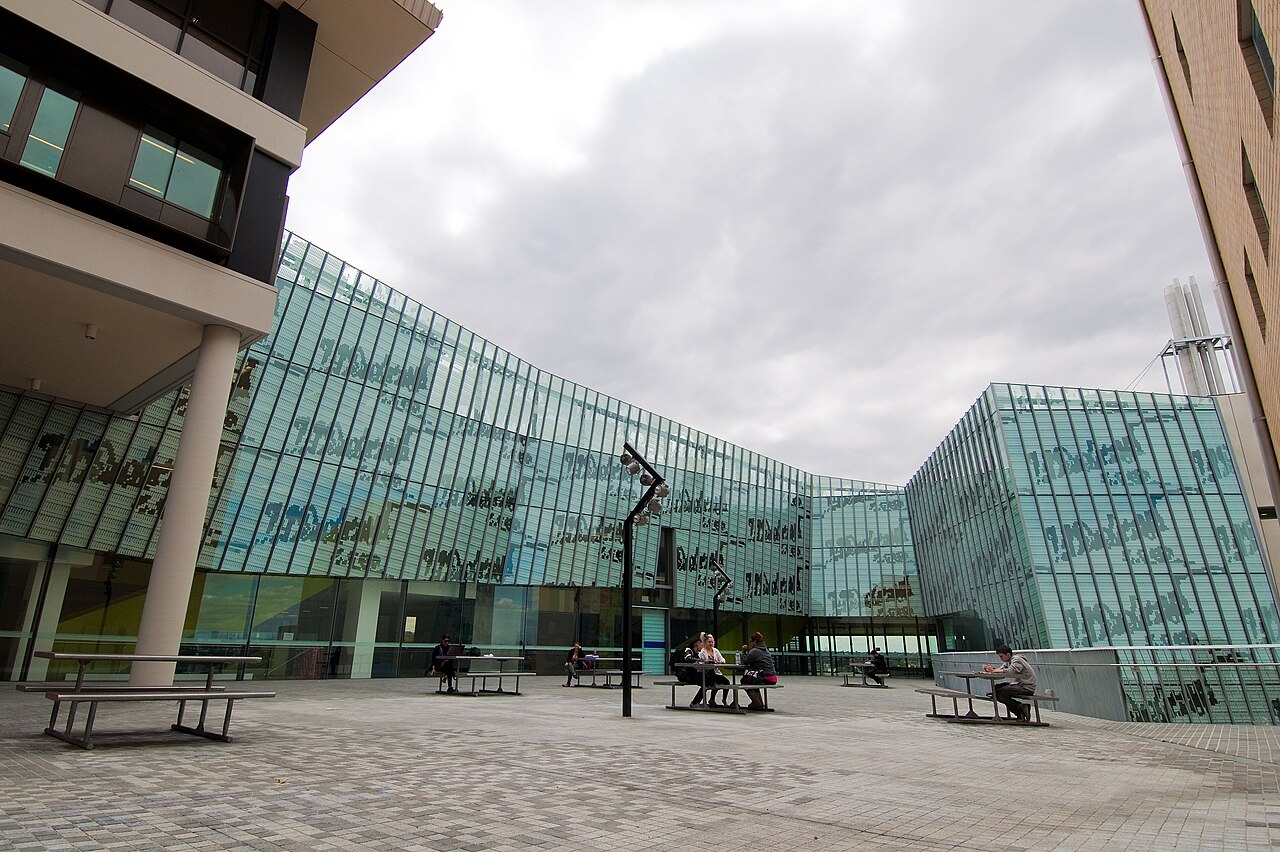
Advanced Diploma of Building Surveying
This Advanced Diploma of Building Surveying (CPC60121) is designed to equip you with the expert knowledge needed to qualify as a Building Surveyor (Level 2). In this specialised course, you will become proficient in the compliance requirements, regulations, and laws applicable to constructing residential and commercial buildings up to three storeys. This program is ideal for those already working in the construction industry as building surveyors or certifiers looking to expand their skills and achieve Level 2 qualification, potentially enabling membership with the Australian Institute of Building Surveyors. The role of a building surveyor is crucial for ensuring the functionality and safety of the built environment, making your skills highly sought after in the construction industry.
Bachelor of Building Surveying
The Bachelor of Building Surveying at Victoria University (VU) equips you with the essential skills and knowledge to become a sought-after building surveyor, playing a crucial role in enhancing the safety and quality of the built environment. This specialized degree is unique in Victoria and focuses on developing your expertise through flexible online learning, requiring only nine hours of scheduled classes per week. Graduates are prepared for roles as registered building surveyors, accredited by the Victoria Building Authority (VBA) and the Australian Institute of Building Surveyors (AIBS). With practical experience, you'll be qualified to work on buildings of all sizes. The curriculum covers key areas such as building and construction legislation, auditing, inspection procedures, building codes and regulations, professional practice standards, building safety (including fire safety), and sustainable construction techniques. The growing construction industry faces a shortage of registered building surveyors, making the skills learned in this program highly in-demand. Graduates will be proficient in assessing building plans, overseeing construction compliance, ensuring structural safety, and confirming energy efficiency and accessibility.
Bachelor of Engineering (Honours) (Civil Engineering)
This degree prepares you for a career in civil engineering, focusing on the planning, design, construction, and management of essential community infrastructure. You will learn about various projects, including buildings, water systems, transportation networks, and port facilities. Victoria University emphasizes practical teaching, work experience, and the use of high-tech engineering laboratories to ensure graduates are job-ready. The program aims to equip you with the skills to work in diverse roles within government, private consulting, or construction industries, or even to start your own practice.
Certificate II in Building and Construction (Pre-apprenticeship)
This certificate course is designed to provide you with fundamental skills and knowledge for a career in the building and construction industry. It aims to increase your chances of securing an apprenticeship by developing basic competencies in areas like bricklaying and carpentry. You will learn essential practical skills, understand construction plans, and gain knowledge of industry policies and procedures. The program emphasizes safe work practices and the proper use of tools and equipment, preparing you for entry-level labouring roles or further study at a Certificate III level.
Certificate II in Civil Construction
This Certificate II in Civil Construction course is designed to equip you with the foundational skills needed to start an apprenticeship in the civil construction industry. You will gain practical experience in areas such as identifying and protecting underground services, performing measurements and calculations, manual excavation, levelling, reading plans, and traffic control. The course also emphasizes safe work practices and the proper use and maintenance of tools and equipment common in civil construction, including hand tools, power tools, and small plant machinery. Upon successful completion, you will have a comprehensive understanding of the civil construction sector and be well-prepared to commence an apprenticeship or pursue further education within the field. The program incorporates significant hands-on training, including over 150 hours of operating machinery in a controlled environment, ensuring you are job-ready.
Certificate II in Drainage (CPC20720)
This Certificate II in Drainage (CPC20720) at Victoria University provides specialist skills in planning, installing, maintaining, and repairing stormwater, drainage, and sewerage systems. You will learn practical skills such as installing below-ground systems, domestic treatment plants, and on-site disposal systems, as well as how to locate and clear blockages. The course covers essential knowledge in reading plans, calculating quantities, using tools safely, and understanding workplace communication and safety practices. This qualification is designed for individuals already working in the plumbing, building, or construction industries who are seeking a formal qualification in drainage. Upon successful completion, graduates will be well-prepared to apply for registration with the Victorian Building Authority (VBA), though applicants should consult the VBA directly for specific registration requirements.
Certificate III in Civil Construction (RII30920)
This Certificate III in Civil Construction is designed for hands-on learners aiming for a career in Australia's civil construction industry. It provides practical skills, safety knowledge, and job-ready capabilities needed for roles in road construction, infrastructure, drainage, and trenching. The course covers the safe use of tools and equipment, preparing you for various civil worksites.
Certificate III in Civil Construction Plant Operations
Gain the practical skills and knowledge needed to operate plant machinery on major infrastructure projects within the civil construction industry. This Certificate III program at Victoria University is designed in collaboration with industry experts to equip you with in-demand skills for a career as a plant operator. You will learn to plan and organize work, read plans, identify underground services, perform manual excavations, support plant operations, conduct basic levelling, and operate various types of civil construction machinery safely.
Certificate III in Plumbing
This Certificate III in Plumbing (CPC32420) is an apprenticeship course designed for individuals currently employed as plumbing apprentices. It provides the formal trade qualification necessary to apply for registration as a plumber. The program combines classroom learning with practical, work-based tasks to enhance on-the-job training. You will gain skills in essential areas such as water and sanitary services, drainage, gasfitting, roofing, mechanical services, and welding. The course offers flexibility with four occupational specialisations: General Plumbing, General Plumbing – Roofing, General Plumbing – Mechanical, and General Plumbing – Roofing and Mechanical. Victoria University's structure is designed around Option 4 (Roofing and Mechanical), embedding the other specialisations, allowing students to potentially complete all four within the program. Graduates will be well-prepared for roles in residential, industrial, and commercial sectors.
Certificate IV in Civil Construction (RII40720)
Expand your civil construction and management skills with the Certificate IV in Civil Construction RII40720. This course is designed for current employees in the civil construction industry, equipping them with leadership and management skills to provide effective supervision in the workplace. You will learn to manage the quantity and quality of your own work and that of others, and develop technical solutions for non-routine problems. Taught by industry professionals, you will gain specialist knowledge in leadership, risk management, worksite safety, supervising civil works, and implementing operational plans. The program offers two specialisations: Supervision and Operations, preparing you for roles within local councils, private companies, or government infrastructure.
Graduate Certificate in Performance-Based Building and Fire Codes
This fully online Graduate Certificate in Performance-Based Building and Fire Codes is designed to advance your career by deepening your understanding of building surveying, and the design and approval processes for performance-based buildings, with a focus on national and international fire codes. You will gain comprehensive knowledge of key concepts and alternative frameworks for performance-based building within fire codes. The course emphasizes assessing performance-based building designs and applying fire codes effectively. You will develop professional skills and a strong approach to performance-based codes. This includes understanding the legal, statutory, and design integrity requirements, as well as the critical need for design compliance throughout a building's life. The program is delivered through Victoria University's award-winning VU Block Model®, allowing you to focus on two units over an 8-week period (full-time), fostering strong connections with peers and developing practical skills.
Graduate Diploma in Building Surveying
Gain in-demand expertise in building regulations, construction compliance, and inspection processes with a Graduate Diploma in Building Surveying from Victoria University. Building surveyors play a crucial role in assessing plans, conducting inspections, issuing permits, and interpreting complex building regulations. This program equips you with the necessary knowledge of building legislation, auditing, codes, sustainable construction, fire safety, inspection procedures, and professional practice. Upon completion, you will be proficient in managing building surveying strategies, interpreting documentation and regulations, assessing compliance, and communicating effectively with technical professionals in the field.
Master of Professional Engineering (Civil)
This Master of Professional Engineering (Civil) program is designed to equip you with advanced skills for a career in civil engineering. You will develop strategic and technical expertise to address complex global challenges, learning to apply design thinking and systems engineering principles to create innovative and ethical solutions. The program allows for tailoring your studies through electives, potentially including business, design, or entrepreneurship, to align with your interests. You will also gain practical experience through industry projects, guest lectures, and mentorship, focusing on essential skills like project management, complex problem-solving, innovation, and communication.
PhD and Research Masters
The University of Newcastle offers opportunities for doctoral and research master's degrees. These programs are designed for students who wish to pursue advanced research in a specialized field. Specific details about available research areas, faculty expertise, and program structures can typically be found within the respective school or faculty pages. Prospective students are encouraged to explore the university's research initiatives and identify potential supervisors whose work aligns with their interests.
Plumbing Licence in Gasfitting Work Skill Set
This Skill Set is designed for registered plumbers seeking to enhance their technical skills and knowledge in gasfitting work, providing a pathway towards obtaining a plumbing license. To achieve a plumbing license, additional knowledge and experience beyond basic registration are typically required. This course covers essential units that contribute to the specific licensing requirements for gasfitting work in Victoria. It's important for individuals pursuing licensing with the Victorian Building Authority (VBA) to verify the most current requirements directly with the VBA.
Frequently asked questions
How much does Civil Engineering study cost in Australia?
+
Tuition varies by programme — contact Victoria University or the University of Newcastle directly for current international student fee schedules.
Which universities offer Civil Engineering programmes in Australia?
+
The two universities on this platform are Victoria University and the University of Newcastle.
Can international students apply to Civil Engineering programmes in Australia?
+
Yes, both universities accept international students; you will need to meet academic entry requirements and English-language conditions, and obtain a student visa.
What are typical entry requirements for Civil Engineering in Australia?
+
For bachelor's entry, applicants typically need strong secondary school results in mathematics and physics; postgraduate entry requires a relevant bachelor's degree with a competitive GPA.
How do I apply for Civil Engineering programmes in Australia?
+
Submit applications through each university's online portal; Australian universities generally have intakes in February and July, and international applicants should apply several months in advance.