Master's in Environmental Sciences in Canada
Canada offers 19 Master's programmes in Environmental Sciences across 10 universities, attracting students interested in sustainability, conservation, and environmental policy. Leading institutions such as the University of Toronto, the University of Waterloo, McGill University, and McMaster University feature in the programme landscape.
Tuition for these programmes runs at approximately €22,000 per year for international students. Canada's vast natural ecosystems and strong government investment in environmental research make it a globally competitive destination for graduate-level environmental study. Most programmes combine coursework with research components and offer pathways into government, NGOs, and private sector environmental consultancy.

Bioenvironmental Monitoring & Assessment Graduate Programs
The Bioenvironmental Monitoring and Assessment (BEMA) Graduate Programs offer specialized training for students seeking practical experience in the environmental sector. With options for a thesis-based Master of Science (MSc), a course-based Master of Business Administration (M.BEMA), and a Graduate Diploma (G.Dip), these programs are designed to equip you with in-demand skills for environmental careers. You can choose between online course-based delivery or in-person thesis-based study. The M.BEMA and G.Dip programs are designed for quick entry into the workforce, with completion possible in as little as 8 months (G.Dip) or 12 months (M.BEMA), and offer the flexibility to study part-time over a longer period. All course-based options include a valuable 4-month professional placement before graduation.
Ecology and Evolutionary Biology
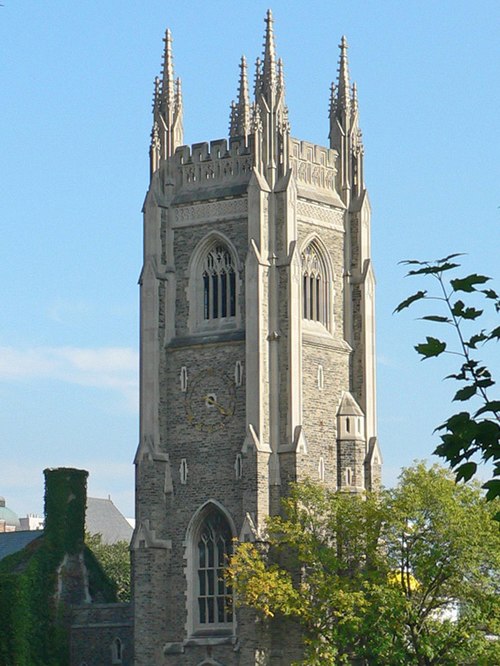
The Department of Ecology and Evolutionary Biology (EEB) offers graduate programs for students passionate about understanding the diversity of life, from the molecular level to entire ecosystems. Our research and teaching span a wide range of topics including population and community ecology, ecosystem dynamics, evolutionary genetics, genomics, bioinformatics, behavior, and conservation biology. We employ diverse research methods, including fieldwork, laboratory experiments, molecular biology, computational approaches, and theoretical modeling. Our primary goal is to train versatile scientists who can conduct innovative research, think critically, master specialized skills, and communicate their findings effectively. Graduates are prepared for careers in academia, government agencies, data science, consulting, and education. The department fosters a collaborative community with over 60 faculty members across three campuses and affiliations with institutions like the Royal Ontario Museum, the Data Science Institute, and the Centre for Global Change. Students also have access to the Koffler Scientific Reserve for ecological research and partnerships with government agencies for field and lab facilities.

Master in Environmental Economics and Management
The Master in Environmental Economics and Management (MEEM) program at Thompson Rivers University equips graduates to address the growing global need for sustainable business practices. In a world where economic growth faces significant sustainability challenges, this course-based master's program provides a broad understanding of the business environment, advanced management skills, and specialized knowledge in sustainability. Graduates will be prepared to lead change in organizations across public and private sectors by integrating economic demands with environmental considerations.
Master in Environmental Economics and Management (MEEM)
Master of Arts in Environmental Education and Communication
Deepen your passion and cultivate mastery in environmental education and communication. This program blends online learning with intensive on-campus residencies, incorporating experiential learning, arts- and nature-based inquiry, and field schools. You will develop skills to inspire a more interconnected, humane, and healthy future. The curriculum integrates environmental education and communication practices with nature- and arts-based approaches, focusing on systems theory and ecological identity. Learning extends beyond the classroom through field schools in Indigenous communities and hands-on experiences.

Master of Climate Change (MCC)
The Master of Climate Change (MCC) program at the University of Waterloo is designed to equip students with a comprehensive understanding of climate change science, adaptation, and mitigation strategies. Offered in both a coursework-only and an internship option, this program allows students to tailor their studies to their specific interests within the field. The curriculum covers the physical science basis of climate change, vulnerability and adaptation, and mitigation strategies, providing a strong foundation for a career dedicated to addressing climate challenges. Students can further specialize through designated electives and open electives, choosing from a range of courses within the Faculty of Environment or other university faculties.
Master of Environment and Sustainability
The Master of Environment and Sustainability (MES) program at the University of Toronto offers a comprehensive graduate education focused on addressing complex environmental and sustainability challenges. This program integrates scientific, social, and policy perspectives to equip students with the knowledge and skills needed for leadership roles in environmental stewardship and sustainable development. The MES program emphasizes interdisciplinary research and learning, encouraging students to explore diverse topics within the environmental field. Students will engage with faculty who are leaders in their respective areas, contributing to a dynamic academic environment. The curriculum is designed to foster critical thinking and problem-solving abilities, preparing graduates for impactful careers in various sectors.
Master of Environmental Science (MEnvSc)
The Master of Environmental Science (MEnvSc) is a 12-month, course-based professional program designed to prepare graduates for careers in environmental science. It focuses on developing practitioners skilled in addressing the needs of industry, government, and environmental policy or education organizations. The program offers three distinct fields of study, each allowing for flexibility to accommodate students with diverse academic backgrounds. All students have access to a wide range of courses. Upon completion of eight months of coursework, students will undertake either a four-month research paper or a four-month internship. The program provides dedicated support for both options. Internship students benefit from coordinators who assist with securing placements and developing job search, communication, and critical thinking skills, leveraging strong industry partnerships. Research students receive intensive academic and research guidance, often being paired with a supervisor whose expertise matches their interests.
Master of Environmental Studies (MES)
The Master of Environmental Studies (MES) program is designed for students seeking advanced knowledge and research skills in environmental fields. This program offers a comprehensive curriculum focused on understanding and addressing complex environmental challenges. It provides a strong foundation for careers in environmental research, policy, management, and advocacy.
Master of Environmental Studies (MES)
The Master of Environmental Studies (MES) is a graduate program designed to provide students with advanced knowledge and research skills in the field of environment, resources, and sustainability. The program offers two distinct options: a Thesis Option and a Master's Research Paper (MRP) Option, allowing students to tailor their academic journey to their career aspirations. Students will engage with core sustainability principles and research methodologies, with opportunities to specialize in areas such as water management through the MES (Water) specialization.
Master of Environmental Studies (MES) in Sustainability Management - Thesis Stream
The Master of Environmental Studies (MES) in Sustainability Management (SUSM) offers a thesis-based, on-campus program designed for full-time or part-time study. Students can specialize in general Sustainability Management, Water, or Aeronautics. The program focuses on in-depth research and culminates in a thesis defense. It requires completion of five graduate-level courses, including electives, and a significant research thesis. A minimum GPA of 70% is required for graduation.

Master of Geomatics for Environmental Management (MGEM)
The Master of Geomatics for Environmental Management (MGEM) is a 9-month, course-based master's program designed to equip students with the geospatial skills and landscape ecology knowledge needed to address critical environmental challenges. The program begins with a three-week intensive in August and concludes in April. It is ideal for individuals passionate about environmental management and interested in applying landscape ecology theories and geospatial technologies. This includes conservationists, foresters, ecologists seeking advanced technical skills, computer scientists and engineers looking for new applications for their expertise, and recent graduates from various fields with a quantitative background.

Master of Science (Environmental & Life Sciences)
The Master of Science in Environmental and Life Sciences (MELS) is an interdisciplinary graduate program at Brandon University. It integrates traditional scientific fields such as biology, chemistry, environmental science, geography, and geology to provide a comprehensive understanding of environmental and life systems. This program is designed for students seeking advanced knowledge and research opportunities in these interconnected areas.

Master of Science in Earth & Environmental Sciences
St. Francis Xavier University (StFX) offers a Master of Science (MSc) in Earth & Environmental Sciences. This is a thesis-based program with limited enrolment, typically accepting 1-4 students per year. StFX prides itself on providing graduate students with a highly personalized program within a collegial environment, allowing them to significantly contribute to their supervisor's research. MSc students often mentor undergraduates as teaching assistants and research assistants, gaining valuable experience in publishing research and presenting at conferences. Graduates are well-prepared for careers in research and various organizations.
Master of Science in Natural Resource Sciences
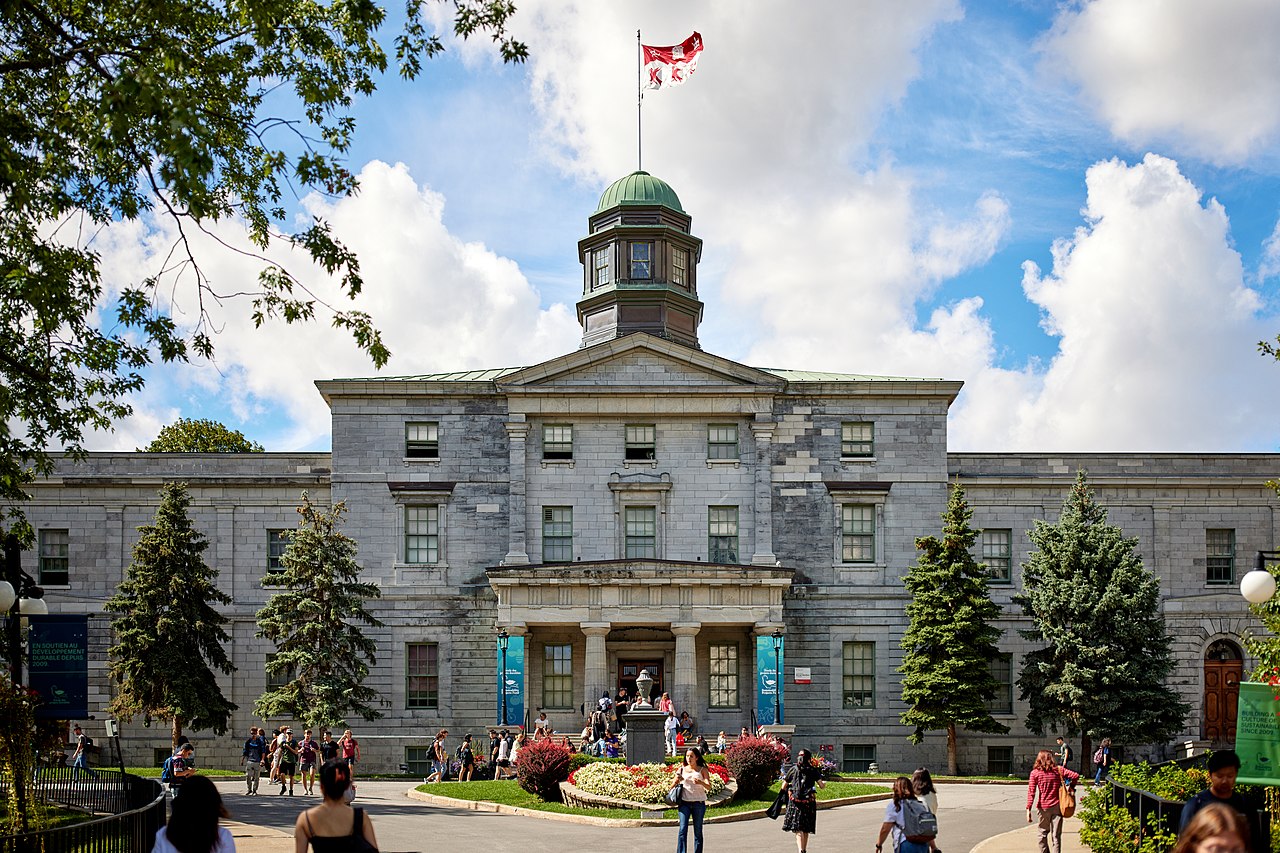
McGill University's Department of Natural Resource Sciences offers Master of Science (M.Sc.) thesis programs designed to equip students with advanced knowledge and research skills in environmental sciences. Students engage in innovative scientific research to address complex issues related to sustainability, biodiversity, conservation, and the management of natural resources. The department covers a broad spectrum of disciplines, from molecular to global scales, fostering a multidisciplinary approach to problem-solving in both natural and managed ecosystems. The M.Sc. programs are research-intensive and typically span two years, requiring full-time commitment. Graduates are prepared for careers in research, analysis, and decision-making roles across academia, government, non-governmental organizations, and the private sector. The department focuses on areas such as agricultural economics, entomology, forest science, microbiology, soil science, and wildlife biology, offering students the opportunity to specialize within their chosen field.
Master of Science in Occupational and Environmental Hygiene (MSc)
The Master of Science in Occupational and Environmental Hygiene (MSc OEH) program, offered by the School of Population and Public Health, prepares students for professional or research careers focused on improving community and workplace environments and safeguarding public health. This program delves into the science of identifying, evaluating, and controlling chemical, physical, and biological hazards. It equips students with the skills to measure and control exposures and to assess the health effects of occupational and environmental factors. Students come from a wide range of undergraduate backgrounds, including biology, chemistry, engineering, nursing, medicine, and psychology, fostering a diverse and dynamic learning environment.
MSc in Environmental Science
The MSc in Environmental Science program is designed for graduates with a science or engineering background who want to conduct research at the intersection of traditional scientific disciplines. The program addresses the complex environmental challenges facing our planet, such as climate change, pollution, and biodiversity loss, by fostering an interdisciplinary approach. You will learn to design, execute, and disseminate research focused on critical environmental issues. The program emphasizes a synthetic perspective, critical thinking, and provides a unique timeframe conducive to research, allowing for two field seasons to gather necessary data. Taught by internationally renowned experts, the curriculum covers hydrology, environmental chemistry, ecology, geology, climatology, and mathematical/statistical modeling. A high-profile colloquium helps develop communication skills. This full-time, 16-month program has a May start date and is ideal for high-achieving students seeking an intensive, research-focused master's degree. It offers a shorter alternative to a PhD, allowing students to gain research experience and make informed decisions about doctoral studies. The program encourages interdisciplinary research and aligns with emerging environmental themes and government priorities. Faculty members are drawn from various departments across the University of Toronto, ensuring diverse expertise and access to excellent research facilities.
Frequently asked questions
How many Master's in Environmental Sciences programmes are available in Canada?
+
There are 19 Master's programmes in Environmental Sciences offered across 10 Canadian universities.
Which universities offer a Master's in Environmental Sciences in Canada?
+
Notable institutions include the University of Toronto, University of Waterloo, McGill University, McMaster University, and Brandon University.
How much does a Master's in Environmental Sciences cost in Canada?
+
Tuition is roughly €22,000 per year for international students; some programmes may offer teaching or research assistantships that offset costs.
Can international students apply for a Master's in Environmental Sciences in Canada?
+
Yes, Canadian universities actively recruit international students; applicants generally need an undergraduate degree in a science or related field plus English or French language proficiency.
How do I apply to a Master's in Environmental Sciences in Canada?
+
Apply through each university's graduate admissions office, providing transcripts, letters of recommendation, a statement of purpose, and language test scores.