Psychology & Behavioral Sciences in Canada
Canada offers 35 Psychology & Behavioral Sciences programmes across 20 universities, spanning undergraduate degrees, graduate programmes, and diplomas. The University of Toronto and the University of Victoria represent major research institutions, while Brock University, St. Francis Xavier University, Sheridan College, and Lambton College serve students seeking strong teaching environments or applied diploma pathways.
Tuition ranges from free to approximately €4,800 per year, reflecting variation between institutions with different funding models. International students will need English (or French) proficiency documentation and a valid Canadian study permit. Psychology programmes in Canada typically include research methods, statistics, and clinical or applied placements at more advanced levels. Some institutions require GRE scores or relevant volunteer experience for graduate-level entry.
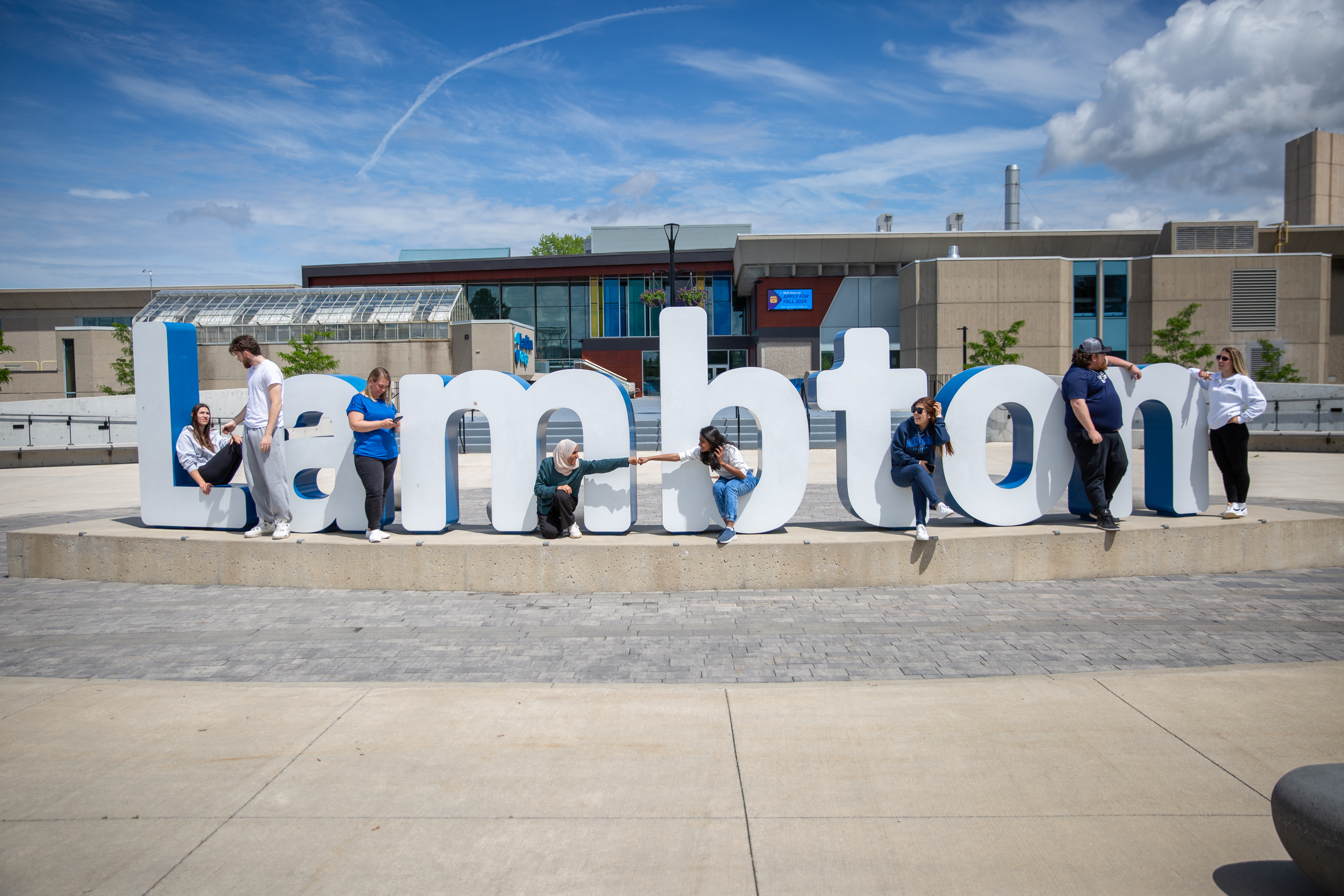
Abnormal Psychology
Addictions and Mental Health

Addictions and Mental Health
This Ontario College Graduate Certificate program equips you with the essential skills to support individuals facing addictions and mental health challenges. You will learn and apply culturally relevant, trauma-informed practices in a professional setting. The program emphasizes practical, hands-on experience through simulated clients, AI-based mental health tools, and digital counselling simulations before a mandatory field placement. Graduates will be well-prepared for certification as a Canadian Addiction Counsellor, with eligibility for advanced standing towards CACCF certification. You will also earn certifications in Applied Suicide Intervention Skills Training (ASIST) and Nonviolent Crisis Intervention (NVCI), significantly boosting your employability. The program offers two tracks: a 1-year track and a 2-year track. The 2-year track includes an introductory semester focused on Canadian healthcare frameworks, service structures, and culturally responsive practices, which is beneficial for learners seeking additional Canadian context.

Applied Forensic Psychology
The Applied Forensic Psychology program at St. Francis Xavier University integrates clinical and forensic psychology within a criminal justice context. You will learn how psychological research and practice are applied to legal and social justice issues, exploring topics such as eyewitness testimony, deception detection, criminal behavior, and forensic risk assessment. The program emphasizes the application of academic concepts through practical skills training, including counselling and interviewing, fieldwork in settings like courts and correctional facilities, and community practicum placements.
Bachelor of Arts, Psychology Concentration
The Bachelor of Arts (3-year) with a Psychology Concentration from Athabasca University is designed to enhance critical and creative thinking through a broad range of social, political, and cultural studies. This program aims to broaden perspectives on local and global affairs, encourage community involvement, and prepare students for lifelong learning and diverse occupations. The Psychology program specifically develops or expands knowledge in the field, providing grounding in foundational psychological science. Graduates gain applicable skills and knowledge for general employment in various fields, including business, management, government research, program evaluation, human services, and law.

Behavioural & Cognitive Neuroscience (BCN) Stream
The Behavioural & Cognitive Neuroscience (BCN) graduate program at Brock University is an interdisciplinary program that explores the neurological foundations of behaviour and cognition. It integrates concepts and methods from psychology, cognitive science, biology, physiology, and pharmacology. This program aims to prepare students for leading research careers in behavioural and cognitive neuroscience, offering both a broad theoretical background and in-depth knowledge of modern research approaches. Students benefit from an apprenticeship model, working closely with a faculty supervisor and a supervisory committee to tailor their training and research experiences. The program emphasizes disseminating research findings through conferences and publications.

Clinical Psychology (MA)
Enhance mental health and well-being in your community by earning a Master of Arts in Psychology at Laurentian University. This program prepares you for careers in schools, mental health services, or other applied settings, and can also serve as a foundation for PhD studies. You will learn to diagnose and treat mental health issues, implement preventative strategies, and foster overall well-being. The curriculum involves coursework, a thesis, and a supervised clinical practicum, offering 400 hours of hands-on experience in assessment, counselling, diagnosis, and report writing within mental healthcare settings. This program offers diverse research opportunities across various psychological fields, including cognitive, developmental, educational, clinical, neuroscience, physiological, and social psychology. You'll have the chance to apply your knowledge in practical areas such as diagnosis, prevention, school and police consultation, research, and organizational personnel issues, contributing to the creation of supportive environments that promote mental health.

Community Development
Acadia University's Bachelor of Community Development program is designed for students passionate about creating positive change in communities. This program equips you with the skills and knowledge to address complex societal issues, fostering leadership, problem-solving, and collaboration. Through a blend of theoretical learning and practical experience, you will learn to connect innovative ideas with real-world action, emphasizing values such as equity, sustainability, and belonging. The curriculum focuses on developing changemaking abilities, encouraging critical thinking and ethical leadership. You will explore various aspects of community development, preparing you to work across diverse sectors and build inclusive futures. A cornerstone of the program is hands-on learning, culminating in a full-time professional placement during your final year, providing invaluable real-world experience. Students can choose from several program options, including the Bachelor of Community Development (BCD), Honours (BCDH), Environmental and Sustainability Studies (BCD.ESST, BCDH.ESST), and Psychology (BCD.PSYC, BCDH.PSYC), allowing for specialization based on individual interests.

Doctor of Psychology in School and Child Clinical Psychology
Mount Saint Vincent University (MSVU) is developing a new Doctor of Psychology (PsyD) program focused on School and Child Clinical Psychology. This program is designed to train psychologists who will specialize in providing youth-focused mental health services. The curriculum will combine three years of coursework and supervised practice with a fourth year of full-time residency. Graduates will be prepared to work in school, health, and community settings, addressing the critical need for child and adolescent mental health care. The program is expected to welcome its first students in September 2026.
Forensic Psychology and Criminal Justice
The Forensic Psychology and Criminal Justice program at Brock University offers a career-focused and comprehensive study of criminal behaviour, law, and the criminal justice system. This program uniquely integrates perspectives from psychology, criminology, child and youth studies, and political science. Students will delve into the individual, social, cultural, and systemic factors that contribute to criminal and aggressive behaviours, as well as the structure and function of the institutions within the criminal justice system. The program provides a diverse and in-depth understanding of the field. Designed for aspiring professionals, this four-year Major or Honours degree prepares students for a wide array of careers in law, corrections, counselling, policing, policy analysis, and advocacy. You will learn from award-winning professors and have opportunities for practical experience through practicum placements with community partners in law enforcement, forensic research, and clinical settings.
Interprofessional Mental Health and Addictions Advanced Certificate
This Advanced Certificate program focuses on specialized education in collaborative mental health and addictions services, designed for individuals holding diplomas or degrees. Utilizing health promotion and psychosocial rehabilitation as core principles, you will learn to assess, plan, and implement interventions for complex needs. The program emphasizes a holistic, trauma-informed, harm-reduction, and strength-based approach, while being sensitive to cultural contexts. Graduates will develop strong leadership, advocacy, and critical thinking skills, preparing them for advanced practice within the healthcare system, supported by a cumulative practicum.

MA in Counselling Psychology
Master of Arts in Counselling Psychology (MA)
The Master of Arts in Counselling Psychology (MA CPSY) program at Trinity Western University provides comprehensive training for students seeking careers in counselling and related fields. Graduates are prepared to work professionally in diverse settings or to pursue doctoral studies. The program emphasizes developing strong counselling knowledge, skills, and a personal approach, guided by faculty with recognized scholarship and clinical expertise.

Master of Arts in Developmental Psychology & Education
The Master of Arts (MA) in Developmental Psychology and Education program focuses on improving student success through innovative approaches to learning and teaching. It offers students the opportunity to develop a comprehensive understanding of human development and developmental psychology, and how these concepts apply to children in educational and other practical settings. The program is primarily designed for students aiming for careers in research, university teaching, or community college instruction.

Master of Arts in Industrial/Organizational Psychology
The Master of Arts (MA) program in Industrial/Organizational (I/O) Psychology at Western University focuses on the scientific study of people at work. This program equips students with advanced knowledge and research skills in areas such as employee selection, training, motivation, leadership, and organizational development. Students will engage in rigorous academic coursework and research, preparing them for doctoral studies or advanced roles in applied settings. The I/O Psychology program is housed within the Department of Psychology, offering a strong foundation in psychological theory and research methodology. The curriculum emphasizes empirical research and critical analysis, ensuring graduates are well-prepared to contribute to the field through academic or professional pursuits.
Master of Counselling
Athabasca University's online Master of Counselling program is designed for students seeking a career as a counselling therapist, counselling psychologist, or psychotherapist. The program provides the knowledge, skills, and judgment to address emotional, cognitive, and behavioural issues in diverse settings. It offers a specialized track in Counselling Psychology, which is approved by the College of Alberta Psychologists. This 36-credit online graduate program can be completed via a course-based or thesis route. It meets the graduate coursework requirements for licensure as a Registered Psychologist in Alberta. Please note that an additional 30 to 36 psychology credits (generally undergraduate level) are required by the College of Alberta Psychologists beyond this master's program. If you don't have these credits, you can take additional graduate or undergraduate psychology courses through Athabasca University or another institution. The program has one intake per year, with applications due by January 15 for a September start. Full-time study can allow completion in as little as 3.5 years, with a maximum completion time of 7 years.

Master of Science in Psychology
The Master of Science (MSc) in Psychology at Trent University is a research-intensive program designed to prepare students for careers in health, science, or communications, or for further doctoral studies. The program offers three distinct fields of study: Health Psychology, Developmental Psychology, and Cognition/Perception/Neuroscience. Students will engage in developing and writing a research-based thesis, supported by statistical and field-specific coursework.
Masters of Science in Genetic Counselling
The Department of Molecular Genetics at the University of Toronto offers a two-year Master of Science (MSc) program in Genetic Counselling. This program aims to equip students with the most current skills necessary for employment in various professional settings, blending academic coursework with practical clinical training. In collaboration with the Division of Clinical and Metabolic Genetics at The Hospital for Sick Children and the Department of Obstetrics and Gynaecology at Mount Sinai Hospital, the program focuses on cultivating genetic counsellors with strong critical thinking and communication abilities. The curriculum emphasizes equity, diversity, inclusion, and justice, preparing graduates to serve diverse populations and advance the field of genomics through innovative learning experiences, research, and mentorship.
MSc in Genetic Counselling
The University of Toronto's Master of Science (MSc) in Genetic Counselling program is a rigorous academic and clinical training program designed to prepare students for a career in this specialized field. The program emphasizes a holistic approach to admissions, considering not only academic achievements but also volunteer experience, references, and interview performance. Successful candidates will be equipped with the knowledge and skills necessary to provide genetic counselling services to individuals and families affected by genetic conditions. The program admits a small cohort of students each year, fostering an intimate learning environment. The curriculum combines theoretical coursework with practical clinical experience, ensuring graduates are well-prepared for the challenges and rewards of genetic counselling. The admissions process includes a virtual interview stage for shortlisted candidates, offering them a chance to learn more about the program and interact with current students and faculty.

MSc in Psychology

PhD in Neuroscience
Carleton University's PhD in Neuroscience program is a multidisciplinary program for doctoral students. You will work alongside top researchers in advanced facilities, focusing on areas like microscopy, histology, neurochemistry, behavioral analysis, electrophysiology, and molecular genetic analysis. The program encourages research projects aimed at understanding and addressing mental health conditions such as addiction, depression, Parkinson's disease, obesity, dementia, and traumatic brain injury. Ottawa's location provides unique opportunities to connect with federal government departments and major research facilities.
Physics
Acadia University's Physics program offers a comprehensive undergraduate degree designed to help students understand the fundamental laws governing our universe, from the smallest particles to the largest celestial bodies. With a focus on small class sizes and student-centered learning, the program fosters a strong sense of community among students and faculty. Graduates develop critical thinking, problem-solving, and communication skills, preparing them for a diverse range of careers or further academic pursuits. The curriculum encourages interdisciplinary studies and offers unique opportunities for hands-on research.
Psychology
The Psychology program at Acadia University offers a comprehensive exploration into the study of the brain, behavior, and mental processes. Students will engage with both theoretical concepts and practical applications, gaining a strong foundation in evidence-based thinking, problem-solving, and applied research from their first year. This program prepares graduates for further academic pursuits at the graduate level or diverse career paths. Students benefit from small class sizes, with lab courses capped at 35 and seminars around 20, fostering a close-knit learning environment with significant faculty interaction and mentorship. The program offers flexibility with options for a Bachelor of Arts or Bachelor of Science degree, specializations in Applied Psychology or Neuroscience, and an Honours program for those seeking an advanced challenge. Beyond academics, the program encourages hands-on learning, research opportunities, and participation in the Acadia University Psychology Association (AUPA). Graduates will be equipped with critical skills and a deep understanding of human behavior, making them well-prepared for impactful roles in various fields.
Psychology
Psychology is the study of the mind and behavior, exploring the biological and social factors that influence human actions. At Mount Saint Vincent University (MSVU), the Psychology program offers a personalized approach to learning, ensuring each student has an academic advisor to guide them through course selection, degree requirements, and graduate study opportunities. The program emphasizes hands-on research experience through advanced classes, directed studies, and honours thesis projects, preparing students for both employment and further academic pursuits. The department is known for its award-winning faculty, dedicated to excellence in teaching and research, contributing to a rich educational experience.
Psychology
McMaster University's Department of Psychology, Neuroscience & Behaviour (PNB) offers a Master of Science (MSc) program in Psychology. This program is designed to introduce students to key issues and questions within experimental psychology. It provides training in the theoretical foundations and research methodologies used to investigate psychological phenomena, with a strong emphasis on experimental research.
Psychology - Trinity Western University
Trinity Western University's Psychology program offers a comprehensive exploration of human behavior, focusing on understanding the motivations, thoughts, and feelings that drive individuals. The program emphasizes how this knowledge can be applied to benefit communities through systematic observation and research. The curriculum is structured around a Christian worldview, encouraging students to investigate research-based principles relevant to various aspects of life, including relationships, spirituality, and personal meaning. Teaching methods are diverse, incorporating off-campus trips, guest speakers, and travel studies to provide a well-rounded educational experience that encourages critical thinking and exploration of faith.
Psychology (PhD)
The PhD in Psychology program at Brock University is designed to provide intensive research training and cultivate a critical, scholarly approach to complex issues within psychology. Students can specialize in one of three areas: Behavioural and Cognitive Neuroscience, Lifespan Development, or Social/Personality. The program emphasizes collaborative work, allowing students to integrate knowledge across these focal areas and pursue their specific research interests. This doctoral program is ideal for students aiming to develop advanced research skills and contribute significantly to psychological science.

Psychology BA Major
The Bachelor of Arts (BA) in Psychology offers a comprehensive exploration of human experience, behaviour, and the underlying psychological and physiological factors. You will delve into areas such as development, learning, memory, social interactions, and the biological bases of behaviour. This degree equips you with valuable skills in communication, writing, critical thinking, and analysis, preparing you for diverse employment opportunities or further professional studies in fields like clinical psychology, social work, law, or ministry. The four-year major is specifically designed for students intending to pursue advanced study and research in psychology, providing a strong foundation for graduate programs.
Psychology Department
Welcome to the Psychology Department at St. Francis Xavier University (StFX). We offer a welcoming environment for current and prospective students, faculty, and visitors. The Department Chair is available to provide program-relevant advising and help connect students with available resources. We are proud of our students, faculty, and staff, and are continuously exploring opportunities for growth and renewal in our program offerings.
Psychology of Thinking (3130A-001)
This course delves into the theoretical and empirical studies of human thinking, covering critical aspects such as problem-solving, reasoning, and concept formation. It examines how people think and the psychological methods used to study these processes. The course is delivered through a combination of lectures and class discussions, emphasizing the importance of pre-reading course materials to actively participate in discussions and understand the core concepts presented.

Psychology Programs
Psychology is the scientific study of behavior and mental processes. It investigates questions about dreams, moods, intelligence, and how genetics and environment shape us. Behavior refers to observable actions, while mental processes include internal experiences like thoughts, beliefs, and feelings. Psychology is a fascinating and relevant field for all students, regardless of their academic path.

Psychology: Understanding Ourselves and Others
This course, PSY1754, provides an introduction to key topics in psychology, including learning, memory, sleep and consciousness, psychological disorders, and social psychology. Through a blend of hands-on experiments, case studies, multimedia resources, and demonstrations, students will gain a foundational understanding and appreciation for psychology as a social science. This course is offered part-time and can be taken either on-campus or online.
Women's and Gender Studies
The Women's and Gender Studies (WGST) program at Acadia University invites students to critically examine how gender and sexuality shape global societies and individual experiences. You will explore diverse topics such as social justice, culture, education, literature, psychology, history, science, and politics through a feminist lens. The program encourages questioning assumptions and developing innovative approaches to societal challenges, offering a robust interdisciplinary curriculum to foster a deep understanding of gender's impact. Students can choose from various program options including a Major, Double Major, Major with Honours, Double Major with Honours, or a Minor. The curriculum is rich with over 60 interdisciplinary courses, covering unique areas like Black Women and Politics, Environmental Justice and Equity, and Women in Science. The program emphasizes hands-on learning, research opportunities, and offers a co-op option, preparing graduates for impactful careers.
Frequently asked questions
How many Psychology & Behavioral Sciences programmes are available in Canada?
+
There are 35 Psychology & Behavioral Sciences programmes across 20 universities in Canada.
Which Canadian universities offer Psychology & Behavioral Sciences?
+
Institutions include the University of Toronto, Brock University, St. Francis Xavier University, Sheridan College, the University of Victoria, and Lambton College, among 20 universities.
How much does studying Psychology & Behavioral Sciences cost in Canada?
+
Tuition ranges from free to approximately €4,800 per year depending on the institution; confirm current fees directly with each university.
Can international students apply for Psychology programmes in Canada?
+
Yes; international students need English (or French) proficiency, a Canadian study permit, and for graduate-level programmes may also need GRE scores or documented research or clinical experience.
What are typical entry requirements for Psychology & Behavioral Sciences in Canada?
+
Undergraduate entry requires a secondary-school diploma with competitive grades; graduate entry requires a relevant bachelor's degree; both levels require language proficiency, and some graduate programmes request a statement of research interest.