Social Sciences in Canada
Canada lists 32 Social Sciences programmes across 18 universities, covering disciplines such as sociology, political science, anthropology, and economics at institutions spread across the country. McGill University, the University of Western Ontario, Brock University, and Athabasca University are among the providers, offering programmes that range from traditional campus-based degrees to flexible online and distance learning options.
All 32 listed programmes are tuition-free, making Canada an exceptionally accessible destination for Social Sciences study. International students may additionally benefit from Canada's Post-Graduation Work Permit Programme, which allows graduates from eligible institutions to work in Canada for up to three years after completing their degree.
Abuse and Family Violence

Anthropology
The Anthropology Department at St. Francis Xavier University offers a program focused on the study of human societies and their development. The department acknowledges its location in Mi’kma’ki, the ancestral territory of the Mi'kmaq people, and recognizes the historical connections of people of African descent to Nova Scotia. The program encourages student engagement through activities like weekly study sessions hosted by the Anthropology Society, providing a space for students to connect and study together.
Bachelor of Arts (3-year) General
The Bachelor of Arts (3-year) General program at Athabasca University aims to enhance critical and creative thinking through a diverse range of social, political, and cultural studies. This liberal arts education broadens perspectives on local and global affairs, encourages community involvement, and prepares students for lifelong learning and varied career paths. It is a respected credential in Canada and the United States, suitable for occupational diversity, though not primarily designed for direct entry into graduate-level studies.
Bachelor of Arts, Anthropology Major
The Bachelor of Arts (4-year) program at Athabasca University is designed to enhance critical and creative thinking through a diverse range of social, political, and cultural studies. It provides a flexible education, fostering the development, understanding, and dissemination of knowledge, alongside critical thinking skills. This degree prepares students for lifelong learning, occupational diversity, and most graduate programs. The Anthropology Major specifically provides an in-depth understanding of archaeology, biological anthropology, cultural anthropology, and linguistic anthropology, emphasizing their interrelationships and fostering a comparative and holistic approach to understanding humanity.
Bachelor of Arts, French Concentration
The Bachelor of Arts (3-year) with a French Concentration at Athabasca University is designed to enhance critical and creative thinking through a broad liberal arts education. This program aims to broaden perspectives on local and global affairs, encourage community involvement, and prepare students for lifelong learning. Graduates will achieve competence in oral and written French, fostering an awareness of linguistic and cultural differences. The curriculum enables students to read, analyze, and write critical essays in French, understanding stylistic nuances between French and English. This well-respected credential offers occupational diversity.
Bachelor of Arts, History Concentration
The Bachelor of Arts (3-year) with a History Concentration at Athabasca University is designed to enhance your critical and creative thinking through a diverse range of social, political, and cultural studies. This program aims to broaden your perspective on local and global issues, encourage civic engagement, and prepare you for continuous learning and varied career paths. It is a respected credential in Canada and the United States, providing a strong liberal arts foundation for personal and professional growth.
Bachelor of Arts, History Major
The Bachelor of Arts (4-year) with a History Major at Athabasca University is designed to enhance critical and creative thinking through a broad range of social, political, and cultural studies. This liberal arts education aims to broaden perspectives on local and global affairs, encourage community involvement, and prepare students for lifelong learning and diverse careers. Graduates are expected to develop sufficient analytical and critical thinking skills for independent research in history, and the program fully prepares students for most graduate programs.
Bachelor of Arts, Labour Studies Major
The Bachelor of Arts (4-year) program at Athabasca University aims to enhance critical and creative thinking through diverse social, political, and cultural studies. It provides a flexible, broad education designed to broaden perspectives, encourage community involvement, and prepare students for lifelong learning and various careers. The Labour Studies Major focuses on the role of labour and working people in society, appealing particularly to trade unionists. The program is structured to prepare graduates for most graduate programs and to develop strong analytical and critical thinking skills for independent research in their chosen major.
Bachelor of Arts, Psychology Concentration
The Bachelor of Arts (3-year) with a Psychology Concentration from Athabasca University is designed to enhance critical and creative thinking through a broad range of social, political, and cultural studies. This program aims to broaden perspectives on local and global affairs, encourage community involvement, and prepare students for lifelong learning and diverse occupations. The Psychology program specifically develops or expands knowledge in the field, providing grounding in foundational psychological science. Graduates gain applicable skills and knowledge for general employment in various fields, including business, management, government research, program evaluation, human services, and law.
Bachelor of Arts, Sociology Concentration
The Bachelor of Arts (3-year) with a Sociology Concentration at Athabasca University is designed to enhance your critical and creative thinking through a diverse range of social, political, and cultural studies. This program aims to broaden your perspective on local and global issues, encourage community engagement, and prepare you for lifelong learning and various career paths. It is a well-regarded qualification in Canada and the United States. The Sociology Concentration specifically introduces students to foundational sociological theories and research methods. You will explore how these skills are applied to contemporary issues such as crime, family studies, environmental concerns, health, technology, and Canadian society. This specialization will encourage you to reflect on your own experiences and critically analyze pressing social and global challenges.

Black and African Diaspora Studies (BSc)

Canadian Studies
The Canadian Studies program at Acadia University offers a comprehensive, interdisciplinary approach to understanding Canadian society. You will explore Canada's social, cultural, and political trends, tracing their historical roots. This program draws from both the humanities (Art, English and Theatre, French, History) and social sciences (Economics, Politics, Sociology), equipping you with strong research, reading, and writing skills essential for contributing to Canadian society. The program emphasizes a personalized education experience within small classes, fostering close interaction with professors and fellow students. You can tailor your studies to focus on areas like Atlantic Canada, Canadian culture, or contemporary issues. Students can pursue a major in Canadian Studies alone or combine it with another discipline for a double major. An Honours program is also available, particularly recommended for those intending to pursue graduate studies in Canadian Studies.

Child and Youth Care
Empower young people, families, and communities to overcome life's challenges through the Child and Youth Care program at Sheridan College. This program equips you with the latest theories and practical techniques from experienced educators who have recent field experience. You will learn to develop and implement effective skills and strategies to engage and support young people, grounded in a strong understanding of children's rights, diversity, human development, and trauma-informed practices. The curriculum focuses on building strong relationships, creating individualized care plans, and using equitable, inclusive, and anti-oppressive methods. You'll also learn to advocate for the rights and needs of individuals and families, employ crisis prevention and intervention techniques, and utilize restorative approaches for conflict resolution. The program emphasizes hands-on learning through creative and reflective activities, simulations, case studies, and group assignments.

Child and Youth Care Diploma
The Child and Youth Care Diploma program prepares you to support children, youth, and their families who are facing challenges such as abuse, neglect, addiction, or family breakdown. You will develop the skills to assist individuals with behavioural or learning difficulties and make a positive impact in their lives. Graduates are qualified for frontline roles in various settings, including schools, community centers, residential facilities, and programs for youth. The program offers both online and in-person learning options at the Coquitlam Campus.

Child and Youth Study (MA and MCYS)
Mount Saint Vincent University offers two Master's programs in Child and Youth Study: a thesis-based Master of Arts (MA) and a non-thesis Master of Child and Youth Study (MCYS). Both programs explore critical issues affecting children and youth, preparing students for roles as leaders, researchers, educators, and professionals in the field. Learning is designed to be flexible, with most courses offered in the evenings, and both full-time and part-time study options are available. Currently, both programs are delivered exclusively on campus.
Development Studies
The Development Studies program at St. Francis Xavier University is designed for undergraduate students interested in understanding development theories and practices. The program focuses on community-level development within the Global South, Canada, and the Atlantic region. It is inspired by the Antigonish Movement and the global outreach of the Coady Institute, fostering critical thinking and practical application of social and climate justice principles. A degree in Development Studies aims to equip students with the knowledge and leadership skills necessary to contribute to global betterment.

Gender Studies Minor
The Gender Studies Minor is an interdisciplinary program designed to encourage critical thinking about the historical, cultural, literary, and societal roles of women and gender across global contexts. It is open to students of all majors and aims to foster an understanding of social justice and personal wholeness. The program encourages students to challenge stereotypes and engage with complex gender-based debates, including perspectives informed by the Christian faith. It is particularly relevant for those interested in how gender intersects with race, ethnicity, class, culture, religion, sexuality, and disability.
Geography Graduate Program
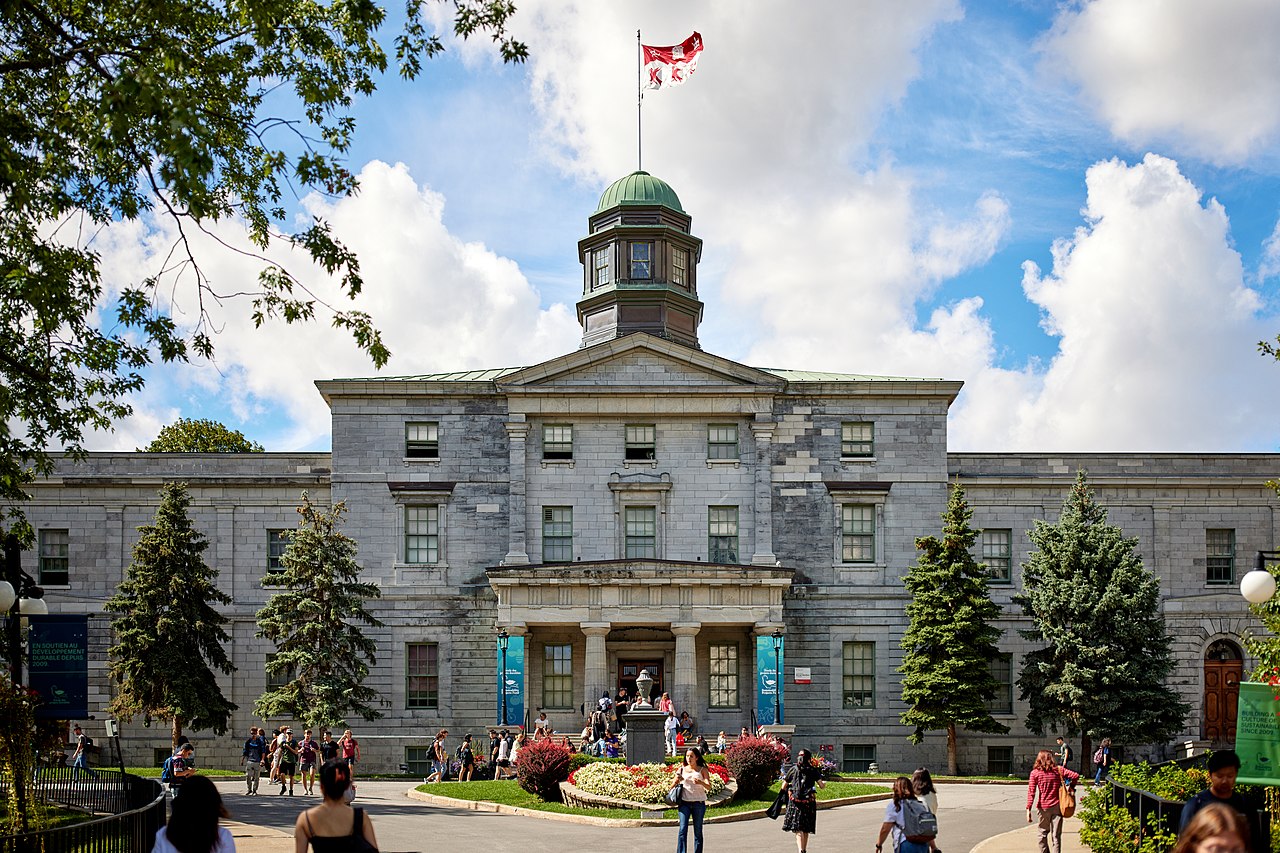
McGill University's Department of Geography offers graduate programs leading to a Master of Arts (MA), Master of Science (MSc), or Doctor of Philosophy (Ph.D.). The programs are exclusively for full-time students. The Master's program requires 45 credits, with 30 dedicated to thesis research and 15 to coursework. Students must complete a minimum of 18 months (3 semesters) in residence. The Doctoral program requires 9 credits, with most students entering at the Ph.D. 2 level after completing a Master's degree, requiring 3 years (6 semesters) in residence. Students entering directly from a Bachelor's degree begin at the Ph.D. 1 level and require 4 years (8 semesters) in residence. Both programs emphasize original research culminating in a thesis or dissertation.

Graduate Diploma in Rural Development

Graduate Studies in Gender, Sexuality, and Women's Studies
The Department of Gender, Sexuality, and Women’s Studies (GSWS) at the University of Western Ontario offers a dynamic interdisciplinary Master of Arts (MA) program. This program is designed for students whose research interests align with the department's recognized areas of study, which include feminist, queer, and critical race theory; health and embodiment; representation and cultural production; globalization, equity and social structures; sexuality; and Black studies. Faculty members and students engage in a vibrant culture of feminist scholarship and activism, participating in speaker series, annual conferences, and undergraduate events. The program emphasizes the development of students as feminist researchers and educators, integrating professional development into coursework and providing opportunities for involvement in departmental events and conferences.
Human Services Certificate
The Human Services Certificate program at Trinity Western University is designed for students passionate about helping others and caring for communities. This program offers a broad exploration of social sciences, psychology, and sociology, providing a strong foundation for careers in the helping professions. It delves into critical areas such as child and family development, criminal justice, faith-based social services, and global social issues, equipping students to support individuals facing social, emotional, and cognitive challenges. Graduates emerge as knowledgeable and empathetic leaders prepared for diverse roles in social support and community care.

Indigenous Human Services
The Indigenous Human Services Certificate and Diploma programs at NVIT are designed to equip you with the skills and knowledge needed for rewarding careers in fields such as non-profit agencies, Indigenous communities, and government services. You will learn trauma-informed practices, human service theories, and decolonization-focused approaches to effectively support individuals and families facing various social challenges. The program emphasizes developing practical skills in trauma-informed practice, social policy from a decolonization perspective, and effective communication, blending academic learning with experiential opportunities. Upon completion of the Certificate, you will be prepared to assist agencies and communities with issues like economic disadvantage, mental health concerns, developmental challenges, gender and diversity issues, addictions, family changes, and interactions with the justice system. The Diploma program builds upon this foundation, enabling you to provide more in-depth supports and services to individuals and families. Graduates are well-prepared to make a significant positive impact on community well-being and can pursue further education in NVIT's Social Work Degree Program.

Interdisciplinary Social Research PhD
The PhD in Interdisciplinary Social Research (IDSR) at Trent University is a doctoral program focused on social inquiry and interdisciplinary research. It offers theoretical, methodological, and experiential training to develop leading scholarship on key social, material, and environmental issues, both historical and contemporary. The program emphasizes the importance of interdisciplinary perspectives and processes for identifying and solving complex societal problems in an era of significant change. Graduates will gain flexible research skills applicable to public sector, NGO, community-based, and corporate roles.

International Development Studies
The International Development Studies (IDS) program at Canadian Mennonite University (CMU) encourages students to learn about global and local contexts of poverty and violence. It aims to foster innovative approaches to transformational development that promote justice and peace, preparing students for active citizenship in an increasingly interdependent world. The program emphasizes community-level development and the work of non-governmental organizations. It offers an interdisciplinary approach, examining foundational values and worldviews, including faith-based perspectives, that shape different visions of development.

Introduction to Criminology
This Introduction to Criminology course offers a foundational understanding of crime and deviance. It uses a multidisciplinary approach, drawing insights from psychology, biology, and sociology to explore the complexities of the justice system. Students will critically examine how crime is defined and understood, and how factors like power, influence, class, race, and education shape perceptions of criminality in society.
Labour Studies BA
The Labour Studies program at Brock University prepares students to understand and navigate the evolving world of work, while also equipping them with the skills to improve jobs and workers' lives. This program offers a blend of theoretical knowledge and practical skill-building, setting graduates up for success in various career paths. Students can choose to pursue a Bachelor of Arts in Labour Studies, or combine it with a co-major in fields like Political Science, Sociology, History, or Economics. The program also offers certificate options and pathways to postgraduate certificates in Human Resources Management and Alternative Dispute Resolution.
Master of Applied Disability Studies (MADS)
The Master of Applied Disability Studies (MADS) at Brock University is the only program of its kind in Ontario, offering specialized training for professionals in the disability sector. Students can choose to specialize in Applied Behaviour Analysis (ABA) or Leadership, Diversity, Community, and Culture (LDCC). The ABA specialization meets the course requirements to become a Board Certified Behavior Analyst®, while the LDCC program provides advanced training for career progression. This program is designed for both current and future professionals looking to deepen their expertise in disability studies. It can be completed full-time in 20 months or part-time over three years (for ABA students only). Courses are offered on weekdays and weekends for full-time students, and weekends for part-time students, at various locations in Ontario.
Physics
Acadia University's Physics program offers a comprehensive undergraduate degree designed to help students understand the fundamental laws governing our universe, from the smallest particles to the largest celestial bodies. With a focus on small class sizes and student-centered learning, the program fosters a strong sense of community among students and faculty. Graduates develop critical thinking, problem-solving, and communication skills, preparing them for a diverse range of careers or further academic pursuits. The curriculum encourages interdisciplinary studies and offers unique opportunities for hands-on research.
Rural Development
The Department of Rural Development was established in 1999 to address the evolving challenges and opportunities within rural communities. It offers unique programs in Western Canada focused on understanding and contributing to positive change in rural areas. The department fosters a close relationship with the Rural Development Institute (RDI), providing a strong connection between academic study and practical application. The programs delve into the implications of societal changes affecting rural life and explore existing and proposed solutions. Students gain insights into the complexities of rural societies and develop skills to become resources for effecting change. The curriculum is designed to provide a comprehensive understanding of rural development principles and practices.

Travail Social
The Social Work program at Cégep de Saint-Jérôme provides comprehensive training for individuals aspiring to work in the social services field. It focuses on developing the skills and knowledge necessary to support individuals, families, and communities facing various social challenges. The program emphasizes a humanistic and rights-based approach, preparing students to intervene effectively and ethically in diverse contexts. Graduates will be equipped to work in a range of settings, contributing to social justice and well-being.
Undergraduate Programs in Gender, Sexuality, and Women's Studies
The Department of Gender, Sexuality, and Women’s Studies (GSWS) at the University of Western Ontario offers a supportive academic environment focused on gender and sexuality through a feminist lens. Our programs aim to promote human rights and social justice by exploring contemporary issues and how gender intersects with other aspects of identity and power, such as race, ethnicity, social class, disability, and age. We encourage critical reflection, analysis, and research to foster individual interests and methods of inquiry.
Women's and Gender Studies
The Women's and Gender Studies (WGST) program at Acadia University invites students to critically examine how gender and sexuality shape global societies and individual experiences. You will explore diverse topics such as social justice, culture, education, literature, psychology, history, science, and politics through a feminist lens. The program encourages questioning assumptions and developing innovative approaches to societal challenges, offering a robust interdisciplinary curriculum to foster a deep understanding of gender's impact. Students can choose from various program options including a Major, Double Major, Major with Honours, Double Major with Honours, or a Minor. The curriculum is rich with over 60 interdisciplinary courses, covering unique areas like Black Women and Politics, Environmental Justice and Equity, and Women in Science. The program emphasizes hands-on learning, research opportunities, and offers a co-op option, preparing graduates for impactful careers.
Frequently asked questions
How many Social Sciences programmes are available in Canada?
+
There are 32 Social Sciences programmes across 18 universities in Canada.
Which Canadian universities offer Social Sciences programmes?
+
Notable institutions include McGill University, the University of Western Ontario, Brock University, Trinity Western University, Athabasca University, and Douglas College.
How much does studying Social Sciences in Canada cost?
+
The listed programmes are tuition-free, though living costs and other fees will still apply.
Can international students apply to Social Sciences programmes in Canada?
+
Yes, Canadian universities welcome international students; a study permit and proof of English or French language proficiency are typically required.
What are typical entry requirements for Social Sciences programmes in Canada?
+
Undergraduate programmes require a recognised high school leaving certificate; graduate programmes typically require a bachelor's degree in a social science or related field and may request a statement of purpose or research proposal.