Bachelor's in Architecture & Design in Germany
Germany offers 22 Bachelor's programmes in Architecture and Design across 13 universities, with tuition set at around €4,000 per year. Institutions such as the Technical University of Munich and CODE University of Applied Sciences Berlin are among those represented, alongside applied-sciences universities (Fachhochschulen) including Fachhochschule Konstanz and Fachhochschule Erfurt, which are known for their practice-oriented curricula.
Bachelor's programmes in Architecture and Design in Germany typically last three to four years and combine studio-based learning with technical and theoretical modules. Germany's affordable fees and strong engineering tradition make it an attractive option for international students pursuing creative and built-environment disciplines. Many programmes are taught in German, so language preparation is important.

Architecture (Bachelor of Arts)
This is a 6-semester Bachelor's degree program, marking the initial stage of architectural education. It is a foundational, broadly-focused program designed to introduce students to the core principles of architecture through a structured curriculum. Instruction is delivered in small groups by professors, supported by academic staff and lecturers. Studying in Cologne, a city with a 2,000-year history of architecture, offers ample opportunities for inspiration and engagement with the field. As a cultural hub in North Rhine-Westphalia, Cologne boasts impressive buildings, fascinating museums, and a unique local atmosphere.

Architecture (Bachelor of Arts)
This Bachelor of Arts program focuses on Architecture, providing a practice-based and subject-oriented education grounded in science. You will gain the skills necessary to design building structures from creative, technical, and economic perspectives, becoming a well-rounded professional. The curriculum aims to equip you with essential expert knowledge, technical expertise, and an appreciation for architectural design, preparing you to meet the prevailing standards in Germany and the EU. This degree also serves as a foundation for further studies or exchange programs with European universities.
Architecture (Part-Time)
Design buildings that construct the cities of the future and contribute to the climate transition. This practice-oriented, part-time Bachelor's program in Architecture allows you to discover your strengths and interests, whether in creative design, detailed construction, or planning with new materials. The program is modular and spans ten semesters, combining full-time study, a practical semester, and part-time study periods where you'll attend classes two days a week and gain practical experience in an office or company for the remaining three days. The final semester is dedicated to the full-time completion of your Bachelor's thesis.

Architecture & Design
FH Aachen offers degree programs in Architecture, Communication Design, and Product Design. These programs aim to blend creative expression with modern technologies and processes. Students can choose between Bachelor of Arts (B.A.) and Master of Arts (M.A.) degrees. Unless otherwise specified, all programs are taught in German.
Architecture and Urban Design (BA)
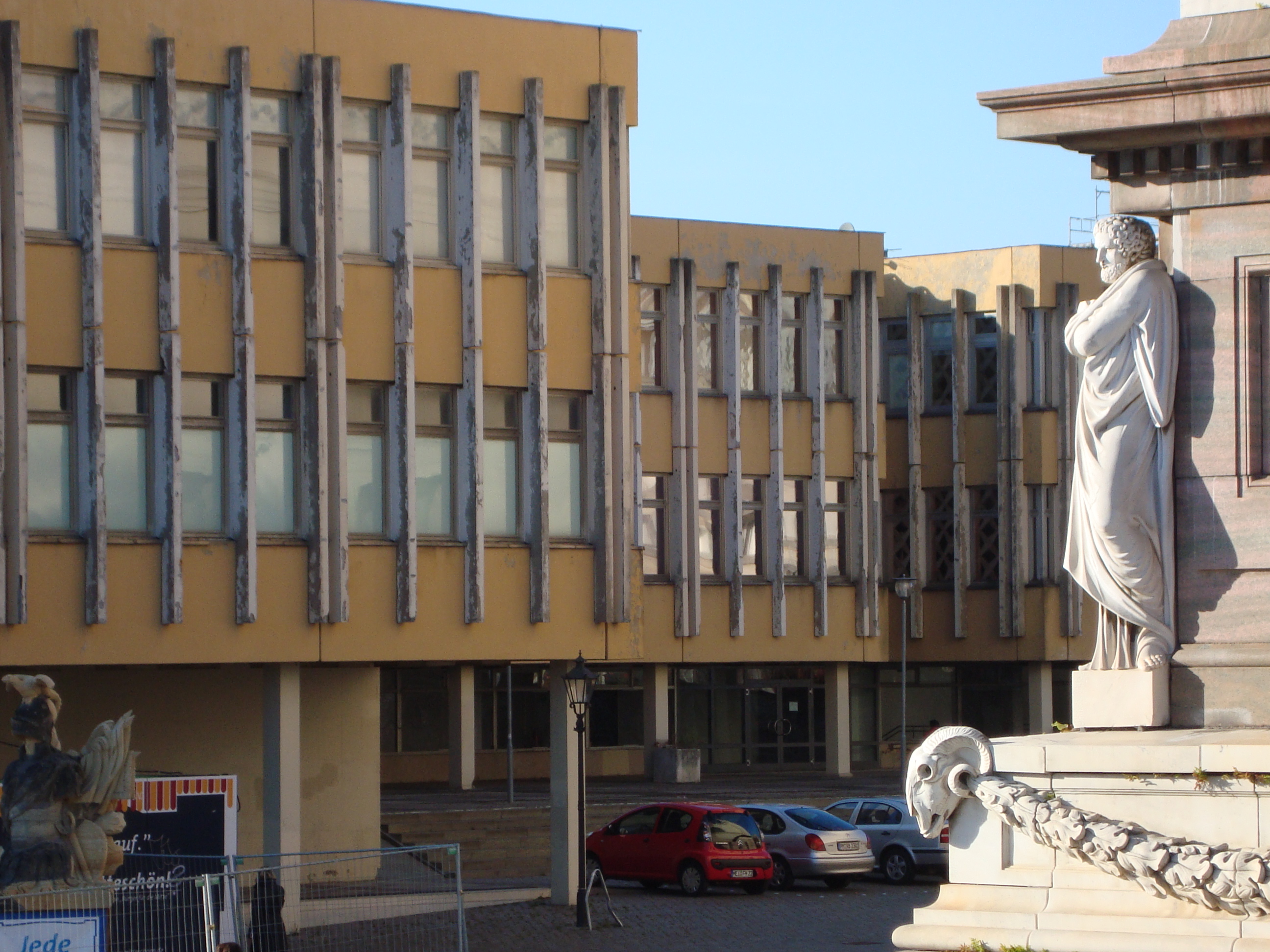
This Bachelor of Arts program in Architecture and Urban Design focuses on the study of urban architecture, equipping you with the technical, cultural, and design fundamentals needed for responsible practice. The 8-semester program emphasizes the close relationship between design, theory, history, landscape architecture, and design. Its goal is to foster an independent, critical, and historically informed architectural perspective to address contemporary urban development challenges. You will learn to analyze and design buildings and urban spaces, considering both their historical context and future potential. The program encourages an understanding of architecture as a synthesis of technical, artistic, and social considerations.
Architecture Bachelor of Arts
The Bachelor of Arts in Architecture program at HTWG Konstanz offers a solid and practical foundation in architecture over six semesters. This program is designed to equip graduates with the necessary skills for internships, entry-level positions, or further Master's studies. The curriculum balances creative design with technical and economic aspects, reflecting the diverse nature of architectural practice. Graduates will be well-prepared for the professional world, understanding that while the Bachelor's degree enables practical work, a Master's degree is typically required for the protected professional title of 'Architect' and for international recognition.

Architecture Bachelor of Science (B.Sc.)
The Bachelor of Science program in Architecture at the Karlsruhe Institute of Technology (KIT) focuses on the scientific and creative aspects of designing, shaping, and constructing buildings, as well as planning urban and landscape spaces. The program equips you with the foundational knowledge necessary for planning and realization, fostering your judgment regarding space, context, materials, construction, history, theory, application, economics, and sustainability. A core element of the curriculum is design theory, explored through thematic design studios. This is complemented by foundational courses in artistic, technical, historical, and social sciences. As you progress, you'll have opportunities to specialize and deepen your knowledge in areas of particular interest. The program aims to cultivate creative and critical thinkers capable of interdisciplinary work on complex challenges.
Ausbildung plus Studium Kommunikationsdesign (B.A.)
This program offers a unique dual pathway, combining a vocational training in design with a Bachelor of Arts (B.A.) in Communication Design. You can choose between two vocational training routes: Graphic Design or Design Technical Assistant (GTA). Both provide practical and theoretical foundations in design, media, and production. This is complemented by a part-time distance learning Bachelor's degree that adds academic, conceptual, and strategic elements. This integrated approach allows you to earn both a state-certified professional qualification and an academic Bachelor's degree in a relatively short period. The program structure is designed to be flexible, with the vocational training starting in September and the distance learning modules beginning in April and October.

B.A. Architecture
This Bachelor of Arts in Architecture program is offered entirely online, allowing for flexible, time- and location-independent study. It covers architectural principles from artistic, technical, historical, and societal perspectives. You will explore fundamental areas like residential, urban, and commercial building design, and gain practical experience through design projects that incorporate future-oriented methods. The program concludes with a 16-week Creative Lab and a Bachelor's thesis, preparing you for professional practice. The curriculum is modular, with ECTS credits awarded for each completed module, ensuring international recognition. Please note that the program is currently not eligible for chamber accreditation.
BA UX/UI Design
The BA UX/UI Design program focuses on the intersection of technology and design, preparing students to create user-friendly and engaging digital experiences. You will learn to combine technical skills with design principles to shape the future of digital products and services. The curriculum covers user experience, visual interface design, and the emotional interaction between humans and technology. This interdisciplinary approach ensures you gain a comprehensive understanding of the field.

Bachelor of Arts in Architecture
The Bachelor of Arts in Architecture program at Fachhochschule Erfurt is a full-time, six-semester program designed to equip students with foundational knowledge and practical skills in architectural design and urban planning. The curriculum covers essential areas such as representation, design, construction, and social competencies, progressively introducing more advanced topics like urban development, architectural history, theory, and building management. A key feature of the program is the compulsory integrated practical semester in the fifth term, which provides hands-on experience through collaboration with architectural firms, either domestically or internationally. Learning at Fachhochschule Erfurt emphasizes a project-based approach, where students tackle real-world design challenges in small seminar groups. This method encourages active participation, critical thinking, and the development of methodological skills transferable to various problem-solving scenarios. The program aims to foster students' ability to analyze complex issues, integrate functional, aesthetic, economic, and ecological considerations, and develop innovative solutions for shaping living spaces.
Bachelor of Arts in Mediendesign
The Bachelor of Arts in Mediendesign program at IU Internationale Hochschule equips you with creative skills for designing compelling visual communication across various media. You will learn to develop cross-media strategies and concepts, focusing on areas such as web design, video editing, and app development. This program prepares you for diverse roles in advertising, media agencies, publishing, and broadcasting, enabling you to shape the visual identity of products, companies, and brands in both online and print formats. The curriculum emphasizes both theoretical knowledge of visual communication and practical project implementation using modern software, helping you build a strong design portfolio for career entry.

CODE University of Applied Sciences Berlin
CODE University of Applied Sciences Berlin is a private university focused on preparing students for the digital future. Located in Berlin, it offers Bachelor's and Master's programs designed for ambitious individuals aiming to become software engineers, designers, and entrepreneurs. The university emphasizes a curiosity-driven, project-based learning approach, where students can personalize their studies and work on real-world projects, often in collaboration with industry partners. CODE fosters an entrepreneurial spirit, encouraging resilience and innovation within a supportive community of peers and mentors.
Craft Design (B.A.) - Distance Learning
The Distance Learning Craft Design (B.A.) program allows you to combine your craft expertise with design, product development, and business management skills. This program is ideal for individuals already working in a craft trade, undergoing vocational training, or seeking to enhance their practical craft skills. It’s designed for those who aspire to take on more responsibility in workshops, run their own businesses, lead projects, offer consulting, or pursue self-employment. You will explore areas such as design principles, materials, form, color, product design, brand management, and essential business fundamentals. This comprehensive approach will equip you not only to advance your craft ideas but also to professionally shape products, projects, and businesses. The program can be pursued alongside your apprenticeship or existing job, offering a flexible path to a Bachelor of Arts degree.
Digital Design & Innovation (B.A.)
The Bachelor of Arts in Digital Design & Innovation at CODE University prepares you to shape meaningful and delightful user experiences. This program focuses on creating people-centered experiences mediated through technology, emphasizing how aesthetics and form are crucial for successful digital products. You will learn to integrate design with entrepreneurial thinking and understand the broader context of your work, preparing you to lead in a fast-changing world and contribute positively to society through design.
Economics and Business (General)
BiTS Business and Information Technology School GmbH Iserlohn is an institution offering a program in Economics and Business (General). It is affiliated with other institutions like BTK Berlin Technical Art School Academy of Design and Campus Berlin. The school is located in Iserlohn, Germany. Further details about the program specifics, admissions, and fees are not available on this page.
Informationsdesign
Innenarchitektur (Teilzeit)
Interior Architecture
The Interior Architecture Bachelor's program equips you with the skills needed to design and create living spaces for people. This creative and diverse field covers private living, furniture and product design, as well as exhibition, retail, and event spaces. Upon completion, graduates are eligible for registration as interior architects, enabling them to work in employment or as independent professionals. The program emphasizes a blend of artistic, humanistic, technical, and constructive competencies, alongside digital design tools, marketing, and communication skills. Students will contribute to sustainable development goals, focusing on health, well-being, clean water, reduced inequalities, sustainable cities, responsible consumption, climate action, and life on land.
Landscape Architecture (B.Sc.)
Design, plan, and shape sustainable living spaces. If this aligns with your future aspirations, Landscape Architecture is the right program for you. This course integrates science, technology, economics, and art, with a particular focus on ecological and social aspects. Practical experience is a key component, with the nearby Botanical Garden available for application, including your mandatory practical semester. Please note that classes are currently held in Höxter, with a planned mid-term relocation to Detmold. Specific information about this transition will be announced several months in advance of the semester start.

Landscape Architecture and Landscape Planning
This interdisciplinary Bachelor's program focuses on understanding, developing, and designing landscapes, with a particular emphasis on open spaces in urban and populated areas. It equips students with a strong foundation in social sciences, cultural studies, natural sciences, and engineering. The program balances the design-oriented aspects of landscape architecture with the planning science principles of landscape planning, allowing for early specialization. Graduates will be able to independently address challenges in open space design, landscape development, and nature conservation. They will learn to select and apply appropriate analytical, assessment, design, and planning methods. The curriculum covers construction engineering, plant use, botany, ecology, garden design, history of ideas, design and CAD, as well as planning theory, instruments, and law. Depending on specialization, students may also gain skills in architecture, urban design, soil science, and spatial planning. A strong emphasis is placed on understanding the social, historical, and ecological contexts of planning work, alongside a fundamental grasp of natural and cultural sciences.
Process and Product Design (B.A.) - Distance Learning
The distance learning Bachelor of Arts (B.A.) in Process and Product Design focuses on the entire product development lifecycle, from initial concept to final design. You will learn to create products that are not only aesthetically pleasing but also functional, user-friendly, and human-centered. The program covers a wide range of topics including consumer goods, industrial products, processes, and product systems, with an emphasis on design, usability, materials, manufacturing, digital modeling, and presentation. This program is ideal for creative individuals who wish to study product design online and pursue academic qualifications for careers in design studios, companies, agencies, or self-employment. The curriculum integrates practical project work, model making, and digital design, offering flexibility for those who wish to study while working or managing other commitments. The university provides access to necessary digital tools, including VR headsets and software licenses, to support your learning.
Study at Technische Hochschule Ostwestfalen-Lippe (TH OWL)
Technische Hochschule Ostwestfalen-Lippe (TH OWL) offers a wide range of Bachelor's and Master's degree programs across various fields including Design, Technology, Business, and Environment. The university aims to provide students with the information they need about their chosen field of study, program duration, and location. TH OWL is committed to fostering an environment where students can explore their interests and pursue their academic goals. The university provides essential information for each program, including contact details for academic advising, to help prospective students make informed decisions.
Frequently asked questions
How many Bachelor's programmes in Architecture and Design are available in Germany?
+
There are 22 Bachelor's programmes in Architecture and Design across 13 German universities.
How much does a Bachelor's in Architecture and Design cost in Germany?
+
Tuition is roughly €4,000 per year across the listed programmes.
Which universities offer these programmes in Germany?
+
Among others, Technical University of Munich, CODE University of Applied Sciences Berlin, Fachhochschule Konstanz, IU Internationale Hochschule, and Fachhochschule Erfurt offer Bachelor's programmes in this field.
Can international students apply for Architecture and Design Bachelor's programmes in Germany?
+
Yes, German universities accept international students; proof of language proficiency (German or English, depending on the programme) and secondary school qualifications are typically required.
What are typical entry requirements for Architecture and Design Bachelor's programmes in Germany?
+
Applicants generally need an Abitur or equivalent school-leaving certificate, a portfolio, and German or English language certification depending on the programme's teaching language.