Master's in Architecture & Design in Germany
Germany provides 16 Master's programmes in Architecture & Design across 10 universities, offering a strong mix of technical rigour and creative practice at comparatively low tuition fees. Participating institutions include Fachhochschule Dortmund, Fachhochschule Aachen, Fachhochschule Potsdam, Technical University of Munich, and DIPLOMA-Fachhochschule Ölsnitz/Vogtland. Annual tuition across listed programmes is approximately €4,000, far below the fees charged by many Western European peers.
German Master's programmes in architecture and design are internationally respected, with studios often integrating sustainable design, urban planning, and digital fabrication. Most programmes require a relevant Bachelor's degree and a portfolio; while many are taught in German, an increasing number of institutions offer English-language pathways for international students.

Architecture
The Master's degree program in Architecture at the Technical University of Munich (TUM) builds upon your foundational Bachelor's knowledge, allowing you to deeply explore and specialize in specific architectural fields. This program emphasizes design-oriented project work, preparing you for leadership roles in architecture and planning. You'll gain advanced skills in visualization, construction, architectural history, and theory, along with crucial social and interpersonal competencies for professional collaboration. Students can choose to define their study path with a mentor or select from four defined areas of concentration, each spanning four semesters. The curriculum is designed to foster a comprehensive understanding of the built environment and societal responsibility, equipping graduates to innovate and lead in a rapidly changing global architectural landscape.
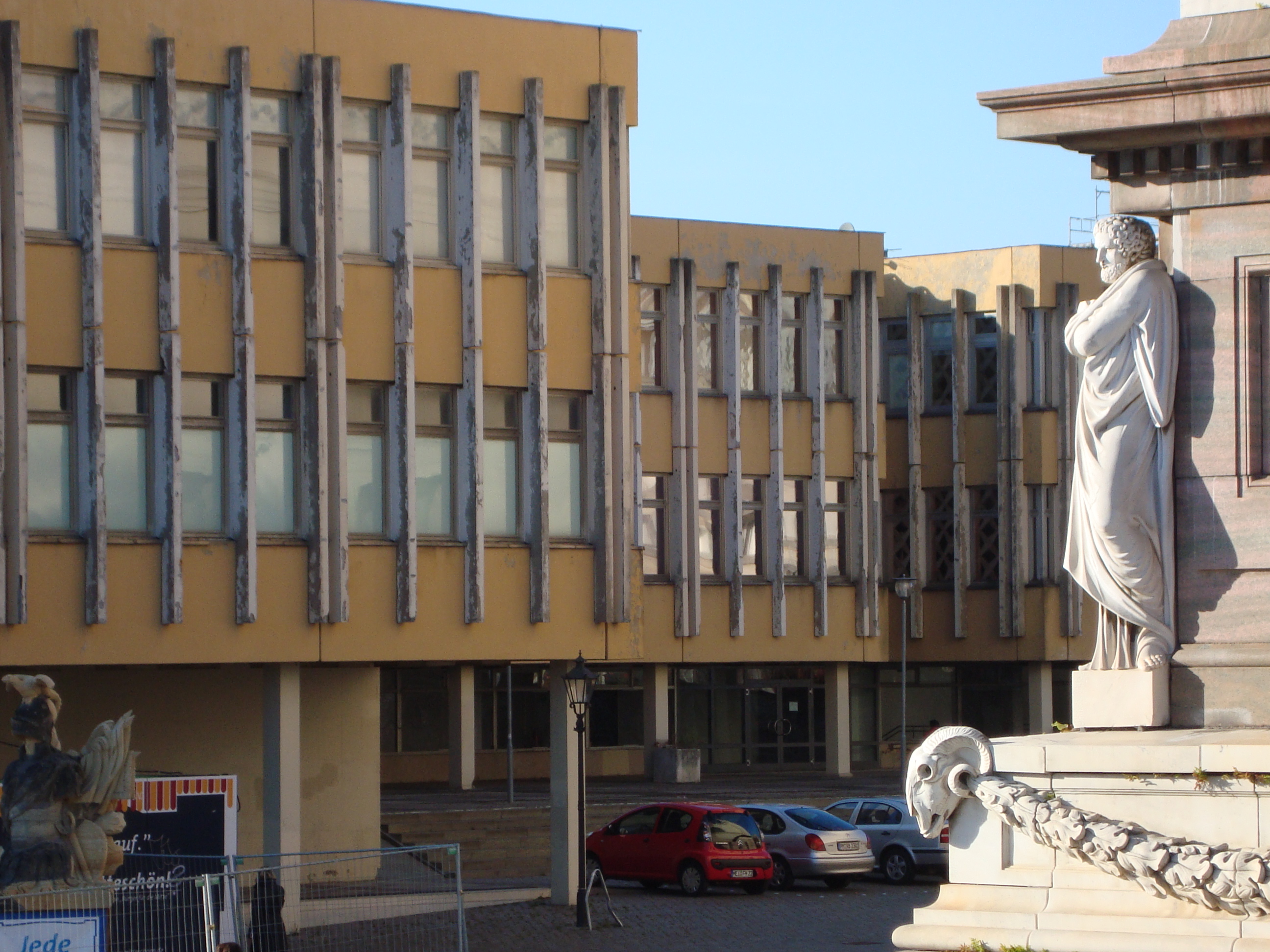
Architecture and Urban Design (MA)
The Master of Arts in Architecture and Urban Design is a two-semester full-time program focused on strategies for planning and design within complex urban environments. It encourages a critical reflection of European urban culture, addressing issues from master planning to individual building design. The program emphasizes understanding and addressing challenges related to urban expansion, redevelopment, and densification, while also considering the preservation and integration of historical buildings. Students will engage in a continuous Master's project, often involving a specific European city or region, analyzing its historical, morphological, and architectural specifics. This process involves on-site research, analysis, and the development of design solutions at various scales. The program aims to equip students with the ability to identify, analyze, and creatively solve urban conflicts, fostering individual interpretation and collaborative project development. Graduates are prepared for a variety of career paths in architectural firms, planning offices, urban planning departments, and the real estate industry. The degree is internationally recognized and can qualify individuals for self-employed architectural practice globally. The program also provides a strong foundation for careers in academia, teaching, science, and research.
Design (MA)
The Master of Design (MA) programme at Fachhochschule Potsdam offers a unique space and time for students to develop innovative ideas, concepts, and experiences. It focuses on research, exploration, and reflection within a socio-political context, fostering a diverse community of makers and thinkers. Students can pursue individual learning journeys, engaging with societal transformation processes and interdisciplinary futures. The programme is ideal for those who wish to critically engage with complex global challenges and contribute to shaping the future through design.

Design M.A.
The Master of Arts in Design is a program focused on interdisciplinary collaboration. It uniquely explores the intersections of different design fields through concrete projects. Students develop the ability to create comprehensive, independent design solutions in communication and/or product design by leveraging interdisciplinary synergies, integrating current professional and social developments. The program emphasizes the strategic importance of design and its potential impact on society, business, science, and culture. Graduates are equipped to develop viable concepts, understand and connect disciplinary interfaces, and lead collaborative, interdisciplinary teams. They will be adept at navigating between communication and space, product and communication, and space and interaction. The program fosters constructive, solution-oriented exchange, preparing students to ethically and socially responsibly shape the future as designers, with a focus on social, ecological, and economic sustainability.

Digital Design (Master of Science)
The Master's in Digital Design at FH Dortmund is designed for individuals who want to actively shape the digital transformation of society and the economy. The program focuses on creating holistic digital solutions that are sustainable, usable, technically feasible, and economically viable. Beauty in design is seen as a matter of substance, not just surface. Artificial intelligence is integrated as an important tool and material, offering new possibilities and supporting the design and development process.
Editorial Design Master of Arts
The Master of Arts in Editorial Design at Fachhochschule Dortmund is a practice-oriented program focused on developing independent, responsible, and visionary professionals. The curriculum is inter- and cross-media, integrating both digital and analog methods. You will explore questions related to media-specific design for publications like books, magazines, and newspapers, visual research, authorship, and the strategic application of media. The program is designed to enhance your skills in visual research, conceptual development, and strategic thinking within the field of editorial design. You will benefit from the expertise of full-time faculty and guest lecturers who are leaders in their respective fields. The university provides access to well-equipped workshops covering various analog and digital printing techniques, virtual reality, photography, and film. This three-semester program begins in the summer semester. The first two semesters include significant design modules and a science module focused on media. The third semester is dedicated to a practical module and the master's thesis. Learning methods include project work, seminars, lectures, excursions, and workshops. Application is open from December to January.
MA Design Leadership
The MA Design Leadership program is designed to advance your career in the design field, preparing you to become a leader. In today's world, design and creativity are crucial for developing sustainable and meaningful products. As a Design Leader, you'll be responsible for setting a vision for your team and stakeholders, fostering an environment that encourages creativity and collaboration. This program equips you with the latest skills and knowledge to lead creative teams in designing better products, services, and experiences, taking your existing design background to a higher level.

Master of Arts in Architecture
The Master of Arts (M.A.) in Architecture is a postgraduate program designed for graduates of Bachelor's degree programs in Architecture. It spans four semesters and covers all essential areas of planning and construction. The program aims to provide a practice-oriented, broad-based education grounded in scientific knowledge and methods, preparing students for independent professional practice as architects. Students in this program are encouraged to take ownership of their learning and self-organize their work and study processes. The curriculum allows students to tailor their studies by selecting from project offers, elective compulsory modules, and optional modules based on their individual interests. 'Project Studios' offer opportunities to focus on various specific themes, fostering an independent and self-directed approach to architectural education.
Master of Arts in Interior Architecture - Spatial Art
This Master's program in Interior Architecture - Spatial Art (MIAR) focuses on developing your individual creative potential. You will be guided by coordinators and mentors through a project-based curriculum. The program encourages you to develop artistic, technical, organizational, and scientific skills to shape your profile for diverse career paths in interior architecture. The curriculum allows for self-directed specialization, enabling you to tailor your studies to your specific interests within the broad field of spatial design.
Master of Integrated Design (MID)
The Master of Integrated Design (MID) program focuses on the evolving demands of the global construction industry, integrating digital technologies into classic professional profiles. You will gain expertise in areas like facade construction, computational design, digital planning, and production methods. The program blends operational aspects of information technology, building project development, and academic work, preparing you for a future shaped by digital innovation in architecture and construction. You will learn to experiment with digital methods for analysis, design, planning, and fabrication, contributing to sustainable and technologically advanced built environments.

Master of Science in Urban Design (Dual Degree with Tongji University)
This Master of Science program in Urban Design offers a unique dual degree opportunity in collaboration with Tongji University in Shanghai, China. It provides students with an international perspective on urban development and design challenges.

Master Programs at Augsburg University of Applied Sciences
Augsburg University of Applied Sciences offers a variety of Master's degree programs designed for students seeking advanced knowledge and practical skills in their chosen fields. The university provides a comprehensive academic environment with a strong focus on applied sciences and research. Students can choose from a wide range of disciplines, including engineering, business, computer science, and design. Many programs offer flexible study modes, such as full-time, part-time, and cooperative study options, allowing students to tailor their education to their individual needs and career goals. The university aims to prepare graduates for successful careers in a globalized market.
Master's Degree Programmes
FH Aachen University of Applied Sciences offers a range of Master's degree programmes for students who have completed their first university degree or wish to advance their professional qualifications. These programmes are available in various subject areas, with options for full-time, part-time, or extra-occupational study. Completing a Master's degree generally qualifies graduates to pursue a doctorate (PhD). Please note that the primary language of instruction for most programmes is German, though some courses are offered partly or fully in English.
Scenographic Design and Communication Master
This Master of Arts program focuses on the design and communication of real and virtual spaces and environments. You will learn to tell stories and convey messages through the design of stages, exhibition spaces, and public areas. The program explores how to create engaging cross-media exhibition spaces, narrative qualities in film and theatre, and the potential of public space design for societal development. It is a project-oriented, bilingual program offered with a predominantly German or English-speaking focus, allowing for specializations in exhibition, museum, public art, and stage design.
Urban Design, M.Sc.
The Master of Science in Urban Design program at Technische Universität Berlin addresses the complex challenges of urban development. It acknowledges that a single discipline often isn't enough, requiring a multidisciplinary approach that integrates architecture, urban planning, sociology, and landscape architecture. This program prepares students to tackle these complexities by fostering cooperative, transdisciplinary work methods. Graduates will be equipped to understand and visualize urban spaces, developing solutions that consider social, ecological, economic, and gender perspectives at local and global scales.
Frequently asked questions
How many Master's in Architecture & Design programmes are available in Germany?
+
There are 16 Master's programmes in Architecture & Design across 10 German universities listed on this platform.
Which German universities offer a Master's in Architecture & Design?
+
Options include Fachhochschule Dortmund, Fachhochschule Aachen, Fachhochschule Potsdam, Technical University of Munich, and DIPLOMA-Fachhochschule Ölsnitz/Vogtland, among others.
How much does a Master's in Architecture & Design cost in Germany?
+
Annual tuition for the programmes listed is approximately €4,000; state-sector universities may charge lower administrative fees, while private institutions set their own rates.
Can international students apply for Architecture & Design Master's programmes in Germany?
+
Yes; applicants need a relevant Bachelor's degree and a portfolio, plus proof of language proficiency in German or English depending on the programme language.
What are the typical entry requirements for these programmes?
+
A Bachelor's degree in architecture, design, or a closely related field is required alongside a portfolio demonstrating design ability; some programmes may also require an interview or an aptitude test.