Master's in Architecture & Design in United Kingdom
The United Kingdom lists 22 Master's programmes in Architecture and Design across 15 universities, with tuition running roughly €21k–€49k per year. At the higher end, institutions such as the University of the Arts London and Goldsmiths College command premium fees, while universities including Kingston University, Falmouth University, and Coventry University offer more accessible pricing within the range.
Master's programmes in Architecture and Design in the UK cover areas from spatial design and interior architecture to product and graphic design. UK postgraduate education typically lasts one year full-time, and degrees are highly regarded globally. Glasgow School of Art and other specialist institutions bring strong creative reputations to the field. Applicants will generally need a related undergraduate portfolio and degree.

Architecture (ARB RIBA Part 2) MArch
This Master of Architecture (MArch) course is designed for ambitious individuals seeking to advance their architectural careers. It is a two-year professional program accredited by the ARB/RIBA in the UK and the Board of Architects Malaysia (LAM), allowing graduates to register as Graduate Architects in Malaysia without further equivalence exams. You will build upon your existing knowledge, developing cutting-edge skills to address global architectural challenges within social and environmental contexts. The curriculum emphasizes sustainable building practices, drawing on the university's expertise and award-winning projects like Creative Energy Homes and Trent Basin. Graduates will be highly skilled, reflective practitioners prepared to register for the ARB/RIBA Part 3 course, the final step towards professional accreditation.
Cinematic and Videogame Architecture MArch
This Master of Architecture (MArch) program explores the intersection of architecture, film, and video games, utilizing innovative design methods to engage with contemporary digital technologies. You will critically analyze how these fields influence culture, identity, and politics, and how advancements in time-based and interactive digital tools are reshaping architectural conception and experience. The course prepares you for emerging futures in architectural design, with skills applicable to the film, videogame, and immersive environments industries. You'll learn advanced design techniques using film, animation, and game engine software, becoming a 'worldbuilder' who can address global challenges and create new architectural paradigms. The program culminates in a final project, which can be a film, game, or interactive environment, demonstrating unique research methods.

Design
The MA Design program at Bath Spa University is designed for students seeking to elevate their creative practice to a professional standard. This practical, one-year course encourages a dynamic exchange of ideas across visual design and applied arts. You can either explore a broad design interest or specialize through pathways in Visual Communication, Graphics, Textiles, or Illustration. Throughout the program, you will develop professional, critical, and research skills, working both independently and collaboratively with peers from various art and design disciplines. The curriculum is structured to foster an experimental approach, culminating in a significant self-directed Masters Project and a public exhibition of your final work. This program aims to build confidence, enhance portfolios, and prepare you for a successful transition into industry or further academic studies.
Design for Manufacture MArch
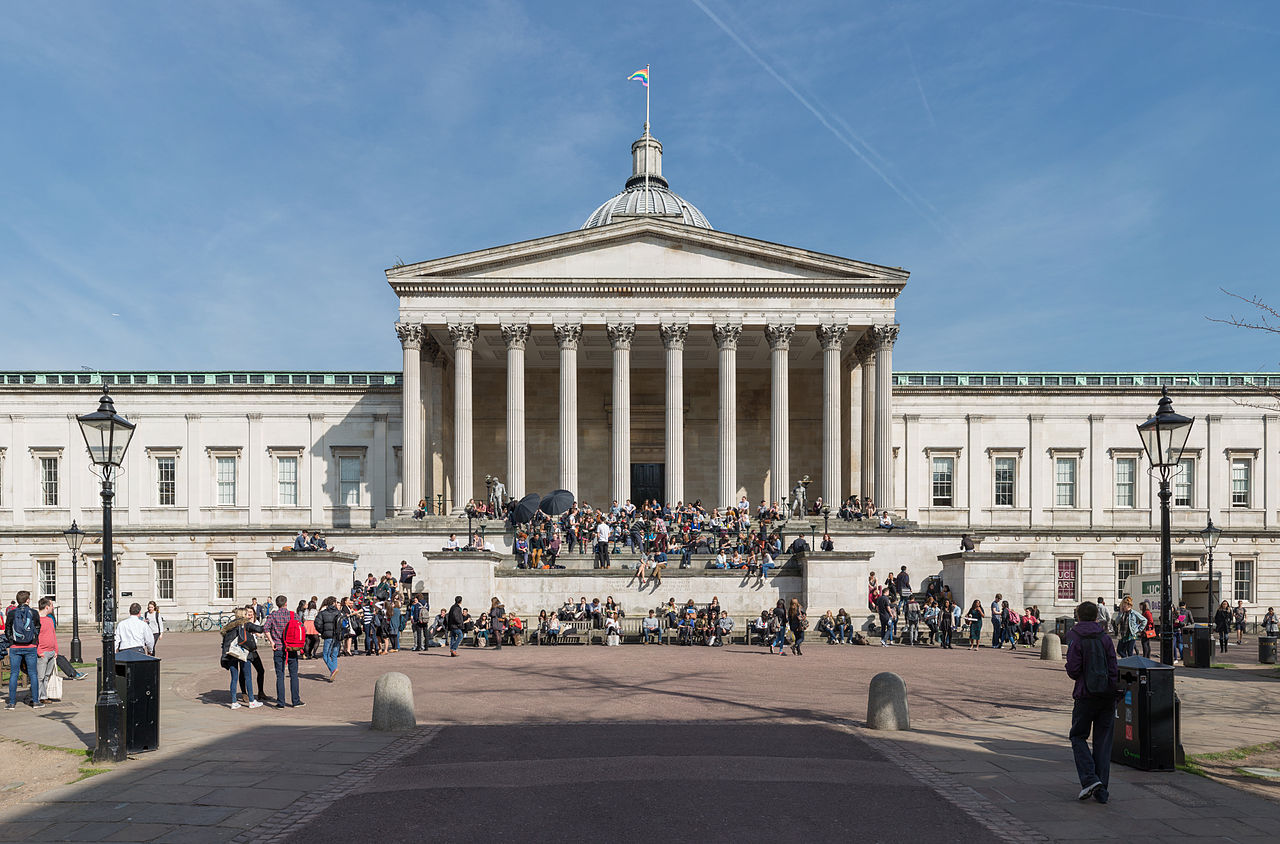
The Design for Manufacture MArch is a postgraduate degree at UCL's Bartlett School of Architecture that focuses on the intersection of architectural design, advanced manufacturing, and digital fabrication. It aims to equip students with practical and theoretical knowledge in design, engineering, material performance, and fabrication techniques to address the growing skills gap in producing complex, high-specification projects. The program emphasizes hands-on experience with emerging technologies like robotics, 3D scanning, and digital fabrication. Students will explore new design methodologies and material systems in a collaborative, practice-led environment.

Design Innovation MSc
The Design Innovation MSc is an intensive one-year master's program focused on developing impactful product and service solutions that benefit people, places, and the planet. You can choose to follow the core MSc or specialize in Healthcare, Materials, or Events. The course equips you with skills in research, design thinking, ideation, collaboration, and digital tools, often tackling real-world problems related to the UN's Sustainable Development Goals. Through qualitative and quantitative research, you will identify opportunities and apply sustainable design practices. The program emphasizes interdisciplinary collaboration, teamwork, process management, and an understanding of business contexts, the circular economy, and prototype evaluation. You will also refine digital skills in UX/UI, product and experience design, utilizing AI tools and developing prototyping skills like 3D printing. Graduates will be highly skilled, ethically driven, and prepared to design sustainable solutions for global challenges. The course is delivered through lectures, seminars, practical classes, workshops, and studio time, with opportunities for peer-to-peer learning.
Graphic Design MA (Online)
This online Master of Arts (MA) in Graphic Design is designed for individuals looking to push the boundaries of graphic design in a rapidly evolving industry. The course focuses on applying academic research and global perspectives to your design work, supported by industry-active designers. You will join a diverse online community, developing new skills, critically engaging with contemporary issues, and shaping the future of design. Whether you aim to start your own business, work in a studio, or pursue research, this program encourages you to define your design ethos in relation to pressing socio-political and environmental challenges. Studying online offers the flexibility to learn from anywhere in the world, allowing you to network with a culturally and geographically diverse cohort. The curriculum incorporates industry-relevant briefs and research skills, preparing you for career advancement or entrepreneurial ventures. Optional in-person events, like visits to international design studios, offer further opportunities for immersive learning.
Light and Lighting MSc
UCL offers a comprehensive Master of Science (MSc) degree in Light and Lighting, uniquely combining the technical and creative aspects of daylighting and artificial lighting design. This program equips you with extensive knowledge and skills essential for a career as a lighting professional within the built environment. You will learn to integrate lighting design as a core component of architecture, leveraging scientific and technological advancements while considering the human response to lit spaces. The curriculum emphasizes designing beautiful and functional lit environments that enhance user well-being, supported by strong engineering principles. You'll join a diverse cohort of students exploring pioneering and sustainable approaches to lighting design, operation, and research.

MA Design

MA Design for Art Direction
This MA in Design for Art Direction at London College of Communication provides visual communicators and designers with the practical, critical, and conceptual skills needed to excel in art direction. The course takes a holistic and multidisciplinary approach, encouraging you to explore diverse sectors and create innovative campaigns for commercial, cultural, and non-profit clients. You'll investigate the role of art directors, developing your own ideas through a mix of collaborative and individual projects, and examining how creative studios shape public perception through various communication forms like activism and intervention.
MA Design: Expanded Practice
This Master of Arts (MA) in Design: Expanded Practice is a post-disciplinary program for practitioners looking to explore the evolving nature of design. The program aims to transform your practice into a critical and social undertaking, challenging traditional design roles and methods. You will become part of a community of practice focused on how design can address and affect change in contemporary society. Whether your background is in traditional design fields like graphic or fashion design, or in areas such as social science, engineering, or business, you are encouraged to examine your own practice through a critical lens. The MA is structured around thematic 'Studios' that allow you to focus on specific areas of investigation within the broader field of design.
MA Graphic Communication Design
This Master of Arts (MA) in Graphic Communication Design at Central Saint Martins offers a critical and rigorous approach to understanding and practicing graphic design in a complex visual world. The course encourages an open and experimental framework for developing critical practice, working across traditional specialisms like typography and illustration, as well as emerging digital and social media practices. You will explore graphic design as a research practice, combining studio work and writing to question existing knowledge and propose new forms of understanding within the discipline. The programme emphasizes the relational nature of design, positioning it as a practice that actively reconfigures cultural, social, and environmental contexts. With a diverse international community of students and staff, the course fosters critical exchange and examines the historical and contemporary contexts of graphic design. The curriculum is structured around three units: 'Methods,' 'Methods ↔ Positions,' and 'Methods ↔ Positions ↔ Projections.' These units guide you through iterative experimentation with visual media and communication tools to develop your research practice. You will learn to interrogate existing knowledge, articulate your own positions within the field, and project your work into new territories through critical engagement with form, production, and audience. The course also addresses urgent global challenges, encouraging students to consider how graphic communication design can critique and intervene in systems of exploitation and contribute to envisioning just and sustainable alternatives.
MA Graphic Design Communication
The MA Graphic Design Communication at Camberwell College of Arts offers a broad and diverse approach to design thinking and practice. This master's program encourages you to shape engaging and imaginative design solutions by exploring various materials, media, technologies, and systems of public engagement. Rooted in pluralistic perspectives and global debates, the course examines graphic design's role in social engagement and activism, recognizing its power to influence public discourse and drive change. You will develop adaptability and resilience to address complex and evolving realities, seeking to foster better relationships between materials, environments, systems, technologies, and languages in thoughtful ways. The program provides a dynamic environment for study, practice, and critical exchange, introducing key debates, research methods, and critical design practices to help you synthesize research topics like cultures, environments, and non-human ecologies. Your design practice will evolve through experimentation and testing in response to design challenges and personal research, equipping you to create impactful visual communication addressing significant social issues.
MA Interior Design
This Master's program in Interior Design focuses on developing your understanding of visual language and enhancing your knowledge of materials, approaches, techniques, and theories essential for a career in this exciting field. You will learn to manipulate and use materials effectively, gain training in using design software and hardware, and develop your ideas through both 2D and 3D conceptualization. The program emphasizes research-led practice, encouraging personal critical discovery and experimentation. Graduates are prepared to address contemporary design challenges, re-imagine existing spaces, and contribute innovative theories and proposals to the field.
MA Material Futures
The MA Material Futures program at Central Saint Martins is a postgraduate course focused on the intersection of science, technology, and design. It encourages a forward-thinking approach, prompting students to anticipate future needs, desires, and challenges. A strong emphasis is placed on sustainability, using design and material innovation to critically examine our future. The curriculum is multi-disciplinary, blending low-tech craft with high-tech digital processes and smart materials. Students are encouraged to collaborate and explore beyond traditional disciplinary boundaries.

Master of Architecture (MArch)
This two-year Master of Architecture (MArch) program is designed to advance your skills and prepare you for professional practice. The course emphasizes "grounded creativity," encouraging you to engage with real-world issues like climate change and sustainable development within localized contexts. You will explore how architectural choices impact present and future generations, deepening your understanding of historical, theoretical, cultural, and political dimensions of the discipline. The program focuses on innovation, professionalism, and commercial awareness, fostering critical reflection on architectural decisions. The first year is primarily a work-based learning experience, predominantly spent in architectural practice through a secured placement. This practical experience is complemented by three short courses at the university, focusing on the professional and legal aspects of architecture. You will complete a portfolio of academic work during this year, reflecting on professional practice and developing practice-based skills. The second year shifts to research-led studies, culminating in a dissertation and a design thesis, undertaken within the collaborative studio culture of the School. The studio environment is central to the program, serving as a hub for students, staff, and industry practitioners to address ethical, global, climatic, and professional issues. This collaborative space allows you to pursue your individual interests through creativity and discovery. Upon graduation, further study, such as a Postgraduate Diploma in Architecture: Professional Practice, is typically required to become a registered architect in the UK.
Master of Landscape Architecture (MLA)

MEDes Product Design
MSc Sound Design
This Master of Science (MSc) in Sound Design is designed for audio professionals looking to deepen their expertise with industry-relevant theory and practices. The program combines taught modules with a significant research project, applying advanced concepts to current approaches in sound design for both linear and interactive media. You will explore how to influence audience perception through sound, develop skills in audio programming, and learn about the application of Artificial Intelligence (AI) in audio. The course emphasizes professional standards in production and documentation, and equips you with methods for assessing listening experiences. It is delivered over 12 months for September starters or 15 months for January starters, with options for full-time or part-time study, and can be taken on-campus or online.
Sustainable Fashion MA (Online)
This online Master of Arts (MA) program in Sustainable Fashion positions you as a leader in transforming the fashion industry. It empowers you to disrupt outdated systems and pioneer new approaches that address fashion's environmental, social, and economic impacts by focusing on planetary well-being. You'll develop groundbreaking design concepts, situating your projects within community settings to question industry norms and reframe fashion systems using regenerative and life-centered design principles. The curriculum integrates cutting-edge concepts like Fibresheds, circular systems, degrowth economics, biodesign, and frontier technologies. By joining a global network of visionary practitioners, you will collaborate with peers to advance your unique perspectives and creative projects, driving the industry towards authentic sustainable fashion systems.

Tax Policy and Design
Frequently asked questions
How many Master's programmes in Architecture and Design are available in the UK?
+
There are 22 Master's programmes across 15 UK universities.
How much does a Master's in Architecture and Design cost in the UK?
+
Tuition ranges from roughly €21k to €49k per year.
Which universities offer Master's programmes in Architecture and Design in the UK?
+
Among others, the University of the Arts London, Goldsmiths College, Kingston University, Falmouth University, Coventry University, and Glasgow School of Art offer Master's degrees in this field.
Can international students apply for these Master's programmes?
+
Yes, UK universities accept international applicants; a Student visa and English language qualification (e.g. IELTS 6.5) are generally required for on-campus study.
What are typical entry requirements for a Master's in Architecture and Design in the UK?
+
Applicants usually need a relevant bachelor's degree (2:1 or equivalent), a portfolio of work, and English language proficiency; some programmes also request a personal statement or references.