Artificial Intelligence in United Kingdom
The United Kingdom offers 63 Artificial Intelligence programmes at 30 universities, covering undergraduate degrees, taught master's programmes, and research doctorates in machine learning, computer vision, natural language processing, and AI ethics. Institutions such as the University of Edinburgh, the University of Liverpool, Queen Mary University of London, and Oxford Brookes University are among the universities represented. Tuition for international students ranges from free (scholarship-supported places) to approximately €42,000 per year, reflecting the premium placed on specialist computing and AI education at leading research universities.
The UK is home to world-class AI research groups and a thriving technology industry, making it an attractive destination for students seeking to enter one of the fastest-growing fields in the global economy. Most undergraduate programmes require strong A-level results in mathematics, while postgraduate programmes typically expect a bachelor's degree in Computer Science, Mathematics, or a related discipline. English proficiency at IELTS 6.5–7.0 is generally required, and applicants for research degrees should identify a potential supervisor before applying.

Advanced Data Science and Artificial Intelligence MSc
This Master of Science (MSc) program focuses on the rapidly evolving fields of Data Science and Artificial Intelligence. It provides students with advanced knowledge and practical skills in areas such as machine learning, data analysis, and AI techniques. The curriculum is designed to equip graduates for careers in industries that increasingly rely on data-driven decision-making and intelligent systems. Students will learn to tackle complex problems using cutting-edge methodologies and tools.

Applied AI
The MSc Applied AI program at Birkbeck, University of London, is designed to equip students with the essential skills and knowledge needed to excel in the rapidly growing field of artificial intelligence. This program focuses on the practical application of AI technologies and tools within a business context, preparing graduates for diverse roles across various industries. Students will gain hands-on experience in areas such as machine learning, deep learning, and natural language processing, learning how to leverage these technologies to create value for organizations. The curriculum also covers core AI concepts, applied AI for decision-making, and ethical considerations in AI. The course is offered with both full-time (1 year) and part-time (2 years) study options, and uniquely provides flexible daytime or evening timetables to accommodate students with other commitments. You will learn through a blend of seminars, lectures, and lab-based sessions where you will apply AI techniques using datasets and tools like Python, Excel, SPSS, and Tableau. The program is taught by active researchers in AI and its business applications, providing students with cutting-edge insights and a stimulating learning environment in central London.

Applied Artificial Intelligence MSc
This Master of Science (MSc) program focuses on Applied Artificial Intelligence (AI), equipping graduates with the skills to meet the growing demand for AI expertise across various industries. The course explores cutting-edge AI technologies, including machine learning, deep learning, and agentic AI, alongside data analytics and systems engineering principles necessary for real-world implementation. It combines theoretical knowledge with practical application, preparing students to solve complex engineering problems using AI. The curriculum is designed with input from an Industrial Advisory Panel to ensure relevance to current industry needs and future technological advancements.
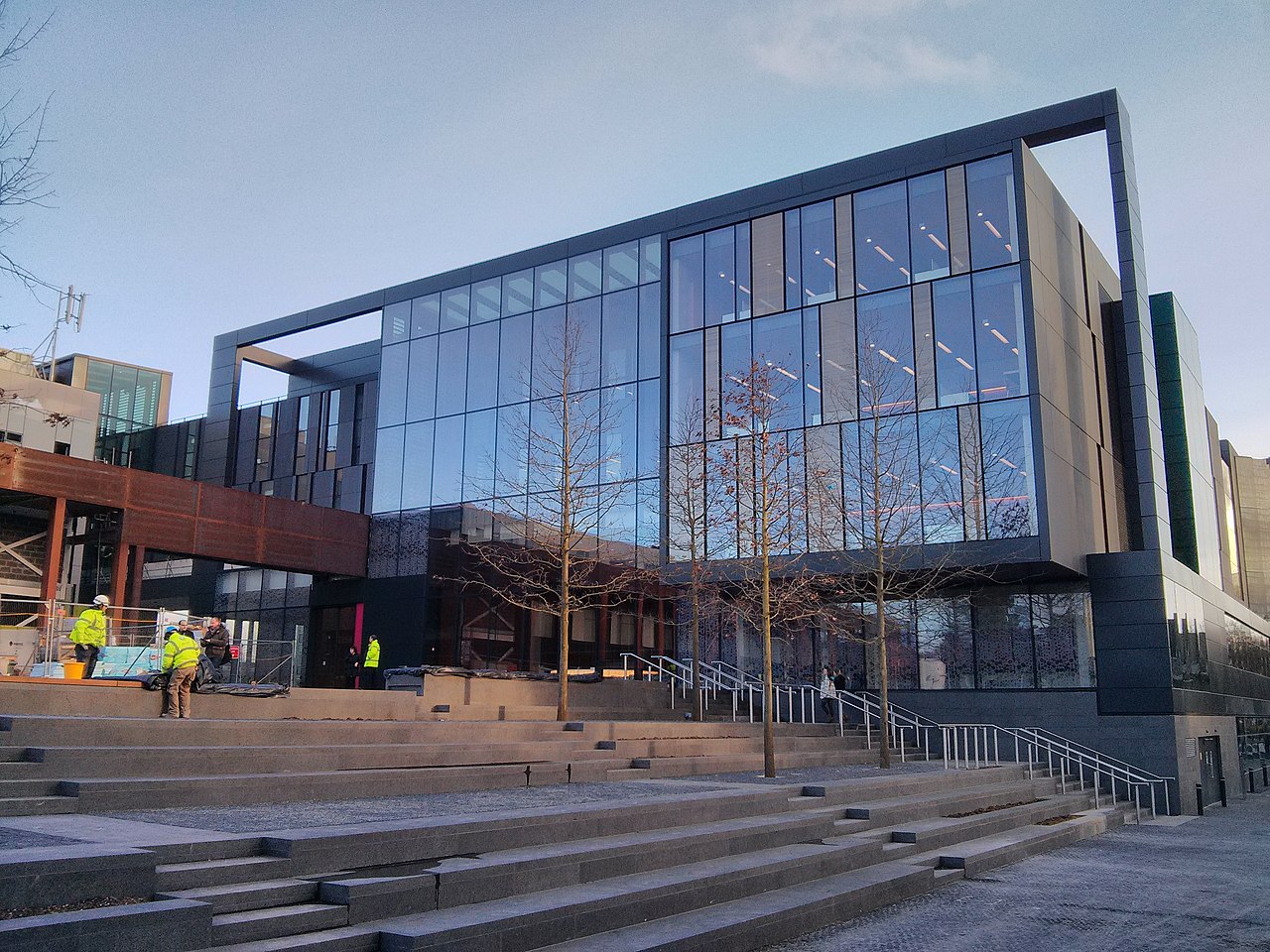
Artificial Intelligence
The Artificial Intelligence degree at Oxford Brookes University is designed for students passionate about logical problem solving and eager to join a rapidly evolving industry. This program provides a strong foundation in both the practical and theoretical aspects of AI, preparing you to contribute to global AI developments. You will develop in-demand skills through a curriculum shaped by academic staff who are active researchers with strong industry connections. The university fosters a collaborative environment while also supporting individual growth, equipping graduates for successful careers in AI.
Artificial Intelligence

Artificial Intelligence - BSc (Hons)
The BSc (Hons) Artificial Intelligence degree at Birmingham City University is designed to equip students with critical skills for the rapidly evolving AI industry. You will gain expertise in deep learning, natural language processing, computer vision, cloud computing, and Generative AI, enabling you to develop intelligent software solutions for various sectors. This program prepares you for careers such as AI Engineer, Machine Learning Specialist, and Data Scientist. The curriculum is supported by commercial and industrial content, ensuring it remains relevant to current industry demands. You'll have opportunities to apply your knowledge through practical, project-based work and can opt for a professional placement year to gain invaluable workplace experience and enhance your career prospects.
Artificial Intelligence (BSc (Hons), MSci)

Artificial Intelligence (MSc)
This Master of Science (MSc) program in Artificial Intelligence equips you with advanced skills in key areas of AI, including logic, constraint programming, language processing, machine learning, and neural networks. It is designed to open up diverse and exciting career opportunities within the rapidly growing field of artificial intelligence. The program provides a strong foundation for professionals and graduates looking to specialize in AI technologies and their applications.

Artificial Intelligence (MSc)
This Master's program offers a deep dive into the techniques and applications of Artificial Intelligence (AI). You will develop practical skills by working with real-world problems and datasets, focusing on areas like automated reasoning, knowledge representation, and machine learning. The course also explores the ethical and social implications of AI, fostering critical judgment and intellectual integrity. Designed for high-performing graduates, this one-year MSc aims to prepare you for a research career in AI or for advanced roles in the industry. Taught under the umbrella of the Data Science Academy, it leverages the expertise of both the School of Computer Science and Informatics and the School of Mathematics.

Artificial Intelligence (MSc)
The MSc in Artificial Intelligence at Aberystwyth University is designed for students with a first degree in Computing who want to advance their careers in software engineering, specifically focusing on AI. This program provides an in-depth study of machine learning, computational intelligence, applied data mining, and statistical methods. You will gain expertise in the tools and techniques used by professional software engineers, preparing you for responsible positions within the software industry. The course explores current and emerging AI systems, from home robots and supply chain management to applications in medical practice and space exploration, reflecting the university's research strengths.
Artificial Intelligence (MSc) - Conversion
This Master of Science (MSc) program provides a conversion pathway into Artificial Intelligence (AI) for individuals with a background in computer science. It aims to equip students with foundational computer science knowledge and specialized AI skills. The curriculum covers key AI topics such as logic, constraint programming, natural language processing, and machine learning, preparing graduates for diverse career opportunities in the field of AI.

Artificial Intelligence and Machine Learning in Science MSc
This Master's program focuses on the intersection of Artificial Intelligence (AI) and Machine Learning (ML) with scientific applications. You will gain a strong foundation in AI and ML principles and learn how to apply them to solve real-world scientific challenges across various fields like climate change, drug discovery, and particle physics. The course is designed to equip you with essential coding, programming, and mathematical skills, preparing you to work with large datasets and contribute to advancements in scientific research and industry. No prior programming experience is required to start this program.

Artificial Intelligence and Machine Learning MSc
Artificial Intelligence (AI) and Machine Learning (ML) are rapidly evolving fields with applications impacting nearly every part of modern life, from voice recognition on smartphones to advancements in transportation. This Master's program builds on the University of Bradford's extensive experience in computer science to equip you with the skills needed to thrive in this exciting domain. You will learn to integrate programming, specialist knowledge of AI/ML techniques, and problem-solving abilities to create intelligent algorithms and software. The curriculum is designed with an industry focus, covering topics such as programming, machine learning, classification, clustering, and AI in Healthcare. Through practical projects and a dissertation, you will have opportunities to use industry-standard tools to develop innovative solutions to real-world challenges, guided by academic experts. As a computer science student, you'll also be a member of the British Computer Society (BCS).
Artificial Intelligence and Robotics
The BSc in Artificial Intelligence and Robotics at Aberystwyth University focuses on the development of intelligent systems, a field with growing importance across commercial, industrial, and domestic applications. This program provides a strong foundation in core computing principles, including computer architecture, programming, and software design. Students will gain specialized knowledge in the theoretical aspects of artificial intelligence and robotics, alongside practical skills in developing relevant applications and tools. The curriculum is designed to be highly vocational, preparing graduates for diverse career paths in this rapidly evolving sector. Aberystwyth University is committed to delivering a program that emphasizes employability, with practical skills integrated throughout the degree. Students benefit from access to specialized facilities, including mobile, sailing, and aerial robots, manipulator arms, vision and motion tracking systems, and dedicated computing laboratories. Teaching is delivered by experienced lecturers with strong industry links and research backgrounds, ensuring a dynamic and current learning environment.

Artificial Intelligence and Robotics Foundation Programme
The Artificial Intelligence and Robotics Foundation Programme at Aston University provides essential preparation for students aiming to pursue the BSc Artificial Intelligence and Robotics degree. This one-year programme focuses on building foundational knowledge and skills in digital areas, offering a collaborative learning environment. Students will engage in academic modules, subject-specific content, and project-based learning, working alongside peers from various digital disciplines. This approach is designed to mirror real-world professional settings, fostering a broad skill set and preparing students for future career success in a rapidly evolving technological landscape.

Artificial Intelligence BSc (Hons)
This Bachelor of Science (BSc) in Artificial Intelligence (AI) provides a comprehensive understanding of the principles and applications of AI. You will explore core concepts such as machine learning, data science, and robotics, gaining hands-on experience with cutting-edge technologies. The program is designed to equip you with the analytical and technical skills needed to contribute to the rapidly evolving field of AI. Throughout the course, you will learn to design, develop, and evaluate intelligent systems. Emphasis is placed on both theoretical foundations and practical implementation, ensuring graduates are well-prepared for diverse career paths in AI research, development, and deployment. The curriculum is structured to foster critical thinking and problem-solving abilities essential for addressing complex challenges in various industries. Graduates will be proficient in key areas of AI, including algorithm design, data analysis, and ethical considerations in AI. This program offers a pathway to a career at the forefront of technological innovation, enabling you to shape the future of artificial intelligence.
Artificial Intelligence for Health
The Artificial Intelligence for Health MSc at Aston University is designed for graduates eager to specialize in the rapidly evolving field of AI within healthcare. This program provides advanced scientific knowledge and practical skills in AI and healthcare data, preparing you to drive significant change in the healthcare sector. You will explore cutting-edge AI and data science solutions relevant to digital health, gaining a deep understanding of modern approaches. The curriculum is developed in collaboration with leading AI experts and healthcare professionals, ensuring it addresses the current demands of the intelligent healthcare sector. The program benefits from strong partnerships, including the Aston Medical School and Sandwell and West Birmingham Hospitals NHS Trust, offering valuable real-world exposure. For those seeking extended practical experience, this course offers an optional Professional Practice route, extending your studies to 22 months, subject to meeting criteria and securing a suitable placement.
Artificial Intelligence in the Biosciences MSc
This Master of Science (MSc) programme is designed for bioscience graduates who want to gain expertise in Artificial Intelligence (AI) and computational methods. It aims to equip you with the skills to apply AI tools in professional research and development settings within the biosciences. The programme is structured to be accessible even if you have no prior computational experience, covering essential coding, statistical methods, handling large datasets, and the application of AI across various biological disciplines. You will gain hands-on experience with cutting-edge technology and work on real-world projects.
Artificial Intelligence Masters (MSc)
This Master of Science (MSc) program in Artificial Intelligence provides a comprehensive understanding of the principles and applications of AI. You will gain expertise in machine learning, data science, intelligent agents, and computational intelligence. The course is designed to equip you with the advanced knowledge and practical skills needed to develop intelligent systems and contribute to the rapidly evolving field of AI. You will learn through a combination of lectures, practical projects, and research, focusing on both theoretical foundations and real-world problem-solving.
Artificial Intelligence MSc
This Master of Science (MSc) in Artificial Intelligence offers a comprehensive curriculum designed to equip you with advanced knowledge and practical skills in the rapidly evolving field of AI. You will explore core AI concepts, including agents, vision, and language processing, supported by leading research groups within the university. The program emphasizes hands-on machine learning and the application of cutting-edge technologies like Large Language Models (LLMs), preparing you for high-demand roles in industry or further academic research. Students can choose from two specialized streams to tailor their learning experience: the Language and Agents stream focuses on speech and language processing technologies and intelligent agent development, while the Multimodal AI stream delves into computer vision, audio processing, and AI applications in creative domains. This flexibility allows you to align your studies with your specific career aspirations and interests. Upon completion, graduates will possess a systematic understanding of current AI developments, proficiency in universal machine learning tools, and specialized practical and research skills. The program culminates in a significant dissertation or final project, allowing you to apply your learning to a chosen AI topic. This MSc is accredited by BCS, The Chartered Institute for IT, and the Engineering Council, supporting your journey towards professional recognition.

Artificial Intelligence MSc
This Master of Science (MSc) in Artificial Intelligence (AI) provides a comprehensive understanding of the techniques and methods used to solve complex problems that traditional computing approaches find challenging. The course covers key areas such as fuzzy logic, evolutionary computing, neural networks, and natural language processing. You will gain practical skills in computational techniques and learn how to apply them to diverse real-world problems, with opportunities to explore applications in robot control and game development. The curriculum includes studying neural systems, natural language processing, and research methods. You will develop practical skills in a dedicated robotics laboratory equipped with various mobile robots. The applied computational intelligence module delves into knowledge-based systems, the historical and future implications of AI, and current research and applications. The course content is informed by research from DMU's Institute of Artificial Intelligence (IAI), which has an international reputation for its work on fuzzy logic, neural networks, evolutionary computing, mobile robotics, and biomedical informatics.

Artificial Intelligence MSc
The Artificial Intelligence MSc at the University of Edinburgh is taught at one of the world's leading and longest-established academic centers for AI. You will gain fundamental knowledge and practical skills to design, build, and apply AI systems, drawing on research in fields like neuroscience, cognitive science, linguistics, and mathematics. The program is delivered by internationally recognised researchers. The University of Edinburgh consistently ranks among the top 30 globally for Computer Science, and the School of Informatics was ranked 1st in the UK for research power in Computer Science and Informatics by the Research Excellence Framework (REF) 2021. This ensures you will learn from experts engaged in cutting-edge research. You will join a large and dynamic department with approximately 1,750 students and 150 academic staff, situated in Edinburgh, a highly desirable city and a rapidly growing tech hub.
Artificial Intelligence MSc
The Artificial Intelligence MSc at Aston University is designed for students interested in developing a deep understanding of AI principles and applications. This postgraduate program provides a comprehensive curriculum covering key areas of artificial intelligence, preparing graduates for careers in this rapidly evolving field. Students will gain practical skills and theoretical knowledge essential for designing, implementing, and deploying AI solutions across various industries. Located in Birmingham, this program offers a vibrant learning environment within a research-intensive university. It is ideal for those looking to advance their technical expertise and contribute to the innovations shaping the future of AI. The course structure is designed to be flexible, with multiple intake points throughout the year to accommodate international students. Early application is strongly recommended due to high demand for places. The program aims to equip students with the necessary tools to tackle complex AI challenges and excel in a competitive global job market.

Artificial Intelligence MSc
This Master of Science (MSc) in Artificial Intelligence (AI) will equip you with the theoretical knowledge and practical skills to work with large datasets and solve complex real-world problems using AI. The course is designed for students with a background in numerate disciplines such as mathematics, economics, engineering, physics, or chemistry, as well as professionals already working in the industry. You will explore a range of AI topics, focusing on both theoretical foundations and practical applications, including 'learning from data' and robust data analysis methodologies. The program includes lectures, practical work, and a substantial individual dissertation project under expert supervision, preparing you for diverse roles requiring comprehensive AI expertise.
Beyond Pilots: A Socio-Technical Framework for Scaling and De-Risking Enterprise AI
This PhD project focuses on developing a socio-technical framework to help organisations successfully scale and de-risk the deployment of Artificial Intelligence (AI) and Generative AI (Gen AI) within their enterprises. While many companies experiment with AI pilots, a significant number struggle to move beyond these initial stages to integrate AI across their functions and achieve measurable business value. The research addresses the 'proof-of-concept trap,' where the differences between pilot environments (limited scope, curated data) and scaling environments (enterprise data architecture, integration, compliance) lead to failures. It also considers behavioural and organisational risks, such as employees misusing AI tools or exposing sensitive data, which can result in compliance issues and reputational damage. The project proposes AI scaling as a socio-technical transition, requiring systematic de-risking across strategic, operational, governance, behavioural, and infrastructural dimensions. By synthesising industry challenges with Socio-Technical Systems (STS) Theory and Organisational Information Processing Theory (OIPT), the aim is to identify key enablers and governance mechanisms for responsible and sustainable AI scaling, helping organisations move beyond pilots to create durable, risk-adjusted value.
-(1).jpg)
BSc (Hons) Artificial Intelligence and Data Science
This degree program focuses on the core principles of Artificial Intelligence (AI) and Data Science. You will learn the mathematical foundations necessary for data analysis, AI system development, and extracting meaningful insights from large datasets. The curriculum combines theoretical knowledge with practical application, preparing you for a growing demand in industries that rely heavily on data-driven decision-making. The field of AI and Data Science offers significant opportunities for graduates, with industries actively seeking skilled professionals. This course is designed to equip you with the sought-after skills to thrive in roles with attractive salaries and career progression. You will gain hands-on experience through live projects and case studies, with opportunities for work placements and internships to further enhance your practical understanding and employability.
BSc (Hons) Artificial Intelligence and Data Science with Foundation Year
This four-year Bachelor of Science (with Honours) degree in Artificial Intelligence and Data Science, including a foundation year, is designed to equip you with sought-after skills in a rapidly growing industry. The foundation year provides a strong academic and confidence-building start, especially beneficial if you're changing careers or new to the subject. You will delve into the mathematical principles behind data analysis and AI, learning how to extract meaningful insights from data and construct AI systems. The course emphasizes practical application and offers flexibility to tailor your studies, with a focus on coursework-based assessments rather than traditional exams. Graduates are prepared for high-demand roles with attractive career prospects in various sectors.
BSc (Hons) Artificial Intelligence in Criminology
This BSc (Hons) degree explores the growing intersection of Artificial Intelligence (AI) and Criminology. You will investigate how AI is being used and developed to address crime detection, prevention, and the workings of the criminal justice system. The course examines the ethical considerations, opportunities, and potential threats posed by AI, including machine learning and automated technologies. You will gain a foundational understanding of AI concepts, mathematical principles, and programming, combined with knowledge in areas like sociology, law, psychology, and philosophy. This interdisciplinary approach prepares you to critically analyse real-world challenges and contribute to the responsible and effective use of AI in the field of crime and justice.
BSc Artificial Intelligence
BSc Artificial Intelligence with Foundation Year

BSc(Hons) Computer Science with Artificial Intelligence
This BSc (Hons) Computer Science with Artificial Intelligence program at Buckinghamshire New University explores the history, philosophy, and practical applications of AI. You will gain a strong foundation in core computer science principles and dive deep into AI topics such as machine learning, artificial neural networks, and data analysis using industry-standard tools like MATLAB and Jason. The course also encourages critical thinking about the ethical implications and societal impact of AI developments. It's designed to prepare you for a rapidly evolving tech landscape, regardless of your prior computing experience, with options to gain certifications from leading companies like Microsoft, AWS, and Cisco.

Business Analytics & Artificial Intelligence (MSc)
This Master of Science (MSc) program, a relaunch of the previous Business Analytics MSc, focuses on equipping students with the skills to leverage Artificial Intelligence (AI) and advanced analytical techniques for business problem-solving. You will gain expertise in AI, statistical methods, optimization, and machine learning, applying these to real-world business challenges. The curriculum emphasizes cross-disciplinary training, combining business models with quantitative methods and data science to prepare graduates for dynamic careers in the evolving business landscape. You'll learn industry-standard analytical tools and techniques, including data visualization with Tableau.
Centre for Doctoral Training in Artificial Intelligence for Biomedical Innovation PhD with Integrated Study
This PhD with Integrated Study focuses on the application of Artificial Intelligence (AI) to address critical global health challenges, aiming to improve healthcare systems and patient outcomes. The program trains interdisciplinary researchers with both technical AI skills and essential biomedical domain knowledge. Graduates will be equipped to develop and implement innovative AI solutions across public and private sectors. Designed for individuals with varying levels of prior computer science and mathematics exposure, including clinicians, allied health professionals, and biological/biomedical scientists, the program covers responsible and open AI research, bias minimisation, and model explainability for clinical use. Research is structured around four themes: AI for Genomic Medicine, AI for Biomedical Imaging, AI for Cellular and Molecular Systems Medicine, and AI for Biomedical & Health Informatics. The goal is to produce highly competent researchers capable of contributing to both academia and industry.
Computer Science
The Computer Science BSc at Aberystwyth University offers a comprehensive foundation in key areas such as infrastructure, programming, web development, and communication technology. This three-year undergraduate program is accredited by the British Computer Society (BCS), the Chartered Institute for IT, ensuring a curriculum that meets professional standards and equips you with highly sought-after skills for the competitive job market. Throughout the course, you will develop critical problem-solving abilities, covering analysis, design, solution selection, and implementation. The curriculum is informed by cutting-edge research, delivered in a supportive learning environment, and designed with strong links to industry to enhance your employability.

Computer Science and Artificial Intelligence BSc (Hons)
Explore the fascinating world of artificial intelligence (AI) and computer science on this BSc (Hons) program. You will learn to build the systems, games, and applications of the future by understanding how computers can process information, make decisions, and even mimic human-like intelligence. This course provides a strong foundation in core computer science principles while focusing on the rapidly evolving field of AI. You will gain practical skills in programming, machine learning, robotics, and data analytics, preparing you for high-demand roles in technology. The program is designed to be accessible, whether you are new to programming or have prior experience. You will study in the university's £13 million Tech Hub, which features modern computing labs equipped with advanced technologies like virtual reality and high-performance computing. With options for a study abroad experience or a paid placement year, you can gain valuable real-world experience and apply your knowledge in diverse fields such as healthcare analytics, financial technology, and automation.

Computer Science and Artificial Intelligence with Year in Industry BSc Hons
This four-year BSc Hons program focuses on Computer Science and Artificial Intelligence, with a significant emphasis on gaining practical experience through a dedicated year in industry. It's designed for students passionate about developing AI-driven solutions and pushing the boundaries of computing. You will learn from leading researchers and benefit from the latest advancements in AI, including areas like machine learning, intelligent agents, large language models, and robotics. The curriculum integrates cutting-edge research, ensuring you gain knowledge in contemporary AI techniques. A key feature of this course is the third year, which is spent undertaking a work placement. This provides invaluable hands-on experience, often leading to paid opportunities and potentially even job offers before graduation, giving you a strong career advantage.
Data Analysis & Database Management
This program offers short courses focused on Data Analysis and Database Management, primarily utilizing the Python programming language. These courses are designed to equip individuals with foundational knowledge in data analytics and machine learning, enabling them to pursue junior data analyst roles. The curriculum emphasizes practical application using widely adopted Python libraries and tools for data manipulation, automation, and visualization. Prior programming experience, especially in Python, is recommended for some courses, with an introductory Python course suggested as a prerequisite for those new to programming.
Data Science and Artificial Intelligence for Sustainability MSc
This Master of Science (MSc) program focuses on applying data science and artificial intelligence techniques to address complex global sustainability challenges, particularly within energy systems. It acknowledges the increasing need for digital solutions to manage issues like affordable and secure energy supply, environmental management, and the nexus between food, water, and energy. The course aims to equip students with the multidisciplinary technical, analytical, and management skills necessary to drive digital transformation for sustainability in both private and public sectors. Graduates will be prepared to analyze sustainability issues and develop data-driven solutions for a net-zero future.
Data Science and Artificial Intelligence MSc
This Master of Science (MSc) programme in Data Science and Artificial Intelligence offers a comprehensive study of the principles and applications of data science and AI. It is designed for students who want to develop advanced skills in extracting knowledge and insights from complex datasets, and in building intelligent systems. The curriculum covers key areas such as machine learning, statistical modelling, data mining, and ethical considerations in AI. Graduates will be well-equipped for careers in a rapidly evolving field. The programme aims to provide a rigorous academic foundation combined with practical, hands-on experience. Students will learn to use state-of-the-art tools and techniques to tackle real-world problems. The University of Liverpool provides a supportive learning environment with access to resources and expertise in data science and AI.
Data Science and Artificial Intelligence MSc, PGDip, PGCert – Online
This online Master of Science (MSc) programme is designed for individuals with non-computing backgrounds who want to develop essential skills in data science and artificial intelligence. You will learn to gather, analyse, and interpret data to make informed decisions, and understand how intelligent systems can be applied across various fields. The course leverages the University of Liverpool's leading research in these areas, providing access to a dedicated online development environment with all necessary software. The curriculum encourages applying learned skills to real-world challenges, preparing graduates for technical roles in the industry.
Data Science and Artificial Intelligence with a Year in Industry MSc
This Master of Science (MSc) program provides advanced knowledge and practical skills in Data Science and Artificial Intelligence, with a unique emphasis on a year-long industrial placement. You will delve into core concepts and cutting-edge techniques, preparing you for a career in a rapidly evolving field. The program is designed to equip you with the ability to analyze complex data, develop intelligent systems, and contribute to innovation across various industries. The inclusion of a year in industry offers invaluable real-world experience, allowing you to apply your learning in a professional setting and build a strong network.
Doctor of Philosophy (PhD) in Artificial Intelligence
The PhD in Artificial Intelligence focuses on how computer systems can replicate human decision-making processes. You will conduct independent, research-based study under the guidance of an academic supervisor who is an expert in the field. This program is designed for students who want to contribute to the advancement of AI, an increasingly vital area with applications in the Internet of Things and other advanced computing systems. This research doctorate involves significant independent study, typically completed in three years. You will be assigned a supervisor early in your program to guide your research. Throughout your studies, you will progress through defined review stages to ensure your research remains focused and on track for thesis completion. The program culminates in the submission of your thesis and an oral examination assessed by an external expert.
Foundation Year Programme
The Foundation Year at the University of East London (UEL) is designed to prepare you for success in your chosen undergraduate degree. It provides a supportive environment to adjust to university life, develop essential academic and personal skills, and build confidence. This programme helps you gain the knowledge and study habits needed to thrive in higher education and prepare for your future career. You will become part of a welcoming community and benefit from dedicated academic support throughout the year.
Generative AI Models for Materials Discovery
This PhD project focuses on developing advanced generative machine learning models to accelerate the discovery of new inorganic solid-state materials, crucial for innovations in energy storage, catalysis, semiconductors, and quantum technologies. The current methods for designing these materials are challenging, highlighting the importance of improved methodologies. The project will explore cutting-edge generative modelling techniques, such as diffusion models and large language models, integrating them with chemically informed constraints and first-principles calculations. The aim is to create AI-driven crystal structure prediction workflows that can accurately generate potential experimental targets, predict their stability and properties, and ultimately push the boundaries of materials discovery beyond existing paradigms. You will join a multidisciplinary research group at the intersection of solid-state materials science and AI, with access to high-performance computing resources and opportunities to collaborate with experimentalists. This studentship is ideal for individuals with a background in computational materials science, machine learning, or artificial intelligence, who possess strong Python coding skills. Familiarity with ML frameworks like PyTorch/TensorFlow, graph/neural networks, materials science, crystallography, or solid-state chemistry would be advantageous.
Informatics: AIAI: Foundations and Applications of Artificial Intelligence, Automated Reasoning, Agents, Data Intensive Research
The Informatics PhD program at the University of Edinburgh, with a specialization in the Artificial Intelligence and its Applications Institute (AIAI), focuses on advancing computer systems to mimic and augment human capabilities, foster human-computer interaction, and support collaborative efforts. You will engage in cutting-edge research across the foundations of AI, including knowledge representation, reasoning, ontology change, and computational creativity, as well as its practical applications in intelligent systems like autonomous agents, social computing, and web semantics. The research emphasizes developing understandable and usable AI models to address critical issues such as fairness, accountability, transparency, and safety. The program combines theoretical exploration with strong applied research, tackling real-world challenges in diverse sectors such as healthcare, scientific collaboration, emergency systems, transportation, and aerospace. The School of Informatics consistently ranks among the top globally for Computer Science and was rated 1st in the UK for research power in Computer Science and Informatics by the REF 2021, ensuring you learn from leading experts. You will join a large and dynamic department situated in Edinburgh city centre, a vibrant tech hub.
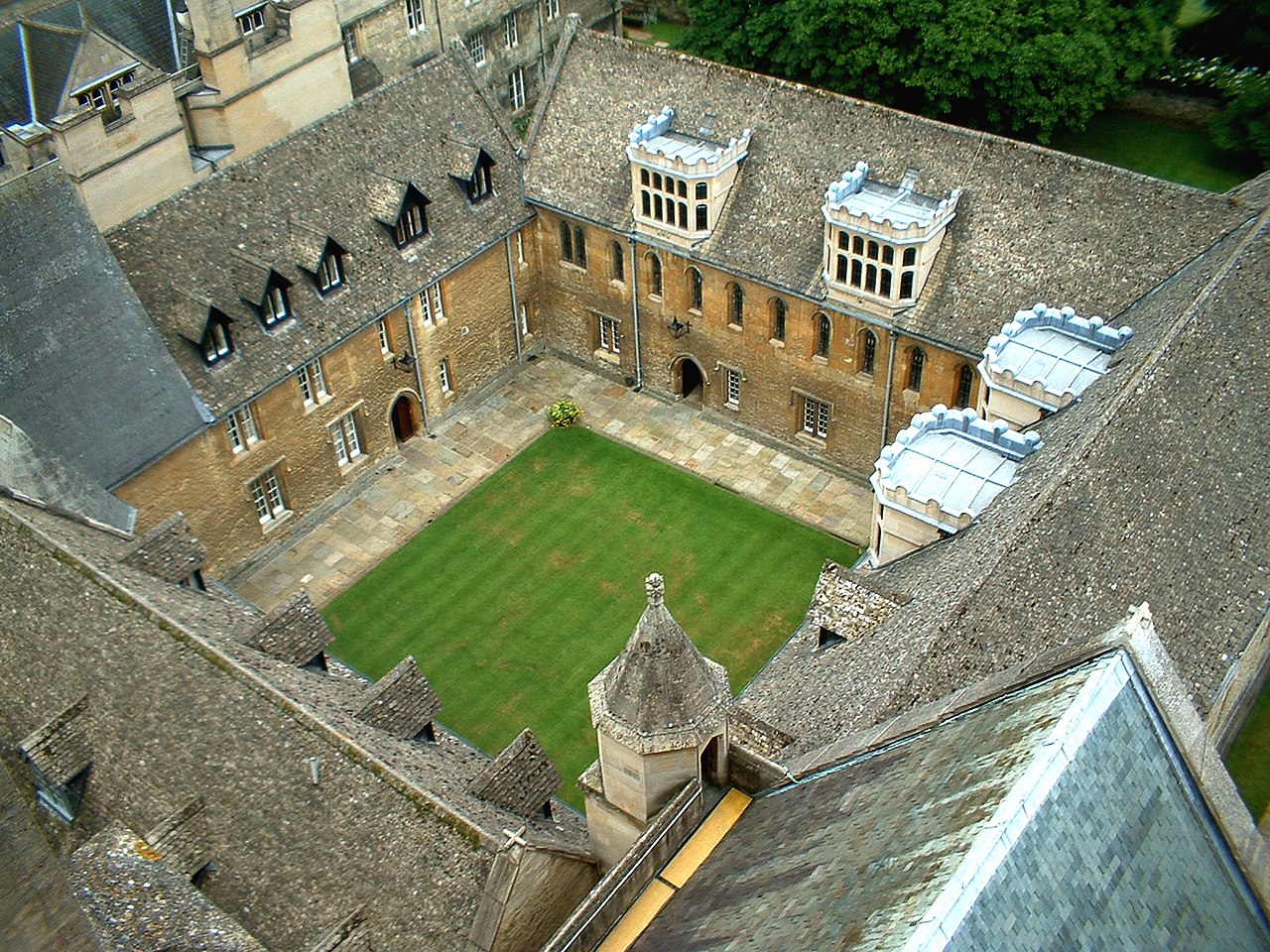
Introduction to Artificial Intelligence (Online)
While the specific program page for 'Introduction to Artificial Intelligence (Online)' was not found, the University of Oxford offers various courses related to Artificial Intelligence, often through its Department for Lifelong Learning. These programs aim to provide students with foundational knowledge and deeper insights into AI, its applications, and ethical considerations. The university emphasizes a rigorous academic approach, even for short online courses, ensuring high-quality learning experiences.
MBA with Artificial Intelligence and Business Analytics
This MBA program is designed for ambitious graduates and professionals seeking to advance their careers. It combines a strong foundation in general management with specialized knowledge in artificial intelligence (AI) and business analytics. You will explore how technology is transforming modern organizations and gain the skills to translate complex data into strategic, evidence-based decisions. The curriculum includes a dedicated AI module focusing on its responsible and strategic application across business functions, helping you understand how AI and analytics can drive efficiency, market development, and innovation. The program emphasizes practical application through a Management Consultancy Project, where you will tackle a real organizational challenge, build professional networks, and develop applied research for your portfolio. The internationally-focused modules will broaden your global perspective, preparing you for leadership roles in diverse markets and cultures. Upon graduation, you will possess a unique blend of management expertise and AI literacy, ready to drive innovation in data-driven business environments.
MSc Applied Artificial Intelligence
This Master of Science (MSc) programme in Applied Artificial Intelligence at Warwick Manufacturing Group (WMG) equips you with essential computer science principles and practical AI skills. You'll gain a comprehensive understanding of artificial intelligence through modules covering machine learning, deep learning, data mining, natural language processing, and more, preparing you for a career in today's technology-driven world. The programme focuses on applying AI techniques to real-world problems and industry challenges, providing hands-on experience with AI technologies. You will learn to analyse, design, and implement effective AI solutions. Emphasis is also placed on the ethical considerations and societal impact of AI, ensuring graduates are well-rounded professionals ready for the evolving AI landscape. Graduates of this programme will possess in-demand technical expertise and problem-solving capabilities, making them valuable assets in various industries. The curriculum is developed in collaboration with industrial partners and draws on WMG's extensive research and industry connections.

MSc Artificial Intelligence
This Master of Science (MSc) program in Artificial Intelligence (AI) offers a comprehensive curriculum designed to deepen your understanding of AI's core principles. You will explore a broad range of topics, including fundamental AI concepts and a selection of optional units that allow you to tailor your studies to your specific interests. The program emphasizes hands-on experience through an individual project, enabling you to apply advanced AI techniques to real-world challenges. Building on Manchester's pioneering history in computer science, which includes hosting the first university department of Computer Science and the first stored program computer, this MSc provides an opportunity to advance your computer science knowledge. The course structure allows for diverse specializations, ensuring your learning journey aligns with your career aspirations and intellectual curiosity.

MSc Artificial Intelligence
The MSc in Artificial Intelligence at Heriot-Watt University equips you with advanced technical skills and practical experience in a field with high global demand. Taught by leading AI researchers and utilizing facilities like the National Robotarium, this program prepares you to innovate in intelligent systems. Graduates are well-prepared for diverse, high-growth careers and are at the forefront of AI advancements.

MSc Artificial Intelligence and Data Science
The MSc Artificial Intelligence and Data Science is a conversion master's course designed for individuals seeking to transition into or advance their careers in the rapidly evolving fields of AI and data science. It offers a comprehensive curriculum covering the full breadth of AI, not just a single specialization. The program is delivered through intensive teaching, with in-person lectures and workshops typically scheduled one day a week, allowing students to balance their studies with other commitments. No prior programming experience is required, as the course begins with foundational Python coding. Students will gain essential skills in programming, statistics, machine learning, big data, data visualization, computer vision, and the ethical and legal aspects of data usage. The course is taught in the state-of-the-art £4.5 million Centre of Excellence for Data Science, Artificial Intelligence and Modelling (DAIM), equipped with advanced facilities including the Viper supercomputer. Students have the opportunity to undertake a research project tailored to their background and career interests, potentially collaborating with industry partners.
MSc Computer Science (Artificial Intelligence and Machine Learning)
Aberystwyth University's 100% online MSc in Artificial Intelligence and Machine Learning provides you with the essential knowledge and technical skills to develop AI-driven solutions for various industries. This program covers core areas like decision-making, predictive modelling, speech recognition, image processing, and human-AI interaction, preparing you to design and implement intelligent systems that meet business objectives. You will explore the significant role of data and algorithms in AI applications across diverse sectors such as healthcare, automotive, manufacturing, information technology, and eCommerce. Through practical case studies, you will enhance your problem-solving abilities and gain hands-on experience in applying AI and ML strategies to real-world challenges. Designed to accommodate professional and personal commitments, this online program prepares you for advanced roles in AI and machine learning, enabling you to navigate the rapidly evolving technology landscape and drive innovation across multiple sectors.
MSc Computer Science or Computer Science (Artificial Intelligence)
This Master of Science degree offers a comprehensive exploration of Computer Science, with an optional specialization in Artificial Intelligence. It is designed to equip you with advanced skills and knowledge applicable to numerous global industries, driven by rapid advancements in areas like AI, app development, and cybersecurity. The course is open to students with or without a prior computer science background, offering a conversion pathway for those new to the field. You will engage with core modules covering essential topics such as programming, databases, and networks. Additionally, you can select optional modules to delve deeper into specialist areas like machine learning, autonomous robotics, and human-AI interaction, tailoring the program to your interests. Each student will undertake an individual research project, supervised by an expert faculty member. These projects often involve collaborations within the university or with industry partners, providing real-world experience. Past project examples include benchmarking data privacy in autonomous vehicles, analyzing decision-making in virtual environments, and developing machine learning models for keystroke prediction. If you choose to focus on AI, your degree will be titled MSc Computer Science (Artificial Intelligence). This pathway requires completing at least 40 credits in compulsory AI modules and an AI-focused research project. A two-year full-time version of this course is also available.

MSc Computer Science with Artificial Intelligence
Harness the power of data-driven innovation with AI. This 100% online MSc equips you with in-demand skills to design, develop, and apply intelligent systems that drive innovation and business growth. You'll explore core principles of artificial intelligence and machine learning, learning how to implement real-world solutions for decision-making, prediction, speech recognition, image processing, and enhancing human capability. The course focuses on the strategic use of data and algorithms to solve complex challenges across industries like healthcare, automotive, manufacturing, IT, and eCommerce. You will gain practical experience in evaluating and applying the latest tools and technologies to deliver impactful results in dynamic environments. This MSc is designed to support your professional ambitions while accommodating personal commitments, preparing you for a successful career in AI, machine learning, and wider computer science fields.
MSc Data Science and Artificial Intelligence
This Master of Science (MSc) program in Data Science and Artificial Intelligence provides a comprehensive understanding of the principles and applications of data science and AI. It is designed for students seeking to develop advanced analytical and computational skills to address complex challenges in various industries. The course focuses on equipping students with the knowledge to extract meaningful insights from large datasets and to develop intelligent systems.
MSc Data Science and Artificial Intelligence Conversion Programme
This Master of Science (MSc) conversion program in Data Science and Artificial Intelligence is specifically designed for individuals who do not have a prior background in computer science. It aims to provide a foundational understanding and practical skills in these rapidly evolving fields. The curriculum is structured to equip students with the knowledge necessary to analyze complex data and develop intelligent systems, preparing them for a career in data science or AI.
MSc Machine Learning
This Master of Science (MSc) program in Machine Learning at the University of Manchester offers a comprehensive exploration of both the theoretical foundations and practical applications of machine learning. You will delve into advanced topics such as deep neural network architectures, causality, and robotics. The course is situated within a department that has a pioneering history in computer science, being home to the first memory-stored computer. The curriculum is designed to be broad, covering a range of core and optional units, allowing you to specialize in areas that align with your interests. A significant component of the program involves hands-on experience through an individual project, where you'll apply advanced machine learning techniques to solve real-world problems.
MSci Artificial Intelligence
Oxford Executive Diploma in Artificial Intelligence for Business
The Oxford Executive Diploma in Artificial Intelligence for Business is a one-year, part-time postgraduate qualification designed for experienced executives, technical specialists, and future leaders. This program focuses on equipping participants with the practical tools and leadership approach needed to ethically leverage AI within their organizations, transforming business processes and driving performance. It addresses AI not merely as a technological challenge, but as a significant leadership opportunity in the digital age. Delivered in-person at Oxford, the diploma combines academic rigor with practical application, drawing on Oxford's world-leading AI research. Participants will join a diverse, global community of professionals, gaining a holistic understanding of AI's application, management, and governance. The program emphasizes strategic leadership and ethical considerations to future-proof organizations and maintain a competitive edge.
Robotics & Artificial Intelligence BSc (Hons)
This degree program focuses on the rapidly evolving fields of robotics and artificial intelligence (AI), exploring how intelligent systems are transforming various industries and aspects of daily life. You will learn to harness the potential of robotics, AI, and automation within industry-grade facilities. The course covers fundamental concepts such as programming, network architecture, and software design, alongside specialized topics like Human-Robot Interaction (HRI), security-by-design, and embedded systems. Graduates will be prepared for careers involving intelligent systems, from domestic applications to advanced robotics in sectors like space exploration or healthcare. The curriculum is designed to build expertise in the fundamentals of intelligent systems. You will develop practical skills in programming and software development, while also gaining a theoretical understanding of AI principles. The program emphasizes problem-solving and the application of computational thinking. With an optional industrial placement year, students can gain valuable real-world experience. The degree is accredited by BCS, The Chartered Institute for IT, which is a significant step towards professional IT accreditation.
Frequently asked questions
How much does an Artificial Intelligence degree in the UK cost?
+
Tuition ranges from free up to approximately €42,000 per year for international students. Specialist AI master's programmes at research-intensive universities tend to sit toward the higher end of the range.
Which universities offer Artificial Intelligence programmes in the UK?
+
Among the 30 universities listed are the University of Edinburgh, the University of Liverpool, Queen Mary University of London, Oxford Brookes University, Buckinghamshire New University, and The American University in London.
Can international students apply for AI programmes in the UK?
+
Yes. UK universities actively recruit international students for AI and computing programmes. A student visa, English proficiency evidence (IELTS 6.5–7.0), and relevant academic qualifications are required.
What are the typical entry requirements?
+
Undergraduate entry typically requires A-levels in Mathematics and often a second STEM subject. Postgraduate programmes expect a bachelor's degree in Computer Science, Mathematics, or Engineering with a 2:1 or above.
How do I apply for an Artificial Intelligence programme in the UK?
+
Undergraduates apply through UCAS; postgraduates apply directly to each university. For research degrees, contacting a prospective supervisor before the formal application is strongly recommended.