Electrical Engineering in United Kingdom
The United Kingdom offers 22 Electrical Engineering programmes across 14 universities, with tuition ranging from free to around €26k per year. Some programmes are tuition-free, while fees at others such as the University of Sheffield and University of Warwick can reach approximately €26k. The University of Lincoln, University of Leicester, Queen's University Belfast, and Coventry University are also among those represented.
Electrical Engineering programmes in the UK span Bachelor's, Master's, and PhD levels, covering areas such as power systems, electronics, and telecommunications. UK engineering degrees are internationally recognised and accredited by bodies such as the IET and IMechE, providing graduates with strong professional credentials. Entry requirements typically include a background in mathematics and physics.

Advanced Electrical and Electronic Engineering MSc
This Master of Science (MSc) degree offers advanced study in electrical and electronic engineering, covering a range of specialized topics. You will deepen your knowledge in areas such as communications, signal processing, control engineering, electrical machines, and drives. The program aims to enhance your understanding of complex engineering principles and prepare you for career advancement in the field. Students have the option to undertake a paid industrial placement as part of the 'With Industry' variant of the degree, gaining practical experience in a professional setting.
Advanced Electrical and Electronic Engineering with Management MSc

BA (Hons) Graphic Design
This BA (Hons) Graphic Design degree course at Coventry University is designed to equip you with the creative and technical skills needed for a career in the dynamic world of graphic design. You will explore a broad range of design disciplines, from branding and typography to digital media and illustration, developing your individual style and professional portfolio. The course emphasizes practical application, critical thinking, and industry relevance, preparing you for the challenges and opportunities within the creative industries. You'll learn to communicate visually, solve design problems effectively, and understand the commercial and cultural context of design.

BEng (Hons) Electrical and Electronic Engineering
The BEng (Hons) Electrical and Electronic Engineering programme at the University of Lincoln is designed to equip you with the skills needed by industry to develop sustainable solutions and succeed as an engineer of the future. Electrical engineering is fundamental to modern life, covering areas like energy, automation, communications, and transport. This course offers a strong foundation in engineering theory and practice, with opportunities to specialise in advanced electronics, power and energy, or control systems. The curriculum emphasizes problem- and project-based learning, ensuring you gain relevant knowledge and essential practical and transferable skills required by employers. Through innovative industrial collaborations, including with Siemens, you'll have access to work experience and hands-on projects, bridging the gap between university and the professional world. The programme fosters a cross-disciplinary focus, linking with Mechanical Engineering, to prepare you for the complexities of modern engineering challenges.

Construction Management and Engineering
The Construction Management and Engineering MSc at Aston University provides a comprehensive understanding of the construction industry, covering the entire project lifecycle from design through to asset management. This program is designed for graduates and experienced professionals looking to deepen their expertise or transition into the construction sector. It incorporates fundamental and contemporary issues in construction management and engineering, aligned with leading professional bodies like JBM, APM, RICS, and CIOB. Students will gain cutting-edge knowledge, management, and problem-solving skills, preparing them to be reflective professionals capable of addressing the complex challenges in today's construction environment. The curriculum is supported by frequent industry engagement, ensuring practical relevance and real-world application of learned concepts. For those seeking extended professional experience, a Professional Practice route is available, allowing students to extend their studies to 22 months through a suitable placement, providing valuable hands-on experience in the industry.
Electrical and Electronic Engineering
This dynamic BEng (Hons) Electrical and Electronic Engineering program at Aston University will equip you with the skills to innovate, design, test, and apply electrical and electronic components and systems across various sectors. The course emphasizes hands-on projects, cutting-edge research, and modern facilities, enabling you to transform ideas into practical realities. Beyond technical engineering, you will develop valuable transferable skills in problem-solving, critical thinking, teamwork, and commercial awareness. Graduates from this program are prepared to contribute to technological innovations and shape the future of numerous industries. If you need to prepare for degree-level study, an Electrical and Electronic Engineering Foundation Programme is available, guaranteeing progression onto this undergraduate course upon successful completion.

Electrical and Electronic Engineering BEng
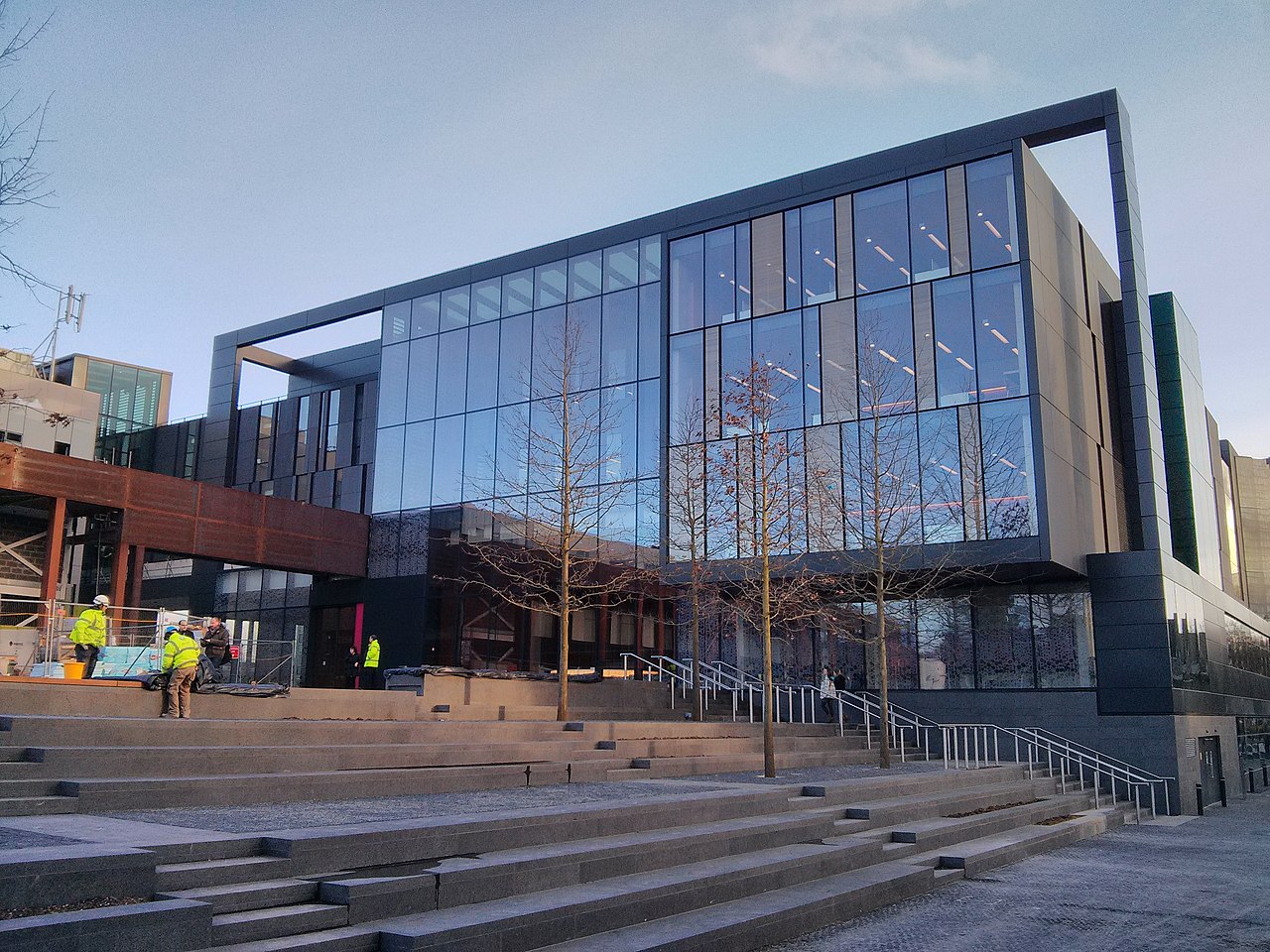
This Bachelor of Engineering (BEng) program in Electrical and Electronic Engineering focuses on the technologies that underpin modern life, from mobile devices and electric vehicles to renewable energy and advanced electronics. You will learn about designing semiconductor chips, circuits, and motors, as well as building digital, communication, and power systems. The curriculum is informed by world-leading research and industry input, ensuring you develop the skills and practical experience needed for a successful engineering career. The program emphasizes hands-on learning from the outset, utilizing state-of-the-art labs and facilities, including The Diamond building. You'll gain a solid foundation in Year 1, with more specialized and design-focused studies in Years 2 and 3, culminating in a substantial individual project and the opportunity to specialize in areas like energy, semiconductor technologies, digital electronics, or communications. The course also encourages ethical and responsible engineering practices, considering societal impact, inclusivity, and sustainability.

Electrical and Electronic Engineering BEng
This Bachelor of Engineering (BEng) in Electrical and Electronic Engineering is designed for students who are curious about how things work and want to apply their knowledge to solve real-world problems. The program provides a deep understanding of the scientific principles, design methodologies, and processes related to electrical and electronic engineering. In the first year, all engineering students at Warwick engage in a general engineering curriculum to build a strong foundation. From the second year onwards, you will specialize in Electrical and Electronic Engineering, undertaking a significant Design Project. Later years of the course cover advanced topics such as power electronics, electrical machines, communication systems, and digital systems design. Graduates from this program are well-prepared for diverse careers across various sectors, including energy and power, electronics, consumer goods, aerospace, automotive, healthcare, automation, telecommunications, and information technology.

Electrical and Electronic Engineering BEng (Hons)
This Bachelor of Engineering (BEng) Honours degree in Electrical and Electronic Engineering provides a comprehensive understanding of the technologies that power modern life. You will develop the skills to design, create, and implement a wide range of technologies essential for industrial, commercial, and communication sectors. The curriculum covers everything from traditional and renewable power systems to the sophisticated hardware and software used in satellites, drones, electric vehicles, robotics, smartphones, AI, and healthcare.

Electrical and Electronic Engineering BEng (Hons)
This BEng (Hons) in Electrical and Electronic Engineering is designed for students who are problem solvers and wish to address real-world challenges. The program equips you with essential cognitive, practical, and transferable skills highly valued by employers. You will build a strong foundation in core engineering principles while delving into areas such as power delivery, computer-aided engineering, industrial engineering, and electrical machinery. The curriculum encourages exploration of advancements in antennas, radio wave propagation, computing technologies, and power electronics. Through lectures, seminars, and practical sessions, you will engage in discussions, share ideas, and develop solutions. The course emphasizes problem-solving, critical thinking, practical application, and teamwork, preparing you for a dynamic career in designing, developing, and managing systems across various global industries.

Electrical and Electronic Engineering BEng (Hons)
Our Electrical and Electronic Engineering program allows you to apply your interest in electronic devices and be at the forefront of creating innovative new technologies. Electrical and electronic engineers have been pivotal in advancing technology, continuously innovating systems that benefit society, from smartphones to medical equipment. With the rapid growth of the sustainability and technology sectors, the demand for electrical engineers is high. You could contribute to advancements in manufacturing, aerospace, power electronics, wireless communication, or renewable energy solutions like wind generation. This program is shaped by strong industry connections. You'll have opportunities to gain practical experience through an optional industrial placement year on our four-year course. We regularly host guest speakers from leading companies and offer IET membership for sector updates and networking. Our curriculum is constantly updated by research-active academics to reflect the latest industry developments, ensuring you learn about current topics in communication, power systems, and electric vehicles. You'll develop specialized skills to solve real-world problems, utilizing our recently refurbished electronics lab. Queen Mary was ranked 10th globally and 1st in the UK for Electrical and Electronic Engineering in the US News World University Rankings 2025.
Electrical and Electronic Engineering with a Foundation Year MEng
This MEng programme in Electrical and Electronic Engineering includes a foundation year designed for students who may not have the standard scientific or mathematical background for direct entry into an engineering degree. Upon successful completion of the foundation year, you will automatically progress to the first year of the full MEng degree. This course explores key areas such as power systems, power electronics, digital electronics, circuits, devices, electrical machines, and drives, covering both theoretical and practical aspects. The foundation year focuses on developing essential skills in mathematics, physics, and laboratory work to prepare you for the main degree, using the same teaching and assessment styles as the undergraduate courses.

Electrical Installation
Electrical installation is a fundamental skill required for new construction, renovations, and home improvements. The demand for skilled electricians and technicians currently exceeds the available workforce, creating numerous job opportunities. Developing core electrotechnical skills will prepare you for diverse career paths within the sector, including roles as a project engineer, technician, electrician, or datacomms specialist.
Electrical Power Engineering (MSc)
The MSc in Electrical Power Engineering at the University of Warwick is designed to equip you with the advanced knowledge and practical skills essential for a successful career in the electrical power industry. This full-time, one-year master's program focuses on the core principles and emerging technologies within electrical power systems. It is ideal for graduates seeking to specialize in this critical field and contribute to the evolving energy landscape. The course is delivered by the School of Engineering, a department recognized for its research excellence and commitment to high-quality teaching.
Electronic and Electrical Engineering MSc(Eng)
This Master of Science in Engineering (MSc(Eng)) in Electronic and Electrical Engineering is designed for students who want to deepen their understanding of electronic and electrical devices and systems. It's suitable for those aiming for careers in industry or further research. The course allows you to build a strong foundation in core concepts while offering flexibility to specialize in areas that align with your interests and career goals. You will explore advanced optional modules and undertake an individual research project, often in collaboration with industry or research centres, applying your knowledge to real-world engineering problems.
Electronic Engineering BEng (Final Year Direct Entry)
Electronic Engineering BEng (Final Year Direct Entry) (BEng (Hons))

Level 3 Award in Electrotechnical Work in Dwellings Experienced Worker Qualification
This Level 3 Award is designed for experienced electricians who have been working in the domestic electrical sector for at least three years. It is not for new entrants or apprentices. The qualification assesses your knowledge, skills, and competence in carrying out electrical work in domestic dwellings, ensuring you meet current legislation, regulations, and industry standards. It covers essential areas such as health and safety, planning and overseeing electrical work, installation practices, inspection and testing, and fault diagnosis. This qualification is ideal for those looking to update their existing qualifications or pursue continuous professional development, and it forms a crucial part of the Domestic Electrician Experienced Worker Assessment (EWA) route.
Master's Programme Sustainable Automotive Electrification
This Master's course focuses on developing the skills needed to design and evaluate the next generation of automotive products with a reduced environmental impact. You will gain a comprehensive understanding of vehicle electrification and sustainability, preparing you for leadership roles in this rapidly evolving industry. The programme is structured around the automotive industry's System Engineering V-cycle, progressing from global stakeholder motivations and vehicle-level considerations to system and component engineering. You will explore technological options, design principles, system integration, and verification methods, all within the context of environmental legislation and consumer expectations for quality, reliability, and performance.
Frequently asked questions
How many Electrical Engineering programmes are available in the United Kingdom?
+
There are 22 Electrical Engineering programmes listed across 14 UK universities.
How much does Electrical Engineering study cost in the UK?
+
Tuition ranges from free to approximately €26k per year, depending on the programme and university.
Which universities offer Electrical Engineering in the UK?
+
Among others, the University of Sheffield, University of Warwick, University of Lincoln, University of Leicester, Queen's University Belfast, and Coventry University offer programmes.
Can international students apply for Electrical Engineering programmes in the UK?
+
Yes, UK universities actively recruit international students; a Student visa is required for on-campus study, along with English language qualifications such as IELTS.
What are typical entry requirements for Electrical Engineering in the UK?
+
Most programmes require strong A-level or equivalent results in mathematics and physics (or a relevant prior degree for postgraduate study), plus English proficiency evidence.