Master's in Environmental Sciences in United Kingdom
The United Kingdom offers 41 Master's programmes in Environmental Sciences across 20 universities, addressing topics from climate change and ecology to environmental management and sustainability policy. Cranfield University, the University of Edinburgh, Queen Mary University of London, and Cardiff University feature in this group, providing research-active environments and strong connections to government and environmental consultancy sectors.
Tuition ranges from free to roughly €49k per year — a particularly wide range reflecting differences between funded research programmes and fee-bearing taught degrees. Scholarships such as the Commonwealth Scholarship and Research England's PhD studentships may be available for eligible international students pursuing advanced research routes.
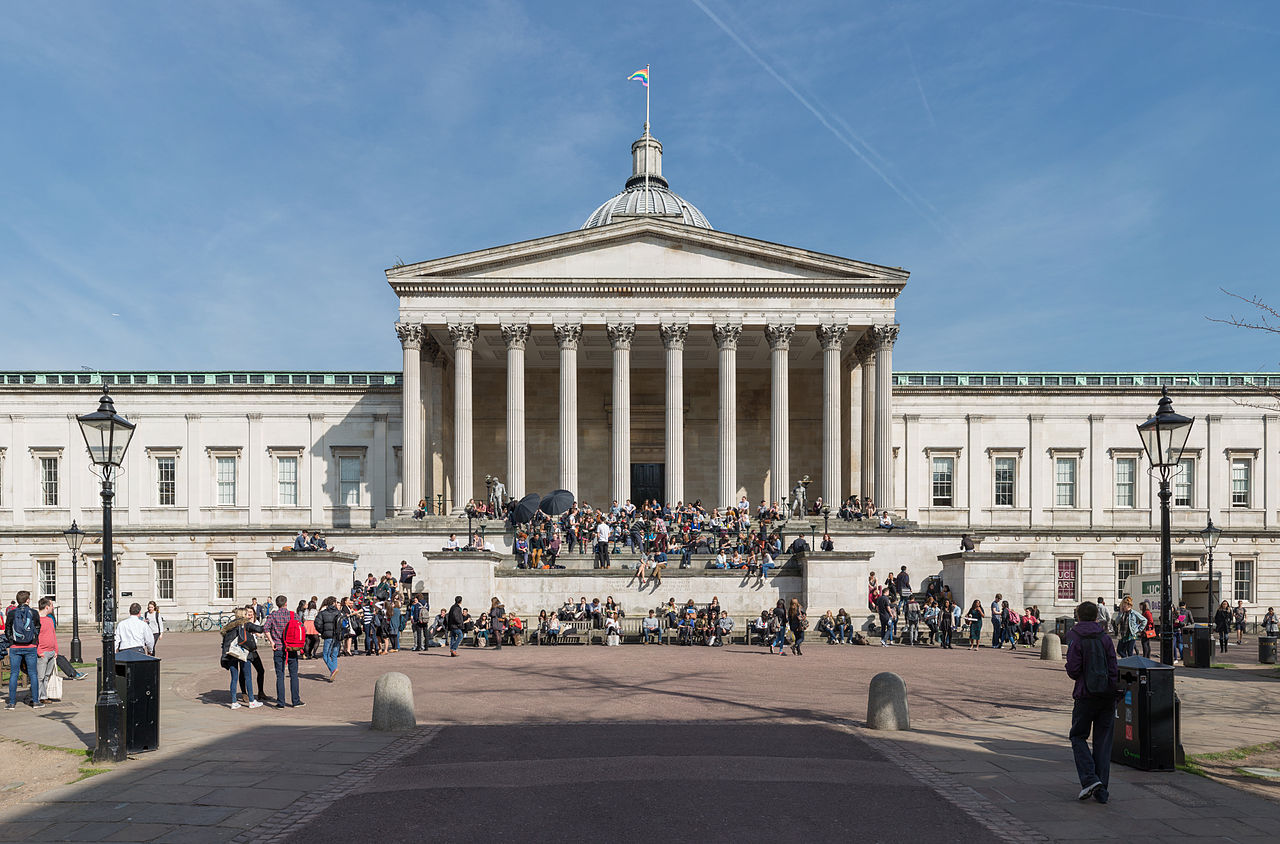
Business and Sustainability MSc
This Master of Science (MSc) program focuses on how businesses can navigate and leverage sustainability challenges for growth. It combines research-led, applied teaching in sustainability science, policy, and business practices. Graduates will be equipped to make informed decisions and take responsible actions for environmental, social, and economic well-being. The course is designed for recent graduates, as well as early and mid-career professionals, who aspire to lead sustainability initiatives in business, government, or civil society. It emphasizes an interdisciplinary approach, integrating knowledge from environmental science, energy, resources, and management to address complex global challenges.
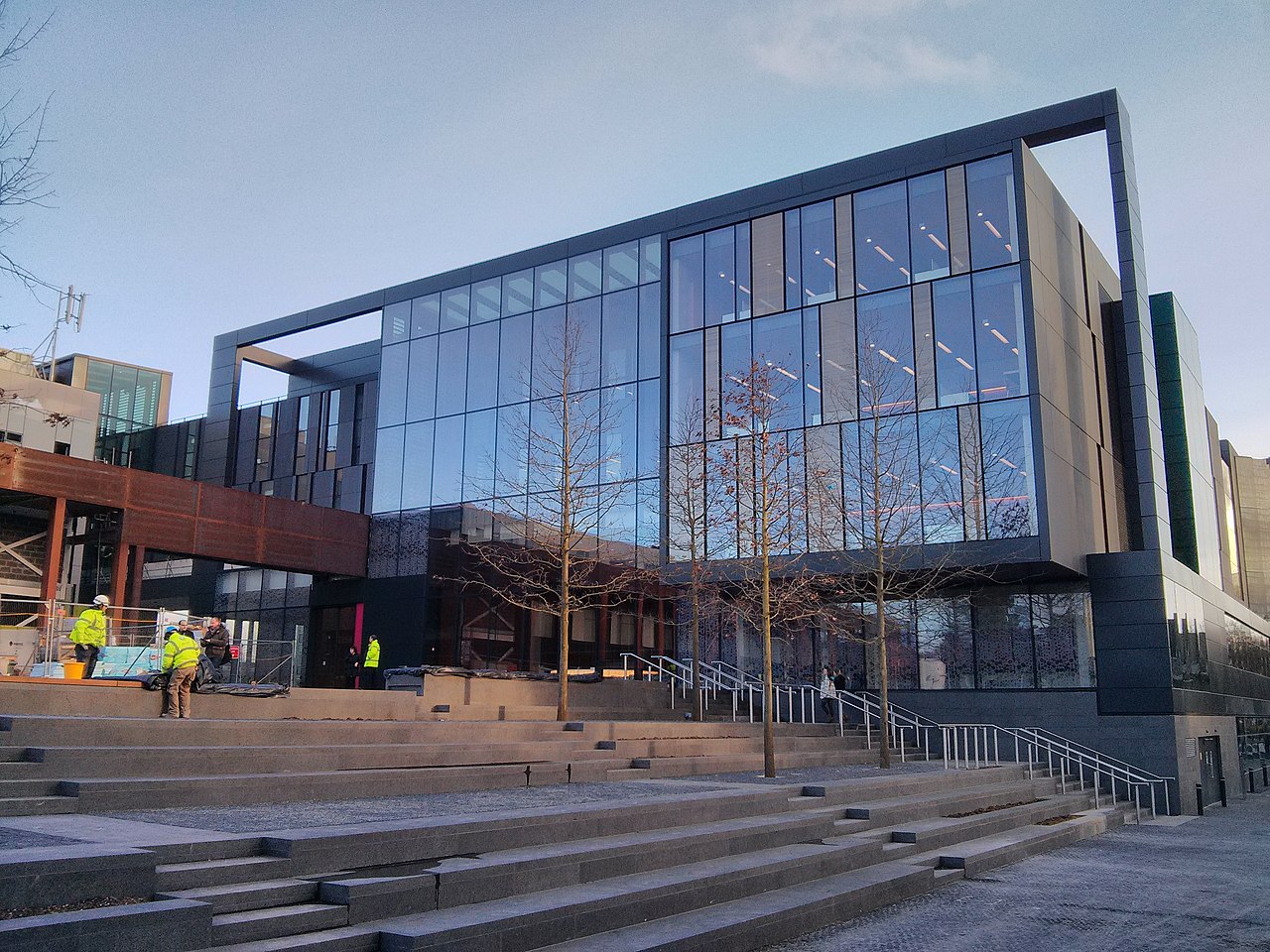
Conservation Ecology
Ecology, Climate Change and Health MSc
This one-year Master of Science (MSc) programme focuses on the interconnectedness of human, animal, and ecosystem health, a critical area known as the 'One Health' approach. You will develop expertise in understanding and addressing current and future societal challenges stemming from climate change and biodiversity loss. The multidisciplinary course draws on knowledge from ecology, public health, and data science, equipping you with advanced skills to develop practical solutions for better health outcomes for people, animals, and the environment. Learning takes place at UCL East, located in London's Queen Elizabeth Olympic Park.
Energy, Society and Sustainability MSc
The MSc in Energy, Society and Sustainability at the University of Edinburgh is designed for students interested in the complex relationship between energy and societal development. This program provides a comprehensive understanding of how different societies can address the crucial challenge of balancing energy needs with sustainability goals. You will explore the social, political, economic, and environmental dimensions of low-carbon technologies, examining the risks, costs, and benefits of transitioning to sustainable energy systems in a global context. The curriculum focuses on key questions such as achieving environmental sustainability, energy security, and energy justice across diverse contexts, and how societal factors influence the energy transition. The program equips students with a critical awareness of local, regional, and global debates, including the United Nations Sustainable Development Goals. You will benefit from access to real-world case studies and connections with various organizations and communities, ranging from local Scottish initiatives to international corporations, showcasing global best practices in sustainable energy management. Studying in Scotland, a leader in renewable electricity generation with a rich history in hydro, North Sea oil, and emerging tide and wave energy, provides an ideal backdrop for investigating energy and society. The program is associated with the Edinburgh Climate Change Institute (ECCI), offering networking opportunities with professionals and potential employers in the high-demand field of low-carbon development. Delivered in collaboration with the School of Social and Political Science, it provides access to diverse academic expertise.

Environmental Engineering MSc
This MSc program focuses on providing graduates with advanced knowledge and practical skills in environmental engineering, emphasizing innovative solutions for current and future environmental challenges. It integrates concepts of climate resilience, digital tools, and emerging technologies to address issues affecting human and environmental health globally. The course is designed for science, engineering, and geography graduates, as well as professionals seeking to enhance their qualifications or change careers.

Environmental Humanities (MA)
This Master's degree explores the complex relationship between human culture and pressing environmental and ecological issues. Drawing on expertise from English and Comparative Literary Studies, as well as other arts and specialist centres across the university, you will gain a deep understanding of how societies and cultures engage with the natural world and environmental challenges. The program is designed for students interested in interdisciplinary approaches to environmental concerns, combining critical analysis with an understanding of cultural perspectives.

Environmental Law LLM
This Master of Laws (LLM) in Environmental Law examines the critical political and legal issues surrounding environmental protection, governance, climate change policies, and natural resources law. The program delves into how legal frameworks respond to some of the most pressing environmental challenges the world faces today. It is taught by leading academics and features guest speakers with global expertise. Students have the unique opportunity to witness international law in action through visits to organizations like the UN and the International Maritime Organisation, and by engaging with specialist events hosted by Queen Mary's Centre for International Law (CeILA) and related research centers.
Environmental Management for Business MSc
This Master of Science (MSc) program focuses on equipping you with the knowledge and strategic thinking needed for a career in environmental management and sustainable business. It combines environmental science with business strategy, innovation, and leadership to help you address complex environmental challenges and create lasting value. You will learn to critically evaluate sustainability issues, apply systems thinking, and develop evidence-based solutions for businesses, government, and environmental organizations. Cranfield University's expertise in environmental science and sustainable business ensures a blend of research-led teaching and practical application, preparing you to lead sustainability transitions and influence environmental strategy.

Environmental Science and Data MSc
This Master of Science (MSc) program focuses on environmental science and data analysis, equipping students with the knowledge and skills to address critical environmental challenges. The curriculum combines a strong theoretical foundation in environmental systems and contemporary environmental debates with practical data skills. Students will learn to collect, analyze, and interpret complex environmental data using scientific methods, preparing them for careers in environmental consultancy, policy, research, and sustainability. The program emphasizes hands-on learning through computer labs, fieldwork, and laboratory sessions, enabling students to gain practical experience in geospatial analysis, environmental monitoring, and quantitative methods. An advanced research project allows for independent study, integrating all learned concepts. The course is designed for graduates with backgrounds in science, social science, or engineering, as well as professionals seeking to enhance their data analysis capabilities for careers tackling climate change and natural hazards.
Future Food Sustainability MSc
The Future Food Sustainability MSc at Cranfield University is designed to address the critical global challenges of food security and sustainable supply chains, aligning with the UN Sustainable Development Goals. This program is the UK's first to integrate technology, science, strategic foresight, and management skills specifically for sustainable food systems. It aims to equip graduates with the knowledge and abilities needed to tackle the complexities of feeding a growing global population amidst resource limitations, climate change, and evolving societal demands. You will gain insights from Cranfield's renowned School of Management and industry experts. The course focuses on developing innovative and practical solutions for future food supply. It encourages forward-thinking, horizon scanning, and strategic foresight to build scenarios that can inform global policy and decision-making. The multidisciplinary curriculum draws on expertise from Cranfield's Faculty of Engineering and Applied Sciences (Centre of Soil, Agrifood and BioSciences) and the Faculty of Management. It is suitable for graduates from diverse backgrounds who are passionate about creating a more resilient and sustainable global food system.

Key Issues in Transnational Environmental Law
This half-unit course focuses on contemporary environmental law developments that extend beyond national borders, encompassing both European and international legal frameworks. It explores the core values, guiding principles, and strategies that shape environmental policy and decision-making. The course also examines the influence of non-state actors, such as private green certification initiatives, on environmental law. Finally, it addresses pressing global environmental challenges and the role of transnational law in addressing them.
Leadership in Climate Change and Sustainability MSc
This MSc program focuses on addressing the urgent global challenge of climate change and developing sustainable practices through interdisciplinary collaboration and leadership. It provides a deep understanding of climate change's impacts on both the planet and human societies, equipping students with the professional skills needed to influence and lead sustainable climate action. The program explores global solutions, personal growth, and leadership skills, aligning with the United Nations Sustainable Development Goals and Newcastle University's commitment to Net Zero.
LLM in Energy and Climate Change Law
This LLM programme focuses on the complex legal and regulatory landscape of energy and climate change. It is designed for students seeking to specialize in this critical area, offering world-class teaching and a curriculum grounded in real-world energy sector issues. The programme aims to provide a first-class student experience and establish graduates as leading voices in the law and regulation of the energy transition.
Master of Arts in Politics of Energy, Infrastructure, and Environment
The Master of Arts (MA) in Politics of Energy, Infrastructure, and Environment is a postgraduate program designed for students interested in the political and social dimensions of global sustainability. This interdisciplinary degree equips you with the skills to analyze the complex relationships between energy policy, infrastructure development, and environmental governance. It is an ideal program for those aiming to become policymakers, researchers, or consultants who wish to address critical global issues such as climate change and the transition to sustainable energy.
Master of Laws (LLM) in Environmental Law
The Master of Laws (LLM) in Environmental Law is a postgraduate degree designed for both law and non-law graduates. This program focuses on critical environmental issues such as climate change and legal frameworks for environmental protection. It equips you with the knowledge and skills to pursue careers in various sectors, including environmental industries, trading, shipping, and oil and gas. Potential career paths include roles like conservation and policy advisor, environmental agency policymaker, working for NGOs, or as a sustainability executive.

Master's Degrees in Earth and Environmental Sciences
Cardiff University offers a range of Master's degree programs within the School of Earth and Environmental Sciences. These programs are designed to address contemporary issues in environmental science, policy, and research. Whether you are a recent graduate or looking to advance your career, these master's degrees aim to deepen your knowledge and equip you with the necessary skills for your chosen field. The university has established relationships with various companies in the UK and internationally. These connections can provide opportunities for students to work on real-world problems, gain practical experience through student projects, and explore recruitment possibilities.

MPhil in Conservation Leadership
The Cambridge Masters in Conservation Leadership is an intensive 11-month, full-time program designed to equip individuals with advanced leadership and management skills essential for driving positive change in conservation efforts. It is delivered through a unique collaboration between the University of Cambridge and ten leading conservation organizations, forming the Cambridge Conservation Initiative. This course is specifically aimed at applicants with at least three years of relevant professional experience and demonstrated leadership potential. The curriculum blends taught modules with practical, experiential learning, including a group consultancy project and an individual professional placement with a conservation organization. The program focuses on developing students' ability to address the complex drivers of biodiversity loss in an integrated and interdisciplinary way, fostering innovative solutions across different sectors and boundaries. The core aim is to cultivate leaders who not only understand the root causes of environmental challenges but also possess the skills and confidence to implement effective conservation strategies. This includes developing leadership capacity at multiple levels: personal (resilience, self-awareness), organizational (strategic planning, finance, HR), and systemic (influencing policy, communication, governance). Students also benefit from personalized professional mentoring from senior conservation leaders.
MSc by Research in Environmental Science and Agrifood
This is a 12-month, full-time research program where you will earn an MSc by Research degree. You will undertake a novel research project, which can be desk-based, laboratory-based, or field-based, within the broad areas of environmental science or agrifood. The program allows you to focus on a topic where Cranfield University has recognized expert supervisors. You will conduct independent research with regular guidance from your supervisor and engage in wider academic activities to develop your research skills. This program does not involve examinations; your degree will be awarded based on your research thesis.
MSc Conservation and Biodiversity
MSc Conservation Ecology
The MSc Conservation Ecology program at Oxford Brookes University is designed for individuals passionate about addressing the global ecological crisis. Whether you have a science background or are looking for a career change from fields such as medicine, journalism, business, social sciences, or humanities, this course welcomes your diverse perspectives. You will gain essential skills in species identification, ecological principles, technological applications, and effective communication, preparing you for a meaningful career in conservation. The program emphasizes practical application and aims to equip students with the tools needed to contribute positively to environmental protection and restoration efforts.
MSc Evolutionary and Behavioural Ecology
The MSc Evolutionary and Behavioural Ecology at the University of Exeter is a specialized master's program focused on the study of animal behavior and its evolutionary underpinnings. Taught by leading researchers from the Centre for Ecology and Conservation (CEC), this course offers a deep dive into the principles that shape the behavior of species. This program is ideal for students seeking to advance their knowledge in the fields of evolutionary biology and behavioral ecology, preparing them for research or professional roles in conservation and related scientific disciplines. The curriculum emphasizes a strong theoretical foundation combined with practical research skills.

MSc Global Environment and Sustainability
This online Master of Science (MSc) program offers a comprehensive and interdisciplinary approach to understanding the critical environmental issues of our time. You will explore the causes and impacts of climate change, environmental hazards, and global food systems, and examine how policy and management strategies can promote environmental sustainability. The course is designed to equip you with the knowledge and skills to contribute to achieving global peace and prosperity through sustainable practices.
MSc Global Environment and Sustainability
MSc Island Biodiversity and Conservation
The MSc Island Biodiversity and Conservation is a postgraduate program delivered in partnership with the University of Exeter, with teaching based in Jersey. This program is designed for those looking to specialize in island ecosystems, offering a blend of research and practical conservation skills. It is suitable for current conservation professionals working on islands worldwide, as well as recent graduates aiming for further academic study or a career in conservation. The program is taught by international experts in island ecology and conservation, providing a comprehensive understanding of the subject through lectures, workshops, field trips, and independent research.
MSc Marine Environmental Management
The MSc in Marine Environmental Management program offers comprehensive teaching on various aspects of marine management. You will be introduced to diverse marine ecosystems, key species, and the historical and current impacts of human activities. The course critically examines contemporary marine issues, including challenges in fisheries such as overfishing, bycatch, habitat destruction, and illegal practices, as well as aquaculture and the effects of various human activities on marine ecosystems and the establishment of marine protected areas. This program includes two research dissertations: one conducted at the university and another in collaboration with an external organization, providing practical research experience. Upon completion, you will be equipped with skills for a variety of roles in conservation and environmental management, and the MSc serves as an excellent foundation for pursuing a PhD.
MSc Marine Vertebrate Ecology and Conservation
This Master of Science program focuses on the study of marine vertebrate ecology and conservation. You will join one of the UK's largest groups of marine vertebrate ecologists, working alongside world-leading experts on sharks, marine turtles, seabirds, and marine mammals. The course offers opportunities for research projects in collaboration with NGOs and government bodies, both in the UK and internationally. It provides extensive field-based learning focused on practical skills within the marine environment, particularly along the beautiful Cornish coastline, known for its rich biodiversity.
MSc Sustainable Finance and Climate Change
This Master of Science (MSc) program equips you with the financial decision-making and commercial awareness needed to address environmental sustainability challenges. You will gain a comprehensive understanding of both financial principles and investment strategies, alongside the latest developments in climate change science. The program is designed to help you tackle global climate issues by proposing sustainable and responsible finance solutions. You will learn to navigate the financial industry's adaptation to climate change and engage in real-world sustainability debates, preparing you for impactful careers.

Project Management MSc
Project management is essential across all industries, including finance, IT, healthcare, and public services. As more organizations adopt project-based structures, the demand for skilled project managers is on the rise. This Master of Science (MSc) in Project Management is designed to meet this growing need, equipping you with the expertise to plan and manage projects effectively in a global business context. The course emphasizes responsible project management (RPM) to foster an understanding of how projects can contribute positively to society. DMU utilizes an innovative block teaching method for most postgraduate courses, allowing you to focus on one module at a time. This approach offers more frequent assessments and feedback, a better work-life balance, and a simplified timetable, providing more time for personal and professional development. The curriculum is informed by industry practices and delivered by experienced academics, ensuring you develop practical skills for your career goals.
Renewable Energy MSc
This Master of Science (MSc) program in Renewable Energy is designed for graduates in engineering, mathematics, or science who want to build successful careers in the growing renewable energy sector. You will gain advanced knowledge and skills to develop, optimize, and evaluate the technical and economic feasibility of renewable energy systems. The course offers a choice between focusing on the technical aspects of designing renewable energy systems, using tools like Finite Element Analysis (FEA) and Computational Fluid Dynamics (CFD), or specializing in the management of renewable energy projects and systems, covering areas such as health and safety, entrepreneurship, and asset management. Cranfield University provides a postgraduate-only environment with specialized, large-scale facilities for developing efficient, low-carbon renewable energy technologies, taught by a team with extensive real-world experience.
Risk and Disaster Science MSc
The Risk and Disaster Science MSc is designed to address the increasing global demand for professionals skilled in understanding and managing disaster risks. This program offers a scientific approach to disaster science, integrating knowledge from various disciplines to equip students with the expertise needed for roles in sectors such as finance, insurance, humanitarian response, and government. Students will delve into the fundamental aspects of hazards, explore statistical modeling, understand vulnerability factors, and learn to quantify exposure. The curriculum emphasizes scientific analysis and quantitative methods, providing a comprehensive understanding of disaster risk management from local to international levels. This course is ideal for individuals with a background in science, quantitative social science, engineering, or mathematics, or those with relevant professional experience. It is particularly suited for those with strong quantitative skills who are seeking to become critical thinkers, researchers, practitioners, and decision-makers in the field of disaster risk reduction.

Sustainable Global Futures MSc
This Master of Science (MSc) in Sustainable Global Futures is the only course of its kind developed and delivered in partnership with UNITAR, the training arm of the United Nations. Supported by UN experts and leading academic researchers, you will gain foresight-based skills to drive positive change for current and future generations. The program directly aligns with the United Nations' 2030 Agenda for Sustainable Development and the UN Pact for the Future, addressing long-term planning for an inclusive, socially just, and climate-resilient future. The curriculum is structured around thematic clusters covering the UN Sustainable Development Goals (SDGs), exploring social, political, economic, and environmental challenges. It also focuses on practical capacity-building skills such as strategic foresight, multi-stakeholder partnership development, and Policy Analysis, Monitoring, Evaluation, and Learning (MEL) approaches. The course culminates in a project focused on solutions to SDG-related challenges, offering opportunities for collaboration with UNITAR or other partner organizations, or an academic research project. Graduates will be prepared for careers focused on advancing long-term sustainability initiatives across private, public, and non-governmental sectors globally. The degree is awarded by the University of Gloucestershire, with certificates acknowledging the joint delivery with UNITAR.
Sustainable Lands and Cities
The MSc Sustainable Lands and Cities programme addresses the urgent need for new approaches to the relationship between land, cities, and human development in the face of the climate emergency. This program unites students and professionals from diverse fields to explore what genuinely sustainable places entail and how to create them. You will engage with global initiatives like UN HABITAT and study real-world examples, such as zero-waste towns and community-supported agriculture. Through collaboration with experts and partners, you will investigate sustainability interventions relevant to specific places. The curriculum examines sustainability in both rural and urban contexts, focusing on smart growth practices, planetary boundaries, and advocating for justice and equity. Beyond theoretical knowledge, you will develop practical skills in geospatial data analysis, mapping, and evidence-based planning to understand the social, economic, environmental, and spatial dimensions of sustainability. The program also equips you to formulate commercial and sustainable strategies that balance business objectives with ethical and environmental responsibilities, preparing you to shape resilient, equitable, and sustainable futures for communities.
The Challenges of Global Water Security
This free online course, developed by the School of Earth and Environmental Sciences, provides an introduction to the critical challenges of global water security. It explores why human activities and environmental issues are placing increasing pressure on freshwater resources. The course offers a fresh perspective, delving into the physical, biological, and social aspects of water security on both local and global scales, and discussing potential solutions for achieving water security for everyone. It serves as a sample of topics covered in the MSc Water in a Changing World program.
Water and Wastewater Processes MSc
This MSc program is designed to equip you with the skills needed to address global challenges in water resources and services, focusing on sustainability and resilience. You will learn to innovate and lead in the design and implementation of transformative solutions for the water and wastewater sector. The course offers two distinct pathways, allowing you to tailor your studies to your specific career aspirations and needs. It is ideal for those looking to make a significant impact in a field facing increasing pressures and a global shortage of trained professionals.
Frequently asked questions
How much does a Master's in Environmental Sciences in the UK cost?
+
Tuition ranges from free to roughly €49k per year. Some programmes are fully funded through research bursaries, while self-funded taught master's fees vary by institution.
Which universities offer Environmental Sciences master's programmes in the UK?
+
20 universities are listed, including Cranfield University, the University of Edinburgh, Queen Mary University of London, and Cardiff University.
Can international students apply for an Environmental Sciences master's in the UK?
+
Yes. International students require a UK Student visa. English-language qualifications are required, and many programmes specifically seek students with environmental science or related undergraduate backgrounds.
What entry requirements are typical for a UK Environmental Sciences master's?
+
A 2:1 undergraduate degree in environmental science, geography, biology, or a related discipline is normally required. Some research programmes may require specific methodology skills.
How do I apply to an Environmental Sciences master's in the United Kingdom?
+
Apply directly to each university. Prepare a personal statement, academic transcripts, two references, and English-language test scores. For research programmes, a research proposal may also be required.