Medicine in United Kingdom
The United Kingdom offers 66 Medicine programmes at 28 universities, covering undergraduate MBChB/MBBS degrees, graduate-entry medicine, and postgraduate clinical and research specialisations. Institutions such as the University of Aberdeen, the University of Nottingham, the University of Liverpool, and Aston University are among the universities in this listing. Tuition for international students ranges from free (some scholarship-supported places) to approximately €63,000 per year, which is typical of clinical degree fees at major UK medical schools.
UK undergraduate medical degrees are five or six years in length and lead to full registration with the General Medical Council (GMC) upon completion of the foundation programme. International students face strict visa requirements and must demonstrate English proficiency (IELTS 7.0–7.5) and competitive UCAT or BMAT scores depending on the medical school. Competition is intense — prepare a strong personal statement, relevant clinical work experience, and allow ample time for the UCAS Medical application process.

Advanced Clinical Practice (Musculoskeletal Rehabilitation) PgCert, PgDip and MSc
This programme is designed for qualified physiotherapists working in musculoskeletal practice who wish to advance their careers as specialist clinical practitioners. It offers an in-depth understanding of evidence-based rehabilitation approaches for musculoskeletal conditions across various UK and international healthcare settings. You will develop advanced clinical reasoning skills in assessment and management, gaining expertise in the latest theory and science behind MSK practice. The course aims to enhance your cognitive abilities, including communication and research skills, preparing you for leadership roles. Brunel University offers flexibility, allowing the full MSc to be studied part-time over three years, or you can opt for staged study to achieve a Postgraduate Certificate (PgCert) after one year or a Postgraduate Diploma (PgDip) after two years.
Advanced Clinical Practice (Neurological Rehabilitation) PgCert, PgDip and MSc
This part-time program is designed for experienced allied health professionals looking to deepen their expertise in neuroscience and neurorehabilitation. It aims to enhance your clinical knowledge and research skills, enabling you to critically reflect on your practice, optimize patient care, and improve service delivery. By exploring the connections between research, theory, policy, and practice, you will develop into an effective leader and advanced practitioner in neurorehabilitation. Brunel University understands the demands of balancing study with work and family life. This course is structured for flexibility. The full MSc can be completed over three years part-time, starting in September. Alternatively, you can pursue staged study, earning a Postgraduate Certificate (PgCert) after one year, a Postgraduate Diploma (PgDip) after two years, and the full MSc after three years. You can also enroll in individual Continuing Professional Development (CPD) modules to further your learning and potentially return later to complete a full qualification. It's important to apply for the specific stage of study you intend to undertake each year. For example, to progress to the PgDip, you must have completed the PgCert, and you apply for the MSc stage only after completing the PgDip.
Advanced Clinical Practice (Occupational Therapy) PgCert, PgDip and MSc
This course is designed for experienced occupational therapists seeking to advance their careers into leadership or academic research roles. It provides advanced practical skills and knowledge to excel in holistic, multidisciplinary teams. You will develop expertise to lead teams and improve patient lives through rehabilitation in various healthcare settings and communities. The MSc can be completed in one year full-time or three years part-time. Alternatively, you can pursue a Postgraduate Certificate (PgCert), Postgraduate Diploma (PgDip), and then the MSc through staged, part-time study over one year per stage, allowing flexibility to fit studies around existing commitments.

Advanced Clinical Practice (Paediatrics and Child Health) MSc
This Master of Science (MSc) programme, delivered in partnership between Middlesex University and the Great Ormond Street Hospital (GOSH) Learning Academy (GLA), is designed to enhance the skills and knowledge of healthcare practitioners working with children and young people. It supports advanced level independent practice through a combination of tailored learning pathways and work-based learning. The programme is suitable for a diverse range of paediatric and child health professionals seeking to advance their careers. Successful completion will enable you to practice as an Advanced Practitioner, managing discrete aspects of patient care at an advanced level and contributing to high-quality, person-centred improvements in patient outcomes.
Advanced Clinical Practice (Pelvic Health) PgCert, PgDip and MSc
This part-time program is designed for healthcare professionals such as physiotherapists, midwives, specialist nurses, and doctors already working in pelvic health. It aims to enhance your skills in assessment, diagnosis, and patient management to advance your career as a clinician focused on the conservative management of pelvic floor dysfunction. The curriculum links research, theory, policy, and practice to optimize service delivery and leadership in pelvic health. The course is structured flexibly to accommodate work and family commitments, allowing you to complete a Postgraduate Certificate (PgCert) in one year, a Postgraduate Diploma (PgDip) in two years, or the full Master of Science (MSc) in three years. You can also take individual modules for professional development. Each stage of study is designed to be completed over one year on a part-time basis, starting in September. It is important to apply for the specific stage you intend to study. For example, to pursue the PgDip, you must have already completed the PgCert. Similarly, admission to the MSc requires completion of the PgDip. You can also opt to study individual Continuing Professional Development (CPD) modules and return to complete a full qualification at a later date.
Advanced Practice MSc
The MSc Advanced Practice programme is designed for experienced healthcare practitioners aiming to meet national advanced clinical practice criteria. It focuses on developing expertise across the four pillars of advanced practice: clinical practice, leadership and management, education, and research. The course acknowledges and builds upon your existing knowledge and skills, incorporating workplace learning with virtual and on-demand online modules. A key feature is the collaborative relationship between the trainee, their manager, clinical supervisor, and university tutor, ensuring a supportive learning environment tailored to your professional development.
Advanced Professional Practice (Cardiovascular Health) PgCert, PgDip and MSc
This program is designed for healthcare professionals interested in deepening their knowledge, practical skills, leadership abilities, and research capabilities in cardiovascular health. It is ideal for those currently working in clinical settings focusing on cardiovascular disease prevention or rehabilitation, or those aspiring to do so in the future. The interdisciplinary course is delivered by experienced academics in collaboration with national and international leaders in cardiology, nursing, nutrition, exercise, and behavioral medicine. You will gain a comprehensive understanding of cardiovascular prevention and rehabilitation through clinical observations and learn to apply research evidence to implement best practices in your healthcare setting.
Advanced Professional Practice (Critical Care) PgCert, PgDip and MSc
This advanced practice programme in critical care is designed for nurses and allied health professionals who care for critically ill patients. It aims to provide a strong academic foundation to advance your career as an advanced clinician. You will develop advanced assessment and clinical reasoning skills for the acute management and rehabilitation of critically ill patients, from intensive care units through to their discharge. The course covers comprehensive knowledge of critical care, enabling you to work at an advanced level of practice by integrating the latest practices, policies, and research to improve patient care and outcomes.
-(1).jpg)
Anaesthetic Practice Certificate of Continuing Professional Development
This online Certificate of Continuing Professional Development (CPD) in Anaesthetic Practice is designed for registered healthcare professionals working in the perioperative environment. The 20-week course focuses on building and reflecting on your knowledge and experience to enhance your skills in providing high-quality anaesthetic care across various specialities. It emphasizes resilience and safety, equipping you to handle increasingly complex cases and maintain a safe environment. The program is taught by experienced registered Operating Department Practitioners and aims to develop you into a dynamic, confident, and competent anaesthetic practitioner.

Bioinformatics and Genomic Medicine
The Bioinformatics and Genomic Medicine MRes at Aston University offers a specialized program for students interested in the intersection of biology, data science, and healthcare. This course is designed to equip you with advanced knowledge and practical skills to analyze complex biological datasets and apply genomic discoveries to improve healthcare outcomes, including personalized medicine and targeted therapies. You will develop expertise in computational biology, statistical modeling, and emerging genomic technologies. This program is suitable for graduates and professionals with backgrounds in biology, medicine, or data science. It focuses on developing skills in data analysis, understanding disease mechanisms, and translational genomics, preparing you to innovate within this rapidly advancing medical field. For those seeking a less research-intensive option, an MSc in Bioinformatics and Genomic Medicine is also available.

Business Entrepreneurship MSc
This Master of Science (MSc) in Business Entrepreneurship is designed to equip you with the essential knowledge and practical skills to thrive in the dynamic world of business creation and innovation. You will explore core entrepreneurial concepts, develop business plans, and understand the strategies needed to launch and grow new ventures. This program aims to foster your innovative thinking and prepare you for a career as an entrepreneur, intrapreneur, or business developer.
Clinical and Health Research MRes
The MRes Clinical and Health Research at Aston University is a postgraduate research degree designed for professionals looking to advance their research skills in clinical and health fields. Available as a one-year full-time or two-year part-time work-based master's, the program combines taught modules with a significant independent research project. It aims to equip you with the knowledge and practical skills needed for PhD-level study or impactful careers in healthcare research, clinical practice, or public health.

Clinical Endocrinology MSc
The MSc in Clinical Endocrinology at Queen Mary University of London is designed for individuals seeking to enter or advance their careers in endocrinology. This program offers a comprehensive curriculum covering both theoretical knowledge and practical clinical applications of the field. Students will benefit from the expertise of the Centre for Endocrinology, renowned for its cutting-edge research and clinical practice. The course emphasizes interactive learning through group projects and discussions, and includes opportunities for clinical observation to solidify practical understanding. Learning methods combine online materials with face-to-face tutorials, utilizing a 'flipped classroom' approach.

Clinical Sciences BSc (Hons)
This BSc (Hons) in Clinical Sciences is designed for students interested in pursuing careers in health or science. It provides a strong foundation in science and health-related subjects, with a particular focus on anatomy, physiology, and developing essential employability skills. The program is suitable for those aiming for careers in the health sector, pharmaceutical industries, or for postgraduate study leading to professional health qualifications. Graduates have successfully gained admission to medical and dentistry programs at various UK universities. The course also offers a pathway for eligible widening participation students to enter the MBChB program at Sheffield Medical School (for home students only), subject to meeting specific criteria.
Computer Science BSc (Hons)
This BSc (Hons) Computer Science course offers a comprehensive grounding in the principles and practices of computing. You will explore core areas such as programming, software development, algorithms, data structures, and artificial intelligence. The degree is designed to equip you with the theoretical knowledge and practical skills needed to excel in the ever-evolving field of computer science. Through a blend of lectures, laboratory work, and project-based learning, you will develop a strong foundation for a successful career in technology. This course provides a pathway to understanding the fundamental concepts that underpin modern computing. You will gain hands-on experience with various programming languages and software development tools, preparing you for a wide range of roles in the IT industry. The curriculum is regularly updated to reflect the latest industry trends and technological advancements, ensuring your skills remain relevant. Upon completion, graduates will possess a deep understanding of computer science principles and be capable of applying them to solve complex problems. The program fosters critical thinking, problem-solving abilities, and teamwork, essential qualities for professional success. It's an ideal choice for students passionate about technology and eager to contribute to the digital world.
Dental Science for Clinical Practice MSc
This Master of Science (MSc) program in Dental Science for Clinical Practice is designed for dental graduates, both from the UK and internationally, who aim to enhance their clinical skills and knowledge. It provides comprehensive training in six key areas: clinical skills laboratory work with modern dental materials and digital dentistry, fundamental and advanced sciences relevant to clinical practice, core principles of clinical dentistry, communication, professionalism, and management and leadership for professional advancement. The program is ideal for UK-qualified clinicians seeking to upgrade their practical abilities or international professionals looking to practice in the UK or return to their home countries with advanced skills.

Dental Surgery (BDS)
The Dental Surgery (BDS) program at Cardiff University provides a comprehensive five-year course of study for aspiring dentists. The curriculum blends theoretical knowledge with extensive practical training. You will develop essential clinical skills using advanced simulation suites, including phantom heads, intra-oral scanners, and 3D printing technology, preparing you for real-world patient care. The program emphasizes early clinical exposure, allowing you to gain hands-on experience within the University Dental Hospital under the guidance of experienced clinicians. Clinical placements across Wales will further broaden your practical skills in various settings. Upon graduation, you will be eligible to register with the General Dental Council (GDC) and pursue a career in diverse areas of dentistry. Graduates are well-prepared for roles in general dental care, community dental services, hospital dentistry, and the armed forces. The BDS program also serves as a strong foundation for specialization or a career in dental research, tackling significant challenges in oral health.

Engineering Studies at University of Bolton
The University of Bolton offers a range of engineering programs designed to equip students with the knowledge and skills needed for a successful career in the field. With a focus on practical application and industry relevance, these courses aim to provide a comprehensive understanding of engineering principles. The university is committed to student success, offering a supportive learning environment and resources to help students achieve their academic and professional goals. Students benefit from experienced faculty and opportunities to engage with current industry practices.

Fashion Photography (Top-up) BA (Hons)
This is a one-year, top-up Bachelor of Arts (BA) degree course in Fashion Photography, designed for students who have already completed a foundation degree, Higher National Diploma, or equivalent qualification. It represents the final year (Level 6) of an undergraduate degree. The program focuses on developing an in-depth understanding of visual aesthetics, image production, and consumption within the fashion industry. Students will hone conceptual and technical skills through industry-focused projects, preparing them for the fast-paced, image-driven world of fashion photography. You will gain access to high-quality facilities, including professional photographic studios, industry-standard cameras, film processing suites, darkrooms, and digital processing suites. The curriculum emphasizes creative development and practical application, with opportunities to explore a chosen topic in depth through an honours-level dissertation. This dissertation work is supported by a themed dissertation studio and dedicated academic tutoring, fostering a collaborative environment for research and writing. The course also encourages engagement with current industry trends and historical photographic practices.
Foundation
The Foundation program is a comprehensive undergraduate degree designed for students passionate about the fundamental principles of physics and astrophysics. This course provides a strong theoretical and practical foundation, preparing you for a wide range of scientific careers. You will explore the universe from the smallest subatomic particles to the vastness of cosmic structures, gaining critical thinking and problem-solving skills. Throughout your studies, you will engage with cutting-edge research and theories, working with faculty who are leaders in their fields. The curriculum is structured to build knowledge progressively, ensuring you develop a deep understanding of complex scientific concepts. This program is ideal for those who want to delve into the 'why' and 'how' of the universe.

Foundation to Medicine (Year 0)
This is a one-year foundation programme designed for mature students or those who have been out of formal education for some time or have non-traditional qualifications. It serves as a pathway to the Medicine and Surgery MBChB (A100) programme. The foundation year is delivered at Carmel College in St Helens, which is a short distance from the main University of Liverpool campus. This setting offers small class sizes and a high standard of academic achievement, preparing students for the rigours of medical study. Upon successful completion of the foundation year, students progress to the first year of the Medicine programme at the University of Liverpool campus. This course is specifically aimed at mature and non-traditional Home students who are seeking a route into medicine after a break from their studies. The curriculum focuses on developing essential study skills for undergraduate-level learning, introducing various learning methods and assessment tasks, and providing practical experience in a diverse patient population.
Graduate Entry Medicine (A101)
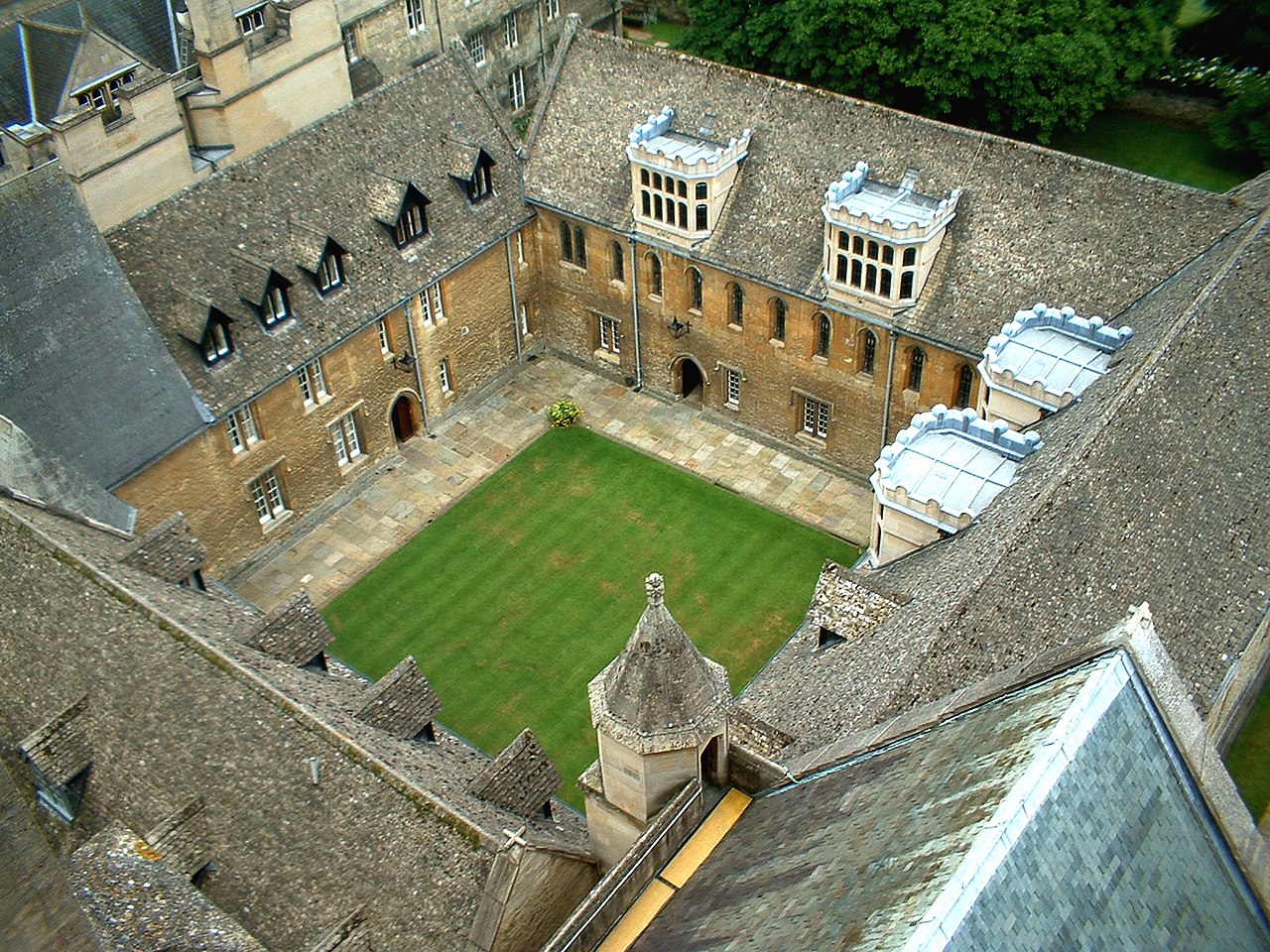
The Oxford Graduate-entry Medicine (A101) course is a four-year accelerated program designed for graduates from various academic backgrounds who wish to pursue a career in medicine. Established in 2001, the course provides a supportive and academically rigorous environment, integrating basic medical science with early clinical experience. The curriculum is structured to accelerate your learning, particularly in the first year, with intensive in-person teaching over two and a half terms. You will gain essential clinical experience from the first week, with placements in both GP practices and hospitals. The program emphasizes an academic approach, allowing dedicated time for a special interest project in the initial years, which can be continued into the later clinical stages. Students on this program fully integrate into the clinical course alongside those on the six-year program during their final two years, taking the same final examinations. This ensures a comprehensive medical education delivered within a world-renowned university setting.

Graduate Entry Medicine (BMBS Hons)
This four-year Graduate Entry Medicine (GEM) course is designed for individuals who have already completed a degree in another subject but wish to pursue a career in medicine. It offers an accelerated pathway to becoming a doctor, building upon your previous academic and life experiences. The program is structured to provide comprehensive preparation for a medical career in a supportive environment, focusing on refining skills and building confidence. It aims to equip graduates to make a positive impact in the evolving healthcare landscape.

Graduate Entry Medicine MBChB
This four-year MBChB programme is designed as an alternative route into medicine for graduates with a background in life sciences who come from groups currently under-represented in higher education. The course allows you to join the standard MBChB programme at phase two, condensing the typical five-year medical degree into four years. The curriculum focuses on providing you with the essential clinical knowledge and skills needed for modern medical practice. You will engage in a blend of theoretical learning, practical skills development, and extensive clinical placements in various healthcare settings across Yorkshire and surrounding areas. The program aims to equip you with the competence to diagnose, treat, and manage patients effectively, while also preparing you for the transition to foundation doctor training.
MBChB Medicine
The University of Greater Manchester Medical School offers an MBChB Medicine program designed to educate compassionate, holistic, and patient-centred future medical leaders. The program focuses on preparing students to meet the complex challenges of modern healthcare with confidence and empathy. With a commitment to high-quality medical education and robust student support, the curriculum is innovative and integrates the latest advancements in medicine and technology. Clinical teaching and placements occur across four NHS hospitals in the North West, with early preparation for the UK Medical Licensing Assessment (MLA) and support for international licensing exams like the USMLE and MCCQE.

MBChB Medicine
The MBChB Medicine course at the University of Manchester provides comprehensive training to equip you with the knowledge, professional behaviours, and clinical skills necessary to become a doctor. You will be eligible to apply for provisional registration with the General Medical Council upon graduation. The program emphasizes social responsibility, encouraging students to contribute to a better world through their studies and extracurricular activities. You will engage with ethical grand challenges and opportunities to address real-world sustainability problems. The curriculum integrates science and clinical learning through a variety of methods including themed case discussions, lectures, practical classes, team-based learning, and extensive clinical placements in diverse healthcare settings. Students also have the opportunity to intercalate for a year to pursue a BSc, master's, or MB-PhD in a specialized subject of interest. The university is recognized for its strong reputation in teaching and research, particularly through its links with the Manchester Academic Health Science Centre.
MBChB Medicine
The University of Liverpool's MBChB Medicine programme, established in 1881, is offered by a prestigious Russell Group institution with a long history of medical education. The 5-year programme (UCAS code A100) accepts 315 students for 2026 entry, with a competitive acceptance rate. The university combines traditional values with innovative teaching methods and a commitment to Values Based Recruitment, aligning with NHS principles. The selection process is transparent and multi-stage, focusing on academic achievement, aptitude tests, and interview performance. The university aims to identify candidates who not only possess the academic capabilities but also the personal qualities essential for a career in medicine. For graduates, a separate 4-year accelerated MBChB programme (A101) is available for UK/home students only.
MBChB Medicine (6-year programme)
The six-year Bachelor of Medicine and Surgery (MBChB) program at the University of Edinburgh is designed to develop you into a competent, ethical, and reflective Foundation Year 1 doctor. This modern and innovative curriculum focuses on preparing you for contemporary medical practice, with a strong emphasis on patient care, communication, teamwork, and leadership. You will gain a deep understanding of medical research and evidence-based medicine, making you well-equipped for various medical career paths, including academic medicine as a physician-scientist. This is a full-time, intensive degree program requiring full commitment to on-campus studies and placements across Edinburgh and Scotland. The curriculum integrates an academic year of research-based study in a biomedical or related subject of your choice, meaning you will graduate with two qualifications: a BMedSci (Hons) and an MBChB. This unique offering provides hands-on experience in laboratory-based scientific research alongside extensive clinical training. Clinical training is a core component throughout your studies, involving placements in Edinburgh's teaching hospitals, regional sites across Southern Scotland, general practices, and state-of-the-art clinical skills and simulation suites. The University of Edinburgh has a long-standing history of medical education and innovation, with a legacy spanning over 300 years and significant contributions to stem cell research, cancer, and immunology.
MBChB Medicine (Graduate Entry)
This four-year MBChB Medicine (Graduate Entry) program is designed for individuals who have already completed an undergraduate degree in a life science or allied health profession and aspire to become doctors. The course accelerates medical training, allowing completion in four years instead of the typical five to six. You will begin in a dedicated Graduate Entry Medicine (GEM) cohort for your first year, then join students from the standard medicine pathways for the remainder of your studies, primarily through clinical placements. Learning integrates scientific knowledge with practical application in various healthcare settings, preparing you for provisional registration with the General Medical Council upon graduation. The curriculum emphasizes active learning through themed case discussions and extensive clinical experience in both hospital and community environments. You will develop essential clinical knowledge, communication, and decision-making skills, with opportunities for personalized learning through selected clinical placements and electives. The final year focuses on preparing you for immediate practice in Foundation Year 1 posts.

Medical Ethics and Law
Medical ethics and law is a core component of medical education, ensuring that future doctors are equipped to handle the ethical and legal complexities of patient care. This curriculum aims to develop doctors who are not only clinically skilled but also ethically and legally informed, respecting the dignity, autonomy, and rights of patients and society. Students will gain an understanding of the ethical principles and values that guide good medical practice, develop critical thinking skills to analyze ethical dilemmas, and learn to communicate effectively and participate in informed decision-making. The program emphasizes the importance of professional and legal obligations, particularly those set by regulatory bodies like the General Medical Council in the UK. It encourages students to reflect on their own beliefs and understand diverse ethical perspectives. The goal is to produce compassionate and competent physicians who can navigate the evolving landscape of medicine with integrity and a strong sense of responsibility.

Medical Innovation and Enterprise BSc
This BSc program focuses on the intersection of medical science and entrepreneurial innovation. You will gain a strong foundation in medical sciences, covering areas like nanomedicine, stem cell therapy, and regenerative medicine. Alongside scientific knowledge, you will develop essential business management, finance, and technology innovation skills. The program is designed to equip you to translate scientific breakthroughs into practical healthcare technologies and medicines that improve lives. You'll learn to evaluate research, identify commercial potential, and navigate regulatory frameworks, preparing you for careers in the rapidly growing life sciences industry.

Medical Science
Medical Science BSc (Hons)
This BSc (Hons) Medical Science degree offers a comprehensive exploration of the human body, focusing on how it functions in both health and disease. It is ideal for students with a strong curiosity for biology and physiology. The course delves into areas such as integrated physiology, neuroscience, genetics, and pathophysiology, including human genetic diseases. A significant emphasis is placed on practical laboratory work, equipping students with essential skills for a career in science, particularly within the health sector. The program aims to develop critical skills valued by employers, including lab techniques, data analysis, computing, report writing, presentation, and teamwork. The university maintains strong industry connections, with guest lectures from NHS medical scientists and opportunities for internships with local companies and organisations.
Medicine - Graduate Entry Programme (4 year)
This is a four-year MBBS programme designed for individuals who already hold a science or health-related degree. It allows you to fast-track your medical education, building upon your existing academic foundation. The curriculum integrates foundational scientific knowledge with essential professional practice behaviours required for becoming a doctor. Learning is informed by world-leading research in drug discovery, public health interventions, and clinical practice. The programme emphasizes evidence-based teaching methods, including lectures, practical sessions, and problem-based learning, to prepare you for clinical settings. You will gain practical experience from your first week, interacting with patients in both community and hospital environments across all years. The course structure allows for self-selected modules, enabling you to deepen your knowledge in areas of specific interest within the fundamental sciences, clinical sciences, psychological sciences, or social sciences.
Medicine (5 Year Programme)
This five-year MBBS program at Queen Mary University of London offers comprehensive training to become a doctor. You will gain foundational knowledge and practical skills through evidence-based teaching methods, starting patient contact from your first week. The curriculum is integrated with the university's world-leading research, covering biological sciences, clinical practice, and the impact of social and environmental factors on health. You will have opportunities to explore areas of personal interest through self-selected modules. Learning is delivered through a combination of lectures, practical sessions, problem-based learning, and team-based learning. Clinical placements begin in community settings like GP surgeries in the first year and progress to hospital rotations in later years, offering diverse patient demographics and specialist services. The program emphasizes developing self-regulated learning abilities crucial for independent clinical practice.
Medicine (5 year) MBChB
Medicine (Malta, 5 Year Programme)
Study medicine at a world-renowned UK university with a unique five-year program taught in Malta. This program offers a comprehensive medical education in English, delivered by experienced academic staff and local clinicians. You will gain foundational knowledge in health and disease, develop essential clinical skills, and engage with cutting-edge research. The curriculum is designed to prepare you for a successful career in medicine, integrating theoretical learning with extensive practical experience through placements in Maltese healthcare facilities. Applications for September 2026 entry are open.

Medicine (MBBS) at Imperial College London
Imperial College London is a world-renowned institution for science and medicine. The medical program was redesigned in 2019, adopting an integrated, spiral-based approach. This means students revisit topics multiple times, building upon prior knowledge. The curriculum also emphasizes early patient contact, with students meeting their first patients within the initial weeks of the course. Imperial places a strong emphasis on the BMAT score, making it a strategic choice for applicants who may have performed less ideally in the UCAT but have strong BMAT results. The program also has minimal GCSE requirements, which is beneficial for students with strong predicted A-Level grades but fewer top GCSE grades.
Medicine and Surgery
Medicine and Surgery (Graduate Entry) MBChB
This four-year graduate-entry MBChB program at the University of Liverpool is designed for students who already hold a degree and wish to pursue a career in medicine. The curriculum adopts a spiral design, introducing core concepts early and revisiting them with increasing depth as your clinical experience grows. Learning is integrated around key themes and systems, combining basic sciences with clinical knowledge and professional practice to develop your clinical reasoning and decision-making skills. The first year is bespoke for the graduate entry cohort, with teaching on campus and initial NHS placements. From the second year onwards, you will undertake extensive clinical placements in various NHS Trusts, GP practices, hospices, and community settings across the North West of England, preparing you for diverse healthcare environments.
Medicine and Surgery MBChB
Study medicine at the University of Liverpool to become a doctor capable of providing compassionate, evidence-based patient care. The MBChB programme is designed to foster your development as a confident, ethical, and adaptable medical professional. You will learn through a distinctive spiral curriculum that integrates strong scientific foundations with practical clinical experience, research-informed teaching, and a supportive learning environment. The curriculum is structured to introduce key concepts early and revisit them with increasing depth as your clinical experience grows. Learning is organised around integrated themes, combining basic sciences with clinical knowledge and professional practice. This approach helps you develop clinical reasoning and reflective practice. From the second year, you will undertake extensive clinical placements in various hospital and community settings across the North West of England, using a block rotational model to prepare you for working in different healthcare teams and with diverse patient groups.
Medicine BMBS (Hons)
This is a newly redesigned BMBS (Bachelor of Medicine, Bachelor of Surgery) Honours degree, created in collaboration with students, staff, and doctors. It aims to provide comprehensive preparation for a career as a doctor, focusing on developing skills and confidence within a supportive learning environment. The course builds on the university's reputation for training high-quality medical professionals and prepares students to make a positive impact in the healthcare landscape.
Medicine MBChB
Our MBChB Medicine degree is a five-year program designed to equip you with the essential skills, knowledge, and professional behaviours required to become an excellent doctor. The course is structured into four phases, with clinical placements taking place in hospitals and General Practices across Yorkshire and the surrounding areas. You will gain practical experience from year one, starting in GP surgeries and progressing to hospital wards and specialist clinics. The curriculum is informed by the latest research and you will have access to state-of-the-art training facilities, including a Clinical Skills Centre with simulated environments. A key component includes social accountability placements focused on public health and health inequalities. The program is continuously evolving to enhance student experience and ensure graduates are well-prepared for the changing healthcare landscape, with plans for greater choice, balanced academic terms, strengthened surgical experience, and improved integration of primary and secondary care.
Medicine MBChB
Aston University's MBChB Medicine programme is a five-year, patient-focused degree designed to prepare you for a rewarding career in medicine. The curriculum is structured in two phases, beginning with a strong foundation in science, including body structure, infection, and pathological processes. As you progress, a significant portion of your learning will involve hands-on clinical placements in various healthcare settings, allowing you to work alongside experienced medical professionals. The programme emphasizes compassionate patient care and multidisciplinary teamwork. You will develop critical thinking skills and empathy, essential qualities for a successful doctor. Early clinical exposure is a key feature, with placements starting in your very first term to help you apply theoretical knowledge in practical scenarios. Graduates will be well-prepared to begin their careers as Foundation Doctors.

Medicine MBChB
The MBChB Medicine program is a five-year full-time course designed to equip you with the essential skills, knowledge, and practical experience required to become a competent doctor. You will gain eligibility to apply for provisional registration with the General Medical Council upon successful completion. The program emphasizes patient safety, compassion, reflection, and professionalism. It integrates academic learning with extensive clinical placements in community, mental healthcare, and hospital settings, covering medicine, surgery, and various specialties. Through a blend of case-based learning, team-based learning, and simulation training, you will develop strong medical leadership, communication, and resilience skills, preparing you for immediate practice and future contributions to healthcare.
Medicine with a Foundation Year - BMBS (Hons)
This program is designed for ambitious students who aspire to study medicine but do not meet the traditional entry requirements, particularly those from disadvantaged or underrepresented backgrounds. It serves as a pathway to bridge the gap between secondary education and university-level study, providing a supportive environment to develop the necessary skills and knowledge. Successful completion of the foundation year guarantees progression to the first year of the five-year Medicine BMBS program at the University of Nottingham, which has a 50-year history of training doctors.
Medicine with Foundation Year MBChB
The Medicine with Foundation Year MBChB is an integrated six-year program designed for students with the potential and aspiration to become doctors, particularly those from specific regions who may not meet direct entry academic requirements. It includes a preparatory Foundation Year before progressing to the full MBChB Medicine degree, provided all assessments and course requirements are met. The Foundation Year focuses on building essential knowledge in medicine, health systems, and professional development, preparing students for the demands of medical study. This program emphasizes a curriculum centered on community health, incorporating subjects like health systems, public health, medical sciences, and teamwork within healthcare. It also stresses personal and professional development, including communication skills and ethical principles. Students will engage in clinical and community learning through work experience and voluntary activities to understand local healthcare needs. Successful completion of the Foundation Year at the required standard allows progression to the subsequent five years of the MBChB Medicine degree. Edge Hill University's Medical School is approved by the General Medical Council (GMC) to award full UK medical degrees, having met rigorous quality assurance standards.

Medicine with Foundation Year MBChB
The Medicine with Foundation Year MBChB is a six-year program designed for students who may not initially meet the direct entry requirements for a standard medical degree. This integrated foundation year serves as a pathway to progress into the first year of the MBChB course at the University of Leicester. The program aims to attract aspiring students from diverse backgrounds who demonstrate compassion and values aligned with the NHS constitution, preparing them to become skilled, professional, and empathetic doctors. The curriculum emphasizes a person-centered approach to medicine with a strong focus on clinical empathy from the outset. You will learn through a blend of lectures, small group work, cadaveric dissection, and clinical teaching, all grounded in a patient-focused curriculum. The foundation year includes early patient interaction and clinical skills development, with successful completion leading to progression onto the core five-year MBChB course. The program is delivered in an established and supportive environment with experienced academics and NHS practitioners, leveraging state-of-the-art facilities including a Clinical Skills Unit and offering opportunities for research and international electives.
MSc Advanced Clinical Practice
The MSc Advanced Clinical Practice program offers a comprehensive curriculum designed to equip healthcare professionals with advanced theoretical and clinical skills. The program aims to develop practitioners capable of managing individual patient care through history taking, examination, requesting and interpreting investigations, and prescribing medicines and therapies where appropriate. It also emphasizes the importance of driving service improvement, undertaking audit and research, and educating others to enhance patient care. The course structure follows the four pillars of advanced practice and utilizes a constructivist learning approach in partnership with employers to foster autonomous practitioners. Students are expected to attend the Kedleston Road campus once a week.
MSc Advanced Clinical Practice
This flexible, blended-learning MSc in Advanced Clinical Practice is designed for qualified healthcare practitioners looking to advance their careers. Whether you work in a hospital or community setting, this degree will help you manage the care of complex patients. You will build expertise across the Four Pillars of Advanced Clinical Practice: clinical practice, leadership, facilitating learning, and evidence, research, and development. The program offers a customizable pace and structure, allowing you to tailor your learning to your specific career goals, with options to focus on research or clinical content. It is delivered in partnership with the NHS, involving senior clinicians and academics in your education.
MSc by Research in Molecular and Cellular Medicine
The MSc by Research (MSc(Res)) in Molecular and Cellular Medicine at the University of Oxford is designed to train the next generation of leaders in biomedical sciences. This research-focused program provides an in-depth exploration of methods to develop groundbreaking new therapies for chronic inflammatory and musculoskeletal conditions. Students will conduct their research within one of the Botnar Research Centre’s dynamic groups under the guidance of a principal investigator and supervisory team. Throughout the program, you will develop essential research skills, including compulsory attendance at departmental lectures on the fundamentals of biomedical research. Your training will be personalized to your project and needs, drawing from a wide range of specialist scientific methods and transferable skills courses offered at Oxford. The course emphasizes practical research experience, participation in seminars, and presentation at symposia.
MSc Computational Cancer
This MSc program integrates data science, artificial intelligence, and mathematical modelling to address key challenges in cancer research. You will gain a deep understanding of both computational techniques and cancer biology, with opportunities to specialize in areas like AI in oncology, radiation therapy, or computational pathology. The program is delivered within a highly research-intensive environment at UCL, fostering collaboration across disciplines and with partner hospitals, and providing access to state-of-the-art facilities. This program is ideal for students looking to contribute to the computational revolution in cancer research, from understanding tumor growth to developing AI-driven diagnostic and treatment tools.
MSc Medical Mycology (online)
PgCert Advanced Clinical Practice
PgDip Advanced Clinical Practice
Physics with Medical Applications
Physics with Medical Applications with a Year Abroad
Postgraduate Taught Dentistry Programmes
Cardiff University's School of Dentistry offers a range of taught master's courses designed for those seeking clinical specialisation or research training in biomedical and life sciences. With over 40 years of experience in postgraduate education, the school is known for its excellence in teaching, research, and clinical care. Programmes are delivered by leading academics and clinicians actively involved in world-leading research, ensuring students learn from experts making significant impacts on healthcare. These non-clinical courses also provide foundational research training, which can be a pathway to a PhD. Students benefit from learning in the University Dental Hospital, the only facility of its kind in Wales, offering comprehensive clinical services and valuable postgraduate education opportunities.
Regenerative Medicine MSc
Explore the cutting-edge field of Regenerative Medicine, a dynamic interdisciplinary area focused on repairing damaged tissues using biological and cell-based technologies. This Master of Science (MSc) program offers advanced training from internationally recognized scientists, covering key areas such as stem cell biology, tissue engineering, genome engineering, and nanotechnology. You will gain hands-on experience through a lab-based research project in state-of-the-art facilities or a bioinformatics project, and interact with clinicians involved in translational research at prestigious hospitals. The program fosters multi-disciplinary learning through collaboration with the School of Engineering and Materials Science, preparing you for industry contacts and providing networking opportunities and support.

Scottish Graduate Entry Medicine (ScotGEM) MBChB
The Scottish Graduate Entry Medicine (ScotGEM) MBChB is a four-year programme designed for graduates who wish to pursue a career in medicine, with a specific focus on generalist practice within NHS Scotland. This innovative course is delivered through a partnership between the Universities of St Andrews and Dundee, in collaboration with NHS Fife, NHS Tayside, NHS Highland, NHS Dumfries and Galloway, and the University of the Highlands and Islands. The programme aims to prepare adaptable and compassionate clinical leaders ready to serve in rural and community settings. Years 1 and 2 are primarily based at the University of St Andrews, while Years 3 and 4 are led by the University of Dundee. Students should be prepared for periods of living and studying in rural areas across Scotland.
Frequently asked questions
How much does studying Medicine in the UK cost for international students?
+
Tuition ranges from free up to approximately €63,000 per year. Clinical medicine programmes at major research universities tend to sit toward the upper end of this range.
Which universities offer Medicine in the UK?
+
Among the 28 universities listed are the University of Aberdeen, the University of Nottingham, the University of Liverpool, Aston University, and Oxford Brookes University.
Can international students study Medicine in the UK?
+
Yes, but places for international students are limited at many UK medical schools. Applicants need a student visa, high IELTS scores (7.0–7.5), and must sit UCAT or BMAT depending on the school.
What are the typical entry requirements for Medicine in the UK?
+
Most medical schools require A-levels in Chemistry and Biology at AAA, competitive UCAT or BMAT scores, relevant clinical work experience, and a strong personal statement.
How do I apply for Medicine in the UK?
+
Applications are submitted through UCAS by the 15 October deadline for Medicine. Applicants may list up to four medical schools; interviews are a standard part of the selection process.