Bachelor's in Chemistry in United States
The United States offers 35 Bachelor's programmes in Chemistry at 22 universities, giving aspiring chemists access to a wide range of institutional contexts from major research universities to liberal-arts colleges. Maryville University, the University of Central Oklahoma, the University of California Santa Cruz, The Scripps Research Institute, Columbia College (SC), and West Virginia Wesleyan College all appear in this listing, representing diverse campus cultures across the country.
Some programmes in this listing are available at no tuition cost through specific scholarship arrangements — applicants should check each university's current fee schedule to confirm. Undergraduate Chemistry programmes in the US typically require laboratory coursework, and many offer undergraduate research opportunities. International applicants need a secondary-school diploma, strong science and mathematics results, and English proficiency documentation.

B.A. Biochemistry

Bachelor of Arts in Chemistry

Bachelor of Science in Chemistry
Maryville University's Bachelor of Science in Chemistry program offers a comprehensive education in chemical theory and modern laboratory techniques. This program provides a strong foundation, covering organic, analytical, and physical chemistry, alongside biochemistry, mathematics, and physics. Students are encouraged and supported in participating in undergraduate research, allowing them to gain practical experience in scientific discovery. Chemistry is a central science that connects various disciplines like biology, physics, and environmental studies, opening doors to diverse career paths at the forefront of scientific advancement.
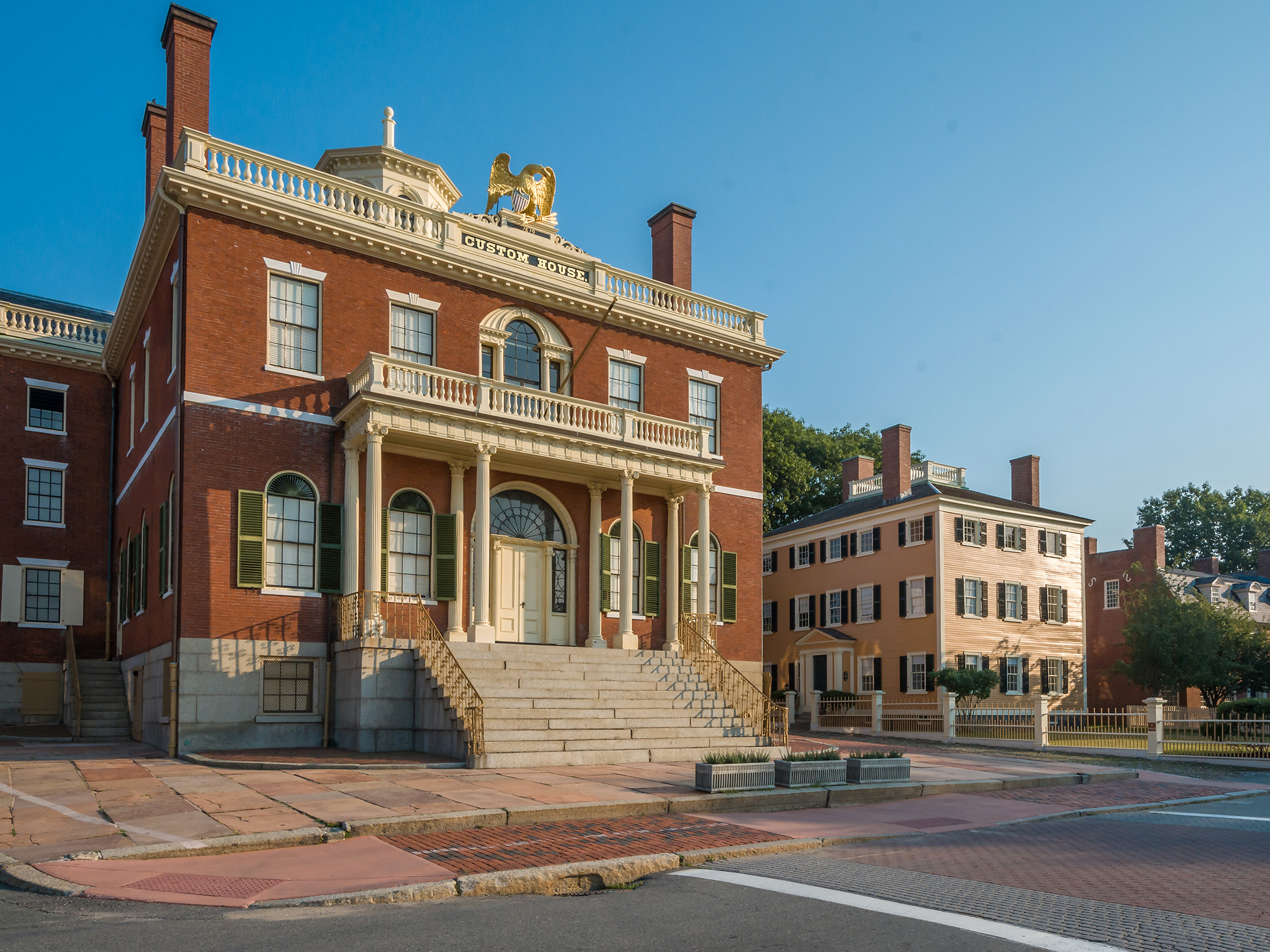
Bachelor's Degrees at National Park University Center
National Park College (NPC) and Southern Arkansas University (SAU) have partnered to offer bachelor's degree programs directly in Hot Springs. This collaboration allows students to begin and complete their bachelor's degrees without needing to relocate. The programs are housed at the National Park University Center, providing a convenient pathway for students to advance their education.

Biochemistry & Cell Biology
The Department of Biochemistry & Cell Biology offers a program focused on the fundamental processes of life at the molecular and cellular levels. Students will explore the intricate mechanisms that govern cellular function, genetic information flow, and the interactions between biological molecules. The curriculum provides a strong foundation in core scientific principles, preparing students for advanced study or careers in various life science fields.

Biochemistry and Chemistry
The Department of Chemistry at the University of Mary Washington offers majors in Chemistry and Biochemistry, both approved by the American Chemical Society. Our programs utilize a modern curriculum supported by well-equipped laboratories that enhance classroom learning. Core courses cover traditional areas of chemistry, including organic, analytical, and physical chemistry. Students will also complete senior capstone projects designed to build laboratory problem-solving skills and improve scientific communication abilities, both written and oral. Elective courses provide deeper exploration into specialized topics, and numerous research opportunities allow students to apply their coursework to current chemical research problems.
Biochemistry, Bachelor of Science
The Bachelor of Science in Biochemistry at Maryville University provides a comprehensive, interdisciplinary foundation for students interested in the chemical processes of life. This program prepares students for diverse career paths in cutting-edge research, advanced studies in medicine or graduate school, or high-demand jobs in the chemical, pharmaceutical, and biotechnology industries. Students benefit from learning from expert faculty, engaging in challenging coursework, and gaining practical experience through internships with leading companies. The curriculum is designed to equip students with broad foundational knowledge essential for success in this dynamic field. The university emphasizes project-based learning and undergraduate research, encouraging students to actively participate in faculty research projects. This hands-on approach is a key component in preparing students for their future endeavors, whether that's pursuing further academic degrees or entering the workforce.

Biochemistry, Bachelor of Science
Stevenson University offers a Bachelor of Science in Biochemistry designed to explore the connections between chemical, physical, and biological sciences. This program emphasizes hands-on learning with state-of-the-art instrumentation in well-equipped facilities, preparing students for careers or further graduate studies. The curriculum focuses on developing essential lab and analytical skills, fostering an understanding of how biomolecules function in living systems. Small class sizes and dedicated faculty-student interaction are hallmarks of the learning environment, ensuring personalized guidance.

Biochemistry, Bachelor of Science
The Bachelor of Science in Biochemistry program at Washington State University allows students to delve into the study of life at a molecular level. This interdisciplinary program integrates principles from chemistry, physics, and biology to understand complex biological processes. Graduates are well-prepared for diverse career paths in various industries or for further academic pursuits in medicine, dentistry, veterinary science, and pharmacy.
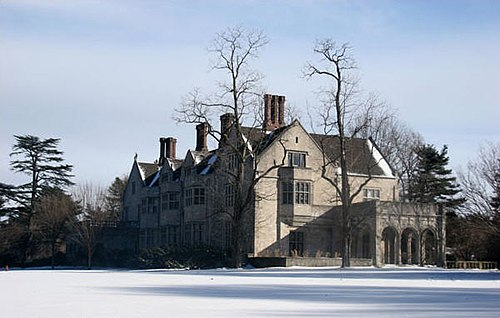
BS in Biochemistry
The Department of Biochemistry and Cell Biology at Stony Brook University offers a Bachelor of Science (BS) degree in Biochemistry. This program focuses on understanding the fundamental molecular processes of life. Students will explore the chemical basis of biological systems, including the structure, function, and interactions of biomolecules, as well as cellular mechanisms and regulation. The curriculum is designed to provide a strong foundation in both biochemistry and cell biology, preparing students for advanced studies or careers in various life science fields.
Chemistry
Stevenson University offers a Bachelor of Science or Bachelor of Arts in Chemistry, designed in accordance with the requirements of the American Chemical Society (ACS). This program provides a strong foundation in the fundamental principles of science, essential for understanding the physical world at a molecular level. The curriculum emphasizes laboratory work and research from the outset, utilizing modern instrumentation and facilities to develop critical analytical and laboratory skills. Graduates will be well-prepared for employment in the chemical industry, further graduate studies, or professional fields such as pharmacy, medicine, and dentistry. All chemistry labs are designed to accommodate up to 20 students, fostering small class sizes and dedicated faculty-student interaction. The School of Sciences encourages interdisciplinary collaboration, allowing students to work in and across multiple labs. For those looking to accelerate their education, Stevenson offers a Bachelor's to Master's Option, enabling students to earn both degrees in as little as five years.
Chemistry
The Chemistry program at Columbia College offers both Bachelor of Arts and Bachelor of Science degrees, with options for a major or minor. Students will gain a solid foundation in chemistry principles through hands-on laboratory experience and the use of modern scientific instruments. This program is an excellent choice for students interested in pre-health professions such as medicine, dentistry, and pharmacy, preparing them for immediate employment or further graduate studies.

Chemistry
Florida Polytechnic University offers a Bachelor of Science in Chemistry designed to provide a strong foundation in chemical principles and laboratory techniques. The program prepares students for diverse careers in scientific research, development, and industry, as well as for further graduate studies. The curriculum emphasizes theoretical knowledge and practical application, equipping students with the analytical and problem-solving skills necessary for success in the field.

Chemistry - ACS Approved
The Chemistry - ACS Approved program at the University of Central Oklahoma offers a comprehensive undergraduate education in chemistry, designed to provide students with a strong foundation in the discipline. This program aims to equip graduates with the knowledge and skills necessary for advanced study or careers in various chemistry-related fields. The curriculum focuses on developing critical thinking, problem-solving abilities, and practical laboratory skills essential for success in the field.

Chemistry – BA
Chemistry – BS
Chemistry at Washington State University
The study of chemistry at Washington State University (WSU) offers a pathway for students to explore the fundamental principles that govern our physical world. This discipline is crucial for understanding the properties, composition, and structure of elements and compounds, as well as their interactions. A WSU chemistry education aims to enhance critical thinking, reasoning abilities, and problem-solving skills, which are transferable to a wide array of career paths. The curriculum is designed to foster inquiry, innovation, and discovery, preparing students for diverse fields such as forensics, pharmaceuticals, nanotechnology, and homeland security.
Chemistry Major
The Bachelor of Science (B.S.) in Chemistry program at the University of Mary Washington provides a comprehensive foundation in chemical principles. The curriculum includes core courses in general chemistry, organic chemistry, analytical chemistry, and physical chemistry, along with essential mathematics and physics. Students can choose to pursue a standard Chemistry B.S. or an ACS-certified degree, which includes additional advanced coursework in biochemistry and inorganic chemistry. The program is designed to prepare students for a variety of career paths in chemistry-related fields, graduate studies, or professional schools. The curriculum emphasizes hands-on laboratory experience and critical thinking skills necessary for scientific inquiry and problem-solving. Students also have opportunities for research, internships, and participation in departmental activities like the ACS Student Chapter.
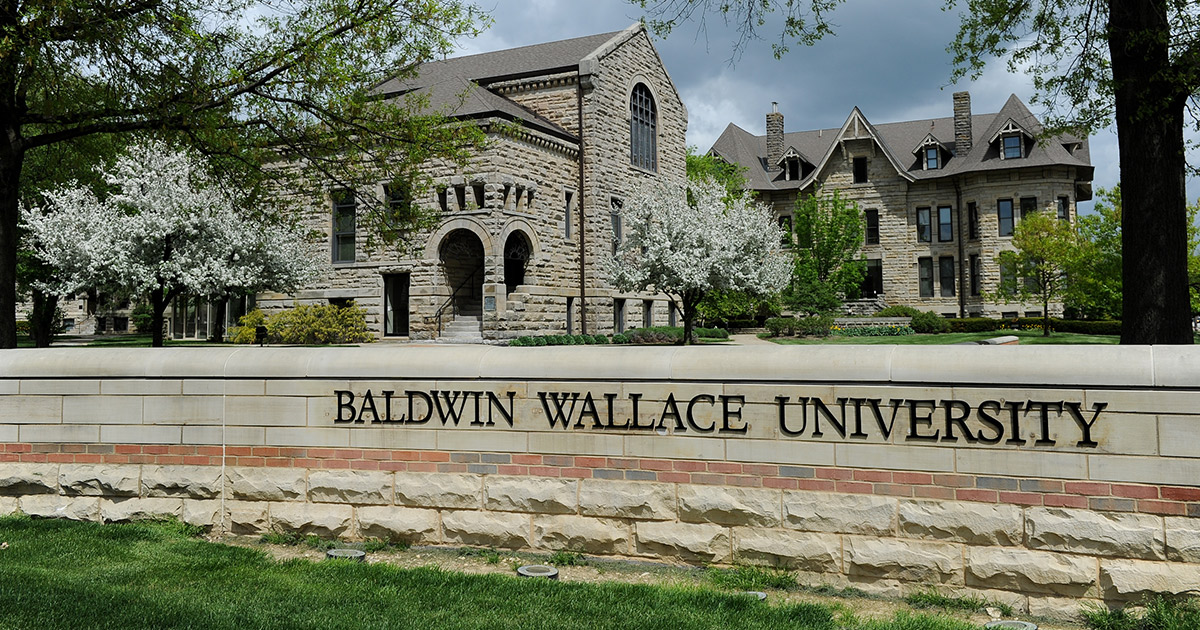
Chemistry Major
The Chemistry program at Baldwin Wallace University offers a rigorous undergraduate experience, blending theoretical study with extensive practical application. Students have unique opportunities to engage in complex research, often working one-on-one with faculty mentors. The program emphasizes hands-on laboratory and research experience, utilizing technologically advanced classrooms and labs equipped with specialized instruments and computer systems. Opportunities for independent research, field experiences, and internships allow students to apply their knowledge to real-world projects, enhancing their visibility for scholarly presentations and publications. The program is approved by the American Chemical Society (ACS), with an optional ACS certified major for those seeking a more intensive course of study. Additionally, a chemistry leading to engineering program is available for students interested in pursuing an engineering degree through affiliations with Case Western Reserve University.

Chemistry Programs
New York University offers a range of chemistry courses designed to build a strong foundation in the field, from introductory principles to advanced topics. These courses are suitable for science majors, engineers, and prehealth professions, with specific tracks for those intending to major in chemistry or biochemistry. The curriculum covers fundamental concepts like atomic structure, chemical bonding, equilibrium, and reaction rates, progressing to specialized areas such as organic chemistry, quantum mechanics, and spectroscopy. Many courses include laboratory components to provide hands-on experience with experimental techniques and data analysis. Students can choose from various general chemistry sequences, including accelerated options for advanced learners. The program also offers specialized courses in organic and biological chemistry, preparing students for further study or research. Mathematical and computational tools are integrated into the curriculum to enhance problem-solving skills in chemical contexts. Beyond core chemistry, NYU also offers a Master of Science (MS) and Doctor of Philosophy (PhD) in Data Science, which may incorporate quantitative and analytical skills applicable to scientific research. These programs provide interdisciplinary training for students interested in leveraging data for scientific discovery and application.

Chemistry Programs
The Chemistry Department at California State University Channel Islands (CI) offers comprehensive bachelor's degrees designed to support student success. We provide dedicated programs in Chemistry and Biochemistry, fostering a strong foundation in chemical sciences. Our department is committed to welcoming all students interested in pursuing higher education at CI, regardless of their background.

Chemistry, B.S.
The Bachelor of Science (B.S.) in Chemistry at Lander University is a program designed to provide students with a comprehensive understanding of chemistry as an experimental science. This degree focuses on the atomic and molecular interpretation of matter's properties and behavior. A background in chemistry opens doors to a wide array of career paths and advanced study opportunities in areas such as industrial chemistry, government service, sales, secondary education, and graduate or professional schools. The curriculum is structured to offer flexibility, accommodating diverse student interests and career aspirations.
Chemistry, Bachelor of Science Degree
The Bachelor of Science in Chemistry program at Young Harris College offers a comprehensive study of matter, its transformations, and its fundamental role as the 'central science.' This major equips students with critical thinking, problem-solving, and effective communication skills, grounded in the scientific method. The curriculum integrates chemistry with physics, mathematics, and biology, providing a broad scientific foundation. Students will gain a deep understanding of chemical principles and their applications, preparing them for a wide array of career paths or further academic pursuits. The program emphasizes hands-on learning and analytical skills, encouraging students to critically examine and understand the world through a scientific lens.
Department of Chemistry
Welcome to the Department of Chemistry at the University of Central Oklahoma (UCO). We offer a dynamic learning environment where hands-on experience and real-world applications prepare you for success in science. Our program focuses on providing students with a strong foundation in chemical theory and practical application, fostering critical thinking, and developing essential communication skills. You will engage in laboratory work, cutting-edge research, and lectures led by our expert faculty, who are committed to guiding you through your academic journey. Whether your interest lies in the fundamental principles of chemistry or specialized fields like environmental chemistry, our curriculum is designed for a well-rounded education. We encourage individual research projects and directed research courses, allowing you to explore your specific interests and contribute meaningfully to the field.
Forensic Science - Chemistry, Bachelor of Science
The University of Central Oklahoma offers a Bachelor of Science in Forensic Science with a specialization in Chemistry. This program is designed for students interested in applying scientific principles to the investigation of crime. Graduates are prepared for careers in various forensic science disciplines, leveraging a strong foundation in chemical analysis and its application in legal contexts.

Major in Biochemistry
The Biochemistry major at the University of Illinois Urbana-Champaign is an interdisciplinary program that combines biological and chemical sciences to explore life at a molecular level. You will investigate fundamental questions about cellular processes, genetic mechanisms, energy conversion, and the functions of biological molecules. This program is housed within the School of Molecular & Cellular Biology (MCB), offering access to school-wide curricular enhancements, research opportunities, and advanced teaching facilities. A degree in Biochemistry prepares students for advanced studies in related scientific fields or professional programs like medicine, dentistry, pharmacy, and veterinary medicine.
Materials Chemistry
Medical Lab Technology (A.A.S.)
The Medical Laboratory Technology (MLT) program is a branch of medical science that uses chemistry, physics, and biology to aid in the diagnosis, treatment, and monitoring of diseases. Medical Lab Technicians perform a variety of laboratory tests, which are crucial as an estimated 75 percent of all medical diagnoses rely on laboratory results. This program prepares students for a career in a dynamic and essential healthcare field.

Organic Chemistry, Part I
This course introduces organic chemistry, focusing on carbon-containing materials. You will gain a foundational understanding of traditional structures and properties, learning how this knowledge predicts chemical reactivity. The role of electrons in bond formation, the creation of intricate three-dimensional structures, and their distribution influencing physical properties and reactivity will be explored. The course culminates in learning methods for characterizing chemical compounds using common analytical techniques.

Principles of Chemical Science
This course provides an introduction to the fundamental principles of chemical science. It covers topics such as the periodic table, atomic structure, chemical bonding, and molecular structure. The course aims to build a strong foundation in chemistry for undergraduate students, enabling them to understand the behavior of matter at the molecular level. It explores how atoms interact to form molecules and the properties that arise from these interactions.
Frequently asked questions
How many Bachelor's in Chemistry programmes are available in the United States?
+
There are 35 Bachelor's programmes in Chemistry at 22 universities across the United States.
Which universities offer a Bachelor's in Chemistry in the United States?
+
Options include Maryville University, the University of Central Oklahoma, the University of California Santa Cruz, The Scripps Research Institute, and West Virginia Wesleyan College, among 22 universities.
How much does a Bachelor's in Chemistry cost in the United States?
+
Some programmes in this listing are available tuition-free through specific institutional arrangements; check each university directly for current and accurate fee information.
Can international students apply for a Bachelor's in Chemistry in the United States?
+
Yes; international students are accepted and need to meet English proficiency requirements (TOEFL or IELTS) and present strong secondary-school science and mathematics results.
What are typical entry requirements for a Bachelor's in Chemistry in the United States?
+
Most programmes require a high school diploma with strong grades in chemistry and mathematics, standardised test scores where applicable, and English proficiency documentation for non-native speakers.