Law & Legal Studies in United States
The United States lists 103 Law & Legal Studies programmes across 49 universities, covering pre-law undergraduate tracks, Juris Doctor (JD) professional degrees, Master of Laws (LLM) for foreign-qualified lawyers, and doctoral programmes. Providers include Northwestern University, Washington University in St. Louis, the University of Southern California, Pennsylvania State University, Lindenwood University, and Mississippi Valley State University. Tuition ranges from free up to roughly €31,000 per year — a relatively compressed range compared to the broader US higher-education market.
International students most commonly pursue the LLM, a one-year graduate degree designed for lawyers who already hold a law degree from another country; it does not confer the right to sit the US bar exam in most states but enhances understanding of US and international law. Those wishing to practise US law must complete a JD degree, which generally requires three years of full-time study after an undergraduate degree.

3+3 Accelerated Law Program
This program is a collaborative agreement between King University and Appalachian School of Law (ASL) that allows qualified students to complete their undergraduate degree and begin law school in an accelerated timeframe. Students will complete three years of undergraduate study at King University and then move on to Appalachian School of Law. Upon successful completion of their first year of law school, that year's coursework will retroactively count towards their undergraduate degree, effectively fulfilling the requirements for a bachelor's degree. This pathway is available for undergraduate majors in English, History, or Political Science.

Accelerated and Early Partnership Programs
The University of Mary Washington (UMW) offers several accelerated and early admission partnership programs designed to provide qualified students with a streamlined pathway to graduate degrees at affiliated institutions. These programs allow students to earn both a bachelor's degree from UMW and a master's or doctoral degree in a shorter timeframe than pursuing them separately. By completing specific requirements and applying during their undergraduate studies, students can gain provisional or early acceptance into prestigious graduate programs, saving time and potentially tuition costs.

Advanced Co-Facilitation
This intensive 6-week course focuses on the practical aspects of course design and delivery for higher education and workforce development settings. It provides coaching on essential skills such as co-teaching, co-assessment, and professional development strategies. Participants have the opportunity to collaborate with faculty on existing courses or develop new ones. Upon completion, students earn Professional Development Points (PDPs) or Continuing Education Units (CUEs).

AI in Law: Strategy, Practice and Innovation
This fully online, on-demand course is designed for legal professionals and business leaders seeking to understand and leverage generative AI in their practice. It provides practical strategies to enhance efficiency, improve client services, and drive business results through AI. You will learn to navigate the AI landscape, apply AI tools effectively for tasks like litigation support and contract drafting, and make informed technology decisions. The course also addresses critical ethical, privacy, and governance issues specific to AI in law, equipping you with frameworks to manage risk and ensure compliance. Upon completion, you will have a robust AI strategy and implementation roadmap, preparing you to lead innovation within the legal field.

Animal Law & Policy Clinic Seminar
This seminar complements the Animal Law & Policy Clinic, focusing on key federal statutes relevant to animal law, such as the Endangered Species Act and the Animal Welfare Act. Through class discussions and practical activities, students will develop essential lawyering skills, including litigation, regulatory, and legislative strategies. The course aims to build a strong foundation for an ethical and reflective legal practice, exploring advocacy under federal and state laws. LLM students can enroll via Helios.

Bachelor of Arts in Criminal Justice/Criminology
Maryville University offers an online Bachelor of Arts in Criminal Justice program designed to prepare students for a variety of roles within the field. This program explores contemporary issues in criminal justice, including crime prevention, law enforcement trends, and the psychology of criminal behavior. Graduates will be equipped with knowledge and skills applicable to roles in law enforcement, corrections, and related areas, with an emphasis on understanding the motivations behind criminal activity and strategies for crime protection.

Bachelor of Laws (LLB)

Bachelor of Science in Criminal Justice
The Bachelor of Science in Criminal Justice program at Mississippi Valley State University (MVSU) is designed to prepare undergraduate students for successful careers within the criminal justice system and related public and private organizations. It also provides a strong foundation for those considering graduate studies. The curriculum offers comprehensive coverage of law enforcement, courts, and corrections, including specialized areas like private security, industrial security, community corrections, and the juvenile justice system. This broad scope ensures graduates have flexibility in their career choices. The program also caters to individuals currently working in criminal justice who wish to advance their education.

Bachelor of Science in Criminal Justice
The Bachelor of Science in Criminal Justice at Monroe University equips students with essential skills for success in law enforcement, courts, and corrections. Taught by experienced professionals, the program emphasizes practical application through internships and fieldwork. Graduates are prepared for various roles within the criminal justice system or for further academic pursuits.

Bachelor of Science in Criminal Justice, Applied Intelligence Studies
The Bachelor of Science in Criminal Justice, Applied Intelligence Studies is a unique program designed for individuals interested in criminal investigations, crime prevention, and security, with a strong emphasis on technology and analytical skills. This degree merges the study of the justice system with intelligence analysis, preparing students for fast-paced, high-intensity environments in law enforcement, intelligence, security, and public safety fields. Graduates will be equipped with research, analytical, and critical thinking skills to identify and assess threats, making them valuable assets to agencies combating crime. The program is particularly beneficial for current law enforcement officers seeking to enhance their education and career prospects, as prior training may be eligible for college credit.

Constitutional Law
This course offers a foundational exploration of Constitutional Law, delving into the U.S. Constitution's origins, its structure, and the powers it grants and limits. Key topics include the separation of powers, checks and balances, and the protection of constitutional rights. The course also addresses the principles of constitutional interpretation, enforcement, and mechanisms for change.

Crime Scene Investigation

Criminal Justice
The University of Central Oklahoma's School of Criminal Justice, established in 1974, is the oldest program of its kind in Oklahoma. It offers a range of undergraduate and graduate programs designed to provide students with essential practical skills and cutting-edge training for careers in the criminal justice system. The curriculum emphasizes personalized learning and stays current with the evolving landscape of law enforcement, courts, and corrections. Students have opportunities for internships, study abroad programs, and engagement with new educational initiatives.

Criminal Justice
The Criminal Justice program at Sullivan University provides a comprehensive exploration of law enforcement, legal systems, corrections, and social services. You will gain an understanding of the intersection between justice and society, developing the managerial skills necessary for leadership roles within the field. This program is designed to prepare you for a career focused on reducing and preventing crime at local, state, and federal levels, allowing you to turn your passion for public safety into meaningful action.
Criminal Justice - Corrections and Transformative Justice
The University of Central Oklahoma (UCO) offers a Bachelor of Arts in Criminal Justice with a specialization in Corrections and Transformative Justice. This program aims to prepare students for careers within the corrections system and to foster an understanding of transformative justice principles. Students will gain knowledge in areas such as penology, offender rehabilitation, and community-based corrections, with an emphasis on developing skills for effective and ethical practice in the field. The curriculum is designed to provide a comprehensive understanding of the criminal justice system, focusing on the correctional aspects. It addresses contemporary issues and theoretical frameworks relevant to offender management and the pursuit of justice that seeks to repair harm and build stronger communities. Graduates will be equipped to work in various roles within correctional facilities, probation and parole agencies, and community organizations focused on restorative practices.
Criminal Justice - General
Criminal Justice (BS)
Criminal Justice and Criminology
Washington State University's Department of Criminal Justice and Criminology, established in 1935, is a leading program focused on the study of crime, justice, and public safety. The department blends historical context, cutting-edge research, and practical application to prepare students for impactful careers. Faculty are recognized scholars and practitioners conducting research on critical issues like policing, corrections, cybercrime, and policy reform. WSU offers flexible degree options, equipping students with essential critical thinking skills and hands-on experience. The curriculum provides an ethical foundation necessary for leadership roles in law enforcement, public policy, legal studies, and other related fields. The department is committed to shaping the future of criminal justice through innovative education and research.
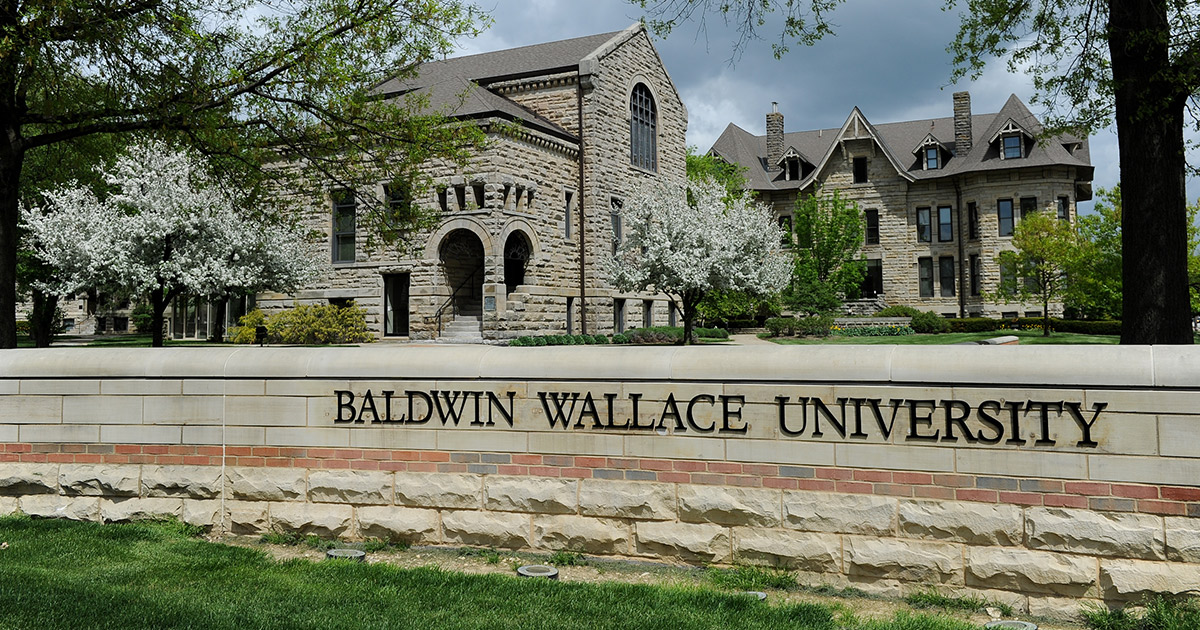
Criminal Justice Major
The Criminal Justice major at Baldwin Wallace University prepares students for diverse careers within the criminal justice system, including corrections, law enforcement, and victim advocacy. This interdisciplinary program helps you understand the psychological, sociological, and political factors influencing criminal behavior and key issues in the justice system. The curriculum includes coursework in criminal justice, psychology, political science, and sociology, providing a comprehensive foundation for both immediate employment and advanced studies. Students will develop critical thinking and problem-solving skills, gaining practical insights applicable to real-world situations. The program emphasizes experiential learning through internships, professional mentoring, and co-curricular activities like the Criminal Justice/Sociology/Forensic Science Club. Located just 20 minutes from Cleveland, students have excellent access to networking and internship opportunities with various criminal justice agencies. The program has a strong track record of connecting students with employment opportunities at local, state, and federal agencies. Faculty maintain an extensive alumni network to support current students in their career development. This major is also a popular choice for students planning to attend law school, particularly those interested in becoming prosecutors or criminal defense attorneys.

Criminal Justice, Bachelor of Arts
This Bachelor of Arts in Criminal Justice program provides a comprehensive understanding of the criminal justice system at local, state, and federal levels. It is designed to equip students with the knowledge and critical thinking skills necessary for diverse careers in law enforcement, corrections, and the court system. The program emphasizes a hands-on, student-centric approach, preparing graduates for entry-level positions and further advancement.
Criminal Justice, Bachelor of Science
The Bachelor of Science in Criminal Justice program at Stevenson University challenges students to explore the fundamental societal issues of crime and justice, both domestically and globally. The curriculum is designed to improve the quality of justice through education, research, and public service. Faculty are experts in their fields and bring real-world experience into the classroom. The program aims to equip graduates with the analytical skills, ethical understanding, and practical knowledge needed for careers in various justice-related fields. An accelerated Bachelor's to Master's option is also available for students looking to further their education.

Criminal Justice, BS
California Baptist University's Bachelor of Science in Criminal Justice program integrates a biblical worldview with a strong emphasis on ethics and integrity within the criminal justice system. The program offers both theoretical knowledge and practical experience, preparing students for diverse roles in law enforcement, corrections, and related fields. Students will explore historical and global trends, engage in mock crime scene investigations, and learn from faculty with extensive real-world and academic expertise.

Criminal Justice, MACJ

Criminal Justice, MS with Administration Emphasis
Lindenwood University offers a Master of Science (MS) in Criminal Justice with an Administration Emphasis, designed for professionals seeking to advance into leadership roles within law enforcement, corrections, and other justice-related organizations. This program integrates criminal law and theory with practical leadership development, crisis management, and organizational change strategies. The Administration Emphasis specifically focuses on police administration, corrections administration, and crisis management, equipping students with competencies in budgeting, personnel management, policy development, and ethical decision-making essential for leading public safety agencies. The curriculum is structured to develop critical competencies in leadership theory, policy analysis, research and data-driven decision making, crisis management, and ethical leadership. Faculty include experienced law enforcement executives, criminologists, and legal scholars who bring real-world administrative experience into the classroom, helping students translate theory into practical leadership strategies. The program emphasizes experiential learning through case studies, policy proposal development, and a capstone project addressing authentic leadership challenges. This master's degree is available in on-campus, online, and blended formats, offering flexibility for working professionals. The program can be completed in 18-24 months for full-time students. Graduates are prepared for supervisory, administrative, and executive positions across the justice system.
Criminal Justice, MS with Administration Emphasis

Criminology
The Bachelor of Science in Criminology program at Lander University equips students with the knowledge and skills for careers in various fields related to law, law enforcement, government, and social services. The program emphasizes critical thinking, enabling students to analyze security issues from multiple perspectives within local, state, national, and international contexts. Graduates are prepared for roles in policing, corrections, homeland security, government service, and social service agencies that focus on prevention programs for at-risk youth or working with individuals exhibiting criminal behaviors. The curriculum aims to develop analytical abilities and a comprehensive understanding of the criminal justice system and its societal impact.
Criminology and Criminal Justice, BA
The Criminology and Criminal Justice Bachelor of Arts (BA) program at Lindenwood University provides a comprehensive understanding of criminal behavior, crime patterns, and the workings of law enforcement and judicial systems. This program is designed to be flexible, allowing students to tailor their education to specific interests within the field. Graduates are prepared for a wide range of careers in local and federal law enforcement, corrections, social services, and legal fields, or to pursue further graduate studies.

Criminology and Criminal Justice, MS
The Master of Science in Criminology and Criminal Justice at Arizona State University is a research-focused program designed to provide students with advanced theoretical and empirical knowledge of crime and the criminal justice system. You will develop sophisticated research skills, along with training in program planning, management, policy analysis, and statistical analysis. This highly-ranked program is ideal for individuals looking to develop specialized skills beyond traditional criminal justice studies. You will learn from experienced faculty, preparing you for a career where you can make a significant impact on people's lives and contribute to public service and community solutions. The program is offered at ASU's Downtown Phoenix campus.

Ethics and the Law on the Electronic Frontier
This course explores the ethical considerations and legal frameworks surrounding the development and use of electronic technologies. It delves into topics such as cryptography, privacy, and the balance between security and individual liberties in the digital age. The course examines historical debates and policy developments, providing a foundation for understanding the ongoing challenges in regulating and governing the internet and electronic communications.

Federal Indian Law
This course provides a foundational understanding of federal Indian law within the United States legal system. It focuses on the legal authority and sovereignty retained by Native American nations, rather than the substantive content of tribal law itself. The course begins by examining current legal questions and the present state of federal Indian law, often starting with recent Supreme Court decisions. It then uses historical legal precedents, including the Marshall Trilogy and the insular cases, to trace the evolution of doctrines from the present back to their origins. This approach highlights both the positive and negative aspects of the legal interactions between European colonizers and Native American peoples. The historical context is crucial for understanding why federal Indian law is unique within domestic jurisprudence, and how it has been shaped by colonialism, extra-legality, and international legal norms. Successful completion of discussion questions is required to be eligible for the final examination or paper submission.
Florida Law Enforcement Officer Academy
This program prepares individuals for a career as a law enforcement officer, equipping them with the skills and knowledge to enforce laws, respond to calls, and protect communities. The curriculum is designed by the Florida Department of Law Enforcement and the Criminal Justice Standards and Training Commission, ensuring graduates are eligible to take the state law enforcement officer exam. SJR State's program boasts experienced faculty, including retired law enforcement command staff and military veterans, and a strong track record of graduate success, with academy graduates consistently surpassing the state certification exam average. Graduates often find employment with agencies in Northeast Florida, including partnerships with local Sheriff's Offices and Police Departments. The academy utilizes state-of-the-art simulators, forensics labs, and equipment for hands-on training, providing students with a competitive edge. Special admission requirements are in place, and applicants are encouraged to apply early due to limited availability.
Forensic Criminal Justice
The Forensic Criminal Justice program offers a concentration focused on the application of scientific principles to the criminal justice system. You will explore specialized areas such as forensic toxicology, DNA analysis, fingerprint examination, and crime scene investigation. This program equips you with the critical thinking and practical skills needed for careers in forensic science, whether in a laboratory setting or directly at crime scenes. The curriculum emphasizes understanding the components of criminal justice, legal limitations, theoretical frameworks, and adapting to evolving societal needs.
Forensic Science - Forensic Investigations
The University of Central Oklahoma offers a Bachelor of Science in Forensic Investigations, designed to prepare students for careers in a high-demand field. This program appeals to individuals with a curious and persistent nature, who are driven to uncover the truth and understand complex situations. Graduates are equipped with the knowledge and skills necessary for various roles within the forensic science and criminal justice sectors.
Government, Criminology & Sociology
Explore how human actions and public policies shape the world in the Department of Government, Criminology and Sociology at Lander University. This program offers opportunities to understand policy, society, and human behavior through diverse courses and experiential learning. You will develop critical thinking, adaptability, and professionalism, preparing you for a wide range of career paths. Our dedicated faculty are committed to guiding you through your academic journey and helping you navigate your future career.

Human Rights
The Human Rights program at UC Berkeley Law is designed for students passionate about global justice, social equity, and protecting individual freedoms. Known for its strong commitment to advocacy, the curriculum provides a deep understanding of legal frameworks that uphold human dignity. Students gain practical experience through clinical programs, field placements, and hands-on advocacy opportunities, preparing them to become leaders dedicated to advancing justice globally.
Individualized Studies
The Individualized Studies Program at Columbia College is designed for students who have a specific career goal that isn't directly met by existing majors. This program empowers you to create your own unique course of study by combining two or more academic disciplines. You will develop a detailed proposal outlining how your chosen combination of subjects will help you achieve your professional objectives, demonstrating creativity and initiative that is highly valued by employers.

Introduction to Employee Benefits Law
The School of Government at UNC-Chapel Hill offers an 'Introduction to Employee Benefits Law' course designed for public officials. This course aims to provide a foundational understanding of the legal principles governing employee benefits within the context of public service. It covers essential topics relevant to managing employee benefits effectively and compliantly.

Juris Doctor (J.D.)
The University of California Davis School of Law offers a three-year Juris Doctor (J.D.) program designed to provide a comprehensive modern legal education. Taught by distinguished faculty, the curriculum includes traditional law courses, practical experience through clinics, and opportunities for in-depth study in specialized areas. The program emphasizes critical evaluation of law and legal institutions, integrating non-legal disciplines into legal education. Professional skills training in areas like interviewing, negotiation, and trial practice are also integral to the curriculum. The J.D. program is a full-time, on-campus experience requiring six semesters (three years) for completion. New students are admitted only at the start of the fall semester. Graduates receive the Juris Doctor degree after completing 88 semester units and fulfilling all program requirements.

Juris Doctor (JD)
The University of La Verne's Juris Doctor (JD) program prepares students to become attorneys who make a difference in their communities. With over 50 years of experience, the program offers a practice-driven curriculum, integrated bar preparation, and a commitment to promoting access to legal services and justice. The school is approved and accredited by the State Bar of California and is known for its affordability and high bar pass rates, ranking first among California Accredited Law Schools for first-time exam takers in July 2023. The program emphasizes crucial lawyering skills like critical reading, analysis, and case presentation within an interactive and supportive learning environment.
Juris Doctor (JD)
The Juris Doctor (JD) program at USC Gould School of Law provides a comprehensive legal education designed to equip students with the foundational knowledge and practical skills necessary for a successful career in law. The curriculum is structured across three years, beginning with a rigorous first year focused on core legal principles and developing essential lawyering abilities. The subsequent years offer extensive flexibility, allowing students to explore over 200 elective courses in various legal specializations. This flexible approach enables students to tailor their studies to their specific interests and career aspirations. The program emphasizes both theoretical understanding and practical application, ensuring graduates are well-prepared for the demands of legal practice, including bar examinations.

Juris Doctor (JD)
The Juris Doctor (JD) program at Western New England University School of Law is designed to equip you with the analytical, research, writing, and advocacy skills necessary for a successful legal career. The curriculum provides a strong foundation in essential legal principles, allowing you to develop a methodology for analyzing legal and social issues. Through a combination of required courses and elective options, you can tailor your studies to align with your professional aspirations, with opportunities for specialization through optional concentrations. The program emphasizes practical application through clinics, externships, moot court, and other experiential learning opportunities, preparing graduates to make a significant impact in the legal profession and society.

Law and Society
This course examines the complex relationship between law and society. It explores how law operates in different societal contexts, from pre-industrial to industrialized settings, and how social relations are increasingly shaped by legal frameworks. You will investigate individuals' experiences within legal processes, understand lay perceptions of justice, and analyze social movements advocating for equal justice. The roles of legal professionals like lawyers and judges, as well as the social consequences of court decisions, will also be a key focus.

Law Enforcement Officer Basic Certificate
This certificate program is designed to provide individuals with the foundational training required to begin a career in law enforcement. It covers essential skills and knowledge needed for police and detective work. The program also serves as a prerequisite for taking the Florida State Officer Certification Exam (SOCE). Graduates will be prepared for roles focused on protecting lives and property.

Law Programs at the University of Miami School of Law
The University of Miami School of Law offers several graduate-level programs for international students, including the Master of Laws (LLM) and Doctor of Juridical Science (SJD). These programs are designed for those who have already earned a law degree and wish to deepen their legal expertise or specialize in a particular area of law. The school is located in Coral Gables, Florida, providing a vibrant academic and cultural environment. Admissions are handled by a dedicated team of advisors who can assist prospective students throughout the application process. The school emphasizes its commitment to providing a comprehensive legal education, leveraging its diverse faculty and resources. Information on specific program details, events, and application procedures can be obtained by contacting the admissions office directly or by exploring the featured links for each program.
Legal Studies, Bachelor of Science
Stevenson University's Bachelor of Science in Legal Studies program is designed to prepare students for a variety of careers in the legal field. This program is suitable for those who wish to pursue law school, work as a paralegal, or enter other law-related professions. The curriculum includes core legal courses, similar to those offered in law school, providing a strong foundation. Students benefit from small class sizes, enabling personalized mentoring from faculty who are experienced attorneys or judges. The program emphasizes developing essential skills such as legal research, writing, communication, and ethical practice. Practical experience is gained through internships starting in the sophomore year and the opportunity to join the nationally recognized mock trial team.

LL.M. in Law
The Penn State Dickinson Law LL.M. program is designed for both U.S. and international legal professionals aiming to enhance their legal expertise and gain a competitive edge. This intensive one-year program offers flexibility, allowing students to choose from a wide range of courses and specialize in various legal fields. It is ideal for ambitious individuals committed to advancing legal scholarship and practice for the future.
LL.M. Program
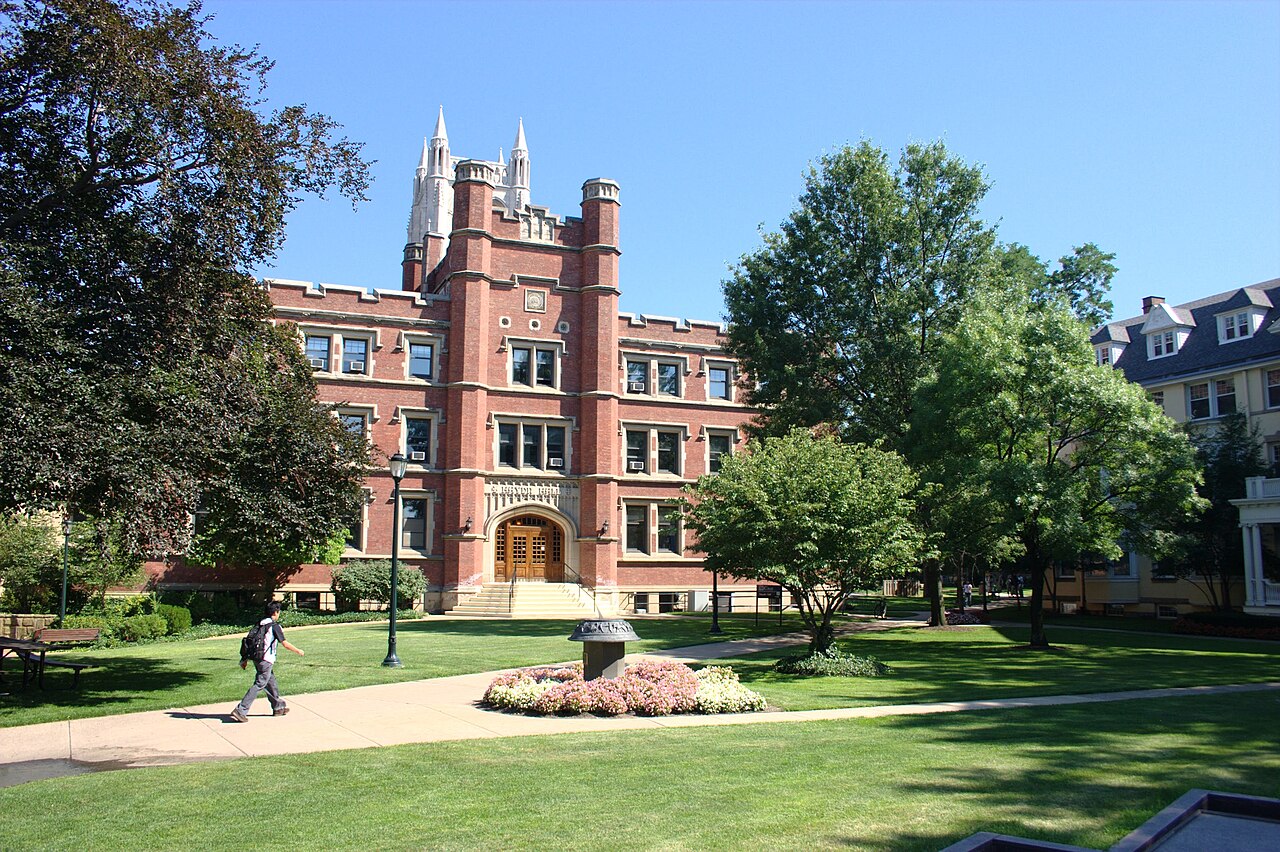
LLM Programs for Internationally Educated Students
Case Western Reserve University School of Law offers a highly regarded LLM program designed specifically for students who have completed their legal education outside the United States. Ranked among the top LLM degrees in the U.S. by International Jurist, this program provides a strong foundation for advancing your career in law, business, or government service. It also offers comprehensive preparation for the U.S. Bar Exam. Students can choose from four distinct LLM specializations, along with an optional Summer Language and Law Institute to enhance English legal proficiency before starting their degree. The program is tailored to equip international students with the knowledge and skills necessary to navigate the complexities of the U.S. legal system and thrive in a global legal environment.
Master of Arts in Crime and Intelligence Analysis
The University of Central Oklahoma offers a Master of Arts in Crime and Intelligence Analysis designed for graduate students seeking advanced knowledge in understanding and combating crime. This program equips students with analytical skills crucial for law enforcement, government agencies, and private security sectors. Graduates will be prepared to interpret complex data, identify crime patterns, and contribute to effective intelligence gathering and dissemination strategies. The curriculum focuses on developing a strong theoretical foundation combined with practical application, preparing students for impactful roles in crime prevention and analysis.
Master of Arts in Criminal Justice
The Master of Arts in Criminal Justice (MACJ) program at Keiser University provides a comprehensive understanding of the multifaceted criminal justice system. It covers law enforcement, court systems, and correctional facilities, focusing on accountability, victim support, and protecting the innocent. The program is designed for individuals seeking to advance their careers in fields such as law enforcement, public service, or administration within the justice system. Keiser University emphasizes a "Students First" philosophy, offering both on-campus and online learning formats to accommodate diverse student needs.
Master of Law
The Master of Law (ML) program at Case Western Reserve University School of Law is a flexible 30-credit-hour degree designed for individuals seeking U.S. legal training without pursuing a full Juris Doctor (JD) degree or aiming to become a practicing attorney. It is suitable for U.S. or foreign-trained undergraduate or graduate students who do not hold an initial law degree. This program is ideal for those interested in working in law-related fields, needing legal training as part of a dual graduate degree, or wishing to strengthen their credentials before applying to JD programs. There is no entry exam required for admission to the ML program, and graduates do not take the Bar Exam.
Master of Laws (LL.M.)
The University of California, Davis School of Law offers a Master of Laws (LL.M.) program designed for internationally trained lawyers. This program allows students to deepen their understanding of the U.S. legal system and enhance their legal skills. The curriculum is structured to provide a comprehensive overview of American law, with specific courses tailored to the needs of international legal professionals. The LL.M. program at UC Davis Law is an opportunity to immerse yourself in a rigorous academic environment, engage with leading legal scholars, and gain valuable insights into legal practice in the United States. The program aims to equip graduates with advanced legal knowledge and analytical abilities, preparing them for diverse career paths in law.
Master of Laws in Alternative Dispute Resolution (LLM in ADR)
The Master of Laws (LLM) in Alternative Dispute Resolution (ADR) program at USC Gould School of Law provides specialized training for legal professionals seeking to excel in mediation, arbitration, and other dispute resolution processes. This program is designed to equip graduates with the skills needed to advance within their current organizations or to establish careers as mediators or arbitrators. The curriculum focuses on developing widely applicable skills such as communication, problem-solving, management, and team-building, which are increasingly valued across various industries.

Master of Legal Studies in Intellectual Property (MLG-INPR)
The Master of Legal Studies in Intellectual Property (MLG-INPR) program at Texas A&M University School of Law offers specialized study in intellectual property law. This program is designed for professionals and graduate students from various fields such as engineering, business development, public policy, and entrepreneurship who seek to gain legal knowledge and skills to advance their careers. The MLG-INPR is a non-thesis master's degree that can be pursued on a full-time or part-time basis. Most courses are delivered through asynchronous or synchronous distance learning technology, providing flexibility for students. Additionally, students have the option to attend some in-person IP courses at the School of Law in Fort Worth. This program is ideal for non-lawyer professionals, government officials, industry executives, technology developers, and journalists who would benefit from a deeper understanding of intellectual property law and policy. It also supports graduate students in related disciplines seeking advanced knowledge for academic research or career progression.
Master of Science in Criminal Justice
Lasell University's Master of Science in Criminal Justice program is designed for professionals seeking to advance their careers in this essential field. The fully online program equips students with the necessary skills, knowledge, and practical experience for roles in law enforcement, corrections, security, and more. It is taught by experienced faculty with diverse backgrounds in policing, law, corrections, and security, offering valuable real-world insights. The curriculum is structured to foster critical thinking, quantitative reasoning, communication, and investigative skills, with an emphasis on the effective use of technology and an understanding of diversity and cultural issues. Students can choose from several specializations, including Cybercrime & Cyber Criminology, Emergency and Crisis Management, Homeland Security and Global Justice, Violence Prevention and Advocacy, or a Self-Designed Option. The program adheres to standards set by the Academy of Criminal Justice Sciences (ACJS) and is Quinn Bill certified in Massachusetts, which may provide salary incentives for eligible law enforcement officers.

Master of Science in Criminal Justice
Xavier University offers a 100% online Master of Science in Criminal Justice (MS) program designed to advance your career or help you start a new path. This program equips you with the skills needed for leadership roles in law enforcement, corrections, courts, non-profit organizations, and security, or to pursue further doctoral studies or law school. It combines rigorous academic theory with practical application in a flexible format ideal for working professionals. The curriculum is designed for completion in as little as one year when studied full-time. Students benefit from learning within a framework of Jesuit values, emphasizing social justice, ethical leadership, and service. The online, asynchronous format allows for study on your own schedule, from anywhere, and features small virtual classes with personalized attention from experienced faculty and practitioners.
Master of Science in Criminal Justice
Master of Science in Criminal Justice - Violence Prevention & Advocacy
The Master of Science in Criminal Justice with a concentration in Violence Prevention and Advocacy equips students to address abuse and violence through strategic initiatives and community programming. This program focuses on engaging with local, state, and national policies related to combating violence, identifying and prosecuting perpetrators, and supporting survivors. You will analyze patterns of violence using statistical methods for prevention, while also considering issues of class, race, and gender, and understanding the ethics of confidentiality, legal work, and legislative advocacy. This program offers a flexible and convenient 100% online learning experience with 8 or 16-week modules. It requires 36 credits, including 21 core credits, 9 concentration-specific credits, 6 elective credits, and a capstone project. Lasell University's faculty, who have extensive industry experience, will help you develop essential communication and management skills to advocate for victims and aid their recovery. Graduates are prepared to work in various settings such as schools, healthcare institutions, and police departments, making a significant impact on individual lives and communities.
Master of Science in Forensic Investigation Online
The online Master of Science in Forensic Investigation program at Stevenson University is designed for working professionals seeking to enhance their skills in conducting interviews, collecting physical evidence, and presenting findings. This program is delivered entirely online, offering flexibility for students to balance their studies with other commitments. Graduates are prepared to effectively communicate complex analysis and conclusions in reports and court testimony.

Master of Science in Law (MSL)
The Master of Science in Law (MSL) program is designed for professionals seeking to understand the intersection of law, business, policy, and technology. The curriculum integrates core legal principles with practical business and STEM knowledge, preparing graduates to navigate complex regulatory environments. The program offers a flexible structure with foundational core courses and a wide range of elective options, allowing students to tailor their studies to their specific career goals. Classes are delivered in various formats, including regular seven-week sessions, compressed weekend sessions, and intensive 'Power Week' courses, facilitating deep learning and interaction.
Frequently asked questions
How many Law & Legal Studies programmes are available in the United States?
+
There are 103 Law & Legal Studies programmes across 49 US universities, spanning undergraduate pre-law tracks, JD professional degrees, LLM programmes, and doctoral research degrees.
How much does Law & Legal Studies cost in the United States?
+
Tuition ranges from free (for some scholarship-supported or publicly funded options) up to roughly €31,000 per year, with most JD and LLM programmes priced in the mid-to-upper range.
Which universities offer Law & Legal Studies programmes in the United States?
+
Providers include Northwestern University, Washington University in St. Louis, the University of Southern California, Pennsylvania State University, and Lindenwood University, among 49 institutions.
Can international students study Law in the United States?
+
Yes. The LLM degree is specifically structured for international law graduates; JD admission is open to international students, though it requires a completed undergraduate degree and the LSAT.
What are the typical entry requirements for US law programmes?
+
LLM programmes require a foreign law degree; JD programmes require an undergraduate degree and LSAT scores; all programmes for international students require English-language proficiency evidence.