Bachelor's in Medicine & Health Sciences in United States
Prospective health professionals will find 38 Bachelor's programmes in Medicine & Health Sciences at 26 universities across the United States. The field spans pre-medicine, public health, nursing, and allied health disciplines. Northeastern University, Washington State University, the University of Kansas, and California Baptist University are among the universities represented, reflecting both large research-intensive institutions and smaller regional colleges.
Tuition fees vary considerably between institutions and depend on residency status; applicants should check each university's current schedule. Entry requirements typically include a strong secondary-school record in sciences, English language proficiency for international students, and in some cases prerequisite coursework in biology or chemistry. Applications are generally submitted through the Common Application or individual university portals.

Accelerated BS/DO Program
Florida Polytechnic University and the Orlando College of Osteopathic Medicine (OCOM) offer a unique 6-Year BS/DO program, providing a fast-track route to becoming a physician. This program is designed for high-achieving students who want to combine rigorous undergraduate STEM education with professional medical training. The initiative aims to address physician shortages and offer a more financially sustainable path to a medical degree. Students will spend their first two years at Florida Poly completing foundational science and math coursework. Following this, they will transition to OCOM for four years of intensive study in osteopathic medicine, a distinct branch of medical practice emphasizing a holistic, whole-person approach to healthcare. This accelerated pathway allows graduates to earn both their Bachelor of Science and Doctor of Osteopathic Medicine (DO) degrees in a significantly shorter timeframe than traditional routes, reducing overall educational costs by eliminating two years of tuition and living expenses.

Applied Health Sciences
The Applied Health Sciences major is designed for students interested in health-related fields. This program requires specific course sequences in various academic areas, including written composition, literature, arts, philosophy, mathematics, biological and physical sciences, history, and psychology. Students will also complete a set of specialized courses in Area V focused on health sciences, microcomputer applications, and statistics. The degree is available exclusively at the Troy and Dothan campuses.
Applied Health Sciences Program

Associate in Science in Radiography
Radiographers are essential healthcare professionals who use advanced imaging technology to help diagnose injuries and diseases. They operate equipment to create diagnostic images of bones, tissues, and organs, carefully controlling radiation exposure to minimize patient risk. Their responsibilities also include maintaining patient records, monitoring equipment, assisting with procedures like fluoroscopy and contrast studies, and performing imaging for trauma patients and in operating room settings. This Associate in Science program trains students to become skilled radiographers. The program has a limited number of seats available each year, requiring a specific application process and adherence to deadlines. Graduates are eligible to apply for state licensure and national certification exams.

Associate of Science in Health Science (AHS)
Gain the latest knowledge and skills to give you a competitive advantage in the rapidly growing field of health science. This online Associate of Science in Health Science (AHS) degree is a perfect introduction to the fast-paced world of healthcare and provides the groundwork for a future bachelor’s degree. You will explore a wide range of health-focused topics, from disease prevention, psychology, global health, public healthcare, biology to general health and wellness. This degree is ideal for working professionals seeking a strong foundation in health science or those aiming to pursue advanced studies in the future.
Associate of Science in Radiologic Technology
The Associate of Science in Radiologic Technology program provides comprehensive academic and clinical training to prepare students for administering ionizing radiation in medical imaging. This program focuses on developing the necessary skills to become a qualified radiology technician and prepare for licensing exams. Students will gain hands-on experience in modern imaging labs and undertake clinical rotations in diverse healthcare settings, including trauma, pediatrics, and surgery.

Bachelor of Science (BS) in Healthcare Administration
The Bachelor of Science (BS) in Healthcare Administration at California Baptist University equips you with the business management and healthcare system knowledge to become a leader in the healthcare industry. This program prepares you to manage and lead in various healthcare settings, from hospitals to nursing homes, by developing your analytical and management skills. You will learn to ensure patient care quality and operational efficiency within healthcare organizations. The curriculum is designed to align with guidelines from the American College of Healthcare Executives (ACHE) and the Association of University Programs in Health Administration (AUPHA). It includes essential topics such as healthcare ethics, finance, strategic planning, and information technology. A key component of the program is a senior-year internship, providing practical experience under the guidance of experienced healthcare leaders. The program also emphasizes hands-on learning through field experiences and offers opportunities for international service projects.
Bachelor of Science (BS) in Public Health Science & Bachelor of Arts (BA) in Community and Global Public Health
The University of Michigan School of Public Health offers undergraduate bachelor's degrees designed to prepare students to address critical global health challenges. Students can choose between a Bachelor of Science (BS) in Public Health Science or a Bachelor of Arts (BA) in Community and Global Public Health. These programs foster a diverse community passionate about creating a healthier, more equitable world, with opportunities to learn from supportive faculty, engage in innovative research, and gain hands-on experience. An undergraduate degree in public health equips graduates for fulfilling careers in various sectors, including medicine, nursing, health education, policy, and research. The curriculum is designed to provide a strong foundation for immediate impact or further academic pursuits. The school also offers dual degree opportunities with the College of Literature, Science, and the Arts (LSA) and welcomes both current University of Michigan students and external transfer applicants.
Bachelor of Science in Biomedical Sciences
The Bachelor of Science in Biomedical Sciences is an interdisciplinary program that blends biology, chemistry, and engineering to prepare students for a variety of careers in medicine, research, and healthcare innovation. The program provides a strong foundation for students interested in medical school, with opportunities for immersive lab experiences and advanced coursework. Students can also pursue specialized certificates and a direct pathway to osteopathic medicine. Florida Polytechnic University's Biomedical Sciences program focuses on preparing students through hands-on learning, cutting-edge coursework, and practical application. The curriculum emphasizes scientific inquiry, critical thinking, and communication skills, preparing graduates to tackle complex challenges in the healthcare field. The program also offers a unique BS/DO pathway in partnership with the Orlando College of Osteopathic Medicine (OCOM).

Bachelor of Science in Health Science
The Bachelor of Science in Health Science program prepares you to become a healthcare advocate, understanding the multifaceted factors influencing public health. You will gain knowledge in examining cultural, sociopolitical, psychological, legal, ethical, and economic aspects that impact wellness and health. Graduates are equipped to work in diverse healthcare settings, including hospitals, research labs, private medical offices, public health organizations, insurance companies, and government agencies.
Bachelor of Science in Health Science (BHS) Online
The Bachelor of Science in Health Science (BHS) is an online degree program designed to equip you with essential knowledge and skills for a career in the rapidly growing healthcare field. You will gain insights into the social and biological factors influencing health, learn to analyze health problems and propose solutions, develop teamwork and leadership abilities, and explore ethical considerations within healthcare policy and law. This program provides a strong foundation for advancing your current career or pursuing further graduate studies in health-related fields.

Bachelor of Science in Healthcare Administration
Bachelor of Science in Healthcare Administration
The Bachelor of Science in Healthcare Administration program provides a foundational understanding of the healthcare industry and equips students with the skills needed for entry-level administrative roles. Key areas covered include healthcare finance, management, information systems, community health, research, and long-term care administration. The curriculum emphasizes evidence-based decision-making, adherence to legal and ethical standards, and an understanding of healthcare economic and financial dynamics. Students will explore topics such as managed care, public health, healthcare delivery systems, and sector-specific marketing strategies. This program aims to develop critical thinking, communication, and organizational skills essential for addressing challenges in various healthcare settings. Through ECPI's accelerated, year-round schedule, students can complete this degree in as little as 2.5 years.

Bachelor of Science in Healthcare Administration Online
The Bachelor of Science in Healthcare Administration is a 100% online program designed for working adults seeking to advance into leadership roles within various healthcare settings such as hospitals, clinics, and long-term care facilities. The curriculum focuses on developing practical expertise in managing healthcare operations, balancing patient-centered care with operational efficiency. Students will build a strong foundation in healthcare finance, policy, and administrative practices, guided by experienced faculty. The program offers accelerated 7-week courses and multiple start dates, allowing for flexible completion. Up to 90 credits can be transferred, which can reduce the overall cost and time to degree completion. Graduates will be prepared to manage core healthcare operations, apply leadership principles, utilize healthcare data for decision-making, develop budgets, and communicate effectively with diverse stakeholders.

Biomedical Science Program
The Biomedical Science program at Maryville University offers an interdisciplinary approach, combining the fields of biology and medicine. This program is designed to prepare students for careers in healthcare, the natural sciences, or for advanced study. You will delve into core biology subjects alongside specialized topics like human anatomy, immunology, and molecular genetics. The curriculum aims to equip you with the knowledge and skills to pursue a fulfilling career and make a meaningful impact in the world of health sciences.

Biomedical Sciences, Bachelor of Science
The Biomedical Sciences program at the University of Central Oklahoma offers a Bachelor of Science degree focused on understanding the complexities of the human body. This program delves into the mechanisms of diseases, explores therapeutic approaches, and investigates the development of new treatments. It provides a strong foundation for students interested in pursuing careers in healthcare and scientific research.
BS in Healthcare Administration
The Bachelor of Science (BS) in Healthcare Administration program equips students with the knowledge and skills necessary to manage healthcare services and facilities effectively. This program focuses on the administrative aspects of healthcare, preparing graduates for leadership roles in various healthcare settings.
Culinary Nutrition Associate of Applied Science
The hospitality industry is evolving, with consumers increasingly prioritizing nutrition in their food choices. This program prepares you for exciting careers where you can blend culinary skills with an understanding of nutrition. You'll learn to create delicious meals that also meet health and dietary needs, catering to demand in restaurants, healthcare facilities, schools, and more. Gain fundamental culinary expertise alongside the scientific knowledge of nutrition and dietary management.
Health Professions Program
The University of Central Oklahoma's Health Professions program, within the College of Mathematics and Science, is designed to guide students interested in pursuing careers in medicine, dentistry, veterinary medicine, pharmacy, allied health, public health, and other medical fields (excluding nursing). This program advises on course selection and curriculum planning to ensure students complete a baccalaureate degree at UCO and are well-prepared for admission to graduate health professions programs across the United States. Upon admission to UCO and meeting with an academic advisor, students can schedule an appointment with the dedicated Health Professions advisor. The program offers support in finding opportunities for job shadowing, volunteering, graduate exam preparation (MCAT, DAT, GRE), summer research, and involvement in UCO clubs. They also assist with health professions application preparation and host events like a mentorship dinner with practitioners and a career fair with admissions representatives from various health professions programs.
Health Science
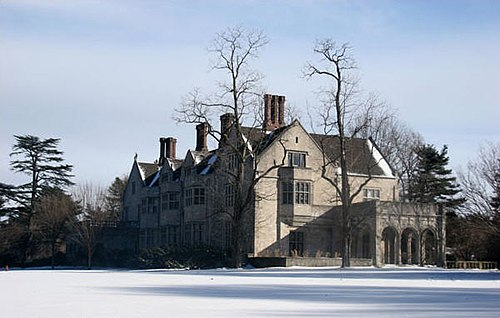
The Health Science major at Stony Brook University's School of Health Professions offers a forward-thinking curriculum designed to adapt to the dynamic healthcare landscape. The program emphasizes a holistic education, integrating essential components such as ethics, cultural humility, effective communication, critical thinking, evidence-based practice, and scholarly inquiry. Through active, collaborative, and inclusive teaching methods, students develop the knowledge, skills, and competencies necessary for either entering the healthcare workforce or pursuing advanced graduate studies. This major is structured to support three distinct groups of students: those preparing for health-related clinical graduate programs (like DPT, OTD, medical school, PA, SLP, AHI), students in a specialized five-year pathway for radiation therapy, radiologic technology, or medical dosimetry, and individuals who are currently employed in entry-level healthcare roles while seeking part-time enrollment in non-clinical health-related graduate programs.

Health Science Programs
The Health Science program at California State University Channel Islands (CSUCI) provides a strong foundation for careers in the healthcare sector or for further graduate study. The program combines academic coursework with practical, hands-on experience through service-learning and internships, allowing students to explore the diverse aspects of the healthcare field. Students will engage with core subjects in biology, chemistry, sociology, and health, alongside electives tailored to their interests. The curriculum is designed to prepare graduates for a wide range of roles in public and private health services, which are in high demand. The program culminates in a capstone experience, such as an internship with a community or public health organization, or supervised community-based research, providing valuable real-world exposure.

Health Sciences
The Health Sciences major at West Virginia Wesleyan College is designed for students interested in contributing to the healthcare field without pursuing a direct clinical care role. This program provides a broad understanding of health, healthcare systems, and wellness issues. It emphasizes experiential learning through a required four-credit internship in the final semester, where students work with community agencies. Students can choose a general Health Science track or a Health Science – Health Education Focus track.

Health Sciences Programs
Trident University's College of Health Sciences offers a range of online programs designed to prepare students for leadership and service roles in the health and human services industry. Utilizing the EdActive™ Learning Approach, these programs aim to sharpen critical thinking and equip graduates for diverse clinical and administrative settings. Programs are available at the associate, bachelor's, master's, and doctoral levels, focusing on areas such as health administration, health sciences, and homeland security.

Health Services Management
The Health Services Management A.S. degree program is designed to equip students with a background or credentials in the health field for roles in healthcare services and management. It focuses on developing essential skills in communication, leadership, human relations, management, accounting, and legal aspects, along with computer literacy. This program prepares graduates to effectively manage health services within their chosen discipline and community.

Healthcare and Human Services: Dental Hygiene BAS Program
Seattle Central College's Dental Hygiene BAS Program prepares students for dynamic roles in oral healthcare. The program emphasizes educational excellence through a blend of liberal arts and technical training, focusing on scientific knowledge, skill development, and adapting to societal changes in the field. Graduates will be equipped for the workplace and community service. Prospective students should consult the program website and the "SCC DH Application Information Packet" for detailed information on the profession, career opportunities, prerequisite courses, physical demands, and application procedures. Admission to the program is competitive, with a limited number of students accepted each year.

Human Nutrition
This course offers an introduction to the science and fundamental principles of human nutrition. It explores the major functions and sources of essential nutrients and their impact on health and disease. Topics include nutritional needs across different life stages, food choices, health behaviors, food safety, the prevention of chronic diseases, and public health nutrition issues in the United States and globally. The course emphasizes the practical application of nutrition science to current health concerns and links nutrition to relevant concepts in chemistry and physiology.
Paramedicine Associate in Applied Science Degree
This Associate in Applied Science degree program equips you with the advanced knowledge and practical skills necessary to provide pre-hospital emergency medical care. You will learn to assess patient conditions, operate critical medical equipment like cardiac monitors, interpret EKGs, and administer essential medications and treatments. The curriculum includes hands-on training with advanced simulators for procedures such as intubation and surgical cricothyrotomy. This program adheres to national standards set by NHTSA and meets the requirements approved by the Illinois Department of Public Health for Emergency Medical Technician Paramedic (EMTP) practice. Graduates are prepared for professional licensure in Illinois.

Paramedicine, BS
The Bachelor of Science in Paramedicine program at Lindenwood University prepares students to become advanced medical providers and leaders in pre-hospital care and emergency response. Graduates will be equipped to serve as vital members of Emergency Medical Services (EMS) teams, collaborating with law enforcement, fire rescue, and military personnel. The program offers a comprehensive curriculum designed to meet and exceed industry standards, with flexible learning options available through on-campus, online, and blended formats. Students can choose specialized emphases or minors to tailor their education, enhancing their marketability and leadership skills in the field.
Physical Therapist Assistant (AAS)
The Associate of Applied Science in Physical Therapist Assistant program is designed to prepare students to become competent, entry-level physical therapist assistants. The program focuses on developing lifelong learners and critical thinkers who can contribute to the field of physical therapy. Graduates will be equipped to work under the supervision of a licensed physical therapist to deliver rehabilitative care to individuals of all ages who are experiencing limitations due to illness, injury, or health conditions. This program consists of 1,725 contact hours.
Physical Therapist Assistant Associate of Applied Science
The Associate of Applied Science in Physical Therapist Assistant (PTA) program at ECPI University is designed to prepare students for supervised roles as entry-level physical therapist assistants. You will work as part of a healthcare team, assisting licensed physical therapists in helping patients improve mobility, strength, and overall function. The curriculum includes hands-on training for managing various conditions such as musculoskeletal injuries, neurological impairments, and post-surgical recovery. You will learn to utilize therapeutic exercises, modalities, and manual techniques to support patients in achieving their rehabilitation goals. The program also focuses on developing effective communication, ethical practices, and adherence to safety standards in patient care. Through ECPI's year-round accelerated schedule, you can earn your Associate's degree in as little as 18 months.
Pre-Occupational Therapy Program
Maryville University's Pre-Occupational Therapy program is designed to provide students with the foundational knowledge in psychology, science, and mathematics necessary for admission into a graduate-level occupational therapy program. Occupational therapists require a master's degree for certification in this growing healthcare field. The program emphasizes psychology, recognizing its crucial role in preparing students for the academic rigor of occupational therapy graduate studies.
Pre-Optometry Program
The Pre-Optometry program at Maryville University provides a strong academic foundation for students aspiring to become optometrists. This program is designed to fulfill the requirements for optometry school and prepare you for a career dedicated to preserving sight. You will receive guidance from a dedicated Pre-Health Professions advisor and a committee, who will offer insights into optometry school admissions, career paths, and opportunities for undergraduate research, job shadowing, and volunteer work. Maryville offers a unique 3+4 partnership program with the University of Missouri–St. Louis (UMSL) College of Optometry. This collaboration allows highly qualified students to complete their Bachelor's degree and Doctor of Optometry degree in seven years, saving a year of study and tuition compared to the traditional eight-year path. You can choose to major in Biology, Biochemistry, or other science programs, and then seamlessly transition to optometry training at UMSL.
Pre-Physician Assistant Program
The Pre-Physician Assistant program at Maryville University is designed for students from any major who are interested in pursuing a career as a Physician Assistant (PA) or a similar role in healthcare. This program ensures you will have access to the necessary courses to meet the pre-professional requirements for graduate-level PA programs. You will be guided by a dedicated Pre-Health Professions advisor and a committee that provides information on graduate schools, career paths, admission criteria, and opportunities for undergraduate research, job shadowing, and volunteer work.
Radiography, BS
California Baptist University (CBU) offers a Bachelor of Science (BS) in Radiography program designed to prepare students for careers as radiologic technologists. This program focuses on providing students with hands-on experience using advanced diagnostic imaging equipment. You will learn the principles of anatomy, physiology, pathology, radiographic imaging, and radiation safety, all within a framework that integrates faith-based learning with professional practice. The curriculum includes classroom instruction and practical experience in partnership clinics and hospitals, equipping you to care for patients professionally in various healthcare settings.
Respiratory Care BAS
The Respiratory Care BAS (Bachelor of Applied Science) program at Seattle Central College is a full-time, on-campus program designed to prepare you for a career as a respiratory therapist. This rigorous program combines classroom instruction with extensive hands-on clinical experience, equipping you to work with patients suffering from cardiopulmonary disorders as a vital member of a healthcare team. The program runs Monday through Friday and spans two academic years.

Respiratory Therapy
The Bachelor of Applied Science (BAS) in Respiratory Therapy program at Columbia Basin College is designed to equip graduates with essential knowledge and skills in cognitive, psychomotor, and affective domains for respiratory care practice. The curriculum combines rigorous academic study with practical, hands-on clinical training. Instruction takes place at the CBC Health Science Center and regional clinical facilities. Graduates will be prepared to assess, manage, and treat patients with cardiopulmonary disorders, operate specialized equipment, and provide emergency care. The program aims to develop future leaders in respiratory care by incorporating content on management, education, research, and advanced clinical practice.
Frequently asked questions
How many Bachelor's programmes in Medicine & Health Sciences exist in the United States?
+
There are 38 Bachelor's programmes in Medicine & Health Sciences available across 26 universities in the United States.
Which universities offer a Bachelor's in Medicine & Health Sciences in the United States?
+
Institutions include Northeastern University, Washington State University, the University of Kansas, and California Baptist University, among 26 universities in total.
How much does a Bachelor's in Medicine & Health Sciences cost in the United States?
+
Tuition varies by programme — check each listing directly, as costs differ between public in-state, public out-of-state, and private institutions.
Can international students apply for Bachelor's health sciences programmes in the United States?
+
Yes; international applicants generally need English proficiency (TOEFL or IELTS) and strong science results from secondary school, plus any programme-specific prerequisites.
What are typical entry requirements for a Bachelor's in Medicine & Health Sciences in the United States?
+
Most programmes require a high school diploma with science coursework, competitive GPA, English proficiency for non-native speakers, and sometimes letters of recommendation or a personal statement.