Bachelor's in Nursing in United States
The United States offers 49 Bachelor's in Nursing programmes across 29 universities, giving students a substantial choice of accredited pathways into professional nursing. Institutions such as University of North Carolina at Chapel Hill, Xavier University, California Baptist University, and Utica College are among those providing undergraduate nursing education. Tuition information varies by programme — check individual listings for current fee details.
US Bachelor of Science in Nursing (BSN) programmes typically span four years and include clinical placements alongside coursework in anatomy, pharmacology, patient care, and public health. Graduating with a BSN qualifies students to sit for the NCLEX-RN licensure examination, which is required to practise as a registered nurse throughout the United States.

Accelerated Bachelor of Science in Nursing
UMass Boston's Accelerated Bachelor of Science in Nursing (ABSN) program is designed for individuals who already hold a bachelor's degree in another field and wish to pursue a career in nursing. This intensive online program allows you to become a registered nurse with a baccalaureate degree in just 12 months. You will learn from instructors experienced in online education and engage with state-of-the-art simulation and clinical experiences. The program prepares graduates to demonstrate competence and clinical judgment in providing person-centered, culturally sensitive care, focusing on health equity. Graduates will be skilled in integrating evidence into practice, coordinating care across diverse populations and complex health systems, and promoting wellness and managing illness to enhance population health.

Accelerated Bachelor of Science in Nursing
Accelerated Bachelor of Science in Nursing
The University of Mount Saint Vincent's Accelerated Bachelor of Science in Nursing (ABSN) program in New York City is designed for individuals who already hold a non-nursing bachelor's degree and wish to pursue a career in nursing. This program offers a faster route to earning a BS in Nursing, typically completed in as few as 16 months. The curriculum combines accelerated nursing coursework with hands-on learning through skills and simulation labs. Students also gain practical experience through clinical rotations at healthcare facilities across the greater NYC area, beginning in their first semester. The program aims to equip graduates with the knowledge and skills necessary to sit for the NCLEX-RN licensure examination.
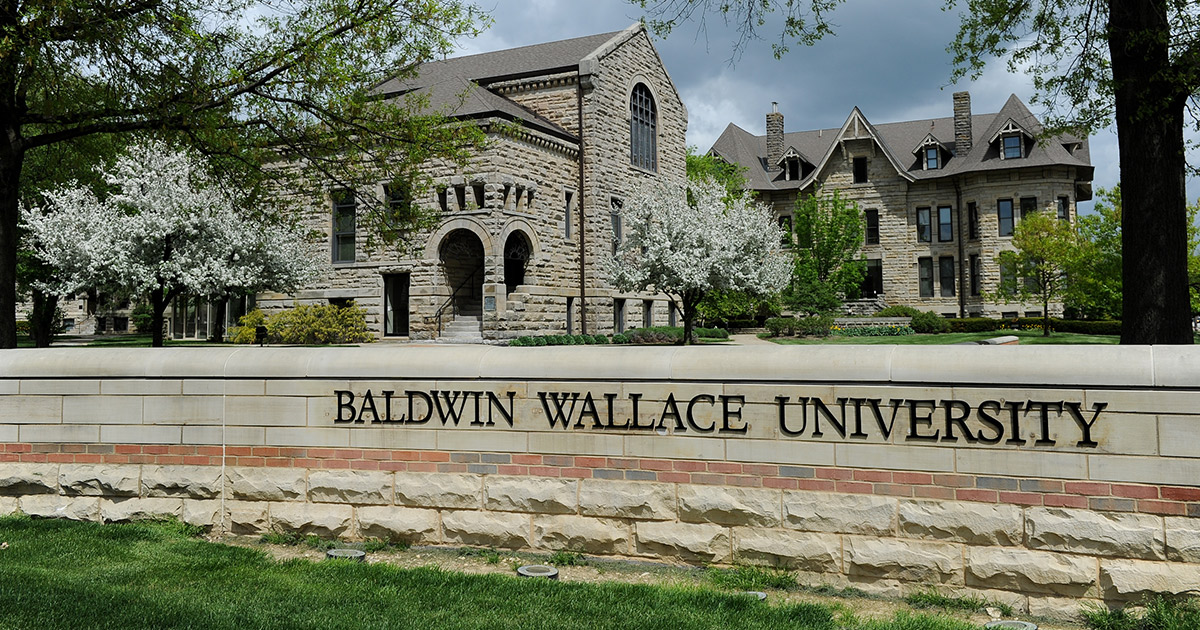
Accelerated Bachelor of Science in Nursing (ABSN)
The Accelerated Bachelor of Science in Nursing (ABSN) program at Baldwin Wallace University is designed for students who already hold a bachelor's degree in another field and wish to transition into nursing. This intensive 15-month program combines rigorous classroom instruction with extensive clinical rotations, preparing you for a fulfilling career in various healthcare settings. Graduates gain essential leadership, communication, and critical thinking skills vital for today's complex healthcare system. The program emphasizes hands-on learning through state-of-the-art facilities, including a sophisticated nursing lab with a birthing simulator and HoloLens virtual reality technology. You'll complete clinical rotations with prestigious affiliates such as Cleveland Clinic, Southwest General Health Center, and University Hospitals. The curriculum is concept-based, ensuring you develop in-demand skills and are well-prepared for the National Council Licensure Examination (NCLEX-RN) and immediate employment.

Accelerated Bachelor of Science in Nursing (ABSN)
Accelerated BSN (ABSN)
The Accelerated Bachelor of Science in Nursing (ABSN) program at Baldwin Wallace University is designed for students who already hold a bachelor's degree in another field and wish to transition into a nursing career quickly. This intensive 15-month program combines rigorous classroom instruction with comprehensive clinical rotations, preparing you with essential leadership, communication, critical thinking, and clinical skills for the modern healthcare environment. Upon completion, you will be well-prepared to sit for the National Council Licensure Examination for Registered Nurses (NCLEX-RN). Students from diverse academic and professional backgrounds are welcomed, provided they meet specific prerequisite coursework requirements. The program focuses on a compassionate, holistic, and team-based approach to patient care, taught by experienced nursing professors. This program is a full-time commitment and working during your enrollment is not recommended due to its demanding schedule.

Accelerated Online RN-to-BS in Nursing
Advance your nursing career with Stevenson University Online's accelerated RN-to-BS program. Designed for registered nurses, this fully online program allows you to earn your Bachelor of Science in Nursing in as little as 15 months, building on Stevenson's extensive experience in nursing education. The program is accredited by the Commission on Collegiate Nursing Education (CCNE), ensuring a respected and high-quality education. The flexible online format allows you to balance your studies with your professional and personal life. A unique feature of the program is the ability to complete your clinical hours on the job, minimizing disruption to your schedule. Stevenson University Online offers personalized support through expert faculty, dedicated advising, and small class sizes, ensuring you have the resources needed for success. A free transcript evaluation is provided before you apply, so you can clearly understand the path to completing your degree.

Accelerated Second-Degree Bachelor of Science in Nursing (BSN)
The Mount Sinai Phillips School of Nursing (PSON) offers an Accelerated Second-Degree BSN program for individuals who already hold a bachelor's degree in a field other than nursing. This program is designed to provide a rigorous and comprehensive nursing education, preparing students for practice within the Mount Sinai Health System and beyond. PSON emphasizes a holistic admissions process, valuing life experiences and potential contributions alongside academic achievements. The program aims to foster supportive relationships through small cohort sizes and offers an affordable education within a state-of-the-art facility.

Advanced Nursing Concepts
This course introduces students to advanced concepts in nursing practice, building upon foundational knowledge of oxygenation, perfusion, metabolism, and infection. It delves into advanced topics such as cellular regulation, intracranial regulation, and alterations in tissue integrity. By integrating nursing concepts with Tanner's clinical judgment model, students will develop advanced clinical decision-making skills applicable to high-acuity environments. Practical experience is gained through clinical rotations in step-down units, critical care units, and emergency departments.
Associate Degree in Nursing
The Associate Degree in Nursing (ADN) program at Illinois Eastern Community Colleges (IECC) prepares students for a dynamic and highly sought-after career in nursing. Recognizing the significant shortage of qualified nurses, the program focuses on equipping students with the essential knowledge, skills, and attitudes required for professional registered nursing practice. Graduates are well-prepared and in demand by employers in the field. The ADN program is available across four IECC campuses: Frontier Community College, Lincoln Trail College, Olney Central College, and Wabash Valley College, offering students the flexibility to choose a location that suits their needs while receiving a quality education close to home. The program emphasizes a hometown, family-oriented approach to learning. The IECC ADN program holds accreditation from the Accreditation Commission on Education in Nursing (ACEN) and is approved by the Illinois Department of Financial and Professional Regulation. This ensures that students receive a high standard of education. For those interested in exploring career paths or seeking more information, contacting a program advisor is recommended.
Associate Degree in Nursing (A.S. Nursing)
Sullivan University's Associate Degree in Nursing (A.S. Nursing) is designed to equip you with the knowledge and skills needed for a career in nursing. The program emphasizes comprehensive care through immersive instruction and practical, real-world application. You will learn current best practices from experienced faculty and gain hands-on training through skills labs and clinical experiences, including simulations. The curriculum focuses on core nursing components such as professional behaviors, communication, assessment, clinical decision-making, evidence-based practice, and patient care management. Graduates are eligible to sit for the National Council Licensure Examination (NCLEX-RN) to become a registered nurse. The program is offered in an accelerated format, allowing you to begin your nursing career sooner.

Associate Degree in Nursing (ADN)
The Associate Degree in Nursing (ADN) program at ECPI University is designed to prepare you to become a Registered Nurse (RN) in an accelerated timeframe of 18 months. This program focuses on equipping students with essential skills and knowledge for safe and effective patient care across various healthcare settings, with a strong emphasis on clinical reasoning. Graduates of the ADN program are prepared to sit for the National Council Licensure Examination for Registered Nurses (NCLEX-RN). The curriculum covers core nursing concepts, including nursing fundamentals, clinical skills like vital sign measurement and medication administration, health assessment techniques, and direct patient care. The program also emphasizes legal and ethical aspects of nursing practice, ensuring graduates are responsible and competent healthcare professionals. Upon completion, you will be ready to enter the nursing field and make a positive impact on patients' lives.
Associate to Bachelor’s in Nursing Option
The Associate to Bachelor’s (ATB) in Nursing Option is a dual-enrollment program designed for students currently enrolled in a partner community college nursing program. It allows you to simultaneously pursue credits towards your Bachelor of Science in Nursing (BSN) at Stevenson University. Upon completing your Associate of Science (A.S.) in Nursing at your community college, passing the NCLEX-RN licensure exam, and meeting Stevenson's requirements, you can transition to complete your BSN. A minimum of 30 credits must be completed at Stevenson University to graduate with the Bachelor of Science in Nursing degree.

B.S. in Nursing
Lander University's William Preston Turner School of Nursing offers a Bachelor of Science in Nursing (BSN) program designed to prepare students for a respected and in-demand career in healthcare. With a focus on providing direct patient care, support, and compassion, the program equips graduates with a strong foundation in nursing education. The curriculum emphasizes clinical reasoning and critical thinking skills to address the complex healthcare needs of the 21st century, aiming to develop well-rounded professional nurses committed to lifelong learning and holistic care. The program boasts a close academic and clinical education relationship with Self Regional Healthcare, utilizing advanced resources in nursing education at the Self Regional Healthcare Nursing Skills Simulation Center. Lander is committed to nursing education, with plans for a new facility dedicated to nursing training to open in 2026. Graduates consistently achieve high scores on the National Council Licensure Exam (NCLEX), leading to strong employment prospects.
Bachelor of Science in Nursing
Stevenson University offers a Bachelor of Science in Nursing (BSN) program designed to prepare students for the evolving role of nurses in healthcare. This program emphasizes ethical care, critical thinking, and a spirit of inquiry in education, practice, service, and research. A unique feature of Stevenson's BSN program is its direct admission policy; students are accepted into the nursing program upon admission to the university, allowing for early guidance and a continuous learning experience from the first semester. Small class sizes and clinical groups facilitate strong mentorship relationships with experienced faculty. Starting in the third year, students engage in clinical nursing courses at leading regional healthcare systems and local hospitals, gaining essential hands-on experience.

Bachelor of Science in Nursing
The Bachelor of Science in Nursing program at UTRGV equips students with the essential skills and knowledge needed to enhance and advance patient health across national, state, and local health communities. This program effectively blends theoretical concepts and research with practical clinical training, setting graduates on a path toward a fulfilling career in nursing. UTRGV offers various pathways within the Bachelor of Science in Nursing degree. Students can enter as first-time degree seekers through the BSN Generic program. Those who already hold a bachelor's degree can pursue a Second Degree BSN. Additionally, registered nurses with an associate's degree in nursing can advance their education through the RN to BSN program, which is delivered entirely online, providing flexibility for working professionals. Admission to the Bachelor of Science in Nursing program is competitive. The program is accredited by the Commission on Collegiate Nursing Education (CCNE).

Bachelor of Science in Nursing
The Bachelor of Science in Nursing (BSN) program at Hallmark University is designed to prepare students for a career as a registered nurse, equipping them with the knowledge and skills needed to sit for the NCLEX-RN exam. The curriculum emphasizes practical application, critical thinking, and problem-based learning through simulation labs and hybrid learning modalities. The program aims to develop graduates who can practice within legal, ethical, and professional standards, providing direct or coordinated care for patients in various healthcare settings. Hallmark University is accredited by the Accrediting Commission of Career Schools and Colleges (ACCSC), and this nursing program is a candidate for accreditation by the Accreditation Commission for Education in Nursing (ACEN) effective March 12, 2025.
Bachelor of Science in Nursing
Xavier University's Bachelor of Science in Nursing (BSN) program provides a comprehensive four-year education focused on developing exceptional nurses. The program integrates a strong science-based foundation with essential clinical competencies, emphasizing experiential learning and hands-on practicums. Rooted in Jesuit values, the curriculum encourages a holistic approach to patient care, integrity, compassion, and community service.

Bachelor of Science in Nursing
The Bachelor of Science in Nursing (BSN) program at California State University Channel Islands (CSUCI) offers an innovative and interdisciplinary education for students passionate about health and caring for individuals, families, and communities. The program emphasizes applying theory to real-world practice, fostering teamwork, and developing critical decision-making skills. Through hands-on learning in a state-of-the-art Simulation Lab, students gain confidence and preparedness for the challenges of a nursing career. The lab features advanced mannequins and simulators that mimic human patients, allowing for practice in various medical procedures and scenarios. Graduates are equipped for a wide range of professional nursing roles in diverse healthcare settings.
Bachelor of Science in Nursing (BSN)
Bachelor of Science in Nursing (BSN)
The Bachelor of Science in Nursing (BSN) program at The University of Texas Rio Grande Valley (UTRGV) is designed to equip graduates with a high level of competency for entry-level nursing positions in diverse healthcare environments. The program emphasizes professional excellence, encouraging intellectual achievement and the development of advanced nursing skills. It prepares students to meet the evolving needs of a multicultural and multilingual society, particularly within the Rio Grande Valley region. UTRGV offers three pathways to a BSN: a generic BSN for those new to nursing, a Second Degree BSN for individuals holding a non-nursing bachelor's degree, and an RN to BSN program for Associate Degree in Nursing (ADN) holders. The generic BSN program focuses on integrating theoretical knowledge, research, and leadership into professional nursing practice for individuals, families, and communities, serving as a strong foundation for further graduate studies. Graduates are eligible to apply for licensure as a Registered Nurse in Texas after passing the NCLEX-RN exam.

Bachelor of Science in Nursing (BSN)
The Washington State University (WSU) College of Nursing offers accredited Bachelor of Science in Nursing (BSN) programs designed to educate and train future healthcare professionals. With a commitment to integrity, caring, and social justice, WSU aims to transform healthcare through its educational programs, research, and community engagement. The college has campuses in Spokane, Tri-Cities, and Vancouver, allowing it to serve diverse community needs. WSU seeks applicants who are motivated to make a positive impact in the nursing field and are looking to contribute to an innovative nursing community.
Bachelor of Science in Nursing (BSN)
The Bachelor of Science in Nursing (BSN) program at ECPI University is designed for individuals passionate about a career in nursing who also desire the advancement opportunities a bachelor's degree provides. This innovative program allows you to achieve your goals in an accelerated timeframe of just 2.5 years. It's ideal for those eager to enter the nursing field quickly while building a strong educational foundation for future career growth. Upon graduation, you will be prepared to take the NCLEX-RN licensure exam and earn your BSN degree, opening doors to leadership and specialty roles. Earning a BSN offers significant advantages, including a wider range of career opportunities, a stronger basis for pursuing advanced nursing degrees, and a deeper understanding of nursing theory and research. The program emphasizes developing critical skills such as advanced health assessment, evidence-based practice integration, and leadership in healthcare settings. Graduates will gain knowledge and practical experience to provide patient-centered, evidence-based care with teamwork and cultural competence.

Bachelor of Science in Nursing (BSN)
The fully online Bachelor of Science in Nursing (BSN) program at Pasco-Hernando State College is designed for Registered Nurses (RNs) who hold an Associate in Science in Nursing (ASN) degree or a nursing diploma. This program builds upon your existing clinical experience, enhancing skills in management, leadership, theory, and research. It emphasizes evidence-based practice and critical thinking to prepare you for advanced roles and diverse healthcare environments. Some general education requirements might necessitate in-person or hybrid attendance.

Bachelor of Science in Nursing (BSN)
The University of North Carolina at Chapel Hill (UNC) School of Nursing offers a Bachelor of Science in Nursing (BSN) program designed for students seeking to enter the nursing profession. The program emphasizes a holistic evaluation of applicants, considering academic performance, essays, community service, and potential contributions to the field. Successful candidates demonstrate a strong academic record and a commitment to service. The curriculum is rigorous, with a focus on science and the core principles of nursing practice.

Bachelor of Science in Nursing (BSN)
The Bachelor of Science in Nursing (BSN) program at Troy University is designed for students seeking a rewarding career in healthcare. This degree provides advanced knowledge and skills essential for excelling in nursing, potentially leading to higher salary potential and broader career options. The program emphasizes real-world practice through in-class demonstrations, simulations, and practicum courses, preparing graduates to sit for the NCLEX-RN exam and obtain licensure.
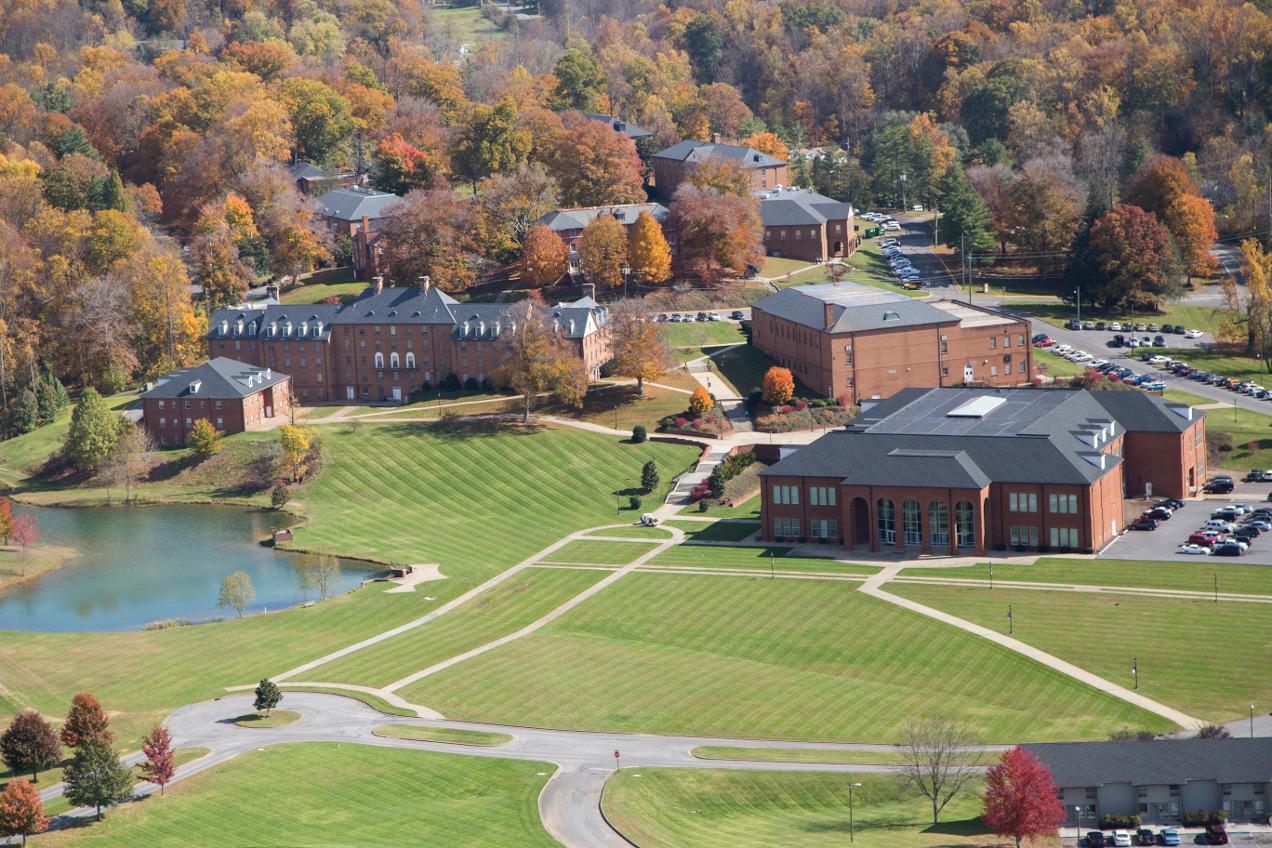
Bachelor of Science in Nursing (BSN)
King University's Bachelor of Science in Nursing (BSN) program is designed for prelicensure students seeking a baccalaureate degree in nursing. The program emphasizes a holistic approach to patient care, fostering critical thinking, diversity, and social justice. You will develop essential skills through a combination of classroom learning and hands-on clinical experiences in various healthcare settings. The curriculum focuses on promoting health, spiritual well-being, and professional development, enabling you to build strong relationships with faculty and a diverse cohort of peers. Graduates are prepared for entry-level nursing roles and are eligible to sit for the NCLEX-RN licensure exam.
Bachelor of Science in Nursing (BSN) - RN to BSN Track
The Bachelor of Science in Nursing (BSN) Track II program at California State University Channel Islands is designed for individuals who have an Associate Degree in Nursing (ADN) from a local community college or hold a Registered Nurse (RN) license and wish to earn their Bachelor of Science in Nursing degree. This program offers up-to-date theory and practical, real-world applications taught by experienced nurse educators. It is designed for convenience with an online, asynchronous format for most coursework, making it ideal for busy schedules. The program emphasizes a skills-based education, preparing students for rewarding careers in nursing with cutting-edge science and practical knowledge.

Bachelor of Science in Nursing (RN to BSN)
The Bachelor of Science in Nursing (BSN) RN to BSN online program is designed for registered nurses who hold an Associate in Science degree in nursing and a current, valid Florida RN license. This program allows practicing nurses to advance their studies and earn a baccalaureate degree while continuing their professional careers. It provides a flexible, 100% online learning environment, allowing students to enroll full-time or part-time to fit their schedules.

Bachelor's Degree in Nursing - Accelerated Second Degree Concentration
Purdue University Northwest's College of Nursing offers an Accelerated Bachelor's Second Degree in Nursing. This program is designed for individuals who already hold a bachelor's degree in another field and wish to pursue a Bachelor of Science in Nursing (BSN) in a condensed timeframe. It is an intensive, full-time program focused on academically talented students motivated to enter the nursing profession quickly. The curriculum begins with clinical practicum experiences in the first semester and is structured over four consecutive semesters, starting in the fall and concluding the following fall.
Complex Individual and Family Nursing Concepts
This course introduces students to the complex concepts of nursing practice as they relate to individuals and families. It examines dynamic concepts across the entire lifespan, with a significant focus on family dynamics, reproduction, and alterations in growth and development. The course also explores mental health nursing concepts and their impact on both the individual and the family unit. By integrating nursing theories with Tanner's clinical judgment model, students will learn to assist individuals and families in adapting to health alterations throughout their lives. Practical experience will be gained through clinical rotations in pediatric, obstetric, geriatric, and behavioral health settings.

Georgia Gwinnett College Programs
Georgia Gwinnett College (GGC) offers a dynamic and affordable educational experience with a focus on student success and a rich global community. Located in Lawrenceville, Georgia, just an hour from Atlanta, GGC provides over 20 majors and 60 programs of study in high-demand fields. The college prides itself on offering a private school education at a public school cost, making it an attractive option for students seeking quality higher education. GGC fosters an inclusive environment where diverse perspectives contribute to personal and professional growth, preparing students for success in their chosen careers.
Nursing

Nursing (B.S.)
If you are a compassionate, patient, and calm individual with a desire to help others, a career in nursing might be the right path for you. Utica University's Bachelor of Science (B.S.) in Nursing program offers a rigorous curriculum that combines foundational studies, practical training, and essential clinical experience within a comprehensive liberal arts framework. This program is designed to prepare students to become liberally educated practitioners who can provide primary healthcare services to individuals, families, groups, and communities. You will learn to collaborate effectively with physicians, social workers, therapists, and other healthcare professionals. Graduates are prepared for diverse roles in various settings, including acute care facilities, community agencies, home healthcare, and educational institutions.
Nursing (BSN)
The Saint Joseph’s School of Nursing at Mount Saint Vincent offers a Bachelor of Science in Nursing (BSN) program designed to prepare students to become professional nurses and healthcare leaders. The program emphasizes critical thinking, responsibility, open inquiry, and self-respect, fostering a commitment to lifelong learning. Through a partnership with Saint Joseph’s Medical Center, students gain valuable experience and expand their career opportunities within the healthcare sector. The curriculum focuses on addressing complex health issues across diverse populations and age groups, with a strong emphasis on evidence-based practice and patient outcomes. Students benefit from small class sizes, personalized attention from assigned advisors, and access to the resources and opportunities of New York City. The program incorporates online learning resources, including online testing and experiential learning, to enhance the educational experience. Graduates are prepared to plan and deliver competent, effective, and evidence-based nursing care that contributes to safe and high-quality healthcare outcomes.

Nursing Degree (BSN), Maryville University
Maryville University offers a Bachelor of Science in Nursing (BSN) designed to equip students with the in-depth knowledge and practical experience needed for a meaningful and well-compensated career in nursing. The program focuses on preparing graduates to provide comprehensive professional nursing care, including preventive, curative, and rehabilitative services. Graduates are well-prepared for a variety of healthcare settings, reflecting the high demand for skilled nurses in diverse environments.

Nursing Programs
West Virginia Wesleyan College's School of Nursing offers accessible, high-quality education designed to prepare graduates for leadership roles in the evolving healthcare system. With a strong emphasis on personal attention, small class sizes, and a student-to-faculty ratio of 13:1, the program fosters a supportive learning environment. The curriculum is rigorous, equipping students with critical thinking, effective communication, and the skills necessary for safe and competent practice, laying a foundation for advanced study.

Nursing, RN to BSN
The RN to BSN program at California Baptist University is designed for licensed nurses or students currently enrolled in an approved Associate Degree in Nursing (ADN) program. This fully online program allows you to complete your Bachelor of Science in Nursing (BSN) in 14-16 months, depending on your transferable credits. It aims to enhance your professional knowledge, leadership abilities, and critical thinking skills, preparing you for diverse career paths or further graduate studies.
Online RN-to-BSN Program
Purdue University Northwest's online RN-to-BSN program is designed for registered nurses seeking to advance their careers. This program offers a flexible, accelerated, and affordable pathway to earn a Bachelor of Science in Nursing (BSN) degree. By focusing on evidence-based practice, leadership, population health, and informatics, the curriculum prepares graduates to meet the growing demand for BSN-educated nurses in various healthcare settings. The online format allows students to study at their own pace while balancing work and personal commitments.
Part-time Weekend & Evening Nursing Program
Maryville University offers a Part-time Weekend & Evening Nursing Program designed for individuals balancing work and life commitments. This program allows you to pursue a nursing career with a flexible schedule. It requires completion of general education courses and specific nursing core classes. Admission to the nursing program is a separate process from applying to the initial General Studies with a concentration in Healthcare. The program is accredited by CCNE.
Physiological Concepts of Nursing
This course provides an introduction to the core physiological concepts essential for nursing practice across all stages of life. It explores fundamental aspects such as oxygenation, perfusion, acid-base balance, fluid and electrolytes, infection, immunity, inflammation, digestion, and metabolism. By integrating these nursing concepts with Tanner's clinical judgment model, students will develop the skills to identify and respond to patient problems in clinical settings. Practical experience will be gained through clinical rotations in acute medical-surgical units.
Professional and Foundational Concepts of Nursing
This course introduces students to the core principles and essential concepts of nursing practice, covering the entire lifespan. Key themes explored include effective communication, critical clinical decision-making, professional conduct, and patient education. The curriculum also delves into the holistic aspects of patient care, encompassing cultural considerations, spiritual well-being, and legal and ethical dilemmas. Tanner's clinical judgment model serves as the foundation for developing students' clinical judgment and decision-making abilities. Basic care and comfort are addressed through concepts like nutrition, elimination, safety, mobility, and sensory perception. Physical assessment is a significant component of this course, with an overarching theme of health and wellness promotion. Students will gain an introduction to fundamental nursing skills, including medication administration, through both laboratory and clinical settings. Practical experience will be gained through clinical rotations in inpatient medical-surgical units.

Progressive Option for Adult Learners (PN to RN to BS)
Monroe University's progressive nursing program is designed for adult learners, guiding you through three essential stages of nursing education. Over nine semesters, spanning three academic years, you will progress from a Practical Nursing (PN) certificate to an Associate of Applied Science (AAS) degree that prepares you for Registered Nurse (RN) licensure, and finally to a Bachelor of Science (BS) in Nursing. This is a full-time, on-campus program. Licensed Practical Nurses may be eligible to enter directly at the associate degree level, provided they meet additional admission criteria.
Registered Nurse (RN) Associate in Applied Science
Monroe College offers a full-time Associate in Applied Science (AAS) degree program designed to prepare students for registered nursing practice. This program is structured across three semesters and emphasizes the use of critical thinking to apply complex knowledge, skills, and technologies in evidence-based nursing care. Upon successful completion, graduates are awarded an AAS degree and become eligible to take the NCLEX-RN licensing examination. The curriculum focuses on developing culturally competent care, preparing graduates to provide holistic and quality care, engage in inter-professional collaboration, utilize evidence-based research for clinical judgments, implement quality improvement interventions, leverage healthcare informatics for better patient outcomes, and develop patient care plans aligned with individual needs and preferences.
RN to BS in Nursing Online
Monroe University's RN to BS in Nursing program is designed for registered nurses who hold an associate degree or diploma. This online program allows you to advance your nursing career by earning a Bachelor of Science degree. The curriculum is a blend of nursing, liberal arts, and science courses, delivered with a student-focused approach. Professors are committed to supporting your success throughout the program.

RN to BSN Program
The RN to BSN program at Keiser University is designed for registered nurses who hold an associate degree or nursing diploma and wish to advance their careers. This program deepens your knowledge of healthcare systems, focusing on professional nursing practice, health promotion, and disease prevention. You will learn from experienced nursing faculty and develop advanced expertise. The program is available online and in a hybrid format, allowing flexibility for working professionals. Completion is possible in as few as 12 months.
Second Degree Bachelor of Science in Nursing
Frequently asked questions
How many Bachelor's in Nursing programmes are available in the United States?
+
There are 49 Bachelor's in Nursing programmes offered across 29 universities in the United States.
How much does a Bachelor's in Nursing cost in the United States?
+
Tuition varies by programme — check each listing directly, as costs differ significantly between public and private institutions.
Which universities in the US offer a Bachelor's in Nursing?
+
Institutions include University of North Carolina at Chapel Hill, Xavier University, California Baptist University, Utica College, Hallmark University, and Pasco-Hernando State College, among 29 universities in total.
Can international students apply for a Bachelor's in Nursing in the United States?
+
Yes, many US nursing programmes admit international students. Applicants typically need secondary school qualifications, English language proficiency, and may be required to complete prerequisite science courses before or during the programme.
What are the typical entry requirements for a Bachelor's in Nursing in the US?
+
Programmes generally require a high school diploma or equivalent, strong grades in science subjects, and an English language test result. Some schools also require a background check, health screening, and CPR certification before clinical placements begin.