Bachelor's in Medicine & Health Sciences in Australia
Australia offers 25 Bachelor's programmes in Medicine and Health Sciences across 11 universities, covering disciplines such as nursing, public health, physiotherapy, pharmacy, and allied health. Institutions in this listing include Monash University, Griffith University, Flinders University of South Australia, Victoria University, Australian Catholic University, and the University of Wollongong. Tuition information is not available in this dataset; students should request current international fee schedules from each university.
Health Sciences bachelor's degrees in Australia typically run three to four years, with some programmes leading to professional registration in occupations such as nursing or physiotherapy. Australia's healthcare sector is a major employer, and graduates can access strong internship and employment pathways. International students must hold a student visa (subclass 500) and are expected to meet higher English language standards—generally IELTS 7.0 or above—as required for health-related study.

Allied Health at Griffith University
Allied health professionals play a vital role in supporting the physical and mental wellbeing of individuals. They provide essential services including diagnosis, therapy, rehabilitation, and prevention, making up a significant portion of the healthcare workforce. Griffith University's allied health programs emphasize interprofessional learning, equipping you with the collaborative skills needed to work effectively within diverse healthcare teams. You'll gain practical experience through state-of-the-art teaching facilities, including simulated learning environments and advanced virtual reality, preparing you for a career in various settings.
Bachelor of Allied Health (Regional)
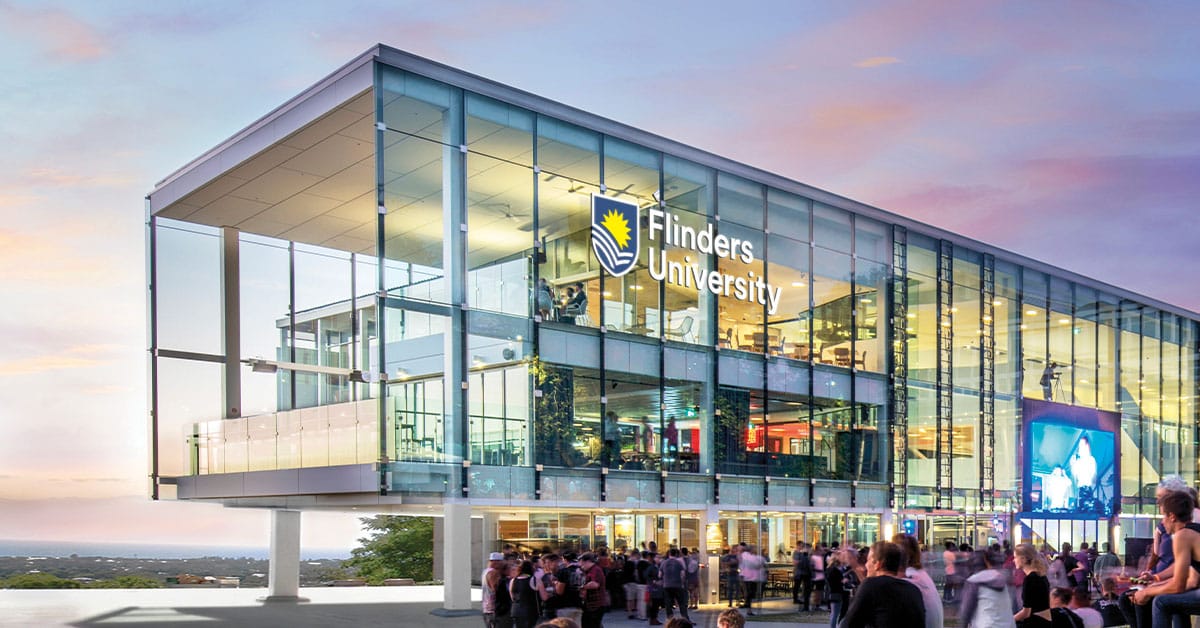
Flinders University offers a Bachelor of Allied Health program designed to address the shortage of allied health professionals in regional South Australia and the Northern Territory. This initiative provides accessible, high-quality education pathways, allowing students to study closer to home in locations like Mount Gambier, Port Pirie, and the Riverland. The interprofessional approach ensures students learn collaboratively with future allied health professionals, building essential teamwork and communication skills for modern healthcare environments. These degrees are developed to meet local workforce needs and expand opportunities for students from diverse backgrounds, preparing them for impactful careers in regional communities.

Bachelor of Arts/Bachelor of Health Sciences

Bachelor of Biomedical Science
The Bachelor of Biomedical Science provides a comprehensive understanding of human biology, focusing on the causes, diagnosis, and treatment of disease at the molecular, cellular, and systems levels. You will develop expertise in biological sciences and disease mechanisms, with the flexibility to tailor your degree through a choice of majors and elective units. This program emphasizes practical application, with hands-on laboratory experiences and 80 to 160 hours of work placement to build industry connections and real-world skills. Career education is integrated to develop essential soft skills for employability.

Bachelor of Biomedical Science (Gippsland Partnership Program)
This program is specifically designed for students from the Gippsland region of Australia, offering a pathway to further medical studies at Monash University. By completing this Bachelor of Biomedical Science degree at Federation University, you become eligible to apply for the graduate-entry Bachelor of Medical Science and Doctor of Medicine program at Monash University, with the opportunity to complete your medical training in Gippsland. To be eligible for admission into the Monash medicine program, you must meet rural-origin requirements, achieve a Weighted Average Mark (WAM) of at least 70 in your biomedical science degree, and successfully complete a Multiple Mini Interview (MMI). The program includes units from both Federation University and Monash University, with some travel to Monash's Clayton campus potentially required.
Bachelor of Biomedicine
The Bachelor of Biomedicine at La Trobe University provides students with specialized knowledge and practical skills for a career in the evolving health sector. The program focuses on building a strong foundation in chemistry, bioscience, and health, with a particular emphasis on understanding infectious diseases and their impact. Students can tailor their degree by choosing from up to two majors or electives, aligning with their career aspirations and industry demands. Throughout the course, students will gain hands-on experience in high-tech laboratories and through authentic, interactive activities designed to prepare them for real-world challenges. The curriculum covers essential topics such as biochemistry, molecular and cell biology, human physiology, and the study of infectious and non-communicable diseases. Graduates will have a strong academic transcript and a clear pathway into postgraduate studies in fields like research, medicine, and physiotherapy.
Bachelor of Chiropractic Science
The Bachelor of Chiropractic Science at Victoria University provides a pathway to a career focused on person-centred health care. This program equips students with the knowledge and skills to help individuals by optimising mobility, managing pain, and promoting preventative care and healthy lifestyles. The curriculum covers essential subjects like anatomy, physiology, pathology, chiropractic principles, and techniques, alongside a focus on evidence-based practice and culturally responsive care. Taught by experienced professionals, the course emphasizes the development of clinical reasoning skills through small-group learning, often in a workshop style rather than traditional lectures. This approach fosters strong peer connections and practical skill development, with rapid feedback to aid learning. The program is designed to prepare graduates for further study in the Master of Chiropractic Practice.
Bachelor of Food and Nutrition
This program combines principles of science, wellbeing, and business to equip you with skills for a career in the health and wellness industry. You will explore the impact of food on physical health and lifestyle, studying key concepts in nutrition, human physiology, human behaviour, health promotion, and business management. The course also covers how social and cultural practices influence food choices, enabling a holistic approach to supporting individuals and organisations with their nutritional needs. Upon graduation, you can apply for registration with the Nutrition Society of Australia and contribute to preventing non-communicable diseases and promoting healthy lifestyles.

Bachelor of Health Science (Chinese Medicine)
The Bachelor of Health Science (Chinese Medicine) is a four-year degree designed to equip you with the knowledge and practical skills to practice Chinese Medicine and improve patient wellness. The program covers three main divisions of Chinese Medicine practitioner registration: Acupuncture, Chinese Herbal Medicine, and Chinese Herbal Dispensing. You will learn from experienced practitioners who are actively working in the field, gaining insights into treating both acute and chronic illnesses using traditional Chinese Medicine techniques and herbal remedies. The curriculum emphasizes a holistic understanding of the body, mind, and spirit. You will develop skills in safely applying acupuncture, prescribing and dispensing Chinese herbs, and using ancillary techniques such as cupping and moxa therapy. The course includes a significant Work-Integrated Learning component, requiring 745 hours of professional clinical practice. This course is approved by the Chinese Medicine Board of Australia (CMBA) and is recognized by several professional bodies, including the Australian Natural Therapists Association (ANTA) and the Australian Acupuncture & Chinese Medicine Association (AACMA). Graduates are eligible to apply for membership with these associations, preparing them for a professional career in Chinese Medicine.
Bachelor of Health Science (Dermal Therapies)
The Bachelor of Health Science (Dermal Therapies) equips you with the skills and knowledge to excel in skin health and anti-ageing treatments. You will gain practical experience with advanced skincare technologies and techniques, preparing you to deliver safe, evidence-based treatments for various skin conditions. The program also covers dermal therapy principles, innovations, and professional practice, grounded in health science and biology. Practical experience is gained in a student-led clinic, allowing you to treat real clients and build career confidence.
Bachelor of Health Science (Naturopathy)
This Bachelor of Health Science (Naturopathy) program teaches a holistic healthcare system rooted in traditional philosophies and principles. You will learn to understand the human body and disease processes, assess functional disturbances, and apply herbal, nutritional, and lifestyle medicines. The program emphasizes evidence-based practice and client-centred care to ensure safe and effective treatment strategies. You will develop into a practitioner who can stimulate healing using natural remedies. The degree includes a compulsory work-integrated learning component with 460 hours of practical experience. This hands-on training takes place at the student-led clinic, The Practice Wellbeing Centre, where you will consult with the public under the supervision of experienced naturopaths. This experience is designed to prepare you to practice confidently and competently in the community.
Bachelor of Health Science (Western Herbal Medicine)
This program offers specialised knowledge in Western Herbal Medicine, combined with a foundational understanding of nutrition. You will learn how to create herbal prescriptions using medicinal plants from around the world and how to consult with clients. The curriculum includes biomedical health science topics such as pathophysiology and pharmacology, alongside in-depth study of over 150 herbal medicines, their properties, and prescribing considerations. Students also learn to provide basic dietary and lifestyle advice to enhance health outcomes. Practical experience is a key component, with integrated Work-Integrated Learning and Clinical Practicum requiring on-campus attendance. You'll gain hands-on experience at The Practice Wellbeing Centre, consulting with the public under the supervision of experienced practitioners. This program prepares you for a career as a Western Herbal Medicine practitioner in private practice, community health settings, or the complementary medicine industry.

Bachelor of Health Sciences
The Bachelor of Health Sciences at Monash University offers a comprehensive foundation in healthcare, equipping students with the skills to identify, analyze, and assess health issues. This program provides a broad overview of medicine, nursing, and allied health, with a strong focus on the practical aspects of health, including anatomy, physiology, pathology, and preventive strategies. The course is designed with significant curriculum flexibility, allowing students to explore various health science fields before committing to a specific career path. You can choose electives from across the university, enabling you to tailor your degree to your interests. Core units provide essential knowledge in biomedical science, population health, preventive health, and critical thinking skills for evidence-based practice.
Bachelor of Health Sciences
Bachelor of Health Sciences/Bachelor of Arts
This combined Bachelor of Health Sciences/Bachelor of Arts degree allows you to tailor your education to your specific interests, creating a unique skill set for a wide range of career paths. You will gain a strong foundation in health sciences while developing critical thinking, communication, and leadership skills through your arts studies. This interdisciplinary approach prepares you for the dynamic job market, particularly in the growing health and social assistance sector. You will study equal parts health sciences and arts, giving you the freedom to choose majors and minors that align with your passions. This flexibility allows you to build specialist knowledge and learn to tackle real-world issues creatively and strategically. The program is designed to equip you with the adaptability needed to address current and emerging global challenges, making you a highly employable graduate.

Bachelor of Medical and Health Sciences (Honours) (Dean's Scholar)
This honours degree focuses on the scientific foundations of human structure, function, and health, preparing high-achieving students for advanced study and research. You will gain a deep understanding of the human body at all levels and develop skills to explore real-world health challenges and contribute to new knowledge. As a Dean's Scholar, you'll have access to exclusive networking, enrichment, and mentoring opportunities to enhance your career prospects. The program is designed to be flexible, allowing you to tailor your studies through elective subjects and potential minors in areas like pathophysiology, genetics, immunology, public health, and chemistry.

Bachelor of Midwifery (Honours)
The Bachelor of Midwifery (Honours) is a one-year program designed for registered midwives who wish to deepen their research capabilities. It focuses on contemporary health issues relevant to pregnancy and midwifery practice. Students will develop advanced research skills through coursework and will complete a substantial research project on a topic of their choice. This program prepares graduates for advanced roles in the evolving health sector, including midwifery research, and is delivered in a blended or online format.
Bachelor of Nutrition
The Bachelor of Nutrition is designed to equip you with the knowledge to assess the health and nutritional needs of individuals and communities. You will gain a comprehensive understanding of health science, biology, and physiology, focusing on the relationship between nutrition, public health, and overall wellness. The course emphasizes critical analysis and the development of evidence-based nutrition intervention programs. Through this program, you will explore topics such as First Peoples' culture, history, and healthcare, alongside public health nutrition and special population projects. These specialized areas provide practical industry skills and prepare you to address nutrition-related issues across various population levels. Learning outcomes include understanding health science, human and community nutrition, the impact of food systems, and designing effective public health nutrition interventions.
Bachelor of Nutrition Science
The Bachelor of Nutrition Science equips you with essential critical thinking and research skills to manage, prevent, and optimize the health of individuals, communities, and populations through diet and nutrition. You will gain a strong foundation in nutritional science, covering topics like nutrition and exercise, community health, food chemistry, biochemistry, and metabolism. The program also provides training in nutrition research, health promotion, and food innovation. Opportunities are available to develop real-world skills and complete a minor of your choice to broaden your expertise. This degree is designed to prepare you for various careers in health and wellness, the food industry, and related fields, and meets the prerequisite requirements for further study in nutrition and dietetics.

Bachelor of Occupational Therapy
The Bachelor of Occupational Therapy at Australian Catholic University (ACU) is a four-year, full-time program designed to equip students with the knowledge and skills to enable individuals and communities to participate fully in self-care, productivity, and leisure activities. You will learn to assess occupational performance, apply and evaluate interventions, and collaborate effectively with clients and healthcare teams. The program includes an optional embedded Honours program for high-achieving students in their third and fourth years. This degree emphasizes practical application with over 1,000 hours of supervised professional practice education embedded throughout the course, starting from your first year. Placements occur in diverse settings such as hospitals, community health centres, private practices, and schools, providing a broad range of experience including rural/remote settings. The curriculum is developed to meet international competency standards, preparing graduates for professional registration.
Bachelor of Occupational Therapy
This Bachelor of Occupational Therapy program prepares you for a rewarding career supporting individuals of all ages to participate fully in everyday life and improve their health and wellbeing. You will develop client-centred, culturally responsive practice skills through a curriculum that combines shared learning with other allied health disciplines in the first semester, followed by occupational therapy-specific study. The program emphasises interprofessional collaboration and practical experience, preparing you for diverse roles in various settings.

Bachelor of Occupational Therapy (Honours)
This Bachelor of Occupational Therapy (Honours) program equips you with the skills and knowledge to help individuals overcome injuries or disabilities, enabling them to participate more fully in daily life. You will learn therapeutic approaches to maximize clients' capabilities and engagement in activities important to them, covering self-care, work, school, and leisure. The curriculum integrates human anatomy, physiology, psychosocial factors, and neurological determinants of occupation, alongside lifespan development and health promotion. The program emphasizes practical skills from the first year, preparing you for effective healthcare practice and understanding the role of occupational therapists within broader health systems.
Bachelor of Physiotherapy
The Bachelor of Physiotherapy at Australian Catholic University (ACU) is a comprehensive program designed for students passionate about preventing and treating injuries and disabilities. You will gain essential skills to assess, diagnose, and manage various conditions across diverse populations, from children to the elderly, including gender-specific health issues. The course integrates theoretical knowledge with extensive practical experience through supervised clinical placements. This program prepares you for a rewarding career where you can make a tangible difference in people's lives. High-achieving students also have the opportunity to undertake an Honours pathway in their third and fourth years, provided they meet specific admission criteria. The curriculum is structured to align with the standards of the Australian Physiotherapy Council, ensuring graduates are well-prepared for professional registration. Throughout your studies, you will engage in significant clinical placements in various settings such as hospitals, private practices, aged care facilities, and rehabilitation units. These placements are crucial for developing and integrating your knowledge, practical skills, and professional behaviours under the guidance of experienced clinical educators.
Bachelor of Physiotherapy (Honours)
This program will equip you to become a fully qualified physiotherapist, focusing on using exercise and movement to improve the health and well-being of individuals. You will gain a deep understanding of the human body, learning to assess, diagnose, and treat a wide range of conditions. The course emphasizes practical skills development from the first year, culminating in a significant amount of clinical training equivalent to six months of workplace experience, preparing you for immediate employment. La Trobe University collaborates with numerous industry partners, offering diverse placement opportunities in settings such as hospitals, rehabilitation centres, community health clinics, private practices, and sporting organisations. You can choose to gain international experience through global placement or study opportunities in countries like Denmark, Italy, Vietnam, and India, or undertake placements locally across Melbourne and regional Victoria. The Honours year involves a research or industry-based project, allowing you to tackle real-world problems in human health and physical performance.
Health Programs at Flinders University
Flinders University offers a comprehensive range of health programs designed to prepare you for a fulfilling career in the health, community, and care sectors. With over 20 study options available, you can specialize in areas such as Nursing and Midwifery, Medicine, Public Health, Psychology, Disability & Community Inclusion, Health Sciences, Nutrition, Physiotherapy, and more. Our innovative curriculum is developed in partnership with industry experts, ensuring you gain relevant, future-focused knowledge and skills grounded in the latest research and evidence-based practices. You'll learn from leading academics and researchers who bring extensive clinical expertise and a passion for educating the next generation of health professionals. The program emphasizes hands-on training in state-of-the-art facilities, including simulation labs and an on-site clinic, providing opportunities to work with real patients and diverse student teams. Extensive placement opportunities in various settings like hospitals, clinics, aged care facilities, and community centers will further build your confidence and practical experience.
Frequently asked questions
How much does a Bachelor's in Medicine & Health Sciences cost in Australia?
+
Tuition varies by programme — contact each university directly for current international fee information, as costs differ significantly across institutions and disciplines.
Which universities offer a Bachelor's in Medicine & Health Sciences in Australia?
+
The 11 universities include Monash University, Griffith University, Flinders University of South Australia, Victoria University, Australian Catholic University, and University of Wollongong.
Can international students study health sciences in Australia?
+
Yes, but health-related programmes require higher English proficiency (typically IELTS 7.0 or above) and an Australian student visa (subclass 500).
What are typical entry requirements for health sciences bachelor's programmes in Australia?
+
Applicants need an Australian Year 12 equivalent or recognised international qualification, strong English test scores, and may face numeracy/literacy prerequisites or subject-specific requirements depending on the programme.
How do I apply for a health sciences degree in Australia?
+
Apply directly through each university's admissions portal; state-based agencies such as UAC (NSW), VTAC (Vic), or QTAC (Qld) also process applications for some institutions.