Master's in Architecture & Design in Canada
Canada offers 17 Master's programmes in Architecture & Design across 7 universities, covering professional architecture degrees, urban design, industrial design, and environmental design. Leading institutions include the University of British Columbia, the University of Toronto, the University of Waterloo, and the University of Calgary — all with established schools of architecture and design research.
Tuition costs vary and are not listed uniformly, so students should check individual programme pages for current fees. Canada's major cities — particularly Vancouver, Toronto, and Montreal — offer vibrant architectural practice environments, and many programmes include studio-based learning and professional internships that connect graduates directly with the built environment industry.

Bachelor of Environmental Design Studies (BEDS) & Master of Architecture (MArch)
The Professional Architecture Program at Dalhousie University is a comprehensive, two-part degree designed to educate individuals aspiring to become professional architects. It is structured in three stages: the first two years can be completed in any subject at any university, followed by the Bachelor of Environmental Design Studies (BEDS) over two years, and culminating in the Master of Architecture (MArch) over another two years. This program provides a robust foundation in design, representation, architectural history and theory, technology, and professional practice, preparing graduates for a career in architecture or related fields.
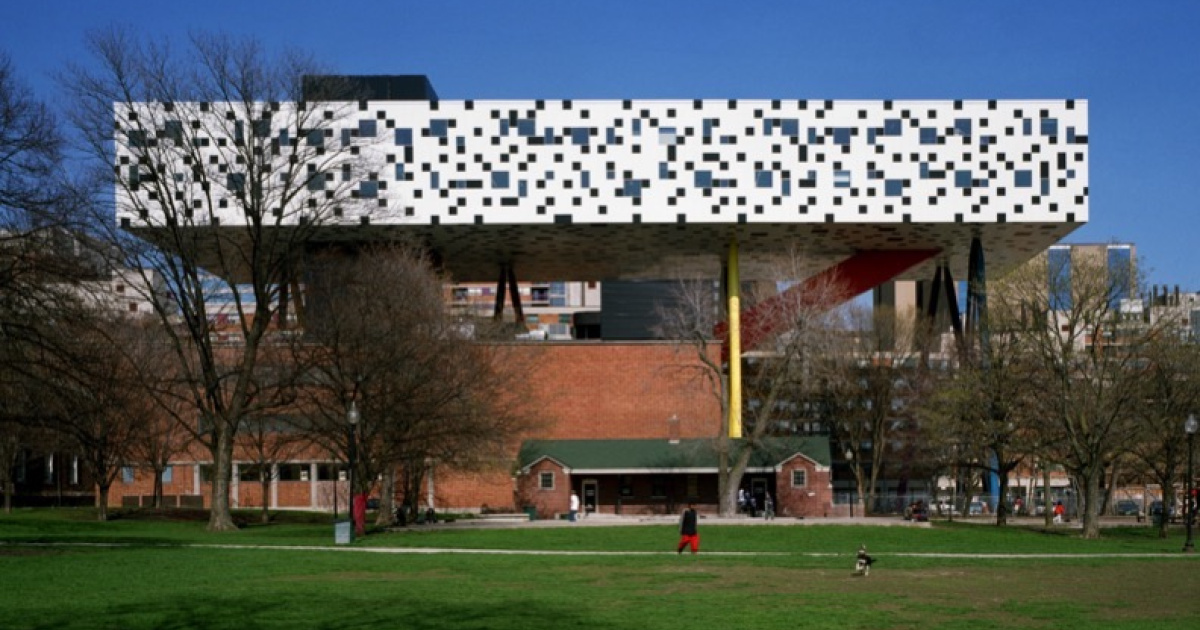
Interdisciplinary Master's in Art, Media and Design
The Interdisciplinary Master's in Art, Media and Design (IAMD) program fosters a community of artists, thinkers, and researchers dedicated to developing respectful practices of knowledge creation. You will engage with shifting landscapes of culture, tradition, technology, and decolonial frameworks through rigorous practice and research. The program encourages global and intercultural dialogue, focusing on interdisciplinary processes and expanding your understanding of ancestral traditions, performance, media, and digital fabrication. Through the IAMD program, you will develop critical research methodologies, position your work in relation to Indigenous knowledges and decolonial pedagogy, and participate in graduate-level studio practice. You will explore theory and research methods through seminars, electives, self-directed study, and residency opportunities. The program culminates in a major studio project with a written critical analysis (for MFA/MDes) or a thesis with a creative project (for MA), contributing new knowledge to the field and promoting sustainable, socially responsible, and diverse perspectives.

Master of Advanced Studies in Architecture
Master of Advanced Studies in Landscape Architecture

Master of Architecture
The Master of Architecture (MArch) is a two-year graduate program designed for students who have completed a pre-professional degree in architecture. This program builds upon foundational knowledge, preparing you for professional accreditation. If you hold the University of Waterloo's Bachelor of Architectural Studies (BAS) or an equivalent degree, you may complete the MArch in as little as three terms. For other applicants with a pre-professional architecture degree, two terms of transitional coursework will be required before beginning your thesis year, with a maximum completion time of six academic terms. The program has a Fall intake only. Waterloo also offers a unique collaborative Master of Architecture (Water) program, focusing on multi- and inter-disciplinary perspectives related to water issues, jointly offered by ten departments. Additionally, you can pursue a Master of Architecture with a Structures Certificate, which involves undergraduate civil engineering courses in structural engineering, though this does not grant professional engineering accreditation.
Master of Architecture (MArch)
The Master of Architecture (MArch) program at the University of Waterloo provides rigorous preparation for professional practice, emphasizing architecture as a cultural act. The program fosters critical thinking and debate within the discipline, allowing students to delve into design or research theses. You will explore global contexts of architecture, landscape, urbanism, technology, sustainability, and fabrication under the guidance of internationally recognized faculty. The program is typically two years long, with options for co-op, international research travel, and a term in the Rome studio. A unique collaborative program in Water, involving multiple faculties, is also available. Applicants with a pre-professional Bachelor of Architectural Studies from Waterloo or an equivalent degree may be eligible for advanced standing, potentially completing the MArch in fewer terms.
Master of Architecture (MARCH)
The Master of Architecture (MArch) is a professionally accredited graduate degree program at UBC. This demanding, three-year course of study is primarily coursework-based, integrating design studios with studies in architectural history and theory, technical and material systems, and representation methods. While the curriculum is rigorous, students have opportunities to develop their individual interests through specialized design studios, elective courses, and a significant Graduation Project. The program is designed for students with an undergraduate degree in any discipline, though those with a pre-professional architecture degree may be considered for advanced placement.
Master of Architecture and Master of Landscape Architecture (Dual Degree)
Master of Community and Regional Planning (MCRP)
The Master of Community and Regional Planning (MCRP) program at UBC's School of Community and Regional Planning (SCARP) equips students with essential theories, skills, and critical thinking abilities to address contemporary planning challenges. It focuses on issues like climate change, social justice, building resilient communities, and decolonizing planning practices. The program is designed to be intensive and professionally oriented, fostering well-rounded graduates who can act as agents of equitable change in a rapidly evolving world. SCARP aims to transform knowledge into action through planning in partnership to improve lives, communities, and both built and natural environments.
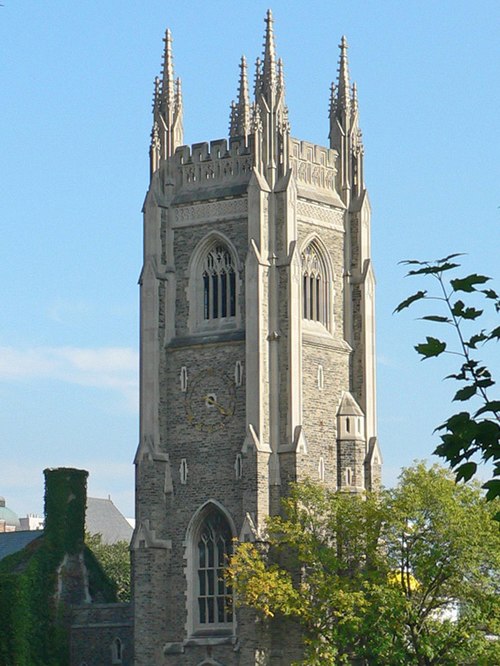
Master of Landscape Architecture
The Master of Landscape Architecture (MLA) program at the University of Toronto's John H. Daniels Faculty of Architecture, Landscape, and Design offers a professional degree for students aspiring to become leaders in the field. The program is structured to equip students with the knowledge and skills to address complex environmental, social, and urban challenges through design. The curriculum emphasizes critical thinking, research, and innovative design practices, preparing graduates for diverse career paths in landscape architecture and related disciplines. Applicants can apply for either the three-year MLA program or, if they hold a relevant bachelor's degree, for advanced standing which shortens the program to two years.
Master of Landscape Architecture (MLA)
The Master of Landscape Architecture (MLA) is a demanding, accredited three-year professional degree program. The curriculum integrates design studios with courses in landscape history and theory, site analysis and planning, and environmental management. Students can develop specialized skills through elective design studios and a graduation project. Internships are available for academic credit, allowing students to gain practical experience in firms or agencies, hone design and documentation skills, and build professional networks. The program benefits from small student-faculty ratios and close involvement with faculty and local professional design communities in studio reviews and mentorship. Students also have access to UBC's extensive research library and can collaborate with faculty from engineering and community and regional planning. The program offers opportunities for study abroad to engage with global architectural and landscape architecture concerns.
Master of Urban Design (MUD)
The Master of Urban Design (MUD) is a post-professional program focused on the design and management of cities. It addresses the complexities of urbanization, global economics, and technological advancements. The one-year curriculum integrates design studios with courses in urban design history, theory, economics, and public policy, allowing students to tailor their studies through electives and research topics. The program emphasizes a blend of academic learning and professional practice, often involving community partnerships and real-world projects for potential future applications.
Master of Urban Design (MUD)
The Master of Urban Design (MUD) program is designed for individuals with backgrounds in architecture, landscape architecture, or planning who are looking to advance their careers in design research and professional practice at the urban and regional scales. It offers a comprehensive curriculum that integrates design as a primary tool with a strong foundation in related fields such as geography, environmental studies, social sciences, economics, and engineering. The program fosters responsible and innovative design thinking in the context of contemporary urban development, addressing challenges related to new urbanization paradigms, global economic shifts, and technological advancements. It aims to be a leading Canadian center for advanced research, design innovation, and critical discourse in urban design.
Strategic Foresight and Innovation (MDes)
The Master of Design (MDes) in Strategic Foresight and Innovation (SFI) program equips you with design thinking and foresight skills to drive success in business, foster positive societal impact, and manage organizational change. You will learn to identify, frame, and solve complex problems to create sustainable futures. The program fosters a diverse cohort of entrepreneurs, social scientists, artists, designers, and engineers, enabling you to imagine, plan, and develop a better world. The curriculum encourages holistic thinking, exploring and challenging assumptions to guide present and future actions with deeper meaning.
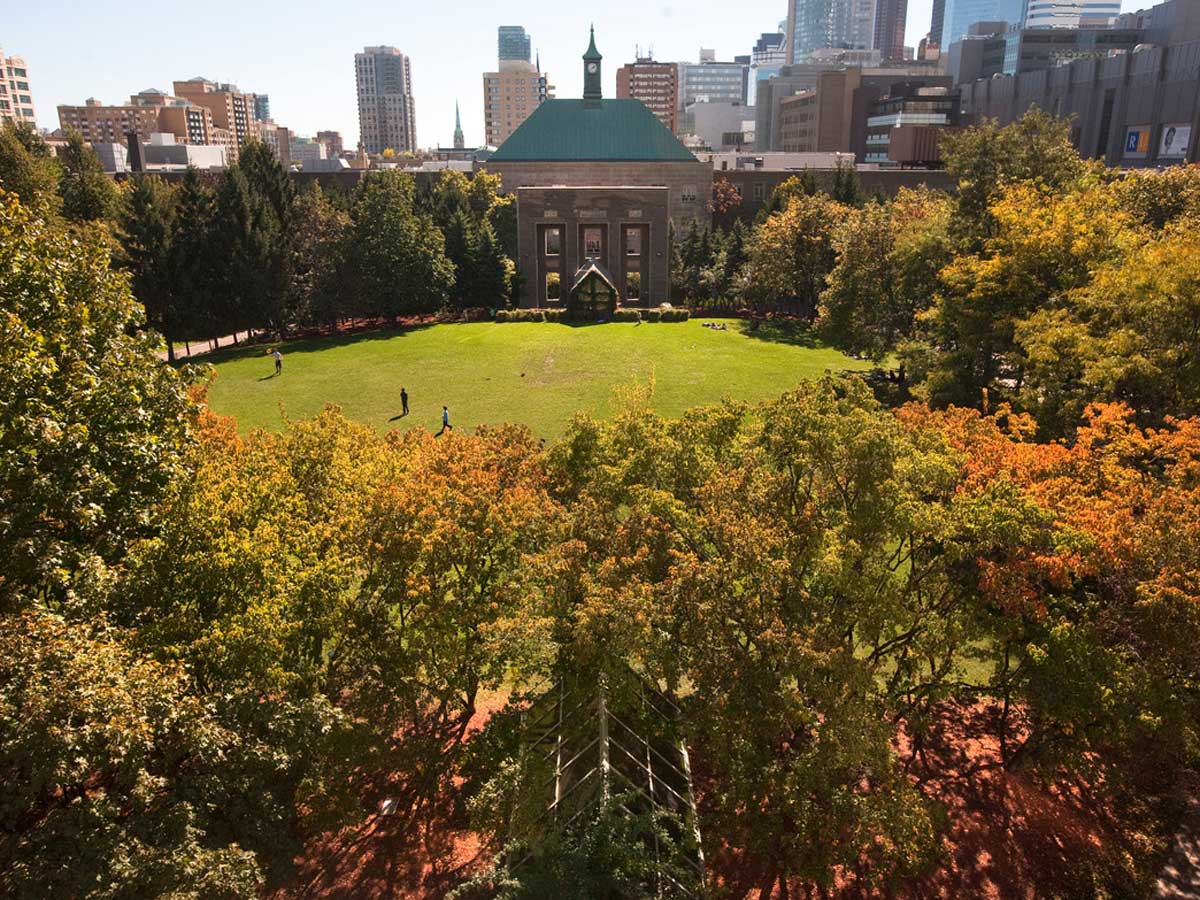
Urban Development (Master of Planning)
The Master of Planning (MPl) in Urban Development program offers a comprehensive approach to understanding and shaping our communities. It examines the economic, socio-cultural, political, ecological, and spatial aspects of urban development, focusing on the interconnectedness of urban life and the natural environment. The program emphasizes the principles of inclusivity and sustainability in planning and design practices. Students can choose between two streams: a two-year regular stream for university graduates seeking to launch a planning career, and a one-year accelerated stream for experienced professional planners or planning graduates with significant work experience who want to advance their careers. The program leverages Toronto as a living laboratory through studios, internships, and research opportunities, connecting students with real-world urban challenges and experts.
Frequently asked questions
How many Master's in Architecture & Design programmes are available in Canada?
+
There are 17 Master's programmes in Architecture & Design offered across 7 Canadian universities.
Which universities offer a Master's in Architecture & Design in Canada?
+
Institutions include the University of British Columbia, the University of Toronto, the University of Waterloo, the University of Calgary, Ontario College of Art and Design, and Ryerson Polytechnic University.
How much does a Master's in Architecture & Design cost in Canada?
+
Tuition varies by programme — check each listing for current fees.
Can international students apply for a Master's in Architecture in Canada?
+
Yes, Canadian universities welcome international applicants; requirements typically include a relevant undergraduate degree, a portfolio of work, and English proficiency.
How do I apply to a Master's in Architecture & Design in Canada?
+
Apply through each university's graduate admissions portal, submitting a design portfolio, academic transcripts, a statement of intent, and letters of recommendation.