Media & Communication in Canada
Canada offers 35 Media & Communication programmes across 19 universities, covering journalism, public relations, broadcasting, digital media, and communication studies. Carleton University in Ottawa, Mount Saint Vincent University, the British Columbia Institute of Technology, Laurentian University of Sudbury, Sheridan College, and Télé-université (Université du Québec) all feature in this listing, providing options from research-intensive universities to applied colleges and distance-learning institutions.
Tuition fees vary by institution and residency status; prospective students should check each university's current schedule directly. Many programmes include practical components such as newsroom simulations, media production labs, and industry placements. International applicants need English or French proficiency depending on the institution, and must obtain a Canadian study permit to pursue full-time study.

Advanced Certificate in Communication
This certificate program is designed to enhance your applied communication skills, focusing on professional writing and public relations. You will develop practical abilities in areas such as management communications, marketing writing, and visual communication. The skills gained are directly applicable to a wide range of careers. This program is ideal for students who have already completed some post-secondary education and wish to specialize in an applied, career-oriented field.

Advanced Television and Film
This Ontario College Graduate Certificate program focuses on the emerging field of virtual production, equipping you with the skills needed for the future of film and broadcast media. You'll learn to work with 3D assets, integrate technology with design and cameras, and master post-production techniques. The program allows you to specialize in either the art, camera, or technician departments through elective choices. Taught by industry experts with experience on award-winning productions, you'll gain hands-on experience with industry-standard software and equipment, including Unreal Engine, Unity, and an LED volume studio. Sheridan's Advanced Television and Film program is designed for individuals who already hold a college diploma or university degree, or for professionals looking to enhance their skills. You'll have opportunities to collaborate with students from other creative programs at Sheridan, fostering a rich learning environment. The program has been updated to emphasize virtual production and other advanced techniques, reflecting current industry demands. Graduates are prepared for a career in a field recognized by CILECT, an international consortium of leading film and television schools.

Advertising - Creative and Digital Strategy
This graduate certificate program addresses the growing demand for creative professionals in the digital advertising and marketing sector. Located at the Story Arts Centre in Toronto, the program combines Centennial College's expertise in digital media with business and marketing principles to help you develop engaging digital experiences and impactful creative advertising campaigns. You will gain essential skills in creative strategy, writing, concept development, art direction, collaboration, presentation, and entrepreneurship, while staying current with the latest technologies and platforms in the digital creative field.
Advertising and Marketing Communications
Develop breakthrough advertising and marketing strategies for a digital world. This program will teach you to identify target audiences, create integrated media plans, and leverage digital tools to develop innovative campaigns. You'll learn to uncover consumer insights, build dynamic social media strategies, and master prompting techniques for Generative AI. The curriculum also covers calculating campaign costs, interpreting digital analytics, and understanding relevant laws and ethical considerations.
Advertising and Marketing Communications – Management
This three-year Ontario College Advanced Diploma program equips you with the skills to develop breakthrough advertising campaigns in a connected world. You will learn to identify target audiences, create integrated media plans, and leverage digital tools for social media strategies and content creation. The program emphasizes hands-on experience, enabling you to use industry-leading technology, including Generative AI and graphic design apps, to bring your ideas to life. You'll also learn to calculate campaign costs, interpret digital analytics, and understand legal and ethical considerations in advertising. Sheridan College's Advertising and Marketing Communications – Management program offers a unique work-integrated learning approach. In your final year, you'll complete a semester-long Capstone project where you'll create and pitch an integrated multimedia campaign to a real-world client, gaining invaluable practical experience. Following this, you can choose between a six-month Field Placement to intern at a company or an Onsite Agency Experience to work with multiple clients on campus. The program also provides opportunities for external networking through events with the Canadian Marketing Association, guest speakers, and career fairs, helping you connect with potential employers and industry professionals. You'll also benefit from Sheridan EDGE, an entrepreneurship hub that develops essential skills for communication professionals.

Arts, Media + Culture
Trinity Western University's Arts, Media + Culture program invites students to explore their creativity and consider its connection to faith and meaning. This interdisciplinary program allows you to combine interests from art, film, and music to create a unique course of study. You can choose to focus on two or three of these areas, tailoring your degree to your specific passions and career goals. The program encourages students to take risks and push the boundaries of their creative expression.
Baccalauréat en création télévisuelle et multiécran (Bachelor of Arts in Television and Multi-screen Creation)
This Bachelor of Arts program focuses on training creators for television, digital platforms, and social media. It emphasizes versatility, creative practice, understanding industry trends, and theoretical reflection to prepare students for a dynamic media landscape. The curriculum combines artistic, technical, narrative, and strategic aspects of contemporary creation, with a multi-platform approach and a focus on collaborative work reflecting industry realities. Students will develop original voices and produce content for various screens.

Bachelor of Communication and Digital Journalism
This Bachelor of Communication and Digital Journalism program allows you to explore various aspects of communication, including public relations, media relations, media and technology, multimedia storytelling, digital journalism, visual communication, and digital design. Graduates will be prepared for diverse career paths in the evolving media landscape.

Bachelor of Public Relations
The Bachelor of Public Relations (BPR) is a four-year undergraduate degree designed to prepare students for strategic leadership roles in the public relations field. This program, recognized as a leading PR degree in Canada, balances theoretical knowledge with practical application, focusing on relationship management, ethical decision-making, and communication planning. Students will develop essential skills in content creation, digital storytelling, multimedia design, writing, public speaking, research, and campaign management. The BPR offers flexible delivery options, including in-person and fully online streams, and incorporates significant hands-on experience through its renowned co-operative education program, which can include up to three paid work terms. The BPR emphasizes public relations as a core organizational function. Graduates are equipped with the confidence and competence needed to excel in this high-demand career specialty, combining academic learning with valuable industry experience.
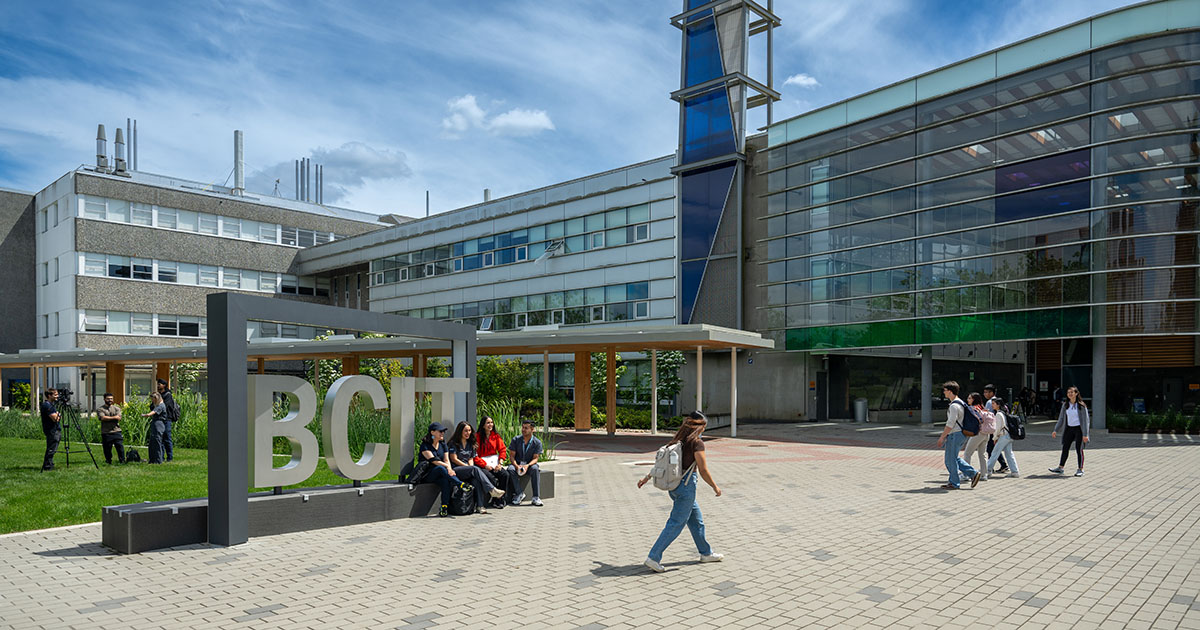
Broadcast and Digital Journalism
Certificate in Communication
This certificate program provides students with a foundational understanding of both the theoretical and practical aspects of mass communication. It offers a flexible learning format, allowing you to gain focused knowledge in a specific area of communication or explore multiple facets of the field. The program aims to equip you with new skills applicable to your professional life or to prepare you for further studies in communication.

Certificate in Indigenous Business Communications

Cinema and Digital Media
The Cinema and Digital Media program at Cégep de Saint-Jérôme provides comprehensive training for students aspiring to careers in film and digital media production. This program covers essential theoretical knowledge and practical skills necessary to succeed in the evolving media landscape. Students will explore various aspects of cinema and digital content creation, preparing them for diverse roles in the industry.

Communication and Culture
The Joint Graduate Program in Communication and Culture is designed for students interested in exploring the connections between communication, culture, and society. This research-intensive program offers both Master of Arts (MA) and Doctor of Philosophy (PhD) degrees, launched in 1999. It focuses on critical thinking and creative problem-solving to address contemporary global issues, preparing graduates for careers in academia, industry, and other fields. Students benefit from a rich academic environment with over 100 affiliated graduate faculty members and access to resources at two universities. The program is structured around three research streams: Media and Culture (M&C), Politics and Policy (P&P), and Technology in Practice (TinP). Scholarly and social activities are hosted by both partner institutions, fostering a collaborative learning experience. The vibrant and safe city of Toronto provides additional access to numerous collections, institutions, creative industries, and cultural activities, enhancing the student experience and career opportunities.
Communication Major
The Communication Major is a multidisciplinary program designed for students interested in an undergraduate degree in Communication. It provides a strong foundation in communication and media theory, research, and ethics. The program analyzes communication within complex social, political, and cultural environments. It is well-suited for those interested in media literacy, interpersonal, small group, and organizational communication, as well as the sociopolitical aspects of communication in today's world. Students will gain a broad understanding of communication theory, its contextual nature in various forms, and the processes that define human communication, fostering an appreciation for ethical communication practices.

Communications and Media BA
The Communications and Media BA program at Canadian Mennonite University (CMU) equips you with the skills to craft meaningful stories that connect people, challenge ideas, and foster understanding. This program is ideal if you are passionate about journalism, graphic design, public relations, creative media, or strategic communication, and aim to become a thoughtful, ethical, and impactful communicator. You will learn to understand audiences with empathy, produce work that matters, and analyze media critically, all while developing your creative voice and navigating the complexities of communication in a diverse society.
Computer Animation
This program offers intensive and comprehensive training in the technical and creative processes of 3D animation. Building on your existing skills, you will learn all stages of creating compelling moving images. The curriculum provides creative and technical flexibility, allowing you to specialize in your final projects. Taught by industry experts with extensive experience in television and film for major international studios, you will gain practical knowledge of real-world production challenges and stay current with emerging tools and techniques. The program emphasizes a collaborative studio environment with state-of-the-art facilities, preparing you to create a professional demo reel for career opportunities.
Doctor of Philosophy in Communication and Culture
Earth and Planetary Science Communication
The Earth and Planetary Science Communication program at Brock University is Canada's only undergraduate degree combining Earth Sciences knowledge with communication skills. Over four years, you will gain a deep understanding of scientific issues like climate change and space exploration, alongside developing the ability to effectively communicate complex scientific concepts to diverse audiences. This unique Bachelor of Arts and Sciences (BASc) program is designed to prepare you for roles at the intersection of science and public discourse. You will follow a curriculum similar to both Earth Sciences and Communications majors, building a strong foundation in both fields during your first two years. In your later years, you can specialize in areas of interest and engage in collaborative projects. The program culminates in a fourth-year capstone project where you apply your scientific knowledge and communication expertise to a chosen topic and media format. Graduates are well-prepared to work in government agencies, non-governmental organizations (NGOs), environmental companies, resource industries, space exploration companies, and science journalism.
Film Studies (BA)
The Film Studies program at Brock University is one of Canada's oldest and most respected, offering a deep dive into the critical and historical aspects of film and related media. Students will explore diverse approaches to cinema, with weekly film screenings exposing them to a wide range of cinematic works. The curriculum focuses on the history, theory, and aesthetics of moving image technologies, providing a comprehensive understanding of the medium's evolution and future. This program helps students develop strong audio-visual literacy skills, which are highly valuable across media, advertising, and technology sectors, including the film, television, and video industries. While the primary focus is on critical and historical analysis, optional courses in video production are available. Students also have opportunities for experiential learning through various program courses and can engage with the Brock University Film Society (BUFS) and BrockTV.
General Arts and Science
The General Arts and Science program at Thompson Rivers University (TRU) offers a flexible and interdisciplinary pathway for students interested in exploring a broad range of academic subjects. This program is ideal for those who want to develop a diverse skill set, gain a well-rounded education, and discover their academic passions before committing to a specific major. Students can combine courses from various disciplines to create a personalized learning experience, preparing them for a wide array of future academic pursuits or career paths.

Interactive Communication for College Preparation
This course helps students adjust to Canadian academic environments by building on their existing cultural knowledge. Through engaging classroom activities, you will enhance your listening, speaking, problem-solving, and overall communication skills. The program focuses on developing intercultural awareness, enabling you to analyze new cultural settings, reflect on your experiences, and use your background to contribute thoughtfully to your academic studies.

Maîtrise en génie des réseaux de télécommunications (M. Ing.)
Marketing Management - Public Relations
Marketing Management (Marketing Communications Option)
Marketing Management (Marketing Communications Option) Certificate
This part-time certificate program offers specialized training in marketing and promotional strategies, equipping you with expertise in developing marketing campaigns, event marketing, and corporate communications. Designed with flexible learning in mind, it combines online and in-person classes to fit your schedule. It's ideal for creative problem-solvers and self-starters looking to build a foundation for careers in marketing, public relations, or advertising. The curriculum focuses on practical skills, including creating promotional strategies and campaigns, incorporating tactics like event marketing and corporate communications, and understanding traditional advertising and sales promotion. The program prepares you for roles such as marketing coordinator, salesperson, and public relations manager. Graduates can apply course credits towards further continuing education at BCIT.
Master of Applied Science in Telecommunications Engineering (M.A.Sc.)
This master's program focuses on telecommunications networks, equipping you with advanced knowledge in areas such as networking, mobile communications, multimedia, and systems engineering. You will gain a strategic and innovative perspective on the challenges facing modern telecommunications, including the need for greater reliability, speed, and accessibility. The program prepares you to design advanced telecommunication services using Internet technologies, determine technological needs for businesses, and manage the implementation of new technologies. You can choose between a thesis-based profile (M.Sc.A.) for research-oriented careers or a project-based profile (M.Eng.) for specialization and practical application in the field.

Master of Arts in Communication and Media Studies
The Master of Arts (MA) in Communication and Media Studies at Carleton University offers advanced study in communication. Students can pursue general communication studies or specialize in areas like Data Science, African Studies, Climate Change, or Latin American and Caribbean Studies. The program provides a rigorous academic foundation, preparing students for further doctoral studies or professional careers. It emphasizes research, critical analysis, and interdisciplinary collaboration.
Master of Arts in Professional Communication
This Master of Arts in Professional Communication program is designed for working professionals who want to enhance their strategic communication skills. You will explore the theory, strategy, processes, and methods of communication, examining how messages influence behaviours, beliefs, and outcomes across various contexts like culture, politics, society, digital media, commerce, and the arts. The program aims to equip you with the expertise to align communication efforts with organizational objectives and achieve strategic goals. It offers a flexible learning structure, allowing you to choose between a blend of online courses with on-campus residencies or a fully online format.
Media + Communication
The Media + Communication program at Trinity Western University equips you with the skills to critically analyze, engage with, and positively influence our media-saturated world. You will develop your abilities in written, spoken, and visual communication, preparing you for diverse roles across various industries. The program encourages critical thinking and provides opportunities to specialize in areas like Media Studies, Professional Writing, or Leadership Communication, with options for minors in Film Studies and Professional Writing.

Media and Communication Studies
This program delves into the dynamic world of media and communication, exploring how we create, consume, and are influenced by digital content. You'll investigate the profound impact of media on society, including its economic, legal, and historical forces. The curriculum encourages critical thinking about issues like data privacy, the spread of misinformation, and the power of social media. You'll gain practical skills in media creation while also developing a deep understanding of the underlying structures and ethical considerations of the digital landscape. The program prepares you to navigate and contribute thoughtfully to the ever-evolving media environment.
Media and Communication Studies (BA)
The Media and Communication Studies program at Brock University offers a comprehensive understanding of how media and communication intersect with all aspects of modern life. This degree explores the interconnectedness of media industries, content, audiences, and policy, providing students with a nuanced perspective on the impact of digital and traditional media. You will analyze critical issues such as the spread of misinformation, the influence of social media algorithms on elections, and the rapid evolution of cultural trends. This multidisciplinary program draws insights from various fields including sociology, psychology, politics, economics, screen studies, law, and digital culture. Students will develop strong critical thinking, research design, and communication skills, preparing them to address complex challenges in our interconnected world. Graduates are equipped for leadership roles in diverse professional settings.
Media Techniques and Marketing Communications Certificate
This part-time certificate program focuses on design principles, hands-on software skills using Adobe Creative Cloud (InDesign, Illustrator, Photoshop, Acrobat), and essential marketing knowledge. It's designed to prepare you for careers in marketing, design, and advertising by equipping you with practical abilities and helping you build a professional portfolio to showcase your talent to potential employers. The program is suitable for those looking to enter the field or enhance existing skills, including individuals with a bachelor's degree seeking to specialize in marketing communications.

Science Communication
This Master of Science Communication (M.S.Com.) or Graduate Diploma program is the first and only of its kind in Canada, designed to equip you with the skills to effectively connect people with science. You will build a strong theoretical foundation and gain practical experience to inform, engage, and drive change through science communication. The program emphasizes audience-focused communication strategies, data visualization, and media production. You'll learn to apply social science research methods to current science communication challenges and develop multimedia assets for public audiences. A key component is an 8-week internship, providing real-world experience and networking opportunities. Graduates are prepared for diverse careers in government agencies, NGOs, healthcare, science centers, museums, media, and research institutions, wherever clear communication of complex scientific ideas is essential.
Video Production and Editing Associate Certificate
This part-time Associate Certificate program equips you with the skills to produce high-quality video content, including documentaries and music videos. You will gain proficiency in operating digital cameras, audio, and lighting equipment, as well as in resource procurement and image editing. The demand for skilled video producers and editors is growing, offering rewarding career opportunities in the creative industry. This program focuses on essential video storytelling and professional editing techniques, enabling you to create compelling videos for various platforms. Whether for promotional content, educational materials, personal branding, or sharing important stories through short documentaries, you will develop the confidence and ability to produce professional-level video content. Courses are developed by industry professionals, providing you with practical, hands-on experience. The program offers the flexibility to study part-time while working and includes an option for a final project to showcase your acquired skills.
Frequently asked questions
How many Media & Communication programmes are available in Canada?
+
There are 35 Media & Communication programmes across 19 universities in Canada.
Which Canadian universities offer Media & Communication?
+
Institutions include Carleton University, Mount Saint Vincent University, the British Columbia Institute of Technology, Laurentian University of Sudbury, Sheridan College, and Télé-université (Université du Québec).
How much does studying Media & Communication cost in Canada?
+
Tuition varies by programme — check each university's listing directly, as fees differ between institutions and between domestic and international students.
Can international students apply for Media & Communication programmes in Canada?
+
Yes; international students need English or French language proficiency (depending on the institution), a Canadian study permit, and must meet each programme's academic entry requirements.
What are typical entry requirements for Media & Communication in Canada?
+
Undergraduate entry requires a secondary-school diploma; postgraduate entry requires a relevant bachelor's degree; both levels require language proficiency, and some programmes request a portfolio or writing sample.