Bachelor's in Medicine & Health Sciences in United Kingdom
41 Bachelor's programmes in Medicine and Health Sciences are available across 14 universities in the United Kingdom, covering nursing, physiotherapy, biomedical science, public health, and allied health professions. Oxford Brookes University, the University of Liverpool, Cardiff University, and the University of Hertfordshire are among the featured providers, each offering professionally accredited degrees that meet UK regulatory body standards.
Tuition ranges from free to roughly €13k per year — significantly lower than postgraduate health science fees — making undergraduate entry an accessible starting point for international applicants. Clinical placements form a core part of most degrees, and students should verify NHS or equivalent placement availability for international students at their chosen institution.
Acute, Critical and Emergency Care (ACE Care)

Applied Biomedical Science BSc (Hons)
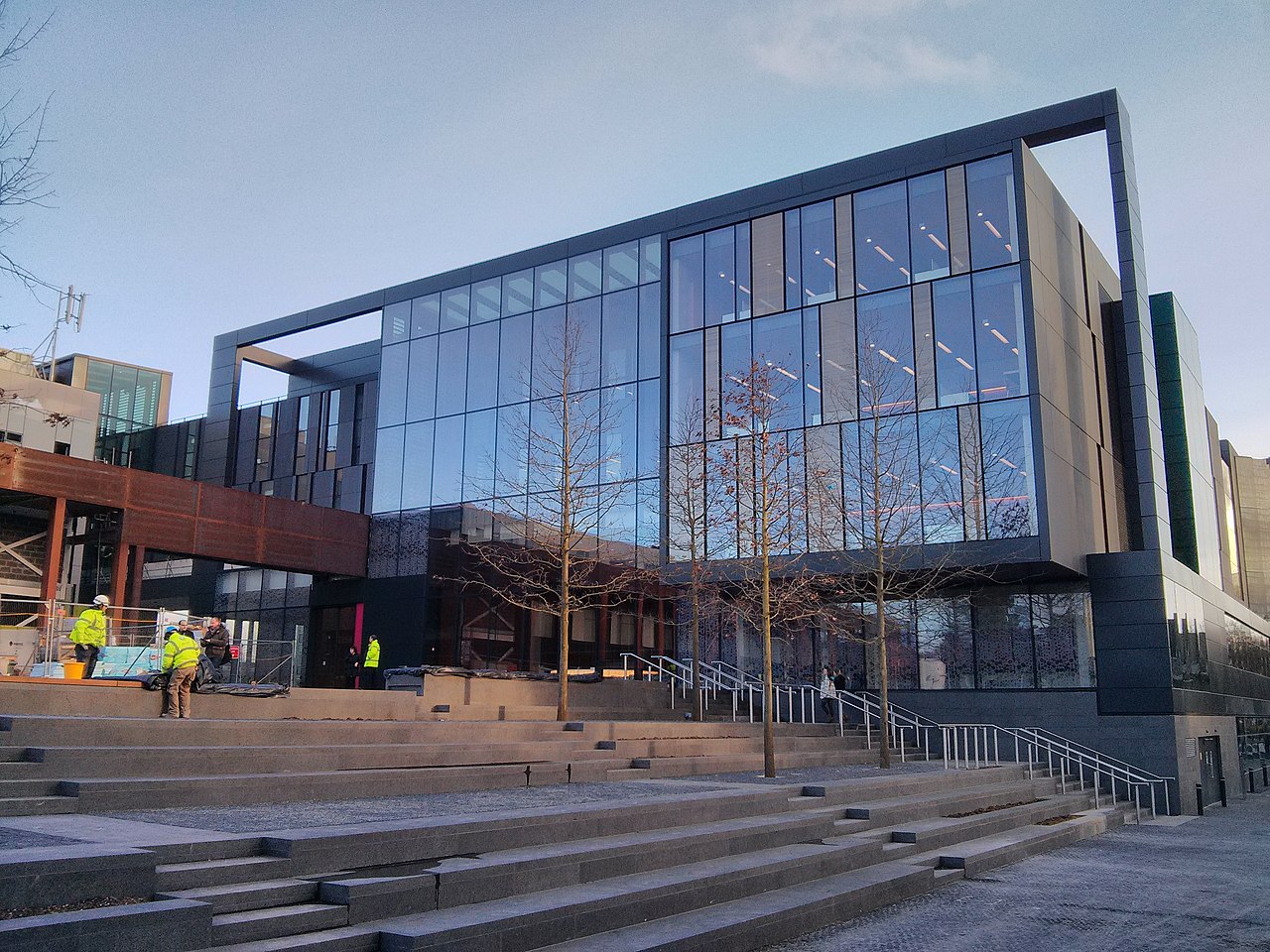
Biomedical Science
Biomedical Science (BSc (Hons))
Biomedical Science BSc (Hons)
This Bachelor of Science (BSc) Honours degree in Biomedical Science offers an in-depth study into human health and the causes of diseases that have a global impact. You will explore these issues at the molecular, cellular, and systemic levels. The course focuses on how biomedical research contributes to developing new therapeutic strategies and informing health policy. As vital members of healthcare teams, biomedical scientists in laboratories are involved in a significant percentage of diagnoses and play a crucial role in managing chronic diseases. This programme prepares you for diverse scientific careers beyond clinical laboratories, including research and development, the pharmaceutical and biotechnology industries, food and water safety, clinical trials, medical sales, and education. You will learn in state-of-the-art laboratories under the guidance of research experts in various human diseases such as cardiovascular disease, diabetes, Alzheimer's, Parkinson's, and cancer. The curriculum incorporates cutting-edge technologies like gene therapy and novel immunotherapies, reflecting advancements in medical treatments. Recent investments in the Digital Health Enterprise Zone provide access to the latest digital anatomy and pathology techniques, including digital dissection. The programme offers comprehensive training across medically related disciplines and allows for specialization in a chosen pathway during the final year.
Biomedical Science BSc (Hons)
Biomedical Science BSc (Hons)
This BSc (Hons) Biomedical Science degree explores how the human body functions and the causes and diagnosis of diseases. You will gain a comprehensive understanding of biological and medical sciences, preparing you for a career in healthcare or research. The course combines theoretical knowledge with practical laboratory skills, ensuring you are equipped with the competencies valued by employers in the scientific field. You will learn essential techniques in data handling, computing, report writing, and teamwork. The program's strong industry links and accreditation by the Institute for Biomedical Science (IBMS) ensure high-quality teaching and prepare you for professional roles.

Biomedical Sciences (BSc)
This Biomedical Sciences BSc course offers an interdisciplinary approach to learning, integrating human biology, health, and diseases. You will gain a strong foundation in the fundamentals of biomedical sciences and have the flexibility to explore specialized areas as you progress. The teaching is research-led, providing engaging learning experiences and access to research laboratories within the School of Biosciences. The curriculum emphasizes real-world context, exploring how biomedical sciences underpin modern medicine and contribute to advancements in areas like cancer biology, stem cell research, and neurobiology. This program aims to equip you with valuable transferable skills in computing, statistics, and data analysis, preparing you for diverse career paths.
Biomedical Sciences BSc (Hons)
This Bachelor of Science with Honours degree in Biomedical Sciences explores how the human body functions in both health and disease, examining biological processes from a molecular level up to the level of organs and systems. Biomedical scientists play a crucial role in advancing healthcare by researching diseases, developing new diagnostic methods, and creating innovative treatments. This program will equip you with practical research and laboratory experience, fostering strong scientific, experimental, and problem-solving skills. You will contribute to the global effort to improve human health and combat illness. The program offers a common foundation in Years 1 and 2, followed by specialized study from Year 3. In Year 4, you can choose to focus on a specific area of interest such as anatomy and development, reproductive biology, pharmacology, neuroscience, or infectious diseases. The 4-year structure provides flexibility, allowing you to explore subjects outside your core degree in the initial years and potentially tailor your specialization as your interests evolve.

BSc (Hons) Health and Social Care

BSc (Hons) Midwifery (Pre-registration, Shortened)
This shortened BSc (Hons) Midwifery degree is designed for qualified adult nurses who wish to become midwives. It provides the skills and knowledge to support women and their babies throughout pregnancy, labour, and the postnatal period. The course focuses on understanding healthy childbirth, identifying potential issues, and providing expert guidance. You will develop practical skills through hands-on experience in clinical settings, working alongside registered midwives, and through a blend of theory and e-learning.

BSc (Hons) Osteopathy for Diplomates
The BSc (Hons) Osteopathy for Diplomates programme, validated by the University of Plymouth, is designed for individuals seeking to qualify as osteopaths. This part-time, four-year course combines theoretical learning with practical clinical experience, allowing students to develop expertise in musculoskeletal health and patient care. The programme emphasizes a holistic approach to treatment, focusing on identifying and addressing the root causes of pain and dysfunction. Students will learn a range of manual therapy techniques and diagnostic skills to treat various conditions, from back pain and joint issues to sporting injuries and postural problems. The curriculum covers advanced osteopathic practices, reflective clinical work, and research methods, preparing graduates for a professional career in osteopathy. The course is taught by experienced faculty, with a blend of in-person seminars and clinical practice opportunities. Delivered across locations in Denmark (Vejle or Copenhagen) and with some seminars and exams in the UK, this program offers an international learning experience. It is structured to accommodate students seeking a flexible study option while pursuing a respected qualification in osteopathy.
BSc Biomedical Sciences
Computer Science BSc (Hons)
The BSc (Hons) Computer Science program at the University of Liverpool provides a comprehensive foundation in the principles and practices of computing. You will explore core areas such as programming, algorithms, data structures, artificial intelligence, and software engineering. This degree equips you with the theoretical knowledge and practical skills necessary to excel in a rapidly evolving technological landscape. Throughout the course, you will develop strong problem-solving abilities and learn to design, develop, and test complex software systems. The curriculum emphasizes both individual project work and collaborative team efforts, mirroring the demands of the professional IT industry. Graduates are well-prepared for a wide range of careers in technology and beyond. The University of Liverpool is a leading research-intensive university, and this program benefits from the cutting-edge research conducted by its academic staff. You will have access to state-of-the-art facilities and opportunities to engage with real-world challenges, ensuring your education is both relevant and forward-thinking.
Diagnostic Radiography BSc (Hons)
Diagnostic Radiography, also known as Medical Imaging, is a vital field focused on using various imaging technologies to create detailed pictures that help diagnose and treat injuries and diseases. This discipline is heavily reliant on technology while maintaining a strong emphasis on patient care. Initially, X-rays were the primary tool, but modern radiography now encompasses advanced techniques like Computed Tomography (CT), Ultrasound, Magnetic Resonance Imaging (MRI), and Nuclear Medicine. This course provides exposure to all these methods, allowing you to explore and potentially specialise in areas that interest you upon qualification. During your studies, you will gain practical experience and theoretical knowledge essential for a career in diagnostic radiography. The program is designed to equip you with the skills needed to operate imaging equipment, interpret results, and contribute effectively to patient healthcare teams. Graduates will be prepared for professional registration and a career in diverse healthcare settings.
Foundation to Diagnostic Radiography (Year Zero)
This is a foundational year program designed for mature students or those returning to education with non-traditional qualifications. It serves as a pathway to various vocational Health Studies programs, including Diagnostic Radiography. The program is structured to prepare students for higher education by covering essential subjects and skills. It is specifically aimed at individuals who may have been out of formal education for a period or possess qualifications outside the standard A-level or school-leaver routes. Successful completion of this foundation year provides entry into degree-level study within the Health Professions at the University of Liverpool.
Health and Social Care
Oxford Brookes University offers a range of undergraduate and postgraduate programs in Health and Social Care. These programs are designed to prepare students for careers in fields such as nursing, midwifery, social work, and allied health professions. The curriculum emphasizes practical experience through placements in various settings and is delivered by staff with clinical experience. All degrees are approved by relevant regulatory bodies, ensuring graduates meet professional standards.

Health and Social Care (including foundation year) - BSc (Hons)
Health and Social Care BSc (Hons)
This Bachelor of Science (Honours) degree in Health and Social Care is designed to equip you with the essential knowledge, skills, and confidence needed for a professional career in the health and social care sector. The curriculum is aligned with the standards set by Skills for Health and the National Occupational Standards, ensuring your advanced skills are recognised by employers. The course focuses on analyzing critical public health and social care issues, informed by current and projected changes in the UK healthcare landscape, including technological advancements and evolving care costs. You will explore health and social care holistically, with a special emphasis on the unique challenges and opportunities within London's urban environment. This approach aims to broaden your career prospects and prepare you for postgraduate studies or diverse professional roles. You will develop crucial transferable skills such as evidence-based decision-making, observation, inquiry, and critical analysis.
Health and Social Care Foundation Degree (FdSc)
This flexible Foundation Degree (FdSc) in Health and Social Care is designed for individuals currently working in health and social care settings who wish to enhance their knowledge and skills. The program is delivered in partnership with regional colleges, bringing university-level education closer to you. It is particularly beneficial for care workers seeking to advance into roles such as assistant practitioners, associate practitioners, or team leaders, as well as for those looking to consolidate existing responsibilities with newly acquired expertise. The course is also suitable for individuals interested in exploring new facets of the health and social care sector and who are employed in relevant environments. Note: This foundation degree does not lead to registration in health and social care.
Midwifery
Midwifery BSc (Hons)
This Bachelor of Science (BSc) with Honours in Midwifery is designed to prepare you for a rewarding career as a registered midwife. You will gain the skills to provide essential care to women and their families throughout conception, pregnancy, labour, and the postnatal period. The course emphasizes a student-centred approach using problem-based learning to develop your critical decision-making and teamwork abilities. You will learn to apply evidence-based knowledge to practice, fostering autonomy and innovation. With support from experienced lecturers and clinical supervisors, you will develop the proficiencies required by the Nursing and Midwifery Council (NMC), ensuring strong employability upon graduation.
Midwifery BSc (Hons)
This BSc (Hons) Midwifery course prepares you to become a lead professional in providing care for pregnant women, new mothers, and their babies. You will explore universal midwifery care, understand how care differs for women with complex needs, and learn about autonomous midwifery practice. The program integrates theory with extensive practical experience, including community midwifery, midwife-led units, and hospital settings as part of multidisciplinary teams. With current emphasis on growing the midwifery profession, you'll be equipped to contribute to its future.

Midwifery with Leadership MSci
This unique Midwifery degree program integrates leadership development with essential midwifery training, preparing you to become a registered midwife and advance in your career. Throughout your studies, you will receive mentorship from experienced academics, clinicians, and leaders within the midwifery profession and the wider NHS. The curriculum is designed to equip you with the skills and knowledge needed to excel in contemporary midwifery practice and leadership roles.
Nursing and Midwifery Programs at the University of Chester
The University of Chester's School of Nursing and Midwifery offers dynamic degree programs designed to prepare you for a successful career in healthcare. Whether you're starting your professional journey or advancing your career, our courses equip you with the essential knowledge and skills for contemporary practice. We maintain high graduate employment rates due to our focused approach. Our programs emphasize an excellent student experience, fostered through close collaboration with NHS Trusts and private healthcare providers. This ensures access to high-quality clinical placements. Our National Student Survey results reflect the effectiveness of our course content in developing innovative and enterprising healthcare professionals. We offer undergraduate degrees in all four fields of nursing: Adult, Mental Health, Learning Disability, and Children's Nursing. Additionally, postgraduate options are available in Adult and Mental Health nursing. Our teaching combines theoretical study on campus with practical skill development in state-of-the-art simulation suites, complemented by supervised clinical placements.
Nutrition
Nutrition BSc (Hons)
This Bachelor of Science (Honours) in Nutrition provides a comprehensive understanding of food science and its impact on health. You will explore various topics including eating disorders, food additives, organic food production, and the politics of food. The course emphasizes practical experience, with opportunities to engage in research, lab work, and gain work experience through employer events and potential industry placements. It is accredited by the Association for Nutrition (AfN), recognized by employers in the food, nutrition, and health sectors, which can enhance your employability and allow you to become an Associate Nutritionist. Located in Oxford, a hub for nutrition-related organizations, the university offers excellent transport links. Students can also opt for an optional year-long professional placement between their second and third years.
Occupational Therapy BSc (Hons)
This Occupational Therapy program at the University of Bradford offers a hands-on and collaborative learning experience designed to equip you with the theoretical knowledge and practical skills needed to become a registered Occupational Therapist. You will learn to understand the occupational needs of individuals and populations, develop professional skills to overcome barriers to daily living, and enhance people's ability to perform meaningful activities. Occupational Therapists play a crucial role in helping individuals recover from physical or mental health challenges, enabling them to lead fuller lives. The course involves working with both adults and children across various health and social care settings, focusing on finding creative solutions to everyday problems. You will be taught by experienced practicing Occupational Therapists in a supportive, small cohort environment. Learning will take place through real-life simulations and diverse practice placements integrated throughout all three years of the program.
Occupational Therapy BSc (Hons)
This Bachelor of Science (Honours) in Occupational Therapy program aims to equip you with the skills and knowledge to help individuals overcome daily challenges and improve their quality of life. You will gain an understanding of how people engage in occupations and how to support them to achieve their goals. The course fosters a global perspective by bringing together students from diverse backgrounds, promoting a collaborative learning environment. A supervised practice placement is integrated into each year of study, allowing you to apply theoretical knowledge in professional settings and gain practical experience. The degree is approved by the Health and Care Professions Council (HCPC) and accredited by the Royal College of Occupational Therapists (RCOT), ensuring you gain the necessary qualifications to register and practice as an occupational therapist in the UK.

Occupational Therapy BSc (Hons)
The Occupational Therapy BSc (Hons) programme at the University of Liverpool equips students with essential academic and practical skills for a fulfilling career focused on enhancing the quality of life for individuals facing physical, emotional, social, and cognitive challenges. Taught by experienced academics with extensive clinical and research backgrounds, the course provides up-to-date knowledge and practical insights. Students will learn about the human body through resources like the Human Anatomy Resource Centre, understanding how diseases and disabilities impact daily occupations. The curriculum is structured around four core themes: 'Core concepts and skills', 'Professional identity', 'Society and well-being', and 'Evidence for practice', all centered on the relationship between the person, occupation, and environment. Throughout the three years of study, a significant emphasis is placed on practical experience through clinical placements. The university has strong connections with various health and social care settings, offering diverse placements across different specialties, age groups, and conditions, including physical and mental health, and learning difficulties. A minimum of 1,000 hours of clinical experience is integrated across all years, ensuring graduates are well-prepared to analyze psychosocial, physical, and environmental factors affecting patients and to develop effective interventions. Graduates will gain a comprehensive understanding of research gathering techniques, critical thinking, communication skills, self-directed learning, and patient care. The programme holds accreditations from the Health and Care Professions Council (HCPC), the Royal College of Occupational Therapists (RCOT), and approval from the World Federation of Occupational Therapy (WFOT), which is beneficial for those seeking international career opportunities.
Paramedic Science
Paramedic Science BSc (Hons)
This three-year BSc (Hons) Paramedic Science course is designed to train you to become a registered paramedic, equipped to provide life-saving care on the front line. The curriculum focuses on caring for patients with diverse healthcare needs in various settings, both in and out of hospital. Developed in partnership with healthcare providers like the South Central Ambulance Service NHS Foundation Trust, the program emphasizes applying theory to practice through extensive placements. You will gain experience in ambulance and healthcare settings within the Thames Valley region, including potential placements in end-of-life care, airway management, or pediatric settings. The course includes a new module on mental health and wellbeing to address current healthcare demands. You will be supported by experienced teaching staff and can engage with the Student Paramedic Society.
Paramedic Science BSc (Hons)
This Bachelor of Science (Honours) degree in Paramedic Science has been developed in partnership with Yorkshire Ambulance Service. Upon successful completion, graduates will be eligible to apply for registration with the Health and Care Professions Council (HCPC) as a paramedic. The program balances theoretical knowledge with practical skills, delivered through university and ambulance service teaching facilities. Students gain hands-on experience through supervised placements in ambulance services and other clinical settings. A significant feature of this course is a paid sandwich year with the ambulance service, offering valuable work experience during the degree. The curriculum focuses on patient safety and managing diverse patient needs, including the aging population. It employs innovative teaching methods like team-based learning and extensive use of high-fidelity simulation to build core competencies. The role of a paramedic is evolving, with practitioners working in various healthcare settings beyond traditional emergency response. This program equips students to manage undifferentiated patients, conduct examinations, interpret tests, diagnose conditions, provide treatment, and advise on preventative health. Graduates from this program are prepared for the demands of the modern healthcare system, with opportunities for career advancement and specialization due to the unique placement structure. The course ensures students are equipped with the necessary skills and knowledge to practice safely and effectively as registered paramedics.
Physiotherapy
Physiotherapy BSc
The Physiotherapy BSc at the University of Leicester is designed to fully prepare you for a career in physiotherapy. You will learn from experienced practitioners who are actively involved in clinical work within the NHS, Ministry of Defence, private practice, and elite sports. This program provides a strong foundation for a fulfilling career in the field.
Physiotherapy BSc (Hons)
Embark on a rewarding career as a physiotherapist, supporting individuals across diverse settings including hospitals, community health, and sports clubs. This program at Oxford Brookes University integrates physical and psychological approaches to health and wellbeing, providing you with up to 1000 hours of practice-based learning. You'll gain hands-on experience in various clinical environments, simulation labs, and potentially with research or sports organizations. The course emphasizes an inquiry-based approach, encouraging you to connect knowledge from different fields to address clinical scenarios. With strong employability rates, graduates are well-prepared for roles in healthcare upon completion.

School of Health Sciences
The School of Health Sciences at Bangor University offers a range of programs designed to prepare you for a career in healthcare. With a focus on practical experience, students gain real-world exposure through placements within the NHS in North Wales from the beginning of their studies. The school is committed to advancing medical, health, and social care through excellent research, teaching, and learning, fostering an inclusive environment for both staff and students.
University of Bolton - Program Page
The University of Bolton offers a wide range of undergraduate and postgraduate courses across various subject areas, including Accountancy & Business, Computer Science, Health Sciences, Engineering, and Creative Arts. The university emphasizes a student-centric approach, aiming to provide a supportive and enriching educational experience. Bolton is noted for its high student satisfaction in the North West region. They also offer research programs, apprenticeships, and continuous professional development opportunities.
Frequently asked questions
How much does a Bachelor's in Medicine and Health Sciences in the UK cost?
+
Tuition ranges from free to roughly €13k per year for programmes in this group, depending on the institution and specific programme.
Which universities offer Bachelor's Medicine and Health Sciences programmes in the UK?
+
14 universities are listed, including Oxford Brookes University, the University of Liverpool, Cardiff University, and the University of Hertfordshire.
Can international students apply for a Health Sciences bachelor's in the UK?
+
Yes. International students need a Student visa. Some health professions (e.g., nursing) have additional registration requirements with bodies such as the Nursing and Midwifery Council (NMC).
What are typical entry requirements for a UK Health Sciences bachelor's?
+
A-levels or equivalent in biology, chemistry, or a health-related subject are commonly required. Work experience in a healthcare setting strengthens applications significantly.
How do I apply to a Medicine and Health Sciences bachelor's in the UK?
+
Apply through UCAS. For medical degrees, the UCAT or BMAT test may be required. Submit your personal statement early and check each university's healthcare-specific application guidance.