Psychology & Behavioral Sciences in United Kingdom
The United Kingdom offers 52 Psychology & Behavioral Sciences programmes across 34 universities, providing undergraduate and postgraduate students with a broad range of accredited pathways in clinical psychology, cognitive science, counselling, forensic psychology, and behavioural neuroscience. Coventry University, Goldsmiths College at the University of London, and Queen's University Belfast are among the well-established providers, with Goldsmiths particularly noted for its social and critical psychology tradition.
Tuition ranges from roughly €9,000 to €45,000 per year, with institutions like Buckinghamshire New University and London Metropolitan University offering competitive entry-level fees and West Herts College providing further education pathways into the field. Many UK psychology degrees are accredited by the British Psychological Society, which is an important credential for students planning careers or further postgraduate training in applied psychology.

A Level Psychology
-(1).jpg)
Access to Higher Education Diploma (Medical Science with Health Psychology)
The Access to Higher Education Diploma (Medical Science with Health Psychology) is a Level 3 programme designed for adult learners aged 19 and over who wish to progress to undergraduate study, particularly in healthcare or psychology-related fields. Delivered over 35 weeks at the University of Derby's Kedleston Road campus, this diploma provides a comprehensive foundation for university-level learning. It equips students with the necessary knowledge, study skills, and confidence for degree-level success, offering a valuable second chance for those without traditional Level 3 qualifications. This course is regulated by the Quality Assurance Agency (QAA) and emphasizes a supportive learning environment led by experienced tutors. Studying within a university setting helps students transition smoothly into higher education. The curriculum covers essential subjects like Biology, Psychology, and Study Skills, preparing students for demanding academic work and providing direct pathways to many undergraduate degrees at the University of Derby.

Applied Child Psychology - MSc
The MSc Applied Child Psychology is a postgraduate degree designed for students interested in a specific, in-depth study of child psychology across various contexts. This course explores cognitive, social, emotional, physical, and neurological development, along with research methods in child psychology. It considers the implications for policy and practice in fields like educational and clinical psychology, examining both typical and atypical development while addressing issues of inclusivity, diversity, and professional standards. This program aims to enhance your knowledge and practical experience in applied child psychology, providing the expertise and academic skills needed for graduate employment. It supports career development in childcare professions, education, child and adolescent mental health, pastoral care, special educational needs (SEN), and research involving children. For those with a BPS-accredited undergraduate psychology degree, this MSc can also strengthen applications for doctoral training in educational or clinical psychology. An optional professional placement of 20 weeks is available after completing taught modules, offering valuable work experience and enhancing employability. Students are responsible for securing their own placement, with support from the university's careers teams and employer networks. Please note that placements are competitive and not guaranteed.

Applied Psychology

Applied Psychology (Top-up) BSc (Hons)
This is a top-up degree designed for students who have already completed 240 credits in psychology and wish to earn a full honours qualification. The course deepens your understanding of key psychology areas like biological, cognitive, developmental, and social psychology, along with research methods and individual differences. You'll learn how psychological knowledge and skills can be applied to real-world personal, social, and global challenges, with potential applications in clinical, counselling, forensic, and educational settings. Delivered entirely online, this program offers a flexible study pace, access to expert support, specialist resources, and a collaborative virtual learning environment. Upon completion, you are eligible to pursue postgraduate studies, including the MSc Psychology (Conversion) course, which is accredited by the British Psychological Society (BPS).
BA (Hons) Psychology
This BA (Hons) Psychology program offers a comprehensive exploration of the human mind and behaviour, drawing from both American liberal arts and UK educational traditions. You will gain a well-rounded understanding of psychological theories and their practical applications. The interdisciplinary approach fosters critical thinking, communication, and problem-solving skills essential for various career paths. The program allows for flexibility, with options to enter directly into Year 1 or Year 2 based on prior qualifications, and the possibility to complete the degree in three years if eligible. The curriculum delves into diverse areas of psychology, including memory, language, creativity, social interaction, and brain processes. You will also explore developmental and biological psychology, along with historical and conceptual issues within the field. Later years offer specialized electives such as developmental psychopathology, brain and cognition, Psychology and Cinema, the Psychology of Happiness and Well-being, Clinical Psychology, and Human Sexuality. Students have the unique opportunity to join the only Psi Chi chapter in the UK, the International Honor Society in Psychology, fostering academic excellence and networking. The program also emphasizes research skills development through the Mind in Society Psychology Research Centre and access to the Psychology Laboratory for hands-on research experience, preparing students for postgraduate studies or careers in psychology.

BA Applied Psychosocial and Psychotherapy Studies
This degree explores the practices of counselling and psychotherapy, examining them within their broader social and cultural contexts. You will gain a deeper understanding of individuals by considering how their environments – historical, cultural, social, and political – impact them, and vice versa. The course balances theoretical knowledge with practical application, equipping you with the tools to understand and engage with complex human experiences. You will develop critical thinking, empathic understanding, and a greater self-awareness throughout your studies.

BSc (Hons) Psychology
Explore the human mind and understand what drives human behavior with a BSc (Hons) Psychology degree at Canterbury Christ Church University. This program offers an interdisciplinary and practical approach, allowing you to investigate how biology, culture, emotions, and relationships shape who we are. You will gain hands-on experience using specialist equipment like virtual reality and brain imaging technology, while also learning to navigate ethical challenges in psychological research and apply this knowledge to real-life scenarios. The course emphasizes bridging theory with real-world practice, preparing you for a fulfilling career in psychology or related fields.

BSc (Hons) Psychology

BSc (Hons) Psychology of Sport and Performance
This BSc (Hons) Psychology of Sport and Performance degree, accredited by the British Psychological Society (BPS), provides a foundation for a career as a Chartered Sport and Exercise Psychologist or HCPC Registered Practitioner Psychologist. You will gain practical experience using advanced equipment in well-equipped laboratories and be instructed by experienced BPS Chartered and HCPC Registered psychologists. The course focuses on understanding the psychological factors influencing performance in sport and exercise, including motivation, stress, leadership, and group dynamics. It also explores promoting physical activity and the mental well-being of athletes. Students will develop transferable skills applicable to various professional settings, including sport, healthcare, education, and broader societal roles.
BSc (Hons) Psychology with Foundation Year
This four-year BSc (Hons) Psychology with Foundation Year program is designed for students who may not meet the direct entry requirements for a degree. The foundation year provides essential skills and knowledge to prepare you for full-time Honours degree study. You will explore the complexities of the human mind, understanding how behavior, emotions, thoughts, and experiences shape individuals. The course takes an interdisciplinary and practical approach, allowing you to collaborate with experts and gain hands-on experience with specialized equipment like virtual reality and brain imaging technology. The program emphasizes the interplay of biology, culture, emotions, and relationships in human development. You will learn to navigate ethical challenges in psychological research and apply this knowledge to real-world situations. An optional placement year offers the chance to gain practical experience, build industry contacts, and enhance your employability in fields such as clinical, forensic, or educational psychology. Graduates will possess the confidence, skills, and connections for a fulfilling career in psychology and related fields.

BSc Psychology
The BSc Psychology degree at Aberystwyth University is accredited by the British Psychological Society (BPS) and is designed to deepen your understanding of the human mind and behaviour. The program emphasizes developing theoretical knowledge and practical skills to solve real-world problems. This degree provides a broad foundation in psychology, offering a variety of career opportunities while allowing you to customize your studies through a selection of optional modules. The curriculum is built around essential core psychological topics, which form the basis for more specialized areas explored in later years. You will be taught by research-active lecturers and experts, ensuring you benefit from the latest developments in the field. The program encourages critical engagement with key issues and provides opportunities to explore specialized topics. Graduates are eligible for Graduate Basis for Chartered Membership (GBC) of the BPS, which is essential for pursuing a career in psychology.
BSc Psychology
This BSc Psychology degree offers a unique approach to understanding human behaviour, exploring the psychological processes that shape how individuals think, feel, and interact. You will analyze critical issues in contemporary psychology through a bio-psycho-social model, linking theory, research, policy, and practice. The curriculum emphasizes real-world relevance with themed teaching blocks covering topics like social justice, health, and artificial intelligence. A strong focus on research equips you with quantitative and qualitative skills, supported by access to excellent facilities including EEG suites and virtual reality labs. The program fosters an empowered learning experience with community at its core, offering academic mentorship and opportunities to tailor your studies through optional modules in your second and third years. This degree is accredited by the British Psychological Society, providing eligibility for Graduate Membership, a crucial step towards becoming a Chartered Psychologist.

BSc Psychology
This Bachelor of Science (BSc) degree in Psychology provides a comprehensive understanding of human behaviour, thought processes, and emotions. You will explore various psychological theories and research methods to investigate the complexities of the mind and behaviour. The course covers core areas of psychology, including cognitive psychology, social psychology, developmental psychology, and neuroscience. It aims to equip you with critical thinking and analytical skills to understand individual and group behaviour in diverse contexts. The program is designed for students interested in pursuing a career in psychology or related fields that require a deep understanding of human interaction and mental processes.
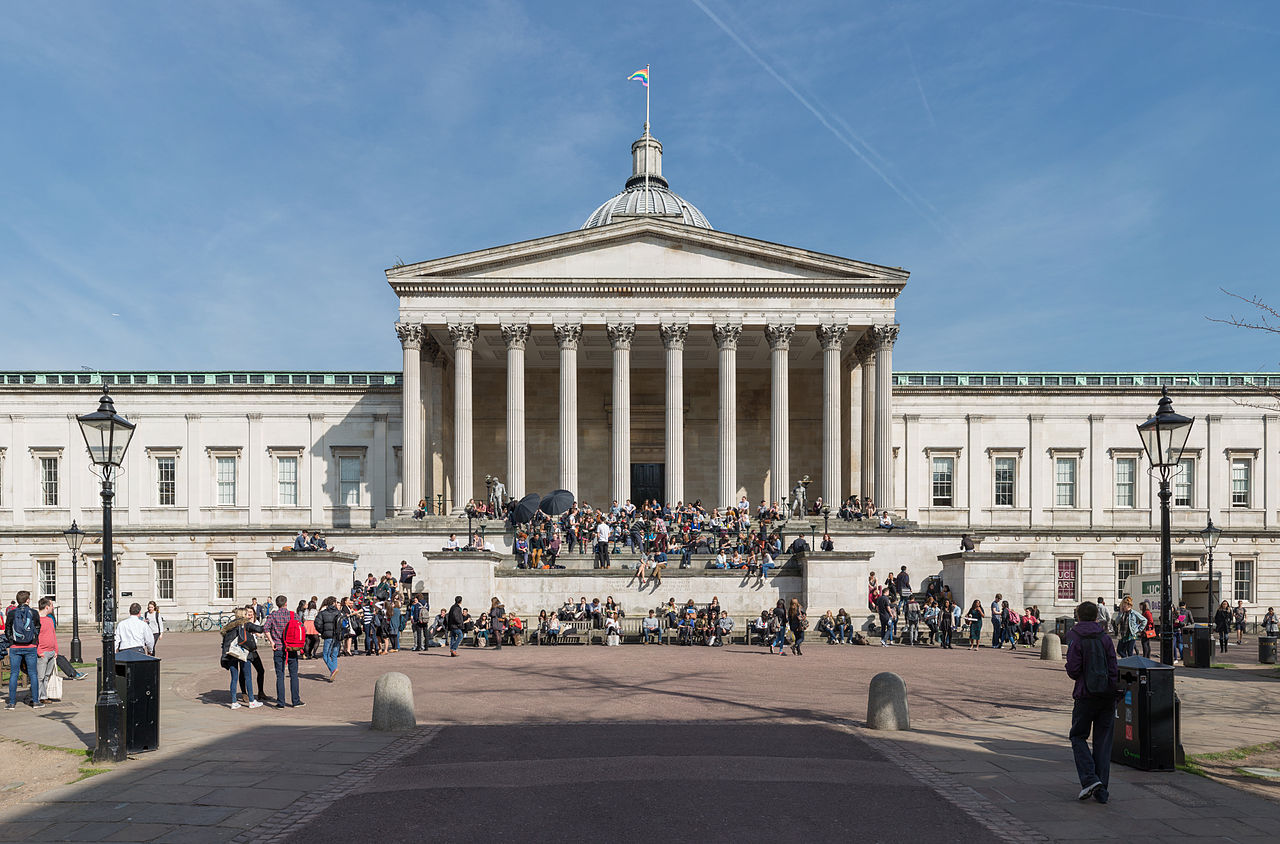
Cognitive and Decision Sciences MSc
This Master of Science (MSc) program delves into the cognitive processes and representations that underpin human thought, knowledge, and decision-making. It adopts a computational perspective, viewing cognition and choice as processes implemented in neural hardware. The course integrates diverse disciplines and methodologies to explore key topics such as the nature of computational explanation, general principles of cognition, the scope of rational choice, probabilistic models of the mind, learning, and memory, with applications in economics and business. This program is designed for students interested in research careers within cognitive and decision sciences or for those seeking to develop a strong understanding of human thought processes to address applied problems in fields like marketing, finance, and public policy. It leverages UCL's world-leading research in psychology, psychiatry, and neuroscience, providing a rich academic environment in London, a global hub for cognition and neuroscience research.

Counselling and Psychotherapy BSc (Hons)
This BSc (Hons) degree in Counselling and Psychotherapy provides a comprehensive training in essential counselling skills, ethical practice, and theoretical frameworks. You will develop self-awareness and confidence while learning to help individuals and groups navigate difficult experiences and process challenging emotions. The program emphasizes a humanistic philosophy grounded in social justice, encouraging a sensitive approach to issues of inequality. Teaching is delivered by experienced educators who are also active researchers and practicing counsellors, ensuring that learning is rooted in both theory and real-world professional practice. The curriculum includes an international perspective on mental health to broaden your understanding and approach.
Counselling Courses
Counselling is a rewarding field that allows you to make a significant positive impact on individuals' lives. Our training courses cater to various needs, from developing fundamental listening skills to enhancing your capabilities in current or related roles. We provide pathways to support your journey towards becoming a qualified agency counsellor.
Coventry University - Data Science MSc
This Master of Science (MSc) in Data Science is designed to equip you with the advanced theoretical knowledge and practical skills essential for a career in this rapidly growing field. You will learn to extract meaningful insights from complex datasets, develop predictive models, and communicate your findings effectively. The program covers a broad spectrum of data science topics, including data mining, machine learning, statistical analysis, and data visualization, preparing you for a wide range of roles in various industries.
Criminology and Psychology BSc (Hons)
This combined BSc (Hons) Criminology and Psychology degree provides a deep understanding of criminal behaviour, essential for careers working with offenders and victims. You will explore why individuals commit crimes, the psychological impact of crime, and the principles of rehabilitation. The program is delivered within one of the UK's largest criminology departments, offering diverse module choices including specialist areas like forensic psychology. This course is designed to equip you with the knowledge and skills to pursue a variety of career paths. You can tailor your studies towards fields such as policing, probation, prison services, or victim support. The curriculum is taught by experts, including forensic psychologists and criminologists whose research ensures the modules remain current and insightful.

Doctorate in Forensic Psychology (DForenPsy Top-up)
This top-up programme is designed for individuals who have already completed Stage 1 training and hold a BPS-accredited Masters in Criminological, Forensic, or Investigative Psychology. It allows you to complete Stage 2 of your training to become a chartered and registered forensic psychologist. The course is jointly delivered by the Centre for Forensic and Family Psychology (CFFP) within the School of Medicine and the Institute of Mental Health. Upon successful completion, you will be eligible to apply for Chartered Psychology status with the British Psychological Society (BPS), registration with the Health and Care Professions Council (HCPC) as a Forensic Psychologist, and full membership of the Division of Forensic Psychology. During the programme, you will engage in practical experience through placements in forensic environments across the UK and Ireland, working with victims and offenders in various settings. You will also attend two weeks of block teaching at the University of Nottingham each year, typically in October and January.

Engineering, Motorsport & Construction - University of Bolton
The University of Bolton offers a range of Engineering, Motorsport, and Construction courses designed to prepare students for successful careers in these dynamic fields. With a focus on practical application and industry relevance, the programs aim to equip graduates with the skills and knowledge demanded by employers. Students benefit from access to modern facilities and a supportive learning environment. The university is committed to providing a high-quality educational experience, evidenced by its strong student satisfaction ratings in the North West. The curriculum is structured to cover essential theoretical concepts alongside hands-on experience, ensuring a well-rounded education. Graduates are encouraged to pursue further professional development and contribute to their respective industries.
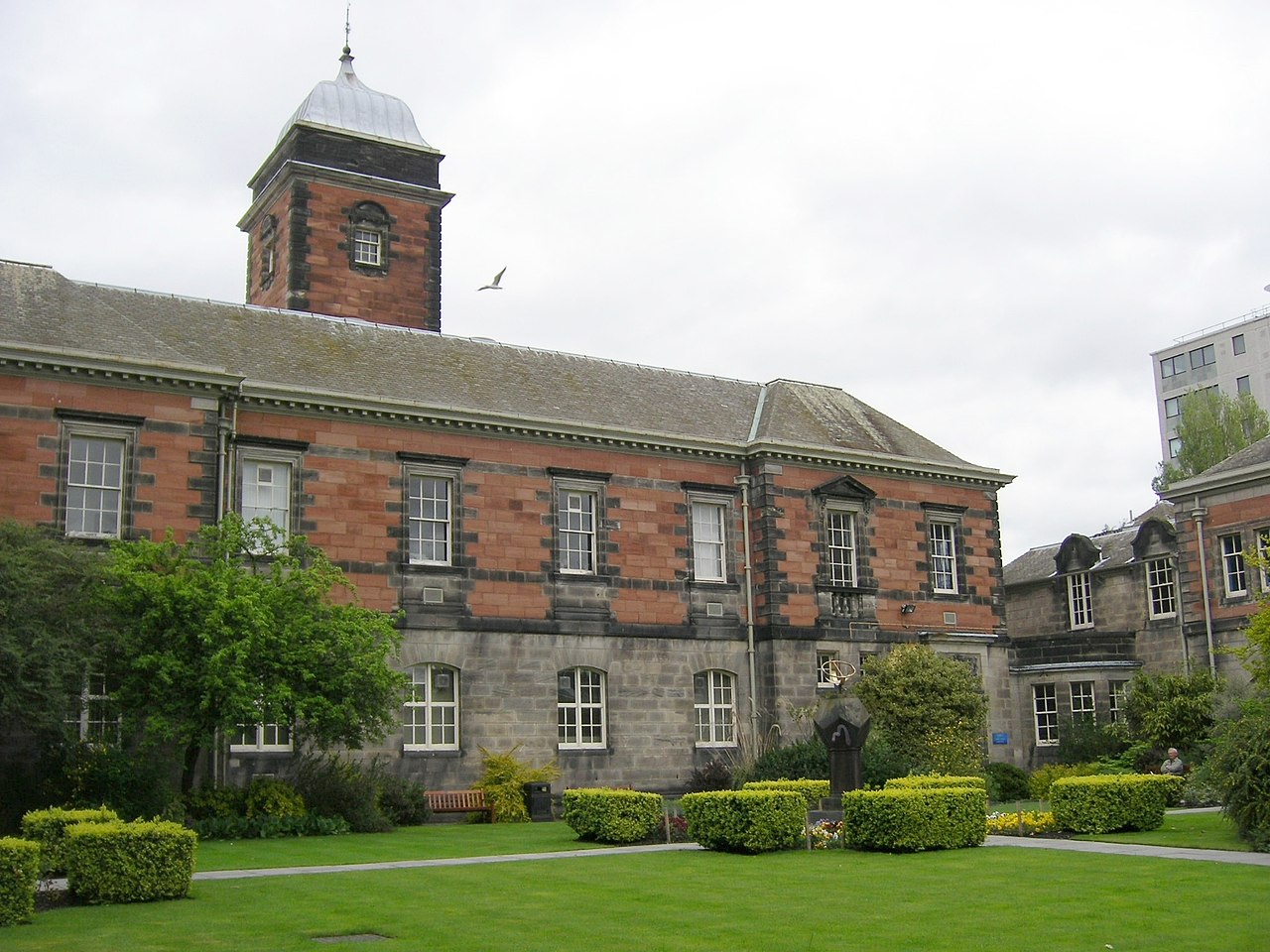
History and Psychology MA (Hons)
This program offers a comprehensive study of both social, cultural, and political history alongside the scientific exploration of the human mind and behaviour. You will engage with historical periods from the early modern era to the present, focusing on regions like the British Isles, Europe, the Americas, Africa, and India. The curriculum emphasizes the use of primary sources and various forms of evidence, encouraging critical analysis of historical debates and representations. In psychology, you will delve into topics such as child development, cognitive changes throughout life, personality, social dynamics, and psychological disorders. The program equips you with essential skills in critical thinking, problem-solving, data analysis, clear written communication, and research project design and execution. Graduates may be eligible for professional accreditation, enhancing postgraduate study and career opportunities.

International Marketing and Consumer Psychology MSc
This MSc program focuses on understanding consumer behaviour and applying psychological insights to develop effective international marketing strategies. You will learn to interpret how consumers think, feel, and make decisions, and translate this knowledge into practical marketing solutions for global and digital markets. The curriculum is designed to equip you with strategic, analytical, and behavioral insight skills, informed by current academic research in consumer psychology, culture, and sustainable marketing practices. The program emphasizes developing critical evaluation skills, the ability to address complex marketing challenges, and an understanding of ethical and responsible marketing in an international context.
MA Art Therapy
The MA Art Therapy program at the University of Derby is designed to equip you with the theoretical knowledge and practical skills necessary to become a registered art therapist. This course emphasizes the crucial role of imagery and imagination in art therapy practice. You will gain hands-on experience in clinical art therapy under supervision, participate in group work, engage in studio practice, and develop a critical understanding of contemporary theoretical frameworks. The program aims to foster your clinical reasoning skills and professional identity through a blend of taught modules, personal therapy, and a significant Independent Scholarship project.
MA in Psychology
The MA in Psychology program at American University provides rigorous graduate-level training designed to prepare students for careers in research, applied psychology fields, or for doctoral studies. The program offers flexibility, allowing students to choose between a thesis or non-thesis option and specialize in either the Psychological Science track or the Clinical Science track. This structure ensures students can tailor their education to their specific academic and career goals.

MBA Master of Business Administration with a Specialism in Business Psychology
This online MBA with a Specialism in Business Psychology is designed for aspiring leaders who want to combine management expertise with psychological insight. It focuses on building more effective, engaged, and high-performing teams by enhancing your understanding of both business principles and human behaviour. The programme aims to equip you with skills for leadership, HR, executive coaching, and consultancy roles, preparing you for the demands of a people-driven economy. You will learn to influence, motivate, and build high-performing cultures, resolve complex management problems using psychological tools, and drive sustainable organisational change.

MSc Applied Positive Psychology
The MSc in Applied Positive Psychology at Buckinghamshire New University explores the science behind human flourishing and excellence. This master's program is designed for individuals fascinated by human behavior and those looking to unlock their potential and help others do the same. It offers a unique focus on personal and professional wellbeing, equipping students with practical skills applicable in various contexts. As one of the few universities globally offering this course, Buckinghamshire New University provides strong expertise in Applied Positive Psychology. The program is taught by expert lecturers and practitioners from the university's Centre for Positive Psychology, covering topics like happiness, resilience, strengths, and coaching. The course is flexible, delivered part-time over two or three years via distance learning, allowing students to balance studies with other commitments. The curriculum emphasizes a critically reflective approach to applying positive psychology knowledge. Students will delve into how different methods and techniques improve performance and subjective experience across various settings, from education and organisational development to private coaching and daily life. The program encourages a deep dive into psychological research, exploring how theories have evolved to maximise happiness and wellbeing.
MSc Psychological Studies
This MSc programme is designed for graduates from disciplines other than psychology who wish to gain a foundational understanding of the subject. It serves as an excellent first step for those aspiring to a career in psychology or related fields. The course covers the broad spectrum of psychological study, from biological and social influences on behaviour to perception, cognition, communication, and lifespan development. You will gain the necessary knowledge and skills to pursue a career in psychology or in areas where understanding human behaviour is important. The programme offers opportunities for specialization, particularly in mental health, through a selection of elective courses, some of which may be delivered online. Completion of this conversion course can lead to graduate basis for Chartered Membership of the BPS, opening doors to specialized psychology careers or can be used as a basis for careers in fields that benefit from a strong understanding of human behaviour.

MSc Psychology
This Master of Science (MSc) in Psychology is designed as a conversion course, suitable for individuals with limited prior knowledge of the subject. It aims to provide a strong foundation in the core theories, methods, and practices of psychology, aligning with the guidelines set by the British Psychological Society (BPS). The curriculum covers essential areas such as developmental psychology, cognitive psychology, historical and conceptual issues in psychology, and mental health and disorders. Students will develop practical skills in research methodologies, data analysis (both statistical and qualitative), and measurement techniques, preparing them for a career as a professional psychologist or for further postgraduate study. The course emphasizes the integration of theory, research, and practice, allowing students to gain practical experience and develop critical thinking, problem-solving, and analytical skills. With a fixed teaching timetable of two days per week for full-time students (or one day for part-time), the program is structured to help students balance their studies with other commitments. Completing this BPS-accredited MSc grants Graduate Basis for Chartered Membership (GBC) of the British Psychological Society, a crucial step for professional chartered status.
MSc Psychology (Conversion)
This MSc Psychology (Conversion) program offers a scientific approach to understanding human behavior, suitable for those seeking a career change into psychology or needing to meet British Psychological Society (BPS) criteria for Graduate Basis for Chartership (GBC). The course covers core areas of psychology, including cognitive, biological, social, and developmental psychology, alongside individual differences and personality. You will receive thorough training in research methods and have the opportunity to work with academics who are experts in their fields and potentially get involved in ongoing research projects. The program is delivered through lectures, tutorials, and practical lab work, primarily on campus for three days a week. It is designed to provide a broad understanding of psychological theory and research, equipping students with the foundational knowledge required for further professional training in psychology. The curriculum is structured to ensure BPS accreditation, with a significant research dissertation forming a key part of the assessment.

MSc Psychology with Mental Health

MSc Sport and Exercise Psychology
This Master of Science (MSc) program in Sport and Exercise Psychology focuses on key areas such as professional practice, contemporary issues, and research methods within the field. You will develop advanced practitioner skills and explore topics like specialized populations and positive psychology. The course combines academic research with practical experience to prepare you for a career in this growing sector. Sport and Exercise Psychology is increasingly important for sports clubs, teams, and organizations, and this dynamic program offers theoretical, practical, and research-based modules designed to train highly skilled practitioners. The program is endorsed by the BASES Postgraduate SEPAR Endorsement Scheme (PSES), allowing graduates to pursue the necessary training route if desired. While primarily for those with backgrounds in Sport and Exercise Science or Psychology, it's also suitable for individuals from Sports Therapy or Strength, Conditioning, and Coaching disciplines looking to specialize.
PGDip Cognitive Behavioural Therapy
The Postgraduate Diploma in Cognitive Behavioural Therapy (PGDip CBT) at Buckinghamshire New University is a two-year, part-time program designed to qualify you as a CBT therapist. This course is accredited at Level 2 by the British Association for Behavioural and Cognitive Psychotherapies (BABCP), meeting their minimum training standards. You will develop essential knowledge and skills in CBT theory, ethical practice, and evidence-based clinical application, with a focus on treating mood and anxiety disorders. Delivered by experienced CBT therapists, the curriculum provides comprehensive training and includes clinical supervision for your training cases. The program is tailored to support individuals from diverse clinical backgrounds, including those without a core profession, by offering full support for the BABCP's Knowledge, Skills, and Attitudes (KSA) portfolio requirements. This flexible format allows you to advance your career while continuing your current professional commitments. Upon completion, you will be equipped with practical CBT techniques to make an immediate impact on clients' lives and will be eligible to apply for BABCP accreditation as a CBT therapist. For those seeking further academic advancement, an MSc pathway is also available, which includes a master's thesis in the second year.

Professional Doctorate in Clinical Psychology
This Professional Doctorate in Clinical Psychology program at the University of Hertfordshire focuses on training psychologists with a strong commitment to inclusion, collaboration, and equity. It adopts a social constructionist perspective, emphasizing that individuals are experts in their own lives and that mental health support should be flexible and responsive to diverse contexts. The program takes a critical approach, examining the socio-political influences on mental health and deconstructing the underlying ideologies of mainstream therapy models and service design. It actively works to dismantle oppressive systems and promote anti-racist and anti-oppressive practices, integrating cultural humility throughout the training. The teaching staff are described as friendly and supportive, fostering a collaborative environment to help trainees develop into unique and highly competent clinical psychologists who can integrate their personal values with professional development.
Psychology
Psychology
Psychology is the study of the human mind, exploring how and why people think and behave as they do. This field of study offers a broader understanding of the mind, which can be applied to improve performance, identify individual traits, understand social interactions, and enhance relationships. A background in psychology can lead to exciting career opportunities in various professional areas where skilled practitioners are highly valued.
Psychology (Applied Educational Psychology Doctorate) DAppEdPsy
This Doctorate in Applied Educational Psychology (DAppEdPsy) is designed to prepare you for a professional career as an educational psychologist. The program emphasizes the crucial link between psychological theory and practical application. Delivered by the School of Psychology, which has over 50 years of expertise in this field, you will have opportunities to interact with leading practitioners and researchers. We maintain strong collaborations with professional educational psychologists working in local authorities and various other settings. The course promotes inclusive principles and practices, aiming to develop you into an effective consultant, systems analyst, and problem-solver with a scientist-practitioner mindset. Your learning will encompass academic taught modules, professional fieldwork placements, and a significant research project.

Psychology (Conversion)
The MSc Psychology (Conversion) program at Birkbeck, University of London, is specifically designed for graduates from non-psychology backgrounds or those with an unaccredited psychology degree. This rigorous course is accredited by the British Psychological Society (BPS) and provides you with the Graduate Basis for Chartered Membership (GBC), a crucial step for pursuing various recognized psychology professions. This program will equip you with a strong foundation in psychological theory and practice, including specialisms like neuroscience, perception, memory, developmental, and social psychology. You will gain hands-on experience with scientific methodologies, from behavioural experiments and brain imaging to clinical assessments, learning both critical thinking and valuable transferable skills for a wide range of careers. Studying at Birkbeck means learning from world-leading academics in the School of Psychological Sciences, which is renowned for its research excellence. The program offers flexible study options, including full-time (1 year) or part-time (2 years), with October and January start dates. Teaching is supported by a dedicated team and combines on-campus practical sessions, online seminars, and lectures, with at least half of your time on campus.
Psychology (Conversion) MSc
The Psychology (Conversion) MSc is designed for graduates who have not previously studied psychology or hold a psychology degree that is not accredited by the British Psychological Society (BPS). This course provides a comprehensive grounding in psychological theory and research methods, equipping you with the knowledge and skills necessary for further postgraduate study or careers requiring psychological understanding. You will explore core areas of psychology, including cognitive processes, social behaviour, development, and individual differences, alongside essential research methodologies.

Psychology (International Year One)
The Psychology (International Year One) program at the University of St Andrews is designed as a fast-track pathway for international students aiming to pursue an undergraduate degree in Psychology. This nine-month full-time program provides a comprehensive introduction to university-level teaching and research in psychology, while also covering first-year modules. Successful completion allows direct progression into the second year of a four-year single honours undergraduate Psychology degree. This program is ideal for students who have a strong academic background in sciences, particularly biology, mathematics, or integrated sciences, and wish to specialize in understanding the human brain, perception, and social interaction. It prepares students for the rigors of undergraduate study in a highly-ranked Psychology department.

Psychology BSc
This British Psychological Society (BPS) accredited Psychology BSc programme offers a comprehensive study of human behaviour and the brain processes behind it. Over three years, you will explore the breadth of psychology, covering key areas such as cognitive, developmental, neuroscience, clinical, social, and health psychology, alongside research methods. The first two years provide a strong foundation in core topics, including memory, social interaction, and neurobiology, with advanced training in research methodology. In the final year, you can specialise in areas of interest through optional modules and undertake an in-depth, independent research project, potentially leading to graduate membership of the BPS, a crucial step for further postgraduate study in specialized fields like clinical or forensic psychology.
Psychology BSc (Honours)
The BSc (Hons) in Psychology at the University of St Andrews provides a comprehensive introduction to the field, covering areas like perception, cognition, motivation, and behaviour. You will gain a strong foundation in both the theoretical underpinnings and contemporary developments in psychology. The course emphasizes practical application and research techniques from the outset. Students with a science background or those wishing to combine psychology with other science subjects will find the BSc particularly suitable. Upon successful completion of required modules, the degree is recognised by the British Psychological Society, providing a basis for graduate registration and further professional training in areas such as clinical or educational psychology.
Psychology BSc (Hons)
Studying Psychology at Oxford Brookes will equip you with the skills to understand human behaviour and its diverse applications. You'll learn how to apply psychological theories to real-world issues, potentially improving health, education, or working conditions. The course content is kept up-to-date with the latest psychological developments, and focuses on building your employability skills. You will gain practical experience in modern labs, learning to design studies, analyze data, and conduct interviews to develop a deep understanding of human experiences. The teaching staff are active researchers whose work informs the curriculum, offering you the chance to get involved in their projects and receive dedicated one-to-one support.
Psychology BSc (Hons)
This BSc (Hons) in Psychology is designed to provide a comprehensive understanding of the human mind and behavior. You will explore internal mental processes, the biological underpinnings of behavior, social and developmental contexts, and clinical aspects of mental processes. The course shares connections with disciplines such as biology, anthropology, philosophy, and education. The degree adheres to the guidelines of the British Psychological Society (BPS) and offers a variety of final-year options. These modules allow for specialization in areas like social psychology, developmental psychology, cognition, behavioral neuroscience, neurorehabilitation, education, and health. You also have the opportunity to extend your studies to four years by applying for a placement year or a year abroad. Please note: The University is undertaking a review of its courses as part of its Durham Education 2027 initiative. While the core subjects and academic standards will remain, the organization and balance of modules may change for courses starting in 2027. Updates will be communicated by the end of summer 2026.
Psychology Courses at the University of Dundee
Psychology is the scientific study of the human mind and behavior. At the University of Dundee, you can explore this fascinating field through a variety of undergraduate and postgraduate programs. These courses are designed to help you understand what motivates, challenges, and influences people across different stages of life, from infancy to old age. You will develop fundamental research skills to understand and practice psychology, gaining insights into human cognition, emotion, and social interaction.
Secondary Psychology with QTS (14-19) PGCE
This PGCE program equips you with the skills to teach Psychology to 14-19 year olds, leading to Qualified Teacher Status (QTS). You will learn to make complex psychological theories and research accessible to young learners, focusing on areas like cognitive development and social influence. The course aims to develop your ability to design and deliver engaging lessons, fostering critical thinking and research skills in your students. You will gain practical teaching experience through extensive school placements, supported by university tutors and school-based mentors. This program is suitable for recent graduates or career changers passionate about psychology and education.

Understanding Muslim Mental Health
This short online course explores the complex relationship between mental health and the Muslim experience. It addresses the global issue of poor mental health and how faith, while often a source of support, can also present challenges. The course highlights that Muslims in Britain may face barriers to accessing mental healthcare, resulting in under-referral and poorer outcomes when they do engage with services. By increasing awareness of the unique circumstances and experiences within Muslim communities, this course aims to foster more effective support systems.
Frequently asked questions
How much do Psychology & Behavioral Sciences programmes cost in the United Kingdom?
+
Tuition ranges from roughly €9,000 to €45,000 per year. Buckinghamshire New University and London Metropolitan University are among the more affordable options, while some specialist London institutions are at the higher end.
Which universities in the UK offer Psychology & Behavioral Sciences programmes?
+
34 universities offer these programmes, including Coventry University, Goldsmiths College at the University of London, Queen's University Belfast, London Metropolitan University, Buckinghamshire New University, and West Herts College.
Can international students apply for Psychology programmes in the UK?
+
Yes, UK psychology programmes welcome international applicants; requirements typically include relevant academic qualifications, English language proficiency (IELTS or equivalent), and a personal statement.
Are UK psychology degrees accredited?
+
Many UK psychology undergraduate degrees are accredited by the British Psychological Society (BPS), which is important for students who plan to pursue further training or careers in applied or clinical psychology. Check each programme's accreditation status directly.
How do I apply for a Psychology programme in the UK?
+
Undergraduate applications are submitted through UCAS; postgraduate applications go directly to each university. Prepare transcripts, a personal statement, English test scores, and references before the relevant UCAS or university deadline.