Media & Communication in United States
The United States offers 95 Media & Communication programmes across 48 universities, spanning journalism, film, public relations, broadcast media, digital media, and communication studies. Purdue University, Duke University, the University of California Los Angeles (UCLA), the University of Colorado Boulder, Lasell College, and National Park College are among the 48 providers, covering both elite research universities and smaller specialist institutions. Tuition ranges from free up to roughly €51,000 per year, with the upper end reflecting full-fee programmes at major private universities.
US Media & Communication degrees are valued for their practical, industry-linked curricula; many programmes include studio production, newsroom labs, and internship partnerships with broadcasters and publishers. Graduate communication programmes often focus on strategic communication, media management, or digital journalism. International students are eligible to apply and, on an F-1 visa, can undertake Optional Practical Training (OPT) for up to 12 months after graduation.

Advertising and Public Relations (BA)
Advertising and Public Relations, BA
Lindenwood University offers a Bachelor of Arts in Advertising and Public Relations designed to equip students with practical skills for careers in a rapidly evolving industry. The program emphasizes communication across various media, combining theoretical knowledge with hands-on application through real-life projects and professional events. Graduates are prepared to become strategic team players and leaders in advertising and public relations. This degree integrates coursework from advertising, art and design, business, communications, digital media, and marketing. The curriculum is structured to introduce foundational concepts, provide opportunities for practice, and culminate in advanced coursework where students develop their own campaigns. The program is taught by experienced practitioners who understand the current industry landscape and its challenges.

BA in Visual Arts and Experimental Media
The Bachelor of Arts in Visual Arts and Experimental Media program at the College of Mount Saint Vincent offers a comprehensive education for students interested in exploring diverse forms of artistic expression. This program combines foundational art principles with the latest in experimental media and digital technologies, preparing students for a wide range of creative careers. Students will develop critical thinking, technical skills, and a unique artistic voice through a curriculum that encourages interdisciplinary exploration.

Bachelor of Applied Science in Digital Art and Media
The Bachelor of Applied Science in Digital Art and Media is designed to equip students with the advanced creative and technical skills needed for careers in fields such as graphic design, illustration, visual communication, and animation. The program emphasizes hands-on learning in areas including digital audio and video production, web design, and animation. Students will develop the ability to craft compelling digital narratives and build a strong professional portfolio.

Bachelor of Arts in Communication
Bachelor of Arts in Digital Media Art & Design (BA DMAD)
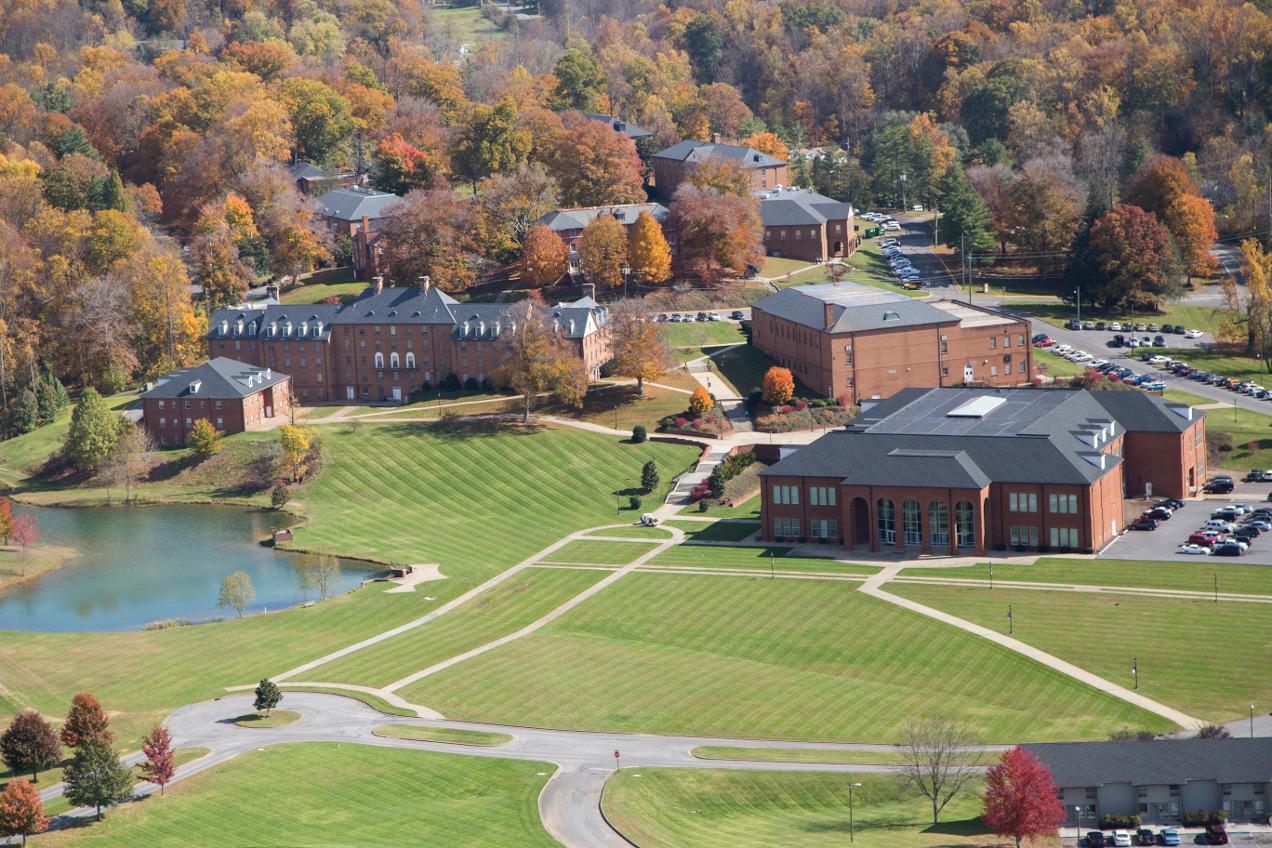
The Bachelor of Arts (BA) in Digital Media Art & Design (DMAD) at King University is designed to equip students with both the creative and technical skills necessary for visual communication in the digital age. This program transforms your passion for areas like digital photography, videography, and graphic design into a foundation for a career in the evolving digital media field. The curriculum emphasizes developing a strong portfolio through hands-on projects and provides a unique business component tailored for visual artists, preparing you to enter the industry or start your own ventures. You will learn to use industry-standard software and hardware in a supportive community, guided by expert faculty dedicated to your success.

Business Communication
The Business Communication program at Stevenson University equips students with the skills to craft compelling messages for businesses. You'll learn to tell unique stories through a blend of communication, business, writing, and design principles. This program prepares you for a variety of roles in fields such as public relations, social media management, content creation, and event planning. Graduates will be proficient in oral and written communication, business writing, multimedia presentations, publication design, information technology, and practical internship experience.

California State University Channel Islands Programs
California State University Channel Islands (CSUCI) offers a wide range of academic programs designed to provide students with a comprehensive and engaging educational experience. Located between the Santa Monica Mountains and the Pacific Ocean, CSUCI provides a unique and inspiring setting for learning. The university emphasizes a student-centered approach, fostering a supportive community where students can explore their interests and prepare for future careers. With a commitment to affordability, CSUCI also offers significant financial aid opportunities to its students.
Cinema and Media Arts, MFA
The Master of Fine Arts (MFA) in Cinema and Media Arts at Lindenwood University is designed to prepare students for careers in film, television, advertising, journalism, and related fields. The program emphasizes hands-on experience with state-of-the-art technology and guidance from faculty who are active professionals in the industry. Students will develop skills in storytelling, audience analysis, and various production techniques. The curriculum blends communication theory, studio art, art history, creative writing, and media production, allowing for customization through elective courses to align with individual career goals.

Climate Communication in the Age of AI
This seminar explores how artificial intelligence is transforming climate change communication. It covers aspects from content creation and distribution to public engagement and combating misinformation. Students will work on developing a blueprint for a next-generation climate communication chatbot. This tool will assist practitioners, such as NGO or company staff, educators, or policymakers, in achieving their communication goals by drawing on evidence-based theories and best practices in climate communication.

Communication
The Bachelor of Arts in Communication at Texas A&M University focuses on how people use messages to create meaning across various contexts, cultures, channels, and media. This program examines communication as the sharing of symbols, covering a broad spectrum from face-to-face interactions to mass media. Students will gain a strong background in communication processes and theories, while developing valuable skills for the professional world. The curriculum emphasizes influencing and persuading others through language, visuals, and diverse media. The discipline also explores how audiences interpret information and the political, cultural, economic, and social dimensions of speech and language. This degree prepares students for a wide array of career paths where strong communication skills are essential.

Communication
The Communication program offers degrees designed to prepare students for diverse careers in the dynamic field of communication. Specializations include advertising, communication studies, film, integrated marketing communication, media production, multimedia journalism, and public relations. The program structure emphasizes sequential course completion as outlined in the Graduation Map, with all courses listed in the Catalog being mandatory for each degree.

Communication
The Communication PhD program at UC Davis focuses on the social scientific study of human communication, primarily using quantitative research methods. There is a special emphasis on mediated communication and digital society. Students will develop advanced knowledge in how individuals create, transmit, interpret, evaluate, and respond to messages in various contexts, including interpersonal, group, organizational, public, and cross-cultural settings. The program equips students with essential qualitative and quantitative research skills necessary for careers in academia and professional research, focusing on strategic social interaction, mediated communication, and the development of communication theories.

Communication
Purdue University offers a comprehensive graduate program in Communication, encompassing Doctor of Philosophy (PhD) and Master of Arts (MA) degrees with on-campus attendance. Additionally, online Master of Science (MS) degrees and several graduate certificates in specialized areas of communication are available. The program is designed to equip students with advanced knowledge and skills in various facets of communication theory and practice.
Communication (B.S.)
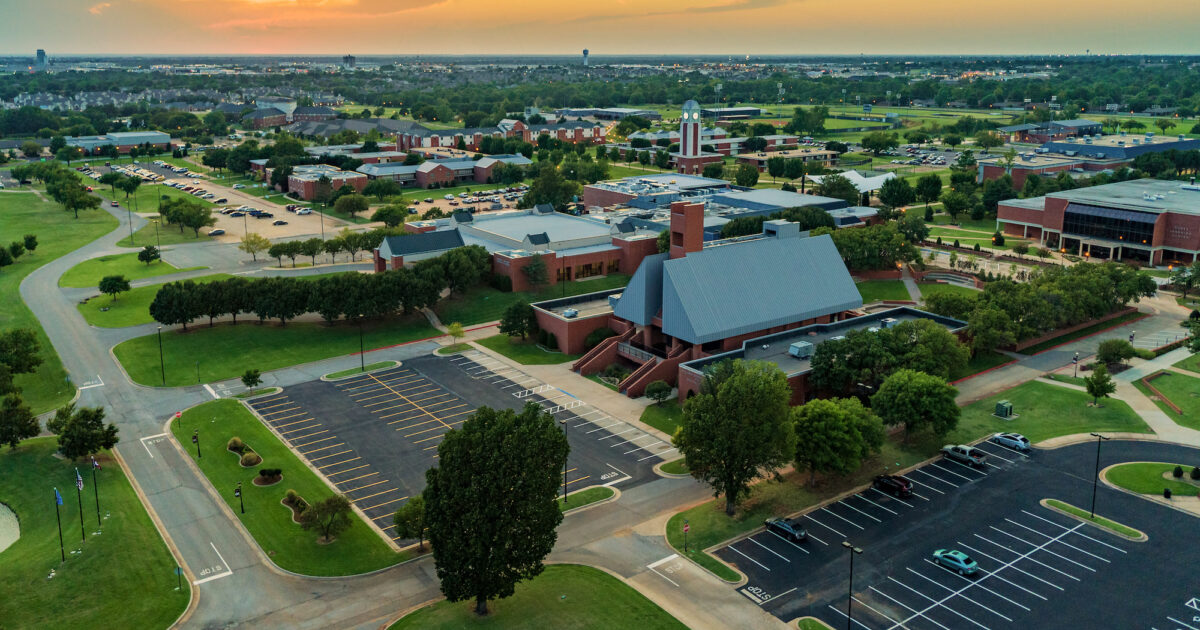
The Bachelor of Science in Communication program equips students with a strong foundation in communication theories, principles, and ethical practices. This degree prepares graduates to critically analyze messages, create effective communications tailored to specific audiences and purposes, and apply their knowledge in various professional settings. The program requires a total of 122 credit hours, including the major, a minor, and the university's core curriculum. Students will complete 43 hours within the Communication Department, comprising core courses and electives, and must also fulfill an 18-hour minor requirement chosen from the university catalog.
Communication (Communication Studies concentration)
Communication (Film concentration)
Communication (Integrated Marketing Communication concentration)
Communication (Media Production concentration)
Communication (Public Relations concentration)
Communication (Strategic Communications concentration)

Communication & Media - B.A.
West Virginia Wesleyan College offers two distinct Bachelor of Arts degrees within the Communication and Media Department: Communication and Media Communication. The Communication major delves into how we create and interpret meaning through message design, delivery, and evaluation across various individuals, media, cultures, and contexts. It's ideal for students interested in fields like writing, editing, publishing, non-profit work, management, human resources, advertising, public relations, and event planning. The Media Communication major focuses on the significant role media plays in our lives. It equips students with media literacy skills and broadcasting techniques to effectively express their perspectives through various media platforms. This major is well-suited for aspiring journalists, broadcast professionals (TV, radio, news), content creators, influencers, marketing specialists, and those interested in graphic design, video production, or podcasting. Both programs emphasize hands-on learning, portfolio development for graduate school or employment, and the opportunity to dual major with another field of interest at WVWC. Graduates are prepared for diverse career paths in both private and public sectors.
Communication and Innovation Minor
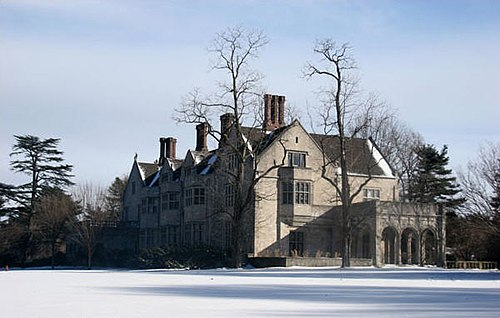
The Communication and Innovation minor at Stony Brook University is designed for students pursuing STEM degrees. It aims to equip students with essential skills for the modern workforce, focusing on teamwork, effective communication (interpersonal and media), creativity, entrepreneurship, ethics, and leadership. This program is a collaboration between the School of Communication and Journalism and the College of Business.

Communication Arts and Sciences
The Communication Arts and Sciences graduate program at Penn State trains students in communication science and rhetorical studies. Research focuses on how communication impacts attitudes, behavior, relationships, public life, democratic processes, and social justice. The program is highly regarded, ranking among the top five nationally for rhetorical studies and interpersonal/small group communication. The department is committed to fostering a diverse and inclusive environment, valuing a wide array of identities and perspectives to enrich knowledge creation about communication in various contexts.
Communication Sciences and Disorders Major
The Bachelor's in Communication Sciences and Disorders program at Maryville University prepares students to help individuals of all ages overcome speech, language, and communication challenges. This program combines rigorous academic coursework with practical, hands-on experiences, equipping graduates for further study in graduate programs for speech-language pathology. Students will train in state-of-the-art facilities, gaining access to advanced speech and language therapy resources.
Communication Sciences and Disorders Major
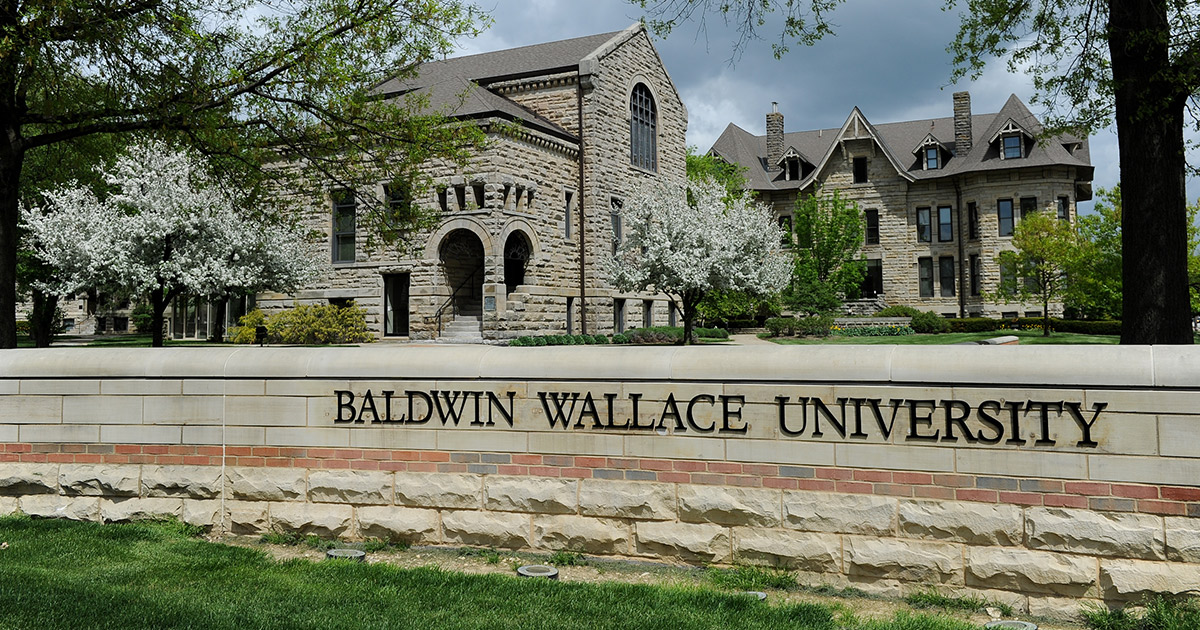
The Communication Sciences and Disorders major at Baldwin Wallace University prepares students for careers focused on speech, language, and hearing. This program offers two study tracks: a traditional four-year Bachelor of Science (B.S.) degree and an integrated five-year B.S./Master of Science (M.S.) program in Speech-Language Pathology (SLP). The integrated program allows students to earn both degrees in five years, accelerating their entry into the workforce. Students in this program benefit from learning from experienced professors and participating in research. You will gain practical experience by working with diverse clients at BW's Speech Clinic, as well as through community agencies, internships, and volunteer opportunities. The program has a strong track record of graduate school acceptance, with 95% of its graduates being accepted into graduate programs over the past 21 years, significantly higher than the national average. This major provides excellent preparation for further study in areas such as speech-language pathology, audiology, and other allied health fields. The five-year integrated B.S./M.S. in SLP allows qualified students to begin graduate-level coursework in their fourth year, preparing them for a professional career in speech-language pathology a year earlier than traditional paths.

Communication Skills for Academics
This course is designed to enhance your ability to communicate effectively within an academic context. Success as a scholar hinges on your skills in conveying information to peers, colleagues, students, and the public. The course emphasizes not only general communication principles like audience awareness but also the specific conventions of academic writing and presentation. The primary goals of this course are threefold. Firstly, you will learn guidelines for producing well-structured academic communications. Secondly, you will gain practical experience through assignments and receive constructive feedback. Major assignments include writing or revising a manuscript for publication or a conference paper, and delivering a conference presentation or job talk. These will be based on your own doctoral research. Thirdly, the course will explore professional practices related to academic work, such as the publication process and job searching.
Communication Studies
The Communication Studies program at Stevenson University equips you with essential skills to understand, create, and sustain relationships through effective communication. This program empowers you to influence others, build connections, challenge assumptions, and advocate for yourself and others. You will learn to analyze messages critically, evaluate ethical considerations in communication, and use communication to foster understanding and empathy across diverse perspectives.

Communication Studies, Bachelor of Arts
Communication Studies at Young Harris College explores how people use messages to create meaning across various forms, media, and contexts. This discipline uses humanities, social scientific, and aesthetic approaches to understand communication. The program builds on a liberal arts foundation, incorporating research skills and offering diverse courses in interpersonal, media, rhetorical, and critical analysis areas.
Communication, Art, and Media
The Division of Communication, Art, and Media at the College of Mount Saint Vincent offers a comprehensive program blending theoretical knowledge with practical application. Located in New York City, students gain a robust understanding of various fields including communication, studio art, theatre, art history, and visual arts and experimental media. The program emphasizes critical thinking, integrating theory with practice, and addressing social issues through creative expression. Students are prepared for diverse and evolving industries through dynamic courses and engaging experiences, including internships and connections with industry professionals.

Communication, BA
The Bachelor of Arts (BA) in Communication program at San Diego Christian College (SDCC) equips students with essential writing and speaking skills applicable across various fields, including business, academia, and ministry. This program integrates major and general education coursework with a spiritual foundation, helping students understand the nature of human communication and its role in fostering well-being, building connections, promoting civic engagement, and enabling participation in a global community. The curriculum is designed to prepare graduates to inform, educate, entertain, and persuade effectively, with a focus on applying communication theories within a biblical framework.
Communication, Bachelor of Arts
The Bachelor of Arts in Communication program explores the dynamic principles of communication in various contexts, from face-to-face interactions to mediated channels. You will develop essential skills in researching, creating, performing, and interpreting messages. This versatile degree equips you to build connections and resolve conflicts, preparing you for diverse careers in fields such as government, education, and public relations.
Communication, Bachelor of Science
Maryville University's Bachelor of Science in Communication program prepares students to effectively navigate and excel in today's dynamic media and communication landscapes. The program offers two distinct areas of emphasis: Emerging Media Strategy and Social Media, and Strategic Communication. A mandatory internship component allows students to gain practical, real-world experience with corporations, non-profit organizations, or academic institutions, bridging academic learning with professional application.
Communications (BA)
Lindenwood University's Bachelor of Arts in Communication prepares students to excel in today's dynamic media landscape. The program combines fundamental communication principles with practical training in new technologies, equipping graduates with the skills to create compelling content, foster connections, and navigate evolving media platforms. Students gain hands-on experience in areas like video production, radio broadcasting, journalism, public speaking, and digital media strategy. The curriculum can be pursued on-campus, online, or through a blended format, with options to specialize in Journalism or Broadcast & Media Production.

Computational Media Major and Minor
The Computational Media program at Duke University offers an interdepartmental major and minor designed for students interested in the intersection of art, computation, and culture. This program combines theoretical and critical engagement with computational media with a strong foundation in computer science principles and hands-on practice. It is ideal for students pursuing interests in areas such as digital humanities, algorithmic arts, user interface design, game studies, digital storytelling, data visualization, and media ethics.
Digital & Media Arts associate degree

Digital Media Production
This course provides a foundational understanding of digital media production, integrating artistic principles with technological applications. Students will learn to create multimedia content by mastering key software tools for audio, image, and video editing. The curriculum focuses on developing practical skills in audio engineering using Adobe Audition, image manipulation with Adobe Photoshop, and video production through Adobe Premiere Pro. The objective is to enable students to combine these individual skills to produce comprehensive and creative digital media projects.

Film & Media Studies
The Film & Media Studies program at Dartmouth College offers a multidisciplinary approach to understanding the history, theory, and creation of various media forms. This includes film, television, video, animation, games, graphic arts, comics, digital art, and data visualizations, all within a liberal arts framework. Students develop both creative and analytical skills, engaging deeply with theories, practices, and the historical contexts of media production and consumption.

Film, Television & Digital Media
The UCLA School of Theater, Film and Television (TFT) offers a range of graduate programs designed to cultivate the next generation of storytellers and media professionals. These programs provide in-depth training and a rigorous academic environment for students pursuing advanced studies in film, television, and digital media. Whether your interest lies in narrative, documentary, animation, or critical studies, TFT aims to equip you with the skills and knowledge necessary to excel in these dynamic fields.
Information Communication Technologies and Digital Media
The Information Communication Technologies (ICT) and Digital Media field is a dynamic and exciting area that impacts how we work, communicate, and manage our lives. If you have a passion for computers, technology, digital media, and their applications, this career path could be ideal for you. ICT careers encompass areas like software development, networking, and telecommunications. The Sacramento region is projected to see a 7% growth in ICT employment by 2023, creating nearly 2,300 new job opportunities.

Interdepartmental Program in Computational Approaches and Digital Media
This interdisciplinary PhD program is designed for scholar-technologists interested in conducting cutting-edge research and development at the intersection of computer science, communication, and digital media. It aims to attract bright students from diverse backgrounds who are looking to explore research beyond traditional departmental boundaries. The program is ideal for those who wish to combine a strong technological foundation with training in social sciences and humanities.

Literary Reportage
The Literary Reportage program is an MFA designed for students who want to tell compelling stories through in-depth reporting and sophisticated writing. A background in journalism is not required, as the program welcomes applicants from all academic disciplines. The curriculum focuses on developing your ability to research, write, and structure long-form narrative non-fiction, preparing you for careers in journalism, publishing, and other fields that value exceptional storytelling. You will learn to craft narratives that are both deeply reported and beautifully written, engaging readers with complex subjects and characters.
Logan Science Journalism Program
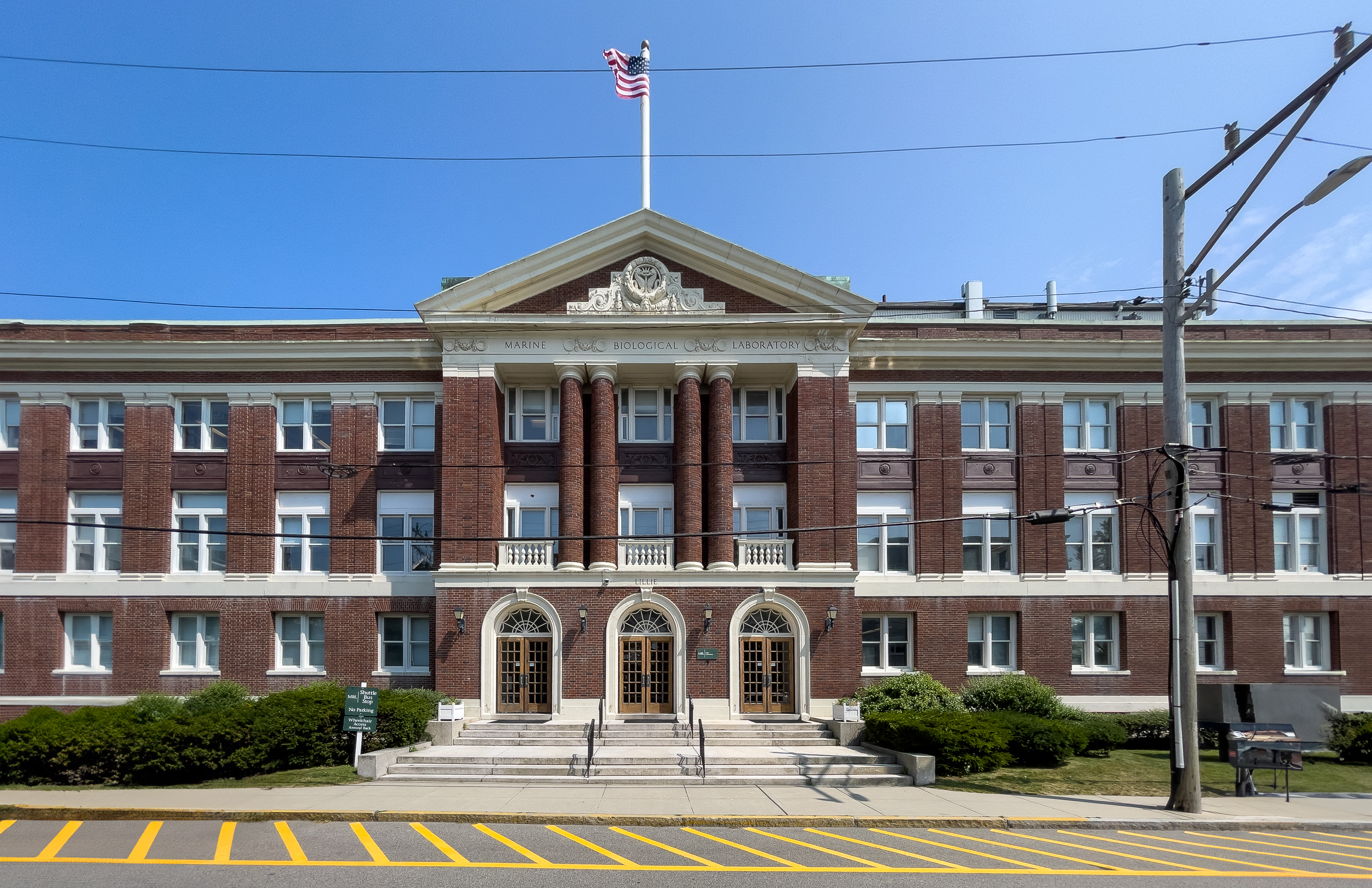
The Logan Science Journalism Program offers a unique opportunity for science journalists, writers, editors, and broadcast journalists to step away from daily deadlines and immerse themselves in fundamental biomedical or environmental research. Founded in 1986, this program is hosted at the Marine Biological Laboratory (MBL) in Woods Hole, Massachusetts, a leading center for scientific discovery. Participants will engage in hands-on research training, choosing between two intensive introductory courses: one focused on biomedical research and the other on environmental research. This immersive experience aims to provide journalists with a deeper understanding of scientific processes.
Major in Computational Media
Marketing and Public Relations
The Marketing and Public Relations program at National Park College focuses on developing and implementing effective communication strategies to enhance the college's reputation and visibility. This program provides guidance and support for both internal and external communications, aiming to ensure a consistent and positive image of the college among all stakeholders. Students will engage with core concepts of brand management, market research, and strategic planning.
Mass Communication, BS
The Mass Communication major at Stony Brook University's School of Communication and Journalism explores how messages are created, distributed across various media platforms, and the impact these messages have. This program delves into social science research to understand why and how messages work. You will learn to analyze and synthesize information, develop critical thinking skills, and gain hands-on experience in message creation and research. This major prepares you for a variety of career paths by equipping you with skills in media analysis, storytelling, message design, and research methods. You'll gain an understanding of how communication functions in society, including its role in combating misinformation and promoting understanding. Graduates are well-prepared for graduate studies or employment in fields like marketing, public relations, digital content creation, and more.
Master of Arts in Communication
The Master of Arts in Communication is designed for individuals seeking to advance their professional and academic careers through in-depth communication studies. This comprehensive program covers essential aspects of communication, including organizational, interpersonal, intercultural, public relations, mass media, and communication theory. Students will gain a strong foundation in both theoretical and applied communication research. The degree offers significant flexibility, allowing students to tailor their coursework and research to meet their specific professional and educational objectives.
Master of Arts in Media Studies
The Master of Arts in Media Studies program offers a systematic exploration of mass media. It aims to provide students with a comprehensive understanding of the systems, processes, networks, cultures, and information associated with mass media. The program is designed to be flexible, with study plans tailored to individual student objectives. Capstone research and thesis projects connect theoretical knowledge with practical application, preparing graduates for advanced academic pursuits or professional roles.

Master of Arts in Specialized Journalism
The Master of Arts in Specialized Journalism program at USC Annenberg prepares you to be an innovative, in-depth journalist. Set in the dynamic city of Los Angeles, this program allows you to focus on your chosen storytelling medium, whether it's text, audio, documentary video, or emerging platforms like augmented reality. You can also develop a specialization in areas such as social justice, sports, or entertainment. This customizable curriculum can include courses from across USC's 19 academic schools, leveraging state-of-the-art media facilities and collaborations with major media outlets to amplify your work.

Master of Arts in Strategic Communication (Online)
The online Master of Arts in Strategic Communication program is designed to deepen your understanding of the historical, cultural, social, global, and political dimensions of communication. This program equips you with critical thinking and professional practice skills, including social media strategies, while challenging you to integrate biblical thought with contemporary communication theories and concepts. Graduates will demonstrate creativity, confidence, and competence in researching, planning, and evaluating communication practices.
Master of Laws in Media and Entertainment Law (LLM in MEL) - Online
The Online Master of Laws (LLM) in Media and Entertainment Law is designed for legal professionals who want to specialize and gain advanced expertise in the dynamic entertainment and media industries. This program blends core intellectual property law with practical knowledge directly applicable to the industry. It is delivered entirely online, focusing on the real-world application of entertainment law principles through industry-focused coursework. Graduates will be well-prepared to handle complex entertainment transactions, advise clients on new digital media platforms, and manage both litigation and transactional matters across film, television, music, sports, and digital content sectors. The curriculum is structured to equip working professionals with the specialized legal knowledge and business understanding needed to advance their careers in entertainment law.

Master of Science in Communication - Digital Media
The Master of Science in Communications with a Concentration in Digital Media prepares students for the evolving media landscape by focusing on social media, digital storytelling, and data analytics. Through case studies and practical projects, you will develop skills to create effective media campaign strategies, craft compelling digital narratives, build platforms for audience engagement, and measure campaign success using tools like Google Analytics. The program emphasizes hands-on learning and provides opportunities to expand your professional network within a community of experienced faculty and peers.
Master of Science in Communication - Negotiations & Conflict Resolution
The Master of Science in Communication with a concentration in Negotiations and Conflict Resolution is designed to equip students with practical skills and applied theory in conflict resolution, negotiation, and mediation. Through case studies and simulated exercises, you will learn strategies for real-world situations, develop personalized skills inventories, and gain insights into negotiation from various fields like psychology, economics, dispute resolution, and law. The program prepares you to better resolve disputes, achieve objectives, and exert influence in diverse contexts.
Master of Science in Communication - Public Relations
The Master of Science in Communication with a concentration in Public Relations equips you with the skills to develop targeted messages, identify key audiences, and effectively communicate a brand's message to stakeholders and the media. You will explore emerging topics like data analytics and gain expertise in media relations, crisis communication, and legal and ethical considerations. This program is designed for working professionals, offering a flexible curriculum in hybrid and online formats. You'll benefit from faculty and peer expertise, expand your professional network, and engage with an active alumni community and career services programs. The field of public relations is projected to grow 5% between 2024 and 2032.
Master of Science in Communication - Strategic Communication
The Master of Science in Communication with a concentration in Strategic Communication is a 36-credit program designed to prepare you for leadership roles in various communication fields. You will gain essential knowledge, advanced skills, and critical thinking abilities applicable to public relations, corporate communication, marketing, advertising, and digital media. The program emphasizes strategic thinking to ensure communication efforts align with organizational goals, reputation management, and ethical practices. With a focus on research and data analysis, you'll learn to inform strategies with evidence and adapt to the evolving complexities of modern communication, including digital platforms and global connectivity.
Master of Science in Communications
Lasell University's Master of Science in Communications program equips you with the skills to craft strategic and impactful communications for today's complex media environment. Through the study of real-world business challenges, you will hone your communication abilities and gain the knowledge necessary to enhance your organization's strategic planning. The program offers a highly personalized education with six specialized concentrations available in both online and hybrid formats. You will build a portfolio showcasing your expertise in navigating the media landscape.
Master of Science in Communications - Health Communication
The Master of Science in Communication with a concentration in Health Communication equips students with a deep understanding of public health, public policy, and organizational communication issues. You will learn to manage various communication aspects within the healthcare sector, from developing health awareness campaigns to branding health services. The program emphasizes practical skills and theoretical knowledge to prepare graduates for leadership roles in this growing field. You'll join a community of professionals, benefit from experienced faculty and peers, and gain access to career services to enhance your professional development.
Master of Science in Integrated Marketing Communication
The Master of Science in Integrated Marketing Communication (MS in IMC) program equips students with the strategic skills to create, manage, and protect brands throughout their lifecycle. You will gain a deep understanding of consumer behavior, learn to establish target audiences, and master the deployment of paid and earned media for effective brand promotion. The program emphasizes integrating messaging strategies from public relations and advertising, along with developing leadership skills for managing departmental budgets and teams. This degree prepares you to synthesize a full range of communication disciplines into cohesive, brand-focused experiences. You will be adept at delivering consistent, consumer-centric content across all communication channels. The program fosters collaboration with faculty and peers, expands your professional network, and offers career services to support your development as a leader in the integrated marketing communication field.

Master of Science in Journalism
The Master of Science (MS) in Journalism program at the University of Illinois Urbana-Champaign prepares students for diverse professional roles in journalism and communication. It caters to recent bachelor's graduates seeking in-depth knowledge, mid-career professionals aiming to enhance their skills, and individuals with STEM backgrounds looking to communicate complex topics effectively to the public. The program emphasizes practical journalistic skills, including reporting, writing, multimedia production, and emerging media. Students complete coursework and a professional project, with options to specialize in science and technology journalism or data journalism through certificates. This program is designed for professional practice and is not a direct pathway to a PhD.
Master of Science in Public Relations Innovation, Strategy and Management
This online Master of Science program focuses on public relations, emphasizing innovation, strategy, and management. It explores how brand communication impacts global organizations, covering a wide range of PR, marketing, and advertising concepts. You'll delve into topics like brand purpose, data-driven storytelling, multiplatform content, social media, influencer relations, crisis communication, and the influence of new technologies. The program aims to equip you with the skills to support diverse perspectives, manage teams effectively, and understand business fundamentals to communicate with stakeholders. Graduates will be prepared for management roles in brand communication, with a focus on ethical leadership and immediate application of learned concepts to workplace challenges.
Frequently asked questions
How many Media & Communication programmes are available in the United States?
+
There are 95 Media & Communication programmes across 48 US universities, covering journalism, film, PR, digital media, broadcast, and communication studies.
How much does Media & Communication study cost in the United States?
+
Tuition ranges from free (for some scholarship-supported options) up to roughly €51,000 per year at leading private universities.
Which universities offer Media & Communication programmes in the United States?
+
Notable providers include Purdue University, Duke University, UCLA, the University of Colorado Boulder, Lasell College, and National Park College, among 48 institutions.
Can international students apply for Media & Communication programmes in the United States?
+
Yes. International students on an F-1 visa can study Media & Communication and are eligible for Optional Practical Training (OPT) for up to 12 months after graduation.
What are the typical entry requirements for US Media & Communication programmes?
+
Undergraduate programmes require a high-school diploma and English-language proficiency; graduate programmes typically require a bachelor's degree, a writing portfolio or statement, and English-language test scores.