Engineering & Technology in Canada
Canada offers 56 Engineering & Technology programmes across 22 universities, combining strong research universities with leading polytechnic and applied-science institutions. The University of British Columbia and McMaster University provide internationally recognised research-intensive engineering degrees, while the British Columbia Institute of Technology, Centennial College, and the Southern Alberta Institute of Technology offer hands-on applied engineering and technology diplomas and degrees that feed directly into Canada's industrial workforce.
Tuition information varies by programme and institution, so prospective students should consult each listing directly for up-to-date fee schedules. Royal Roads University rounds out the offer with flexible, professionally oriented technology programmes. Canada's post-graduation work permit pathway makes engineering degrees particularly attractive for international students who wish to gain Canadian work experience after completing their studies.
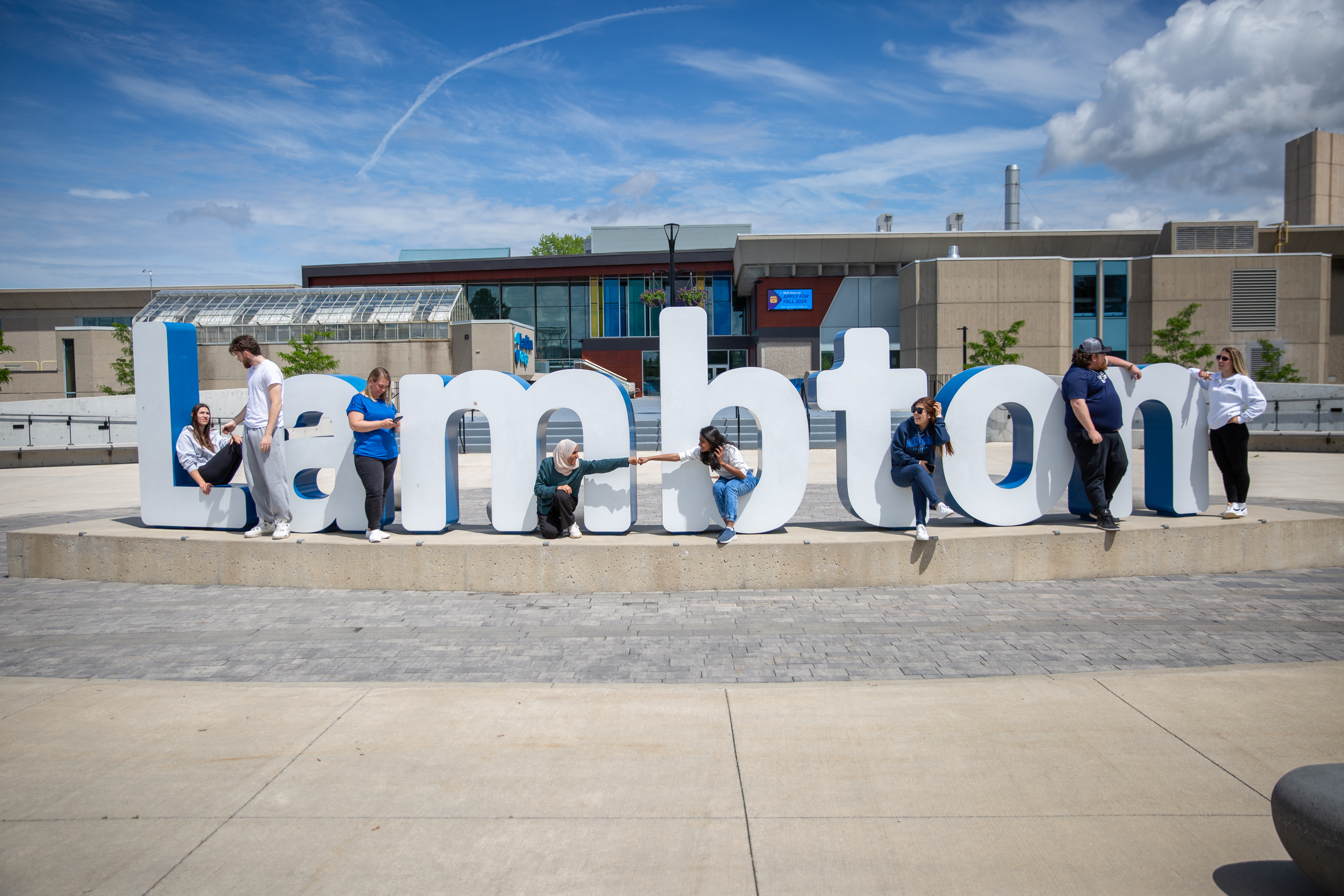
Advanced Diploma in Chemical Production and Power Engineering Technology - Accelerated
This accelerated program is designed for graduates with a Bachelor of Science in Chemistry or an equivalent degree. You will gain in-depth knowledge of core courses within Chemical Production and Power Engineering Technology, focusing on the complex technologies used in modern processing industries. The program utilizes Lambton College's Centre of Excellence in Energy & Bio-Industrial Technologies, featuring advanced labs and pilot plant facilities that replicate real-world manufacturing environments. This hands-on experience prepares you for industry challenges and research in next-generation technologies. This program specifically prepares you to write the TSSA 4A and 4B 4th Class Operating Engineers Certification exams, a valuable industry-recognized qualification. Upon completing the first two academic terms, you are eligible to apply for a nine-month practical steam time reduction towards your 4th Class Operating Engineers Certificate directly with the TSSA. Please note that TSSA eligibility requirements and fees are separate from program fees.
Air Conditioning and Heat Pumps Inspection
Applied Business Technology (Office Assistant) Certificate
The Applied Business Technology Office Assistant Certificate program at Northern Lights College equips students with essential administrative skills for roles in business, government, and industry offices. You will learn current practices in word processing, keyboarding, and spreadsheet software, focusing on up-to-date Microsoft Office applications and office procedures. This program also emphasizes the development of crucial soft skills for professional success. A one-week practicum placement allows you to apply your newly acquired skills in a real-world office setting. The program is offered in two formats: an in-person cohort with a full-time class schedule during business hours, and an online cohort designed for a more flexible, slower pace to accommodate other responsibilities.
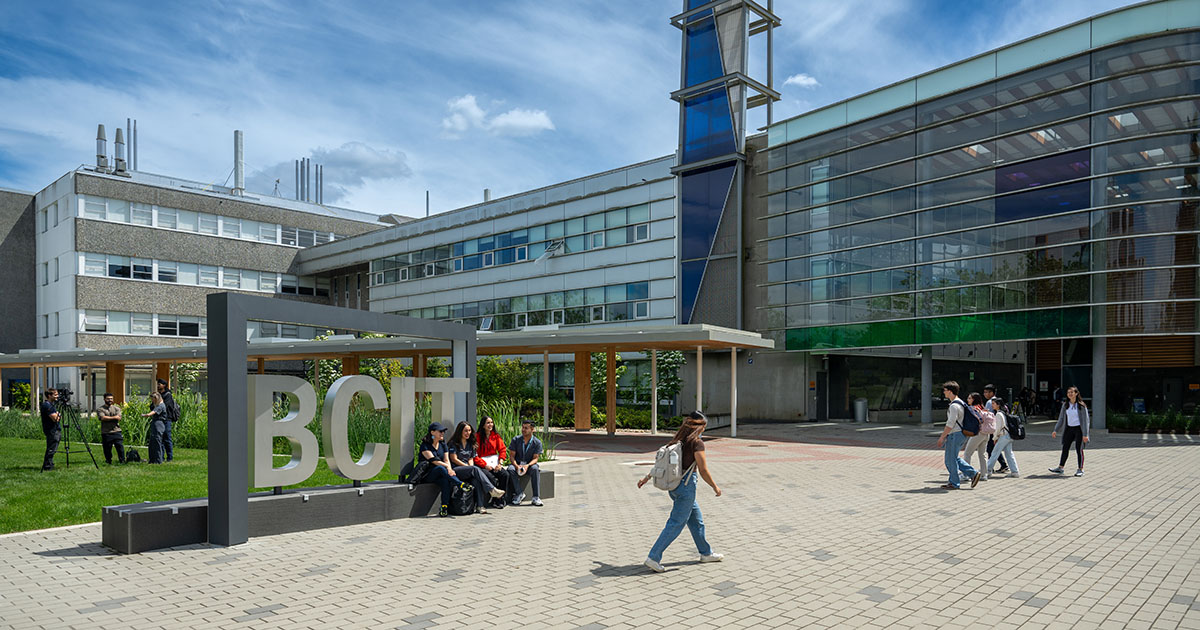
Architectural and Building Technology Diploma
The Architectural and Building Technology program is a two-year, full-time diploma designed to equip you with the practical skills and theoretical knowledge needed for a career in the building industry. You will learn from experienced faculty with industry backgrounds and gain hands-on experience through lectures, workshops, and field trips. The program focuses on design, development, construction, and building science. Students follow a core curriculum that covers essential topics such as construction drawing, materials, estimating, building systems, and computer applications. In the second year, you can specialize in one of three areas: Architectural, Building Science, or Economics/Construction Operations, aligning your studies with your career goals. A mandatory practicum provides valuable work experience. This program is highly regarded by employers, and graduates are sought after for their job-ready competencies. It offers a pathway to rewarding careers in various sectors of the construction and design fields.

Architectural Engineering
The Architectural Engineering program at the University of Waterloo is an in-demand engineering degree that combines design, collaboration, and communication skills with strong analytical capabilities for building design and operation. You will learn to work with architects on aesthetic design while ensuring all building systems are functional, secure, and safe, including lighting, heating, plumbing, and structural systems. The program emphasizes green building technology and sustainability, teaching you how to assess, repair, and refurbish existing buildings to reduce their carbon footprint. You will develop precise communication skills, whether written, graphic, or oral, to effectively interact with both engineers and architects. This unique program offers significant project-based group work from the outset. You will participate in a studio design course each term and, in your third year, study at the world-renowned School of Architecture in Cambridge, Ontario. This immersive experience will deepen your understanding of aesthetics, culture, and design elements. Upon graduation, your comprehensive knowledge and communication abilities will position you for leadership roles within the construction industry.

Architectural Technology – Sustainable Design
This three-year Ontario College Advanced Diploma program provides a strong foundation in architectural technology with a focus on sustainable design practices. In the first two years, you'll gain essential skills in CAD software, building systems, document preparation, and detailing. The final year involves working with real clients, utilizing advanced software, developing project plans, and building a professional portfolio. The program emphasizes current industry practices, frequently vetted by experts, ensuring graduates are well-prepared for the workforce.

Building Construction Techn

Certificate in Advanced Fire Prevention Technologies
This certificate program focuses on current practices, knowledge, and communication tools essential for ensuring safety in public and private facilities, particularly in high-rise buildings. It aims to protect people working or living in these environments. The program is designed for individuals already working in fire prevention who hold a relevant certificate from Polytechnique Montréal or a Cégep, or have completed a bachelor's degree in engineering or science. It's also suitable for those seeking to deepen their expertise in fire prevention for careers in industries, insurance, municipal fire departments, corporate fire brigades, fire prevention system manufacturers, or public services like hospitals and schools. By combining this certificate with two others, students can pursue a "baccalauréat par cumul" (cumulative bachelor's degree) with a specialization in Fire Emergency Prevention and Management or Building Technologies.
Certificate in Industrial Automation
The Certificate in Industrial Automation program is designed to enhance your professional skills, enabling you to better understand the physical phenomena within industrial systems and stay current with technological advancements. You will gain in-depth knowledge of industrial devices such as programmable controllers, human-machine interfaces, and industrial instrumentation. This program is delivered entirely online, including all laboratories and practical work. It features instructors primarily from the industrial sector, ensuring a practical and relevant learning experience. Courses are regularly updated to reflect the latest industry trends and technologies. This certificate is ideal for engineers, technicians, and professionals in the electrical or industrial fields seeking specialization in automation. It is also suitable for graduates of college-level programs in electrotechnology or physical technology, as well as university graduates with certificates in building electricity or industrial electronics. Furthermore, it can help international graduates update their training and adapt to the Quebec and Canadian industrial sectors.
Chief Technology and AI Officer (AI-CTO) Program
The Chief Technology and AI Officer (AI-CTO) program is designed for experienced technology leaders who want to bridge the gap between technical expertise and strategic business value. Developed by the University of Waterloo's WatSPEED and offered in partnership with upGrad, this 25-week live-online program equips you to lead complex digital transformations and AI initiatives. You will learn to communicate in the language of the board, focusing on revenue, risk, and ROI, and transform from a technical expert into a strategic enterprise leader.
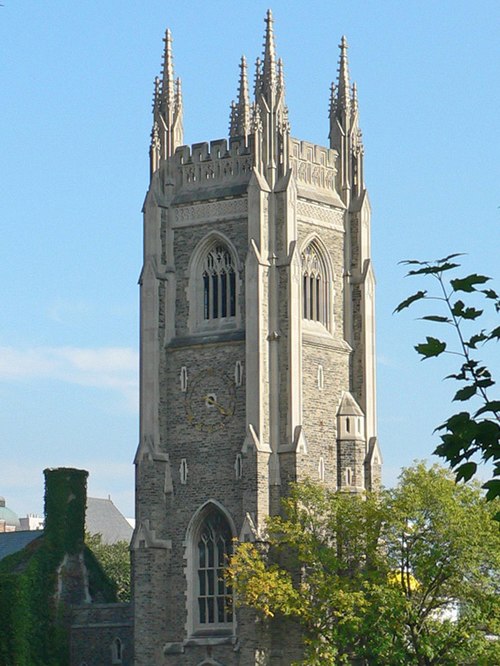
Civil and Mineral Engineering (MASc, MEng, PhD)
The Department of Civil and Mineral Engineering at the University of Toronto focuses on research addressing societal needs, from underground resources to major structures. Students, staff, and professors engage in research ranging from nanoscale studies of water contamination and concrete properties to large-scale structural tests and urban transit modeling. This research is strengthened by collaborations with industry and government partners, utilizing world-class facilities and expertise. The department is structured around five interdisciplinary themes: Cities & Infrastructure; Complex Systems; Energy & Environment; Mining & Subsurface Systems; and Transformative Technologies. These themes encompass traditional civil engineering fields like Structural, Transportation, Environmental, Building Engineering, Construction Management, and Mining and Geomechanics.
Civil Engineering, Bachelor of Engineering
The Bachelor of Engineering (BEng) in Civil Engineering at BCIT is a four-year full-time program designed to prepare you for a career in professional engineering practice. The first two years provide a broad, practical foundation in civil engineering fundamentals, with opportunities to apply these concepts to real-world design challenges. You will also develop essential communication skills and gain hands-on experience in areas like material testing, surveying, and CAD. Upon completion of the first two years, you will receive a Diploma in Civil Engineering. The final two years of the program are academically rigorous, delving deeper into the theoretical aspects of civil engineering science and design. You will integrate your practical knowledge with theoretical studies through assignments and projects. The program also encourages an interdisciplinary perspective, incorporating project and construction management, and complementary studies in social sciences and humanities. A team-based capstone design project will further enhance your skills for professional practice.
Collaborative Graduate Nanotechnology Program
The University of Waterloo offers a Collaborative Graduate Nanotechnology Program for MSc, MASc, and PhD students. This interdisciplinary program is delivered jointly by the Faculty of Science and the Faculty of Engineering, involving six distinct departments: Chemistry, Physics & Astronomy, Chemical Engineering, Electrical & Computer Engineering, Mechanical & Mechatronics Engineering, and Systems Design Engineering. Each department manages its own admissions and specific program requirements, but all students in the nanotechnology program will complete core courses including Introduction to Nanotechnology (NANO 600), other nanotechnology core courses (NANO 60X), and a nanotechnology seminar. These core courses provide foundational knowledge and skills for advanced study and research in the field of nanotechnology.
Collaborative Program in Nanotechnology
The University of Waterloo's collaborative graduate Nanotechnology program offers a comprehensive and integrated educational experience for students aiming for careers at the forefront of technological advancement. This program allows students to pursue a Master of Applied Science (MASc), Master of Science (MSc), or Doctor of Philosophy (PhD) while benefiting from excellent educational resources, a broad network of expertise, and world-class research opportunities. The program emphasizes leveraging science or engineering degrees for an exciting career in nanotechnology.
Doctor of Philosophy (PhD) in Systems Design Engineering
The Doctor of Philosophy (PhD) in Systems Design Engineering at the University of Waterloo is a research-intensive doctoral program designed for students who wish to pursue advanced studies and make significant contributions to the field. The program focuses on developing innovative solutions to complex problems across various engineering disciplines. Students work closely with faculty supervisors on cutting-edge research projects, contributing to the university's reputation for engineering excellence. The program offers a flexible learning environment with options for full-time and part-time study, and can be pursued on campus. Students benefit from state-of-the-art facilities and a collaborative research community. The PhD in Systems Design Engineering aims to equip graduates with the critical thinking, research methodologies, and specialized knowledge required for leadership roles in academia, industry, and government.
Electrical and Computer Engineering (MASc and MEng)
The Department of Electrical and Computer Engineering at the University of Toronto is at the forefront of advancements in microelectronics, computers, communication networks, photonics, energy systems, and robotics. Graduate studies in this department offer the opportunity to contribute to research that drives innovation across these diverse fields. The department is committed to both the pursuit of new knowledge and the dissemination of this knowledge, fostering highly qualified individuals who are essential to research progress. Areas of research include Biomedical Engineering, Communications, Computer Engineering, Electromagnetics, Electronics, Energy Systems, Photonics, and System Control.

Electrical and Computer Engineering at McMaster University
The Electrical and Computer Engineering program at McMaster University focuses on equipping students with the skills to solve technological challenges through a combination of theoretical knowledge and hands-on application. The department encourages innovation and problem-solving in various aspects of electrical and computer engineering. Students are encouraged to explore their interests within this dynamic field, preparing them for diverse career paths in technology and beyond.

Electrical and Computer Engineering Programs
Western Engineering offers a variety of undergraduate programs within Electrical and Computer Engineering after a common first year. Students can choose to specialize in areas such as Electrical Engineering, Computer Engineering, Software Engineering, Mechatronic Systems Engineering, or Artificial Intelligence Systems Engineering. The programs provide a strong foundation in engineering principles, with opportunities to focus on specific technical areas through electives and specialized options. Dual degree options are also available, allowing students to combine their engineering studies with business (Ivey HBA), law, or other disciplines in science, music, social science, or arts and humanities.

Engineering
Acadia University offers a foundational engineering program designed to provide students with a strong start to their engineering education. The program emphasizes small class sizes, accessible professors, and hands-on learning experiences in design and prototyping, fostering an environment where students can develop confidence and excel. After completing the first two years, students typically transfer to a larger engineering school, such as Dalhousie University, to specialize in one of seven disciplines, including Chemical, Civil, Computer, Environmental, Electrical, Industrial, or Mechanical Engineering. Acadia provides flexible pathways to meet individual career goals. Students can pursue a two-year Certificate of Applied Science (23 courses), a three-year Bachelor of Applied Science (30 courses), or combined programs that integrate engineering studies with a BSc in biology, chemistry, mathematics, or physics. Graduates of the BASc program may also apply to Acadia’s School of Education. The program thoroughly prepares students for their next steps toward becoming a professional engineer (P.Eng.).
Engineering & Management
The Engineering & Management program at McMaster University is a unique five-year undergraduate degree that combines a rigorous engineering education with a strong foundation in business principles. This interdisciplinary approach equips students with a comprehensive skill set, enabling them to lead, innovate, and make strategic decisions within technical fields. Graduates will possess the technical expertise of an engineer alongside the business acumen necessary for effective management and leadership.
Engineering & Society
The Engineering & Society program is a unique undergraduate degree offered in North America that integrates a traditional engineering education with specialized courses focusing on human-centered design, communication, and a multidisciplinary approach. This program aims to equip engineering students with a deeper understanding of societal impacts, fostering strong problem-solving skills and a broader perspective necessary for a rapidly evolving world. Students can personalize their studies through complementary electives, cultivating curiosity and a commitment to sustainable engineering practices.
Engineering Physics
The Engineering Physics program at McMaster University bridges fundamental engineering principles with cutting-edge applications in diverse fields such as energy, sensing, and communications. This program is designed to provide students with a strong theoretical foundation and practical skills necessary to tackle complex engineering challenges. Students will explore the science behind technological advancements and learn to apply them to real-world problems.

Engineering Transfer Program
Trinity Western University (TWU) offers an Engineering Transfer program designed to provide a strong foundation in the science and mathematics essential for a future engineering degree. This program allows students to spend one or two years at TWU, completing core courses in math and science alongside a Christian liberal arts education. The curriculum focuses on developing critical thinking and problem-solving skills by integrating scientific and mathematical concepts. This program is ideal for students who wish to begin their higher education in a supportive Christian environment before transitioning to a full engineering degree at another institution. Upon completion of the transfer program, students will have gained a solid understanding of engineering fundamentals and are prepared to continue their studies in various engineering disciplines.
Financial Technology
This graduate certificate program focuses on Financial Technology (FinTech), an industry that combines finance, data, and digital tools to innovate and improve financial services like payment processing, banking, security, and investing. It's designed for individuals with backgrounds in finance, business, or computer programming, equipping them with specialized skills for the rapidly growing FinTech sector. The program goes beyond using current systems, preparing students to contribute to the development of future financial technologies. Learning is hands-on, collaborative, and interdisciplinary. You'll gain practical experience with industry-standard tools and software through labs, case studies, group projects, and a capstone project. The curriculum covers fundamentals of finance, technology, data science, AI, and financial regulations in the first semester. Subsequent courses delve deeper into AI, machine learning, predictive analytics, blockchain, and other emerging technologies. An optional co-op work term offers up to 360 hours of real-world experience. Students will utilize industry platforms and tools such as Power BI, Excel, AI tools, data analysis software, cloud technologies, Python, R, SQL, and FinTech APIs. The program is faculty by the Pilon School of Business and is PGWP-aligned.
Graduate Diploma in Learning and Technology
This online graduate diploma program focuses on the intersection of learning theories and technology, aiming to equip you with the skills to design and implement effective digital learning environments. You will explore how technology can enhance learning experiences and gain leadership strategies to create innovative educational solutions in various sectors. The program emphasizes open educational practices, making course content publicly accessible and encouraging student contribution to broader discussions in the field. Graduates will be prepared to develop, evaluate, and facilitate digital learning spaces, apply instructional design principles, and assess educational technology research.
Graduate Diploma in Technology-enhanced Learning and Design
This online Graduate Diploma program is designed for educators, trainers, and designers who want to advance their skills in creating and delivering effective technology-enhanced learning experiences. You will study learning theories, digital technologies, and project management principles, gaining practical experience with digital methodologies. The program equips you to design and implement high-quality digital learning environments for any audience or field, enhancing your career prospects in sectors seeking expertise in instructional design and online education.

Honours Bachelor of Aviation Technology
This four-year Honours Bachelor of Aviation Technology program is the only aviation technology degree program of its kind in Canada. Seneca has over 50 years of leadership in aviation education. The curriculum is designed to develop your theoretical and practical knowledge in aviation technology, preparing you to safely operate complex aircraft. Beyond flight, you will gain knowledge in business management, airport operations and planning, and air carrier administration, providing a broad understanding of the aviation industry and its diverse career paths.
Master of Applied Science (MASc) in Aerospace Science and Engineering
The Master of Applied Science (MASc) in Aerospace Science and Engineering is a research-intensive program designed to provide foundational training in research. The program focuses on the completion of a research thesis under the guidance of a faculty supervisor. Students will identify a research topic, conduct experiments, computations, or analysis, and document their findings in a thesis. Upon graduation, MASc students will be well-prepared for further academic pursuits or for careers in industry, particularly in research and development roles. UTIAS fosters strong collaborations with major companies in the Canadian aerospace sector, offering MASc students opportunities to engage with industrial partners.
Master of Arts in Learning and Technology
This online Master of Arts in Learning and Technology program focuses on the art and science of how people learn and how to design, develop, and implement effective technology-mediated learning environments. It is designed for mid-career professionals in sectors like government, business, healthcare, and education who aim to take on leadership roles in creating and managing learning experiences. The program emphasizes open education practices, networked learning, and the development of a digital mindset.
Master of Engineering (MEng)
The Master of Engineering (MEng) program at the University of Toronto provides advanced professional training through coursework, with an option to complete a project. This program is designed to equip you with the skills needed for professional practice in engineering. You can choose to complete the degree through a coursework-only option or by combining coursework with a project supervised by a faculty member. The MEng program can be pursued full-time over 12 months, extended full-time over two years, or part-time. Students have the flexibility to customize their degree by pursuing a certificate or specializing in an area of emphasis, such as Analytics, Robotics & Mechatronics, or Advanced Manufacturing.
Master of Engineering (MEng) and Master of Engineering Science (MESc) and PhD in Mechanical and Materials Engineering
The University of Western Ontario offers graduate programs in Mechanical and Materials Engineering, including a Master of Engineering (MEng), a Master of Engineering Science (MESc), and a PhD. These programs provide advanced study and research opportunities in a range of specialized areas. The MEng is a course-based or project-based degree, typically completed in one year. The MESc and PhD are thesis-based degrees, offering in-depth research experience over two and four years, respectively. The department focuses on cutting-edge research in fields such as automation, composite materials, solid mechanics, thermofluids, and nanosystems.
Master of Engineering (MEng) and Master of Engineering Science (MESc) in Electrical and Computer Engineering
The Department of Electrical and Computer Engineering at the University of Western Ontario offers Master of Engineering (MEng) and Master of Engineering Science (MESc) degrees. The MEng program is course-based or project-based and typically completed in one year (3 terms), with a part-time option available. The MESc program is thesis-based and usually takes two years (6 terms) to complete. These programs provide advanced study and research opportunities in various fields within electrical and computer engineering. Prospective students should review the specific admission requirements, including academic background and English proficiency, to ensure their eligibility. Funding is available for MESc students, but not for MEng students.
Master of Engineering (MEng) in Civil & Mineral Engineering
The Master of Engineering (MEng) in Civil & Mineral Engineering is a course-based program designed for recent graduates and practicing engineers seeking advanced education for professional practice. Students will acquire the necessary tools to excel in their careers through rigorous coursework, with an option to undertake a project under faculty supervision. The program can be completed on a full-time, extended full-time, or part-time basis, offering flexibility to accommodate diverse student needs.
Master of Engineering (MEng) in Electrical & Computer Engineering
The Master of Engineering (MEng) program in Electrical & Computer Engineering is a course-based master's degree designed to equip you with the specialized knowledge and practical skills required for success in the modern information economy. You will have the opportunity to select from a wide array of courses, including lectures and labs taught by both university faculty and industry professionals. The program offers flexible delivery options to accommodate your academic and career goals.

Master of Engineering in Advanced Manufacturing Engineering
Humber College's Master of Engineering in Advanced Manufacturing Engineering is designed for individuals aiming to enhance the manufacturing sector in Canada. This program is one of the first of its kind in Ontario, focusing on applied learning, industry collaboration, and real-world problem-solving. It aims to equip graduates with the skills needed to implement Industry 4.0 technologies, improve productivity, and maintain competitiveness in the manufacturing field. The curriculum was developed in partnership with industry leaders and covers topics such as advanced robotics, the Internet of Things (IoT), engineering leadership, production planning, 3D technology, system integration, and smart maintenance. The program is housed at the Barrett Centre for Technology Innovation, which features advanced manufacturing labs and technology.

Master of Engineering Leadership (MEL)
The Master of Engineering Leadership (MEL) is a 12-month degree program designed for practicing professionals seeking to advance their careers. It combines technical expertise from the Faculty of Applied Science with business and leadership skills from the Robert H. Lee Graduate School at UBC Sauder. The interdisciplinary curriculum provides a holistic understanding of engineering and management, preparing graduates for leadership and management positions.
Master of Engineering Leadership in High Performance Buildings (MEL)
The Master of Engineering Leadership (MEL) in High Performance Buildings is a specialized 12-month program designed for architects and engineers who aspire to lead innovation in the building sector. It uniquely combines advanced engineering and architecture courses with business and leadership training from UBC Sauder’s Robert H. Lee Graduate School. The program addresses the growing global demand for sustainable buildings that minimize energy consumption and greenhouse gas emissions while enhancing user experience. You will gain expertise in green building design, energy modeling, and innovative engineering, alongside crucial business skills in strategy, operations, project management, and leadership. This interdisciplinary master's degree equips you with the technical expertise and business acumen necessary to drive change in the industry, prepare for advanced career roles, and foster leadership opportunities in the rapidly evolving field of high-performance buildings.

Master of Science (MSc) – Financial Engineering
This Master of Science (MSc) program in Financial Engineering equips you with a powerful combination of mathematical, computational, and financial expertise. You will learn to analyze, evaluate, and develop innovative financial instruments and strategies to tackle complex financial challenges. The program emphasizes developing your ability to interpret analytical results and communicate them effectively to guide decisions in crucial areas like risk management and portfolio management. You will also gain hands-on experience with data science, artificial intelligence techniques, and various programming languages, preparing you for a dynamic career in the financial industry.
Materials Science and Engineering
The Materials Science and Engineering program at McMaster University focuses on using innovation, design, and problem-solving to develop novel materials and perform material characterization. This discipline is crucial for advancements across various industries. The program aims to equip students with the knowledge and skills to create and understand materials that drive technological progress.

Medical Laboratory Technology Diploma
The Medical Laboratory Technology program is a two-year, full-time diploma designed to prepare students for careers in healthcare as medical laboratory technologists. This program provides comprehensive training in medical laboratory science, equipping graduates to contribute to patient care through diagnostic testing, treatment monitoring, and disease prevention. You will learn to apply scientific and technical principles in various healthcare laboratory settings. The curriculum covers analyzing bodily fluids, detecting pathogens, blood analysis (hematology), tissue preparation and staining (histology), and blood transfusion services (serology). The program emphasizes developing professional responsibility, critical thinking, and collaborative skills essential for the healthcare field. The first year focuses on foundational classroom learning and simulated lab training, while the second year includes an in-depth clinical practicum in real-world laboratory environments across different medical laboratory disciplines.
Medical Radiologic Technology Diploma
This program equips you with the theoretical knowledge and practical skills needed to become a proficient radiologic technologist. You will learn patient positioning, the operation and maintenance of X-ray equipment, and how to produce digital images for medical diagnosis. The curriculum covers human anatomy, disease processes, radiation protection, and various radiographic procedures, including specialized techniques like CT imaging. You'll also gain insights into interventional procedures, MRI, and ultrasound, along with quality control protocols. Graduates are prepared for entry-level positions in hospitals and clinics, with opportunities to specialize in areas like CT, mammography, or interventional radiography, or pursue roles in management and education.
Microprogram of First Cycle in Industrial Automation
This microprogram is designed to introduce or enhance your knowledge in the field of industrial automation. It provides foundational learning in key areas, allowing you to either start your journey in automation or refine existing expertise. Upon successful completion, you will receive an attestation of microprogram of first cycle in Industrial Automation. Courses successfully completed in this microprogram may be transferable to the corresponding certificate program.
Microprogram of First Cycle in Professional Development for Foreign Engineering Graduates
This microprogram is designed for individuals who have already earned an engineering degree from outside of Canada. Its purpose is to enhance your general knowledge and address any specific gaps identified by the Ordre des Ingénieurs du Québec (OIQ), which is essential for practicing engineering in Quebec. The program consists of 10 to 22 credits and is delivered entirely online, offering flexibility for international students. This program is recognized for financial aid through the PAFFARC program from the Ministère de l'Immigration, de la Francisation et de l'Intégration, which supports skills recognition for immigrants. Upon successful completion, you will receive a certificate of completion for the microprogram.
Microprogramme de 1er cycle en technologies avancées en prévention des incendies
This microprogram provides an introduction to or an enhancement of knowledge in the field of fire prevention. It allows students to acquire specialized knowledge in advanced fire prevention technologies. Upon successful completion, students will receive an attestation of microprogram of first cycle in advanced technologies in fire prevention.
Nanotechnology Engineering
Nanotechnology Engineering is a cutting-edge program focused on designing and developing innovative systems at the molecular level. This interdisciplinary field integrates principles from Chemical Engineering, Electrical and Computer Engineering, and Chemistry to address global challenges in areas like healthcare, climate change, AI, and quantum computing. You'll explore how nanotechnology fuels advancements in life-saving pharmaceuticals, biomedical tools, advanced electronics, sustainable energy solutions, and more. The program provides hands-on experience through dedicated lab courses and access to state-of-the-art facilities, including a program clean room equipped with advanced nano-fabrication tools. Graduates are well-prepared for a rapidly growing global nanotechnology sector, with opportunities in research, industry, and entrepreneurship. As a co-op only program, Nanotechnology Engineering integrates classroom learning with significant paid work experience, allowing students to explore career paths and build a strong professional network before graduation. This unique combination of academic rigor and practical application ensures graduates are ready to contribute to the next generation of technological innovation.

Nautical Training
Camosun College offers specialized Nautical Training programs designed to equip individuals with the skills and certifications needed for a career in the maritime industry. These programs balance indoor theoretical learning with essential outdoor practical experience, catering to various working styles and preferences within the sector. Graduates can look forward to well-compensated roles exploring Canadian waters and developing strong professional camaraderie. The college emphasizes practical, industry-approved training delivered by experienced mariners. Instructors possess decades of real-world experience and up-to-date knowledge of regulations from Transport Canada, Industry Canada, and the provincial government. With over 40 years of providing training, Camosun is dedicated to delivering the practical skills and support necessary for students to achieve their required industry certifications.
Nuclear Medicine Technology
This diploma program focuses on the diagnosis and treatment of diseases using nuclear medicine. You will learn to operate sophisticated diagnostic equipment and apply your knowledge in clinical settings. The program emphasizes building strong communication skills for patient interaction, understanding radiobiology and radiation protection, and mastering the principles of nuclear medicine imaging and theranostic techniques. You will also gain expertise in diagnostic CT imaging, study human anatomy and physiology, and learn essential patient care procedures like blood draws and injections.
Operations Management (Industrial Engineering Option) Certificate
The Operations Management (Industrial Engineering Option) Certificate is a part-time program designed to equip you with essential skills in areas like inventory control, production planning, project administration, and supply chain management. This program focuses on the critical functions of industrial engineering within various industries, helping you understand how to organize production, analyze inventory, and manage projects effectively. You will gain practical, job-relevant skills taught by industry professionals, preparing you to advance your career in operations management or industrial engineering. The flexible, part-time format allows you to study at your own pace while developing the most effective skills needed in the field. This certificate is ideal for individuals seeking professional development, career advancement, or a move into a managerial role within business operations.
Operations Management (Management Engineering Option) Certificate
This part-time certificate program provides a solid foundation in key aspects of operations management, including workplace safety, purchasing, and project management. It is specifically designed to equip individuals with the skills to effectively manage business operations, particularly in service-oriented sectors like healthcare, education, and justice. The curriculum is developed and taught by industry professionals, ensuring that students gain practical, up-to-date knowledge applicable to real-world challenges in both quantifiable and non-quantifiable industries. The flexible schedule allows students to learn at their own pace, making it suitable for those seeking professional development or career advancement in operations.

Peace and Conflict Transformation Studies BA
The Peace and Conflict Transformation Studies (PACTS) program at Canadian Mennonite University (CMU) offers an interdisciplinary approach to understanding human conflict and violence. You will explore the multi-layered nature of conflict through courses in subjects like Psychology, International Development, and Communications and Media. This major is designed to equip you with the knowledge and skills to analyze and constructively engage with personal, local, and global conflict situations, fostering a vision for a more peaceful and just world. The curriculum encourages deep reflection on topics such as violence, justice, power, and dispute resolution from diverse perspectives. By examining your own beliefs and worldviews, you will develop the capacity to work towards positive change and transformation in challenging circumstances. CMU's small class sizes foster close collaboration with peers and faculty who are dedicated to the field of peace and conflict transformation.
Ph.D. in Design, Technology and Society
The Ph.D. in Design, Technology and Society is a doctoral program offered by the School of Architecture and Landscape Architecture. It combines design research with insights from disciplines such as social sciences, applied sciences, and humanities. The program aims to develop new approaches to research-based practice, including methods for Indigenous-focused research, that can be applied in real-world contexts.
Systems Design Engineering
Systems Design Engineering is a unique program that focuses on using a systems-thinking approach to solve complex engineering problems. You will learn to examine all aspects of a system, including people, materials, tools, and software, to develop innovative solutions. The program integrates fundamental knowledge from electrical, mechanical, and software engineering with a strong emphasis on design methods and systems modelling. This approach equips you to understand how changes in one part of a system affect others, enabling you to create comprehensive and effective designs. With a project-based learning style and extensive co-op opportunities, you'll gain practical experience applying your skills to real-world challenges across various industries, preparing you for a wide range of engineering careers.

Truck and Coach Technician – Volvo/Mack
The Truck and Coach Technician – Volvo/Mack program prepares you for a career in heavy truck maintenance and repair. This certificate program includes 32 weeks of in-class training and two two-week work placements, providing a comprehensive understanding of heavy truck technology. Emphasis is placed on fundamentals such as engines, fuel systems, electrical systems, gear trains, brakes, steering, and suspension systems, along with workplace practices. The curriculum focuses on electronic diagnostics and concludes with computer management systems. Upon successful completion with a 75% grade average, you will have the opportunity to complete a job interview at a hiring Mack/Volvo dealership or fleet operation for on-the-job apprenticeship training.
University of Waterloo - Graduate Engineering Programs
The University of Waterloo offers a comprehensive range of graduate engineering programs, including research-based Doctor of Philosophy (PhD) and Master of Applied Science (MASc) degrees, as well as coursework-based Master of Engineering (MEng) and Master of Management Sciences (MMSc) degrees, and Graduate Diplomas (GDip). These programs are designed for students seeking advanced knowledge and research opportunities within Canada's largest engineering school. The university hosts six engineering departments and two schools, providing a diverse academic environment. While some programs offer direct entry or accelerated pathways, many require a supervisor to be identified before admission. Funding opportunities, including teaching and research assistantships, are available for eligible research-based programs.
Frequently asked questions
How much do Engineering & Technology programmes cost in Canada?
+
Tuition varies by programme and institution — check each listing for current fees, as no uniform range is available across all 56 programmes.
Which universities in Canada offer Engineering & Technology programmes?
+
22 institutions offer these programmes, including the University of British Columbia, McMaster University, the British Columbia Institute of Technology, Centennial College, Royal Roads University, and the Southern Alberta Institute of Technology.
Can international students study Engineering in Canada?
+
Yes, Canadian engineering programmes are open to international students; applicants typically need a relevant academic background, English or French proficiency, and may need to meet province-specific requirements.
What are the entry requirements for Engineering programmes in Canada?
+
Requirements vary but generally include strong secondary or undergraduate qualifications in mathematics and sciences, English language proficiency (IELTS or equivalent), and sometimes a personal statement or portfolio.
How do I apply for an Engineering programme in Canada?
+
Apply directly to each institution's admissions office, as Canada does not have a single centralised application system for all universities. Prepare transcripts, language test results, and any required supporting documents ahead of the institution's published deadline.