Environmental Sciences in Canada
Canada offers 41 Environmental Sciences programmes across 20 universities, addressing climate science, conservation biology, environmental policy, water resources, and sustainable development. McGill University, the University of Toronto, the University of Western Ontario, and Brandon University are among the institutions listed, providing both research-focused university degrees and more applied college programmes.
Tuition ranges from roughly €230 to roughly €22k per year — an exceptionally wide band that reflects the inclusion of First Nations institutions such as Nicola Valley Institute of Technology alongside major research universities. Some very low-fee options may be available to specific student categories, so applicants should confirm eligibility before assuming the minimum applies to them.

Aquatic Resources
Aquatic Resources
The Aquatic Resources Program (AQUA) at St. Francis Xavier University (StFX) offers an interdisciplinary approach to understanding water and its role in our environment. Combining perspectives from both natural and social sciences, the program fosters engagement with critical water resource issues, from local to global scales, encompassing both marine and freshwater systems. You will explore how water impacts our lives, from the food we consume to the health of the planet's oceans, and learn about its significance for living organisms and shaping our world. Students can pursue either a Bachelor of Arts (BA) or a Bachelor of Science (BSc) degree in Aquatic Resources. The program is delivered in-person and is housed within the Faculty of Arts and Faculty of Science, with the department dedicated to Aquatic Resources.

Bachelor of Arts in Geography & Environment

Bachelor of Business Administration – Accounting
North Island College offers a Bachelor of Business Administration (BBA) with a specialization in Accounting. This program is designed to provide students with a comprehensive understanding of accounting principles and practices, preparing them for a variety of roles in the field. The curriculum covers core business concepts alongside specialized accounting coursework, aiming to equip graduates with the analytical and technical skills needed to succeed in the accounting profession.
Bachelor of Science in Environmental Science
Bachelor of Science in Geography & Environment

Bioenvironmental Monitoring & Assessment Graduate Programs
The Bioenvironmental Monitoring and Assessment (BEMA) Graduate Programs offer specialized training for students seeking practical experience in the environmental sector. With options for a thesis-based Master of Science (MSc), a course-based Master of Business Administration (M.BEMA), and a Graduate Diploma (G.Dip), these programs are designed to equip you with in-demand skills for environmental careers. You can choose between online course-based delivery or in-person thesis-based study. The M.BEMA and G.Dip programs are designed for quick entry into the workforce, with completion possible in as little as 8 months (G.Dip) or 12 months (M.BEMA), and offer the flexibility to study part-time over a longer period. All course-based options include a valuable 4-month professional placement before graduation.

Civil and Environmental Engineering
Western University's Civil and Environmental Engineering program provides a comprehensive education, preparing graduates for diverse careers in sectors such as consulting, government, resource industries, and even space exploration. The program is designed to equip students with the essential graduate attributes recognized by the Canadian Engineering Accreditation Board (CEAB), ensuring a high standard of professional readiness and opening doors to leadership and entrepreneurial opportunities.
Computer Science
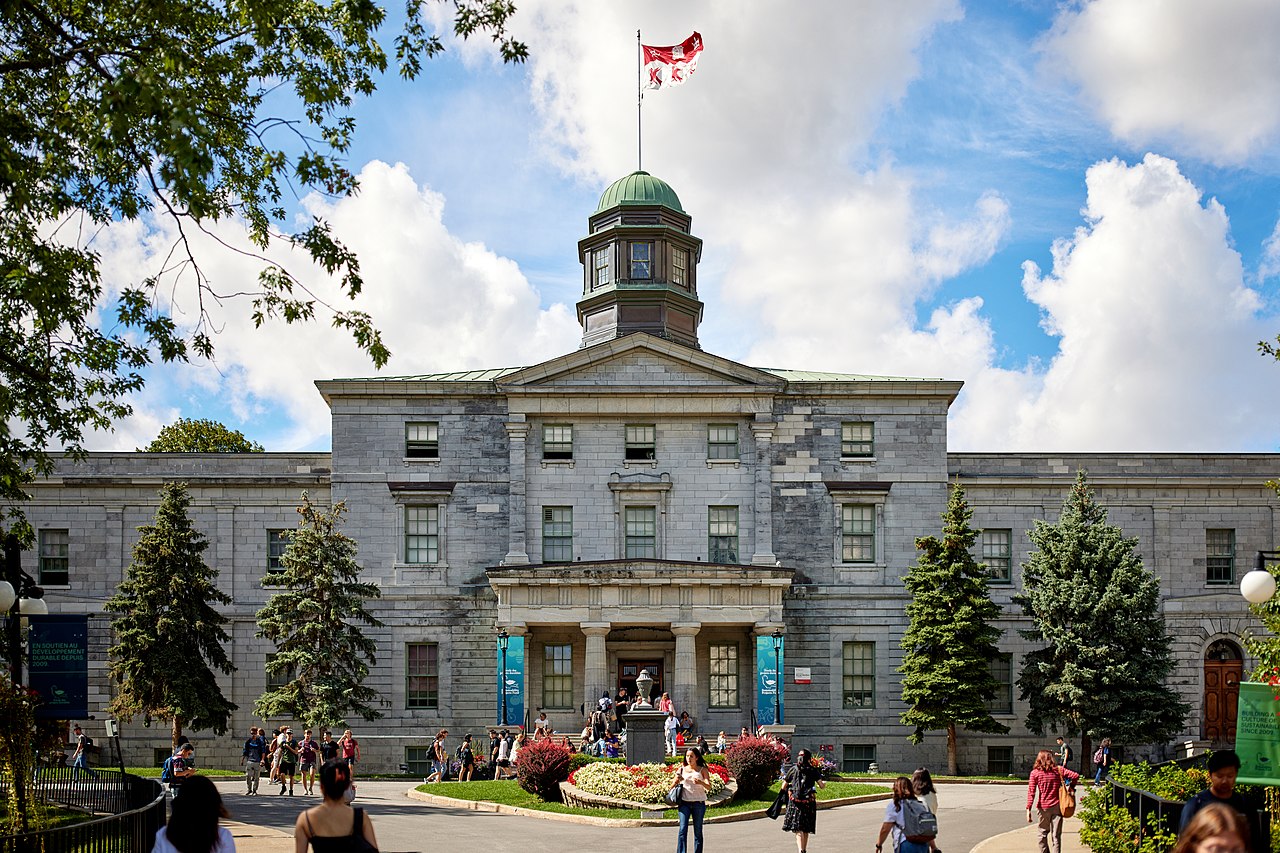
The program details for Computer Science at McGill University are currently unavailable due to a technical issue. Please try again later or contact the university directly for more information.
Ecology and Evolutionary Biology
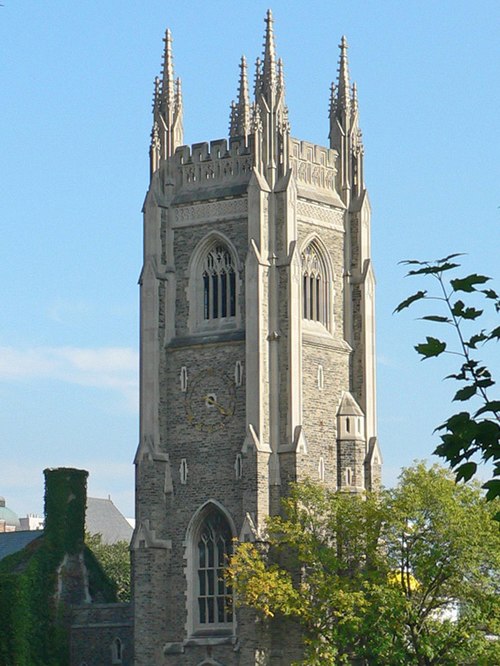
The Department of Ecology and Evolutionary Biology (EEB) offers graduate programs for students passionate about understanding the diversity of life, from the molecular level to entire ecosystems. Our research and teaching span a wide range of topics including population and community ecology, ecosystem dynamics, evolutionary genetics, genomics, bioinformatics, behavior, and conservation biology. We employ diverse research methods, including fieldwork, laboratory experiments, molecular biology, computational approaches, and theoretical modeling. Our primary goal is to train versatile scientists who can conduct innovative research, think critically, master specialized skills, and communicate their findings effectively. Graduates are prepared for careers in academia, government agencies, data science, consulting, and education. The department fosters a collaborative community with over 60 faculty members across three campuses and affiliations with institutions like the Royal Ontario Museum, the Data Science Institute, and the Centre for Global Change. Students also have access to the Koffler Scientific Reserve for ecological research and partnerships with government agencies for field and lab facilities.

Environmental Citizenship
The Environmental Citizenship course at Algonquin College is designed to introduce students to the principles of environmental responsibility, extending beyond national borders to encompass global environmental rights. This course aims to foster an understanding of personal connections to contemporary environmental issues. Through interactive activities, discussions, and assignments, students are encouraged to develop attitudes and behaviors that promote global environmental responsibility and active engagement.
Environmental Programs
St. Francis Xavier University offers a range of environmental programs designed to address critical global issues. These programs are a core teaching and research strength at the university, allowing students to work closely with faculty who are leaders in the field. Students can pursue a Bachelor of Arts, Bachelor of Science, or a Bachelor of Arts and Science degree, all offering a well-rounded education with hands-on learning and research opportunities.

Environmental Resources Technology
The Environmental Resources Technology Program (ENRT) is designed to prepare graduates for a variety of careers in the natural resource sector. This program offers hands-on learning experiences within the diverse ecosystems of the Nicola Valley, integrating Indigenous Knowledge with Western science. Students will gain practical skills in data collection, field identification, resource measurement, and mapping. The Certificate level (Year 1) focuses on foundational field skills such as tree and plant identification, navigation, GIS mapping, soil identification, resource measurements, and fire ecology. It also includes courses on Ethnoscience and Indigenous case law to provide context for land use and Indigenous perspectives. Graduates at this level are qualified for field data collection roles. The Diploma level (Year 2) builds upon the certificate, applying first-year knowledge to solve environmental problems. Courses cover environmental disciplines like forest surveys, environmental assessment, wildlife, fisheries, grasslands, environmental planning, watershed hydrology, and silviculture. This level qualifies graduates for roles in forest surveys, environmental monitoring, environmental assessment data collection, and community environmental projects.
Environmental Science
Western University offers an interdisciplinary program in Environmental Science, bringing together expertise from various faculties including Science, Engineering, Social Science, Arts and Humanities, Information and Media Studies, Medicine and Dentistry, Business, and Law. This program focuses on addressing critical global issues such as biodiversity loss, water security, renewable energy, ecosystem health, natural disasters, and sustainable business practices. Students gain a broad understanding of environmental challenges through diverse perspectives and coursework.
Environmental Science and Studies
Trent University offers a Bachelor of Environmental Science/Studies (B.E.S.S.) degree, one of Canada's first ECO Canada accredited environmental programs. This degree provides a comprehensive approach to environmental study, drawing from both arts and sciences. You will gain a well-rounded education with opportunities for classroom learning, hands-on lab work, and field experience. The program focuses on understanding water, air, soil, and ecosystems, as well as the complex relationships between the environment, policy, planning, and social interactions. Graduates are prepared to analyze and solve environmental issues from multiple perspectives, using science, policy, and political insights to launch their careers. Students can explore a wide array of courses, including topics like Environmental Science and Politics, Canadian Environmental Policy, Community-Based Natural Resources Management, Pollution Ecology, Environmental Justice, and Climatic Change. The program emphasizes practical experience, offering guaranteed experiential learning opportunities throughout the degree. This includes community-based research projects, field experiences, and potential paid internships, allowing students to apply their knowledge to real-world issues and gain valuable professional experience before graduation.

Environmental Solutions
This interdisciplinary program combines environmental science, Indigenous knowledge, and social sciences to equip you with the tools to address critical environmental challenges like biodiversity loss and climate change. You will develop a holistic perspective by studying local and global environmental issues and learn skills highly valued in the current job market. The program offers a unique dual credential, leading to both a Bachelor of Science in Environmental Solutions from Laurentian University and a Graduate Certificate in Environmental Control from Cambrian College. This blend provides a strong scientific foundation, extensive field training, and a balanced view on social accountability and Indigenous perspectives on environmental health.

Environmental Studies BA
The Environmental Studies major at Canadian Mennonite University (CMU) offers an interdisciplinary approach to understanding the environment and sustainability. It equips students with the skills to identify, research, and address environmental and social justice issues. The program integrates natural sciences, social sciences, and humanities to provide a comprehensive perspective. Students will gain a foundational understanding of scientific principles related to climate, soil, water, and ecology. Social science components explore the links between economic, political, and social structures and their impact on the environment and resource management. The humanities aspect delves into how literature, philosophy, and theology can inform our understanding of environmental problems and contribute to finding solutions. This degree allows for personalization based on individual interests, drawing from CMU's diverse course offerings. Graduates are prepared to translate knowledge into action for environmental and societal benefit.
Environmental Sustainability
The Environmental Sustainability program at Brock University focuses on protecting the natural environment and ecological health while simultaneously improving human quality of life. This area of study is inherently transdisciplinary, integrating aspects of economics, social sciences, and environmental sciences. Students will gain essential problem-solving skills for addressing contemporary challenges such as climate change, resource depletion, and pollution. The program offers both a Minor in Environmental Sustainability and a Micro-certificate in Environmental Sustainability. The minor is designed for students in any discipline who wish to complement their primary studies with core skills in environmental problem-solving. The micro-certificate provides an introduction to conceptual and applied aspects of environmental sustainability, suitable for those who already hold a degree or are not pursuing a full degree program.
Geography & Environment
Explore the complex relationships between human societies and the environment through our Geography and Environment programs. You'll gain a comprehensive understanding of critical global issues such as climate change, biodiversity loss, urbanization, and poverty, drawing on strengths from both the Social Science and Humanities, and Natural and Applied Sciences faculties. Our location provides unique opportunities for hands-on field experience in diverse habitats and urban settings, complemented by training in modern Geographic Information Systems (GIS) technology.

Graduate Studies in Geography and Earth Sciences
McMaster University's School of the Environment, Earth and Sustainability (SEES) offers graduate studies in Geography and Earth Sciences. The school provides a world-class research environment with opportunities for field, laboratory, and modeling work. Prospective students can find detailed requirements and information on the university's graduate studies portal.

Master in Environmental Economics and Management
The Master in Environmental Economics and Management (MEEM) program at Thompson Rivers University equips graduates to address the growing global need for sustainable business practices. In a world where economic growth faces significant sustainability challenges, this course-based master's program provides a broad understanding of the business environment, advanced management skills, and specialized knowledge in sustainability. Graduates will be prepared to lead change in organizations across public and private sectors by integrating economic demands with environmental considerations.
Master in Environmental Economics and Management (MEEM)
Master of Arts in Environmental Education and Communication
Deepen your passion and cultivate mastery in environmental education and communication. This program blends online learning with intensive on-campus residencies, incorporating experiential learning, arts- and nature-based inquiry, and field schools. You will develop skills to inspire a more interconnected, humane, and healthy future. The curriculum integrates environmental education and communication practices with nature- and arts-based approaches, focusing on systems theory and ecological identity. Learning extends beyond the classroom through field schools in Indigenous communities and hands-on experiences.

Master of Climate Change (MCC)
The Master of Climate Change (MCC) program at the University of Waterloo is designed to equip students with a comprehensive understanding of climate change science, adaptation, and mitigation strategies. Offered in both a coursework-only and an internship option, this program allows students to tailor their studies to their specific interests within the field. The curriculum covers the physical science basis of climate change, vulnerability and adaptation, and mitigation strategies, providing a strong foundation for a career dedicated to addressing climate challenges. Students can further specialize through designated electives and open electives, choosing from a range of courses within the Faculty of Environment or other university faculties.
Master of Environment and Sustainability
The Master of Environment and Sustainability (MES) program at the University of Toronto offers a comprehensive graduate education focused on addressing complex environmental and sustainability challenges. This program integrates scientific, social, and policy perspectives to equip students with the knowledge and skills needed for leadership roles in environmental stewardship and sustainable development. The MES program emphasizes interdisciplinary research and learning, encouraging students to explore diverse topics within the environmental field. Students will engage with faculty who are leaders in their respective areas, contributing to a dynamic academic environment. The curriculum is designed to foster critical thinking and problem-solving abilities, preparing graduates for impactful careers in various sectors.
Master of Environmental Science (MEnvSc)
The Master of Environmental Science (MEnvSc) is a 12-month, course-based professional program designed to prepare graduates for careers in environmental science. It focuses on developing practitioners skilled in addressing the needs of industry, government, and environmental policy or education organizations. The program offers three distinct fields of study, each allowing for flexibility to accommodate students with diverse academic backgrounds. All students have access to a wide range of courses. Upon completion of eight months of coursework, students will undertake either a four-month research paper or a four-month internship. The program provides dedicated support for both options. Internship students benefit from coordinators who assist with securing placements and developing job search, communication, and critical thinking skills, leveraging strong industry partnerships. Research students receive intensive academic and research guidance, often being paired with a supervisor whose expertise matches their interests.
Master of Environmental Studies (MES)
The Master of Environmental Studies (MES) program is designed for students seeking advanced knowledge and research skills in environmental fields. This program offers a comprehensive curriculum focused on understanding and addressing complex environmental challenges. It provides a strong foundation for careers in environmental research, policy, management, and advocacy.
Master of Environmental Studies (MES)
The Master of Environmental Studies (MES) is a graduate program designed to provide students with advanced knowledge and research skills in the field of environment, resources, and sustainability. The program offers two distinct options: a Thesis Option and a Master's Research Paper (MRP) Option, allowing students to tailor their academic journey to their career aspirations. Students will engage with core sustainability principles and research methodologies, with opportunities to specialize in areas such as water management through the MES (Water) specialization.
Master of Environmental Studies (MES) in Sustainability Management - Thesis Stream
The Master of Environmental Studies (MES) in Sustainability Management (SUSM) offers a thesis-based, on-campus program designed for full-time or part-time study. Students can specialize in general Sustainability Management, Water, or Aeronautics. The program focuses on in-depth research and culminates in a thesis defense. It requires completion of five graduate-level courses, including electives, and a significant research thesis. A minimum GPA of 70% is required for graduation.

Master of Geomatics for Environmental Management (MGEM)
The Master of Geomatics for Environmental Management (MGEM) is a 9-month, course-based master's program designed to equip students with the geospatial skills and landscape ecology knowledge needed to address critical environmental challenges. The program begins with a three-week intensive in August and concludes in April. It is ideal for individuals passionate about environmental management and interested in applying landscape ecology theories and geospatial technologies. This includes conservationists, foresters, ecologists seeking advanced technical skills, computer scientists and engineers looking for new applications for their expertise, and recent graduates from various fields with a quantitative background.

Master of Science (Environmental & Life Sciences)
The Master of Science in Environmental and Life Sciences (MELS) is an interdisciplinary graduate program at Brandon University. It integrates traditional scientific fields such as biology, chemistry, environmental science, geography, and geology to provide a comprehensive understanding of environmental and life systems. This program is designed for students seeking advanced knowledge and research opportunities in these interconnected areas.
Master of Science in Earth & Environmental Sciences
St. Francis Xavier University (StFX) offers a Master of Science (MSc) in Earth & Environmental Sciences. This is a thesis-based program with limited enrolment, typically accepting 1-4 students per year. StFX prides itself on providing graduate students with a highly personalized program within a collegial environment, allowing them to significantly contribute to their supervisor's research. MSc students often mentor undergraduates as teaching assistants and research assistants, gaining valuable experience in publishing research and presenting at conferences. Graduates are well-prepared for careers in research and various organizations.
Master of Science in Natural Resource Sciences
McGill University's Department of Natural Resource Sciences offers Master of Science (M.Sc.) thesis programs designed to equip students with advanced knowledge and research skills in environmental sciences. Students engage in innovative scientific research to address complex issues related to sustainability, biodiversity, conservation, and the management of natural resources. The department covers a broad spectrum of disciplines, from molecular to global scales, fostering a multidisciplinary approach to problem-solving in both natural and managed ecosystems. The M.Sc. programs are research-intensive and typically span two years, requiring full-time commitment. Graduates are prepared for careers in research, analysis, and decision-making roles across academia, government, non-governmental organizations, and the private sector. The department focuses on areas such as agricultural economics, entomology, forest science, microbiology, soil science, and wildlife biology, offering students the opportunity to specialize within their chosen field.
Master of Science in Occupational and Environmental Hygiene (MSc)
The Master of Science in Occupational and Environmental Hygiene (MSc OEH) program, offered by the School of Population and Public Health, prepares students for professional or research careers focused on improving community and workplace environments and safeguarding public health. This program delves into the science of identifying, evaluating, and controlling chemical, physical, and biological hazards. It equips students with the skills to measure and control exposures and to assess the health effects of occupational and environmental factors. Students come from a wide range of undergraduate backgrounds, including biology, chemistry, engineering, nursing, medicine, and psychology, fostering a diverse and dynamic learning environment.
Minor in Geography & Environment
MSc in Environmental Science
The MSc in Environmental Science program is designed for graduates with a science or engineering background who want to conduct research at the intersection of traditional scientific disciplines. The program addresses the complex environmental challenges facing our planet, such as climate change, pollution, and biodiversity loss, by fostering an interdisciplinary approach. You will learn to design, execute, and disseminate research focused on critical environmental issues. The program emphasizes a synthetic perspective, critical thinking, and provides a unique timeframe conducive to research, allowing for two field seasons to gather necessary data. Taught by internationally renowned experts, the curriculum covers hydrology, environmental chemistry, ecology, geology, climatology, and mathematical/statistical modeling. A high-profile colloquium helps develop communication skills. This full-time, 16-month program has a May start date and is ideal for high-achieving students seeking an intensive, research-focused master's degree. It offers a shorter alternative to a PhD, allowing students to gain research experience and make informed decisions about doctoral studies. The program encourages interdisciplinary research and aligns with emerging environmental themes and government priorities. Faculty members are drawn from various departments across the University of Toronto, ensuring diverse expertise and access to excellent research facilities.

PhD in Educational Studies
The PhD in Educational Studies is a research-focused doctoral program offered through a collaborative partnership between Mount Saint Vincent University, Acadia University, and St. Francis Xavier University. Administered by the Inter-University Doctoral Administrative Committee (IDAC), students are admitted to one of the three universities and graduate from their "Home Institution of Record." The program views education as a complex, multi-contextual process understood through various disciplinary lenses. Doctoral students will engage in advanced educational research to contribute to academic discourse and policy, preparing them for leadership roles in education. Students can specialize in one or more of six interrelated themes: curriculum studies, educational foundations and leadership, inclusive education, lifelong learning, literacies, and the psychological aspects of education. Faculty research interests across all three institutions are available for review to help guide applicants' proposed study areas.

Physics
Acadia University's Physics program offers a comprehensive undergraduate degree designed to help students understand the fundamental laws governing our universe, from the smallest particles to the largest celestial bodies. With a focus on small class sizes and student-centered learning, the program fosters a strong sense of community among students and faculty. Graduates develop critical thinking, problem-solving, and communication skills, preparing them for a diverse range of careers or further academic pursuits. The curriculum encourages interdisciplinary studies and offers unique opportunities for hands-on research.
Trent School of the Environment
The Trent School of the Environment (TSE) offers a comprehensive undergraduate learning experience, providing over a dozen degree programs and more than 100 environment-related courses. Students can choose from established programs or create a unique degree tailored to their interests. TSE combines the resources of a larger university, including access to leading scholars and advanced facilities, with a personalized, community-focused environment. Its unique 1400-acre campus features 11 nature areas, offering unparalleled hands-on learning opportunities in diverse ecosystems like forests, wetlands, and rivers.
Undergraduate Program in Marine and Freshwater Ecology
Women's and Gender Studies
The Women's and Gender Studies (WGST) program at Acadia University invites students to critically examine how gender and sexuality shape global societies and individual experiences. You will explore diverse topics such as social justice, culture, education, literature, psychology, history, science, and politics through a feminist lens. The program encourages questioning assumptions and developing innovative approaches to societal challenges, offering a robust interdisciplinary curriculum to foster a deep understanding of gender's impact. Students can choose from various program options including a Major, Double Major, Major with Honours, Double Major with Honours, or a Minor. The curriculum is rich with over 60 interdisciplinary courses, covering unique areas like Black Women and Politics, Environmental Justice and Equity, and Women in Science. The program emphasizes hands-on learning, research opportunities, and offers a co-op option, preparing graduates for impactful careers.
Frequently asked questions
How much does studying Environmental Sciences in Canada cost?
+
Tuition ranges from roughly €230 to roughly €22k per year. The lowest fees apply at specific institutions and student categories, so confirm your eligibility directly with the institution.
Which universities offer Environmental Sciences programmes in Canada?
+
20 universities are listed, including McGill University, the University of Toronto, the University of Western Ontario, and Nicola Valley Institute of Technology.
Can international students apply for Environmental Sciences programmes in Canada?
+
Yes. A Canadian student permit is required. Canada's Post-Graduation Work Permit may allow eligible graduates to work in Canada for up to three years after completing their degree.
What are the typical entry requirements for Environmental Sciences in Canada?
+
Undergraduate entry typically requires a secondary school diploma with strong grades in science subjects. Graduate programmes expect a relevant bachelor's degree and may require GRE scores or a research proposal.
How do I apply to an Environmental Sciences programme in Canada?
+
Apply directly to each university or college admissions office. Prepare academic transcripts, English or French language test scores, and a personal statement highlighting your environmental interests.