Architecture & Design in Netherlands
The Netherlands offers 33 Architecture and Design programmes across 8 universities, from technical universities with strong architectural research traditions to specialist arts and design schools. Eindhoven University of Technology, Hogeschool voor de Kunsten Utrecht (HKU), Hanze University Groningen, and Hogeschool van Amsterdam each provide distinctive approaches to design education, ranging from sustainable architecture to industrial and digital design.
Tuition information for these programmes is not publicly listed in a uniform way and varies by institution; prospective students should check each programme listing directly for up-to-date fee information. The Netherlands is well regarded for innovative design culture and offers a central European location ideal for architecture and design students seeking international career opportunities.
Associate Degree Connected Design
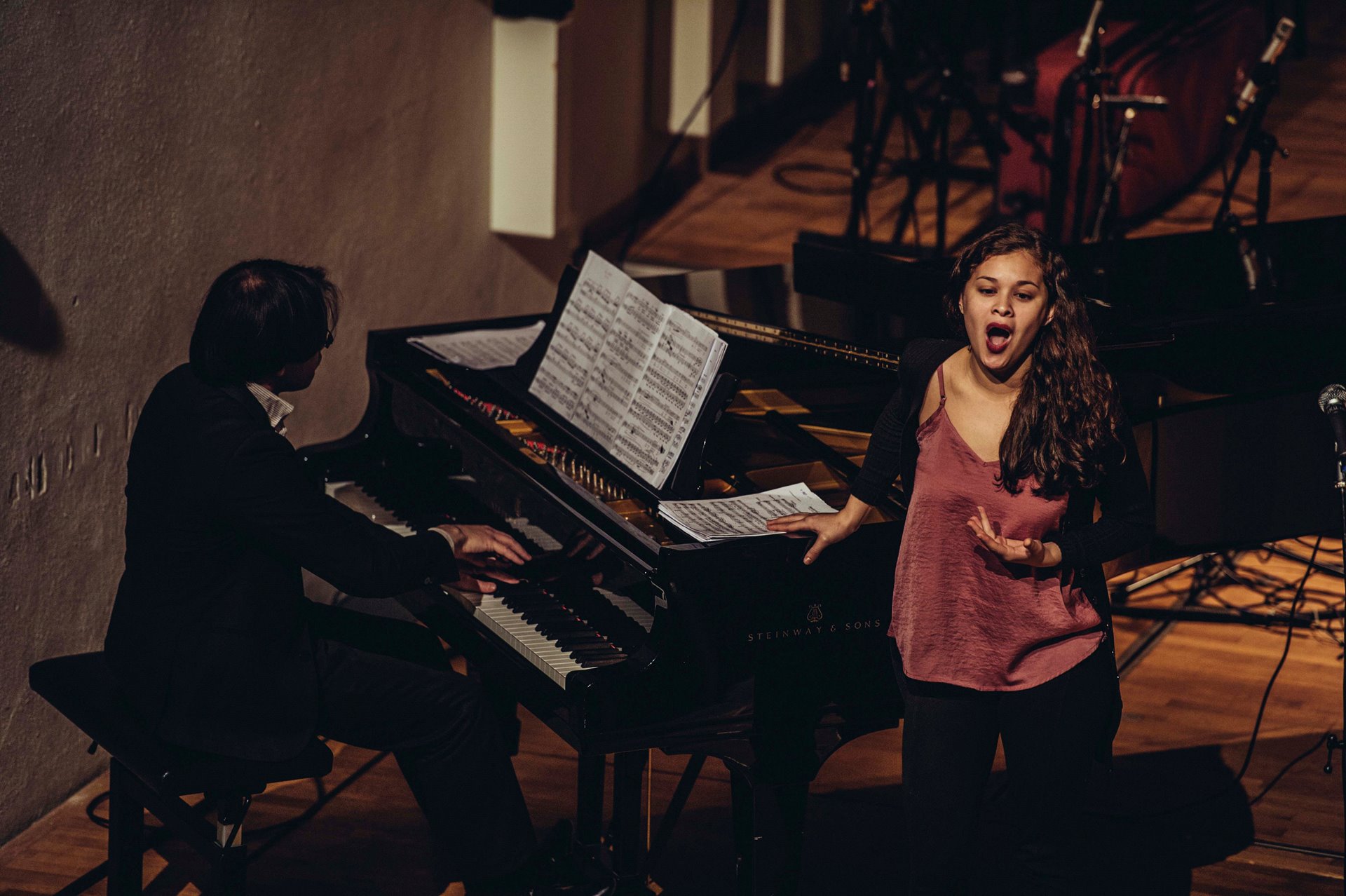
The Associate Degree Connected Design is a two-year, full-time higher professional education program. It focuses on developing you as a Creative Connector, acting as a crucial link between spatial designers, clients, and end-users. You will learn to use various visualization techniques to help stakeholders understand design proposals, such as an exhibition. The program emphasizes developing your own creative and communicative style by applying new visualization and presentation techniques to address design challenges and create impact. You will consider the end-users' needs and integrate their input into design details. Through practical projects with clients, you will establish yourself as a creative connector within a broad professional field, honing your entrepreneurial skills.
Associate degree Design Digital Media
The Associate Degree (AD) Design Digital Media is a two-year program for individuals who have completed vocational education at level 4 or higher and are passionate about digital media. This full-time program focuses on working with new technologies and collaborating with fellow students, businesses, and organizations on real-world projects. It's designed for creative and enterprising individuals who can work independently, enjoy creating digital products, and thrive in team environments with diverse designers. Graduates have the option to continue their studies and earn a Bachelor in Image and Media Technology in an additional two years.

Bachelor Architecture, Urbanism and Building Sciences
The Bachelor of Science in Architecture, Urbanism and Building Sciences (AUBS) at Eindhoven University of Technology (TU/e) offers a multidisciplinary approach to understanding and shaping our built environment. This program delves into how buildings, neighborhoods, and entire cities are constructed and evolve, focusing on adapting and reconstructing them to meet the changing demands of residents and users, while integrating the latest technological advancements. You will gain a broad insight into the design of various structures and urban spaces, deepening your knowledge of technology, design processes, and construction. The curriculum emphasizes a blend of theory and practice, encouraging students to think creatively and critically about innovation in the building industry. The program structure allows for specialization, enabling you to tailor your academic path and explore specific areas of interest within the vast field of architecture, urbanism, and building sciences. Collaboration in multidisciplinary teams is a key component, preparing you to tackle complex societal issues with technological solutions.
Bachelor Industrial Design
Industrial Design at Eindhoven University of Technology (TU/e) focuses on developing interactive systems, products, and services that aim to improve society and people's lives. The program integrates technology, creativity, user needs, aesthetics, social impact, and business considerations to create meaningful applications. You will learn to tackle design challenges for services, products, or systems, developing both the skills and the mindset required. The curriculum is hands-on, emphasizing learning by doing. Graduates receive a Bachelor of Science degree in Industrial Design.
Design
Design for Change and Innovation
The Bachelor Design for Change and Innovation program focuses on applying creativity to develop innovative solutions for societal challenges. You will address issues related to inclusion, education, and wellness by connecting people and moving beyond single disciplines. The program emphasizes collaborative concept development through phased processes to find solutions with broad societal acceptance, ultimately enabling graduates to positively impact organizations and individuals.
Design Minor
This Design minor program, offered at Hanze University of Applied Sciences through the Minerva Art Academy, is designed for Bachelor's level students interested in a study abroad experience within a vibrant artistic community. You will be integrated into a second-year Design group, becoming part of the regular student body. The program is taught entirely in English and focuses on allowing pro-active art students to deepen their intellectual and artistic development. The minor is an elective course, meaning you can choose it based on your personal interests and objectives from a wide range of design disciplines. The program is structured around the semester system, with one semester equating to a maximum of 30 ECTS credits. Assessment occurs at the end of each semester, with courses graded as either a pass (voldoende) or fail (onvoldoende).
Fashion Design
The Fashion Design programme at HKU focuses on developing you as a designer for the future. It goes beyond just clothing, exploring how fashion connects with societal trends and global events. You will learn to integrate your personal interests and perspectives into your work, demonstrating the potential of fashion and design to tell stories and communicate ideas to the public. This full-time, four-year Bachelor of Arts programme encourages experimentation with various design approaches, technologies, materials, and visual media within a workshop setting. This pathway within the Bachelor of Design fosters individual exploration alongside collaborative projects and engagements with external parties. It emphasizes the intertwined nature of research and creativity, preparing you to find your unique voice as a designer. The programme is ideal for those who are creative, enjoy making things, are open to experimentation, curious about the world, and can work independently with initiative.

Fashion Design, Branding and Management
The Amsterdam Fashion Institute (AMFI) offers a Bachelor's degree program focused on educating students to become creative and innovative professionals in the fashion industry. It's the largest fashion institute in the Netherlands and unique for bringing together all aspects of the fashion chain – management, branding, and design – under one roof. AMFI emphasizes creativity, technology, and entrepreneurship, preparing over 1,500 students annually to make an impact within and beyond the industry. The program encourages interdisciplinary collaboration and focuses on sustainable, digital, and inclusive solutions for the future of fashion. Courses are available in both Dutch and English, fostering a dynamic learning environment where innovative ideas emerge from the collaboration between students, researchers, lecturers, and industry partners.
Game Art Bachelor
The Bachelor of Game Art is a full-time, four-year program focused on training you to become a professional game artist. You will learn to blend your personal creative style and ideas with the practical and technical aspects of the game development profession. The program utilizes professional game engines and the latest development software, providing ample opportunities for your individual artistic growth. You will be taught by industry professionals and gain hands-on experience in a field that is in high demand, both in the Netherlands and internationally.
Game Design
The Bachelor Creative Media and Game Technologies program offers a full-time study to become a game designer. You will learn everything about game design, level design, and play design, with ample opportunity for personal development of your unique talents. You will learn from professionals in the gaming industry. This program is recognized as top-rated by the Dutch 'Keuzegids' in 2023 and 2024. This program is ideal for individuals passionate about gaming, brimming with ideas for new games, and eager to experiment. If you are creative, enjoy trying new things, and are interested in games, design, drawing, and human motivation, this program will teach you how games are created and foster continuous development in line with the profession.
Geo-information Science and Earth Observation for Disaster Risk Reduction
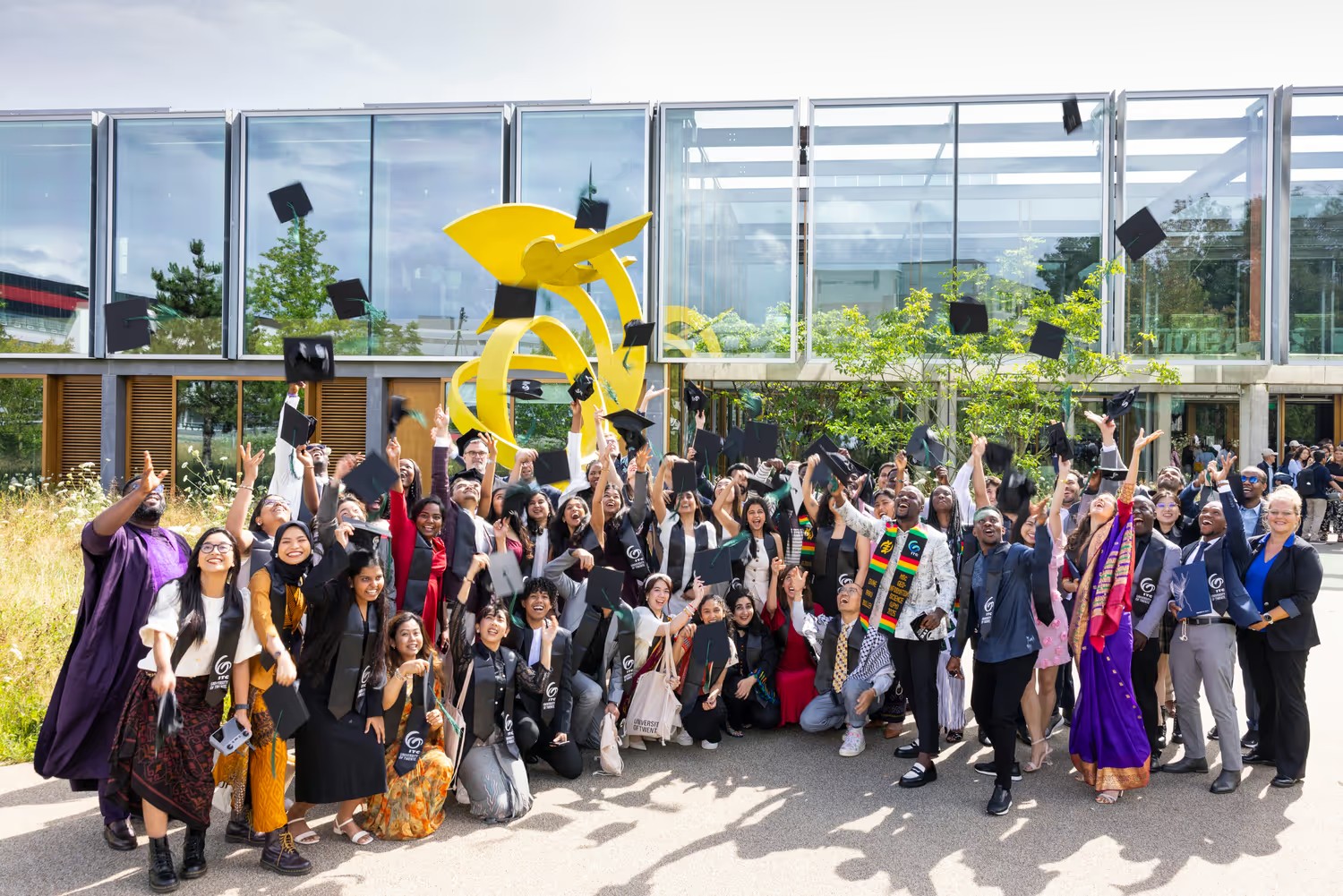
The Faculty of Geo-Information Science and Earth Observation (ITC) at the University of Twente offers postgraduate education focused on applying advanced geo-information science and earth observation technologies. The program aims to equip international students with the knowledge and skills necessary for disaster risk reduction, particularly in developing countries and emerging economies. It emphasizes the use of tools like Remote Sensing and GIS for understanding, monitoring, and predicting natural hazards, assessing risks, and supporting post-disaster recovery efforts. The goal is to foster institutional development and capacity building through the exchange of knowledge and expertise.
Graphic & Interaction Design
Graphic Design
Interactive Performance Design
The Bachelor of Arts in Interactive Performance Design is a full-time, four-year program that blends art, interactivity, performance, technology, and audience participation. It offers a unique combination of theatre, performance art, installation, and technology. Students will learn to design and create stories and physical experiences, exploring the latest developments in art and technology. The program aims to equip students with the skills to communicate as artists and interaction designers, connecting stories, choreography, audiences, space, image, and sound to create impactful experiences. This program is recognized as a top-rated program by the Dutch 'Keuzegids' 2025. This program is ideal for creative individuals who are passionate makers, enjoy designing experiences, creating environments, and telling stories. It suits those who are curious, seek challenges, and are comfortable working both independently on personal projects and collaboratively in a team. The program values individuals who want their audience to feel and experience something, who see themselves as designers, makers, inventors, and performers, and who enjoy engaging in discussions with peers. Students should be thinkers who look for unexpected opportunities and enjoy working outside conventional boundaries.
Master Architecture
The Master Architecture program at Fontys University of Applied Sciences is designed for individuals passionate about spatial design and making a meaningful impact on society. This part-time, four-year program blends studio-based learning with real-world challenges, allowing you to gain professional experience while studying. You will develop a designer's perspective, cultivate a strong theoretical foundation in architecture, economy, sustainability, and art history, and enhance your professional skills through research and advanced training. The program is ideal for those who enjoy conceptual thinking, creative problem-solving, and collaborating with diverse groups of students.
Master Architecture, Building and Planning
The Master of Science in Architecture, Building and Planning (ABP) program at Eindhoven University of Technology (TU/e) offers a comprehensive approach to the built environment, integrating art, science, and technology. This program addresses critical global challenges such as climate change, population growth, and housing shortages, preparing students to design and manage sustainable and functional cities and infrastructure for the future. The curriculum spans a broad spectrum of disciplines, including architectural and urban design, civil engineering, structural design, building physics, urban planning, mobility, and real estate development. Students gain knowledge in planning, creating, maintaining, and conserving buildings, cities, and infrastructure, with a focus on innovative solutions and synthetic skills embedded in research. The ABP master’s program is unique due to its broad orientation, covering all disciplines related to the built environment under one roof, which prepares graduates for the multidisciplinary nature of the building industry. TU/e emphasizes small-scale education, fostering collaboration between students and teachers. The program is highly flexible, allowing students to tailor their study plans by selecting specific courses and combining interests across different tracks. Students are encouraged to develop into designers, researchers, managers, or policy makers, with a mentor available to guide their choices. Opportunities for international experience, internships, and an optional honors program are also provided to enhance professional development and leadership skills.
Master Digital Design
The Master Digital Design is a one-year, full-time international program offering two specializations: Interaction Design and Digital Fashion Technology. Both tracks focus on addressing significant global challenges through a critical, ethical, human-centred, and sustainable approach to design. Students are encouraged to question technological promises, challenge norms, and explore innovative perspectives beyond traditional design tools. The program aims to empower professionals to develop solutions for issues ranging from over-consumption to the energy transition.
Master Interior Architecture
The Master Interior Architecture (HKU MIA) is a two-year full-time program designed to train you as an interior architect. It focuses on developing your ability to create spaces that have a significant impact. You will learn to approach design creatively, communicatively, and with a strong investigative spirit, enabling you to define your unique position within the professional field. The program emphasizes involving users in the design process and developing research methods that integrate the experience of spaces into the final outcome. Key themes include human-centered design, investigative design practices, and understanding design within a professional context. The curriculum allows you to explore various design approaches, technologies, materials, and visual media through workshops and experimentation. You will have the freedom to find your own path as a designer while engaging with societal issues and collaborating on projects with external partners.
Master Interior Architecture
The Master's program in Interior Architecture focuses on developing your personal artistic vision to create compelling spatial concepts and bring them to life. A key aspect of this program is learning to present your conclusions effectively as an integral part of your architectural design. Throughout your studies, you will be encouraged to draw connections between your own work, the work of others, and the broader public context. The program is designed for graduates with a bachelor's degree in architecture, interior design, or a related architectural field. Upon successful completion, you will earn a Master of Arts degree, recognized by the Union of Dutch Interior Architects (bni). With two years of practical experience, you can also register with the Architects Registration Board.
Master of Music, Music Design Pathway
The Master of Music (MMus) Music Design pathway at HKU offers a full-time, English and Dutch-taught program focused on developing your professional and artistic vision within music technology. You'll explore your position in the field, engaging with technology development, multidisciplinary collaboration, the context of music creation, design and production processes, practice-based research, and target audiences. The program encourages you to develop a personalized study plan tailored to your objectives, which are reviewed and adjusted each semester. You'll benefit from a diverse community of national and international students and the extensive network of lecturers and alumni.
Minor Design for Social Change
The Minor Design for Social Change is a part-time program focused on using design principles to address societal issues. You will work in multidisciplinary and international teams to develop solutions for challenges such as poverty reduction, inequality, climate change, and waste management. The program emphasizes the United Nations' Sustainable Development Goals (SDGs) and employs Kees Dorst's Frame Innovation method to guide research and prototyping. Students will learn to make the results of their projects visually transparent for a broad audience, taking on roles like designer, project manager, programmer, or director.
Minor Interactive Narrative Design
This minor introduces you to the fundamentals of interactive narrative design, using traditional storytelling techniques as a foundation to engage audiences actively. You will collaborate with students from various creative disciplines to develop multidisciplinary projects, including art installations, board games, digital games, theatre performances, and escape rooms. Through workshops led by industry professionals, you will learn to combine text, visuals, sound, technology, and interactivity effectively, discovering how interactive narrative design can enhance opportunities in your chosen field.
Minor Space, Perception and Design
This is a 5-month intensive design minor offered by HKU Design, focusing on spatial design challenges. You will engage in research-driven design projects, exploring concepts within interior design, architecture, and urban contexts. The minor encourages curiosity and an open mindset, inviting you to investigate the unknown and integrate diverse perspectives into your spatial designs. You'll work in a studio environment with access to various workshops and labs, developing your ideas through hands-on making and research. The program emphasizes a holistic approach, considering physical, material, technical, emotional, human, and social factors in design. You will learn to visualize your concepts using spatial studies, models, installations, collages, and interactive techniques, culminating in a final exhibition and presentation. The goal is to develop a deep understanding of spatial design, refine your design process, and enhance your ability to articulate and present your vision.
Music and Technology
The Master's Music and Technology programme at HKU University of the Arts Utrecht offers a unique interdisciplinary approach for musicians and technologists. This programme is designed for those who want to explore the intersection of music, technology, and artistic practice. You will develop advanced skills in areas such as sound design, music production, interactive music systems, and creative coding, all within a collaborative and experimental environment. The curriculum is project-based, allowing you to delve into specific areas of interest and create innovative work that pushes the boundaries of contemporary music and sound art.
PhD in 3D flow map - design, implementation and usability
Product Design
Product Design
The Product Design programme at HKU is a four-year, full-time Bachelor of Arts degree focused on developing creatively thinking, investigative designers. It emphasizes connecting personal interests and contemporary societal trends, encouraging students to express their unique perspective on product design. The program aims to equip students with the ability to let their imagination guide their work and to demonstrate a clear attitude towards design. This program is one of the pathways within the Bachelor of Design and encourages experimentation with various technologies, techniques, materials, and visual media. Students will work in workshops, engage in individual projects, collaborations, and projects with external parties, fostering a blend of research and creativity. The goal is to prepare students to become the designers of tomorrow, deeply connected to the world around them.
Spatial Design
The Spatial Design bachelor's program focuses on creating and shaping spaces, from small interventions to exploring the interaction between people and their environment. It addresses the evolving landscape of architecture and spatial design, seeking individuals who can offer unique and innovative perspectives. The program emphasizes the connection between spatial design and contemporary societal issues, encouraging students to contribute to daily life through thoughtful spatial interventions. Throughout this four-year, full-time program, you will develop as an investigative designer. You'll learn to connect your personal interests, thoughts, and feelings with the broader world, allowing your imagination to flourish. The curriculum fosters the development of a distinct design attitude, enabling you to articulate your understanding of spatial design through your work. Students are encouraged to experiment with various technologies, techniques, materials, and visual media within workshop settings.
Time Based Design
Vastgoedkunde
Vormgeving
Frequently asked questions
How many Architecture and Design programmes are available in the Netherlands?
+
There are 33 Architecture and Design programmes across 8 universities in the Netherlands.
Which Dutch universities offer Architecture and Design programmes?
+
Notable institutions include Eindhoven University of Technology, Hogeschool voor de Kunsten Utrecht (HKU), Hanze University Groningen, Zuyd University, Hogeschool van Amsterdam, and the International Institute for Geo-Information Science and Earth Observation.
How much do Architecture and Design programmes cost in the Netherlands?
+
Tuition varies by programme — check each listing for current fee information.
Can international students apply to Architecture and Design programmes in the Netherlands?
+
Yes, the Netherlands has a large international student community; EU/EEA students pay statutory tuition fees while non-EU students pay institutional fees, and most applicants outside the Schengen area will need an MVV entry visa.
What are typical entry requirements for Architecture and Design in the Netherlands?
+
Requirements vary by level; bachelor's programmes typically require a secondary school diploma with a portfolio submission, while master's programmes require a relevant bachelor's degree and a strong design portfolio.