Medicine in United States
The United States offers 81 Medicine programmes at 40 universities, spanning medical degrees (MD and DO), graduate-level health sciences, and specialist clinical training. Institutions such as Washington University in St. Louis, the University of California, Los Angeles, the University of Pittsburgh Medical Center, and New York University are among the universities represented in this listing. Tuition ranges from roughly €26,000 to €98,000 per year, reflecting the wide spectrum from state-supported programmes to elite private medical schools.
US medical education typically requires applicants to first complete a bachelor's degree and pass the MCAT examination before applying through the AMCAS centralised system. International students may face additional visa and licensing requirements and should verify eligibility for clinical rotations before applying. Despite the high costs, the US medical system offers world-class clinical training, extensive research facilities, and strong residency placement networks.

Adult-Gerontology Clinical Nurse Specialist Post-Master's Certificate
This post-master's certificate program focuses on the Adult-Gerontology Clinical Nurse Specialist (AGCNS) role, preparing graduates to manage the care of adult and older adult patients. You will learn to improve patient outcomes by influencing patient care, nursing practice, and healthcare systems. The program emphasizes integrating evidence-based practices into your clinical work through preceptor experiences. Graduates are equipped to promote health, manage symptoms, educate patients, and consult within healthcare settings, typically in hospitals or outpatient environments.

Advanced Certificate in Clinical Research
This one-year Advanced Certificate in Clinical Research program at the Icahn School of Medicine at Mount Sinai offers the opportunity to gain practical experience in clinical and translational science within a major New York hospital network. It is designed for recent graduates aspiring to careers in science or healthcare, or for individuals seeking to deepen their research interests, including residents, research fellows, and other healthcare professionals in training.

Anesthesiology Critical Care Medicine Fellowship
The Anesthesiology Critical Care Medicine Fellowship at Yale School of Medicine is an ACGME-accredited program designed to train physicians in the comprehensive care of critically ill adult patients. The fellowship emphasizes the pathophysiology and perioperative implications of surgical, cardiac, thoracic, traumatic, and medical conditions requiring intensive care. Fellows will gain experience working with multiple solid organ transplant teams and will rotate through surgical/trauma, cardiac surgery, and medical intensive care units. Electives, research opportunities, and focus on personal interests are encouraged.
Anesthesiology Fellowships
The Yale Department of Anesthesiology offers a variety of supervised fellowship opportunities designed to advance trainees' expertise in specialized areas of anesthesiology. These programs foster collaboration with surgical groups for comprehensive training, research, and quality assessment. Trainees can pursue either clinical specializations or engage in research. The clinical fellowships provide advanced training in specific sub-specialties. The research fellowships, including the NIH T32 Training Program, aim to equip young scientists with experience in basic and translational research, preparing them to become future physician scholars.

Bachelor of Science in Nursing - IMG-to-BS Specialization Option
Monroe College offers an accelerated Bachelor of Science in Nursing (BSN) program designed for International Medical Graduates (IMGs) who hold a degree equivalent to a bachelor's from an accredited non-U.S. medical school. This program allows you to transition into a career as a Registered Nurse in the United States. It focuses on core nursing coursework and prepares you to take the NCLEX-RN licensing exam upon completion. The program spans six semesters over two academic years.

Biology - Medical Laboratory Science
The Biology - Medical Laboratory Science program at the University of Central Oklahoma (UCO) prepares students for a crucial role in healthcare. Medical Laboratory Scientists perform a wide range of tests on patient samples, providing essential data for diagnosis, treatment, and prevention of disease. This program equips graduates with the scientific knowledge and practical skills needed to work effectively in clinical laboratories.

Biology, B.S. / Doctor of Podiatric Medicine Dual Degree
This dual-degree program allows students to pursue a Bachelor of Science (B.S.) in Biology at New Jersey City University (NJCU) and then seamlessly transition to the Doctor of Podiatric Medicine (D.P.M.) program at New York College of Podiatric Medicine (NYCPM). Students spend three years at NJCU completing their undergraduate biology requirements. During their third year, they are expected to take the Medical College Admissions Test (MCAT) and apply to NYCPM. Upon successful completion of their first year at NYCPM, NJCU will award the B.S. in Biology. After finishing the fourth year at NYCPM, students earn their D.P.M. degree. This program is designed for high school graduates ready for college-level coursework. Transfer students may not be eligible due to specific prerequisite requirements.
Certificate Clinical Research Program
Certified Medical Assistant
The Certified Medical Assistant program at Lincoln Trail College prepares students for a variety of roles in healthcare settings, including medical offices, clinics, dental offices, and hospitals. Graduates will be equipped to handle both clinical and administrative tasks. The curriculum provides a strong foundation in essential medical skills and professional practices.
Clinical Laboratory Sciences, Bachelor of Science
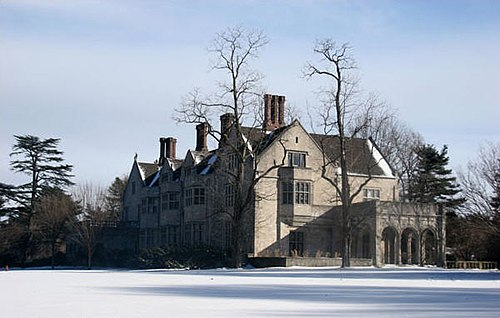
The Bachelor of Science in Clinical Laboratory Sciences (CLS) program at Stony Brook University trains students to become competent healthcare professionals. Graduates are prepared to take the National MLS ASCP Board Certification Exam and are eligible for New York State Licensure. This upper-division program focuses on developing skilled Clinical Laboratory Scientists who perform and supervise essential laboratory tests for diagnosis, condition assessment, and treatment monitoring. The curriculum emphasizes problem-solving, quality assurance, and professional conduct, preparing students for diverse roles in the healthcare field.

Clinical Mental Health Counseling, MA
The Master of Arts in Clinical Mental Health Counseling (CMHC) program at Lindenwood University offers a comprehensive education in psychological knowledge and theory, combined with practical training in counseling skills. This program prepares graduates to work effectively in diverse mental health settings, providing services to individuals, groups, and families. The degree is available in both online and blended formats, allowing for flexible learning options.
Comprehensive Otolaryngology & Sleep Medicine
The Division of Comprehensive Otolaryngology & Sleep Medicine focuses on providing advanced clinical care for common ear, nose, and throat (ENT) conditions in both pediatric and adult patients. The division also offers specialized medical and surgical services for sleep disorders, including a multidisciplinary approach for patients who have difficulty tolerating CPAP therapy. Through a combination of clinical expertise and research, the division aims to improve patient outcomes and advance knowledge in these fields. Educational activities include daily teaching for residents and medical students, as well as instruction in various medical education courses and simulation initiatives.

Doctor of Dental Surgery (DDS) Program
The Doctor of Dental Surgery (DDS) program at NYU College of Dentistry is designed to provide students with a comprehensive and extensive clinical practice experience integrated with rigorous coursework. The program emphasizes the relationship between dentistry and overall health, preparing students for leadership roles in healthcare. With a strong foundation in biomedical, behavioral, and clinical sciences, students gain practical skills through early clinical immersion and community outreach. The college, founded in 1865, is one of the largest dental schools in the U.S. and is committed to advancing dental medicine through research, innovative treatments, and serving a diverse patient population.

Doctor of Medicine
Doctor of Medicine (MD)
The Elson S. Floyd College of Medicine at Washington State University is dedicated to training future healthcare leaders who will serve communities, particularly in rural and underserved areas of Washington. The program utilizes a distributive model, offering students clinical experiences across various hospitals and healthcare settings throughout the state. The college emphasizes community-based care and research that directly benefits communities. WSU Health is committed to transforming healthcare through education and research. The College of Medicine focuses on addressing community healthcare issues, promoting foundational discoveries, and engaging in community-informed research. Graduates are prepared to lead in addressing critical health needs.

Doctor of Osteopathic Medicine Program
The Doctor of Osteopathic Medicine (DO) program at Touro College offers a comprehensive medical education that integrates foundational scientific knowledge with patient-centered care. This approach emphasizes treating the whole patient, considering biological, psychological, and environmental factors. In addition to standard medical training, DO students receive specialized instruction in osteopathic manipulative medicine (OMM) techniques, focusing on the musculoskeletal system to promote healing and well-being. The program utilizes innovative educational technologies, including a "flipped classroom" model, to enhance student engagement and learning, dedicating in-person time to critical thinking and problem-solving.
Emergency Medical Responder (PARA C421)
The Emergency Medical Responder (EMR) program at Illinois Eastern Community Colleges (IECC) is designed to prepare students for the National Registry of Emergency Medical Technicians (NREMT) exam. This program equips individuals with the foundational knowledge and skills necessary to provide emergency medical care.

Emergency Medical Services - Associate in Science
The Associate in Science in Emergency Medical Services (EMS) program prepares you for a career as a rapid responder in emergency medical situations. This program combines the Emergency Medical Technician (EMT) and Paramedic certificates with general education courses. It is designed to equip you with the necessary technical knowledge and skills for entry-level positions or career advancement in emergency services and related healthcare fields. This degree is suitable for individuals interested in supervision and career growth within the emergency services industry.
Emergency Medical Technician (EMT)
The Emergency Medical Technician (EMT) program prepares students for a career in Emergency Medical Services. Upon successful completion, graduates are eligible to apply for the Florida and National Registry Emergency Medical Technician Basic certification exams. This program focuses on providing essential basic life support and patient transportation skills. To be considered for admission, applicants must be at least 18 years old and possess a high school diploma or GED. Admission to the program is offered on a first-come, first-served basis. Please note that clinical agencies may require background checks, and students with felony convictions might be barred from participating in clinical duties.

Emergency Medical Technician (EMT) Certificate
The Emergency Medical Technician (EMT) College Credit Certificate program at St. Johns River State College prepares students for entry-level positions as basic pre-hospital emergency medical technicians. You will learn essential skills to treat patients with various medical and trauma conditions, often being the first responder in critical situations. This program is the foundational step for a career in emergency medical services and is a prerequisite for further training, such as becoming a paramedic.

Emergency Medicine Electives
The Emergency Medicine program at UCLA offers residents 20 weeks of elective time throughout their training. This dedicated period is designed to foster personal growth, allow for the exploration of specific interests, and prepare physicians for leadership roles in emergency medicine both domestically and internationally. Residents can choose from a wide array of existing electives or even develop their own, ensuring a tailored learning experience. Electives can be used to gain experience in subspecialties like Ultrasound, Pediatric Emergency Medicine, or Critical Care, preparing residents for competitive fellowships. Alternatively, residents pursuing community practice can use this time to develop leadership skills. The program emphasizes the value of this flexible elective time, combined with faculty mentorship, in building a strong foundation for a dynamic and multidimensional career in emergency medicine.
Firefighter/Emergency Medical Technician Certificate
This program prepares you for a career in the challenging field of emergency services, including responding to fires, accidents, medical emergencies, and hazardous material incidents. You will gain essential skills in both firefighting and emergency medical treatment. The curriculum combines classroom learning with practical, hands-on training in state-of-the-art facilities, preparing you for entry-level positions in the field.

General Psychiatry Residency
The General Psychiatry Residency program at UC San Diego offers comprehensive training for physicians aspiring to become leaders in the field of psychiatry. Located in a vibrant Southern California setting, the program integrates clinical experience with research opportunities, preparing residents for diverse career paths in academic medicine, community practice, and beyond. The curriculum is designed to foster expertise in diagnosing and treating a wide range of mental health conditions across different patient populations and settings.
General Surgery Residency
The UPMC Horizon General Surgery Residency Program, established in 1973, is a five-year training program accredited by the ACGME since 2019. It aims to produce highly qualified general surgeons equipped for independent practice or further fellowship training. The program offers extensive surgical experience across community-based hospitals and tertiary care centers within the UPMC system, with residents primarily based at UPMC Jameson and UPMC Horizon Shenango Valley. Residents gain early responsibility for patient management, including pre- and post-operative care, and benefit from frequent intra-operative exposure to a wide range of cases (open, laparoscopic, robotic-assisted, endovascular). The curriculum includes formal educational sessions like didactic lectures, grand rounds, morbidity and mortality conferences, and journal clubs. The program emphasizes a close-knit environment and provides access to specialized services at UPMC Presbyterian, Montefiore, and Hamot, ensuring a high-quality training experience with successful fellowship matches and career placements. Graduates are well-prepared for general surgery positions nationwide or for competitive fellowship training in areas such as Trauma/Acute Care Surgery, Plastic Surgery, Minimally Invasive/Bariatric Surgery, Vascular Surgery, and Cardiothoracic Surgery.
General Surgery Residency Program
The General Surgery Residency Training Program at UPMC offers comprehensive surgical education for individuals pursuing a career in general surgery or a specialized surgical field. The program is structured to be adaptable to each resident's specific career goals, whether they aim for community practice or academic and research positions. It prioritizes in-depth training with increasing operative responsibility for a select group of residents, ensuring a high standard of patient care and fostering a strong sense of community and commitment among participants.
General Surgery Residency Program at UPMC in Central Pa.
The General Surgery Residency Program at UPMC in Central Pa. is a five-year program accredited by the Accreditation Council for Graduate Medical Education (ACGME). It is designed to provide residents with a comprehensive range of surgical opportunities and prepare them for certification by the American Board of Surgery. Located in Central Pennsylvania, the program features expert faculty and robust didactic activities to foster the development of surgical skills and professional growth as a physician.

Graduate Certificate in Medical Product Quality
This graduate certificate program is designed for individuals with backgrounds in biological, pharmaceutical, biomedical sciences, or biomedical engineering who want to specialize in ensuring the quality of medical products. It covers the regulations and guidelines critical for maintaining the quality of drugs, biologics, and medical devices in both the United States and internationally. The program provides a foundational understanding of quality practices and systems, preparing specialists for high-demand roles in the regulatory and quality science fields.

Graduate Medical Sciences
Boston University's Graduate Medical Sciences (GMS) offers advanced degrees in biomedical sciences. Located within the Chobanian & Avedisian School of Medicine, GMS provides opportunities for students to pursue over 30 PhD, MD/PhD, MA, and MS degrees across 15 departments. The program emphasizes interdisciplinary collaboration with the Boston Medical Center, fostering translational and cross-disciplinary research. Students can tailor their studies through single areas of focus, interdisciplinary programs, dual degrees, and specialized concentrations. The faculty comprises world-class researchers who collaborate between clinical and basic science fields, offering access to state-of-the-art core facilities for advanced research. A wide range of courses are offered each semester, with detailed information available in the BU Bulletin and a list of newly approved courses. Boston University is committed to nondiscrimination in all its educational programs and activities.
Health Information Management
The Health Information Management program equips you with the skills to excel in the vital field of healthcare data. You will learn to manage and secure medical records, collaborate effectively with healthcare professionals, and contribute to the efficient operation of various health-related organizations. This program prepares you for a career focused on delivering quality patient care through effective information management. Graduates are prepared to play key roles in organizing and securing critical patient information in healthcare facilities, insurance companies, and medical practices.
Hematology & Medical Oncology Fellowship
This fellowship program at NYU Grossman School of Medicine trains physicians to become academic leaders in hematology and medical oncology. It provides comprehensive clinical and research experience, focusing on preparing fellows for careers in academic medicine. The program emphasizes developing strong clinical skills, conducting scholarly research, and fostering intellectual curiosity within a collaborative environment. Fellows are encouraged to balance clinical autonomy with structured learning and are supported in their personal and professional growth.
Junior Faculty Alumni - National Center of Leadership in Academic Medicine (NCLAM)
The National Center of Leadership in Academic Medicine (NCLAM) program, established in 1999, aims to foster leadership skills among junior faculty within Health Sciences at UC San Diego. The program has graduated 492 faculty members to date. Participants develop and complete a professional development project (PDP) with guidance from a senior mentor. Mentorship pairings are determined by recommendations from the participant and the NCLAM Leadership Council. The program showcases a diverse range of faculty interests across various departments.

Master of Medical Science (MMS)
The Master of Medical Science (MMS) degree at Brown University is designed for medical students who have partially completed their medical school education but are unable to fulfill all the remaining requirements. This degree serves as recognition for the coursework and partial completion of the medical program. It is conferred by the Graduate School of Brown University.
Master of Science in Clinical Research (MSCR)
The Master of Science in Clinical Research (MSCR) is an interdisciplinary program designed to equip students with the knowledge and skills necessary for a successful career in clinical research. This program serves as a stepping stone for further advanced studies or career progression in various health-related fields, including pharmaceuticals and biotechnology. The curriculum emphasizes biostatistics, clinical epidemiology, research study design, data analysis, and grant writing, complemented by hands-on mentored research experiences. The program aims to develop well-rounded, forward-thinking professionals ready to contribute to patient-oriented research. The MSCR program attracts a diverse group of professionals, including those with veterinary, medical, dental, and scientific backgrounds, as well as postdoctoral fellows, junior faculty, advanced practice nurses, physician assistants, allied health professionals, and recent graduates seeking advanced training.
Master of Science in Forensic Medicine
The Master of Science (MS) in Forensic Medicine program at Philadelphia College of Osteopathic Medicine (PCOM) equips students to analyze physical evidence and establish facts in civil or criminal cases. This program immerses students in the challenging world of forensic medicine, focusing on pathology, disease processes, and medico-legal investigation. Expert faculty help students develop the analytical and critical thinking skills necessary to make a positive impact. The curriculum is designed for individuals interested in the intersection of medicine and the legal system, death investigation, scientific analysis, crime scene interpretation, and public service.
Master of Science in Medical Laboratory Science
The Master of Science (MS) in Medical Laboratory Science program at PCOM prepares graduates for crucial roles in healthcare, providing essential diagnostic services. Medical laboratory scientists, also known as medical technologists, perform a wide range of tests on blood and body fluids. Their accurate and reliable results are vital for physicians in diagnosing and treating diseases, including cancers, anemias, and infectious processes. The field encompasses five major disciplines: clinical hematology and coagulation, clinical chemistry, immunohematology, medical microbiology, and urinalysis and body fluids, all of which are covered in the program.
Master's Programs in the Medical School
The University of Michigan Medical School offers a variety of Master of Science (MS) programs designed to enhance your career, prepare you for doctoral or health profession studies, or facilitate a career change. As a leading research institution, the Medical School provides extensive opportunities for advanced training. Programs are typically one to two years in length and prepare graduates for diverse fields including research, public health, policy, medicine, the pharmaceutical industry, and education.
MD Clerkship Year
The Clerkship Year, the second stage of the MD curriculum at NYU Grossman School of Medicine, spans 10 months and begins in August. This crucial period is dedicated to developing essential clinical judgment skills for diagnosing and treating patients through hands-on experience at NYU Langone and affiliated training sites. The program starts with a one-week "Transition to Clerkship" orientation in July to prepare students for the clinical environment and their roles within healthcare teams. Following this, students engage in core clerkships from August through May, interspersed with Integrated Clinical Skills sessions. Students rotate through seven core clerkship areas: ambulatory care, general surgery, neurology, medicine, obstetrics and gynecology, pediatrics, and psychiatry. The curriculum includes a unique one-week neuropsychiatry integrated experience. Each clerkship block is 10 weeks long and includes four weeks dedicated to elective rotations, allowing students to explore specialty interests and begin career exploration. The program aims to provide comprehensive clinical training, preparing students for future medical practice and licensing exams.
MD Program
The Icahn School of Medicine at Mount Sinai offers a comprehensive MD program designed to prepare students for diverse careers in medicine, including clinical practice, advocacy, research, and education. The program emphasizes academic excellence, a strong commitment to patient communities, and a deep understanding of health disparities. The admissions process is holistic, considering each applicant's unique journey and experiences.

MD Program
The Miller School of Medicine at the University of Miami is dedicated to transforming healthcare through the education of exceptional students. The program offers an environment for discovery, research, advanced simulation, hands-on clinical experience, and community engagement. It aims to prepare students to become leaders in the future of medicine.

MD Program - Fundamentals Curriculum
The Vagelos College of Physicians and Surgeons at Columbia University offers a unique pre-clinical curriculum in its MD program, known as the Fundamentals. This foundational phase is designed to equip students with a comprehensive understanding of the core scientific principles and diseases that underpin medical practice. The curriculum spans two years and integrates various subjects through lectures, seminars, and tutorials.
MD-PhD Program
The MD-PhD Program at the Icahn School of Medicine at Mount Sinai is designed to train physician-scientists who will lead the future of medicine. This National Institutes of Health (NIH)-funded Medical Scientist Training Program (MSTP) offers a highly personalized curriculum, allowing students to choose their own multidisciplinary training area and thesis research preceptor. The program integrates clinical experiences from the start, alongside rigorous scientific training. Students begin their training the summer before medical school with a laboratory rotation and a specialized course, 'Biomedical Science for MD-PhDs.' During the graduate school years, students conduct thesis research within one of eight available multidisciplinary training areas. Upon defending their thesis, they return to the medical school for the final two years of clinical rotations to complete both degrees. The program emphasizes advising as a crucial component for student success, offering resources and services to help students achieve their academic and professional goals.
MD/MSCR PORTAL Program in Clinical Research
The Patient-Oriented Research Training and Leadership (PORTAL) program is a dual degree opportunity for medical students at the Icahn School of Medicine at Mount Sinai. It offers the chance to earn both an MD and a Master of Science in Clinical Research (MSCR) degree over five years. This program is designed to train future physician-scientists who will lead clinical and translational research. You will engage in rigorous didactic and practical training within a multidisciplinary setting. The program integrates graduate coursework and mentored research into the medical school curriculum. Students begin with limited graduate studies and journal clubs in their second year, focusing on clinical work in their third year. The dedicated "scholarly year" between the third and fourth years is when you will select a research mentor, conduct a focused research project, and complete your MSCR coursework. This research forms the basis for your MSCR thesis, which is submitted in your fourth year. The PORTAL program aims to foster strong clinical investigation skills, preparing students for research residencies, fellowships, and careers in academic medicine. You'll develop the ability to rigorously evaluate evidence, formulate research questions, and conduct studies to test hypotheses. The program emphasizes mentorship, collaboration, and career development, with students' work often leading to peer-reviewed publications.
Medical Anthropology
This program focuses on theoretical approaches and contemporary debates within Medical Anthropology. It examines key thinkers and their contributions to understanding subjectivity, illness, violence, and social/moral experiences. The curriculum includes critical engagement with ethnographic texts and the methodologies, writing styles, and ethical considerations involved in anthropological research.

Medical Anthropology Major, B.A.
The Medical Anthropology major at UNC-Chapel Hill offers a Bachelor of Arts degree focusing on the biological, cultural, and political-economic aspects of health, illness, and healing. This interdisciplinary program uses both quantitative and qualitative methods to explore how the body is shaped by evolutionary processes and cultural symbols, and how healing practices function at various levels of society. The curriculum is designed to provide students with a strong foundation for careers or further study in diverse health-related fields, including global health, public health, allied health professions, medicine, dentistry, and emerging health disciplines. It aims to equip students with an understanding of how cultural variations influence health outcomes, the meaning individuals ascribe to illness and healing, and the societal structures that shape medical knowledge and practice.

Medical Assistant
The Medical Assistant (MA) program at Pasco-Hernando State College prepares students for employment in healthcare settings, working under the supervision of licensed medical personnel. This certificate program equips students with essential skills for patient care and administrative tasks. Graduates will be prepared to assist physicians and other staff with patient management, including performing clerical duties and crucial medical tasks such as phlebotomy, clinical laboratory procedures, and patient examination.
Medical Assistant Program
The Medical Assistant program at Sullivan University is designed for individuals who are passionate about healthcare, enjoy working with people, and seek a stable career with ample opportunities. This program offers a fast track to becoming a medical assistant, with all courses delivered online. The curriculum culminates in a one-week on-campus bootcamp where you can practice essential skills before beginning clinical rotations. This flexible format allows you to gain the necessary knowledge and practical experience to make a positive impact in the healthcare field.

Medical Assisting
Medical Assisting Associate of Applied Science
The Associate of Applied Science (AAS) in Health Sciences-Medical Assisting degree program at ECPI University is designed to equip students with the essential skills for entry-level clinical and administrative roles in various healthcare settings, including physician offices, hospitals, and clinics. The curriculum integrates classroom instruction, hands-on laboratory practice, and a mandatory externship at a local medical facility to provide a comprehensive learning experience. Graduates will gain proficiency in patient care, medical office procedures, and fundamental laboratory techniques, with CPR training included. Upon completion, students may be eligible to pursue certifications such as Certified Medical Assistant (CMA), Registered Medical Assistant (RMA), Certified Phlebotomy Technician (CPT), or EKG Technician, depending on specific certification requirements. ECPI's accelerated, year-round schedule allows students to complete this Associate degree in as little as 15 months.
Medical Assisting Career Certificate
The Medical Assisting Career Certificate program at St. Johns River State College is designed to equip students with the essential administrative and clinical skills needed for a career in various medical settings. In approximately one year, you will learn critical tasks such as scheduling appointments, managing patient records, handling coding and insurance, preparing patients for examinations, administering medication, and performing basic laboratory tests. Graduates are prepared to work in hospitals, outpatient facilities, medical offices, and clinics. This certificate also serves as a pathway for students interested in pursuing further studies in nursing or other allied health programs.

Medical Laboratory Science
Stevenson University offers a Bachelor of Science in Medical Laboratory Science, a program that merges biology, chemistry, and medicine. This degree prepares graduates for careers as medical laboratory scientists, crucial professionals who perform and interpret tests that aid in disease detection, diagnosis, treatment, monitoring, and prevention. The program emphasizes hands-on learning in small class sizes, taught by faculty who are also working professionals. A significant component of the program is a semester-long clinical practicum in the senior year, providing practical experience in hospital laboratory settings. Graduates are well-prepared for immediate employment or further education, with many securing positions in prominent local hospitals.
Medical Laboratory Science
The Medical Laboratory Science program at Kean University prepares students for instrumental careers in medicine. This field utilizes scientific techniques and sophisticated instruments to identify medical conditions, analyze bodily fluids and tissues, and collaborate with medical teams. Graduates are equipped to work in various healthcare settings, including hospitals, clinics, and research laboratories. The curriculum focuses on core sciences, mathematics, and statistics, integrating practical laboratory skills with real-world training. Students learn to handle infectious specimens and hazardous materials, develop analytical and diagnostic knowledge, and prepare for national certification exams. The program emphasizes hands-on procedures, lab management, and the theoretical and practical aspects of major laboratory disciplines.
Medical Laboratory Science (MS)
Medical Laboratory Science (Post-Professional)

Medical Laboratory Science, B.S.
The Medical Laboratory Science (MLS) program at Maryville University prepares students for careers in a vital area of healthcare. You will gain the knowledge and laboratory skills necessary for diagnosing and treating diseases. Clinical Laboratory Scientists play a crucial role by performing a wide range of tests, ensuring the accuracy of results, explaining the significance of these tests to others, and evaluating new diagnostic methods. Graduates are trained to perform and interpret laboratory tests, and effectively communicate their findings.
Medical Laboratory Technician
The Medical Laboratory Technician (MLT) program at Frontier Community College prepares you for a crucial role in healthcare. MLTs perform essential analytical tests that help physicians diagnose and treat illnesses and diseases. This involves preparing specimens, analyzing fluid content, and matching blood for transfusions. You will learn to operate sophisticated laboratory equipment, including microscopes and automated analyzers, and contribute to clinical decision-making, information management, and quality assurance.

Medical Science, DMSc (Online)
The online Doctor of Medical Science (DMSc) program at California Baptist University (CBU) is designed for working Physician Assistants (PAs) to enhance their clinical, professional, and research skills. The program requires 39 units of coursework and can be completed in either one or two years, depending on the student's schedule. Courses are delivered by CBU's full-time PA Studies faculty and experienced healthcare practitioners. The program's mission is to equip PAs with advanced knowledge and leadership skills to serve communities and further the healing ministry of Christ, preparing them to be thoughtful leaders and lifelong learners in medical science.
MS Clinical Research Program
Neuromedicine PhD Program
The Neuromedicine PhD program at the Keck School of Medicine trains future researchers to investigate complex neurological and neurodegenerative diseases like Alzheimer's. It offers a comprehensive curriculum and a strong interdisciplinary research environment, focusing on disease biology, data science, and traditional research methods. Students will explore genetic, molecular, cellular, and systems-level aspects of these conditions. The program also incorporates translational and clinical perspectives, preparing graduates to contribute to the development of new diagnostic tools and therapies for improved patient care.

Online Graduate Certificate in Integrated Behavioral Health – Clinical
Arizona State University's online Graduate Certificate in Integrated Behavioral Health – Clinical is designed for master’s-level clinicians and students seeking to advance their careers in integrated primary care and behavioral health. This program provides comprehensive clinical training, enabling you to deliver brief, evidence-based behavioral health interventions directly within primary care settings. You will gain practical experience in patient support, collaboration with medical teams, and improving health outcomes in integrated medical environments. The curriculum focuses on developing essential skills for effective patient care within a modern healthcare context.
Ophthalmology Medical Student Programs
The University of Michigan's Department of Ophthalmology & Visual Sciences offers specialized programs for medical students interested in ophthalmology. These programs aim to provide early clinical exposure, hands-on skills training, and mentorship from faculty and residents. Students gain a deeper understanding of ophthalmology, explore subspecialties, and prepare for residency. The curriculum includes clinical experiences in various ophthalmology subspecialties, operating room observations, and bedside teaching. Didactic sessions with lectures and case-based learning complement the practical training. Students may also participate in hospital consults, managing both inpatient and emergency room cases. These programs are designed to build a strong foundation for future careers in ophthalmology, offering opportunities for both clinical and research experience. The department is committed to advancing vision research and providing comprehensive eye care.
Frequently asked questions
How much does studying Medicine in the United States cost?
+
Tuition ranges from roughly €26,000 to €98,000 per year depending on whether the institution is public or private, and on the specific programme level.
Which universities offer Medicine programmes in the US?
+
Among the 40 universities listed, options include Washington University in St. Louis, UCLA, the University of Arizona, Philadelphia College of Osteopathic Medicine, and New York University.
Can international students apply to US medical programmes?
+
Some US medical schools accept international applicants, but acceptance rates for non-US citizens are lower and visa requirements are strict. It is essential to check each school's international applicant policy before applying.
What are the entry requirements for Medicine in the US?
+
Most MD programmes require a bachelor's degree, completion of prerequisite science courses, a competitive MCAT score, and relevant clinical experience. DO programmes follow a similar pathway through AACOMAS.
How do I apply for a Medicine programme in the United States?
+
Most MD programmes use the AMCAS centralised application system; DO programmes use AACOMAS. Applications typically open in May for the following year's entry, with primary deadlines between October and December.